2027 Most Affordable Bachelor's Degrees for Adults With No College Degree

Co-Founder and Chief Data Scientist
Starting college as an adult can feel risky when tuition, work schedules, and family responsibilities all compete for attention. The payoff can still be meaningful: the U.S. Bureau of Labor Statistics reported that workers age 25 and older with a bachelor's degree had median weekly earnings of $1,543 in 2024, compared with $930 for those with only a high school diploma.
This guide is for first-time adult students comparing affordable bachelor's options. You'll learn which degree fields tend to balance cost, flexibility, admissions access, and career value so you can choose with fewer surprises.
Key Things You Should Know
- Public in-state and online programs are often the lowest-cost starting point: College Board data for 2024-25 listed average published tuition and fees at $11,610 for in-state public four-year colleges, before aid.
- Adults with no prior credits usually need about 120 semester credits for a bachelor's degree, but competency-based, year-round, and accelerated formats may shorten the calendar time if the workload is realistic.
- High-ROI affordable majors often connect directly to hiring fields, with BLS May 2024 median pay above the national median in areas such as information technology, cybersecurity, nursing, engineering, and business analytics.
Top 10 2026 Most Affordable Bachelor's Degrees for Adults With No College Degree
Business Degrees
Business is one of the most flexible, affordable bachelor's choices for adults because it applies across healthcare, retail, logistics, finance, government, and nonprofit work. Look for programs with concentrations in accounting, management, human resources, operations, or business analytics. Adults who already supervise people or manage budgets may be able to connect coursework directly to promotion goals. BLS May 2024 data placed the median annual wage for management analysts at $101,190, but outcomes depend heavily on experience, industry, location, and quantitative skills.
Healthcare Degrees
Healthcare bachelor's degrees can fit adults who want stable, mission-driven work without always pursuing direct patient licensure. Affordable options include health administration, public health, healthcare management, and health informatics. These programs often emphasize medical terminology, compliance, reimbursement, data systems, and operations. They may suit medical assistants, billing specialists, or office managers seeking advancement. Always check whether a program prepares for a licensed role or a non-licensed administrative path, because the requirements and career outcomes are very different.
Information Technology Degrees
Information technology degrees are practical for adults who want applied technology roles rather than theory-heavy computing. Common topics include networking, cloud platforms, systems administration, databases, help desk management, and IT project work. Many affordable online IT programs accept industry certifications for credit, which can reduce both time and cost. BLS May 2024 data reported a median annual wage of $105,990 for computer and information technology occupations, making IT a strong ROI candidate when the program includes hands-on labs and employer-recognized skills.
Computer Science Degrees
Computer science can be more math- and programming-intensive than IT, but it may open paths in software development, systems design, data engineering, and artificial intelligence support roles. Adults should choose it if they are ready for algorithms, discrete math, programming projects, and continuous technical learning. BLS May 2024 data listed the median annual wage for software developers at $133,080, but entry-level hiring can be competitive. A strong portfolio, internships, Git-based projects, and interview practice matter as much as the degree name.
Cybersecurity Degrees
Cybersecurity bachelor's programs can be affordable and career-focused when they include networking, operating systems, risk management, incident response, cloud security, and hands-on labs. This path fits adults who enjoy investigation, documentation, and constant learning. BLS projections for 2023-33 show information security analyst employment growing 33%, much faster than average, reflecting employer demand for security skills. Beginners should still expect to build experience through IT support, internships, security operations projects, or certifications rather than assuming a degree alone leads directly to advanced roles.
Psychology Degrees
Psychology is often affordable and widely available online, but adults should understand its limits. A bachelor's degree can support roles in human services, case coordination, market research assistance, HR, sales, and behavioral health support, but it does not qualify graduates to practice independently as licensed psychologists. BLS May 2024 data listed the median annual wage for psychologists at $94,310, yet those roles typically require graduate education and licensure. Choose psychology if you value human behavior and are open to graduate school or adjacent careers.
Nursing Degrees
Nursing can offer strong career mobility, but affordability depends on your starting point. Adults with no license typically need a pre-licensure BSN that includes clinical placements and state board eligibility, while licensed practical nurses or registered nurses may use bridge options. BLS May 2024 data reported median annual pay of $93,600 for registered nurses. Before enrolling, confirm state board approval, clinical site availability, NCLEX preparation, total fees, and whether the schedule is realistic for your work and caregiving responsibilities.
Education Degrees
Education degrees can be affordable at public universities, but adults must separate general education studies from teacher licensure programs. If you want to teach in public schools, verify that the program meets your state's student-teaching, testing, and certification rules. BLS May 2024 data listed median annual pay of $64,370 for elementary school teachers, excluding special education. This path fits adults committed to classroom work, youth development, and community impact, but it can be less flexible than non-licensure majors because field placements are required.
Criminal Justice Degrees
Criminal justice degrees may fit adults interested in law enforcement, corrections, courts, probation, victim services, emergency management, or compliance. The most affordable programs usually focus on policy, ethics, constitutional law, criminology, and public administration. BLS May 2024 data listed median annual pay for police and detectives at $77,270, but many roles require academy training, background checks, physical standards, or civil service exams. Adults should confirm whether a degree is required, preferred, or simply one factor in hiring before enrolling.
Engineering Degrees
Engineering can be one of the strongest salary-oriented bachelor's paths, but it is usually less flexible and more math-intensive than many adult-friendly majors. Affordable options are most common at public universities and ABET-accredited programs. Adults should expect calculus, physics, labs, and sequenced prerequisites that may limit acceleration. BLS May 2024 data placed the median annual wage for architecture and engineering occupations at $94,670. This path is best for students who can commit to rigorous coursework and need an accredited engineering credential.
What makes a bachelor's degree truly affordable for working adults with no prior college?
A bachelor's degree is truly affordable when the total cost, completion risk, and career value make sense together. The lowest tuition is not always the best deal if the program has weak advising, limited course availability, poor transfer policies, or requirements that force adults to stop out.
The table below summarizes the cost factors adult learners should compare before assuming a program is affordable. These categories matter because advertised tuition rarely reflects the full price of earning the degree.
| Affordability factor | Why it matters for adults with no prior college | What to compare |
| Tuition and mandatory fees | These form the base price, but adult students may pay different rates for online, evening, or out-of-state enrollment. | Per-credit tuition, technology fees, course fees, and residency rules |
| Time to completion | Longer programs can increase borrowing, childcare costs, and lost time for career advancement. | Credit requirements, course frequency, summer terms, and part-time pacing |
| Credit for prior learning | Some adults can reduce cost through exams, military training, workplace learning, or certifications. | Portfolio credit, CLEP, DSST, ACE-reviewed training, and certification credit |
| Student support | Weak support can make an inexpensive program more expensive if students repeat courses or pause enrollment. | Adult advising, tutoring, career services, and proactive registration help |
| Career alignment | A low-cost degree has less value if it does not match the target occupation or licensure path. | Accreditation, employer recognition, internship access, and outcomes data |
College Board's 2024-25 figures show why comparison matters: average published tuition and fees were $11,610 for in-state public four-year institutions and much higher at private nonprofit colleges. Adult students should use those figures as a benchmark, then compare net price after grants, employer benefits, and transfer or prior-learning credit.
How can adults compare online vs campus bachelor's programs on cost and flexibility?
Online bachelor's programs often work better for adults who need predictable access to coursework, while campus programs may be better for students who need labs, clinical placements, face-to-face support, or local networking. The right choice depends less on delivery mode and more on total cost, schedule design, accreditation, and whether the program fits your career goal.
The comparison below shows the main trade-offs adults should weigh when deciding between online and campus study. Use it to identify which format lowers your real-life barriers, not just your tuition bill.
| Comparison point | Online bachelor's programs | Campus bachelor's programs |
| Schedule flexibility | Often stronger, especially with asynchronous courses | Depends on evening, weekend, or hybrid availability |
| Direct interaction | Usually through discussion boards, video meetings, email, and virtual office hours | More immediate access to faculty, classmates, labs, and campus services |
| Hidden costs | May include technology, proctoring, and travel for occasional residencies | May include commuting, parking, childcare, housing, and time away from work |
| Best fit | Working adults with reliable internet and strong self-management | Adults who need in-person structure, labs, clinicals, or local connections |
If your main priority is finding the cheapest online university, compare net price and completion support together. A school that costs slightly more per credit may still be cheaper overall if courses are available year-round and advising helps you avoid unnecessary credits.
What financial aid options help first-time adult students lower bachelor's degree costs?
First-time adult students should complete the FAFSA even if they assume they earn too much for help. Federal and state aid formulas consider multiple factors, and many schools use the FAFSA to award grants, work-study, and need-based institutional aid.
The most useful aid options usually fall into a few categories. Review each one before borrowing, because grants and employer benefits can reduce the amount you need to repay later.
- Federal Pell Grants: The maximum Pell Grant for the 2024-25 award year was $7,395, and eligible adults do not have to repay it if they follow program rules.
- State grants: Many states offer need-based or adult-completion grants, but deadlines can be earlier than federal deadlines.
- Institutional grants and scholarships: Public and nonprofit colleges may offer awards for adult learners, transfer students, first-generation students, or specific majors.
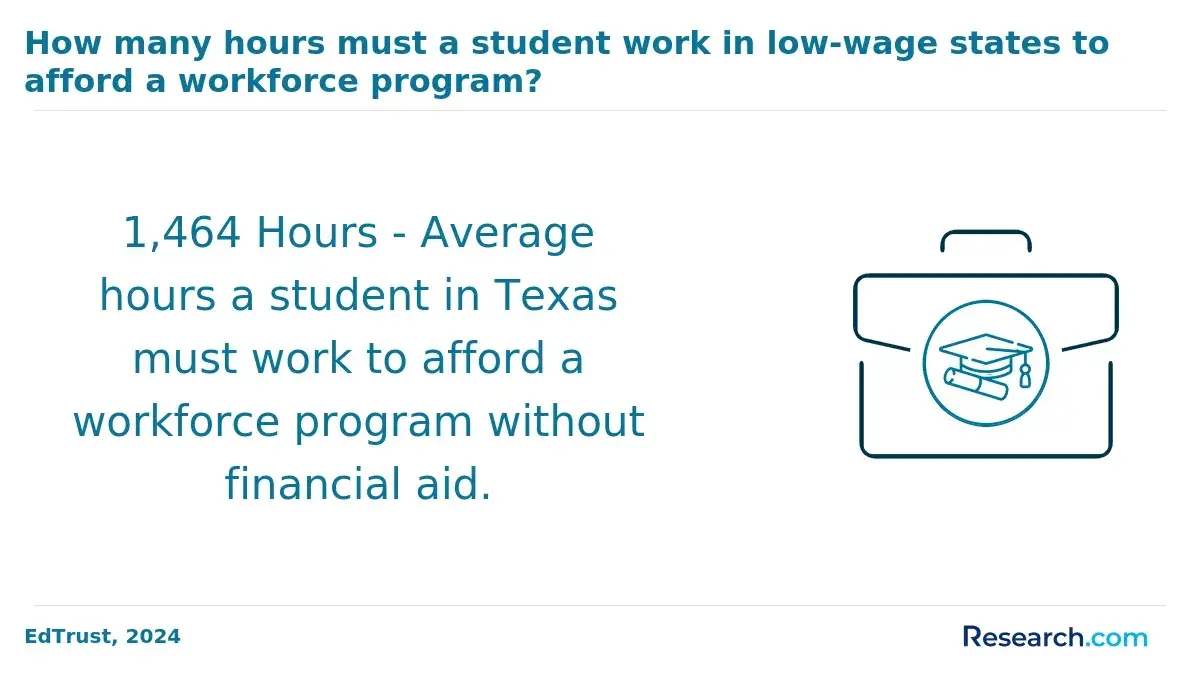
- Employer tuition assistance: Some employers reimburse approved coursework or pay partner schools directly, often with grade or service requirements.
- Federal student loans: Loans can fill gaps, but adults should borrow only after estimating monthly payments and likely earnings in the target field.
- Credit for prior learning: Exam credit, certification credit, military training, and portfolio assessment can function like financial aid by reducing the number of paid credits.
A common mistake is comparing schools before knowing your net price. Ask every school for an aid estimate, a full fee list, and a degree plan showing how many credits you must complete there.
Which affordable bachelor's majors offer the best salary potential for adult learners?
The best salary potential usually comes from majors that connect to clear labor-market demand, technical skills, licensure, or measurable business outcomes. That does not mean every adult should choose the highest-paying field; the better question is which major you can finish, afford, and use in your local or remote job market.
The table below uses BLS May 2024 wage data to show examples of bachelor's-aligned fields with strong earning potential. These are occupational medians, not promises for new graduates, and actual pay varies by region, employer, experience, and credentials.
| Affordable major area | Related occupation example | Median annual wage, May 2024 | What adults should consider |
| Computer science | Software developers | $133,080 | Requires strong programming skills, projects, and interview preparation |
| Cybersecurity | Information security analysts | $124,910 | Often rewards IT experience, labs, and certifications alongside the degree |
| Business analytics or management | Management analysts | $101,190 | Best for adults who can combine data, operations, and communication skills |
| Nursing | Registered nurses | $93,600 | Requires state-approved clinical preparation and licensure eligibility |
| Engineering | Architecture and engineering occupations | $94,670 | Usually requires intensive math, labs, and often ABET-accredited study |
Adults still deciding among good majors in college should balance salary data with completion risk. A lower-paying major that you can finish affordably may be a better investment than a high-paying major that requires prerequisites, labs, or schedules you cannot sustain.
How can adults without college experience meet admission requirements for affordable programs?
Adults with no college experience can often qualify for bachelor's admission with a high school diploma or GED, especially at public universities, open-access colleges, and adult-focused online programs. Selective programs may also require minimum GPA, placement testing, prerequisite coursework, essays, or proof of professional experience.
Before applying, gather the documents schools commonly request and confirm whether the program has separate major admission rules. This matters because being admitted to the university does not always mean immediate admission to nursing, education, engineering, or other selective majors.
- Request official high school or GED records early, because processing delays can slow admission and financial aid.
- Ask whether placement tests are required for math, writing, or college readiness.
- Confirm whether remedial or prerequisite courses count toward the 120-credit degree total.
- Check if the major has a second admission process after general university acceptance.
- Ask how the school supports adults who have been away from formal education for many years.
Avoid schools that rush you to enroll before reviewing your transcript, aid eligibility, and degree plan. A reputable admissions process should help you understand the academic path before you commit money.
How do accreditation and state authorization affect low-cost bachelor's degrees for adults?
Accreditation is one of the most important safety checks for affordable bachelor's degrees. Institutional accreditation affects access to federal financial aid, transfer credit acceptance, graduate school eligibility, and employer confidence. Programmatic accreditation may also matter in fields such as nursing, education, engineering, business, and cybersecurity.
State authorization is separate from accreditation. It determines whether a school can offer online education to students in your state and may affect complaint processes, clinical placements, internships, and licensure eligibility.
Use this checklist before enrolling, especially if the program is online or tied to a licensed profession:
- Confirm institutional accreditation through the U.S. Department of Education or the Council for Higher Education Accreditation database.
- For licensed fields, check the state licensing board instead of relying only on admissions claims.
- Ask whether online students in your state are eligible for all required fieldwork, clinicals, internships, or student teaching.
- Verify programmatic accreditation when it is expected by employers, graduate schools, or licensing boards.
- Be cautious if credits are unlikely to transfer or if the school avoids direct accreditation questions.
The cheapest program can become expensive if it blocks licensure, transfer, or graduate study. Accreditation should be verified before price, speed, or convenience.
What program formats and schedules work best for adults balancing school, work, and family?
The best schedule for adult learners is usually the one they can maintain through busy work periods, family obligations, and unexpected disruptions. Flexibility is valuable, but too much independence can be risky if you need structure, deadlines, or frequent instructor feedback.
Adult-friendly bachelor's programs commonly use several formats. Compare them based on your weekly availability, learning style, and how much academic support you will actually use.
- Asynchronous online courses: Best for adults with changing work shifts, but they require strong self-discipline and calendar planning.
- Synchronous online courses: Better for students who want live interaction, though scheduled class meetings may conflict with work or caregiving.
- Hybrid programs: Useful when labs, clinicals, or networking matter, but travel time and campus visits can add hidden costs.
- Evening or weekend campus programs: Helpful for local adults who prefer face-to-face learning and can attend at consistent times.
- Competency-based programs: Potentially efficient for experienced adults, but best when you can move quickly through material you already know.
Students who want maximum pacing flexibility can also compare accredited self-paced online courses with traditional term-based programs. The key is making sure the credits apply to a real degree plan before paying for them.
How long does it take adults with no prior credits to finish an affordable bachelor's?
Adults with no prior college credits usually need about four years of full-time study to complete a 120-credit bachelor's degree. Part-time students often take longer, while motivated students using summer terms, prior-learning credit, transfer pathways, or competency-based formats may shorten the calendar time.
The table below shows common completion timelines. Use it as a planning tool, not a guarantee, because course availability, prerequisites, finances, and life events can change the pace.
| Enrollment pattern | Typical credit load | Likely timeline | Best fit |
| Full-time traditional | About 15 credits per semester | About 4 years | Adults who can reduce work hours or have strong schedule control |
| Part-time steady pace | About 6 to 9 credits per term | Often 5 to 7 years | Adults balancing full-time work, caregiving, or financial limits |
| Year-round study | Fall, spring, and summer enrollment | May shorten time if courses are available | Students who can sustain workload without long breaks |
| Competency-based or accelerated | Variable pace | Can be faster for prepared students | Adults with strong self-direction and relevant prior knowledge |
If speed is a priority, compare accelerated programs carefully against affordability and workload. Finishing faster can reduce opportunity cost, but an unrealistic pace can lead to dropped courses, lost aid eligibility, or burnout.
How can adult learners evaluate and choose reputable low-cost bachelor's programs safely?
Choosing a reputable low-cost bachelor's program safely means verifying claims before enrolling. Adults are often targeted by aggressive marketing because they need flexibility and may feel pressure to improve earnings quickly, so a careful review process is essential.
Use the following steps to compare programs in a practical order. This sequence helps you avoid focusing on price before confirming that the degree is legitimate, usable, and realistic.
- Verify institutional accreditation and, when relevant, programmatic accreditation or state board approval.
- Request a written cost estimate that includes tuition, fees, books, technology, placement costs, and any residency or travel requirements.
- Ask for a degree map showing every course required from start to finish.
- Confirm how often required courses are offered and whether online students get priority access.
- Review withdrawal, refund, satisfactory academic progress, and loan policies before signing enrollment documents.
- Ask career services for examples of employer partnerships, internship support, licensure pass-rate information, or graduate outcomes when available.
Red flags include guaranteed job or salary claims, pressure to enroll immediately, unclear accreditation language, unusually high fees, poor transfer transparency, and refusal to provide total program cost in writing. A trustworthy school should make it easy to understand what you are buying and what risks remain.
Other Things You Should Know About
The cheapest option is often an in-state public university, community-college-to-university transfer pathway, or accredited online public program. The actual lowest-cost choice depends on residency, financial aid, fees, credit load, and whether the school awards credit for prior learning.
Yes, many accredited colleges admit first-time adult students directly into online bachelor's programs. Some majors, such as nursing, education, engineering, and certain sciences, may still require in-person labs, clinicals, student teaching, or field placements.
Employers are generally more concerned with accreditation, relevant skills, experience, and the institution's credibility than whether courses were online. For licensed fields, the program must also meet state or professional requirements.
Neither factor should be the only priority. The best program is affordable, accredited, realistically paced, and aligned with your career goal. A very fast program can backfire if the workload causes failed courses, lost aid, or incomplete learning.
References
- Returning to College after a Gap | Scholarship America https://scholarshipamerica.org/students/resources/college-return-after-gap/
- Best Online Degrees for Working Adults in 2026 https://www.straighterline.com/blog/degreecompletion-best-online-degrees-for-working-adults-in-2026
- Is College Worth it? | Return on Investment Analysis of College Degree https://educationdata.org/college-degree-roi
- How does a college degree improve graduates’ employment and earnings potential? - APLU https://www.aplu.org/our-work/4-policy-and-advocacy/publicuvalues/employment-earnings/
- Basics of In-State vs. Out-of-State Tuition – Nationwide https://www.nationwide.com/lc/resources/personal-finance/articles/in-state-out-state-tuition
- Does College Pay Off? A Comprehensive Return On Investment Analysis - FREOPP https://freopp.org/whitepapers/does-college-pay-off-a-comprehensive-return-on-investment-analysis/
- Highest Paying College Degrees for a Successful Career Abroad https://www.applash.ai/highest-paying-college-degrees
- The University Courses With The Highest Return On Investment - Here Student Living https://herestudents.com/the-university-courses-with-the-highest-return-on-investment/
- 2025 Most Affordable Online Bachelor's Degrees https://www.onlineu.com/most-affordable-colleges/bachelors-degrees