2027 Best Online Associate Degree Programs With Conditional Admission

Co-Founder and Chief Data Scientist
Can you start an online associate degree while a transcript, placement step, or other admission requirement is still pending? Sometimes - but a conditional offer to the college may not admit you to a selective major. The distinction matters when you are choosing between business, technology, healthcare, and other paths. The College Board reported average published tuition and fees of $4,050 for public two-year, in-district students in 2024-25; delays and extra coursework can increase what you actually pay. This guide helps you compare degree fields, understand conditional admission, and identify what to get in writing before enrolling.
Key Things You Should Know
- Best fit for provisional entry: Ask about online business, general studies, information technology, and criminal justice pathways first; conditional admission is a school policy, not a guaranteed feature of any major.
- Check the second gate: Nursing and some allied-health programs may require a separate, competitive application even if the college conditionally admits you.
- Compare the whole pathway: Many associate degrees require about 60 credits, but prerequisites, transfer-credit decisions, and in-person requirements can change your timeline and cost.
Top 10 Best Online Associate Degree Programs With Conditional Admission
Business Programs
An online business AA or AS may suit students planning to transfer; a business AAS may emphasize accounting, operations, or office work. These programs are worth asking about if you need to start general education courses while an admission document is pending. Compare the condition's deadline, whether business courses are open immediately, and how credits apply to your intended bachelor's degree. Accounting concentrations may require sequenced courses, so a provisional start does not necessarily prevent a scheduling delay.
Healthcare Programs
Healthcare administration and health information programs can offer online coursework, but their admission and experiential requirements vary. An allied-health AAS may instead require labs, clinical placements, background checks, or a separate program application. If you receive conditional college admission, ask whether you can enter the major or only take prerequisites. Check any professional certification eligibility separately; the degree name alone does not establish it. Choose an online option only after confirming where required hands-on work occurs.
Information Technology Programs
Online IT associate programs commonly cover networking, programming, cybersecurity fundamentals, or technical support. An AAS may prioritize job skills, while an AS may better support transfer; inspect the curriculum rather than relying on the abbreviation. Conditional admission might let you begin introductory courses before a final document arrives, but placement or prerequisite rules can still restrict math and programming courses. Ask whether labs use remotely accessible software and whether certification exam fees are included. Certifications and work experience may matter to employers alongside the degree.
Nursing / Pre-Nursing Programs
Pre-nursing admission is not nursing-program admission. An online pre-nursing AA or AS may let you complete eligible general education courses while preparing a separate application. An associate degree in nursing typically includes supervised clinical training and may have competitive prerequisites, testing, and state-specific approval requirements. Even if lectures are online, clinical work takes place in person. Before paying a deposit, confirm the admission stage covered by your conditional offer, clinical-site arrangements, and whether the program meets your state's requirements for licensure examination eligibility.
Criminal Justice Programs
Criminal justice AA and AS programs often support transfer, while an AAS may focus more directly on workplace topics such as investigations or corrections. Online coursework may make it possible to start while an administrative admission condition is unresolved. However, a criminal justice degree does not waive hiring standards, academy training, background checks, or other agency requirements for law enforcement roles. Compare transfer agreements and ask whether an internship is required; its availability can affect whether the program works for an online student.
Psychology / Counseling Programs
An online psychology AA or AS is generally a foundation for further study, not a route to practice independently as a counselor or psychologist. Conditional admission may help you begin introductory and general education courses, but verify that they meet your intended bachelor's program requirements. A behavioral health or human services AAS may prepare students for some support roles, subject to employer and state rules. Choose this field if your longer education plan is clear; otherwise, ask an advisor which credits will still be useful if your goal changes.
What Is Conditional Admission for Online Associate Degree Programs?
Conditional admission means a college offers entry subject to specified requirements, such as receipt of an official transcript or completion of an assessment by a stated deadline. Schools may use terms such as provisional or contingent admission differently. A condition could limit course registration, financial aid processing, or continued enrollment; it is not permission to skip the requirement.
Get the offer in writing and distinguish admission to the institution from admission to your chosen major. If your main concern is finishing quickly rather than starting before paperwork is complete, compare quick degree programs on their full credit and scheduling requirements, not the length of individual courses.
Which Online Associate Degrees Offer Conditional Admission?
Conditional admission can depend more on the college's policy and your outstanding requirement than on the associate degree's subject. The comparison below identifies where a provisional start may be practical - and where a second admission decision is especially important. It does not imply that every school offering these majors grants conditional admission.
| Program path | What a conditional start may allow | Key limitation to verify |
| Business, IT, criminal justice, or psychology | Enrollment in available introductory or general education courses | Document deadlines, placement rules, and major-course prerequisites |
| Healthcare administration or health information | Enrollment in eligible nonclinical courses | Any separate program admission, practicum, or certification requirements |
| Pre-nursing | Progress on eligible prerequisites | Separate nursing admission and whether prerequisites count toward it |
| Nursing or clinical allied health | Possibly admission to the college, not the clinical cohort | Selective entry, clinical capacity, and state-specific requirements |
If a school advertises "conditional admission" without naming the eligible program, ask admissions and the department to confirm the same terms.
What Are the Admission Requirements for Conditional Enrollment?
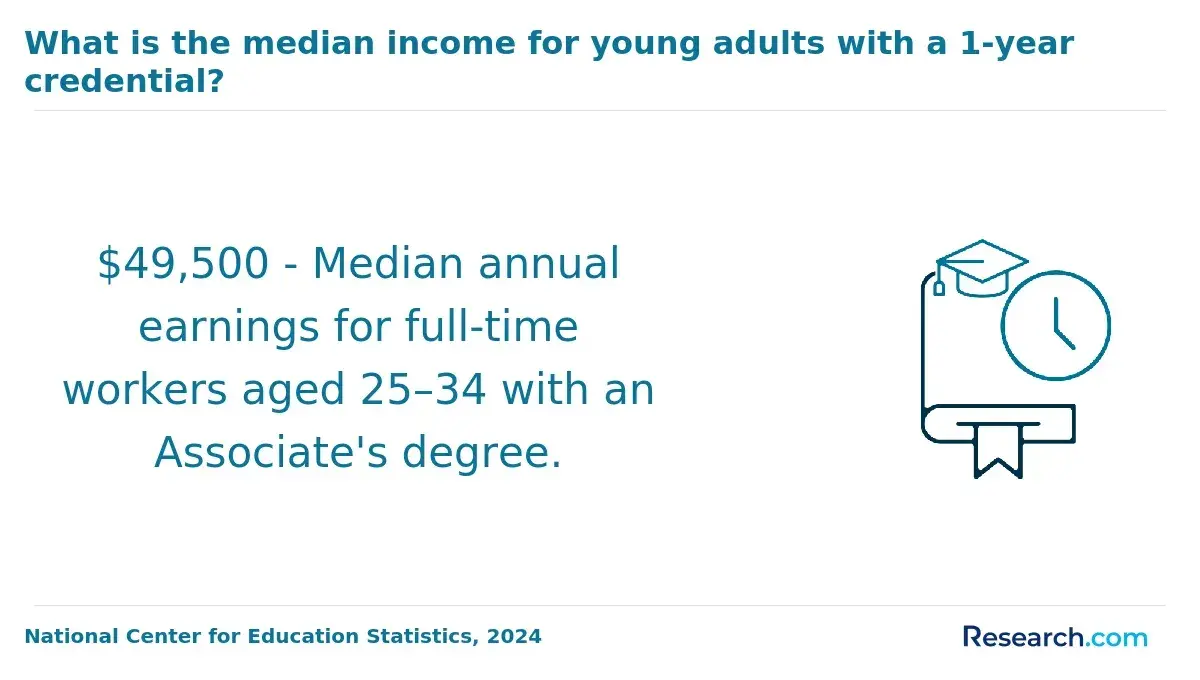
There is no universal checklist. A school may require proof of high school completion or an accepted equivalent, prior college transcripts, residency information, or placement steps. Its conditional offer should identify what is missing, the deadline, which courses you may take, and what happens if you do not satisfy the condition.
Some majors add prerequisites, minimum grades, testing, background checks, or health documentation. Do not interpret the absence of a published GPA cutoff as proof that grades are irrelevant. Ask whether transfer credits can be evaluated before registration and whether an unresolved condition affects financial aid eligibility or disbursement. A useful next step is to request a written course plan for the term you hope to start.
How Do You Verify Online Associate Degree Accreditation?
Start with institutional accreditation: find the college's accreditor in the U.S. Department of Education's accreditation database or the Council for Higher Education Accreditation directory, then confirm the college's current status with the accreditor. Accreditation supports an informed review of the institution, but it does not guarantee that every course will transfer or that a graduate qualifies for licensure.
For a regulated career, check the additional approval or programmatic accreditation that matters to the occupation. Nursing applicants, for example, should verify state board approval and ask how the program establishes eligibility to seek licensure in the state where they plan to practice. Treat an accreditation claim that cannot be confirmed independently as a red flag.
How Long Do Online Associate Degree Programs Take and Cost?
Many associate programs require roughly 60 semester credits, but a full-time plan often takes longer than expected when prerequisites, limited course offerings, or clinical placements intervene. Part-time students generally need more terms. A short online course is not the same as a short degree: advertised timelines for a fast track associates degree online may assume substantial previously earned credit.
For cost, compare an individualized estimate, not just the per-credit rate. Include mandatory online and course fees, books or software, proctoring, clinical expenses where applicable, and any tuition difference tied to residency. Ask for a transfer-credit evaluation and a remaining-course plan before estimating your total. Federal aid may be available at eligible institutions to eligible students, but a conditional offer does not itself establish aid eligibility.
What Do You Study in an Online Associate Degree Program?
Most programs combine general education - such as writing, quantitative reasoning, and social science - with courses in the major. An AA or AS may be organized around bachelor's transfer requirements; an AAS often emphasizes occupational preparation. Those patterns are useful starting points, not substitutes for checking the actual curriculum and articulation agreement.
Major requirements create the biggest differences: business students may study accounting; IT students may complete virtual labs; pre-nursing students may need science labs and prerequisites; clinical programs add supervised practice. Ask whether every required course is available online, which activities have scheduled meeting times, and whether a local placement must be approved. "Online" does not necessarily mean asynchronous or free of in-person work.
Which Careers Can Online Associate Degree Graduates Pursue?
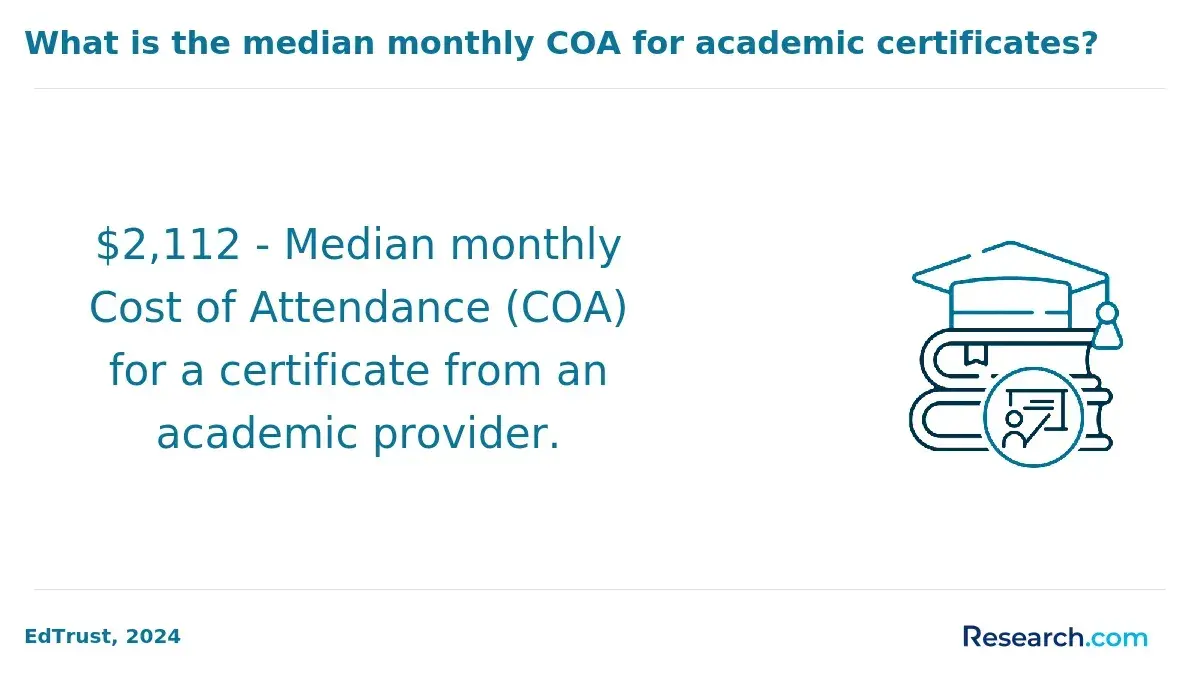
The right career path depends on the major and on requirements beyond the degree. Business and IT programs may support applications for entry-level office or technical support positions; healthcare administration and criminal justice programs can provide relevant foundations for administrative or support roles. Psychology and pre-nursing degrees are often most useful as steps toward further education. Nursing graduates must meet applicable licensing requirements before practicing as registered nurses.
Labor demand can inform - but should not dictate - the choice: the U.S. Bureau of Labor Statistics projects registered nurse employment to grow 5% from 2024 to 2034. That occupation also has a licensing gate, so interest in healthcare alone is not a reason to assume conditional pre-nursing admission leads to an RN job. If you want narrower training for a specific entry-level role, compare short certificate programs with the broader coursework and transfer potential of an associate degree.
What Salaries and Job Outlook Can Graduates Expect?
The U.S. Bureau of Labor Statistics reports a May 2024 median annual wage of $93,600 for registered nurses. This is an occupational median for working RNs, not an expected starting salary for associate degree graduates. RN candidates must satisfy licensing requirements, and wages vary by location, employer, and experience.
Use occupational pay and outlook as one part of a comparison, then ask each college for program-specific completion, transfer, licensure-exam, or employment information when relevant. Check how the school defines those measures and how many students they cover. A higher-paying occupation is not necessarily the better investment if the program's admission conditions, required placements, or later education do not fit your circumstances.
How Do You Choose a Reputable Online Associate Degree Program?
The strongest choice is a program that will let you resolve your admission condition, complete the intended major, and use the credential for your next step. Compare written policies rather than relying on a "best" label. If price is a priority, use lists of most affordable online colleges to identify candidates, then request your own total-cost estimate.
Before accepting an offer, make these checks with admissions and the program department:
- Request the exact conditional-admission terms, deadline, permitted courses, and consequences of missing the condition.
- Confirm whether the major requires a separate application and whether all required courses, labs, or placements fit your location and schedule.
- Verify accreditation and, where relevant, state approval, certification eligibility, and transfer agreements for your intended next school.
- Obtain a transfer-credit evaluation, remaining-course plan, and estimate of tuition plus mandatory expenses.
Be cautious if a school cannot explain the difference between college admission and major admission, promises that all credits will transfer, or calls a program fully online without addressing required in-person work.
Other Things You Should Know About
Not necessarily. Ask whether the offer covers the college, the specific associate program, or both - especially for nursing and clinical healthcare majors.
Possibly, but it depends on your eligibility, the institution, your enrollment, and the unresolved condition. Ask the financial aid office what must be completed before aid can be processed or disbursed.
That depends on the program. Online classes may still involve scheduled sessions, proctored work, labs, internships, or in-person clinical placements.
The school's written policy controls; it may restrict registration or end the offer. Contact admissions before the deadline to ask whether an extension is possible and get any change in writing.
References
- Answers to Questions Transfer Students Ask - PA College Transfer https://collegetransfer.pa.gov/Student/Common-Questions
- Cost of Attendance (Budget) | 2025-2026 Federal Student Aid Handbook https://fsapartners.ed.gov/knowledge-center/fsa-handbook/2025-2026/vol3/ch2-cost-attendance-budget
- Recognition of Accrediting Agencies | Texas Higher Education Coordinating Board https://www.highered.texas.gov/recognition-of-accrediting-agencies/
- Undergraduate Application/Admission Procedures - 2014 https://www.sfsu.edu/~bulletin/previous_bulletins/1314/ugadmit.htm
- UIS Student Guide to Financial Aid https://www.uis.edu/policy/uis-student-guide-financial-aid
- Degrees & Certificates - Ivy Tech Community College https://www.ivytech.edu/programs/degrees-certificates/
- Online Associate's Degrees - MDC Online - Miami Dade College https://online.mdc.edu/online-programs/online-associates/
- Admissions - San Antonio College - Acalog ACMS™ https://mysaccatalog.alamo.edu/content.php
- Newly Admitted Students FAQs - Financial Aid & Scholarships https://financialaid.berkeley.edu/how-aid-works/newly-admitted-students-faqs/
- Conditional and Provisional Admission | catholic.edu https://financial-aid.catholic.edu/policies/conditional-and-provisional-admission.html