2027 Best Graduate Degrees With Low Textbook Costs

Co-Founder and Chief Data Scientist
A graduate program can advertise inexpensive textbooks yet require costly software, clinical supplies, or access codes. That distinction matters when you are comparing degrees for career advancement or a career change. The U.S. Bureau of Labor Statistics (BLS) reports a 2024 median wage of $112,590 for data scientists, illustrating why career fit deserves attention alongside materials costs; that figure is not a predicted salary for graduates. This guide compares master's-level fields where digital readings or library resources may keep textbook spending low, then shows you how to verify the full cost before choosing a program.
Key Things You Should Know
- Look for courses that assign library-licensed readings or open educational resources; a free textbook does not mean software, access codes, or tuition are free.
- Technology, business, and some education master's programs can have low assigned-textbook costs, but requirements vary by instructor and course.
- Career value matters too: BLS reports a 2024 median wage of $124,910 for information security analysts, an occupational figure that does not represent a guaranteed graduate outcome.
Top 10 Best Graduate Degrees With Low Textbook Costs - Affordable Graduate Degrees
Business / MBA Programs
A Master of Business Administration (MBA) often uses cases, articles, simulations, and library databases instead of a long list of textbooks. Ask whether case-study licenses, simulations, or publisher access codes carry separate charges.
An MBA may suit experienced professionals seeking broader management skills; a specialized MS may fit a narrower goal better. Compare materials costs across required courses, not just electives, and weigh the full program price against the advancement opportunities available in your industry.
Healthcare Administration & Management Programs
A Master of Healthcare Administration (MHA) or healthcare management MS may rely on journal articles, policy documents, and digital case studies. Confirm whether courses require paid regulatory resources, software, or an internship.
These degrees generally prepare students for administrative work, not clinical licensure. Healthcare management jobs typically require relevant experience as well as education, so applicants without a healthcare background should examine internship support and entry-level pathways before paying for a degree.
Information Technology Programs
An MS in information technology may assign online documentation, research articles, and instructor-created materials rather than conventional books. Cloud-platform credits, virtual labs, and certification exam fees can replace textbook spending, however.
This path can suit professionals moving into systems architecture or IT leadership; applicants seeking a specific vendor skill may find a certificate more targeted. Check whether required labs are included in tuition and whether courses assume prior computing experience.
Computer Science Programs
An MS in computer science often uses research papers, documentation, and open-source tools, particularly in software-focused courses. Algorithms texts, specialized computing resources, or paid cloud services may still be required. Research-oriented programs may include a thesis, while professional tracks often use projects.
For career changers, prerequisite programming and mathematics courses can cost more than the textbooks they hope to avoid. Request a prerequisite evaluation before comparing program prices.
Cybersecurity Programs
An MS in cybersecurity can draw on publicly available standards, threat reports, and digital labs. Ask whether cyber ranges, virtual machines, certification preparation, or exam vouchers are included in tuition.
A low-book-cost program is useful only if its practical training fits your target role. Some security jobs require substantial IT experience, a clearance, or employer-preferred certifications; the degree alone does not meet those requirements.
Data Science / Analytics Programs
An MS in data science or analytics may use open-source programming tools, public datasets, and journal articles, limiting textbook purchases. Paid computing capacity, proprietary analytics software, and prerequisite statistics courses can change the calculation.
Compare the curriculum with the work you want to do: a technical data science degree may emphasize modeling and coding, while business analytics may emphasize organizational decisions. A portfolio-building capstone can be more valuable than a low materials bill alone.
Education / Educational Leadership Programs
A Master of Education (MEd) or educational leadership degree may use library articles, public education data, and school-based projects. Textbook costs can be modest, but assessment tools, background checks, or required fieldwork may add expenses.
If your goal is principal or teacher licensure, verify your state's approved pathway before enrolling; an inexpensive nonlicensure degree may not qualify. Working educators should also check whether the program's practicum fits their employment schedule.
Counseling / Psychology Programs
A counseling MA or MS may assign journal articles, but assessment materials and specialized texts can be costly. More importantly, supervised practicum and internship hours can restrict paid work or require travel. A general psychology master's is not interchangeable with a counseling program designed for licensure.
Before prioritizing cheap books, confirm state licensing-board requirements, the program's clinical placements, and the additional supervised practice required after graduation.
Nursing Programs
A Master of Science in Nursing (MSN) may provide digital clinical references and library access, but some courses require paid drug databases, equipment, uniforms, or clinical compliance checks. Entry usually requires nursing preparation and, for many tracks, an active registered nurse license.
Compare nurse educator, leadership, and advanced-practice tracks separately: their clinical hours and licensing implications differ substantially. Confirm who arranges placements and whether travel or lost work hours outweigh textbook savings.
Engineering Management Programs
An MS in engineering management may combine library-accessible research with project-based operations and finance coursework. Software licenses, simulations, and occasional technical texts may be the larger materials expenses.
It can fit engineers seeking management preparation without leaving their technical field, though employers commonly expect professional experience for management roles. Compare it with an MBA if you want broader business training, and ask whether your employer covers tuition or course materials.
What graduate degrees typically have the lowest textbook costs?
The lowest textbook-cost graduate degrees are usually those whose required courses rely on library-licensed articles, open educational resources, public documents, or open-source tools.
Computer science, IT, analytics, business, and some education programs can fit that pattern. No degree label guarantees it: instructors choose materials, and charges can shift from books to software or access codes.
The comparison below identifies where savings are plausible and which substitute expenses deserve scrutiny. It describes field-level tendencies, not verified prices for every program.
| Field | Potential low-cost materials | Expense to check |
| Computer science and IT | Documentation, research papers, open-source tools | Cloud services and virtual labs |
| Business and healthcare management | Library articles, public reports, digital cases | Case licenses and simulations |
| Data science | Public datasets and open-source software | Computing capacity and proprietary tools |
| Education | Public data, library readings, workplace projects | Assessment materials and fieldwork |
If speed also matters, compare the full credit load and prerequisites behind a 1 year masters degree; a short timeline does not establish low materials or total costs.
Which graduate programs offer affordable online and campus-based options?
Affordable online and campus-based options exist across these fields, but delivery format alone does not determine textbook spending. An online course may include e-books in a course fee or require individual access-code purchases.
A campus course may offer library reserves or require the same digital materials. Request the required-materials list for recent offerings of core courses in each format. Compare online colleges on more than application costs: ask about technology fees, scheduled attendance, proctored exams, campus visits, and local placements.
Campus study may offer convenient labs or library access, while online study may reduce commuting costs. Neither option is automatically cheaper for a student whose program requires clinical work or specialized software.
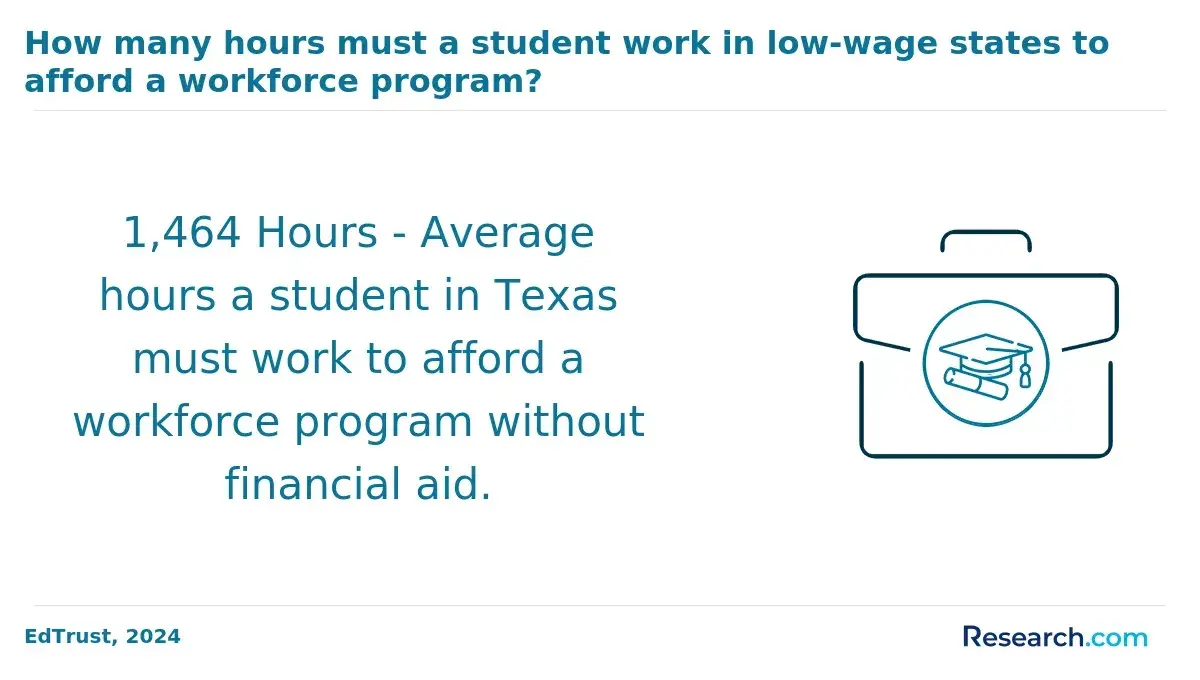
How can you compare total graduate program costs beyond textbooks?
Compare the cost to finish the degree, not the price of its books or a single credit. Ask each school for a written estimate based on your residency status, intended course load, and expected completion path. A nonprofit university is one possible starting point, but institutional status does not establish a lower final bill.
Use the same cost categories for every option so a small textbook saving does not conceal a larger fee.
- Add graduate tuition for all required credits, mandatory and program fees, and any prerequisite courses.
- Add books, access codes, software, equipment, travel, residencies, and placement-related expenses.
- Subtract only aid you are eligible to receive, then account for borrowing costs and any income you expect to forgo.
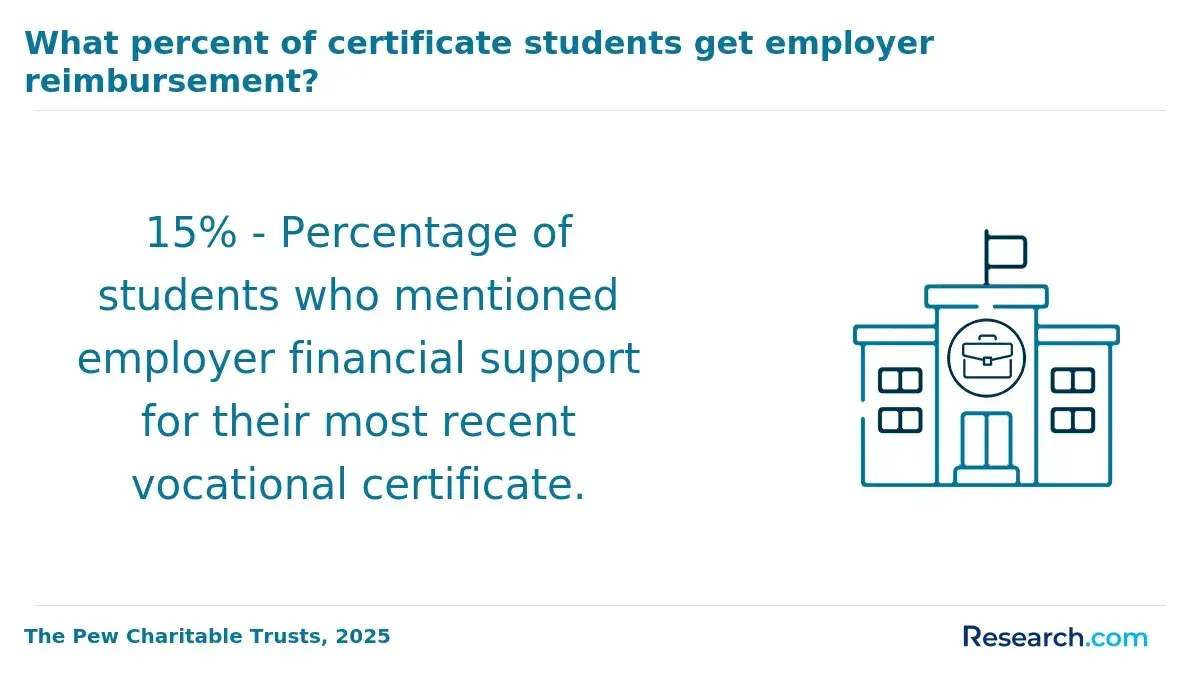
Ask for a graduate transfer-credit evaluation before relying on potential savings. Previously completed graduate courses count only if accepted and applied to this degree's requirements. Employer assistance, scholarships, and assistantships may help, but eligibility and renewal conditions vary.
Which low-textbook-cost graduate degrees lead to strong career opportunities?
Low-textbook-cost degrees with promising career connections include computing, cybersecurity, analytics, and healthcare management - but the best choice depends on your starting skills. BLS occupational wage figures describe workers in those jobs, not the earnings produced by a particular master's degree.
For a working professional, the useful question is whether graduate study adds something that experience, a focused certificate, or the current job cannot provide.
A computer science or analytics MS can support deeper technical work if you meet its prerequisites; an MBA or MHA may be more relevant to a management transition when you already have industry experience.
Before enrolling, compare your intended occupation's usual entry requirements with your current qualifications. If you are still choosing an undergraduate path, information on highest paying majors addresses a different, earlier education decision - not proof that adding a master's will raise your pay.
What accreditation should you verify before choosing a graduate program?
Verify the institution's accreditation through the U.S. Department of Education's accreditation database or the accreditor itself. Then check whether your intended field calls for additional programmatic approval.
For example, counseling, nursing, and some healthcare or educator-preparation pathways may have accreditation or state-approval requirements relevant to licensure, certification, employer acceptance, or further study.
Do not assume institutional accreditation establishes eligibility for a regulated occupation. Ask the program which states its curriculum is designed to serve, confirm that claim with your state board, and check whether required placements can be completed where you live.
What coursework and learning materials are common in these graduate degrees?
Most of these master's degrees combine required courses with electives or a concentration and a culminating project, capstone, thesis, exam, or supervised experience.
An MBA may assign licensed cases; a computing MS may use code repositories and research papers; an MEd may use public education data. "Digital" does not necessarily mean included in tuition or free to retain after a course ends.
Ask for recent syllabi and distinguish required purchases from recommended readings and materials available through the library. Confirm whether access expires, whether a device is required, and whether a thesis, lab, internship, or clinical placement creates additional costs.
What are the admission requirements for affordable graduate degree programs?
Affordable programs still generally require a completed bachelor's degree. Depending on the field, applicants may also need prerequisite mathematics or programming, professional experience, a nursing license, or eligibility for an educator-preparation track.
Schools may assess transcripts, GPA, a statement of purpose, recommendations, and sometimes an interview or standardized test; requirements and waivers are program-specific.
Before applying, request a review of missing prerequisites and ask whether they carry extra tuition. Do not infer that a school's undergraduate admissions policy applies to its graduate programs. If you have prior graduate coursework, ask whether an evaluation can determine its applicability before you commit.
What salaries and job outlooks can graduates expect by field?
U.S. occupational pay offers career context, not a return-on-investment forecast. The BLS figures below are 2024 median annual wages for all workers in each occupation, including people who did not earn one of the degrees discussed here.
| Occupation | 2024 U.S. median annual wage | Important qualification context |
| Software developers | $133,080 | A master's is not normally required for entry. |
| Information security analysts | $124,910 | Related IT experience may be important. |
| Data scientists | $112,590 | Employers assess quantitative and technical skills. |
| Medical and health services managers | $117,960 | Relevant healthcare experience is commonly important. |
BLS projects strong employment growth for data scientists and information security analysts over 2024-2034, but projected openings are not job offers.
For education, counseling, and nursing, compare the specific licensed occupation and state requirements rather than applying a technology or management wage to your plans. Your location, experience, and employer may matter more to your next salary than textbook spending.
Which licenses or certifications may graduate degree holders need?
A master's degree and a professional credential are separate achievements. Licensed professional counseling commonly requires an appropriately designed degree, supervised experience, an examination, and state approval.
Advanced-practice nursing requires the relevant nursing preparation and state authorization; educator or principal credentials depend on state rules. Healthcare administration, IT, analytics, and engineering management roles generally do not share one universal license, though employers may prefer particular certifications.
Before paying an enrollment deposit, identify the exact job title you want and confirm its requirements with the applicable state board or credentialing body. An optional certification should be evaluated for its exam fees, preparation costs, renewal rules, and relevance to local employers.
Other Things You Should Know About
Yes, some courses use only library materials or free resources. Verify the entire required course sequence; software, cases, and access codes may still cost extra.
Not necessarily. Online delivery can reduce commuting, but it does not determine whether readings or digital access are included in tuition.
Start with total tuition and mandatory fees, then add materials and experiential expenses. A small book saving rarely offsets a substantially higher degree price.
Request recent syllabi or bookstore lists for required courses, ask what the library supplies, and confirm whether software and access codes are included. Treat the estimate as subject to course changes.
References
- Fast Facts: Tuition costs of colleges and universities (76) | ed.gov https://nces.ed.gov/fastfacts/display.asp
- Open Educational Resources (OER) - Publishing https://guides.libraries.wm.edu/publishing/oer
- How Much Does Grad School Cost? | UCLA https://www.ucla.edu/academics/graduate-benefits/how-much-does-grad-school-cost
- Beat the Wait: Options to Consider Before Using Interlibrary Loan | Library | High Point University https://www.highpoint.edu/library/2021/02/16/beat-the-wait-options-to-consider-before-using-interlibrary-loan/
- Textbook and Instructional Materials Affordability and Transparency - State University System of Florida https://www.flbog.edu/textbook-affordability/
- Faculty Guide to Open Educational Resources (OER) | Highline College Library at Highline College https://library.highline.edu/oer
- Course Reserves and Interlibrary Loan - Copyright and Fair Use - LibGuides at Commonwealth University of Pennsylvania https://library.commonwealthu.edu/copyright/reservesILL
- Zero Textbook Costs (ZTC) | Cosumnes River College Employees https://employees.crc.losrios.edu/institutional-equity-and-research-and-planning/oer-conversion-grant/zero-textbook-costs-(ztc)
- Research Guides: Open Educational Resources (OER) & Textbook Equity: Zero Textbook Cost programs/pathways | uni.edu https://guides.lib.uni.edu/oer/ztc
- Textbook Advisor: Find the Right Textbook for Your Course | utah.edu https://campusguides.lib.utah.edu/textbooks