2027 Best Graduate Degrees for Adults Returning to College

Co-Founder and Chief Data Scientist
Returning to college for a graduate degree means deciding whether the credential is worth the time and expense alongside work and family responsibilities. The U.S. Bureau of Labor Statistics (BLS) reports that workers with a master's degree had median weekly earnings of $1,840 in 2024, compared with $1,543 for workers with a bachelor's degree.
That broad difference does not predict your payoff. This guide compares master's-level fields by career fit, scheduling demands, cost considerations, and requirements you should verify before enrolling.
Key Things You Should Know
- For working adults, the strongest fit is usually a field tied to a specific career goal and a program whose actual schedule - not merely its "online" label - fits your life.
- Data science, cybersecurity, and healthcare management offer different opportunities: BLS projects 34% growth for data scientists, 29% for information security analysts, and 23% for medical and health services managers from 2024 to 2034.
- These are occupational projections, not promises to graduates. Before applying, compare total program cost, prerequisites, required in-person work, accreditation, and whether the degree meets any state licensing rules that apply to your goal.
Top 10 Best Graduate Degrees for Adults Returning to College
Business / MBA Programs
A Master of Business Administration (MBA) is a practice-oriented choice for adults seeking broader management, finance, or operations skills. Part-time and online formats can accommodate employment, but group projects and scheduled classes may still require predictable availability. Applicants generally need a bachelor's degree; schools vary on work experience, GMAT or GRE policies, and foundation coursework. An MBA is most useful when its curriculum and employer connections support a defined career move. For a narrow accounting or analytics goal, a specialized master's or professional credential may cost less and provide more relevant preparation.
Healthcare Administration & Management Programs
A Master of Healthcare Administration (MHA) or healthcare-focused MBA develops skills in budgeting, operations, quality improvement, and health policy. It can suit clinicians moving toward administration and professionals with healthcare experience. Many programs offer evening or online coursework; some include internships or residencies that complicate a working adult's schedule. Compare healthcare-specific coursework and fieldwork requirements, not just degree names. Management jobs generally also require relevant experience, and an MHA does not replace a clinical license.
Information Technology Programs
A Master of Science (MS) in information technology commonly emphasizes systems, networks, cloud services, and technology management. It may suit professionals advancing from technical support or systems roles. Some programs admit career changers but require programming or networking foundations; others expect an IT background. Check whether coursework is hands-on, whether classes meet live, and whether an employer values the degree more than targeted certifications for your intended role. The credential alone does not qualify someone to manage an IT department.
Computer Science Programs
An MS in computer science can deepen software, algorithms, and computing expertise or support a career change. It is a demanding option for adults without prior programming, calculus, or data structures coursework; bridge classes may extend the timeline and cost. Research-oriented programs may include a thesis, while professional tracks may use a project or capstone. Compare prerequisites and the specific courses available part time. If your goal is an initial software role, a lower-cost route to foundational skills and a portfolio may be worth testing first.
Cybersecurity Programs
An MS in cybersecurity typically covers risk management, secure systems, incident response, or digital forensics. It may help experienced IT workers specialize, while career changers should examine networking and systems prerequisites carefully. Labs, team exercises, and scheduled simulations can limit the flexibility of an otherwise online program. Compare technical and policy concentrations against the jobs you want; some positions value hands-on experience and certifications alongside - or instead of - a master's degree. Security-clearance eligibility may matter for particular employers but is not conferred by the degree.
Data Science / Analytics Programs
An MS in data science or analytics develops statistical, programming, and data-communication skills. Analytics programs may emphasize business decisions; data science programs may require deeper mathematics and machine learning. Adults should inspect prerequisites in statistics, coding, and calculus before assuming a flexible schedule means an accessible workload. A portfolio-based capstone can help demonstrate applied skills, but a degree alone does not establish job readiness. If you already work in a data-heavy role, a focused graduate certificate may be a more economical first step.
Education / Educational Leadership Programs
A Master of Education (MEd) or educational leadership degree may support experienced teachers pursuing instructional or administrative roles. Courses may fit around the school day, but internships, leadership projects, or supervised placements can require daytime availability. Applicants for administrator-preparation tracks may need a teaching license and classroom experience. State rules determine whether a particular program satisfies certification requirements; earning the degree does not automatically grant a principal credential. Teachers who want curriculum expertise rather than administration should compare concentrations before applying.
Counseling / Psychology Programs
A master's in clinical mental health counseling can be a route toward counselor licensure, provided the program meets the requirements of the state where you intend to practice. Practicums and internships require supervised, often scheduled client-facing hours, making this path less flexible than its online coursework may suggest. A general MA or MS in psychology is different: it may support research or further study but typically does not qualify graduates to practice independently as psychologists. Check program accreditation, placement support, examinations, and postdegree supervision before enrolling.
Nursing Programs
A Master of Science in Nursing (MSN) can prepare registered nurses for advanced practice, education, or leadership, depending on the track. Admission commonly requires an active RN license and nursing preparation; applicants from another field may need a separate entry pathway. Advanced-practice tracks involve clinical placements and state-specific licensure and certification steps beyond graduation. Online lectures do not eliminate clinical hours or scheduling conflicts. Compare placement responsibilities, local availability, and required clinical experience before assuming a program will fit around full-time work.
Engineering Management Programs
An MS in engineering management combines technical decision-making with operations, project management, and leadership. It often fits engineers who want broader responsibility without leaving technical work entirely. Programs may expect an engineering or related quantitative bachelor's degree, and some require professional experience. Online study can be practical, though team projects and capstones still take coordinated time. This degree is generally an advancement credential, not a substitute for engineering experience or a professional engineer license where one is required.
Which graduate degrees offer the strongest career opportunities for adult learners?
The strongest career opportunity is the one your current experience makes reachable. An MBA or MHA may build on management or healthcare work; an MS in cybersecurity or data science can deepen technical experience; counseling and advanced-practice nursing offer more defined professional pathways but impose substantial placement and licensing requirements. Adults exploring longer-term alternatives can also compare best college degrees for the future against the qualifications they already hold.
This comparison shows where graduate study may add value and which trade-off matters most for a returning adult. It compares fields, not individual schools or guaranteed outcomes.
| Field | Potential value of the master's degree | Key constraint to check |
| MBA or healthcare administration | Broader management preparation | Relevant experience and employer expectations |
| IT, computer science, cybersecurity, or analytics | Technical specialization or a career-change pathway | Prerequisites and evidence of practical skills |
| Education, counseling, or nursing | Preparation for a defined practice or leadership track | State rules and required in-person work |
| Engineering management | Leadership skills grounded in technical work | Prior engineering preparation and experience |
What are the admission requirements for graduate programs for working adults?
Master's admission normally requires a completed bachelor's degree and transcripts. Programs may also request recommendations, a statement of purpose, a résumé, an interview, or evidence of prerequisite coursework. GPA thresholds, conditional admission, GRE or GMAT requirements, and test waivers vary by graduate program - not just by university. MBA programs may consider professional experience, while nursing and some education tracks require an existing license or specific degree preparation.
If you have been away from school, ask whether recent prerequisite courses can demonstrate readiness and whether the program offers a bridge for missing foundations. An easiest degree to get comparison concerns different goals and should not be treated as evidence of easy graduate admission. Prior work experience can strengthen an application, but it does not automatically count as graduate credit.
How much do graduate degrees cost, and how long do they take to complete?
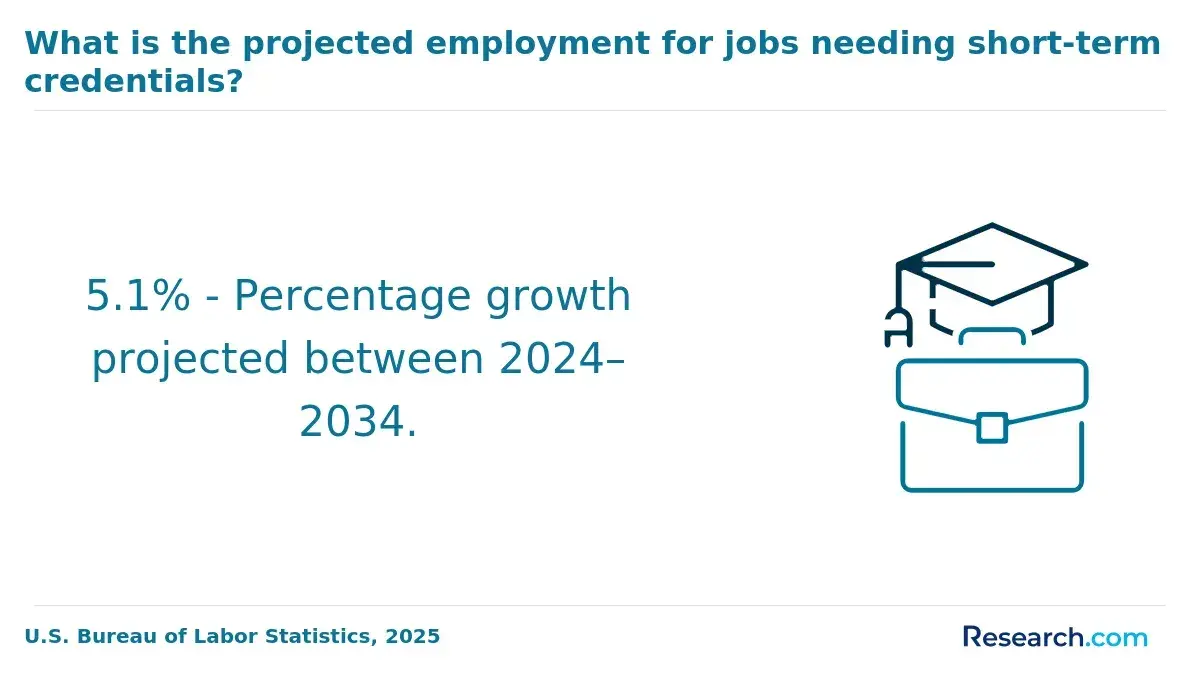
Most of these degrees require substantial graduate coursework, but credits and completion times differ by field and school. A part-time program can take considerably longer than its full-time advertised timeline; prerequisites, course sequencing, a thesis, a capstone, and clinical or internship hours may add time. Ask for a term-by-term plan based on your intended course load, including when every required course is offered.
To compare costs, request an estimate for all required credits, mandatory and program fees, books or software, and any travel, residency, or placement expenses. Compare that total with employer tuition assistance, scholarships, assistantships, and your likely out-of-pocket expense - not tuition per credit alone. If you have previous graduate coursework or a stackable graduate certificate, request a degree-specific transfer evaluation before budgeting; accepted credits must actually fulfill requirements to save time or money. Federal financial aid eligibility depends on the school, program, and student's circumstances.
Are online graduate degrees as credible as campus-based programs?
Yes. A credible online master's degree can provide the same credential as a campus program when the institution is appropriately accredited and the program meets any applicable professional standards. Delivery format does not, by itself, establish academic quality or licensing eligibility. Assess the curriculum, faculty, assessments, student support, and documented requirements of the specific program.
Online does not necessarily mean self-paced. Live evening classes, weekly deadlines, campus residencies, proctored work, local internships, and clinical placements can affect a working adult's schedule. If control over study hours is essential, use self paced online universities as a starting point for questions, then verify the graduate program's actual calendar and attendance policies.
Which graduate degrees lead to professional licenses or certifications?
Counseling master's programs may prepare students for professional counselor licensure; educational leadership programs may support administrator certification; and certain MSN tracks may lead toward advanced-practice nursing credentials. Each route has requirements beyond a diploma, potentially including an approved curriculum, supervised hours, an examination, and a state application. A general psychology master's, MBA, or technology master's should not be mistaken for a professional license.
Before applying to a licensure-oriented program, identify the state where you expect to work and check its licensing board's education and placement rules. Ask the school to identify the exact credential its program is designed to support in that state, including any restrictions for online students completing placements elsewhere.
What do adults learn in today's most popular graduate degree programs?
Graduate curricula differ in purpose. MBA students commonly study finance, strategy, operations, and organizational decisions; technical students may take programming, systems, statistics, or security courses; MHA students focus on healthcare operations and policy. Education and counseling programs add field-specific practice, while nursing tracks combine advanced clinical or leadership coursework with requirements appropriate to the role.
That difference should shape your choice: a research-oriented MS may emphasize methods and a thesis, whereas a practice-oriented degree may culminate in a capstone, portfolio, internship, or supervised clinical work. Review the required courses - not only electives or marketing descriptions - to see whether the program teaches the skills your next role demands. AI-related tools may appear in business and technical curricula, but verify how a program teaches responsible use and evaluates the underlying skills.
Which careers and salaries can graduate degree holders expect?
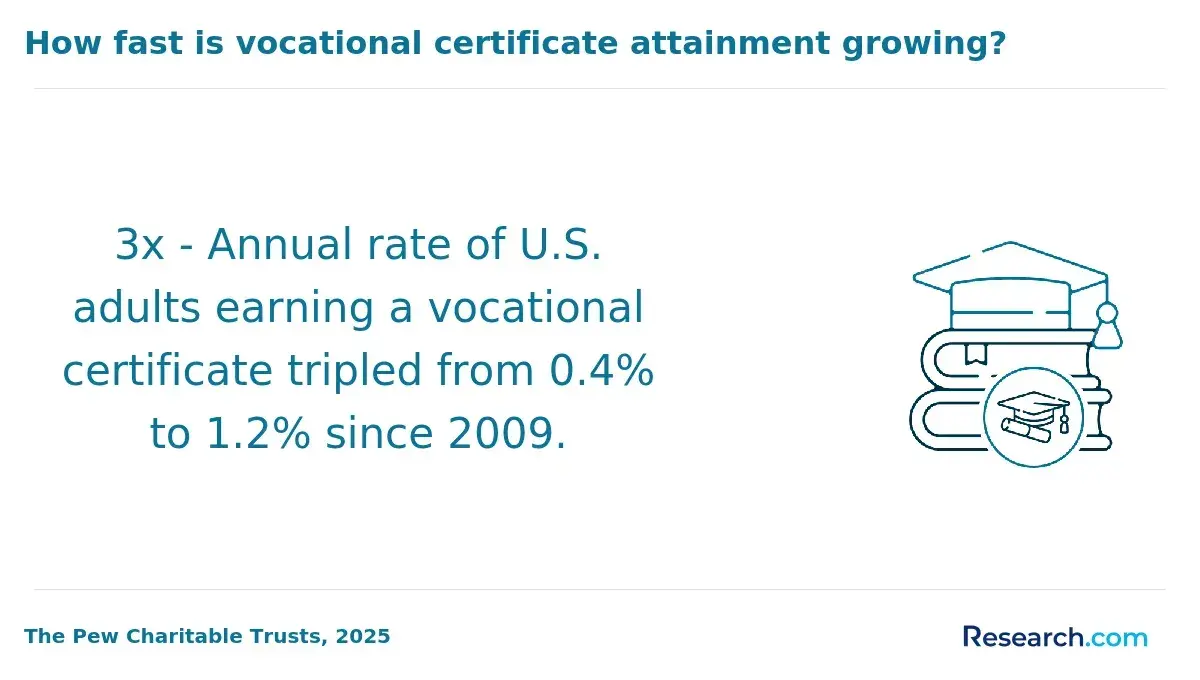
These BLS median annual wages describe U.S. occupations in 2024, not the salaries of people who complete a particular master's program. They provide context for comparing goals, but entry routes, experience, location, and additional credentials differ.
| Occupation | 2024 median annual wage | Important qualification context |
| Data scientist | $112,590 | Employers may hire with a bachelor's degree; strong quantitative and programming skills matter. |
| Information security analyst | $124,910 | Relevant IT experience is commonly important; a master's is not generally required for entry. |
| Medical and health services manager | $117,960 | Relevant administrative or clinical experience often matters alongside education. |
| Nurse practitioner | $129,210 | Requires appropriate advanced nursing education and state licensure. |
For a realistic return-on-investment comparison, consider the pay and advancement available with your current bachelor's degree and experience before attributing an occupation's median wage to graduate study. Factor in program cost, reduced work hours, and the time needed to meet any postdegree requirements.
What job outlook should adults consider when choosing a graduate degree?
BLS projects strong employment growth from 2024 to 2034 for data scientists, information security analysts, and medical and health services managers. Growth is a useful signal of demand, but it does not measure competition for a particular city, entry-level role, or remote position. It also does not show whether employers prefer a master's degree over experience or another credential.
Compare the job descriptions you would realistically apply to with program coursework and your existing qualifications. For a career change, look for roles that could bridge your current experience to the new field. For advancement, determine whether the degree addresses a specific qualification gap; otherwise, a graduate certificate, certification, or additional work experience may be the better first investment.
How can adults choose an accredited and reputable graduate program?
Start by confirming that the institution holds recognized institutional accreditation. For a regulated goal, also check the relevant programmatic accreditation and your state's licensing or certification rules. Then inspect the graduate catalog for required courses, completion requirements, transfer-credit limits, and any location-specific obligations. A ranking cannot answer whether a clinical placement is available near you or whether required classes fit your work schedule.
Ask admissions for a written cost estimate and a part-time course plan; ask the program how it supports working students when a required course or placement conflicts with employment. Parents may find it useful to compare scheduling and support considerations discussed in best degrees for stay-at-home moms, while verifying graduate-level policies separately. Red flags include unclear total fees, vague licensing claims, and completion estimates that assume full-time enrollment or transfer credits you do not have.
Other Things You Should Know About
Yes, if you hold a bachelor's degree and meet the program's requirements. Ask whether older prerequisites must be refreshed and what support is available for returning students.
Choose one with an accessible entry route and coursework tied to jobs you have researched. Computer science and analytics may require foundation courses; counseling and nursing have additional practice or licensing requirements.
Often, but check the actual course schedule and workload. Internships, clinical hours, live classes, and limited course availability can make full-time employment difficult in some programs.
Undergraduate coursework and professional experience do not ordinarily become master's-level credit. Ask for a formal review of any previous graduate coursework or eligible graduate certificate and how accepted credits apply to the degree.
References
- Research Summary: Education and Lifetime Earnings | ssa.gov https://www.ssa.gov/policy/docs/research-summaries/education-earnings.html
- Delayed Time-to-Degree and Post-college Earnings - PMC https://pmc.ncbi.nlm.nih.gov/articles/PMC7875953/
- Adult Students | Federal Student Aid - Financial Aid Toolkit https://financialaidtoolkit.ed.gov/tk/outreach/target/adults.jsp
- Employment outlook for graduate-level occupations | bls.gov https://www.bls.gov/careeroutlook/2018/article/graduate-degree-outlook.htm
- Types of Financial Aid: Grants, Work-Study, and Loans | studentaid.gov https://studentaid.gov/understand-aid/types
- Annual Earnings by Educational Attainment - COE https://nces.ed.gov/programs/coe/indicator/cba/annual-earnings
- Licensure Programs - Office of Institutional Effectiveness https://institutionaleffectiveness.louisiana.edu/accreditation/licensure-programs
- Professional Licensure Disclosures | UMSL https://www.umsl.edu/oiec/regulations/professional-licensure-disclosures.html
- Answering 8 Common Questions About Grad School Requirements | UMass Global https://www.umassglobal.edu/blog-news/answering-8-common-questions-grad-school-requirements
- Graduate Degrees & Master's Programs | Harvard Extension School https://extension.harvard.edu/academics/academics-graduate-degrees/