2027 Best Master's Degrees With Evening Classes

Co-Founder and Chief Data Scientist
Choosing a master's degree while working means finding more than a program that meets after 5 p.m. You need classes you can attend consistently, a realistic path through required coursework, and a degree that fits your career goal. The stakes can be substantial: the U.S. Bureau of Labor Statistics (BLS) reports a 2024 median annual wage of $117,960 for medical and health services managers, though a master's degree alone does not qualify someone for that role or wage.
This guide compares evening-friendly degree fields and shows you what to verify before committing your time and money.
Key Things You Should Know
- The best evening master's degree is the one whose required courses - not just electives - fit your work schedule and career goal.
- Evening-friendly choices include the MBA, MHA, MS in information technology, and MS in cybersecurity; clinical, teaching, and laboratory requirements can still occur during daytime hours.
- Career potential varies by occupation: BLS reports a 2024 median annual wage of $124,910 for information security analysts, but experience and employer requirements matter alongside education.
Top 10 Best Master's Degrees With Evening Classes
Business / MBA Programs
A Master of Business Administration (MBA) is a broad, practice-oriented choice for professionals seeking management, finance, or operations skills. Part-time MBA cohorts often schedule classes after work, but group projects and networking events may add daytime commitments. Compare required course times across the entire degree, not just the first term. An MBA can support advancement, but it does not replace the experience employers expect for management roles. If you need deep expertise in one function, a specialized MS may be a better fit.
Healthcare Administration & Management Programs
A Master of Healthcare Administration (MHA) or healthcare-management MS can suit clinicians and operations staff moving toward budgeting, quality, or service management. Evening seminars may accommodate a workday, while internships or employer-based projects may require separate scheduling. Compare whether a program expects prior healthcare experience and whether its culminating project can be completed at your workplace. These degrees prepare students for management work; they do not confer a clinical license or guarantee a leadership position.
Information Technology Programs
An MS in information technology typically emphasizes systems, cloud infrastructure, databases, and IT management. Evening or scheduled online classes can work well for employed technologists, particularly when labs are remotely accessible. Check whether team projects, live demonstrations, or certification preparation add fixed meeting times. This degree is most useful when its technical focus matches a role you want; someone seeking software research or intensive programming may prefer computer science.
Computer Science Programs
An MS in computer science can support advanced software development or research-oriented study. Look closely at prerequisites: applicants without substantial programming and mathematics preparation may need foundation courses before graduate coursework. Evening lectures do not necessarily make laboratory access, research meetings, or thesis supervision flexible. A coursework-based route may suit employed developers better than a thesis track, while an aspiring researcher may value the thesis despite its less predictable schedule.
Cybersecurity Programs
An MS in cybersecurity can deepen skills in security engineering, risk, incident response, or governance. Evening labs and online exercises may suit people already working in IT, but timed simulations and team projects can limit flexibility. Ask whether the curriculum is primarily technical or policy-focused before applying. A graduate degree may help with specialization; many security jobs also depend on hands-on experience, and a targeted certification may be a less costly first step.
Data Science / Analytics Programs
An MS in data science or analytics generally combines statistics, programming, and applied projects. Evening classes can accommodate analysts who already use data at work, especially when a capstone can address a workplace problem. Review mathematics and coding prerequisites: bridge courses can add time and cost. Choose data science for deeper modeling and computing; consider business analytics if your main goal is translating analyses into organizational decisions.
Education / Educational Leadership Programs
A Master of Education (MEd), MA in education, or educational-leadership degree may offer evening classes designed around school hours. The distinction is whether it advances an existing educator's practice or leads toward an initial teaching or administrator credential. Student teaching, school-based projects, and administrator internships often occur during the school day. Before enrolling, confirm that the specific track meets your state's credential requirements and fits your employment schedule.
Counseling / Psychology Programs
A counseling MA or MS may offer evening seminars, but supervised practica and internships depend on client and site availability. Confirm that the curriculum and placements satisfy the requirements of the state where you intend to practice. A general psychology master's is not interchangeable with a clinical counseling degree and usually does not independently qualify someone to practice as a psychologist. This path works best when you can accommodate substantial supervised training outside class.
Nursing Programs
A Master of Science in Nursing (MSN) can prepare registered nurses for advanced practice, education, or leadership, depending on the track. Classroom instruction may run in the evening, but clinical hours and preceptor availability may not. Applicants generally need an appropriate nursing credential; advanced-practice tracks have additional eligibility and certification requirements. Verify your state's rules and the program's clinical-placement support before relying on an evening schedule.
Engineering Management Programs
An MS in engineering management combines technical decision-making with project, financial, and organizational skills. It may fit engineers seeking broader responsibility without pursuing an MBA's general-business curriculum. Evening cohorts can provide predictable class times, though group projects and capstones still require coordination. Compare admissions prerequisites, course sequencing, and whether the degree develops skills valued in your industry; management positions commonly require professional experience as well.
What Are the Best Master's Degrees With Evening Classes?
For most working professionals, the best evening master's degree is the one that advances a defined goal without requiring essential coursework they cannot attend. MBA and IT-related degrees often offer workable part-time structures. Education, counseling, and nursing can also have evening classes, but required fieldwork makes schedule verification especially important.
This comparison highlights the main trade-off for each group of degrees. Use it to narrow your options before comparing individual schools' published schedules.
| Degree field | Strong fit for | Schedule constraint to investigate |
| MBA or engineering management | Experienced professionals seeking broader business or project responsibility | Cohort sequencing and group work |
| IT, computer science, cybersecurity, or analytics | Professionals building specialized technical skills | Prerequisite courses, labs, and live project sessions |
| Healthcare administration | People pursuing nonclinical healthcare operations roles | Internships and workplace projects |
| Education, counseling, or nursing | Students pursuing a defined practice or credential pathway | Daytime placements, clinical hours, and state requirements |
Start with the job or credential you want, then eliminate programs whose required attendance or placements conflict with your available hours. A less specialized degree is not necessarily the safer choice if it does not meet that goal.
Are Evening Master's Degrees Available Online and On Campus?
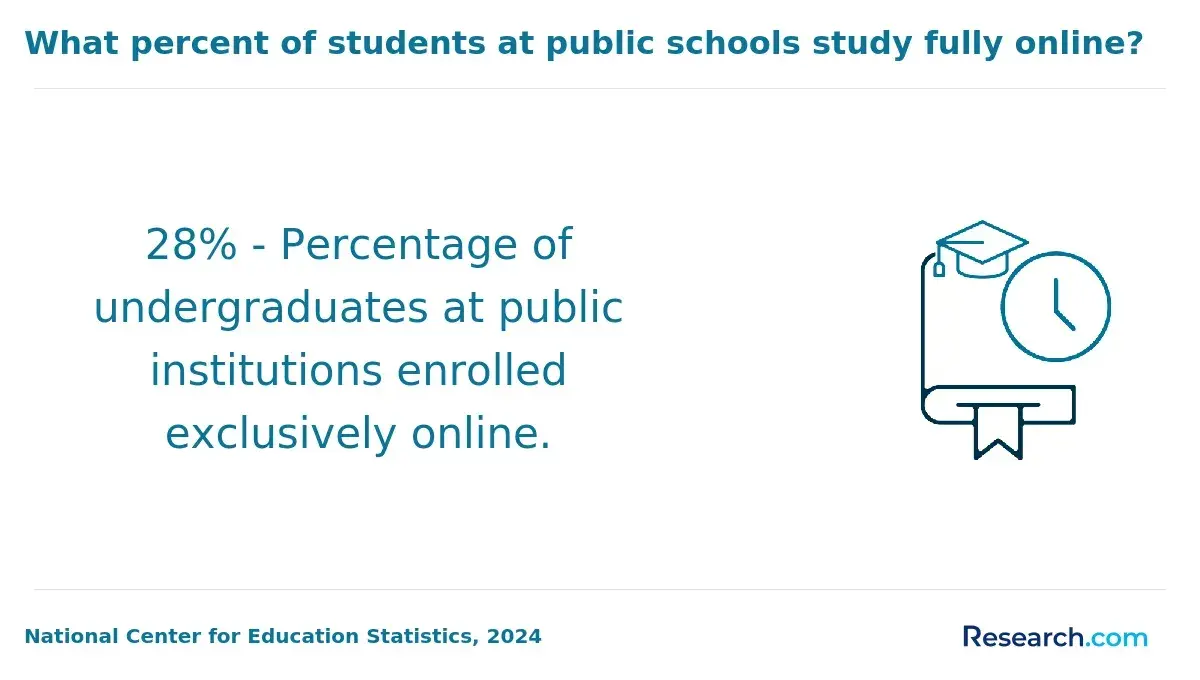
Yes. Evening master's classes may be campus-based, hybrid, or online. Online does not automatically mean self-paced: a course may require live evening attendance, fixed deadlines, or scheduled examinations. Conversely, an on-campus cohort may offer a more predictable weekly routine than an online program with frequent live meetings.
Compare the format of every required course and culminating experience, not just the program's label. Ask which time zone governs live classes, how often campus visits occur, and who arranges local placements. Students comparing support for military households can also explore an online military college, then confirm the particular graduate program's schedule and eligibility directly with the school.
How Do You Choose an Accredited Evening Master's Program?
First, verify that the institution holds recognized accreditation. Then check whether your intended career calls for programmatic accreditation, state approval, or a particular curriculum. This matters most for regulated fields: an accredited university can offer a degree that does not meet every state's professional eligibility rules.
Next, request the degree plan and recent course schedule. Confirm that required classes rotate at workable times, that part-time students can complete the sequence, and that internships or clinical placements are feasible where you live. A red flag is an "evening program" claim supported only by a few evening electives. Ask an advisor to identify any required daytime activities before you enroll.
What Are the Admission Requirements for Evening Master's Programs?
Most master's programs require a completed bachelor's degree and transcripts. Depending on the field, admissions may also consider prerequisite coursework, professional experience, recommendations, a statement of purpose, an interview, or a portfolio. Nursing and some education pathways additionally require an existing professional credential. Graduate GPA policies and GRE or GMAT requirements vary by institution and program; neither should be assumed from an undergraduate admissions page.
If you are comparing application expenses, a list of online schools no application fee can be a starting point, not proof that a particular master's application is free. Check the graduate program's current fee and requirements. Career changers should also ask whether prerequisite courses are required before admission or can be completed alongside the degree.
What Coursework Do Evening Master's Degree Programs Include?
Coursework depends on the degree's purpose. An MBA may combine accounting, strategy, and operations; an MS in computer science may emphasize algorithms and advanced electives; a counseling degree may include assessment, ethics, and supervised practice. Programs can end in a thesis, capstone, comprehensive examination, portfolio, internship, or clinical experience.
Read the complete curriculum rather than selecting a degree by its abbreviation. For an employed student, the decisive question is often whether required labs, team projects, or placements can be completed outside working hours. Ask how frequently each required course is offered so one missed evening section does not delay graduation.
How Long Do Evening Master's Degrees Take to Complete?
Completion time depends on required credits, enrollment pace, prerequisites, and whether courses run every term. Part-time evening study generally takes longer than the same curriculum at a full-time pace. Sequenced courses and clinical placements can limit how quickly students progress even when they are willing to take more classes.
Some schools accept eligible prior graduate coursework or allow a graduate certificate to count toward a master's degree. Ask for a formal evaluation showing which credits apply to your specific requirements and how many must still be completed at the institution. An advertised accelerated timeline may assume qualifying prior preparation; undergraduate coursework should not be treated as graduate transfer credit unless the school expressly permits it.
How Much Do Master's Degrees With Evening Classes Cost?
Compare total cost to completion, not tuition per credit alone. Multiply the school's published graduate tuition rate by the credits you must take there, then account for mandatory and program-specific fees, textbooks or software, travel, and any residency or placement expenses. In-state and out-of-state rates may differ, and prerequisites can increase the amount you pay without counting toward the master's degree.
Ask each school for a written estimate based on your expected part-time schedule. Confirm eligibility for federal graduate aid, institutional scholarships, assistantships, and employer tuition assistance; borrowing increases the eventual cost. A lower-priced program is not a bargain if its required courses are unavailable when you can attend and finishing it would require reducing your work hours.
What Careers and Salaries Can Evening Master's Degrees Lead To?
Evening study can help you continue earning while preparing for a new specialty or greater responsibility. It cannot guarantee a job or salary. The BLS figures below are 2024 median annual wages for occupations, not earnings caused by a master's degree or outcomes for graduates of the fields listed.
The comparison pairs relevant degree fields with possible occupations and the qualifications that still matter. Use it to test whether graduate study adds value beyond your current education and experience.
| Possible occupation | Relevant degree field | 2024 U.S. median annual wage | Important qualification context |
| Medical and health services manager | Healthcare administration or MBA | $117,960 | Healthcare work experience commonly matters; a master's is not always required. |
| Information security analyst | Cybersecurity or IT | $124,910 | Technical experience and employer-specified skills remain important. |
| Software developer | Computer science | $133,080 | A master's is not the usual entry requirement; compare its value with work experience. |
If earnings are your main motivation, compare the additional cost of graduate school with the roles you can realistically pursue now. A list of highest paying jobs may help broaden that exploration, but occupation-wide wages cannot predict your individual return.
Which Licenses or Certifications Require a Master's Degree?
Some credentials require an appropriate master's-level education, but earning the degree and receiving a license are separate steps. Requirements vary by state and specialty. Common examples include licensed professional counseling pathways, certain advanced practice registered nursing roles, and some school-administrator credentials. Supervised practice, examinations, an existing professional license, or approved clinical coursework may also be required.
Check the licensing board for the state where you intend to work before applying, especially if you will study online across state lines. Do not assume a general psychology master's qualifies you to practice as a psychologist; independent psychologist licensure generally requires doctoral education. If that is your intended path, compare doctoral requirements and the full cost of study rather than selecting a master's by its evening schedule alone. A guide to cheapest doctoral programs can provide a starting point for that separate decision.
Other Things You Should Know About
Sometimes. Confirm the timing of every required course, plus any residency, internship, laboratory, or clinical component. A program with evening lectures may still require daytime fieldwork.
They may be. Some meet at scheduled times, while others let you complete coursework on your own schedule before fixed deadlines. Ask for the attendance policy and time zone.
The class meeting time is not the credential. Focus on institutional accreditation, relevant coursework, required professional approvals, and the skills and experience employers seek.
Request a degree plan, recent required-course schedules, total-cost estimate, and any placement or campus-visit requirements. If you need a license, confirm eligibility with the relevant state board as well.
References
- Graduate Degree Fields - COE https://nces.ed.gov/programs/coe/indicator/ctb/graduate-degree-fields
- Credentialing, Licensing, and Education | NCCIH https://www.nccih.nih.gov/health/credentialing-licensing-and-education
- Professional Licensure | U.S. Department of Education http://www.ed.gov/about/initiatives/international-affairs/professional-licensure
- Academic Years, Academic Calendars, Payment Periods, and Disbursements | 2025-2026 Federal Student Aid Handbook https://fsapartners.ed.gov/knowledge-center/fsa-handbook/2025-2026/vol3/ch1-academic-years-academic-calendars-payment-periods-and-disbursements
- Prioritizing Time to Completion for Community College Students | Community College Research Center https://ccrc.tc.columbia.edu/easyblog/prioritizing-time-completion-community-college-students.html
- Licensure Programs - Office of Institutional Effectiveness https://institutionaleffectiveness.louisiana.edu/accreditation/licensure-programs
- Master's Program Admissions Requirements | gwu.edu https://graduate.engineering.gwu.edu/masters-program-admissions-requirements
- Grad School and Working Full-Time | ASU Online https://asuonline.asu.edu/newsroom/online-learning-tips/grad-degree-while-working-full-time/
- Licensure - Office of Academic Compliance https://academic-compliance.provost.virginia.edu/professional-licensure
- MSW Program Options: Intensive Weekend | rutgers.edu https://socialwork.rutgers.edu/academics/master-social-work-msw/msw-program-options/intensive-weekend