2027 Best Professional Masters Degrees With 6-Week Courses

Co-Founder and Chief Data Scientist
A six-week course can make graduate study easier to schedule, but it does not make an entire master's degree six weeks long. That distinction matters if you are choosing a program around work, family, or a career change. The stakes can be substantial, the U.S. Bureau of Labor Statistics reported a $120,360 median annual wage for information security analysts in 2023, though that figure describes the occupation, not master's graduates. This guide compares career-focused degree fields, explains how short terms affect workload and completion time, and shows what to verify before enrolling.
Key Things You Should Know
- Business, technology, healthcare, and other professional master's fields may offer six-week classes, but the course calendar must be confirmed for each specific program.
- A six-week class is not a six-week degree: total time depends on required credits, course sequencing, enrollment pace, and any clinical or capstone work.
- The best fit combines a documented short-course schedule with appropriate accreditation, manageable weekly workload, career relevance, and an affordable total cost.
Top 10 Best Professional Masters Degrees With 6-Week Courses - Best 6-Week Master's Degrees
Business / MBA Programs
A Master of Business Administration (MBA) is a practice-oriented option for professionals seeking broader management skills. Some MBA schedules divide coursework into short, consecutive terms, which can help students focus on one subject at a time. Compare the actual length and availability of required courses - not just electives. Ask whether accounting or statistics foundations add time, whether team projects require scheduled meetings, and whether a capstone limits the pace. An MBA may suit a career pivot into management; a specialized business master's may fit a narrower goal better. Neither substitutes for the experience many leadership jobs require.
Healthcare Administration & Management Programs
A Master of Healthcare Administration (MHA), or a related healthcare management master's, prepares students for organizational rather than clinical work. Short-course formats may appeal to employed healthcare professionals, but internships, group projects, and required course sequences can determine the real completion timeline. Compare healthcare-focused curricula with a general MBA if your goal is hospital or health-system administration. Check whether a program expects prior healthcare experience and whether its schedule accommodates it. An MHA does not confer a clinical license, and management roles commonly require relevant work experience.
Information Technology Programs
A practice-oriented Master of Science (MS) in information technology may emphasize systems, cloud infrastructure, enterprise applications, or IT leadership. Six-week classes can work well for focused technical modules, but labs and team deliverables may make each week demanding. Check whether every required class uses the short format and whether prerequisites add courses. This path may fit experienced IT workers seeking specialization or broader responsibility. Career changers should compare it with targeted certificates and confirm that the curriculum builds the technical foundation needed for their intended roles.
Computer Science Programs
An MS in computer science may support software specialization, research preparation, or a career change; its purpose varies substantially by program. Accelerated course terms do not remove the need for programming, algorithms, or mathematics preparation. Students without a related bachelor's degree should ask about bridge requirements and whether they extend the timeline or cost. Compare project-based and thesis options, particularly if doctoral study is a possibility. Short, intensive classes may be less suitable when you need substantial time to develop new programming skills alongside a full-time job.
Cybersecurity Programs
An MS in cybersecurity can emphasize security engineering, risk management, or policy. A six-week course structure may let experienced professionals concentrate on one topic, but hands-on labs and technical prerequisites still require substantial weekly time. Match the curriculum to your target role: a governance-focused degree is not interchangeable with a technical security program. Ask whether required labs have scheduled sessions and whether courses run frequently enough to maintain your planned pace. A master's degree can deepen expertise, but employers may also expect relevant experience or certifications.
Data Science / Analytics Programs
An MS in data science or analytics commonly combines statistics, programming, data management, and applied projects. Short terms can keep subjects focused, but they offer little recovery time if you enter without quantitative preparation. Compare prerequisite requirements, access to computing tools, and the scope of the final project. An analytics degree may emphasize business decisions; a data science degree may require deeper modeling and coding. Choose based on the work you want to perform, not the degree label or the advertised speed of an individual course.
Education / Educational Leadership Programs
A Master of Education (MEd) in educational leadership may serve practicing educators pursuing administrative skills or a state-regulated leadership credential. Six-week academic classes do not necessarily shorten fieldwork, internships, or certification processes. Before applying, check whether the program accepts applicants without a teaching license and whether its placements meet your state's requirements. A non-licensure leadership degree may still be useful for some education roles, but it should not be mistaken for an approved route to principal certification.
Counseling / Psychology Programs
A master's in counseling may be designed for professional licensure; an MA or MS in psychology may instead emphasize research or nonclinical applications. These are not interchangeable paths. Even where classroom courses use six-week terms, supervised practica and internships typically follow placement and hour requirements that cannot simply be compressed. Verify programmatic accreditation where relevant, state board rules, placement support, and the full supervised-practice timeline before choosing a program. A psychology master's does not, by itself, qualify someone to practice as a licensed psychologist.
Nursing Programs
A Master of Science in Nursing (MSN) can support nursing leadership, education, or advanced practice, depending on the track. Admission often requires an active nursing license; advanced-practice tracks also involve clinical training and role-specific requirements. A school may teach some academic subjects in six-week blocks while scheduling clinical placements differently. Confirm your track's course calendar, clinical placement arrangements, state authorization, and certification eligibility. Nurses seeking a nonclinical leadership role should not assume they need the same pathway as someone preparing for advanced clinical practice.
Engineering Management Programs
An MS or Master of Engineering Management (MEM) combines technical decision-making with operations, finance, or leadership. It may appeal to engineers who want to manage projects or teams without leaving technical work behind. Short terms can be convenient, but quantitative assignments and group projects may demand steady weekly availability. Review undergraduate prerequisites, whether the program is designed for experienced engineers, and whether a capstone depends on an employer-sponsored project. Compare an MEM with an MBA based on the responsibilities you want - not an assumption that either degree automatically leads to promotion.
What professional master's degrees offer six-week courses?
MBA, MHA, MS in information technology, computer science, cybersecurity or analytics, MEd, MSN, counseling, and engineering management programs are fields worth investigating for short-course formats. This is a list of degree types to compare, not a claim that every program in those fields offers six-week classes. Course length is set by the institution and can differ between core classes, electives, and experiential requirements.
Start with the graduate academic calendar and the schedule for your exact degree and concentration. Ask which required classes run for six weeks, how often they are offered, and whether courses can be taken back-to-back. If your goal is a specific skill rather than a master's credential, compare the degree with shorter online courses before committing to graduate study.
Are six-week master's degree programs accredited?
Course length does not determine accreditation. Verify the institution's current accreditation through its accreditor and check whether the particular degree needs programmatic accreditation for your career goal. Then confirm that the six-week courses belong to the accredited graduate program, rather than a separate certificate or continuing-education offering.
When comparing most reputable online universities, do not use reputation as a substitute for these checks. For counseling, nursing, education, and other regulated paths, ask the relevant state board whether the specific program meets educational requirements where you intend to practice. Accreditation alone does not establish licensure eligibility.
How long does it take to complete a master's with six-week courses?
A six-week term describes the time allotted to an individual class, not the time needed to earn the degree. The decisive factors are required graduate credits, how many classes you can take at once, when required courses run, and whether a capstone, thesis, internship, or clinical placement follows a separate schedule.
The comparison below shows why two degrees with the same course length can have different completion timelines. It describes scheduling patterns, not advertised timelines for specific schools.
| Schedule factor | Possible effect on completion |
| Consecutive required courses | May allow steady progress if each course is offered when needed |
| Required courses offered infrequently | May create a gap despite short individual terms |
| Part-time enrollment | Can make weekly work more manageable but extend total time |
| Clinical placement, internship, or capstone | May follow its own calendar or depend on placement availability |
Ask for a term-by-term plan showing your remaining requirements. If you have previous graduate coursework, request an official evaluation: accepted credits must apply to this degree, and the school may require a minimum number of credits earned in residence. Do not treat undergraduate coursework as graduate transfer credit unless the institution explicitly permits it through a published pathway.
What are the admission requirements for six-week master's programs?
Applicants generally need a completed bachelor's degree, but requirements differ by school and degree. A computer science program may require programming and mathematics; an MSN track may require nursing licensure; an MBA may value professional experience. Graduate GPA policies, GRE or GMAT requirements, waivers, interviews, and prerequisite courses must be checked at the program level.
Request an admissions review of missing prerequisites before comparing completion claims. Also ask whether conditional admission changes your course sequence or financial-aid eligibility. If application costs are a concern, a list of online colleges no application fee can be a starting point, but verify the current fee for the specific graduate application; an undergraduate fee policy may not apply.
How do online and campus-based six-week courses compare?
Both can deliver intensive graduate coursework. The practical difference is when and where you must participate: "online" does not necessarily mean asynchronous, and a short campus course may require frequent attendance.
This comparison highlights scheduling questions that matter when a full course is compressed into six weeks. Check the rules for the particular classes you would take.
| Format | Potential advantage | Commitment to verify |
| Asynchronous online | More choice over study hours | Fixed weekly deadlines and group meetings |
| Scheduled online | Live discussion and a predictable meeting time | Attendance across time zones or work shifts |
| Campus or hybrid | In-person access to peers, facilities, or labs | Travel, meeting frequency, and possible residencies |
For clinical, teaching, counseling, or internship-based degrees, ask who arranges placements and where they can be completed. A classroom component may be online while required fieldwork takes place in person.
What do students study in professional master's degree programs?
Most combine a core curriculum with electives or a concentration tied to a professional goal. Business students might study finance and operations; cybersecurity students might study security architecture and risk; healthcare administrators might study policy, finance, and organizational management. A capstone, portfolio, thesis, practicum, or clinical experience may bring those subjects together.
Read the required-course list rather than relying on the degree name. In an intensive term, a prerequisite gap can be especially costly: students may have little time to learn foundational material while completing graduate-level assignments. If you want research preparation, check whether a thesis is available; if you want applied practice, examine the projects and supervised experiences.
How much do six-week master's programs cost?
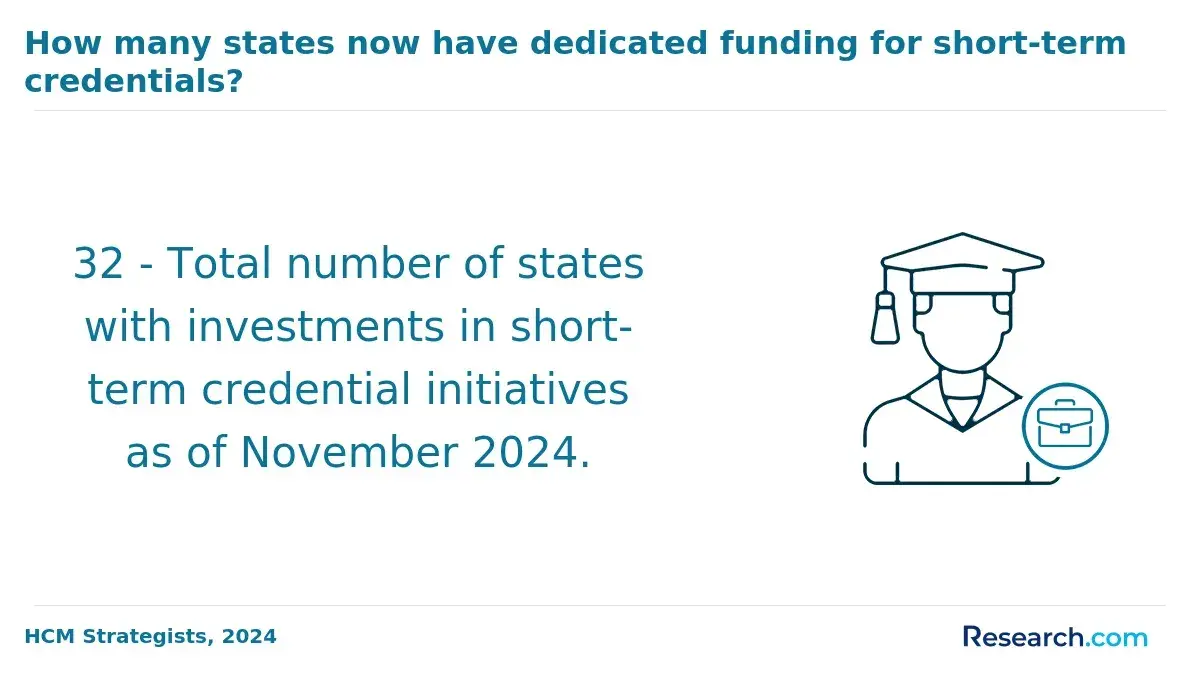
Course duration alone says little about price. Compare the cost to finish the degree: tuition for all required credits, mandatory and program-specific fees, books or software, travel for residencies, and expenses associated with unpaid fieldwork. A low per-credit rate can still produce a higher total bill if prerequisites or additional required courses apply.
Ask each school for an estimate based on your enrollment pace and residency status, then confirm which charges may change. Check eligibility for federal aid, scholarships, assistantships, and employer tuition assistance rather than assuming an accelerated calendar increases aid. If you hold prior graduate credit or a stackable certificate, obtain an official evaluation before estimating savings; accepted credit only lowers the bill if it replaces a requirement you otherwise would have paid to complete.
What careers and salaries can professional master's degrees lead to?
Career fit depends on your starting experience and the occupation's actual entry requirements. For example, the Bureau of Labor Statistics reported a $108,020 median annual wage for U.S. data scientists in 2023. That is an occupational median, not the expected pay of MS in data science graduates - and data science jobs do not uniformly require a master's degree.
Use a prospective degree to close a specific skills or credential gap. Compare job postings for your target role with your current qualifications, then weigh the program's full cost and time commitment against alternatives such as experience, a graduate certificate, or professional training. For some careers, choosing among the best bachelors degrees and building relevant experience may matter more than adding a general-purpose master's. Management positions, in particular, often depend on demonstrated work experience as well as education.
Do professional master's degrees meet licensing and certification requirements?
Some are designed to satisfy part of an educational requirement; others are not licensure programs at all. Nursing, counseling, and school leadership paths can involve state-specific coursework, supervised hours, examinations, existing licenses, or approved placements beyond earning the degree. An MBA, MHA, or technology master's generally should not be evaluated as though it grants a professional license.
Before enrolling in a regulated field, identify the state where you plan to work and compare its current board requirements with the exact degree track. Ask the program, in writing, which requirements its graduates meet and which remain. The costly mistake is assuming that institutional accreditation, online availability, or a short-course calendar proves eligibility for a license.
Other Things You Should Know About
Not necessarily. It may cover comparable material in less time. Request a syllabus and estimate whether you can meet its weekly reading, assignments, and attendance requirements.
Often, but breaks may affect course availability, financial aid, or your planned graduation date. Check the program's enrollment rules and required-course rotation first.
Only if the institution accepts its graduate-level courses toward the specific degree and you meet applicable grade, age, and residency rules. Obtain a formal credit evaluation.
Consider a longer term if you need more time to build prerequisites, expect unpredictable work hours, or cannot reliably complete demanding weekly assignments. The fastest course schedule is not always the most finishable one.
References
- An Overview of Accreditation of Higher Education in the United States | Congress.gov | Library of Congress https://www.congress.gov/crs-product/R43826
- Estimate your college cost | USAGov https://www.usa.gov/estimate-college-cost
- Cost of Attendance - Financial Aid https://www.umaryland.edu/fin/cost-of-attendance/
- Learning Modalities | Golden Gate University https://ggu.edu/learning-modalities/
- Understanding the Schedule of Classes: Register for Classes | Student Engagement https://southbend.iu.edu/students/registrar/register-for-classes/understanding-the-schedule-of-classes.html
- Course Delivery Information - MSU Denver https://www.msudenver.edu/social-work/about/course-delivery-information/
- Time on Task in Online Courses | RIT https://www.rit.edu/teaching/time-task-online-courses
- Why Is Accreditation Important? | ACE Blog https://ace.edu/blog/why-is-accreditation-important/
- Considering Student Workload | CITT - University of Florida https://citt.it.ufl.edu/resources/course-design-basics/develop-and-implement/considering-student-workload/
- Frequently Asked Questions (by students) | miami.edu https://www.arc.miami.edu/read-more/frequently-asked-questions.html