2027 Most Affordable Master's Degrees for Non-Technical Tech Careers

Co-Founder and Chief Data Scientist
A tech career does not always require writing code, but choosing a master's degree for one can be expensive. The U.S. Bureau of Labor Statistics projects 29% employment growth for information security analysts from 2024 to 2034, reflecting demand in one corner of a broader technology workforce that also needs managers, educators, and policy specialists.
This guide is for people considering those less technical roles. It compares degree fields by career fit and likely cost drivers, explains where a master's adds value, and shows what to verify before committing to a program.
Key Things You Should Know
- For business operations, product-adjacent work, and technology project coordination, an MBA or management-focused MS may be a better-value choice than a coding-intensive degree, but compare the full program bill, not tuition per credit.
- The median annual wage for management analysts was $101,190 in May 2024, according to the Bureau of Labor Statistics. That is an occupational figure, not an expected salary for master's graduates or a reason to borrow without a career plan.
- Healthcare, education, nursing, and counseling degrees can support technology-related work, but their clinical, placement, or licensing requirements may add costs and may not be necessary for a non-technical tech role.
Top 10 Most Affordable Master's Degrees for Non-Technical Tech Careers - Affordable Tech Degrees
Business / MBA Programs
An MBA or management-focused MS can suit aspiring technology operations, customer success, or product-adjacent professionals. Coursework often covers finance, strategy, organizational change, and projects; some programs offer technology electives or a capstone. An MBA's broad reach is useful if you may change industries, but a specialized MS can cost less if it requires fewer courses.
Compare total credits, differential business-school tuition, fees, and employer reimbursement. Product-management hiring still depends heavily on experience, evidence of product judgment, and collaboration skills; the degree alone is not an entry ticket.
Healthcare Administration & Management Programs
A Master of Healthcare Administration (MHA) or healthcare-management MS can prepare experienced professionals for health IT implementation, operations, or vendor-management work. These practice-oriented programs may teach healthcare finance, regulation, and organizational leadership rather than software development.
A lower-priced general MBA may suffice outside healthcare; an MHA becomes more compelling when its sector knowledge and employer connections matter. Compare required internships, residencies, and travel alongside tuition. Management positions usually require relevant experience, and a nonclinical MHA does not confer a clinical license.
Information Technology Programs
An MS in information technology or information systems can fit technology project management, systems procurement, or business-technology liaison work. Look for concentrations in governance, enterprise systems, or management rather than assuming every IT degree is non-technical.
Some require programming or networking foundations that add cost and time for career changers. Compare required credits, prerequisite courses, fees, and capstone demands. This route makes sense when you need credible fluency with technical teams; an MBA or focused certificate may be cheaper if you already have that fluency.
Computer Science Programs
An MS in computer science is usually a technical or research-oriented choice, not the default low-cost route to a non-technical tech job. Algorithms, programming, and mathematics prerequisites can increase both expense and completion time, especially after an unrelated bachelor's degree.
It may be worthwhile for someone moving toward deeply technical product work or research, but project and operations roles rarely require it. Compare any bridge coursework, laboratory or thesis requirements, and total cost with a management-oriented alternative before applying.
Cybersecurity Programs
An MS in cybersecurity can support governance, risk, compliance, and security-awareness work when its curriculum includes policy, privacy, and risk assessment. Other programs focus on technical defense and require substantial computing preparation.
For a non-technical goal, compare concentrations before comparing prices: inexpensive tuition offers little value if the required courses target the wrong job. Ask whether prior IT experience is expected and whether a capstone, lab, or in-person activity adds expense. A degree does not replace the experience many security employers seek.
Data Science / Analytics Programs
An MS in business analytics may better fit insight communication, operations analysis, or analytics management than a mathematically intensive MS in data science. Both can involve statistics and coding, so inspect required courses rather than relying on the title. Foundation courses can make an apparently cheap program costly for someone without quantitative preparation.
Compare total credits, software or technology fees, and whether projects produce work samples relevant to the roles you want. A shorter graduate certificate may be enough when you need targeted analytics skills rather than a career change.
Education / Educational Leadership Programs
A Master of Education (MEd) in instructional design, learning technology, or educational leadership can fit corporate learning platforms and education-technology implementation. For corporate roles, a non-licensure instructional-design track may avoid requirements unrelated to the job.
School leadership tracks can involve educator credentials, experience, or field placements; verify those obligations before treating their tuition as comparable. Ask whether the curriculum includes accessible learning design, evaluation, and a portfolio. A lower-cost program without relevant projects may be a weaker investment than a slightly pricier one with useful work samples.
Counseling / Psychology Programs
An MA or MS in psychology, human factors, or organizational psychology may inform user research, employee experience, or behavior-change work. A clinical counseling master's is a different, licensure-oriented path with supervised placements and state-specific requirements; it is generally an expensive detour for product or user-experience roles.
Compare research methods, portfolio opportunities, and any practicum costs. User research employers may also value demonstrated interviewing and analysis skills, so weigh the master's against a less costly route to producing credible research work.
Nursing Programs
A Master of Science in Nursing (MSN) in informatics or leadership can fit registered nurses working on electronic health records, clinical workflows, or technology adoption. It is not a general-entry tech degree: nursing preparation and an active RN license are commonly relevant, and programs may require practicums or clinical arrangements.
Compare placement and travel expenses with tuition. Nurses who already have substantial workflow experience may benefit from the specialization; applicants without nursing credentials should consider an MHA or information-systems degree instead.
Engineering Management Programs
An MS in engineering management combines project, operations, and leadership study with an engineering context. It can be valuable for engineers moving into technical-team coordination, but many programs expect an engineering or quantitative background. Prerequisite courses can erase an apparent tuition advantage for career changers.
Compare the price of the complete curriculum, including foundations and any project requirement, with an MBA or technology-management MS. Employers typically expect engineering experience for engineering leadership; the degree alone does not supply it.
What Are Non-Technical Tech Careers and Which Master's Degrees Lead To Them?
Non-technical tech careers are jobs at technology companies, or technology-related jobs in other industries, whose main work is not software engineering. Examples include technology project coordination, customer success, product operations, instructional design, healthcare technology implementation, and cybersecurity governance.
"Non-technical" does not mean technology-free: these workers still need to understand users, systems, data, and the teams building them.
The most direct degree depends on the work. An MBA or management MS fits cross-functional operations; an information-systems MS adds systems fluency; an MHA fits healthcare technology; and an MEd in instructional design fits learning technology. For an entry-level move, test the role before paying for a master's.
Relevant work experience, a portfolio, or short certificate programs that pay well online may provide a less costly way to build specific skills. Check employer job postings before assuming graduate education is required.
Which Affordable Master's Degrees Offer the Best Tech Career Outcomes?
The best-value degree is the least costly credible path to your specific role, not the cheapest field in isolation. No degree family is consistently the most affordable: institutions set different credit requirements, tuition rates, and fees. The comparison below shows where each path may add value and where paying for a full master's may be harder to justify.
| Career goal | Degree field to compare first | Main value question |
| Technology operations or product-adjacent coordination | MBA or management MS | Will the curriculum and projects add skills beyond current work experience? |
| Business-technology liaison or systems procurement | Information systems or IT MS | Are required technical foundations relevant to the intended role? |
| Healthcare technology implementation | MHA or healthcare-management MS | Does sector-specific preparation justify added placement or residency costs? |
| Cybersecurity governance | Cybersecurity MS with a policy or risk focus | Does the program teach governance rather than primarily technical defense? |
| Learning-technology design | MEd in instructional design or learning technology | Can the program produce a relevant portfolio without unnecessary licensure requirements? |
These are starting points, not promises of employment. Compare them with actual job descriptions and your existing preparation. A professional master's is usually a better fit for implementation or management than a research-heavy degree.
People aiming for advanced research or academic work may instead investigate online doctorate programs, while checking their research and residency requirements separately.
How Much Do Affordable Master's Degrees for Tech Careers Cost?
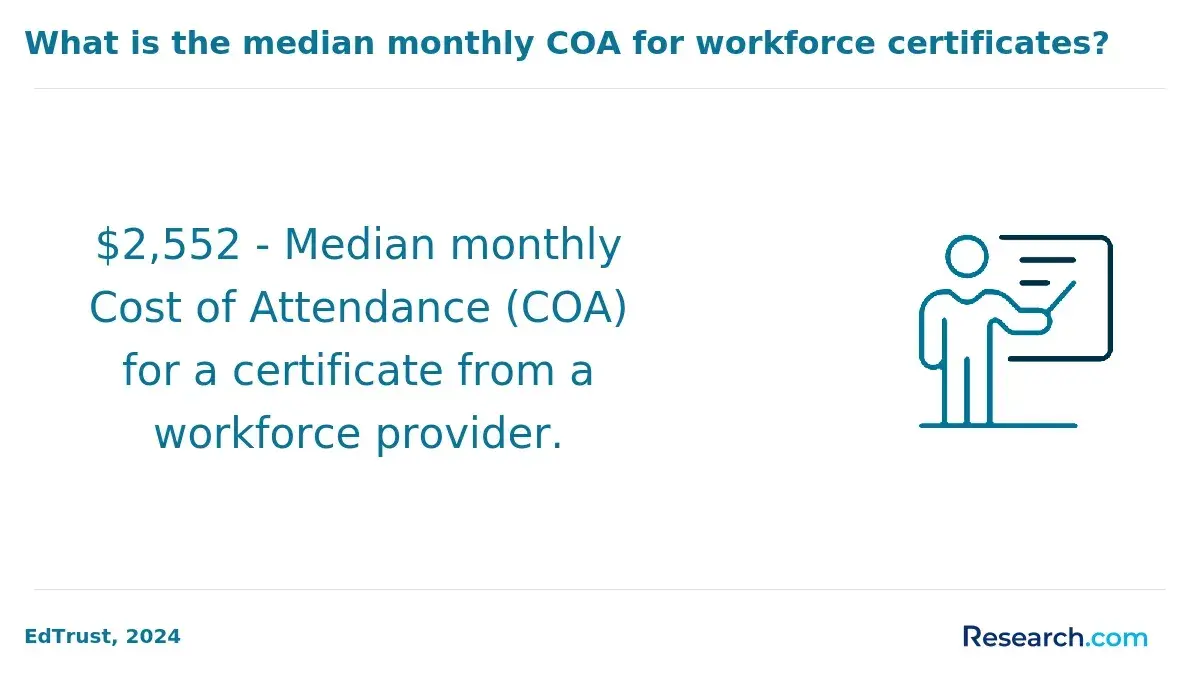
Total program cost is the relevant affordability measure: required graduate credits multiplied by the tuition rate, plus mandatory and program-specific expenses, minus confirmed aid or employer assistance.
Published per-credit tuition is a sticker-price component, not a personalized net price. Without current, institution-specific tuition schedules and degree plans, these fields cannot be ranked honestly by a single price.
The following comparison separates charges that can materially change the final bill. It helps explain why two programs with similar advertised tuition can have different total costs.
| Cost component | How it affects a comparison |
| Required graduate credits | More required credits generally mean more tuition, even at a lower rate. |
| Residency-based tuition | Out-of-state or online rates may differ from the advertised in-state rate. |
| Mandatory and differential fees | Technology, business-school, and other required charges increase the bill beyond tuition. |
| Prerequisites and experiential requirements | Foundation courses, travel, placements, and time away from work can add expense. |
| Accepted graduate credit and assistance | Applicable transfer credit and confirmed aid may reduce what a student pays. |
Request a written estimate covering every required course and fee. Ask whether previously completed graduate-level courses can apply to this degree; acceptance by the university does not guarantee that they satisfy its requirements. Employer tuition assistance, scholarships, assistantships, and eligible federal aid may change net cost.
If you have not yet completed a bachelor's degree, accelerated programs are an undergraduate pathway to evaluate first, not a substitute for master's admission or graduate credit.
Which Master's Degrees Prepare Students for Product Management Careers?
Product management has no universal master's-degree requirement. An MBA can build commercial and strategic judgment; an information-systems MS can strengthen collaboration with technical teams; and a business-analytics MS can develop evidence-based decision-making.
A human-factors or psychology program may be useful for research-intensive product work. Choose among them by examining required courses and projects, not by assuming that a "product" concentration leads directly to a product-manager job.
For someone already working with customers, designers, engineers, or business stakeholders, a master's may help close a specific skill gap or support an internal move.
For someone with no product exposure, lower-cost ways to demonstrate judgment, such as documenting user problems, analyzing product decisions, or taking responsibility for a cross-functional project, may be the better first step. Senior product roles generally require a record of delivering products, not just graduate coursework.
Are Online Master's Degrees Effective for Non-Technical Tech Careers?
Online study can work well for non-technical tech careers when it offers relevant projects, timely feedback, and opportunities to collaborate. It may reduce relocation costs, but online does not automatically mean flexible or less expensive. Scheduled meetings, fixed deadlines, group projects, proctored activities, residencies, or local placements can still affect work and family schedules.
Compare the published online tuition and fees with the campus version, then check whether required courses are offered often enough for your planned pace. Ask to see a sample course schedule and the capstone requirements.
If you only need to explore a tool or skill, 6-week online courses with certificates may offer a smaller initial commitment; the length of an individual course says nothing about the time needed to complete a master's degree.
What Do Non-Technical Technology Master's Programs Teach?
Practice-oriented programs commonly teach some combination of budgeting, project planning, organizational change, stakeholder communication, data interpretation, and technology governance.
The emphasis matters: an MBA may center on strategy and finance, while an information-systems MS may require systems analysis and an MHA may focus on healthcare operations and regulation. Research-oriented programs can emphasize methods and a thesis instead of applied management projects.
Read the required-course list rather than relying on marketing language. An affordable program is a poor bargain if its electives are rarely offered or its capstone does not help you demonstrate the skills your intended role requires. AI adoption also makes it worth checking whether the curriculum addresses evaluating automated outputs, data stewardship, and responsible implementation rather than merely naming current tools.
What Are the Admission Requirements for Affordable Technology Master's Degrees?
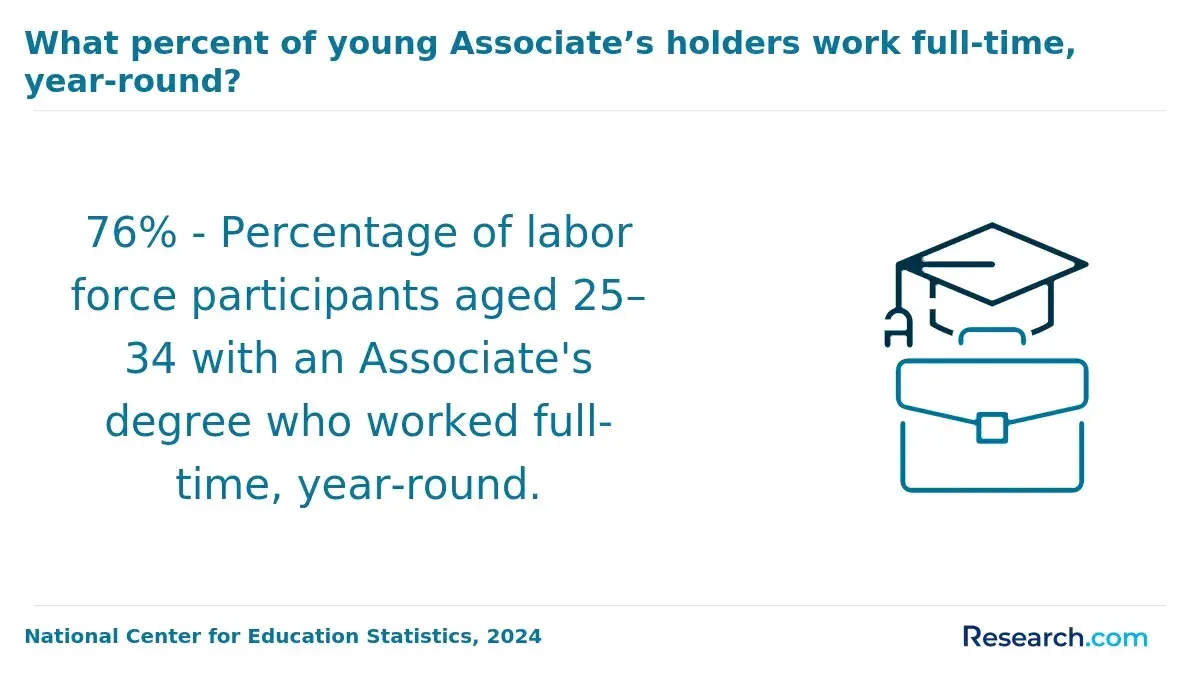
Most standard master's programs require a completed bachelor's degree, transcripts, and a graduate application. Depending on the field and institution, applicants may also need prerequisite courses, a statement of purpose, recommendations, a résumé, an interview, or relevant professional experience.
GPA thresholds and GRE or GMAT policies vary by graduate school and by program; an institution's undergraduate admissions policy does not establish its master's requirements.
Career changers should pay particular attention to foundations in statistics, computing, business, or healthcare. Ask admissions staff which prerequisites must be finished before entry, whether they count toward the degree, and what they cost.
If a school advertises a combined bachelor's/master's or other accelerated pathway, verify its separate eligibility rules. Prior undergraduate coursework normally does not count as graduate transfer credit unless the institution explicitly provides for it.
Which Certifications Support Careers in Technology Management and Cybersecurity Policy?
Certifications can complement a degree when they match the job and your experience. Project-management credentials may be relevant to implementation roles; cybersecurity governance credentials may help demonstrate knowledge of risk, controls, or privacy. Certification bodies set their own eligibility, examination, experience, and renewal rules, so a master's does not automatically qualify a graduate for a credential.
Compare certification requirements with job postings before paying for both a degree and an exam. Someone seeking an initial role may get more value from demonstrable project work or an entry-level credential, while an experienced professional may use graduate study to broaden management expertise. Treat any program promising that a certificate alone guarantees a security-policy or management job as a red flag.
How Can Students Choose an Accredited Master's Program for a Tech Career?
Start by checking that the institution holds recognized institutional accreditation. Then identify whether programmatic accreditation matters for your intended field or credential; it can be especially important for certain clinical, counseling, nursing, or educator pathways. Accreditation confirms an important baseline, but it does not establish that a curriculum fits your career goal or that its price is competitive.
Before enrolling, request the complete degree plan and an itemized estimate for your enrollment status. Confirm prerequisite and transfer-credit decisions in writing, including which graduate courses would actually satisfy degree requirements. Check online attendance, campus visits, internships, practicums, and any state licensing implications.
Finally, compare the resulting net cost and likely time commitment with a less expensive certificate or experience-based route. Avoid choosing solely from rankings, advertised per-credit tuition, or an occupational salary figure: none tells you what this degree will cost you or whether it advances your next move.
Other Things You Should Know About Master's Degrees
There is no consistently cheapest field. Compare the complete cost of relevant MBA, management, information-systems, and field-specific programs, including credits, fees, prerequisites, and confirmed aid.
Often, no. Many operations, customer-facing, and project roles also value relevant experience and demonstrated skills. Check requirements for the specific roles you want before enrolling.
An MBA offers broader business preparation; an MS may offer more focused systems or analytics study. The better value depends on your skill gaps, the curriculum, total cost, and existing experience.
Not automatically. Licensure can require a qualifying curriculum, supervised experience, examinations, and state approval. Verify the requirements with the relevant state board before enrolling.
References
- Cost of Attendance (Budget) | 2025-2026 Federal Student Aid Handbook https://fsapartners.ed.gov/knowledge-center/fsa-handbook/2025-2026/vol3/ch2-cost-attendance-budget
- Types of Financial Aid: Grants, Work-Study, and Loans | studentaid.gov https://studentaid.gov/understand-aid/types
- An Overview of Accreditation of Higher Education in the United States | Congress.gov | Library of Congress https://www.congress.gov/crs-product/R43826
- Accreditation in the U.S. | ed.gov https://www.ed.gov/laws-and-policy/higher-education-laws-and-policy/college-accreditation/accreditation-in-the-us
- Return to School | Employer Tuition Assistance Programs | UMass Global https://www.umassglobal.edu/blog-news/get-your-employer-pay-college-tuition-assistance-programs
- Education | OHSU Admission Requirements and Application Process https://www.ohsu.edu/education/academics-and-admissions
- Program Entry Requirements - TXST Admissions https://www.admissions.txst.edu/future-students/additional-program-requirements.html
- Cost of Attendance - Texas One Stop https://onestop.utexas.edu/managing-costs/cost-tuition-rates/cost-of-attendance/
- Admission to Oregon State University https://catalog.oregonstate.edu/admission/
- Cost of Attendance | Financial Aid | University of Arkansas https://finaid.uark.edu/cost-of-attendance.php