2027 Best Graduate Degrees With Resume Help

Co-Founder and Chief Data Scientist
A graduate degree can strengthen your qualifications, but it will not write a convincing resume or connect you with employers on its own. That distinction matters in a competitive market: the U.S. Bureau of Labor Statistics (BLS) reports a 2024 median annual wage of $124,910 for information security analysts, a role that typically requires experience as well as technical preparation.
This guide compares master's-level fields through a different lens: how their coursework, projects, placements, and career services can help you demonstrate relevant skills. You'll learn what support to look for and how to judge whether the degree is worth its cost.
Key Things You Should Know
- The best fit is a degree aligned with your target role and a program that offers graduate-accessible resume reviews, field-specific coaching, and opportunities to document real work.
- BLS projects 29% employment growth for information security analysts from 2024 to 2034; strong demand does not remove the need for experience or a credible technical portfolio.
- Before enrolling, verify who provides career support, whether online students can use it, and whether the curriculum meets any applicable licensing requirements.
Top 10 Best Graduate Degrees With Resume Help - Top Degrees
Business / MBA Programs
A Master of Business Administration (MBA) is a practice-oriented option for professionals pursuing management, consulting, operations, or a career change. The most useful resume support translates prior achievements into measurable business results and prepares students for case interviews or recruiting. Compare access to employer events and alumni contacts, especially for online or part-time students. An MBA can broaden opportunities, but management roles generally require relevant experience; if you only need one skill, a shorter credential may cost less.
Healthcare Administration & Management Programs
A Master of Healthcare Administration (MHA) or healthcare-focused MBA suits candidates aiming for operations, quality improvement, or health-system management rather than clinical licensure. Look for coaching that turns compliance, budgeting, and improvement projects into resume evidence. Internships or administrative residencies may offer valuable experience but can constrain working students. Compare those requirements and employer connections before enrolling; a degree alone rarely substitutes for healthcare experience in leadership hiring.
Information Technology Programs
A Master of Science (MS) in information technology can support moves into systems, cloud, or technology operations. Strong programs help students present implementations, service improvements, and team leadership - not just lists of software. Ask whether career staff understand technical resumes and whether a capstone produces work you can discuss with employers. Experienced IT workers should compare the degree's cost with targeted certifications and employer-funded training.
Computer Science Programs
An MS in computer science may support specialization in software, artificial intelligence, or computing research. Career changers should check programming and mathematics prerequisites, which can extend the path to graduation. Resume help is most useful when paired with code reviews, projects, interview practice, and guidance on explaining technical decisions. Choose a research-heavy track for research goals; compare project-based tracks if your priority is demonstrating applied skills to employers.
Cybersecurity Programs
An MS in cybersecurity can develop security engineering, risk, or policy expertise. Seek support for documenting authorized labs, incident-response exercises, and defensible results without disclosing sensitive information. Ask whether advisors can distinguish technical security roles from governance roles when reviewing resumes. Many positions expect prior IT experience, and some employers prefer certifications or clearances; a master's degree does not replace those requirements.
Data Science / Analytics Programs
An MS in data science or analytics works best when its statistics, programming, and domain courses match the jobs you want. A useful career office helps turn a capstone into a concise account of the question, methods, limitations, and business impact. Check prerequisite math and coding requirements and whether students retain portfolio rights to project work. An analytics-focused program may fit business reporting better than a research-oriented data science degree.
Education / Educational Leadership Programs
A Master of Education (MEd), MA, or MS may focus on teaching, curriculum, or school leadership. Resume coaching should help educators document student-support work, instructional design, and measurable improvements without overstating results. For principal or other licensed roles, verify your state's experience, program, examination, and certification rules before applying. Student teaching or fieldwork may require local placement even when courses are online.
Counseling / Psychology Programs
A licensure-oriented master's in counseling differs from a general MA or MS in psychology, which may be research-focused or prepare students for further study. Career support should address practicum searches, supervised-experience resumes, and interviews with clinical sites. Check state board rules and the program's licensure preparation before enrolling: a degree alone does not confer a counseling license, and independent psychologist roles generally require doctoral training.
Nursing Programs
A Master of Science in Nursing (MSN) can prepare registered nurses for advanced practice, education, informatics, or leadership, depending on the track. Effective resume help reflects clinical scope, patient-safety work, and the intended specialty. Verify RN eligibility, clinical-placement responsibilities, state authorization, and any required certification or advanced-practice licensure. An online course format does not eliminate in-person clinical requirements.
Engineering Management Programs
An MS in engineering management combines technical project work with finance, operations, or leadership coursework. It may suit engineers seeking broader responsibility while retaining a technical focus. Ask whether career advisors can help quantify project scope, design trade-offs, budgets, and cross-functional results. Compare it with an MBA if you want general management recruiting; neither degree automatically qualifies you to manage engineers without relevant experience.
What Graduate Degrees Offer the Best Career Services and Resume Help?
No degree label guarantees strong support. The strongest choice is the field that matches your target job at a program where graduate students can use relevant coaching, produce evidence of their skills, and reach employers. The comparison below shows which services deserve particular attention in different paths.
| Graduate path | Especially useful support | Evidence for a resume |
| MBA or MHA | Industry recruiting and leadership coaching | Operations, budget, or improvement projects |
| Computer science, IT, or cybersecurity | Technical resume and interview reviews | Code, systems projects, or authorized labs |
| Data science or analytics | Portfolio feedback and employer introductions | Projects explaining methods and results |
| Education, counseling, or nursing | Placement guidance and credential-aware coaching | Supervised practice and documented professional work |
Treat advertised "career services" as a starting point, not proof of job placement. Ask whether a specialist serves your discipline and whether support continues after graduation.
How Do You Choose an Accredited Graduate Program With Career Support?
First, confirm that the institution holds recognized accreditation. Then check programmatic accreditation or state approval where it affects licensure or professional eligibility. Those checks establish different things: institutional accreditation does not, by itself, confirm that a counseling, nursing, or education track meets your state's rules.
Next, request a description of graduate career services rather than relying on a general student-services page. Ask who reviews resumes, how appointments work, whether online students receive the same access, and whether the office supports your target industry. A red flag is a placement claim with no clear definition, reporting period, or explanation of which graduates were counted.
Which Graduate Degrees Lead to Strong Salaries and Job Outlooks?
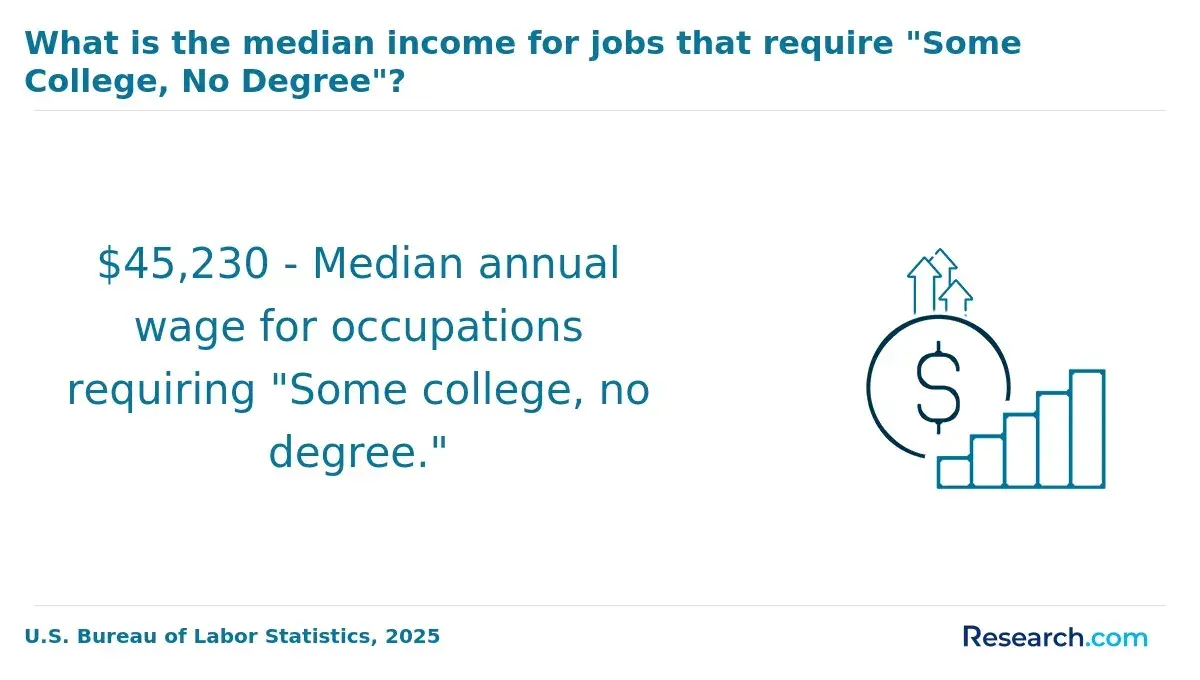
Technology and healthcare management can connect to well-paid occupations, but occupational wages are not the expected earnings of everyone who completes a related master's degree. For example, BLS reports a 2024 median annual wage of $133,080 for software developers. That figure covers workers across education and experience levels; software development commonly has bachelor's-level entry routes.
Judge the incremental value of graduate study instead: will it help you enter a specialty, meet a credential requirement, or compete for work that your current skills do not support? Compare the degree with experience, certifications, and shorter training. Readers considering a less expensive undergraduate route can also explore easy degrees to get online that pay well, while checking each occupation's actual entry requirements.
What Graduate Degree Pathways Match Your Career Goals?
Match the credential to the work, not just the job title. An MBA emphasizes broad business decisions; an MHA focuses on healthcare organizations. An MS in computer science usually offers deeper computing study than a general IT degree. A licensure-oriented counseling or nursing track serves a different purpose from a research-oriented psychology or technical master's program.
If your goal is entry into a field that does not require graduate education, compare bachelor's study, work experience, and certificates before committing to a master's. A guide to the cheapest accredited online college can inform an undergraduate comparison, but undergraduate prices and admission policies should not be mistaken for graduate ones. If you already hold a bachelor's degree, ask whether prerequisites or a graduate certificate offer a narrower, lower-cost bridge.
What Resume Services Should Graduate Programs Provide?
Useful support goes beyond a template. A graduate career office should help you target roles, explain the value of your prior experience, describe capstones or placements accurately, and prepare for field-specific interviews. Technical students may need portfolio feedback; clinicians and educators may need guidance on presenting supervised work without implying they already hold a license.
Ask for a sample appointment schedule and confirm whether students can receive repeated feedback before recruiting deadlines. AI-assisted resume tools can help with drafting, but a human review matters when claims about outcomes, certifications, clinical scope, or confidential projects need careful checking. Never include invented metrics or protected client or patient information to make an application sound stronger.
Are Online Graduate Degrees as Effective as Campus Programs for Career Preparation?
Either format can work when the curriculum, experiential opportunities, and career support fit your goal. Online study may reduce commuting, but it may still involve scheduled classes, fixed deadlines, campus visits, labs, or local placements. Campus study can make in-person recruiting easier, while a well-supported online program may offer equally relevant remote coaching and employer access.
Ask how online students secure internships and use career services, particularly if they live outside the school's region. If speed matters, compare required credits and sequencing rather than assuming short online courses mean a short degree. Published accelerated programs provide context for questions to ask, but verify any graduate pathway's prerequisites, full-degree timeline, and placement requirements directly with the institution.
What Are the Admission Requirements, Costs, and Completion Times?
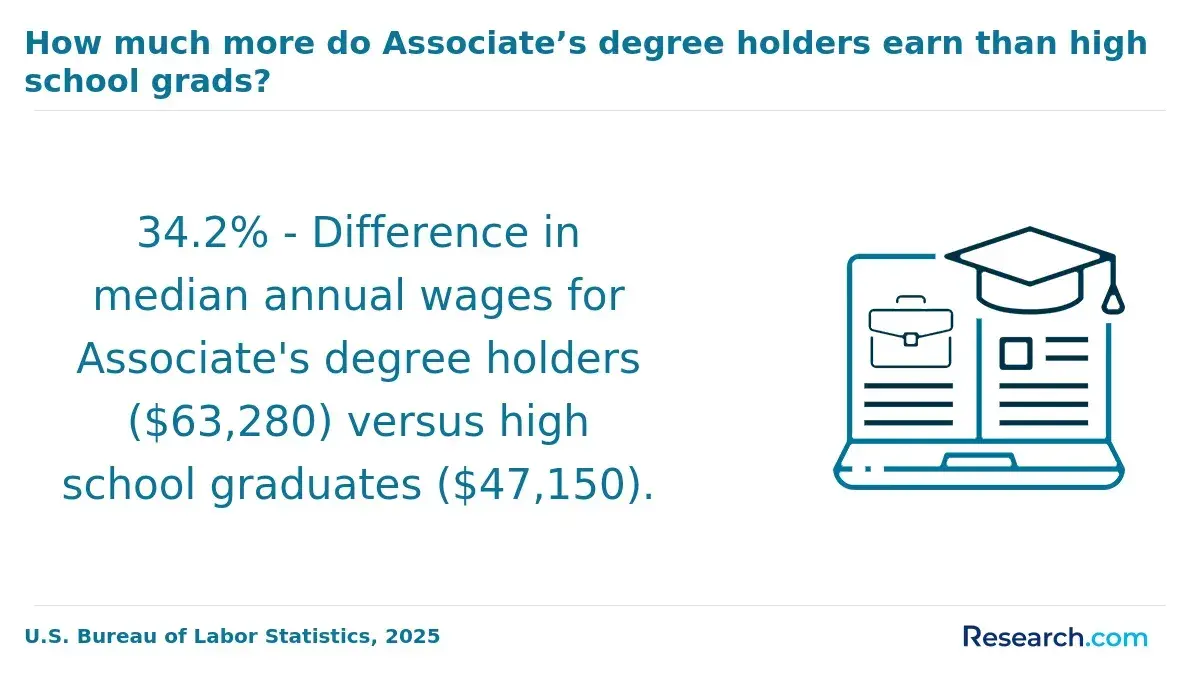
A bachelor's degree is normally required for master's admission. Programs may also evaluate GPA, prerequisite courses, recommendations, experience, interviews, portfolios, or GRE/GMAT results; requirements vary by field and institution. Completion depends on graduate credits, course load and sequencing, and any capstone, internship, clinical, or thesis - not a universal one- or two-year schedule.
Compare total program cost: tuition, mandatory and program fees, materials, travel, placements, and earnings you may give up while studying. Ask about graduate aid, assistantships, employer tuition benefits, and whether eligible prior graduate-level coursework can satisfy degree requirements. An application fee is a smaller cost, but readers comparing online colleges with no application fee should verify the fee for the specific graduate program; undergraduate policies may differ.
Which Graduate Careers Require Licensure or Professional Certification?
Counseling, advanced-practice nursing, and some education leadership roles have state-specific requirements beyond earning a degree. These may include an approved program, supervised hours, an examination, a professional certification, or an existing license. Requirements can also affect whether a placement is possible where you live.
Check the licensing board in the state where you intend to practice before applying, then ask the program to explain how its curriculum and placements address those rules. By contrast, an MBA or MS in analytics does not normally confer an occupational license. Voluntary technology certifications can be useful, but employers may weigh experience more heavily than another credential.
How Can You Compare Graduate Programs, Career Outcomes, and Employer Support?
Build a short list around your intended role, then request evidence for the support that matters to you. These steps keep a polished marketing page from standing in for a realistic career plan:
- Identify target jobs and read their experience, skill, and licensing requirements before choosing a degree type.
- Confirm accreditation, curriculum, delivery obligations, total cost, and any prerequisite or graduate-transfer evaluation.
- Ask for graduate-specific details on resume reviews, placements, recruiting access, alumni support, and services available to online students.
- Review published outcomes critically: check the graduate group measured, response rate, reporting period, and whether employment relates to the field.
Finally, compare what the degree adds beyond your current qualifications with its full cost and time commitment. An employer partnership is useful access, not a job offer; an attractive occupational salary is context, not a personal return-on-investment forecast.
Other Things You Should Know About
Many universities offer career services, but graduate access, field-specific expertise, and appointment availability vary. Confirm the services with each program before applying.
The best choice depends on your starting skills and target job. An MBA, technical MS, or licensure-oriented degree can serve very different goals; check prerequisites and hiring requirements first.
It may, but placement support varies. Ask whether staff help online students find opportunities in their location and whether any placement must meet state or program rules.
No. Coaching can improve how you present your qualifications, but it does not establish a placement rate or guarantee employment. Request clearly defined, program-specific outcomes if available.
References
- .04-2 Supervised Professional Experience - Practice-Oriented Programs. | Library of Maryland Regulations https://regs.maryland.gov/us/md/exec/comar/10.36.01.04-2
- Exploring the effectiveness of the Career Guidance and... - PMC https://pmc.ncbi.nlm.nih.gov/articles/PMC11534603/
- General Schedule Qualification Policies | U.S. Office of Personnel Management https://www.opm.gov/policy-data-oversight/classification-qualifications/general-schedule-qualification-policies/
- Fast Facts: Tuition costs of colleges and universities (76) | ed.gov https://nces.ed.gov/fastfacts/display.asp
- How to Choose a Graduate Program as a Working Adult | Harvard Extension School https://extension.harvard.edu/blog/how-to-choose-a-graduate-program/
- National University Alumni Association - Career Services https://careerservices.nu.edu/
- Resume and Cover Letter Reviews | American Military University https://www.amu.apus.edu/help/student-and-alumni-services/resume-and-cover-letter-reviews/
- Resume and Cover Letter Assistance | University of Dayton https://udayton.edu/alumni/benefits/career-services/resume.php
- Career Services - Graduate Center - The University of Arizona https://gradcenter.arizona.edu/career-services
- Career Advising: Appointments & Drop-In Hours | Career Services https://career.eoss.asu.edu/channels/career-advising/