2027 Best Graduate Degrees for Career Changers

Co-Founder and Chief Data Scientist
Changing careers can mean paying for a master's degree before you know whether it will open the right door. The decision is especially consequential in growing fields: the U.S. Bureau of Labor Statistics (BLS) projects data scientist employment to grow 34% from 2024 to 2034, but a degree alone does not secure one of those jobs.
This guide compares graduate degree fields by how accessible they are to newcomers, what they prepare you to do, and what else you may need. Use it to identify a practical next step - not simply a promising-sounding credential.
Key Things You Should Know
- Best starting points depend on your background: An MBA, healthcare administration degree, or some analytics programs may accept varied bachelor's degrees; computer science, nursing, and engineering management commonly require more specific preparation.
- Check the occupation, not just the degree: BLS projects 34% growth for data scientists from 2024 to 2034, but entry still depends on technical skills, experience, and competition.
- Verify the full pathway before paying: Counseling, teaching, and nursing may require approved coursework, supervised practice, examinations, or state licensure beyond graduation.
Top 10 Best Graduate Degrees for Career Changers
Business / MBA Programs
A Master of Business Administration (MBA) is a professional degree that can help experienced workers move into a new industry or business function. Programs often accept bachelor's degrees in any field and cover finance, operations, marketing, and strategy. Choose concentrations and employer projects that match a specific target role. An MBA is less compelling if you need foundational training for a regulated or deeply technical occupation. Management jobs usually require relevant experience; the credential alone does not make someone a manager.
Healthcare Administration & Management Programs
A Master of Healthcare Administration (MHA), or a relevant Master of Public Health (MPH), can suit career changers interested in healthcare operations, policy, or quality improvement rather than patient care. Some programs admit applicants without clinical backgrounds, though healthcare experience may improve access to leadership roles. Compare internships and healthcare-specific coursework. Administration degrees do not confer a clinical license, and employers may expect experience with healthcare regulations, finances, and teams.
Information Technology Programs
A Master of Science (MS) in Information Technology typically emphasizes systems, cloud infrastructure, databases, or IT management. It may be a better bridge for nontechnical graduates than a theory-heavy computer science degree when foundation courses are available. Look for hands-on projects and assess whether the curriculum develops skills required by your target job. Some IT roles are accessible through experience or certifications instead; a master's is most useful when it fills a documented skills gap or supports advancement.
Computer Science Programs
An MS in Computer Science can support a move into software development or computing specialties, but admission commonly requires programming, mathematics, and data structures preparation. Career-change or bridge tracks may provide that preparation before advanced coursework; they do not necessarily reduce total time or cost. Compare required prerequisites, software projects, and internship access. If your goal is an entry-level coding role, test whether undergraduate courses, a portfolio, and work experience could meet employers' requirements more efficiently.
Cybersecurity Programs
An MS in Cybersecurity can prepare students to study security engineering, risk, governance, or incident response. Some programs welcome applicants from varied majors, but technical roles still require fluency in networks, operating systems, and practical security work. A governance-focused curriculum is not interchangeable with a hands-on engineering track. Compare labs and internships against job postings. Security certifications may complement the degree, while many positions expect prior IT experience rather than treating the master's as an entry-level substitute.
Data Science / Analytics Programs
An MS in Data Science or Business Analytics can appeal to career changers who want to apply statistics and computing to decisions. Admissions requirements vary: data science often demands stronger mathematics and programming, while some analytics programs offer foundation courses. Compare the depth of statistics, coding, and real-world projects—not the degree title alone. Graduates still need to demonstrate relevant skills, and an analytics job may be a more realistic first move than a specialized data scientist position.
Education / Educational Leadership Programs
A Master of Arts in Teaching (MAT) may provide an initial teacher-licensure route for bachelor's degree holders changing careers. A Master of Education (MEd) in educational leadership often serves existing educators and may require a teaching credential or school experience. These are different pathways: check state approval, student-teaching placements, and eligibility for the precise credential you want. A leadership degree alone generally does not qualify a newcomer to become a principal.
Counseling / Psychology Programs
A licensure-oriented master's in counseling can offer a defined route toward professional counseling for applicants from varied undergraduate majors. Verify that its curriculum and supervised placements meet the licensing board's requirements in your intended state; graduation is not the same as licensure. An MA or MS in psychology may instead emphasize research or general study and may not qualify graduates for independent clinical practice. Choose by the occupation and license sought, not by a broad interest in psychology.
Nursing Programs
Direct-entry Master of Science in Nursing (MSN) programs may offer a route into nursing for people with non-nursing bachelor's degrees, but they require science prerequisites and substantial in-person clinical training. Verify that the specific program prepares graduates for registered nurse licensure in your state and confirm its examination eligibility. An MSN intended for already-licensed nurses is not a direct-entry pathway. Compare this route with an accelerated bachelor's in nursing; the better choice depends on total cost, clinical access, and your intended role.
Engineering Management Programs
An MS in Engineering Management combines technical decision-making with operations, finance, or project management. It generally fits engineers and other technically trained professionals seeking a different function, not applicants hoping to bypass an engineering foundation. Check mathematics and engineering prerequisites before applying. The degree can support a move toward project or operations responsibilities, but employers typically require technical credibility and experience for engineering management positions.
What graduate degrees are best for changing careers?
The best graduate degree for a career changer is the one that provides a credible route from their current qualifications to a specific job. Business, healthcare administration, and some IT or analytics degrees can offer flexible entry. Licensure-oriented counseling, teaching, and direct-entry nursing programs offer clearer professional pathways but impose more requirements. Computer science and engineering management usually demand closer attention to prior technical preparation.
This comparison highlights the first obstacle to investigate for each type of move. "Accessible" does not mean admission or employment is assured.
| Career-change goal | Degree path to investigate | Main trade-off |
| Change industry or business function | MBA or MHA | Relevant work experience may matter more than the degree for management hiring. |
| Enter a technical field | IT, computer science, cybersecurity, or analytics MS | Prerequisites and demonstrable technical work may extend the transition. |
| Enter a licensed profession | Approved teaching, counseling, or nursing pathway | Placements, examinations, and state rules can determine eligibility. |
| Redirect an existing technical career | Engineering management MS | The program builds on technical preparation rather than replacing it. |
If you do not yet have a bachelor's degree, master's admission is generally not the immediate next step. Explore undergraduate routes first, including the best associates degrees to get as a possible starting point—not as a substitute for the bachelor's typically required for graduate admission.
Which graduate degree fields offer the strongest career outcomes?
No field has the strongest outcome for every career changer. Favor a degree when it closes a genuine eligibility or skills gap, provides access to required placements, or advances a career you already know. Judge a field by attainable entry roles as well as eventual senior positions: an MBA may strengthen an experienced professional's candidacy, while a new graduate without management experience may still need to enter at an individual-contributor level.
Labor demand can help narrow the search, but it cannot measure your personal return. BLS growth projections describe occupations, not the placement rate of a particular graduate program. In technology and analytics, compare the curriculum with current job requirements and ask schools for relevant, clearly defined graduate outcomes.
If your goal is university research rather than professional practice, investigate whether a research master's or PhD programs online better fits the roles you seek; doctoral study is not ordinarily necessary for a career change into business or IT.
Do career changers need a master's degree or certificate?
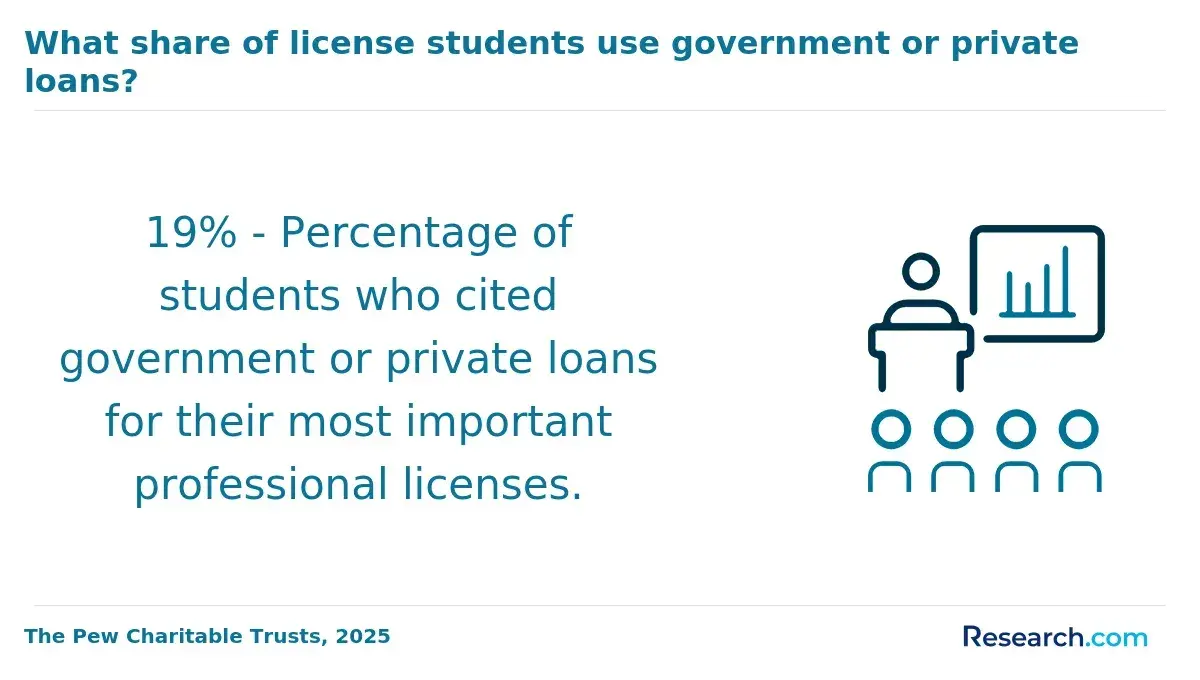
Choose a master's when the target occupation requires it, the program provides a necessary licensure route, or its depth and employer connections justify the additional time and expense. Choose a graduate certificate or professional certification when you need narrower skills and job postings do not call for a degree. Neither option automatically grants professional licensure.
For example, someone testing an IT transition might first compare project-based training and quick certifications with graduate coursework. Someone pursuing licensed counseling should instead start with the state-approved educational pathway. Ask employers which qualifications they actually accept before treating a shorter credential as equivalent to a master's.
How do you choose an accredited graduate program?
Start with the institution's recognized accreditation, then check any approval or programmatic accreditation relevant to your intended occupation. For a regulated career, the decisive question is whether the specific program meets the requirements of the licensing authority where you plan to practice. An accredited university can still offer a degree that does not meet your state's requirements for a particular license.
Verify the program against your goal before applying. These checks help uncover the most expensive mismatches:
- Identify the exact occupation, state of practice, and any required license or examination.
- Confirm institutional accreditation and ask the relevant licensing board which program approvals or accreditation it requires.
- Request the curriculum, placement requirements, total charges, and recent outcomes for the specific program and delivery format.
- Get written clarification on prerequisites, clinical or internship availability, and how any previous graduate credits would apply.
Are online or campus-based graduate programs better for career changers?
Online study is better when its schedule and location requirements fit your life; campus study is better when you need dependable access to labs, placements, or in-person recruiting. Either format can include fixed class times and deadlines. A program described as online may still require local clinical hours, student teaching, practicums, residencies, or occasional campus visits.
Ask for a typical term schedule, not just a format label. Confirm whether classes are live or asynchronous, where experiential work occurs, who arranges placements, and whether you can enroll part-time. For a career changer, access to relevant projects and employers may matter as much as delivery convenience.
What are the admission requirements for graduate career-change programs?
Most master's programs require a completed bachelor's degree and transcripts. Beyond that, requirements vary by program: applicants may need prerequisite courses, a statement of purpose, references, an interview, a portfolio, professional experience, or a GRE or GMAT score. A school-wide admissions page does not establish the requirements for a selective nursing, counseling, or technical program.
Before applying, compare your transcript with the program's published prerequisites and ask whether missing courses can be completed before entry or through a formal bridge. Check the program's current GPA and testing policies directly; do not assume an unpublished minimum means none exists. A bridge may improve eligibility while adding time and cost.
How long do graduate programs take and how much do they cost?
Completion time depends on required graduate credits, full- or part-time enrollment, prerequisite courses, course sequencing, and any thesis, capstone, internship, or clinical placement. A short class term is not evidence that the entire degree is short. Direct-entry and licensure pathways can take longer than coursework-only programs because placements and examinations add requirements.
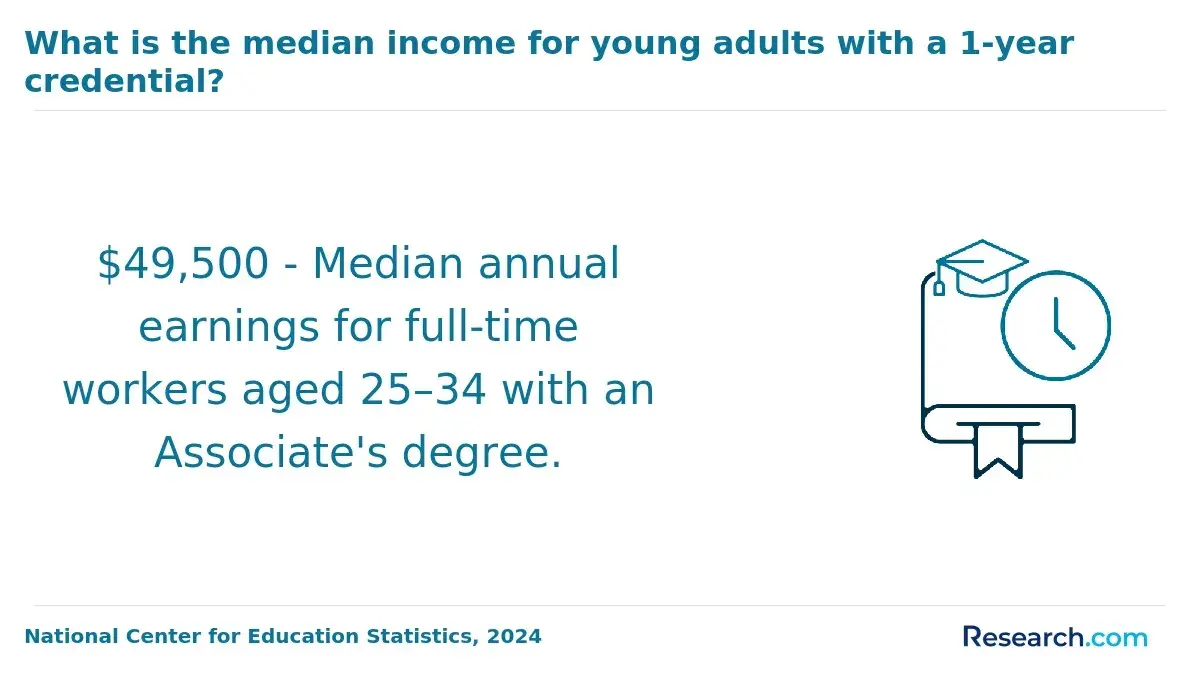
Compare the total cost to completion, not tuition per credit alone: include required credits, fees, prerequisite courses, materials, travel, and earnings you may forgo during placements. Ask about scholarships, assistantships, employer tuition assistance, and federal aid eligibility. If a school offers a stackable certificate or graduate transfer credit, obtain a written evaluation showing what applies to the degree; prior undergraduate coursework normally does not count as graduate transfer credit.
When a target role accepts a narrower credential, compare the degree's full cost with alternatives such as quick certifications that pay well. The relevant question is whether the master's provides value those alternatives cannot—not whether it sounds more prestigious.
Which careers require professional licenses or certifications after graduation?
Licensure rules attach to the occupation and state, not merely to the degree name. Prospective teachers, registered nurses, and professional counselors should verify approved education, supervised experience, examination, and application requirements with the relevant state authority before enrolling. Clinical placements completed during a degree may not satisfy all post-graduation supervised-practice requirements.
Other fields are different. Healthcare administrators and many IT, analytics, and business professionals do not obtain a general occupational license simply by earning the associated master's. Employers may nevertheless value role-specific certifications or experience. Ask a program whether graduates meet the requirements for the particular license or certification you intend to pursue, and whether that answer changes if you study from another state.
What salaries and job outlooks can career changers expect?
BLS occupational data is a useful reality check, but it is not a forecast of what a new master's graduate will earn. The figures below are U.S. median annual wages for everyone employed in each occupation in 2024, including workers with different education levels and years of experience.
| Occupation | 2024 U.S. median annual wage | Career-change context |
| Data scientist | $112,590 | Employers assess statistical and programming ability; an MS is not a hiring guarantee. |
| Information security analyst | $124,910 | Many positions also call for prior IT experience. |
| Medical and health services manager | $117,960 | Management roles commonly require relevant healthcare experience. |
| Registered nurse | $93,600 | Licensure is required; a master's is not the only educational route. |
These wages should not be compared directly with tuition to estimate a degree's payoff: they are occupation-wide medians, not the added earnings caused by graduate study. For a more realistic decision, compare your current earnings with accessible first roles, the program's full cost, the time until you can meet hiring or licensing requirements, and any outcomes the school can document. BLS projects strong data scientist employment growth from 2024 to 2034, but growth does not remove competition for individual jobs.
Other Things You Should Know About
Often, yes. MBA, healthcare administration, and some IT or analytics programs accept varied majors. Technical and licensure programs may require prerequisites or a designated bridge.
There is no universal answer. Start with the job you want, then identify the program that accepts your preparation and provides the skills, placements, or license eligibility that job requires.
Yes, if the program fits the target occupation and your schedule. Confirm live-class requirements, in-person placements, and state licensure eligibility before enrolling.
It may be when it provides a required credential or meaningful access to supervised practice and employers. Otherwise, compare the full degree cost with entry-level work, prerequisites, certificates, or certifications first.
References
- Annual Earnings by Educational Attainment - COE https://nces.ed.gov/programs/coe/indicator/cba/annual-earnings
- Pathways to Credentialing | Commission https://www.ctc.ca.gov/aspiring-educators/roadmap-to-teaching/pathways-to-credentialing/
- Linking college majors to careers: Career Outlook | bls.gov https://www.bls.gov/careeroutlook/2021/article/field-of-degree-and-careers.htm
- OCCUPATIONAL REGISTRATION, CERTIFICATION, AND LICENSING REQUIREMENTS FOR INDIVIDUALS | ct.gov https://www.cga.ct.gov/2016/rpt/2016-R-0220.htm
- Certificate vs. Degree: Pros, Cons, and Career Outcomes | National University https://www.nu.edu/blog/certificate-vs-degree/
- Internship? Co-op? Practicum? Clinical? Part-time Job? Some ways to know the differences | Career & Co-op Center https://career.uml.edu/resources/internship-co-op-part-time-job-some-ways-to-know-the-differences/
- Complying with Professional Licensure Requirements | wiche.edu https://wcetsan.wiche.edu/resources/complying-professional-licensure-requirements-beginners-checklist
- How to Apply - Computer Science Bridge, MS | University of San Francisco https://www.usfca.edu/arts-sciences/programs/graduate/computer-science-bridge/how-to-apply
- Master's in Computer Science: Complete Prerequisites Guide | jhu.edu https://ep.jhu.edu/news/masters-computer-science-prerequisites/
- MS in Computer Science Admission Requirements | Seattle University https://www.seattleu.edu/academics/all-programs/computer-science-ms/computer-science-admission-requirements/