
2027 Most Affordable Online Master's Degrees for Specialist Roles

Co-Founder and Chief Data Scientist
An inexpensive online master's degree can become a costly mistake if it requires unexpected fees, travel, or coursework that does not support your career goal. The decision matters as specialist work evolves: the U.S. Bureau of Labor Statistics projects 34% employment growth for data scientists from 2024 to 2034, though that occupation does not universally require a master's degree.
This guide compares ten graduate fields for prospective students and working professionals. You'll learn where graduate study may add value, which requirements can raise the final bill, and how to identify a reputable program you can afford to finish.
Key Things You Should Know
- Required credits, mandatory fees, residency pricing, and in-person requirements can reverse an apparent bargain.
- An MBA may support business specialization, while counseling licensure requires a qualifying degree and additional state-mandated steps.
- Some technical jobs accept bachelor's-level preparation; the Bureau of Labor Statistics projects 29% growth for information security analysts from 2024 to 2034, but that outlook does not establish a return on any particular master's degree.
Top 10 Most Affordable Online Master's Degrees for Specialist Roles - Affordable Specialist Degrees
Business / MBA Programs
An online Master of Business Administration (MBA) suits experienced professionals seeking broader management skills; a specialized MS may better serve someone targeting finance, supply chains, or operations. Compare total required credits and whether prerequisite business courses add cost. An inexpensive MBA is less compelling if its electives do not match your intended specialty or if the schedule conflicts with work. Neither credential substitutes for the experience employers commonly expect in management roles.
Healthcare Administration & Management Programs
A Master of Healthcare Administration (MHA) or healthcare management MS prepares students for organizational, financial, and regulatory work rather than clinical practice. Compare tuition alongside internship requirements and any in-person activities. An MHA may be worthwhile for someone with healthcare experience pursuing administrative advancement; newcomers should check whether target employers also expect industry experience. It does not confer a clinical license.
Information Technology Programs
An IT-focused MS often combines systems, cloud infrastructure, project management, and enterprise technology. It can fit professionals moving from hands-on support toward architecture or technical leadership. Before paying for a degree, compare its advanced coursework with the skills you already have and the qualifications in relevant job postings. Laboratory software, required equipment, and technology fees belong in the cost comparison; leadership jobs generally require experience as well as education.
Computer Science Programs
A computer science MS may emphasize algorithms, software systems, artificial intelligence, or research. It can serve career changers with sufficient prerequisites or computing graduates seeking deeper specialization. Lower-priced programs may become more expensive if they require nondegree foundation courses, so request a prerequisite review before comparing totals. A thesis can be useful for research goals; a project-based option may better fit an applied software role.
Cybersecurity Programs
A cybersecurity MS may cover security engineering, risk, incident response, and policy. Compare hands-on labs and the program's alignment with your intended specialty, not just its tuition. Many security roles value demonstrable experience and professional credentials, so a master's is not automatically the cheapest entry route. Confirm whether required lab platforms, exams, or intensive sessions create extra costs, and distinguish technical programs from governance-focused ones.
Data Science / Analytics Programs
Data science and analytics degrees can differ substantially: an MS may emphasize statistics and programming, while business analytics programs may focus on organizational decisions. Check mathematics prerequisites, computing resources, and portfolio-producing projects before judging value. Students needing extensive foundation coursework should include it in their budget. Because some analytics positions accept bachelor's-level preparation, compare the degree's incremental benefit with less expensive ways to build the specific skills employers request.
Education / Educational Leadership Programs
A Master of Education (MEd), educational leadership MA, or related MS may support curriculum work or school administration. Licensure-track leadership programs can require existing teaching credentials, professional experience, and supervised fieldwork. Check your state's rules before paying an application fee: a low-tuition program that does not meet your intended credential's requirements is not affordable in practice. Nonlicensure programs may suit instructional specialists but not applicants seeking a principal license.
Counseling / Psychology Programs
Counseling master's programs may prepare students for a specified state license, subject to further supervised practice and examination. A psychology MA or MS does not necessarily serve the same purpose and generally does not qualify someone to practice independently as a psychologist. Compare accreditation where relevant, clinical placement support, supervision arrangements, and travel costs. Mandatory practica can limit scheduling flexibility even when coursework is online; confirm eligibility with the state board.
Nursing Programs
A Master of Science in Nursing (MSN) can support nursing education, administration, or an advanced practice pathway, depending on its concentration. Admission commonly requires an active nursing license and appropriate prior nursing education. For clinical specialties, compare placement assistance, preceptor expectations, clinical hours, and state authorization - not tuition alone. Graduation does not by itself award advanced practice licensure or certification; these depend on the role and jurisdiction.
Engineering Management Programs
An engineering management MS blends technical decision-making with operations, finance, and leadership. It may be a better fit than an MBA for engineers who want to manage technical projects without leaving their field. Compare quantitative prerequisites, project requirements, and employer tuition assistance when estimating value. Some programs accept applicants from related technical disciplines, but management positions still usually depend on a record of professional work.
What Are the Most Affordable Online Master's Degrees for Specialist Careers?
No master's degree field is consistently the cheapest. The most affordable online option for a specialist career is the reputable, career-appropriate program with the lowest total cost to completion for your circumstances. This is a comparison of degree fields, not a ranking of colleges: institutional tuition, required credits, fees, residency classification, and experiential requirements determine the actual winner.
The comparison below shows where a low advertised tuition rate is most likely to need further scrutiny. It also identifies when a different credential may be the less expensive route to your goal.
| Degree field | Potential cost pressure | Best reason to pursue the master's |
| MBA or business MS | Program fees and foundation courses | Relevant business specialization or advancement preparation |
| IT, computer science, cybersecurity, or analytics MS | Prerequisites, lab resources, and technical fees | Advanced skills beyond current experience |
| MHA or engineering management MS | Required projects, internships, or differential tuition | Specialized preparation for sector-specific work |
| MEd or educational leadership degree | Fieldwork and credential requirements | A qualifying educational role or advancement path |
| Counseling degree or clinical MSN | Placements, travel, supervision, and required credits | Preparation for a specifically identified licensed role |
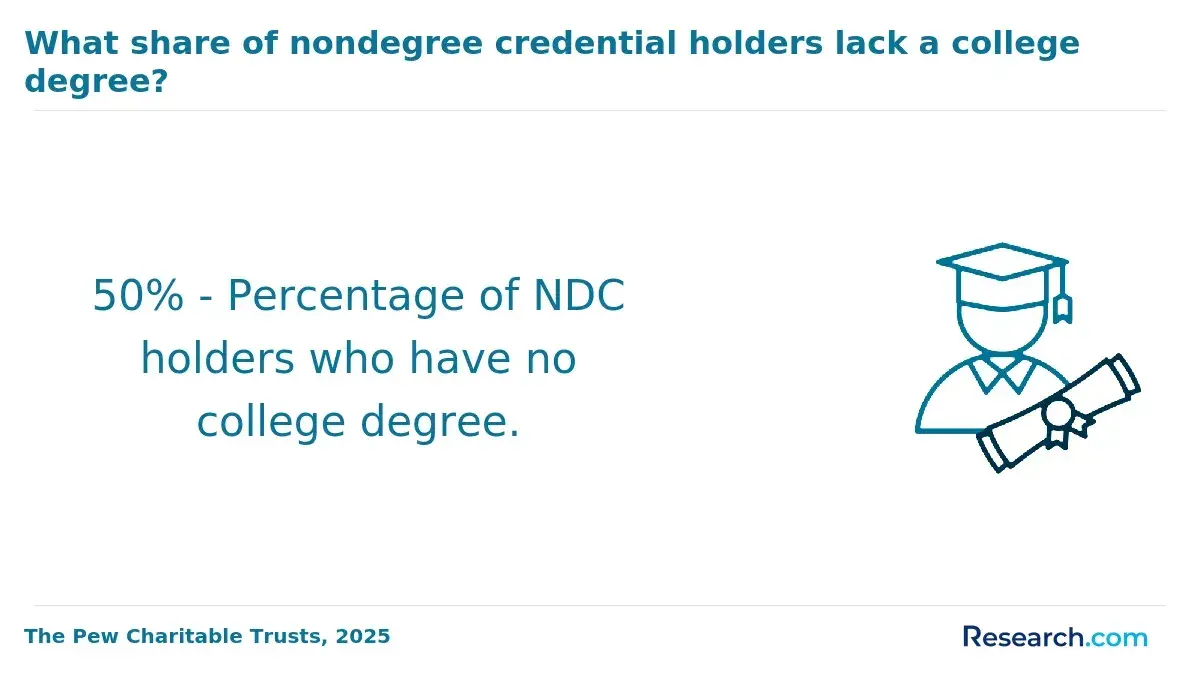
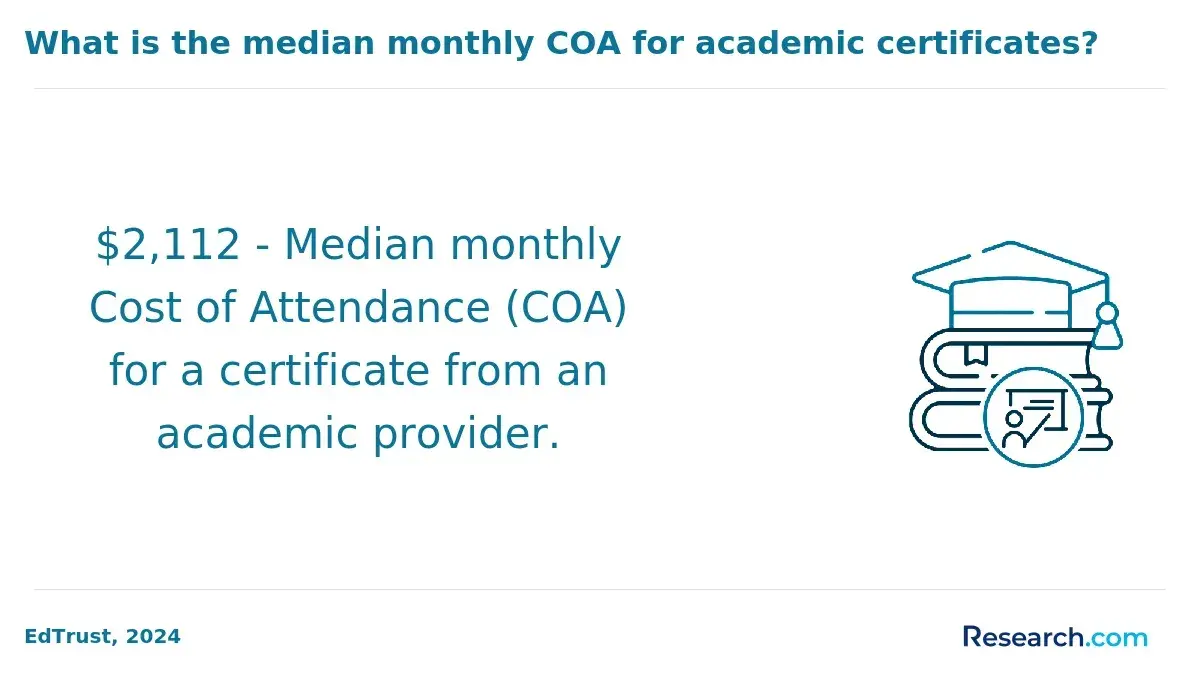
If your target job does not require graduate education, compare the full degree with focused online certification programs. A shorter credential can cost less, but it cannot replace a qualifying degree for a regulated profession.
Are Affordable Online Master's Degrees Accredited and Professionally Recognized?
Affordable online master's degrees can be accredited and professionally recognized. Start by confirming that the institution holds accreditation recognized by the U.S. Department of Education or the Council for Higher Education Accreditation. Then check whether your intended field requires or benefits from separate programmatic accreditation; institutional accreditation alone does not establish eligibility for every professional credential.
Recognition is especially consequential in counseling, nursing, and education. Ask the relevant state board or certifying body whether the exact program and concentration meet its educational rules. Verify any required clinical hours or placements as well. "Accredited university" and "qualifies graduates for my license in my state" are different claims.
Which Specialist Careers Require a Master's Degree or Professional License?
A specialist title does not always mean a master's is mandatory. The distinction matters financially: paying for graduate school before identifying the job's actual requirements can delay entry into the field without improving eligibility.
This table separates common career paths by the role a master's may play. Requirements vary by state, employer, and specialty.
| Career path | Role of a master's degree | Additional requirement to check |
| Licensed professional counselor | A qualifying counseling master's is generally part of the pathway | State coursework rules, supervised experience, and examination |
| Nurse practitioner | Qualifying graduate nursing education is part of the pathway | RN eligibility, clinical preparation, certification, and state licensure |
| School principal | Graduate education is commonly required or expected | Teaching experience and state administrator credentials |
| Cybersecurity or data specialist | May support specialization but is not universally required | Employer-specified technical skills and experience |
| Healthcare or engineering manager | May support advancement but does not confer a management position | Substantial relevant professional experience |
How Much Do Affordable Online Master's Degrees Cost?
The useful price is the amount you must pay to finish, not a school's headline per-credit rate. A defensible comparison starts with required graduate credits multiplied by the tuition charged to you, then adds mandatory fees and required out-of-pocket expenses. Subtract only aid you have actually been awarded. Public graduate tuition may depend on residency, and online students are not automatically charged an in-state rate.
Request a written estimate covering the following cost categories so competing programs can be compared on the same basis:
- Tuition for every required graduate credit, including differential or concentration pricing.
- Mandatory technology, course, graduation, and other program fees.
- Prerequisites, required software or equipment, travel, residencies, and unpaid placement expenses.
- Your likely enrollment pace, including any tuition changes or added terms if required courses are not offered when needed.
Federal graduate aid, scholarships, employer tuition assistance, and payment plans may reduce upfront pressure, but borrowing raises the eventual cost. Before committing, compare the amount you expect to finance with the job requirements and compensation in your local market. If earnings are the primary goal, research what degree makes the most money alongside the experience and credentials those occupations actually require; salary alone is not evidence that an expensive master's will pay off.
What Do Online Master's Degree Programs Teach?
Coursework depends on the credential and its purpose. An MBA typically combines organizational decision-making and business functions; an MS in computer science or analytics may require substantial technical coursework; an MEd, counseling degree, or MSN may combine specialized classes with supervised practice. Concentrations and electives shape whether the degree prepares you for your intended specialty rather than merely carrying a relevant title.
Programs may end with a thesis, applied capstone, portfolio, comprehensive examination, internship, practicum, or clinical placement. A thesis can fit research or doctoral ambitions, while an applied project may better demonstrate workplace skills. Online lectures do not eliminate location-specific requirements: ask whether attendance is scheduled and whether placements, residencies, labs, or exams must be completed in person.
What Are the Admission Requirements for Online Master's Programs?
Applicants normally need a completed bachelor's degree. Graduate schools may also review undergraduate GPA, recommendations, a statement of purpose, and relevant preparation; individual departments can impose additional requirements. Business programs may consider professional experience, technical degrees may require mathematics or programming, and clinical nursing tracks generally require nursing credentials. GRE or GMAT policies vary by program rather than by field alone.
If you lack prerequisites, ask whether they must be completed before admission or can be taken after entry - and whether they count toward the master's. Ask for a review of any previous graduate-level coursework, too. Accepted transfer credits must apply to actual degree requirements and satisfy school rules; ordinary undergraduate credits should not be assumed to count toward a master's.
How Long Do Online Master's Degrees Take to Complete?
Many professional master's programs require roughly 30 to 60 graduate credits, but the range differs substantially by field and licensure purpose. Completion may take about a year for an intensive shorter program or several years for part-time study or a placement-heavy degree. A school's fastest advertised timeline may assume continuous full-time enrollment, prerequisites already completed, or a particular course sequence.
For working adults, affordability includes the ability to finish without repeatedly stepping away from paid work. Compare asynchronous and scheduled classes, the availability of required courses, and placement hours against your calendar. If household responsibilities shape your enrollment pace, guidance on degrees for moms may help you frame the scheduling questions, but confirm each graduate program's actual attendance rules.
What Jobs and Salaries Can Master's-Level Specialists Expect?
Master's-level study can support technical specialization, licensed practice, or advancement, but occupational pay is not the salary of graduates from a particular program. For context, the Bureau of Labor Statistics reports a 2024 median annual wage of $124,910 for information security analysts. That figure covers workers across education and experience levels; a cybersecurity master's alone does not qualify every applicant for the occupation or its median pay.
The comparison below connects fields with plausible roles while keeping the degree's contribution distinct from other hiring requirements.
| Field | Possible specialist direction | Important qualification beyond the degree |
| Business or healthcare administration | Operations or healthcare administration | Relevant industry and management experience |
| Computer science, IT, cybersecurity, or analytics | Software, systems, security, or data specialization | Demonstrated technical skills and project experience |
| Education | Curriculum or school leadership | Role-specific experience and, where applicable, state credentials |
| Counseling or nursing | Licensed counseling or advanced nursing practice | Required supervision, examinations, certification, or licensure |
| Engineering management | Technical project or engineering leadership | Engineering background and professional experience |
Some technical and administrative work can be performed remotely, but an online degree does not make a job remote. If location flexibility is central to your plans, compare occupations and employer practices using guidance on degrees for remote work.
How Can Students Choose a Reputable Affordable Online Master's Program?
Choose a career target first, then compare programs against it. The lowest quote is not a bargain if you cannot complete its required placement, use its concentration, or qualify for the license you need. Rankings and broad promises about "career outcomes" cannot replace a review of the exact curriculum and bill.
Use this sequence to narrow your shortlist and catch expensive surprises before enrollment:
- Identify the role and verify its education, experience, and state licensing requirements with the employer or regulator.
- Confirm institutional accreditation and any relevant programmatic accreditation for the exact degree and concentration.
- Request an individualized cost-to-completion estimate, including fees, prerequisites, travel, and your tuition classification.
- Ask for a written review of eligible graduate transfer credit and how it reduces remaining requirements, if applicable.
- Check course schedules, live attendance, placement responsibilities, and the realistic completion time at your intended pace.
Be cautious if a school cannot explain required in-person activities, gives only a per-credit price, or implies that graduation guarantees a license or promotion. Compare written answers from more than one institution before paying a deposit.
Other Things You Should Know About
There is no consistently cheapest field. Compare accredited programs that fit your goal using total required tuition, fees, prerequisites, and in-person expenses rather than a per-credit rate.
An online degree can be professionally useful when its institution and curriculum meet the role's requirements. Employers may also weigh experience, skills, and any required license.
Sometimes. Counseling, nursing, and some education programs may require local clinical or field placements; other programs may require campus visits or scheduled online attendance. Verify the exact format.
It is most defensible when it meets a required credential, builds skills you cannot obtain more efficiently, or supports a realistic advancement plan. Compare its full cost with your existing qualifications and the requirements of jobs you intend to pursue.
References
- Certificates & Credentials | ohio.gov https://highered.ohio.gov/educators/academic-programs-policies/academic-program-approval/certificates-credentials
- General Schedule Qualification Standards | U.S. Office of Personnel Management https://www.opm.gov/policy-data-oversight/classification-qualifications/general-schedule-qualification-standards/
- Types of Financial Aid: Grants, Work-Study, and Loans | studentaid.gov https://studentaid.gov/understand-aid/types
- GAC - Chapter 505-2 CERTIFICATION https://rules.sos.ga.gov/gac/505-2
- Employment outlook for graduate-level occupations | bls.gov https://www.bls.gov/careeroutlook/2018/article/graduate-degree-outlook.htm
- Are Prerequisite Courses Barriers to Pharmacy Admission or the Keys to Student Success? - PMC https://pmc.ncbi.nlm.nih.gov/articles/PMC10159397/
- Tuition & Expenses | Student Financial Services https://financialaid.wsu.edu/tuition-and-expenses/
- How Long Does It Take to Complete a Master's Degree Program? | California Southern University https://www.calsouthern.edu/articles/how-long-is-a-masters-degree
- How Much Does it Cost? - Spokane Community College https://scc.spokane.edu/How-to-Pay-for-College/How-Much-Does-it-Cost
- How Do Transfer Credits Work? A Guide for Adult Learners | Whitworth Online https://online.whitworth.edu/news-articles/how-do-transfer-credits-work-when-you-go-back-to-school/






