2027 Best Doctoral Programs for Career Growth

Co-Founder and Chief Data Scientist
Choosing a doctorate for career growth means deciding whether years of advanced study will open opportunities you could not reach through experience, a master's degree, or certification. The stakes are especially clear in technology: the U.S. Bureau of Labor Statistics reports a May 2024 median annual wage of $140,910 for computer and information research scientists, a research occupation that typically requires a master's degree - not necessarily a doctorate.
This guide compares doctoral fields by the work they prepare you to do, then shows how to assess costs, requirements, and career value before enrolling.
Key Things You Should Know
- The strongest choice depends on the target role: a PhD generally emphasizes original research, while professional doctorates often emphasize advanced practice or applied leadership.
- Career growth is not guaranteed by the credential: computer and information research scientists had a $140,910 median annual wage in May 2024, but the occupation does not universally require a doctorate.
- Compare the full investment - not tuition alone - including funding, foregone earnings, research or clinical requirements, and whether a master's degree or experience could meet the same goal.
Top 10 Best Doctoral Programs for Career Growth - Top Doctoral Programs
Business / DBA Programs
A Doctor of Business Administration (DBA) suits experienced managers who want to investigate organizational problems and apply research at work. A business PhD is generally the better fit for someone seeking intensive research training and an academic research career. Neither degree substitutes for management experience or guarantees an executive role. Compare faculty expertise, the required dissertation or applied project, employer support, and the opportunity cost of studying while working. If your goal is a near-term promotion, an MBA or targeted industry credential may be a less costly first step.
Education / EdD Programs
A Doctor of Education (EdD) commonly focuses on improving educational practice through leadership coursework and applied inquiry. It may fit experienced educators pursuing system-level responsibilities; an education PhD usually offers a stronger match for original research. Compare the program's project or dissertation, opportunities to study problems in your workplace, and whether the degree meets your employer's advancement criteria. An EdD alone does not confer a principal or superintendent credential: state certification rules, teaching history, and administrative experience may also apply.
Educational Leadership Programs
Educational leadership doctorates can include EdD and PhD pathways, but their outcomes differ. An EdD may center on organizational improvement, while a PhD generally emphasizes research design and theory-building. Before applying, identify the position you want and check whether its employer or state requires a particular license, supervised experience, or prior administrative service. Ask whether the curriculum covers your intended setting - such as K-12 schools, higher education, or nonprofit education - and whether required fieldwork fits your schedule.
Psychology Programs
Psychology PhD programs often emphasize research alongside clinical training when offered in a clinical specialty; PsyD programs generally place greater emphasis on clinical practice. Neither label alone establishes eligibility for psychologist licensure. Prospective clinicians should verify specialty accreditation, supervised training, internship arrangements, and the licensing rules of the state where they intend to practice. If your aim is counseling rather than psychologist licensure or research, a qualifying master's-level pathway may warrant comparison before committing to doctoral study.
Nursing / DNP Programs
The Doctor of Nursing Practice (DNP) prepares nurses for advanced clinical practice, quality improvement, or systems leadership; a nursing PhD centers on original research. Entry routes differ for nurses with bachelor's and master's degrees, so compare prerequisites and remaining clinical requirements rather than assuming a master's automatically shortens the program. A DNP does not, by itself, grant advanced practice authority. Licensure, national certification, clinical preparation, and state scope-of-practice rules determine which roles a graduate can pursue.
Public Health Programs
A Doctor of Public Health (DrPH) typically develops experienced practitioners for population-health leadership and applied problem-solving. A public health PhD is generally more research-intensive. Compare programs by their strengths in areas such as epidemiology, health policy, or implementation, as well as their practicum and culminating research requirements. For many public health positions, a Master of Public Health and relevant experience are sufficient; doctoral study makes more sense when a specific research or senior practice goal calls for it.
Computer Science Programs
A computer science PhD can support careers centered on producing new knowledge in areas such as AI, systems, or security. Research fit matters more than a broad program label: examine prospective advisers' work, access to computing resources, publication expectations, and funding terms. Many software engineering and technology management jobs do not require doctoral training. Compare the research opportunities a PhD would provide with the industry experience and earnings you would forgo while studying.
Cybersecurity Programs
Cybersecurity doctorates may emphasize technical research, organizational risk, or policy, depending on whether they are PhD or practice-oriented programs. Match that focus to the intended role: novel security research calls for different preparation than security operations leadership. Many industry positions place substantial weight on hands-on experience and relevant certifications, so a doctorate is not automatically the strongest advancement route. Check laboratory access, faculty expertise, and whether the curriculum addresses the security problems you want to solve.
Social Work / Human Services Programs
A Doctor of Social Work (DSW) often develops experienced practitioners for advanced practice, teaching, or organizational improvement; a social work PhD generally prioritizes research. Human services doctorates vary more widely, making curriculum and career fit essential checks. If your goal is clinical social work, confirm the state's licensing pathway first: a doctorate does not replace required supervised experience, examinations, or other board rules. For agency leadership, weigh the degree against a master's plus substantial field experience.
Public Administration / Public Policy Programs
A Doctor of Public Administration (DPA) commonly focuses on applied governance and organizational leadership, while public policy or administration PhD programs usually emphasize research and analysis. Choose according to the work you want to produce: workplace-based improvements, independent policy research, or both. Government advancement also depends on experience, hiring rules, and demonstrated results. Compare research methods, policy specializations, project requirements, and funding before assuming doctoral study offers more value than an MPA, MPP, or relevant professional experience.
What types of doctoral degrees offer the strongest career growth opportunities?
Doctoral degrees with strong career-growth potential are those that match a clearly defined role requiring advanced research, clinical preparation, or specialized leadership. There is no single best field: demand for an occupation is not evidence that its doctorate will pay for itself. Lists of highest paying degrees can provide undergraduate context, but doctoral decisions require a separate comparison of career requirements and total investment.
The comparison below summarizes where each broad pathway may add value - and where an alternative may be sufficient.
| Pathway | Potential doctoral advantage | Alternative to compare |
| Research PhD | Preparation to conduct original research | Master's degree and research experience |
| Clinical doctorate | Preparation for a defined advanced-practice or licensure pathway | Check whether a qualifying master's route exists |
| Professional leadership doctorate | Applied inquiry tied to complex workplace problems | Master's degree, certification, and leadership experience |
Start with institutional accreditation, then check any programmatic accreditation required or valued for your intended profession. For example, clinical psychology and nursing pathways can have specialty-specific accreditation considerations. Confirm the status with the accreditor and relevant state board, not just a program's marketing page.
Next, compare the actual degree requirements, faculty or clinical supervision, graduate outcomes when available, and written funding terms. A common mistake is relying on rankings while overlooking adviser fit or licensure eligibility. Ask admissions staff to identify the catalog requirements that apply to your entering cohort.
Doctoral applicants normally need at least a completed bachelor's degree; many professional doctorates require or prefer a relevant master's degree, licensure, or work experience. Research PhD applications may also weigh prior research, writing samples, a statement of purpose, and fit with available faculty advisers. GPA thresholds, GRE or GMAT policies, interviews, and prerequisites vary by program, so check the doctoral program's current admissions page rather than an institution-wide summary.
If you have not completed an undergraduate degree, doctoral admission is a later step. Guidance on what is the easiest bachelor's degree to get may help you explore a starting pathway, but choose undergraduate preparation that also satisfies your intended graduate prerequisites.
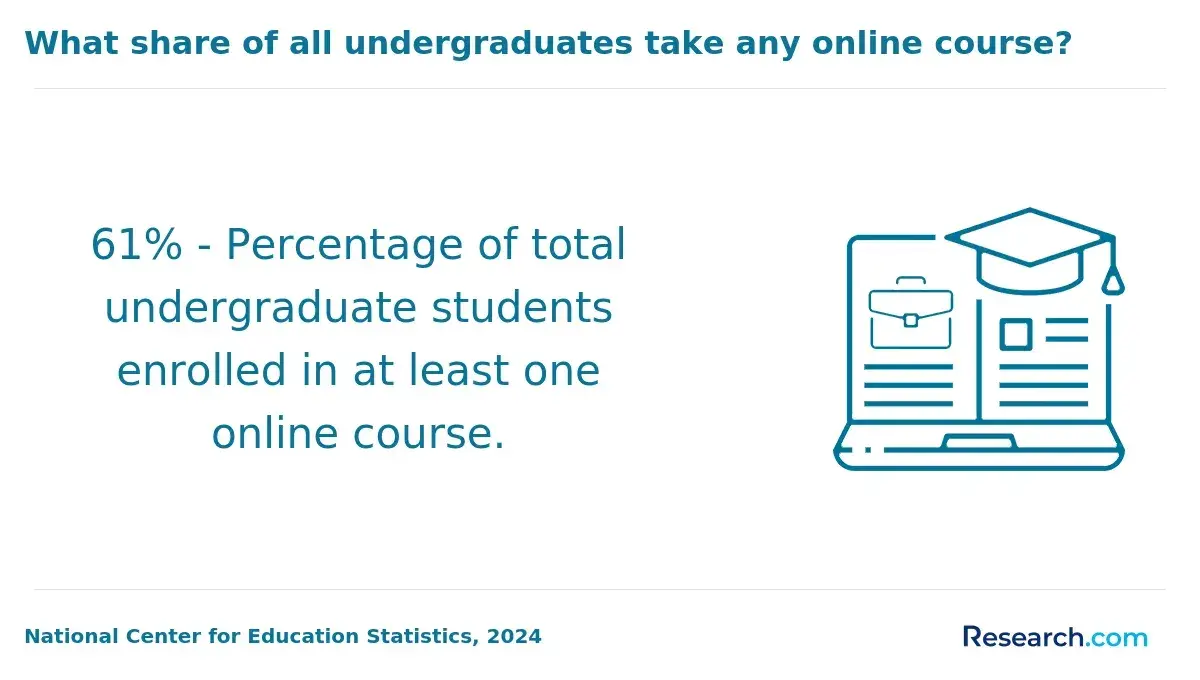
Online coursework can reduce travel, but it does not necessarily make a doctorate self-paced or entirely remote. Scheduled seminars, adviser meetings, laboratory work, clinical placements, residencies, exams, and defenses may still be required. Campus-based study may provide easier access to laboratories, research groups, and in-person mentoring; the value of that access depends on the field and project.
Ask each program which activities require attendance at a particular time or location, whether part-time enrollment is permitted, and how students obtain research or clinical supervision. Treat "online" as a delivery description - not proof that the program fits your work schedule.
Most doctoral programs combine advanced field study with research methods, but their culminating work differs. A PhD usually involves original research, examinations or candidacy milestones, a dissertation, and a defense. A professional doctorate may require a dissertation, an applied doctoral project, clinical work, or another substantial scholarly product; the degree abbreviation alone does not tell you which.
Review the catalog's sequence from coursework through completion. Ask who approves the research topic, how advisers are assigned, what happens if a project is delayed, and which requirements remain after courses end. Finishing credits is not the same as finishing a doctorate.
Completion time varies with entry route, full- or part-time study, research progress, adviser availability, and clinical or project requirements. A master's degree does not automatically reduce doctoral coursework; request a written evaluation of any eligible graduate credit and confirm how it applies to the degree.
For cost, calculate tuition and mandatory fees across the expected enrollment period, then add travel, research, clinical-placement expenses, and foregone earnings. Compare that total with written offers for assistantships, tuition remission, stipends, scholarships, or employer assistance. Federal aid eligibility depends on the institution and student circumstances; information about FAFSA-approved online certificate programs concerns a different, potentially shorter training option and does not establish doctoral aid eligibility.
Doctoral study can prepare people for research, advanced clinical practice, specialized teaching, policy analysis, and organizational leadership. The career path depends on the credential and field: a research position may call for publications or postdoctoral training, a clinical role may require licensure, and an executive position generally requires substantial experience. A doctorate alone does not secure any of these outcomes.
If you are still building toward a target career, compare the doctorate with its earlier entry points. An online associate's degree may be one undergraduate starting point, but it does not meet standard doctoral admissions requirements on its own. Map the education and experience required for your specific role before choosing the next credential.
Occupational salaries are not doctoral-graduate salary estimates. For example, the Bureau of Labor Statistics reports a May 2024 median annual wage of $140,910 for computer and information research scientists; the occupation typically requires a master's degree, although some employers prefer a PhD. That figure describes workers across the occupation, not the earnings increase caused by completing a doctorate.
Use BLS pay and employment projections for the exact occupation you want, then check its usual entry education and your local market. To judge return on investment, compare likely career opportunities with program cost, funding, time away from work, and the outcomes you could pursue without a doctorate. Be wary of programs that present a high occupational wage as a promised graduate salary.
Which doctoral programs lead to professional licensure or certification?
Some doctoral programs form part of a professional pathway, but earning the degree and receiving a license are separate steps. Clinical psychology applicants should check program accreditation, supervised experience, examinations, and state board rules. Nurses considering a DNP should verify the education, certification, and state authorization required for their intended advanced-practice role. Educators pursuing administrative positions should check state credential and experience requirements.
Before applying, identify the state where you expect to work and ask the program how its specific track addresses that state's requirements. This is especially important for online programs and for students who may relocate.
Other Things You Should Know About
Choose based on the work you want to do. A PhD usually offers the closer fit for original research; a professional doctorate may better fit advanced practice or applied workplace inquiry. Compare individual curricula rather than relying on degree labels alone.
Usually not solely for that reason. Many leadership roles prioritize experience and results. Check whether employers in your target role require or meaningfully value doctoral preparation.
Not necessarily. Funding varies by program and offer; some PhD students receive assistantships or fellowships, while many professional doctorate students pay tuition. Request written details about duration, fees, duties, and renewal conditions.
Confirm accreditation, total requirements, expected costs and funding, adviser or clinical support, completion conditions, and any licensure implications. Compare those findings with at least one realistic non-doctoral route to your goal.
- Certification Procedures - Questions and Answers http://www.ed.gov/laws-and-policy/higher-education-laws-and-policy/certification-procedures-questions-and-answers
- Fast Facts: Tuition costs of colleges and universities (76) | ed.gov https://nces.ed.gov/fastfacts/display.asp
- Employment outlook for graduate-level occupations | bls.gov https://www.bls.gov/careeroutlook/2018/article/graduate-degree-outlook.htm
- Factors Affecting PhD Student Success - PMC - NIH https://pmc.ncbi.nlm.nih.gov/articles/PMC6355122/
- Understanding College Costs | studentaid.gov https://studentaid.gov/resources/prepare-for-college/students/choosing-schools/consider-costs
- Career-Focused Degrees vs. Research Degrees | UAGC https://www.uagc.edu/blog/career-focused-degrees-vs-research-degrees
- Working in Science: Industry vs. Academia | Northeastern University Graduate Programs https://graduate.northeastern.edu/knowledge-hub/working-in-industry-vs-academia/
- Cost and Aid: Health Services PhD | Health Systems and Population Health https://hspop.uw.edu/healthservicesphd/cost-aid/
- Doctoral Studies Funding, Awards, and Grants | NYU Steinhardt https://steinhardt.nyu.edu/current-students/doctoral-studies/doctoral-funding-awards-and-grants
- How Long Does It Take to Earn a Doctoral Degree? | Walden University https://www.waldenu.edu/online-doctoral-programs/resource/how-many-years-does-it-take-to-earn-a-phd-degree