2027 Best Bachelor's Degrees for Adults Returning to College

Co-Founder and Chief Data Scientist
Returning to college as an adult is usually a high-stakes decision: you need a degree that fits your schedule, budget, work history, and career goal. BLS data shows workers with a bachelor's degree had median weekly earnings of $1,543 in 2024, compared with $930 for workers with only a high school diploma. This guide compares practical bachelor's degree options for working adults, explains online and campus trade-offs, and shows how to evaluate cost, accreditation, transfer credits, licensure, and career outcomes before you enroll.
Key Things You Should Know
- For many adults, the best bachelor's degrees combine flexible delivery, strong transfer-credit policies, and clear career alignment; business, healthcare, IT, cybersecurity, nursing, education, and engineering often offer the clearest employment pathways.
- College Board's 2024-25 pricing shows published tuition and fees averaged $11,610 for in-state public four-year colleges and $43,350 for private nonprofit four-year colleges, so transfer credits and employer tuition benefits can materially change ROI.
- Before enrolling, adults should verify institutional accreditation, programmatic accreditation where relevant, state licensure fit, total cost, credit-transfer rules, and graduate outcomes rather than relying only on rankings or advertised speed.
Top 10 Best Bachelor's Degrees for Adults Returning to College
Business Degrees
A business bachelor's degree fits adults who want broad career mobility without committing to a licensed profession. Common concentrations include accounting, finance, human resources, marketing, supply chain, and management. It can support advancement into supervisory roles or a pivot into corporate operations. BLS reported a 2024 median annual wage of $81,680 for accountants and auditors, but CPA eligibility may require extra credits beyond the bachelor's degree. Choose programs with applied projects, analytics coursework, and strong transfer-credit acceptance. Avoid overly generic programs if your target job requires technical finance, accounting, or data skills.
Healthcare Degrees
Healthcare bachelor's degrees are strong options for adults who want mission-driven work, management roles, or a path into graduate clinical training. Popular majors include health administration, public health, health sciences, and healthcare management. BLS reported a 2024 median annual wage of $117,960 for medical and health services managers, reflecting the value of combining healthcare knowledge with leadership and compliance skills. This path suits adults already working in clinics, hospitals, billing, or insurance. Check whether the curriculum includes healthcare finance, informatics, quality improvement, and internship or capstone experiences.
Information Technology Degrees
An information technology bachelor's degree is practical for adults who want hands-on roles supporting systems, networks, cloud platforms, databases, and users. It is usually more operations-focused than computer science and may be a better fit for career changers who want applied technical skills quickly. Look for coursework in networking, systems administration, cloud computing, scripting, databases, and IT project management. Certifications such as CompTIA, Cisco, Microsoft, AWS, or Google Cloud can strengthen employability, but they should complement-not replace-a well-structured degree for roles requiring bachelor's-level preparation.
Computer Science Degrees
A computer science bachelor's degree is best for adults who want deeper preparation in software development, algorithms, data structures, artificial intelligence, and systems design. It can lead to software engineering, data engineering, quality assurance, and technical analyst roles. BLS reported a 2024 median annual wage of $133,080 for software developers, but competition can be intense, especially for remote entry-level jobs. Adults should choose programs with substantial coding practice, portfolio projects, version control, and career support. If math-heavy theory is not a fit, IT or information systems may be more practical.
Cybersecurity Degrees
Cybersecurity bachelor's degrees suit adults who like risk analysis, systems defense, compliance, and investigative problem-solving. Common courses cover network security, digital forensics, secure systems, cloud security, governance, and incident response. BLS reported a 2024 median annual wage of $124,910 for information security analysts, making this one of the stronger salary paths among applied technology degrees. The best programs align with certifications such as Security+, CySA+, CISSP preparation, or cloud security credentials. Avoid programs that teach policy only if your goal is hands-on security engineering.
Psychology Degrees
A psychology bachelor's degree works well for adults interested in human behavior, counseling-adjacent work, research, human services, organizational development, or graduate school. It is not, by itself, enough to become a licensed psychologist or therapist. The strongest adult-focused programs include statistics, research methods, abnormal psychology, lifespan development, and applied electives in workplace or community settings. This degree can support roles in case management, behavioral health support, HR, or customer insights. Adults seeking clinical licensure should map the bachelor's degree to master's or doctoral requirements early.
Nursing Degrees
A nursing bachelor's degree is best for adults who want a licensed clinical career with defined requirements. Options include pre-licensure BSN programs, RN-to-BSN completion programs, and accelerated BSN tracks for students with a prior bachelor's degree. BLS reported a 2024 median annual wage of $93,600 for registered nurses. Admission can be competitive because clinical placements are limited, and state board approval matters. Adults should verify accreditation, NCLEX preparation, clinical-site expectations, immunization requirements, and whether work schedules can realistically fit labs and rotations.
Education Degrees
An education bachelor's degree fits adults who want to become licensed teachers, instructional aides advancing to teacher roles, or professionals in training and curriculum support. Requirements vary by state, grade level, and subject area, so adults should confirm that the program leads to the license they need where they plan to teach. Strong programs include supervised student teaching, classroom management, assessment, special education, and subject-specific methods. Adults who cannot complete daytime field placements may need a part-time or alternative pathway. For non-licensure goals, consider instructional design or workforce training tracks.
Criminal Justice Degrees
A criminal justice bachelor's degree is useful for adults pursuing law enforcement advancement, corrections administration, probation, homeland security, victim advocacy, or compliance-related roles. It may not be required for every policing job, but it can support promotion and federal opportunities. The best programs teach criminology, constitutional law, ethics, data analysis, emergency management, and community relations. Adults should compare physical, background, and age requirements for target agencies before enrolling. If the goal is forensic science, choose a science-heavy program rather than a general criminal justice curriculum.
Engineering Degrees
Engineering bachelor's degrees can offer strong long-term value for adults with solid math preparation and interest in design, manufacturing, infrastructure, energy, or systems. Options include mechanical, electrical, civil, industrial, and software-related engineering. ABET accreditation is especially important for many engineering paths and future professional engineer licensure. These programs can be less flexible online because labs and sequenced prerequisites are common. Adults should assess time demands carefully; part-time engineering study can take longer but may be worth it for career changers targeting technical roles with durable labor-market demand.
Which bachelor's degrees offer the best return on investment for adult learners?
The best ROI for adult learners usually comes from degrees that connect directly to in-demand roles, accept prior credits, and build on existing experience. ROI is not just salary; it also includes completion speed, debt, licensing costs, schedule flexibility, and whether the degree unlocks a promotion, career change, or graduate pathway.
This comparison summarizes common ROI patterns adults should consider. The salary figures are national BLS 2024 medians for representative roles, so they should be treated as labor-market context rather than a prediction for any individual student.
| Degree area | Representative role | 2024 median annual wage | ROI signal for adults |
| Cybersecurity | Information security analyst | $124,910 | Strong when paired with hands-on labs, certifications, and prior IT experience. |
| Computer science | Software developer | $133,080 | Strong for adults who can build a portfolio and compete for technical roles. |
| Healthcare administration | Medical and health services manager | $117,960 | Strong for healthcare workers moving into leadership, compliance, or operations. |
| Nursing | Registered nurse | $93,600 | Strong when the program is accredited, licensure-aligned, and clinically feasible. |
| Business | Accountant or auditor | $81,680 | Strong when the concentration matches a specific role such as accounting, finance, analytics, or supply chain. |
Adults should be cautious with ROI rankings that ignore transfer credits. A lower-ranked school that accepts 60 to 90 prior credits may produce a better personal return than a more expensive program that requires repeating coursework.
How should adults choose between online and campus bachelor's degree programs?
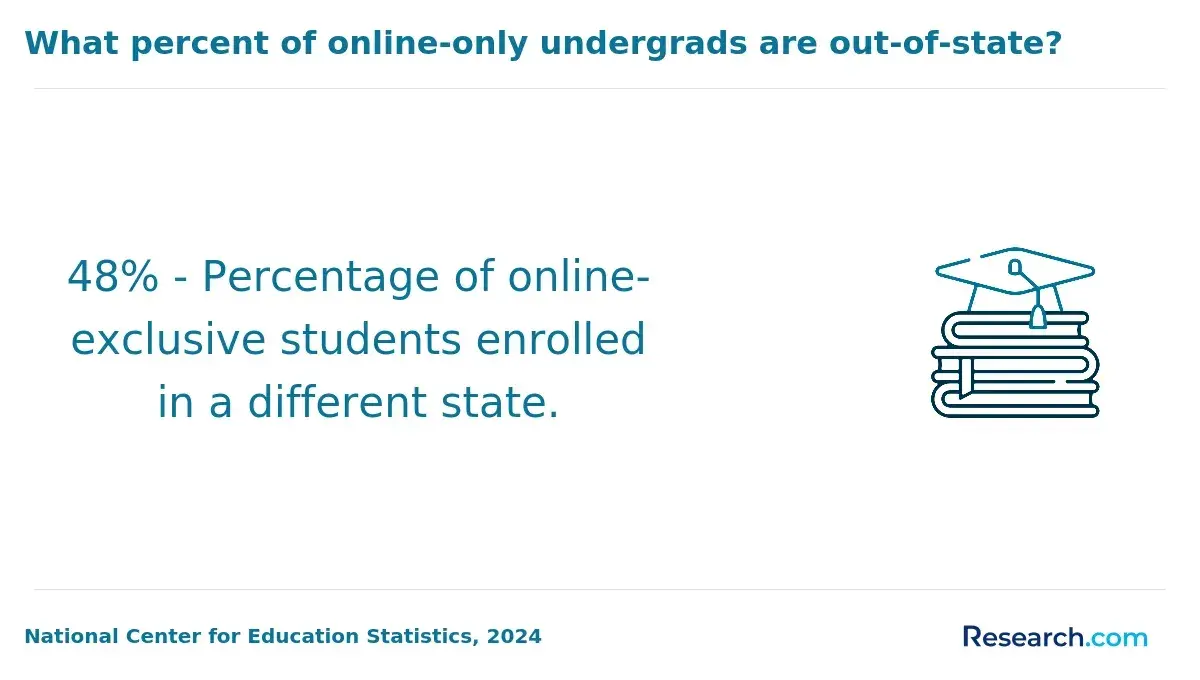
Online bachelor's programs are often the better fit for adults balancing work, caregiving, military service, or irregular schedules. Campus programs can be better for students who need labs, clinical placements, studio work, in-person networking, or a highly structured weekly routine.
The table below compares the practical trade-offs adults should weigh before choosing a format. Use it to match the delivery model to your schedule, learning style, and career requirements.
| Factor | Online bachelor's program | Campus bachelor's program |
| Schedule flexibility | Usually stronger, especially with asynchronous classes. | Often less flexible because classes meet at set times. |
| Hands-on requirements | May require local placements, residencies, labs, or proctored exams. | Usually easier to coordinate for labs, clinics, and fieldwork. |
| Networking | Depends heavily on virtual events, group projects, and career services. | Often stronger for local internships, faculty access, and peer connections. |
| Best fit | Working adults, transfer students, military learners, and self-directed students. | Students who benefit from structure or need in-person facilities. |
If speed and flexibility are major priorities, compare policies for transfer credit, prior learning assessment, and accelerated terms. Adults researching online degree programs for working adults should still verify accreditation, workload, and whether the program meets licensure requirements in their state.
What admission requirements do adults face when returning to earn a bachelor's degree?
Adult applicants usually face the same baseline admission requirements as traditional students, but their prior college credits, work history, military training, or professional credentials can change the process. The most important step is requesting official transcript evaluations before committing to a school.
This table shows common admission items and why they matter for adults returning to complete a bachelor's degree.
| Requirement | What adults should expect | Why it matters |
| High school record or GED | Usually required if the applicant has limited college credit. | Confirms baseline eligibility. |
| College transcripts | Required from every prior institution attended. | Determines transfer credits and remaining degree length. |
| Minimum GPA | Varies by school and major; selective programs may require higher GPAs. | Affects admission, scholarships, and access to competitive majors. |
| Prerequisites | Common in nursing, engineering, education, and computer science. | Can add time if courses are missing or outdated. |
| Background checks | Common for nursing, education, healthcare, and criminal justice placements. | May affect fieldwork, clinicals, licensure, or employment eligibility. |
Before applying, adults should complete these steps in order to reduce surprises and avoid paying application fees for poor-fit programs.
- Collect transcripts from every college, community college, military program, and training provider previously attended.
- Ask each school for a written preliminary transfer-credit estimate, not just a verbal promise from an admissions representative.
- Confirm whether old credits expire for science, technology, nursing, or education prerequisites.
- Check whether professional licenses, certifications, military training, or portfolio assessments can count toward elective credit.
- Compare the remaining credits, not just the advertised tuition rate, because the shortest route is often the most affordable route.
Which accredited schools are best for adults completing a bachelor's degree later in life?
The best accredited schools for adults are not always the most famous schools. They are the institutions that combine recognized accreditation, generous transfer policies, adult advising, flexible course schedules, transparent pricing, and strong support through graduation.
The comparison below explains the types of accredited institutions adults commonly evaluate. It is more useful than choosing by brand name alone because adult students often need flexibility and credit efficiency.
| School type | Best for | What to verify |
| Public universities | Adults seeking lower in-state tuition, regional employer recognition, and broad major options. | Online availability, transfer pathways, and residency credit rules. |
| Private nonprofit universities | Adults seeking smaller classes, faith-based options, or specialized online completion programs. | Total cost after aid and whether transfer credits reduce the price enough. |
| Competency-based institutions | Adults with strong prior knowledge who can move quickly through material. | Employer acceptance, pacing expectations, and graduate-school recognition. |
| Community college transfer partnerships | Adults who need an affordable restart before completing the bachelor's degree. | Guaranteed transfer agreements and whether all credits apply to the major. |
When comparing the top online universities, prioritize schools that publish accreditation status, net price, student support, completion pathways, and transfer-credit rules clearly. A red flag is any school that pressures you to enroll before providing a degree audit or total cost estimate.
What bachelor's degree pathways support career change versus career advancement for adults?
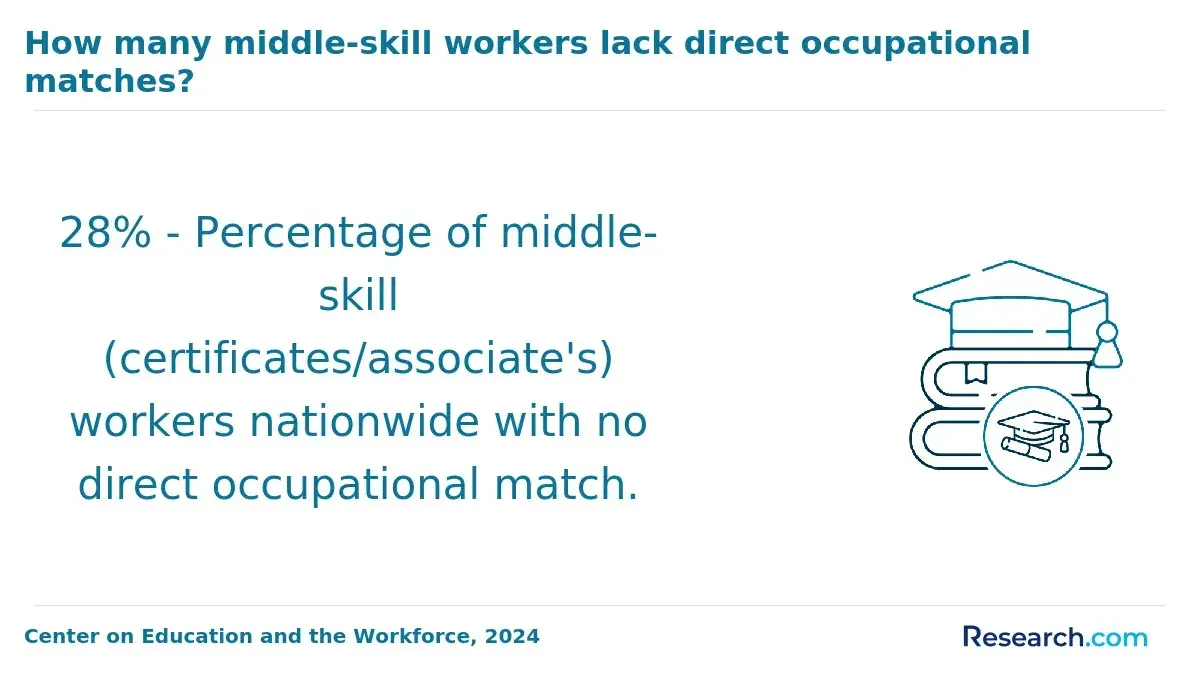
Adults usually return for one of two reasons: career advancement or career change. Advancement means building on experience you already have; career change means using the degree to enter a new field where you may need prerequisites, internships, certifications, or licensure.
The pathways below show how to match your goal to a bachelor's degree strategy. This matters because the fastest degree is not always the best degree if it does not connect to your target role.
| Goal | Better-fit degree strategy | Example |
| Career advancement | Choose a major that formalizes existing experience and qualifies you for promotion. | A medical office supervisor completes healthcare administration. |
| Career change | Choose a program with prerequisites, projects, clinicals, or internships tied to the new field. | A retail manager completes IT or cybersecurity with labs and certifications. |
| Graduate school preparation | Choose a bachelor's degree that satisfies prerequisite and GPA expectations. | A psychology major plans for counseling or social work graduate study. |
| Licensure | Choose a state-approved or programmatically accredited pathway. | A future teacher completes an education program with student teaching. |
If you already hold substantial college credit but need a faster credential before the bachelor's degree, an accelerated associate degree may help you re-enter college, document progress, and transfer into a bachelor's completion pathway. This is most useful when the credits apply cleanly to the four-year plan.
How long do common bachelor's degrees take for adult students and what do they cost?
Most bachelor's degrees require about 120 credits, but adult completion time depends on transfer credits, course load, term length, prerequisites, and whether the program offers credit for prior learning. A student transferring 60 accepted credits may finish in about two years full time, while part-time students often need longer.
The table below summarizes common time and cost variables. Published tuition is only one piece of the decision because fees, books, technology, transportation, childcare, and lost work hours can change affordability.
| Cost or time factor | Typical adult-student implication |
| Published tuition and fees | College Board reported 2024-25 averages of $11,610 for in-state public four-year colleges and $43,350 for private nonprofit four-year colleges. |
| Transfer credits | Accepted credits can reduce both time and total tuition; rejected credits can make an advertised low price less valuable. |
| Full-time study | Faster completion but harder to balance with full-time work or caregiving. |
| Part-time study | More manageable weekly workload but may extend graduation and delay career benefits. |
| Financial aid | The maximum federal Pell Grant for 2024-25 was $7,395, but eligibility depends on financial need and enrollment status. |
Adults comparing costs should request a personalized plan from each school. The plan should show remaining credits, tuition per credit, required fees, books, estimated aid, employer reimbursement, and the expected graduation term.
Students who expect to pursue graduate study after finishing the bachelor's degree should also consider the long-term education sequence. For example, researching the easiest masters degree to get online can help clarify whether a bachelor's program leaves room for later advancement without excessive debt.
Which bachelor's degrees lead to the strongest salary potential and job stability for adults?
The strongest salary potential and job stability for adults generally appear in fields tied to healthcare, technology, analytics, engineering, and licensed professions. These areas are not risk-free, but they often align with durable employer needs and clear skill requirements.
This table summarizes several bachelor's-level career areas with strong labor-market signals. Use it as a starting point, then compare local demand because salaries and openings vary by region, employer, experience, and credentials.
| Degree area | Stability driver | Salary-potential note |
| Nursing | Healthcare demand, licensure, and direct patient-care needs. | Strong when the program leads to RN licensure and supports NCLEX preparation. |
| Cybersecurity | Persistent risk management, compliance, cloud security, and data protection needs. | Strongest for adults who combine degree study with labs and certifications. |
| Computer science | Software, data, AI systems, and automation across industries. | High potential, but portfolio quality and technical interviews matter. |
| Engineering | Infrastructure, manufacturing, energy, logistics, and product design needs. | Often strong when the program has ABET accreditation and relevant projects. |
| Healthcare administration | Complex healthcare operations, reimbursement, compliance, and quality improvement. | Best for adults with healthcare experience moving toward management. |
AI and automation make skill selection more important. Degrees that include data literacy, ethical technology use, communication, project management, and applied problem-solving are likely to age better than programs built only around narrow software tools.
What licensing or certification requirements follow from popular bachelor's degrees for adults?
Licensing and certification requirements vary by state, employer, and profession, so adults should verify requirements before enrolling. This is especially important for online students who live in a different state from the school.
The table below identifies common follow-up requirements after popular bachelor's degrees. It can help you avoid choosing a program that does not meet your intended career's legal or employer requirements.
| Degree | Possible requirement after graduation | What to check before enrolling |
| Nursing | NCLEX-RN and state board licensure. | State board approval, program accreditation, clinical placement rules, and pass-rate disclosures. |
| Education | Teacher certification or licensure. | State-approved educator preparation, student teaching, exams, and reciprocity rules. |
| Accounting | CPA eligibility for some roles. | Total credit-hour requirements, accounting coursework, and state board rules. |
| Engineering | Engineer-in-training exams and possible professional engineer licensure. | ABET accreditation and state engineering board expectations. |
| Cybersecurity or IT | Employer-valued certifications. | Whether coursework prepares for certifications such as Security+, Network+, cloud, or vendor credentials. |
A common mistake is assuming that an accredited university automatically means every program satisfies licensure in every state. Ask the school for written confirmation of state authorization and professional licensure alignment for your location.
How can adults evaluate curriculum quality and support services in bachelor's programs?
Curriculum quality matters more for adults because every course has an opportunity cost. A strong bachelor's program should connect coursework to real tasks, provide feedback from qualified instructors, and support students who have been away from school for years.
Use these questions when speaking with admissions, academic advising, or department staff. They are designed to uncover whether the program is built for adult completion or simply marketed that way.
- How many of my prior credits apply directly to the major, general education, or electives?
- Is the institution accredited by an agency recognized by the U.S. Department of Education, and does the program need additional accreditation?
- Are courses asynchronous, synchronous, hybrid, or campus-based, and how often do required meetings occur?
- What tutoring, writing support, math support, library access, disability services, and career advising are available online and after work hours?
- Does the curriculum include projects, labs, simulations, clinicals, internships, portfolios, or employer-aligned assignments?
- What are the withdrawal, repeat, and satisfactory academic progress policies if work or family responsibilities interrupt enrollment?
- Can the school provide a total estimated cost through graduation, including fees and required materials?
Red flags include vague transfer promises, unclear accreditation language, pressure to enroll immediately, missing licensure disclosures, limited student support, and programs that advertise unusually fast completion without explaining workload or credit requirements.
Other Things You Should Know About
The best choice depends on your goal. Business, healthcare administration, IT, cybersecurity, nursing, education, and engineering are often practical because they connect to defined career paths. The right degree should match your prior credits, schedule, budget, and target job requirements.
Yes, many employers accept online bachelor's degrees when the school is properly accredited and the program is relevant to the role. What matters most is accreditation, skills, experience, portfolio quality, licensure fit, and whether the institution has a credible reputation.
Adults can finish faster by transferring prior credits, using credit for military or professional training when accepted, taking year-round courses, choosing accelerated terms, and avoiding programs that make them repeat completed coursework. A written degree audit is essential before enrolling.
The biggest mistake is enrolling before confirming total cost, transfer credits, accreditation, and career alignment. Adults should compare the remaining credits required to graduate, not just the tuition rate or advertised program length.
References
- The Best Online Degrees for Working Adults [Complete Guide] https://beal.edu/best-online-degrees-for-working-adults/
- Financial Aid for Adult Learners: Grants, Scholarships & How to Pay for College (2026 Guide) https://www.straighterline.com/blog/financial-aid-resources-adults
- Top 50 Scholarships for Non-Traditional Students to Apply for in July 2026 https://bold.org/scholarships/by-type/non-traditional-scholarships/
- Increase Completion and Reduce Inequities https://www.amacad.org/publication/future-undergraduate-education/section/5
- Top 19 Bachelor Degree Programs for Working Adults | NEIT https://www.neit.edu/blog/degrees-for-working-adults
- Adult Postsecondary Learners: Reviewing the Data and Evidence https://www.jff.org/idea/adult-learners/
- Is College Worth it? | Return on Investment Analysis of College Degree https://educationdata.org/college-degree-roi
- Flexible online colleges https://www.gatewayunj.org/student-stories/flexible-college-programs-making-it-possible-to-earn-your-degree-on-your-schedule
- Does College Pay Off? A Comprehensive Return On Investment Analysis - FREOPP https://freopp.org/whitepapers/does-college-pay-off-a-comprehensive-return-on-investment-analysis/
- Adults can return to college, finish, and thrive—with a little support https://www.luminafoundation.org/news-and-views/adults-can-return-to-college-finish-and-thrive-with-a-little-support/