2027 Applied Behavior Analysis Clinical Hours Requirements: What Counts and How to Complete Them

Co-Founder and Chief Data Scientist
ABA students usually face two separate but connected requirements: finishing graduate coursework and completing supervised fieldwork that proves they can apply behavior-analytic skills with real clients. The hard part is knowing which activities count, who can supervise them, where they can be completed, and how to document them without losing credit later.
Clinical hours matter because they are often tied to degree completion, certification eligibility, and state licensure. Requirements vary by program, credentialing pathway, supervisor qualifications, and state rules, but they typically include supervised client-facing work, behavior assessment, intervention implementation, data collection, caregiver or staff training, and related documentation. With demand for board certified behavior analysts expected to grow by over 20% through 2030, students who plan their hours early can avoid delays, rejected logs, and last-minute placement problems.
This guide explains what usually qualifies as clinical hours in applied behavior analysis programs, where students complete them, how placements and supervision work, whether online or part-time options are realistic, and how to track hours accurately.
Key Things to Know About Applied Behavior Analysis Clinical Hours Requirements
- Applied behavior analysis clinical hours provide essential supervised experience, allowing students to apply theoretical knowledge directly in diverse real-world settings for improved client outcomes.
- Placement depends on approved sites with qualified supervisors, influencing where and how students fulfill clinical hours to meet board certification requirements.
- Strict documentation, ongoing supervision, and periodic evaluations ensure clinical hours meet ethical standards and support successful program completion and professional readiness.
What Are the Clinical Hours Requirements for Applied Behavior Analysis Programs?
Clinical hour requirements in applied behavior analysis programs generally range between 1,500 and 2,000 supervised hours. The exact requirement depends on the program, the certification pathway a student is pursuing, and any applicable state licensure rules. These hours are designed to move students beyond theory so they can practice assessment, intervention planning, data-based decision-making, ethical conduct, and professional communication under qualified supervision.
The most important point for students is that “clinical hours” are not simply time spent near ABA services. Programs usually require documented, supervised experience that connects directly to behavior-analytic practice. Hours may include direct work with clients, preparation and analysis connected to client services, supervision meetings, and approved professional activities. Time that is unrelated to ABA practice, insufficiently supervised, or poorly documented may not count.
Research shows that students who complete extensive clinical education exhibit notably higher practical skill proficiency. That is why ABA programs embed fieldwork into degree plans instead of treating it as an optional internship. The goal is not only to accumulate hours but to build readiness for real service settings where interventions must be individualized, ethical, measurable, and responsive to client progress.
Students should confirm requirements in writing before beginning a placement. Unlike primarily administrative training options such as the cheapest medical coding certification online, ABA clinical preparation usually requires supervised applied work with clients or client-related responsibilities.
What Counts as Clinical Hours in Applied Behavior Analysis Programs?
Clinical hours in ABA programs usually count when the activity is supervised, behavior-analytic in purpose, connected to client services or professional competencies, and documented according to program or credentialing rules. Studies show that nearly 70% of effective learning in fields like behavior analysis comes from practical, supervised activities, which is why the quality of the experience matters as much as the number of hours.
Common countable activities include the following:
- Direct client interaction: Implementing behavior intervention plans, conducting skill-building sessions, supporting behavior reduction procedures, and collecting data while working with clients under approved supervision.
- Behavioral assessment: Participating in interviews, preference assessments, functional behavior assessment activities, skills assessments, and other structured methods used to understand behavior and guide treatment.
- Behavioral observations: Observing and recording behavior in classrooms, homes, clinics, or community settings when the observation is part of an approved clinical learning objective.
- Data collection and analysis: Recording session data, graphing behavior trends, reviewing progress, and using data to inform clinical recommendations.
- Treatment planning meetings: Meeting with supervisors or team members to design, review, or adjust intervention strategies for a client.
- Caregiver or staff training: Teaching parents, caregivers, teachers, or direct support staff how to implement behavior support strategies when the activity is supervised and tied to a client plan.
- Documentation and reporting: Writing session notes, progress summaries, behavior plans, assessment summaries, or data-based recommendations when these tasks are part of approved supervised practice.
- Supervision and feedback sessions: Participating in individual or group supervision, reviewing cases, receiving performance feedback, and discussing ethical or clinical decision-making.
Activities that often do not count include commuting, unsupervised administrative work, general staff meetings unrelated to ABA practice, passive observation without a defined training purpose, and any service activity completed before the program or supervisor approves it. Students should never assume an activity counts simply because it happens in a clinic, school, or therapy agency.
When asked what counts as clinical hours in applied behavior analysis programs, one ABA degree graduate described the process as both motivating and stressful. “Tracking every activity carefully was stressful at times,” he said, explaining that the variety of tasks helped him build confidence. He struggled most with documentation at first, but later understood that clear notes and data summaries were essential for communicating client progress and making responsible clinical decisions.
Do Clinical Hour Requirements Vary by State?
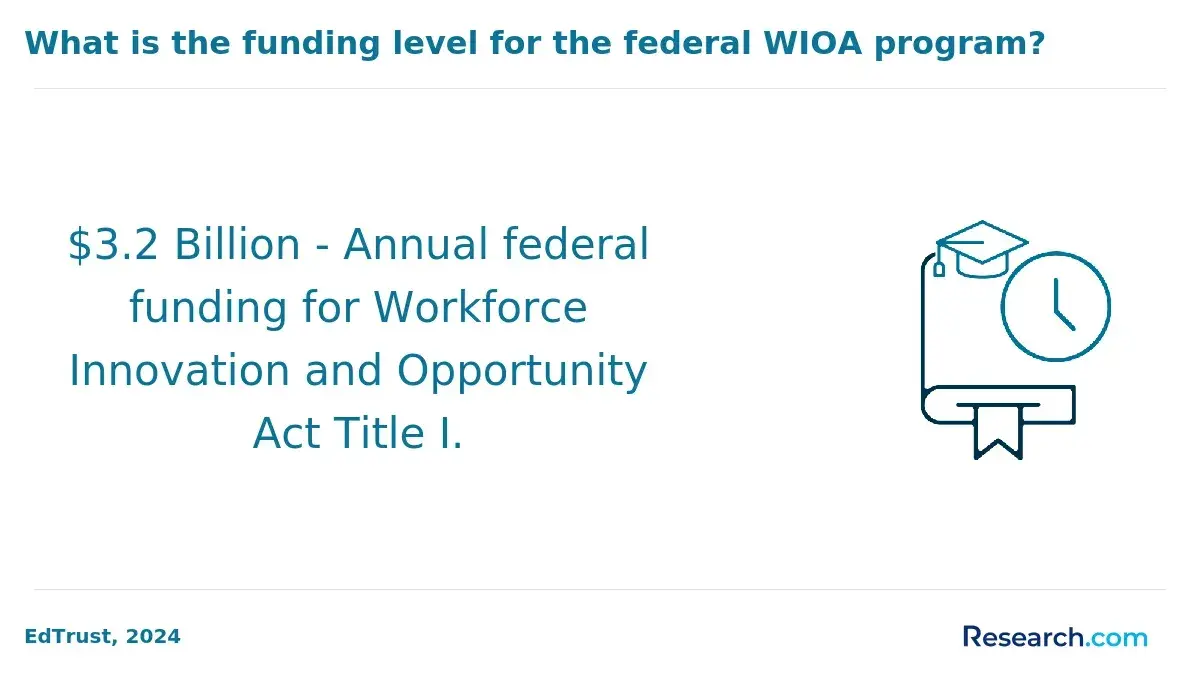
Yes. Clinical hour requirements can vary by state, especially when a student plans to seek state licensure in addition to a national credential or degree. Over 30 states currently have distinct licensure or certification laws that set varied benchmarks beyond national guidelines. These rules can affect the number of hours required, who may supervise, which settings qualify, and what documentation must be retained.
State differences may affect ABA clinical training in several ways:
- Increased hour requirements: Some states may require more supervised experience than a national baseline or may define acceptable experience more narrowly.
- Specific experience types: A state may expect certain activities, populations, settings, or practicum structures to be included before hours qualify for licensure.
- Supervisor qualifications: Regulations may specify supervisor credentials, professional standing, experience level, or licensure status.
- Completion timeframes: Some jurisdictions may limit when hours can be earned, how quickly they can be accumulated, or whether older hours remain valid.
- Additional educational requirements: A state may require coursework, ethics training, continuing education, or other documentation in addition to supervised clinical hours.
The safest approach is to check requirements at three levels before starting fieldwork: the academic program, the national credentialing pathway, and the state where the student expects to practice. Students who may move after graduation should also review rules in more than one jurisdiction. A placement that satisfies a degree requirement may not automatically satisfy every licensure board.
Where Do Students Complete Applied Behavior Analysis Clinical Hours?
ABA students complete clinical hours in settings where behavior-analytic services are delivered and where qualified supervision is available. Experiential placements account for over 70% of skill development in professional education, so the setting can strongly influence the types of clients, behaviors, interventions, and professional skills a student develops.
Common placement settings include:
- Schools: Students may support children with developmental, learning, social, or behavioral needs. School-based hours can build skills in classroom observation, behavior support plans, collaboration with teachers, and data collection in educational environments.
- Healthcare clinics: Clinics may expose students to structured assessment, intensive intervention, interdisciplinary communication, and services for individuals with developmental or neurological disorders.
- Home-based therapy: In-home services help students learn how behavior plans function within everyday routines, family systems, and natural environments.
- Community programs: Community centers, day programs, and support agencies may provide experience with different age groups, cultural contexts, and group or individual interventions.
- Residential treatment facilities: These settings can involve complex behavior support needs, coordinated care teams, and intensive programming for clients who require ongoing support.
No single setting is best for every student. A school placement may be ideal for someone interested in education, while a clinic may offer more structured supervision and exposure to intensive early intervention. Home-based placements can strengthen family training skills, but travel and scheduling may be difficult. Students should choose placements based on supervision quality, client population, ethical fit, schedule feasibility, and the range of ABA competencies they need to develop.
How Are Clinical Placements Assigned in Applied Behavior Analysis Programs?
Clinical placements are usually assigned through a program-managed process, a student-initiated site approval process, or a hybrid model. Approximately 70% of experiential learning hours occur at affiliated clinical sites linked to academic institutions, which reflects how common structured placement networks are in professional training.
ABA programs may use one or more of the following placement models:
- Centralized coordination: A fieldwork coordinator or placement office matches students with approved sites. The program may consider location, availability, student goals, client population, and readiness level.
- Student-initiated placements: Students identify a potential site, then submit it for program approval. This can help working adults or online students find local options, but the site must still meet supervision, documentation, and learning standards.
- Agency partnerships: Some programs maintain formal agreements with clinics, schools, or service agencies. These partnerships can make expectations clearer because roles, supervision procedures, and student responsibilities are defined in advance.
- Hybrid models: A program may provide a list of approved sites while allowing students to request alternatives. This model offers flexibility while preserving academic oversight.
Students should ask placement questions before enrolling, not after coursework begins. Important questions include whether the program guarantees placement support, whether online students must secure their own sites, how supervisors are vetted, what happens if a site closes or loses a supervisor, and whether employment-based hours can be counted. Students familiar with clinical placement structures in fields such as nurse practitioner programs online will recognize that site approval and supervision rules can be as important as the classroom curriculum.
Can Applied Behavior Analysis Clinical Hours Be Completed Online or Part-Time?
ABA clinical hours usually cannot be completed entirely online because students must develop practical skills with clients and receive qualified supervision. However, part-time and hybrid options are common when the program and supervisor allow them. About 40% of professional programs now offer hybrid clinical training, blending remote coursework with in-person client work.
Online coursework can support ABA training, but clinical hours are different from lecture-based learning. Students may complete classes online, attend supervision meetings remotely, review video sessions, or participate in approved telehealth-related services. Still, most ABA pathways require meaningful client-related practice that can be observed, evaluated, and documented.
Part-time fieldwork is often possible, especially for working adults, parents, or students completing online programs. The trade-off is time. A part-time schedule may reduce weekly stress but extend the total completion timeline. Students should confirm minimum and maximum hour rules, supervision frequency, client availability, and whether their work schedule will allow consistent participation.
A professional with an Applied Behavior Analysis degree described completing clinical hours part-time as a careful balancing act. She found telehealth sessions helpful in some circumstances, but they did not fully replace in-person work. “It was about being present in the moment with the client, which you can't fully replicate online,” she explained. For her, flexibility mattered, but so did the structure that protected training quality.
What Supervision Is Required During Applied Behavior Analysis Clinical Hours?
ABA clinical hours must be supervised by a qualified professional who meets the standards set by the program, credentialing body, and any applicable state regulator. Supervision is typically provided by a board-certified behavior analyst (BCBA) or another approved professional with the required credentials and experience. Students comparing supervised pathways for a bcba degree should pay close attention to who is allowed to supervise hours and how supervision must be documented.
Supervision is not just a signature at the end of the month. It should include observation, feedback, case discussion, ethical guidance, performance evaluation, and review of clinical documentation. Research indicates that over 75% of effective skill acquisition in allied health fields results from well-structured supervised practice, which is why weak or inconsistent supervision can undermine the value of otherwise valid fieldwork.
Strong supervision usually includes:
- Clear expectations: Students should know which activities count, how often supervision occurs, and what performance standards they must meet.
- Direct feedback: Supervisors should observe student work and provide actionable guidance, not only general encouragement.
- Ethical oversight: Supervisors help students protect client welfare, maintain confidentiality, follow consent procedures, and recognize boundaries of competence.
- Skill progression: Students should gradually move from observation and assisted tasks to more independent clinical responsibilities as competence improves.
- Accurate verification: Supervisors must review and approve records according to the required documentation process.
Before accepting a placement, students should confirm the supervisor's qualifications, availability, caseload expectations, feedback style, and willingness to complete required verification forms. A convenient placement with inadequate supervision can create serious problems when hours are reviewed.
How Are Applied Behavior Analysis Clinical Hours Tracked?
ABA clinical hours are tracked through detailed logs that record what the student did, when the activity occurred, how long it lasted, who supervised it, and whether it meets program or credentialing requirements. According to a 2022 BACB report, 95% of trainees who maintained detailed logs met credentialing standards on their first attempt. The lesson is simple: poor documentation can put otherwise legitimate hours at risk.
Common tracking methods include:
- Digital logging systems: Students enter hours, activity types, supervision details, and notes into an approved platform. Supervisors can review, request corrections, and approve entries.
- Supervisor verification forms: These forms confirm that the supervisor reviewed the reported experience and that the hours met required standards.
- Attendance documentation: Sign-in sheets, schedules, or electronic check-ins can support the accuracy of reported direct service time.
- Progress reports: Periodic summaries connect hours to skill development, client work, and learning objectives.
- Academic tracking platforms: Some programs use learning management systems to centralize hour submission, supervisor feedback, and fieldwork evaluations.
Students should update logs immediately or at least on a fixed weekly schedule. Waiting until the end of a month increases the risk of missing details, misclassifying hours, or losing supervisor verification. Documentation habits are important across clinical programs; students researching related pathways such as a 6 month LPN program will see similar emphasis on attendance, verification, and competency records.
What Challenges Do Students Face During Clinical Training?
Clinical training in applied behavior analysis can be demanding because students must manage coursework, client responsibilities, documentation, supervision meetings, and often paid employment at the same time. Nearly 60% of health profession students report high stress related to experiential learning, and ABA students are not immune to that pressure.
Common challenges include:
- Balancing responsibilities: Students may need to coordinate classes, work, family obligations, and fieldwork schedules. Without a realistic weekly plan, hours can fall behind quickly.
- Adjusting to professional environments: Clinical settings require punctuality, confidentiality, careful communication, and ethical judgment. The transition from classroom discussion to live client service can feel abrupt.
- Managing variable schedules: ABA services may occur early in the morning, after school, in the evening, or on weekends. Cancellations, client absences, and staffing changes can disrupt hour accumulation.
- Handling emotional strain: Students may observe challenging behavior, family stress, slow progress, or crisis situations. Professional support and supervision are essential.
- Applying theory under pressure: Knowing ABA concepts is different from using them in dynamic environments where clients, caregivers, and data may not fit textbook examples.
- Maintaining accurate logs: Documentation can become stressful when students do not record activities promptly or do not understand which category an activity belongs in.
Students can reduce these problems by choosing placements carefully, asking supervision questions early, building buffer time into schedules, and reviewing logs frequently. Those comparing other experiential education models, such as online sonography programs, should note that clinical readiness often depends as much on planning and documentation as on academic performance.
What Strategies Help Students Succeed in Clinical Environments?
Students succeed in ABA clinical environments when they treat fieldwork as professional preparation, not just a requirement to finish. Students engaged in experiential learning demonstrate 40% higher readiness for professional roles, but that benefit depends on active participation, consistent feedback, and disciplined documentation.
Effective strategies include:
- Clarify expectations before starting: Ask which activities count, how supervision will occur, what documentation is required, and how performance will be evaluated.
- Communicate consistently: Keep supervisors informed about scheduling issues, client concerns, documentation questions, and areas where more feedback is needed.
- Protect time for documentation: Build logging, graphing, and note-writing into the weekly schedule. Treat documentation as part of clinical work, not an afterthought.
- Seek specific feedback: Instead of asking, “How am I doing?” ask for feedback on data collection accuracy, prompting, caregiver communication, treatment integrity, or ethical decision-making.
- Stay professional under stress: Maintain confidentiality, arrive prepared, respect families and colleagues, and follow site policies even when schedules are difficult.
- Reflect after sessions: Briefly review what worked, what did not, what the data showed, and what questions should be brought to supervision.
- Plan for interruptions: Client cancellations, supervisor changes, illness, and academic deadlines can slow progress. A buffer prevents one disruption from derailing completion.
The strongest students connect coursework to practice every week. That same theory-to-practice mindset appears in applied fields such as an online bachelor's degree in nutrition, where academic knowledge becomes more valuable when students learn how to apply it responsibly with real people.
What Graduates Say About Applied Behavior Analysis Clinical Hours Requirements
- : "Completing the clinical hour requirements for my applied behavior analysis degree was challenging, but it gave me the foundation I needed for professional work. The hands-on experience helped me connect coursework to real client situations. The costs and time commitment were significant, but the experience built my confidence and deepened my understanding of how ABA is practiced outside the classroom. — Mandy"
- : "When I look back on my applied behavior analysis clinical hours, I see them as one of the most important parts of my training. The financial pressure was difficult, and managing the schedule was stressful, but the experience taught me resilience. More importantly, it gave me practical insight into client care, behavior intervention, and professional responsibility that still shapes my work. — Lea"
- : "My clinical hours were more than a graduation requirement. They changed how I understood the field. Completing them required time and considerable expense, but the professional impact was substantial. The experience opened doors, strengthened essential skills, and helped me approach practice with greater competence and a stronger connection to the people I serve. — Gavin"
Other Things You Should Know About Applied Behavior Analysis Degrees
The Behavior Analyst Certification Board (BACB) requires that all supervised experience, including clinical hours, must be completed within a defined timeframe, generally no longer than seven years prior to the certification application. This ensures the experience is current and relevant. Students should verify specific program policies, as some institutions may set shorter limits.
While clinical hours can be accrued working with diverse populations, the BACB mandates that the experience must include clients with behavior challenges requiring applied behavior analysis interventions. Experiences limited to settings without direct behavior analytic services, such as purely observational roles, often do not qualify. Quality and relevance of client interactions are critical for accreditation.
Clinical hour requirements for Applied Behavior Analysis typically must be met through direct clinical activities under supervision. Research or teaching experiences generally do not count toward these hours, as the focus is on practical, hands-on application with clients.
Students must maintain detailed logs verified by qualified supervisors that include dates, types of service performed, hours spent, and client demographics. These records are essential for both program graduation and BACB certification applications. Accurate and timely documentation helps prevent delays during credentialing.
References
- ABA Program Supervision https://www.alumacare.com/blog/aba-program-supervision
- 10 Best Practices for Effective ABA Therapy https://www.sunshinecarenetwork.com/blog/10-best-practices-for-effective-aba-therapy
- Understanding ABA Techniques: A Practical Guide https://www.abaresourcecenter.com/post/understanding-aba-techniques
- Student Placements, Experience in Autism | Kinark Autism Services https://kinarkautismservices.ca/student-placement/
- Applied Behavior Analysis – Giving Kids The Skills They Need For Life | Dignity Health Physical Therapy https://www.dignityhealthpt.com/why-choose-us/blog/applied-behavior-analysis-giving-kids-the-skills-they-need-for-life-a/
- How Many Hours of ABA Therapy Is Needed for Real Progress - Apple ABA https://appleabacare.com/blog/how-many-hours-of-aba-therapy-is-needed/
- 5th ed BCaBA Experience Hour Tracking: What Every Behavior Analyst Needs to Know (ABC Behavior Training) | BBC https://behavioristbookclub.com/learn/1116862/
- License Journey - Track LCSW & LMFT Hours | Clinical Hour Tracker https://licensejourney.com/guides/lcsw-clinical-hours-california
- State-by-State Guide to Applied Behavior Analyst Licensing and Certification Requirements https://www.appliedbehavioranalysisedu.org/state-by-state-guide-to-aba-licensing/
- How Does Behavioral Analysis Software Help Track Progress in ABA Therapy? https://centralreach.com/blog/how-does-behavioral-analysis-software-help-track-progress-in-aba-therapy/