
2027 Admission Requirements for Forensic Accounting Degree Programs

Co-Founder and Chief Data Scientist
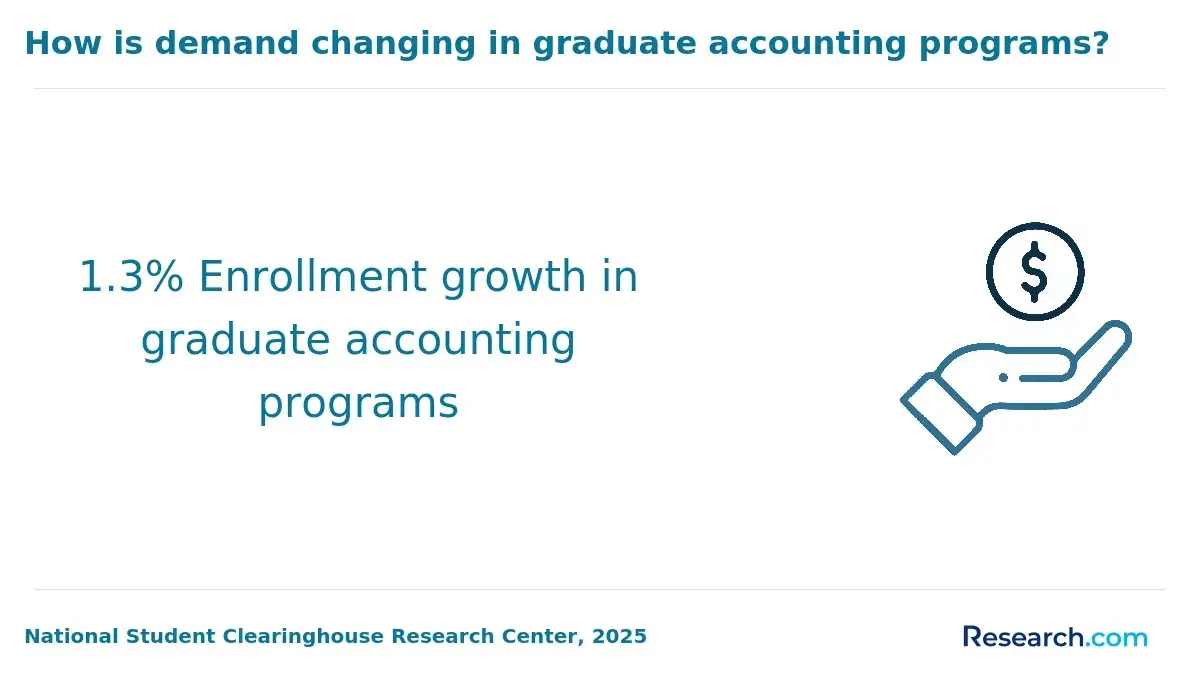
Forensic accounting admissions are becoming more selective because programs are preparing students for work that requires accounting judgment, investigative discipline, legal awareness, and strong ethics. Recent data shows that acceptance rates for specialized accounting programs have dropped by approximately 8% over the five-year period ending in 2025, so applicants need more than a general interest in fraud detection to stand out.
This guide explains what forensic accounting programs typically expect from applicants at the undergraduate, graduate, certificate, online, on-campus, and international levels. You will learn how GPA, prior coursework, standardized tests, work experience, application materials, financial aid timing, and program format can affect your admission strategy.
Key Benefits of Forensic Accounting Degree Programs
- Understanding admission requirements helps applicants tailor their academic and extracurricular profiles effectively, which is crucial as colleges practicing holistic admissions consider GPA, relevant coursework, and experience in related fields more heavily, especially in specialized programs like forensic accounting.
- Knowing specific prerequisites such as prerequisite courses in accounting and criminal justice increases the chance of acceptance, as data from the National Center for Education Statistics shows that specialized business programs have become more competitive with acceptance rates dropping by 5% over the past five years.
- Being aware of standardized testing policies and recommended test scores allows candidates to strategize test preparation, aligning with the trend of over 60% of forensic accounting programs adopting test-optional or score-flexible admissions in response to evolving national testing scenarios.
What GPA Do You Need to Get Into a Forensic Accounting Program?
The GPA you need for a forensic accounting program depends on the degree level, school selectivity, and whether the program is designed for first-time students, transfer students, working professionals, or graduate applicants. In general, associate and bachelor's programs set lower minimums, while graduate and competitive programs expect stronger academic records.
A minimum GPA can make you eligible to apply, but it does not guarantee admission. Programs that receive many qualified applicants may look closely at your grades in accounting, auditing, business law, statistics, finance, and other quantitative courses because those subjects predict readiness for forensic accounting coursework.
| Program or Applicant Type | Typical GPA Expectation | How to Interpret It |
| Associate and bachelor's applicants | 2.0 to 2.75 minimum GPA | This is often the baseline for admission or transfer eligibility, especially at community colleges and less selective institutions. |
| More selective undergraduate applicants | 3.0 or higher is often more competitive | A stronger GPA can help when programs have limited seats, specialized tracks, or competitive scholarship review. |
| Graduate and certificate applicants | 3.0 or higher is commonly expected | Many graduate programs also require students to maintain a 3.0 GPA and may not allow grades lower than a "C." |
| Experienced graduate applicants | Some programs may consider GPAs as low as 2.75 | Relevant full-time work experience, strong recommendations, and professional credentials can help offset a lower GPA in some MBA or graduate pathways. |
If your GPA is below the preferred range, focus your application on evidence that you can handle the work. Admissions committees may respond well to an upward grade trend, strong grades in prerequisite courses, professional experience in accounting or finance, a clear personal statement, and recommendations from supervisors or instructors who can speak to your analytical ability.
Online and on-campus forensic accounting programs usually apply similar academic standards, but online programs may be more flexible for adult learners, transfer students, or applicants with substantial professional experience. If you are comparing timelines and completion options, a guide to a best online accelerated bachelor's degree can help you understand how accelerated formats may affect planning.
What Prior Education Is Required for a Forensic Accounting Program?
Forensic accounting builds on core accounting knowledge, so most programs expect applicants to show preparation in business, finance, mathematics, or related academic areas. The exact requirement depends on whether you are applying to an undergraduate degree, a master's degree, or a post-baccalaureate certificate.
Undergraduate programs
Bachelor's degree requirements for forensic accounting programs usually begin with a high school diploma or equivalent. Schools may look for strong performance in mathematics, business, economics, computer applications, or related subjects. Competitive applicants often have a GPA of 3.0 or higher, especially when applying to selective programs or scholarship-supported options.
Students who completed advanced placement, dual-enrollment, accounting, statistics, or business law courses may be better prepared for the first year of study. These courses are not always required, but they can demonstrate that the applicant understands the academic demands of accounting-focused programs.
Graduate programs
Master's programs typically require a bachelor's degree from an accredited institution. A major in accounting, finance, or business is often preferred because graduate forensic accounting courses assume familiarity with financial statements, auditing concepts, internal controls, and regulatory environments.
Applicants from economics, mathematics, criminal justice, computer science, or other fields may still be considered. However, they may need to complete prerequisite or bridge courses before or during the program. This is common when an applicant has strong analytical ability but limited formal accounting preparation.
Certificate and post-baccalaureate programs
Professional certificate and post-baccalaureate options often accept applicants with any bachelor's degree, but some require or strongly prefer foundational coursework in accounting. These programs can be useful for auditors, investigators, finance professionals, compliance staff, or career changers who want targeted forensic accounting training without immediately committing to a full graduate degree.
Before applying, compare the prerequisite list carefully. Programs may expect prior coursework in principles of accounting, auditing, statistics, business law, tax, information systems, or fraud examination. If you are still exploring graduate-level options, reviewing related pathways such as the easiest masters to get can help you compare admission expectations across fields, but forensic accounting still requires strong quantitative and ethical judgment.
Do Forensic Accounting Programs Require GRE, GMAT, or Other Standardized Tests?
Some forensic accounting programs require standardized tests, but many graduate programs now use them selectively. The GRE and GMAT may still matter for certain business schools, MBA tracks, or applicants who do not meet GPA or experience thresholds. However, test-optional and waiver-based policies are increasingly common.
As of 2025, approximately 62% of U.S. business schools, including those offering forensic accounting tracks, have made GRE or GMAT exams optional or eliminated them. That shift does not mean admissions standards are lower. It means schools may place more weight on transcripts, prerequisite grades, work history, recommendations, essays, and professional credentials.
Common testing policies
- Required for all applicants: Some programs still require GRE or GMAT scores, especially if they are housed in business schools with traditional graduate admissions policies.
- Test-optional: Applicants may choose whether to submit scores. A strong score can help if another part of the application is weaker, but it may not be necessary for candidates with strong academic or professional records.
- Conditional requirement: Programs may ask for scores only when an applicant's GPA, prior coursework, or professional background does not meet the preferred standard.
- Automatic waiver: Applicants with credentials such as CPA licensure, law degrees, MBAs, or substantial relevant work experience may qualify for a waiver.
- No test required: Some certificate, non-MBA, and professionally focused programs do not use GRE or GMAT scores at all.
If you are deciding whether to submit optional scores, treat the test as a strategic tool. Submit scores when they strengthen your file, especially if your undergraduate GPA is below the competitive range or your accounting coursework is limited. If your professional experience, credentials, and academic record already show readiness, your time may be better spent refining your essay, securing strong recommendations, and documenting relevant achievements.
A graduate of a forensic accounting degree program described the testing process as "challenging but manageable." He initially worried about preparing for the GMAT while working full time, but his strong undergraduate record and relevant experience reduced the pressure once his program became test-optional. He later said, "Knowing that standardized tests are just one part of the application made me focus more on highlighting my professional background and academic record."
What Materials Do You Need to Submit for Forensic Accounting Admission?
Forensic accounting admissions materials are designed to answer three questions: whether you can handle the coursework, whether your goals match the program, and whether you have the judgment and communication skills needed in investigative financial work. Requirements vary, but most programs ask for a similar core application package.
- Completed application form: This is usually submitted online and includes basic academic, professional, and contact information. Check whether the school has separate applications for the university, business school, graduate school, or certificate program.
- Official transcripts: Schools require transcripts from all previously attended institutions. Graduate programs often look for a strong GPA, typically between 2.5 and 3.0, and may review whether you completed prerequisite coursework in accounting or related areas.
- Standardized test scores: Some graduate programs request GMAT or GRE scores from the last five years. Waivers may be available for applicants with strong GPAs, substantial work experience, or professional credentials such as CPA licensure. Undergraduate applicants may need SAT or ACT scores depending on school policy.
- Personal statement or essay: This should explain why you want to study forensic accounting, what career goals you are pursuing, and how your background prepares you for investigative accounting work. Avoid vague claims about being interested in fraud; instead, connect your goals to auditing, compliance, litigation support, financial investigation, or risk management.
- Letters of recommendation: Most programs ask for two references from academic or professional sources. Choose people who can discuss your analytical skills, ethical judgment, reliability, communication ability, or performance in accounting-related work.
- Résumé or curriculum vitae: Include accounting, finance, audit, tax, compliance, law enforcement, data analysis, internship, volunteer, or leadership experience. If your background is not directly in accounting, highlight transferable skills such as documentation, evidence review, spreadsheet work, interviewing, report writing, or regulatory analysis.
A strong application is organized, consistent, and specific. Your résumé, essay, and recommendations should reinforce the same narrative rather than present unrelated information. For example, if you are applying as a fraud-prevention professional, your materials should show experience with controls, documentation, investigation, or risk review.
What Are the Admission Requirements for International Students Applying to Forensic Accounting Programs?
International applicants usually complete the same academic application as domestic students, plus additional steps related to language proficiency, transcript evaluation, financial documentation, and visa eligibility. These requirements are important because forensic accounting coursework often involves technical accounting language, legal concepts, written analysis, and case-based communication.
- English proficiency proof: Most programs require official TOEFL, IELTS, or Duolingo English Test scores. Graduate-level on-campus programs typically expect higher scores, such as TOEFL 79-100, IELTS 6.5-7.0, or Duolingo 105+. Some online programs may offer more flexibility, but applicants should confirm accepted tests and minimum scores directly with each school.
- Credential evaluation: Applicants educated outside the U.S. are often required to have transcripts evaluated by recognized agencies such as WES or ICAS. This verifies degree equivalency and helps the school understand grading systems, credit values, and institutional standing.
- Academic transcripts: Universities usually require official transcripts and notarized English translations when documents are not originally issued in English. Graduate applicants should be prepared for minimum GPA expectations usually between 2.5-3.0, with some programs expecting accounting-related coursework.
- Financial documentation: Students who need an F-1 visa must document financial support for tuition and living expenses. Schools may require bank statements, sponsor affidavits, or other proof before issuing visa-related documents.
- Visa-related forms: Accepted students must complete SEVIS registration and submit the paperwork required to receive the I-20 form, which is needed for the visa interview and legal entry to the U.S.
- Letters of recommendation and essays: Programs commonly request 1-2 references and a statement of purpose. These materials should explain academic preparation, career goals, and why forensic accounting is the right path.
International applicants should start early because credential evaluations, translations, and English test reporting can take longer than expected. A complete application can be delayed even when the academic file is strong if a transcript translation, evaluation report, or financial document is missing.
One international student in a forensic accounting degree program described the process as demanding but useful: "Gathering official translations and waiting for credential evaluations took more time than I expected, but it made me realize how crucial it was to prove my academic background honestly." She also said the statement of purpose helped clarify her goals before entering the program and later credited the admission process with helping her adapt to U.S.-based professional expectations.
Do You Need Professional Experience to Get Into a Forensic Accounting Program?
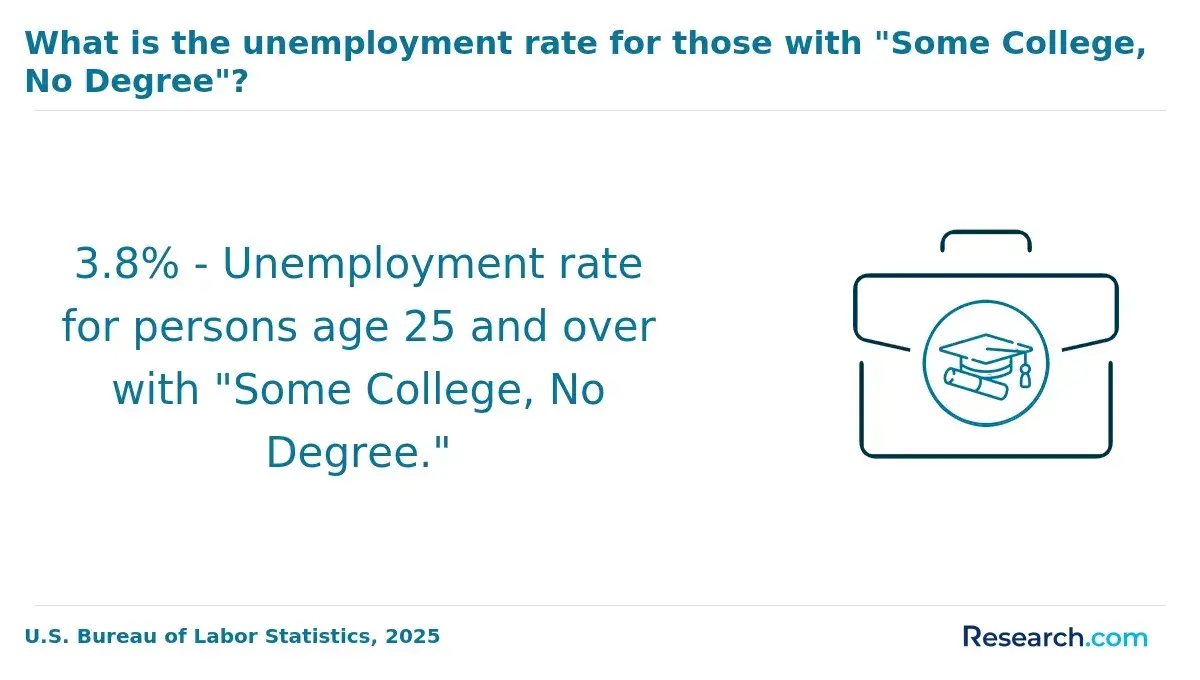
You do not always need professional experience to enter a forensic accounting program, especially at the undergraduate level. At the graduate level, however, relevant experience can be a major advantage and may sometimes help offset a lower GPA, limited test scores, or a non-accounting academic background.
Programs value experience because forensic accounting is applied work. Students often analyze documents, assess internal controls, trace transactions, interpret regulations, and communicate findings. Experience in accounting, auditing, finance, compliance, tax, law enforcement, insurance, litigation support, or data analysis can show that you understand how financial information is used in real organizations.
- Minimum experience requirements: Some graduate programs require a specific number of years in accounting, finance, or a related field. Certifications such as Certified Forensic Accountant or CPA often require at least two years of qualifying experience, which may align with some program expectations.
- Experience as a competitive edge: Even when not required, work in auditing, bookkeeping, corporate accounting, fraud review, banking, insurance claims, compliance, or investigations can strengthen an application.
- Options for career changers: Programs designed for career changers may treat experience as preferred rather than mandatory. Internships, volunteer tax work, part-time finance roles, or compliance projects can still be useful evidence of readiness.
- How to present experience: Use your résumé to show duties and outcomes, your essay to explain why the experience led you to forensic accounting, and your recommendations to confirm your judgment and reliability.
- Acceptable background variety: Applicants may come from accounting, finance, economics, criminal justice, information systems, law enforcement, or business operations if they can show relevant analytical preparation.
If you are still building experience, look for roles or projects that involve reconciliation, documentation, audit support, financial controls, spreadsheet analysis, regulatory review, or case documentation. These experiences are more persuasive than unrelated job titles because they connect directly to forensic accounting tasks.
Do Forensic Accounting Programs Have Different Admission Requirements by Concentration?
Yes. Core admission requirements may be similar across a school's forensic accounting options, but concentrations can add expectations tied to technical skills, professional experience, prior coursework, or certification goals. Applicants should review concentration-level requirements, not just the general degree page.
| Concentration Type | Possible Additional Expectations | Best Fit |
| Digital forensics, data analytics, or IT auditing | Coursework or skills in statistics, information systems, computer science, databases, or analytics tools | Applicants interested in technology-driven fraud detection, transaction testing, and data-supported investigations |
| Fraud examination, leadership, or risk management | Professional experience, supervisory exposure, strong communication skills, or credentials such as Certified Fraud Examiner (CFE) | Working professionals aiming for compliance, investigation, internal audit, or management roles |
| CPA-preparation or advanced accounting tracks | Specific accounting credits, an accounting bachelor's degree, or prior graduate coursework | Applicants who need accounting depth for licensure-related goals or advanced practice |
| Research-heavy or academic pathways | Evidence of research ability, analytical writing, or quantitative preparation | Students considering advanced study, policy work, consulting, or specialized investigation research |
| Executive, online, or hybrid tracks | Prior work experience and readiness for independent learning or remote collaboration | Professionals balancing study with employment or applying case-based learning to current roles |
The most common mistake is choosing a concentration based only on its title. Review course descriptions, prerequisite lists, capstone expectations, internship requirements, and faculty expertise. A data analytics concentration may be a poor fit if you want litigation support but have no interest in technical tools, while a CPA-preparation track may be unnecessary if your goal is corporate fraud prevention rather than public accounting eligibility.
Students who plan to continue beyond a master's degree may later compare advanced options such as the cheapest doctorate degree, but the better immediate decision is to choose the forensic accounting concentration that matches your current preparation and career target.
Are Admission Requirements the Same for Online and On-Campus Forensic Accounting Programs?
Online and on-campus forensic accounting programs usually share the same academic standards when they lead to the same degree from the same institution. Schools generally require comparable transcripts, GPA thresholds, prerequisite coursework, essays, and recommendations. The differences are usually in flexibility, student profile, technology readiness, and how programs evaluate professional experience.
- Core academic standards: Bachelor's programs generally require a high school diploma or GED, while master's programs require a bachelor's degree. Minimum GPA thresholds usually range from 2.0 to 3.0 depending on the institution.
- Standardized test policies: Campus-based undergraduate programs may be more likely to request SAT or ACT scores, while online programs may waive tests for adult learners or transfer students. At the graduate level, GRE or GMAT waivers may be more common in online formats for applicants with work experience.
- Application materials: Both formats commonly require transcripts, recommendations, a résumé, and a personal statement. Online programs may place more emphasis on employment history because many applicants are working professionals.
- Technology readiness: Online programs may require a virtual interview, technology check, orientation module, or confirmation that the applicant can participate in remote coursework.
- Experiential learning: On-campus programs may rely more on local internships, faculty networking, and in-person events. Online programs may use virtual simulations, remote internships, case projects, or employer-based assignments.
Choose the format based on how you learn, how much structure you need, and whether you can attend in-person classes or internships. Online study can be practical for working students, but it requires consistent time management and comfort with independent learning. On-campus study can offer more direct access to faculty and peers, but it may be less flexible for students with full-time jobs.
Applicants comparing delivery formats can review broader school options through a best colleges resource, then verify each forensic accounting program's accreditation, admission rules, course sequence, and student support services.
Can You Apply for Financial Aid Before Being Accepted into a Forensic Accounting Program?
Yes. Most students can apply for financial aid before being officially accepted into a forensic accounting program by completing the Free Application for Federal Student Aid (FAFSA). The FAFSA becomes available on October 1 each year, and submitting it early can help you meet federal, state, and institutional deadlines.
Applying before admission is useful because it gives schools access to your financial information once they are ready to prepare an aid offer. It also helps you estimate the cost of attendance, compare programs, and avoid missing aid that may be awarded on a first-come, first-served basis.
There are limits to what early filing can do. Some scholarships, grants, assistantships, or program-specific awards may require formal admission or enrollment in a forensic accounting track before the award is finalized. Aid disbursement also depends on official acceptance, enrollment status, eligibility verification, and the school's financial aid process. Your offer may change after admission if your enrollment plans, credits, residency status, or documentation change.
A practical approach is to list multiple schools on your FAFSA while your applications are pending. Keep a separate deadline tracker for admissions, FAFSA submission, scholarship applications, transcript receipt, and deposit dates. If cost is a major factor and you are comparing accounting pathways before specializing, a guide to the cheapest online accounting degree can help you evaluate lower-cost starting points alongside forensic accounting options.
Working adults should also compare program price, transfer credit policies, employer tuition assistance, and schedule flexibility. A resource on the best affordable online universities for working adults can help frame those trade-offs while you confirm aid eligibility directly with each institution.
When Should You Start Applying to Forensic Accounting Programs?
You should begin preparing nine to twelve months before your intended start date. That timeline gives you enough time to compare programs, confirm prerequisites, request transcripts, ask for recommendations, prepare essays, study for any required tests, and complete financial aid forms.
Early preparation matters because many schools use priority, regular, and final deadlines. Online programs may offer several start dates throughout the year, but each start date still has document deadlines. Applying early may also improve access to scholarships, assistantships, or priority review. Over 40% of colleges have reported that more than half of their applicants submit by early deadlines, showing how common early application behavior has become.
| Stage | What to Do | Why It Matters |
| Nine to twelve months before starting | Research programs, formats, accreditation, prerequisites, GPA expectations, and concentration options | This helps you avoid applying to programs that do not match your background or career goal. |
| Several months before the earliest deadline | Request transcripts, identify recommenders, prepare your résumé, and draft your personal statement | These materials often take longer than expected, especially if prior schools or recommenders are slow to respond. |
| Before priority deadlines | Submit complete applications where possible and complete the FAFSA if you plan to use aid | Priority review can affect admission timing and funding consideration. |
| After submission | Monitor application portals, confirm document receipt, respond to requests, and prepare for interviews if required | Incomplete applications can be delayed or moved out of priority review. |
If you have a GPA gap, missing prerequisite, or uncertain test requirement, start even earlier. Extra time allows you to complete a bridge course, improve your application essay, gather stronger recommendations, or clarify waiver eligibility before deadlines arrive.
Here's What Graduates of Forensic Accounting Programs Have to Say About Their Degree
- : "Completing my forensic accounting degree opened doors I never imagined. The rigorous curriculum not only sharpened my analytical skills but also gave me the confidence to tackle complex financial investigations. Landing a role at a top accounting firm felt like a natural step because of the hands-on experience I gained during my studies. I'm passionate about uncovering the truth and helping organizations stay transparent and accountable. — Corry"
- : "Reflecting on my journey through the forensic accounting program, I appreciate how it deepened my commitment to justice and ethical practices. The blend of accounting expertise and investigative techniques empowered me to make a real difference in my community by assisting in fraud prevention and detection. It's been rewarding to see how my work supports public trust and aids law enforcement in complex cases. This degree gave me a strong foundation to grow both personally and professionally. — Mariah"
- : "Starting my career with a forensic accounting degree provided a unique advantage in the competitive job market. The specialized knowledge set me apart and enabled rapid career advancement in corporate compliance and risk management. I've encountered challenging cases that require creativity and precision, which keeps me motivated every day. Continuous professional development opportunities have been abundant thanks to the solid reputation of the program I completed. — Anand"
Other Things You Should Know About Forensic Accounting Degree Programs
In 2027, applicants for forensic accounting degree programs typically need an undergraduate degree in accounting or a related field. Additional coursework in auditing, finance, and criminal justice is often recommended. Strong analytical and quantitative skills, as demonstrated through previous academic performance, are also important for admission.
Many forensic accounting programs require submission of GRE or GMAT scores, especially at the graduate level. However, some institutions waive these test requirements based on prior academic performance or relevant work experience. It is important to verify specific test policies with each program.
Yes, forensic accounting programs often require letters of recommendation and personal statements for admission in 2027. These documents help assess an applicant's qualifications, motivation, and potential for success in the program by providing insight into their skills, character, and career goals.
References
- Financial Aid (MS in Accounting | Kogod School of Business https://kogod.american.edu/programs-admissions/masters/accounting/tuition-fees/financial-aid
- Information Systems & Forensic Accounting Concentration https://www.sacredheart.edu/majors--programs/accounting---ms/information-systems--forensic-accounting-concentration/
- Admissions & Costs - Forensic Accounting, M.S. https://www.oldwestbury.edu/programs-courses/forensic-accounting/admissions-costs
- Forensic and Fraud Examination, M.S. http://catalog.wvu.edu/graduate/collegeofbusinessandeconomics/ffe/
- National Student Clearinghouse Research Center. (2025). Clearinghouse Enrollment Insights Series: Final Fall Enrollment Trends. https://nscresearchcenter.org/final-fall-enrollment-trends/
- Scholarships and Grants for Masters in Forensic Accounting Students https://www.mastersinforensicaccounting.com/masters-in-forensic-accounting-scholarships-and-grants
- Auditing and Forensic Accounting Concentration (rSBI) https://www.business.rutgers.edu/stackable/auditing-forensic-accounting


