
2027 Do Employers Pay for Forensic Accounting Degrees: Tuition Reimbursement and Sponsorship Options

Co-Founder and Chief Data Scientist
A forensic accounting degree can help accountants, auditors, compliance staff, and finance professionals move into work involving fraud investigation, litigation support, risk management, and financial crime analysis. The challenge is cost. Graduate tuition can exceed $30, 000 annually, and with average student loan debt in the U. S. surpassing $30, 000, paying out of pocket is not a small decision.
Employer tuition reimbursement can change the calculation. Some companies will pay part or all of the cost when the degree clearly supports the employee’s role, improves internal controls, strengthens fraud detection, or helps the organization meet regulatory demands. The strongest candidates are usually employees whose current or planned work connects directly to accounting, audit, compliance, finance, legal support, or investigations.
This guide explains when employers pay for forensic accounting degrees, what types of tuition assistance are common, who qualifies, how reimbursement usually works, how much support you may receive, and what to do if your employer says no.
Key Benefits of Employers Paying for Forensic Accounting Degrees
- Employers offering tuition reimbursement for forensic accounting degrees can reduce employee student debt, which averages over $30,000, improving financial well-being and retention.
- Sponsorship options often include paid study leave, enabling employees to advance education without income loss, thereby increasing workforce skills and productivity.
- Investing in employee education enhances company competitiveness by fostering specialized expertise in fraud detection and financial investigations critical to business security.
Do Employers Pay for Forensic Accounting Degrees?
Yes, some employers pay for forensic accounting degrees, but approval is rarely automatic. Many U.S. employers offer tuition reimbursement or education sponsorship, and nearly 60% of organizations provide some form of tuition assistance. Forensic accounting is more likely to qualify when the degree supports a business need such as fraud prevention, audit quality, regulatory compliance, litigation support, or financial risk management.
Employers are most receptive when the employee already works in, or is being developed for, a role tied to accounting, internal audit, finance, compliance, investigations, insurance, government oversight, or legal support. A forensic accounting degree is easier to justify when the coursework strengthens skills the employer can use immediately, such as tracing funds, identifying suspicious transactions, preparing reports, supporting investigations, or improving controls.
Approval also depends on the employer’s industry and workforce priorities. Banks, accounting firms, consulting firms, insurers, government agencies, and organizations with high compliance exposure may be more willing to fund forensic accounting education than employers with little need for fraud analysis. However, even in supportive industries, companies usually require prior approval, minimum grades, proof of payment, and a continued-employment commitment.
Employees comparing education benefits across fields should also note that tuition policies differ by degree type and business relevance. For example, an employer may treat an online graduate program differently from a forensic accounting degree if the coursework does not connect to the employee’s job duties.
What Types of Tuition Assistance Do Employers Offer for Forensic Accounting Degrees?
Employers use several tuition assistance models. The right one matters because it determines whether you need to pay first, how quickly you are reimbursed, what costs are covered, and what obligations you accept in return.
| Type of assistance | How it usually works | What to check before enrolling |
| Tuition reimbursement | You pay tuition first, complete the course, submit documentation, and receive reimbursement after approval. Annual limits commonly range from $5,000 to $10,000. | Ask whether reimbursement depends on grades, course relevance, degree completion, or continued employment. |
| Upfront tuition sponsorship | The employer pays the school directly before or during the term, reducing the employee’s upfront burden. | Confirm whether the payment covers only tuition or also fees, books, technology charges, and other required costs. |
| Scholarships or grants | Some employers or employer-school partnerships provide targeted awards for employees in high-need roles. | Review whether the award is competitive, renewable, taxable, or tied to a work commitment. |
| Flexible payment arrangements | The employer may negotiate discounts, installment schedules, or billing arrangements with partner schools. | Ask whether the arrangement reduces total cost or only spreads payments over time. |
For forensic accounting, the strongest reimbursement request usually connects the degree to concrete business outcomes: better fraud detection, stronger audit documentation, improved compliance, or reduced financial loss. A general desire to “advance my education” is less persuasive than a plan showing how specific courses apply to your current or next role.
Employees researching education benefits should avoid assuming that policies for unrelated fields will apply in the same way. For example, an employer may evaluate accredited counseling programs under a different relevance standard than a forensic accounting program.
Who Is Eligible for Employer Tuition Reimbursement for Forensic Accounting Degrees?
Eligibility depends on company policy, but most employers use the same basic filters: your employment status, your length of service, the relevance of the degree, your academic performance, and whether your manager or HR department approves the plan before you enroll.
- Employment status: Many programs are limited to full-time employees or workers who meet a minimum weekly-hour requirement.
- Tenure requirements: Some employers require employees to work for the company for a set period before tuition benefits begin.
- Degree relevance: A forensic accounting degree typically must support your current job or a realistic career path inside the organization.
- Academic performance: Employers often require passing grades or a minimum grade point average before issuing reimbursement.
- Preapproval: Most companies require approval from HR, a supervisor, or both before you register for courses.
- Continued employment: Many policies require you to remain with the employer for a set period after receiving assistance or completing the degree.
Eligibility is not only a financial issue; it affects timing. If your employer requires preapproval, enrolling first can put reimbursement at risk. If the employer requires a work commitment after graduation, the benefit may be less attractive if you are already planning to change jobs. If the degree must be job-related, choose courses and concentrations that clearly support accounting, audit, compliance, or investigations rather than electives that are harder to justify.
Professionals considering other leadership-oriented credentials should also compare how their employer defines relevance. A company may approve an online leadership doctorate for management-track employees but require a different business case for forensic accounting sponsorship.
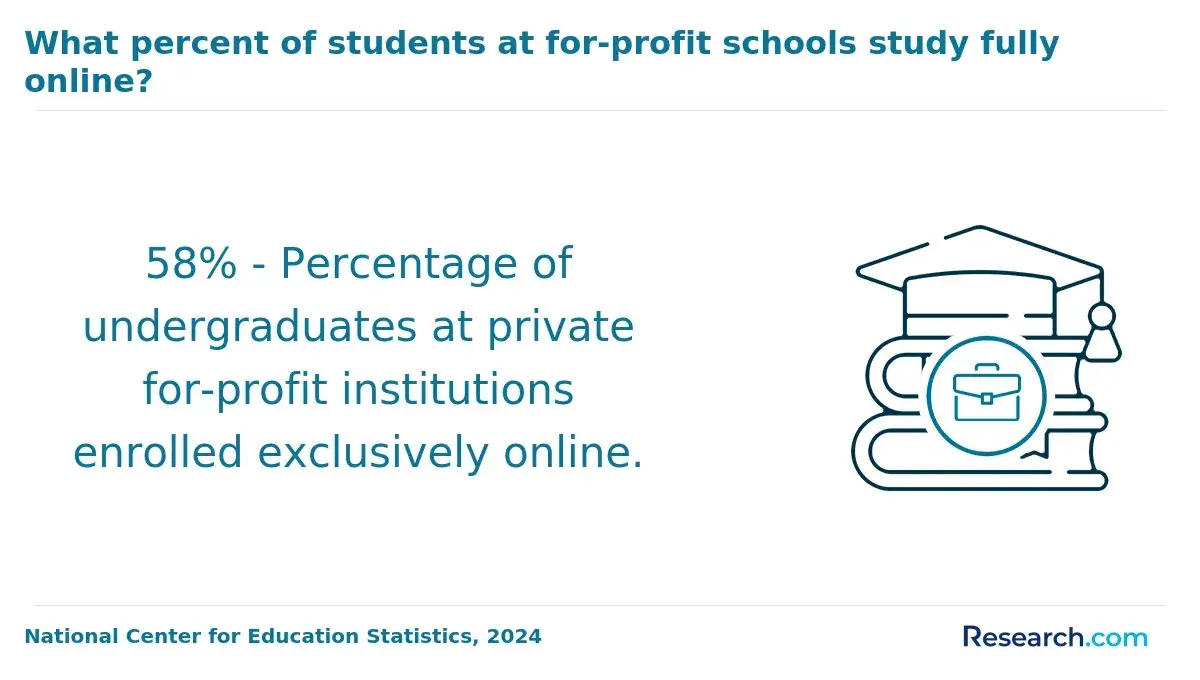
Breakdown of Private Fully Online For-profit Schools

How Do Employer Tuition Reimbursement Programs Work for Forensic Accounting Degrees?
Most tuition reimbursement programs follow a predictable process: confirm eligibility, obtain written approval, complete the course or term, submit documentation, and receive payment if all conditions are met. The details matter because missing one step can delay or void reimbursement.
- Review the written policy. Look for covered degree levels, eligible schools, accreditation requirements, annual caps, grade requirements, deadlines, and repayment clauses.
- Build a degree plan. Identify the program, expected cost, start date, course sequence, and how the curriculum supports your role in accounting, audit, compliance, investigations, or finance.
- Get approval before enrollment. Employers often require a course outline, degree description, cost estimate, and supervisor approval before you register.
- Pay or arrange billing. Some employers reimburse after completion; others pay the school directly. If you must pay first, plan for the cash-flow gap.
- Meet performance requirements. Many employers require satisfactory grades before reimbursing tuition.
- Submit documentation on time. Typical documents include receipts, proof of payment, transcripts, grade reports, course descriptions, and enrollment verification.
- Track work-commitment obligations. If the policy includes a repayment clause, keep a copy of the agreement and know when the obligation ends.
Before signing, ask whether reimbursement applies by course, semester, year, or degree completion. Also ask whether the employer covers only tuition or includes fees, books, exam preparation, technology fees, and other required costs. These details can significantly affect your out-of-pocket expense.
Are Online Forensic Accounting Degrees Eligible for Company Sponsorship?
Yes, online forensic accounting degrees can be eligible for company sponsorship, but employers usually evaluate them carefully. Online format alone is not the deciding factor. Employers are more concerned with accreditation, academic rigor, program reputation, cost, schedule compatibility, and whether the degree directly benefits the organization.
Approval is more likely when the online program is offered by an accredited institution, uses a curriculum comparable to campus-based study, and includes coursework relevant to fraud examination, auditing, financial reporting, internal controls, investigation methods, or litigation support. Employers may also prefer online programs because they allow employees to keep working while studying, reducing disruption to the team.
When presenting an online program, prepare more than a brochure. Provide the program’s accreditation information, course list, tuition estimate, expected schedule, and a short explanation of how each major course supports your work. If your employer has doubts about online education, focus on quality indicators rather than convenience alone.
- : "“It wasn’t just about passing classes but showing how what I learned added real value to my team. That made all the difference in getting the sponsorship.”"
The practical lesson is simple: do not ask your employer to fund “an online degree.” Ask the employer to fund a specific, credible forensic accounting program that solves a business problem.
How Much Tuition Reimbursement Can You Get for Forensic Accounting Degrees?
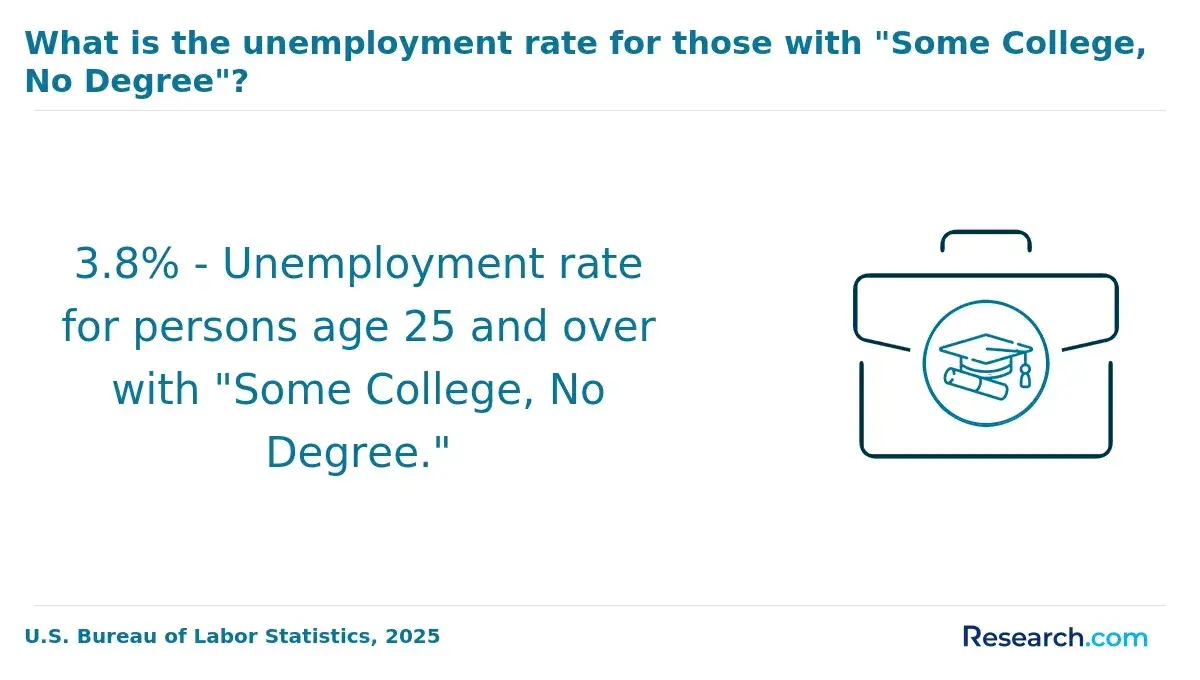
The amount you can receive depends on your employer’s policy. Some programs cover only a modest portion of tuition, while others provide enough support to substantially reduce the cost of a forensic accounting degree. According to the National Center for Education Statistics, approximately 39% of full-time workers with employer-based tuition assistance receive some tuition reimbursement annually.
Annual reimbursement caps typically range from $3,000 to $5,250. The $5,250 amount is important because it aligns with the federal tax exclusion limit that allows employees to receive up to $5,250 tax-free each year under IRS regulations. Some employers set their policy at that level for tax and administrative reasons.
Lifetime maximums vary more widely, often falling between $10,000 and $30,000, depending on the employer. Finance, government, consulting, insurance, and compliance-heavy organizations may be more willing to fund forensic accounting education because the skills have a direct business use. Smaller employers or organizations with less exposure to fraud, audit, or regulatory risk may offer lower caps or no formal benefit.
To estimate your real cost, compare the total program cost with the annual cap, the number of years you expect to study, and any costs the employer excludes. A low annual cap can still be useful if you study part time, but it may leave a large gap if you enroll in an expensive full-time graduate program.
Are There Penalties for Leaving an Employer-Sponsored Forensic Accounting Program Early?
Yes, there can be penalties. Many employers use repayment or “clawback” provisions to protect their investment if an employee leaves the company, drops the program, fails to complete courses, or does not meet academic requirements. Research shows that about 60% of companies require repayment if an employee departs within two years post-graduation.
- Repayment obligations: If you leave the employer or program early, you may have to repay tuition and fees already covered by the company.
- Prorated repayment schedules: Some agreements reduce the amount owed over time. For example, the obligation may decrease the longer you remain employed after completing coursework.
- Early termination clauses: These clauses define the minimum period you must stay after receiving tuition support or completing the degree.
- Grade-related repayment: If reimbursement depends on earning a minimum grade, a failed or low-grade course may not be covered.
- Future benefit restrictions: Leaving a program, missing deadlines, or failing to follow policy may affect eligibility for future tuition assistance.
Read the repayment language before you accept funding, not after a job opportunity appears. Ask HR for examples of how repayment is calculated, what happens after layoffs or role changes, and whether obligations apply to each course, each payment, or the full degree. If the commitment limits your career flexibility, weigh that cost against the tuition savings.
- : "“There were times I wondered if the commitment was worth it, especially when work deadlines clashed with my studies. Knowing the financial implications of leaving early kept me focused and ultimately motivated me to complete the degree, which really paid off in my role.”"
Can Employer-Paid Forensic Accounting Degrees Improve Long-Term Earning Potential?
Employer-paid education can improve long-term earning potential when it helps you qualify for higher-responsibility work and reduces or eliminates education debt. One report highlights that employees with employer tuition assistance can experience earnings growth of up to 15% more than those who self-fund their education. The strongest return usually comes when the degree leads to a clearer role change, promotion, specialization, or credential pathway.
- Promotion opportunities: A forensic accounting degree can support advancement into audit, compliance, investigations, risk, or financial controls roles, especially when your employer already needs those skills.
- Faster career progression: Employer funding allows you to build credentials while staying employed, which can reduce the delay caused by leaving work or taking on heavy debt.
- Access to specialized roles: Coursework in fraud detection, financial analysis, investigative accounting, and litigation support may strengthen your candidacy for roles with greater responsibility.
- Stronger internal visibility: When an employer funds your degree, managers may view you as part of the organization’s talent pipeline, though sponsorship does not guarantee promotion.
- Better return on investment: Reducing tuition cost improves ROI, but the degree still needs to connect to real job opportunities and marketable skills.
Do not evaluate the degree only by salary potential. Consider whether the program helps you move into work you actually want, whether you can manage the workload while employed, and whether any repayment obligation limits your options. Professionals comparing flexible credentials may also review an accelerated online degree pathway when speed and scheduling are major concerns.
How Do You Ask Your Employer to Pay for a Forensic Accounting Degree?
The best request is a business case, not a personal appeal. Studies show that 60% of employees who actively approach their employers for tuition support receive approval, but preparation is what makes the request credible.
- Read the tuition policy first. Confirm eligibility, covered costs, annual limits, school requirements, grade rules, deadlines, and repayment terms.
- Choose a specific program. Bring the name of the school, degree title, delivery format, tuition estimate, course list, schedule, and accreditation details.
- Connect the degree to business needs. Explain how the coursework will improve fraud detection, audit support, financial analysis, compliance, internal controls, or investigative reporting.
- Show how work will continue. Address scheduling, workload, deadlines, travel, and team coverage so your manager sees that the degree will not create avoidable disruption.
- Estimate the employer’s investment. State how much assistance you are requesting and whether the cost falls within existing policy limits.
- Offer accountability. Agree to provide grades, progress updates, and examples of how coursework is being applied on the job.
- Follow up in writing. After the meeting, send a concise summary of the request, next steps, and any documents HR needs.
A strong request might say: “This forensic accounting degree will help me support fraud investigations, strengthen audit documentation, and improve our review of high-risk transactions. I am requesting tuition assistance under the company policy and will provide grades and progress updates each term.”
If you are still comparing formats, review flexible degree options carefully, but make sure the program you present to your employer is directly relevant to forensic accounting work.
What To Do If Your Employer Doesn't Pay for a Forensic Accounting Degree?
If your employer will not pay for a forensic accounting degree, do not assume the degree is unaffordable. You may need to combine several funding sources, choose a lower-cost program, study part time, or delay enrollment until you have a clearer financing plan. Around 85% of U.S. undergraduates receive some form of financial assistance, which shows how common outside funding is.
- Submit the FAFSA: Federal and state aid may include grants, work-study, and loans. Even if you expect to borrow, federal loans may offer protections that private loans do not.
- Search for scholarships and grants: Look for awards tied to accounting, auditing, fraud examination, finance, government service, or working professionals. Prioritize aid that does not require repayment.
- Compare lower-cost programs: Tuition varies widely. When evaluating forensic accounting options, also compare related accounting programs to understand whether a broader accounting credential with forensic coursework may meet your goals at a lower cost.
- Use savings carefully: Paying some costs out of pocket can reduce borrowing, but keep emergency savings intact when possible.
- Consider part-time or online study: Flexible enrollment can allow you to keep earning while completing the degree, lowering the need for loans.
- Ask again later: If your employer says no because of budget timing or unclear relevance, revisit the request after you complete a related course, change roles, or can show a stronger business case.
- Evaluate student loans conservatively: Before borrowing, compare expected monthly payments with realistic salary outcomes in your target roles.
The goal is not just to find money for tuition. The goal is to complete the degree without taking on debt that outweighs the career benefit.
What Graduates Say About Employers Paying for Their Forensic Accounting Degrees
- : "When I started my forensic accounting degree, the cost was a significant concern, with the average attendance hovering around $25,000. Thanks to my employer's tuition assistance, I was able to focus entirely on my studies without the stress of financial burdens. This sponsorship not only helped me graduate debt-free but also opened doors to advanced roles in financial fraud investigation at my company. — Joey"
- : "Completing a forensic accounting program can be quite an investment, often reaching upward of $20,000 to $30,000. I was fortunate to have employer sponsorship that covered a large portion of these costs, which truly made the difference for me. Reflecting on my journey, the support I received empowered me to enhance my skills and confidently transition into a leadership role within my financial compliance team. — Morgan"
- : "The expense of a forensic accounting degree was daunting initially, with tuition averaging near $25,000, but employer tuition assistance dramatically reduced my out-of-pocket expenses. This sponsorship not only eased the financial strain but also demonstrated my company's investment in my professional growth. As a result, I secured a promotion and now lead complex forensic audits, which has been a rewarding step forward in my career. — Hudson"
Other Things You Should Know About Forensic Accounting Degrees
In 2027, employers may require that employees maintain a specific GPA, remain with the company for a designated time after graduation, or enroll in programs at accredited institutions. Additional conditions can include aligning studies with current job roles or future company needs.
Many employers that fund forensic accounting degrees require employees to remain with the company for a specific time, often one to three years, after the completion of the degree. This commitment helps employers secure a return on their investment and ensures continuity of trained staff.
References
- How to Become a Forensic Accountant https://www.allbusinessschools.com/specialties/how-to-become-a-forensic-accountant/
- APES 215 Forensic Accounting Services | CPA Australia https://www.cpaaustralia.com.au/tools-and-resources/accounting-professional-and-ethical-standards/apes-215-forensic-accounting-services
- How to Become a Forensic Accountant https://www.snhu.edu/about-us/newsroom/business/how-to-become-a-forensic-accountant
- How to Become a Forensic Accountant | Accounting.com https://www.accounting.com/careers/forensic-accountant/how-to-become/
- Forensic Accountancy | Accountancy Careers https://www.accountancycareers.co.uk/profession-overview/forensic-accountant/
- Scholarships & Resources for Accounting Master’s Students https://www.onlinemastersdegrees.org/student-resources/accounting/
- Forensic Accountant Career And Salary Information https://www.criminaljusticedegreeschools.com/careers/forensic-accountant/
- A Successful Career Transition to Forensic Accounting - The CPA Journal https://www.cpajournal.com/2019/10/28/a-successful-career-transition-to-forensic-accounting/
- Qualification Overview https://isca.org.sg/iscaacademy/isca-financial-forensic-accounting-qualification/qualification-overview
- Scholarships and Grants for Masters in Forensic Accounting Students https://mastersinforensicaccounting.com/masters-in-forensic-accounting-scholarships-and-grants


