2027 Accredited Online Financial Technology Degree Programs With No GRE or GMAT Requirements

Co-Founder and Chief Data Scientist
Choosing an online financial technology degree is easier when you do not have to spend months preparing for the GRE or GMAT, but admissions flexibility should not be your only filter. The Bureau of Labor Statistics reports a May 2024 median annual wage of $105,990 for computer and information technology occupations, showing why fintech skills are attractive to finance, data, and software professionals. This guide explains which accredited online fintech programs commonly waive or omit test requirements, how to compare quality and cost, and how to decide whether a no-test admissions path fits your goals.
Key Things You Should Know
- Several accredited U.S. online fintech master's programs now use test-free or test-optional admissions, meaning GRE or GMAT scores are not always required; applicants should still verify the policy for their intended start term because schools can revise requirements.
- No-test admissions does not mean open admissions: programs typically weigh undergraduate GPA, quantitative readiness, work experience, résumé quality, recommendations, and a focused statement of purpose more heavily.
- Cost and outcomes vary widely; federal graduate loan rates for 2025-26 are 7.94% for Direct Unsubsidized Loans and 8.94% for Grad PLUS Loans, so total program cost matters as much as admissions convenience.
Which Accredited Online Financial Technology Degree Programs Do Not Require the GRE or GMAT?
Accredited online financial technology programs with no GRE or GMAT requirement are most often graduate degrees, such as a Master of Science, Master of Engineering, or specialized business master's in fintech, financial analytics, blockchain, digital payments, or quantitative finance technology. "No GRE or GMAT" can mean either test-free, where scores are not accepted or not used, or test-optional, where scores may be submitted but are not required.
The table below summarizes accredited online or online-available fintech programs that commonly advertise no required GRE or GMAT for at least some applicants. Always confirm the admissions page for your start term, because testing policies, GPA thresholds, and waiver rules can change.
| Institution | Online fintech-related program | Accreditation context | GRE or GMAT status to verify | Best fit |
| Duke University | Online Master of Engineering in Financial Technology | Institutionally accredited; engineering-focused graduate program | Typically test-optional or not required for many applicants | Professionals who want fintech product, data, engineering, and financial systems training |
| University of Central Florida | Online MS in FinTech | Institutionally accredited public university | Commonly listed as no GRE required | Students seeking a public-university fintech degree with online access |
| Stevens Institute of Technology | Online MS in Financial Technology and Analytics | Institutionally accredited; business school programs may carry business accreditation | Often test-optional for graduate business applicants | Applicants interested in analytics-heavy fintech, risk, and financial modeling |
| Pace University | MS in Financial Technology, online or flexible format depending on term | Institutionally accredited private nonprofit university | Typically no GRE or GMAT required for many graduate applicants | Students who want fintech training tied to New York finance and technology markets |
| Harrisburg University of Science and Technology | MS in Financial Technology | Institutionally accredited technology-focused university | Commonly does not require GRE or GMAT | Working adults seeking applied technology, analytics, and fintech coursework |
| Creighton University | MS in Financial Technology and Analytics | Institutionally accredited private nonprofit university | Often no GRE or GMAT required | Finance or business professionals who want analytics, ethics, and fintech applications |
A no-test fintech degree can be a strong option if the curriculum, accreditation, faculty expertise, and outcomes match your target role. If you are comparing fintech against a broader online masters degree, focus on whether the program builds the technical and financial skills employers actually request, not just whether the application is easier.
Why Have Accredited Online Financial Technology Degree Programs Eliminated GRE and GMAT Requirements?
Many accredited online financial technology programs have eliminated GRE or GMAT requirements because fintech applicants often come from varied backgrounds: software development, banking, accounting, compliance, product management, cybersecurity, data analytics, and entrepreneurship. A single standardized test may not show whether a candidate can code, analyze financial data, understand markets, or work in regulated digital finance environments.
The shift also reflects broader graduate admissions trends. Online programs compete for working adults who may have strong professional records but limited time for test preparation. Removing a test requirement can reduce application friction while allowing admissions teams to evaluate evidence that is closer to fintech performance, such as quantitative coursework, programming experience, finance credentials, and project portfolios.
For applicants, the practical takeaway is simple: no-test policies can save time and money, but they also move the burden of proof to the rest of the application. If a program does not require GRE or GMAT scores, your transcript, résumé, recommendations, and statement need to show that you can handle graduate-level quantitative and technical work.
What Admissions Criteria Matter Most Without GRE or GMAT Scores?
Without GRE or GMAT scores, admissions committees usually look for a combination of academic readiness, quantitative ability, technical exposure, and career clarity. Fintech is interdisciplinary, so a strong applicant does not always need a finance degree or a computer science degree, but they should show credible preparation for both business and technology coursework.
These are the admissions factors that typically matter most when standardized tests are waived or not required:
- Undergraduate GPA and transcript pattern: Schools often look beyond the cumulative GPA to see whether you performed well in quantitative, economics, finance, statistics, computer science, or upper-division business courses.
- Prerequisite readiness: Programs may expect prior coursework or competency in statistics, calculus, programming, accounting, finance, or data analytics, even if they do not require a specific undergraduate major.
- Professional experience: Relevant experience in banking, payments, software, risk, compliance, consulting, analytics, or financial operations can strengthen an application, especially for working-adult online programs.
- Résumé and project evidence: A résumé that includes Python, SQL, financial modeling, Tableau, cloud tools, blockchain projects, API work, or risk analytics can help offset the absence of test scores.
- Statement of purpose: Admissions reviewers want to see why fintech, why now, why this program, and how the degree connects to a realistic career path.
- Recommendations: Strong letters should confirm your analytical ability, communication skills, reliability, and readiness for graduate-level online study.
If your GPA is below the program's preferred range, use the application to show recent evidence of readiness. This could include a completed statistics course, a programming certificate, a finance credential, a work project involving data analysis, or a short explanation of academic improvement.
No-GRE or no-GMAT online fintech programs are usually easier to apply to, but not necessarily easier to get into. The absence of a test requirement removes one barrier, yet accredited programs still protect academic standards through transcript review, prerequisites, faculty evaluation, and evidence of professional or quantitative readiness.
The distinction below is important when comparing programs because "no test required" can describe several different admissions models:
| Admissions policy | What it means | How it affects applicants | When submitting scores may help |
| Test-free | The program does not require GRE or GMAT scores and may not consider them | Your academic record, work history, and application materials carry more weight | Usually not applicable |
| Test-optional | You may submit scores, but they are not mandatory | You can decide whether scores strengthen or weaken your profile | If your GPA is modest but your test score is strong |
| Waiver-based | The program normally requires a test but waives it for applicants meeting certain conditions | You must document eligibility, such as GPA, graduate credits, or work experience | If you do not qualify for the waiver |
| Test-required | Scores are required for admission consideration | You need to plan for preparation time, test fees, and score reporting | Required unless the school grants an exception |
Applying without scores makes sense when your transcript, experience, and goals already tell a strong story. Taking the GRE or GMAT may still make sense if the program is test-optional, your undergraduate record is weak, you are changing fields with little relevant experience, or you want to demonstrate quantitative strength for a competitive scholarship review.
Skipping the GRE or GMAT does not reduce a program's accreditation status or academic quality by itself. Accreditation is based on institutional review, academic governance, student support, faculty qualifications, financial stability, and educational outcomes, not on whether a specific graduate program requires a standardized admissions exam.
The most important accreditation check is institutional accreditation from an agency recognized by the U.S. Department of Education or the Council for Higher Education Accreditation. For business-school-based fintech degrees, programmatic business accreditation, such as AACSB, ACBSP, or IACBE, can add another quality signal, but it is not the same thing as institutional accreditation and is not always present in engineering or technology-based fintech programs.
Use this quality checklist before assuming a no-test program is academically strong:
- Confirm the institution is currently accredited, not merely "approved," "licensed," or "authorized" to operate.
- Review the actual fintech curriculum to see whether it covers finance, programming or data analytics, cybersecurity or risk, digital payments, regulation, and applied projects.
- Check whether online students have access to career services, faculty advising, tutoring, library resources, and technical support.
- Ask whether the diploma or transcript distinguishes online study from campus study, especially if that matters to your employer.
- Look for transparent tuition, fees, graduation requirements, and transfer-credit policies before applying.
If you are still learning how to screen online institutions, comparing resources on the top 10 online colleges can help you understand the kinds of accreditation, support, and flexibility factors that matter beyond test policies.
No-GRE and no-GMAT online fintech programs are especially useful for applicants whose experience is stronger than their standardized-test profile. They are also practical for working adults who need to apply quickly, cannot pause their job for test preparation, or already have evidence of readiness through professional projects or prior coursework.
These student profiles tend to benefit most from a no-test fintech admissions pathway:
- Finance professionals moving into technology roles: Bankers, analysts, auditors, risk specialists, and accountants may use fintech coursework to add data, automation, blockchain, payment systems, or product skills.
- Technology professionals entering financial services: Software developers, data analysts, cybersecurity staff, and cloud engineers can use a fintech degree to understand markets, compliance, risk, and financial products.
- Career changers with recent quantitative preparation: Applicants without a finance or computer science major may still compete if they show recent coursework, certifications, or work projects in analytics or programming.
- Working adults balancing school and employment: Online asynchronous or hybrid formats can make graduate study more realistic for students managing full-time work or family responsibilities.
- Applicants with test anxiety or outdated test scores: A no-test route lets them demonstrate ability through academic and professional evidence instead of a single exam.
Students who need a highly structured classroom environment, have little quantitative background, or are unsure whether they want finance or technology should be more cautious. They may benefit from prerequisite courses, a certificate, or a broader business analytics program before committing to a specialized fintech degree.
Flexibility matters across many professional fields, not just finance; students comparing online formats sometimes review options as different as MFT online programs to understand how scheduling, clinical or project requirements, and student support vary by discipline.
Tuition for online fintech programs varies by institution type, credit load, residency policy, and whether the program is housed in a business, engineering, or professional school. A no-GRE policy can reduce upfront application costs, but it does not automatically make the degree affordable.
For a national benchmark, the National Center for Education Statistics reported in 2024 that average graduate tuition and required fees for public institutions were substantially lower than at private nonprofit institutions in the most recent reported academic year. That benchmark is useful because fintech programs can be premium-priced, especially at private universities, so applicants should compare total cost rather than relying on per-credit tuition alone.
The table below shows the main cost categories to compare before enrolling. It is designed to help you estimate the true cost of attendance, not just the advertised tuition rate.
| Cost factor | Why it matters | What to ask the school |
| Tuition per credit | Fintech master's programs commonly require around 30 to 36 credits, so small per-credit differences can become meaningful | Is tuition locked for the cohort or subject to annual increases? |
| Program and technology fees | Online programs may charge platform, student service, graduation, or course-specific fees | Are all mandatory fees included in the published cost estimate? |
| Residency or campus requirements | Some online programs include immersions, intensives, or optional campus experiences | Will I need to budget for travel, lodging, or time away from work? |
| Transfer or prerequisite credits | Accepted credits can reduce cost, while missing prerequisites can add cost before admission or enrollment | How many credits may transfer, and are prerequisite courses billed separately? |
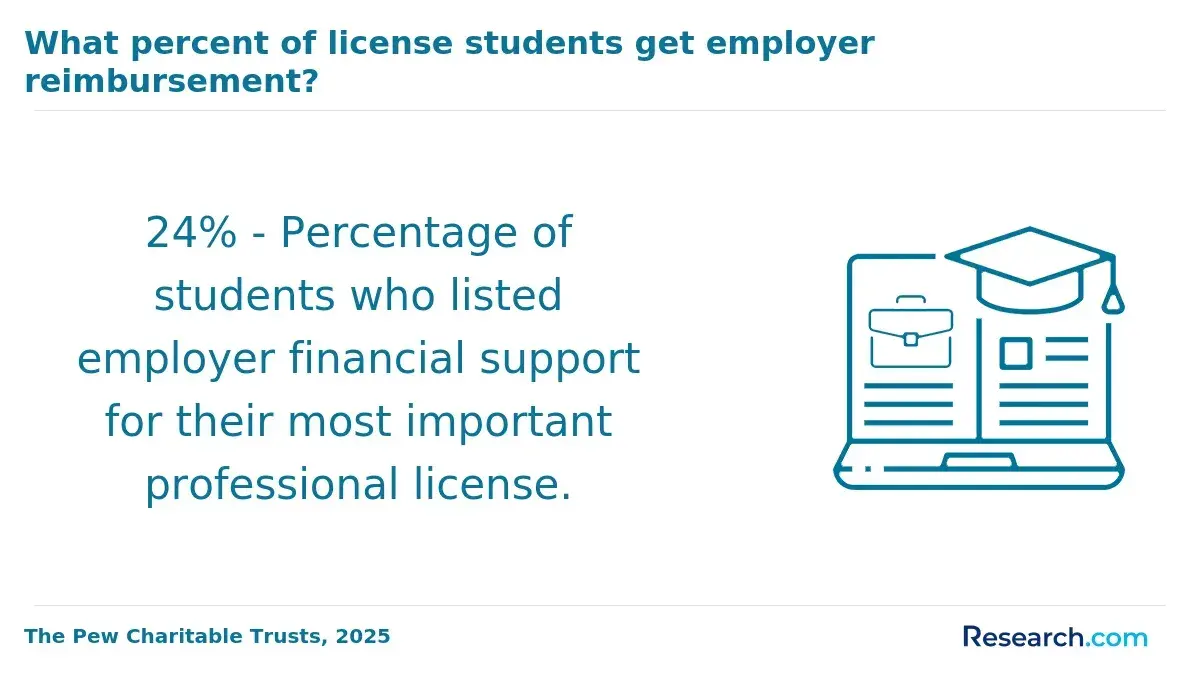
| Employer tuition assistance | Finance and technology employers may reimburse job-related graduate study | Does the program meet my employer's accreditation, grade, and reimbursement rules? |
| Federal loans | Graduate borrowing can be expensive, especially when interest accrues during enrollment | What is the average debt level for graduate students in this program or school? |
Financial aid can include federal Direct Unsubsidized Loans, Grad PLUS Loans, employer reimbursement, military education benefits, institutional scholarships, and payment plans. For 2025-26, federal graduate loan rates are 7.94% for Direct Unsubsidized Loans and 8.94% for Grad PLUS Loans, which means borrowing decisions should be tied to realistic salary expectations and repayment plans.
When comparing affordability, it can help to look at cost patterns across other graduate fields, such as an affordable masters in history, because it highlights how program pricing can differ sharply by discipline, school type, and delivery model.
Graduates of online fintech programs may pursue roles that combine finance, analytics, software, risk, compliance, product development, and digital transformation. Common job titles include fintech analyst, financial data analyst, product manager, risk analyst, blockchain analyst, payments specialist, quantitative analyst associate, compliance technology analyst, and financial systems consultant.
Salary outcomes depend heavily on prior experience, location, employer type, technical depth, and whether the graduate moves into a technology-heavy or finance-heavy role. BLS May 2024 wage data lists median pay for software developers at $133,080, which is useful context for fintech students targeting technical product, platform, or engineering roles; however, a fintech degree alone does not place every graduate into a software developer role.
The table below connects common fintech career directions with the skills online programs should help you build. Use it to evaluate whether a curriculum fits your intended outcome.
| Career direction | Typical responsibilities | Important skills to look for in the curriculum | Good fit for |
| Fintech product management | Define digital finance products, work with engineers, analyze users, and manage launches | Product strategy, APIs, payments, user analytics, agile methods, financial regulation | Business professionals with strong communication and technology interest |
| Financial data analytics | Analyze market, customer, transaction, or risk data to support decisions | Python, SQL, statistics, machine learning, visualization, financial modeling | Analytical applicants from finance, economics, accounting, or data roles |
| Risk and compliance technology | Monitor fraud, regulatory exposure, cybersecurity risk, and automated controls | Regtech, cybersecurity basics, anti-money laundering concepts, audit analytics, governance | Compliance, audit, banking, insurance, or cybersecurity professionals |
| Blockchain and digital assets | Evaluate distributed ledger systems, tokenization, smart contracts, and custody issues | Blockchain architecture, cryptography basics, smart contracts, digital asset regulation | Students interested in emerging financial infrastructure and policy-sensitive roles |
| Financial systems consulting | Help organizations implement, integrate, or improve financial technology platforms | Enterprise systems, cloud concepts, data integration, project management, process analysis | Professionals with operations, consulting, IT, or finance transformation experience |
Fintech can be a strong return-on-investment field when the program builds marketable technical skills and the student has a clear career target. When comparing fintech with other most profitable degrees, remember that outcomes depend on role selection and skill depth, not only the name of the credential.
The most common application mistake is assuming that "no GRE or GMAT" means the rest of the application can be minimal. In reality, no-test programs often rely more heavily on written materials, evidence of readiness, and fit with the curriculum.
Applicants can reduce avoidable weaknesses by watching for these mistakes before submitting materials:
- Choosing a program only because it has no test requirement: Admissions convenience should not outweigh accreditation, curriculum quality, cost, faculty expertise, and career alignment.
- Ignoring prerequisites: If the program expects statistics, finance, coding, or calculus, address gaps before applying or ask whether conditional admission is available.
- Submitting a generic statement of purpose: A strong statement should connect your background, target fintech role, and specific courses or program features.
- Underexplaining a low GPA: If your transcript has weak areas, briefly explain the context and provide newer evidence of academic or quantitative readiness.
- Using recommenders who cannot speak to analytical ability: Choose supervisors or instructors who can describe your problem-solving, technical aptitude, reliability, and communication skills.
- Overlooking total program cost: A fast, no-test application can become expensive if you do not compare fees, loan interest, transfer credits, and employer reimbursement.
- Assuming test waivers are permanent: Some schools change admissions policies by term, program, applicant type, or international status, so save written confirmation.
A strong no-test application should make the admissions reviewer confident about three things: you can handle the quantitative workload, you understand what fintech work involves, and you have a realistic plan for using the degree.
How Should Students Compare Accredited Online Financial Technology Degree Programs Without GRE or GMAT Requirements?
The best accredited online fintech program without GRE or GMAT requirements is not simply the one with the easiest application. It is the program that offers the strongest combination of recognized accreditation, relevant curriculum, manageable cost, online support, and career alignment for your goals.
Use this step-by-step comparison process before you apply:
- Confirm accreditation first: Verify institutional accreditation through official accreditation databases or the school's accreditation page before reviewing rankings, tuition, or admissions convenience.
- Separate test-free from test-optional: If scores are optional, decide whether submitting them would strengthen your file based on your GPA, quantitative background, and target scholarships.
- Map the curriculum to your target role: Look for courses and projects tied to your goal, such as payments, financial analytics, risk technology, blockchain, product management, or software systems.
- Calculate total cost: Add tuition, fees, books, travel, prerequisite courses, lost work time, and loan interest instead of comparing only per-credit rates.
- Evaluate online delivery: Ask whether courses are asynchronous, synchronous, cohort-based, self-paced, part-time, or accelerated, and confirm how exams and group projects work.
- Review student support: Online fintech students should have access to career services, technical help, faculty advising, networking events, and internship or project opportunities when available.
- Ask about outcomes: Request available information on graduate roles, employer connections, career coaching, capstone projects, and alumni networks, while remembering that schools may report outcomes differently.
Before enrolling, ask admissions counselors direct questions: Is the GRE or GMAT required for my applicant type? Are waivers automatic or reviewed? What happens if I lack a prerequisite? Can I study part-time? Are online students eligible for the same scholarships and career services as campus students? Clear answers to these questions are often more useful than a school's marketing language.
Other Things You Should Know About Financial Technology
Yes, many programs accept applicants from business, economics, engineering, math, information systems, accounting, and other fields. You may need prerequisite coursework or evidence of readiness in statistics, finance, programming, or analytics.
Many online fintech master's programs can be completed in about one to two years, depending on credit load, part-time or full-time enrollment, transfer credits, and whether the program uses accelerated terms.
Policies vary by institution. Many universities issue the same diploma for online and campus students, but you should ask the registrar or admissions office whether the transcript or diploma identifies the delivery format.
A certificate may be better if you only need targeted skills in payments, blockchain, analytics, or compliance technology. A full degree may make more sense if you want broader graduate training, career change support, or a credential for long-term advancement.
- Online MBA Programs with No GMAT Requirement: Best Schools for 2025 https://www.onlinemastersdegrees.org/best-programs/mba-programs/no-gmat/
- Financial Aid For Online Colleges https://www.affordablecollegesonline.org/financial-aid/financial-aid-for-online-colleges/
- Best Online MBA Programs No GMAT Required (2026) - Edubrain https://edubrain.ai/blog/best-online-mba-programs-no-gmat/
- A Guide to GMAT-Free Online MBA Degree Programs https://www.coloradotech.edu/articles/studies/business-and-management/online-mba-options-working-professionals
- Your Guide for College Financial Aid - Finaid https://finaid.org/
- Exploring No-GMAT Online MBA Programs https://www.aiuniv.edu/degrees/business/articles/exploring-no-gmat-online-mba-degree-programs
- Undergraduate Online Financial Aid | Bushnell University https://www.bushnell.edu/financial-aid/undergraduate-online/
- MBA Programs that Don’t Require GMAT, GRE or EA Test Scores https://www.clearadmit.com/mba-programs-that-dont-require-gmat-gre-or-ea-test-scores/
- Types of Financial Aid for Online Colleges https://www.umassglobal.edu/blog-news/types-financial-aid-online-colleges
- Online Master’s in Accounting Programs No GRE Required or GMAT Waiver https://www.onlineeducation.com/business/faqs/gmat-requirements-online-masters-in-accounting-programs