2027 Accredited Online Applied Science Degree Programs for Working Adults: Flexible, Part-Time, and Self-Paced Options

Co-Founder and Chief Data Scientist
Choosing an accredited online Applied Science degree is often a scheduling decision as much as an academic one. NCES distance education data released in 2024 shows that more than half of U. S. college students took at least one online course in fall 2022, confirming how mainstream flexible study has become. This guide is for working adults comparing online Applied Science programs, including part-time, asynchronous, and self-paced formats. You will learn how accreditation, cost, transfer credit, workload, and career goals affect whether a program is practical, affordable, and worth the time commitment.
Key Things You Should Know
- Choose an institution recognized by the U.S. Department of Education or CHEA, and check programmatic accreditation if your Applied Science concentration leads to licensure or certification.
- Most online Applied Science degrees require about 60 credits for an associate degree or 120 credits for a bachelor's degree; working adults commonly finish faster when schools accept prior college credits, military training, professional certifications, or portfolio-based prior learning.
- Part-time online study often means 6 to 9 credits per term and roughly 12 to 27 hours of weekly coursework, while self-paced programs may offer more control but still have course-completion windows, tuition rules, and minimum academic progress requirements.
What Is an Accredited Online Applied Science Degree Program and Why Does Accreditation Matter?
An accredited online Applied Science degree is a career-focused college program delivered fully or mostly online by a recognized institution. Applied Science programs are usually designed for students who want practical, job-aligned skills rather than a purely theoretical major. Common options include the Associate of Applied Science, Bachelor of Applied Science, Bachelor of Science in Applied Science, and completion-focused programs for adults who already hold technical credits.
Accreditation matters because it affects financial aid eligibility, transfer credit, employer recognition, graduate school options, and, in some fields, licensure. Institutional accreditation evaluates the school as a whole, while programmatic accreditation reviews a specific field such as nursing, engineering technology, radiologic technology, health information management, or cybersecurity.
If you are considering health-related Applied Science pathways, compare requirements carefully; for example, students researching clinical paths may also review radiology tech programs online to understand how accreditation and hands-on training differ from broader Applied Science degrees.
The table below summarizes the main accreditation checks working adults should make before applying. These checks help you avoid programs that look flexible but may not support financial aid, transferability, or professional goals.
| Accreditation factor | What it means | Why it matters for working adults |
| Institutional accreditation | The entire college or university has been reviewed by a recognized accreditor | Often required for federal financial aid, employer tuition assistance, transfer credit, and graduate admission |
| Programmatic accreditation | A specific program meets field-based standards | Important in regulated areas such as healthcare, engineering technology, education, and some public safety fields |
| State authorization | The school is approved to offer online education to students in your state | Protects your ability to enroll legally and may affect complaint resolution or licensure eligibility |
| Licensure alignment | The curriculum meets or does not meet requirements for a specific license | Essential if your career path requires clinical hours, board exams, supervised practice, or state approval |
A common mistake is assuming that "accredited" means every program at the school meets every professional requirement. It does not. Before enrolling, confirm the school's institutional accreditation, ask whether your exact program has specialized accreditation, and request written confirmation if the degree is intended to support a license, certification, or regulated job.
Which Flexible Applied Science Degree Formats Are Best for Working Adults: Part-Time, Full-Time, or Self-Paced?
The best format depends on your weekly availability, job predictability, transfer credits, and tolerance for deadlines. "Online" does not always mean self-paced; many online Applied Science programs use scheduled weekly modules, live sessions, group projects, or fixed exam windows.
The table below compares common online formats from the perspective of a working adult. Use it to match the format to your work schedule before comparing tuition or rankings.
| Format | Typical structure | Best fit | Main trade-off |
| Part-time asynchronous | Weekly deadlines without required live class meetings | Adults with full-time jobs, caregiving duties, or rotating schedules | Progress is steady but slower than full-time study |
| Full-time online | Heavier course load, often 12 or more credits per term | Students who can reduce work hours or use employer support | Faster completion but higher weekly workload |
| Self-paced or competency-based | Students move through assessments as they master material | Experienced adults with strong independent study habits | Requires discipline, and some programs have subscription terms or completion limits |
| Synchronous online | Live virtual classes at set times | Students who want instructor interaction and predictable class meetings | Less flexible for shift workers or parents with evening obligations |
| Hybrid online | Online coursework plus limited campus or lab requirements | Technical or healthcare students who need hands-on practice | Travel, scheduling, or local placement requirements may add complexity |
For many working adults, part-time asynchronous study is the safest starting point because it preserves employment stability while keeping academic momentum. Full-time study can make sense when a student has savings, employer tuition support, lighter family responsibilities, or a short remaining credit gap.
Self-paced study is attractive when you already know the subject matter, but it can backfire if you need instructor structure or tend to postpone assignments.
If your goal is to finish as quickly as possible, compare Applied Science completion programs with broader best accelerated programs to understand the difference between accelerated calendars, transfer-friendly degree completion, and true self-paced learning.
Before choosing a format, ask each school for concrete scheduling details rather than relying on marketing language. The most useful questions are:
- Are courses asynchronous, synchronous, self-paced, or a mix of formats?
- How many hours per week should a working adult expect for one 3-credit course?
- Are exams proctored at fixed times, or can they be scheduled around work?
- Are group projects required, and how are teams coordinated online?
- What happens if a student must stop out for one term because of work or family obligations?
What Are the Admission Requirements for Accredited Online Applied Science Degree Programs?
Admission requirements for online Applied Science programs vary by degree level and school type, but most are designed to accommodate adult learners. Associate programs may require a high school diploma or GED, placement testing, and official transcripts. Bachelor's completion programs often require prior college credits, an associate degree, technical coursework, or professional experience.
The table below outlines common requirements by program level. It helps working adults identify whether they should start with an associate degree, enter a bachelor's completion pathway, or look for a more traditional bachelor's program.
| Program type | Common admission requirements | Adult learner considerations |
| Online AAS | High school diploma or GED, transcripts, placement assessment, possible program prerequisites | Good starting point for adults entering a technical field or formalizing existing skills |
| Online BAS | Associate degree or significant technical credits, minimum GPA, official transcripts | Often transfer-friendly for students with career and technical education credits |
| Online BSAS | High school diploma or transfer credits, general education requirements, possible concentration prerequisites | May offer broader career mobility than a narrow technical degree |
| Healthcare or technical concentration | Prerequisites, background check, immunizations, certification, clinical eligibility, or equipment access | Flexibility may be limited by lab, practicum, or licensure rules |
Applicants should prepare early because transcript evaluation can take time. This is especially important if you attended multiple colleges, completed military training, hold industry certifications, or want credit for prior learning.
Use this application checklist before submitting materials:
- Request official transcripts from every college you attended, even if you did not finish a degree.
- Ask whether the school accepts ACE-recommended training, military credits, professional certifications, or portfolio credit.
- Confirm whether your concentration has prerequisites in math, science, technology, or communication.
- Check whether admission to the university is separate from admission to the Applied Science major.
- Ask for a written transfer-credit estimate before committing to enrollment.
A major red flag is a school that pressures you to enroll before reviewing transcripts. For working adults, transfer credit can change the total price, graduation date, and course load, so it should be evaluated before you make a financial commitment.
How Much Does an Online Applied Science Degree Cost, and What Financial Aid Options Are Available?
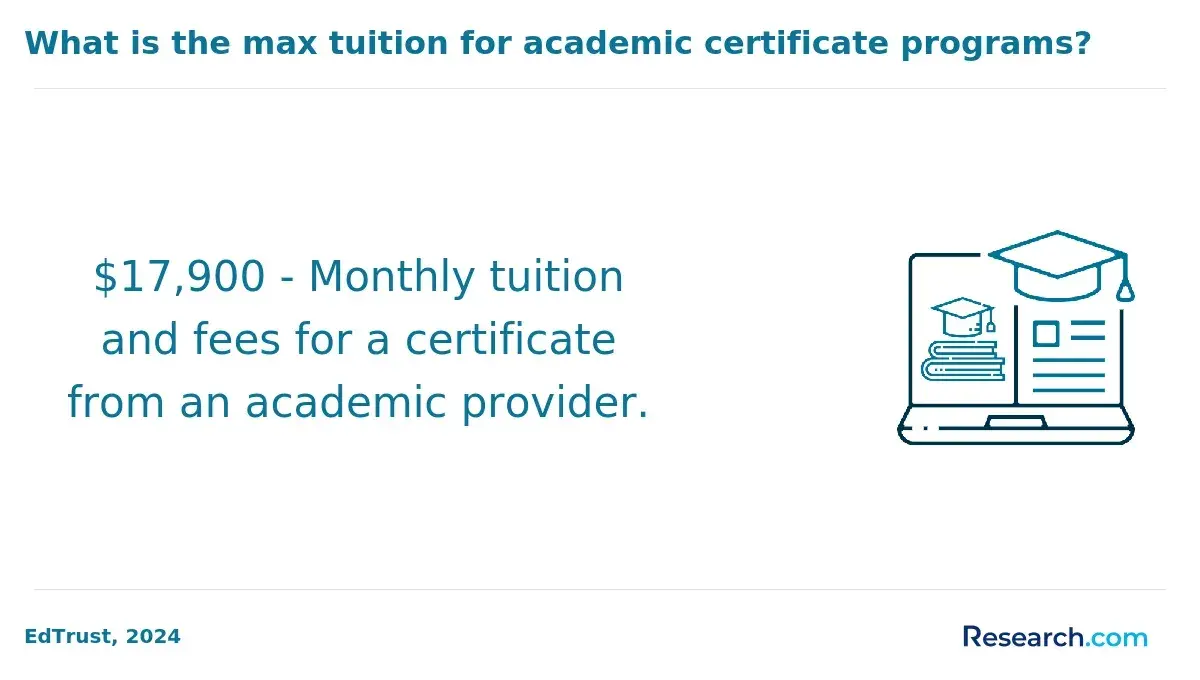
The cost of an online Applied Science degree depends on tuition rate, residency status, school type, transfer credits, fees, books, technology, and whether the program charges by credit, term, or subscription period. College Board's 2024 Trends in College Pricing reported average published tuition and fees of $11,610 for in-state students at public four-year institutions and $4,050 at public two-year colleges for 2024-25, which gives working adults a useful benchmark when comparing online options.
Online students should look beyond the advertised per-credit tuition. Some programs add online learning fees, lab kits, proctoring fees, software subscriptions, background checks, graduation fees, or clinical placement costs.
- Per-credit tuition: Compare the rate by residency status and degree level.
- Required fees: Include online course fees, technology fees, proctoring, student services, and graduation charges.
- Books and digital materials: Some programs use inclusive-access course materials that are billed automatically.
- Equipment and software: Applied Science concentrations may require a laptop, specialized software, lab kits, uniforms, or tools.
- Time-related costs: Part-time study may reduce term costs but can extend how long you pay fees and remain enrolled.
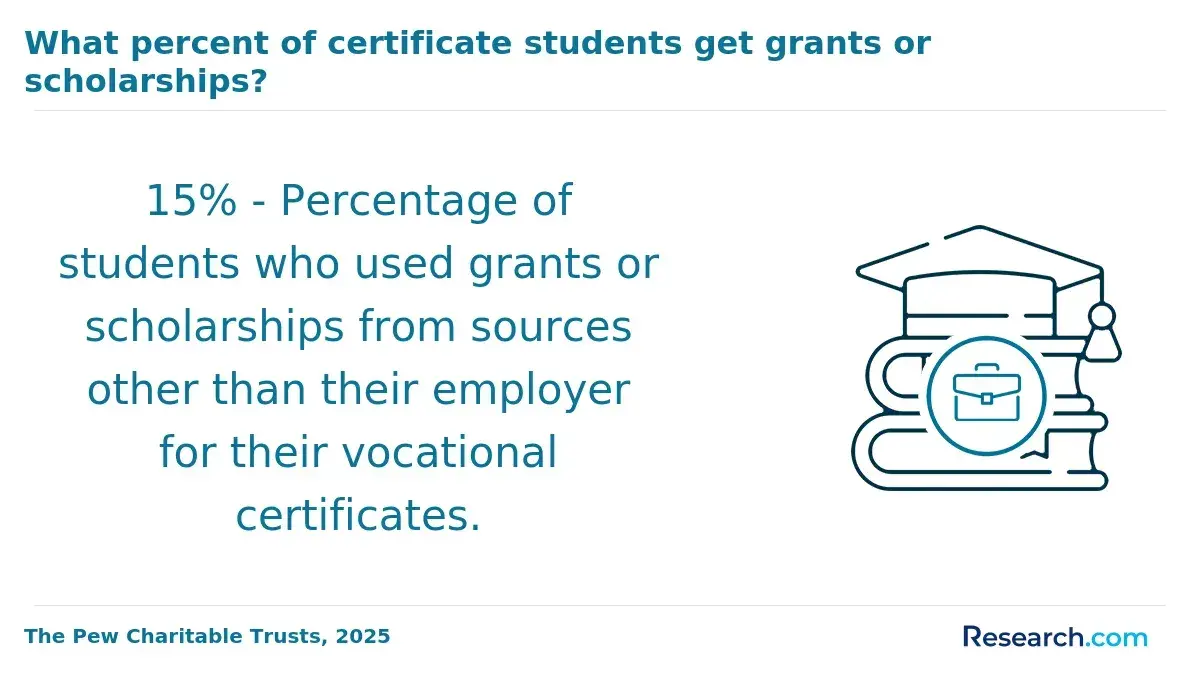
Financial aid may be available if the institution is eligible for federal student aid and you meet enrollment requirements. Working adults should complete the FAFSA, ask about state grants, compare employer tuition assistance policies, and review scholarships for adult learners, veterans, first-generation students, or technical fields.
Use this sequence to estimate your real cost before enrolling:
- Ask for a degree plan showing remaining credits after transfer evaluation.
- Multiply remaining credits by tuition and add mandatory fees.
- Estimate books, software, exam proctoring, and equipment costs separately.
- Subtract grants, scholarships, employer reimbursement, military benefits, and tuition discounts that are confirmed in writing.
- Compare the net cost with expected career value, not just the sticker price.
If you are considering a healthcare Applied Science pathway that may later lead to advanced clinical education, compare long-term financing with related options such as an online PharmD, because prerequisite, licensure, and clinical training costs can differ substantially from general Applied Science programs.
How Long Does It Take to Complete an Online Applied Science Degree, and Can Transfer Credits Help You Graduate Faster?
An online Applied Science associate degree typically requires about 60 credits, while a bachelor's degree usually requires about 120 credits. Completion time depends on credits taken per term, transfer credit, course availability, and whether the program runs on semesters, quarters, 8-week sessions, or subscription-based terms.
The table below gives a practical view of completion timelines and workload. Actual hours vary by course difficulty, but many colleges advise students to plan about 2 to 3 hours of study per week for each credit hour.
| Enrollment pattern | Typical credits per term | Approximate weekly study time | Best use case |
| Light part-time | 3 to 6 credits | 6 to 18 hours | Students with heavy work, caregiving, travel, or unpredictable schedules |
| Standard part-time | 6 to 9 credits | 12 to 27 hours | Working adults who want steady progress without leaving full-time employment |
| Full-time online | 12 or more credits | 24 or more hours | Students who can protect significant weekly study blocks |
| Self-paced | Varies by completed competencies or courses | Highly variable | Experienced learners who can progress quickly through familiar material |
Transfer credit is one of the biggest advantages for adult learners. A bachelor's completion program may accept an associate degree, technical credits, military training, workplace learning, certifications, or portfolio assessments. However, schools set limits on transfer credits, residency credits, age of credits, major requirements, and minimum grades.
To graduate faster without creating problems later, follow these steps:
- Choose programs that publish clear transfer-credit and prior-learning policies.
- Submit all transcripts before your first term, not after you enroll.
- Ask which credits apply to the major, which apply to electives, and which do not apply at all.
- Confirm the minimum number of credits you must complete at the school to earn the degree.
- Check whether old technical credits expire or require review by the department.
A common mistake is assuming that every accepted credit shortens the degree. Some credits may transfer as electives but not satisfy Applied Science major requirements, so the most important document is the official degree audit.
What Should You Look for When Comparing Accredited Online Applied Science Degree Programs?
When comparing accredited online Applied Science programs, focus on fit, flexibility, academic quality, and career alignment. The best choice is not always the cheapest or fastest; it is the program that helps you complete the degree without sacrificing accreditation, support, or your intended career path.
The table below summarizes the most important comparison factors. Use it to narrow a long school list into a short list of programs worth contacting.
| Comparison factor | What to verify | Why it matters |
| Accreditation | Institutional accreditation and any required programmatic accreditation | Protects transferability, financial aid access, and employer recognition |
| Schedule flexibility | Asynchronous courses, live sessions, deadlines, exam windows, and stop-out rules | Determines whether the program works with full-time employment |
| Transfer policy | Maximum transfer credits, prior learning, certification credit, and residency requirements | Can reduce both cost and completion time |
| Career alignment | Concentrations, capstone projects, internships, certifications, and employer partnerships | Helps connect coursework to a realistic career goal |
| Total cost | Tuition, fees, books, technology, and required in-person experiences | Prevents surprises after enrollment |
| Student support | Advising, tutoring, technical support, career services, and library access | Improves your ability to persist while balancing adult responsibilities |
Applied Science degrees can overlap with allied health, technology, leadership, public safety, and technical management. If you are comparing nursing-adjacent or healthcare leadership pathways, review how general Applied Science options differ from online FNP programs, which have clinical, licensure, and graduate-level requirements.
Working adults should also watch for red flags that are easy to overlook during a busy application process. These warning signs do not always mean a program is bad, but they should trigger more questions before you enroll:
- The school will not clearly identify its accreditor or state authorization status.
- The program says it is "self-paced" but does not explain course deadlines, subscription periods, or satisfactory academic progress rules.
- Admissions staff cannot provide a written transfer-credit estimate.
- The tuition page excludes mandatory online, technology, lab, or proctoring fees.
- The program advertises career outcomes without explaining the types of jobs, local labor market limits, or required certifications.
- The curriculum does not match your goal, such as management, healthcare operations, IT support, industrial technology, or technical leadership.
What Career Opportunities and Salary Potential Can You Expect With a Applied Science Degree?
An Applied Science degree can support many career paths because it is usually built around practical technical knowledge and workplace problem-solving. Common pathways include healthcare administration support, information technology, engineering technology, manufacturing supervision, public safety administration, operations, technical sales, project coordination, and applied business roles.
Salary potential depends heavily on concentration, experience, location, certifications, and whether the role requires licensure. BLS May 2024 wage data reported a median annual wage of $105,990 for computer and mathematical occupations, which shows why Applied Science concentrations in information technology, cybersecurity, data systems, and technical support can carry strong labor-market value when paired with relevant skills and credentials.
The table below shows examples of career directions rather than guaranteed outcomes. Use it to connect degree concentration choices with the kind of work you actually want to do.
| Applied Science focus | Possible roles | Typical work responsibilities | Additional credentials that may help |
| Information technology | IT support specialist, systems analyst assistant, network support technician | Troubleshooting, user support, systems documentation, basic network administration | CompTIA, Cisco, cloud, cybersecurity, or vendor-specific certifications |
| Healthcare administration or allied health | Health services coordinator, clinical department support, medical office supervisor | Scheduling, compliance support, records workflows, patient service operations | Field-specific certification, HIPAA training, coding or health information credentials |
| Engineering or industrial technology | Engineering technician, quality technician, production supervisor | Process improvement, equipment documentation, testing, safety coordination | OSHA, quality, CAD, manufacturing, or automation credentials |
| Technical management | Operations coordinator, team lead, project coordinator | Workflow planning, reporting, training, vendor coordination, team communication | Project management, Lean Six Sigma, supervisory training |
| Public safety or emergency services | Emergency management assistant, public safety supervisor, administrative coordinator | Incident documentation, planning support, compliance, interagency communication | State certifications, FEMA training, public safety credentials |
An Applied Science degree may be worth it if it helps you move from hands-on technical work into supervision, qualifies you for roles requiring a college credential, or allows you to complete a bachelor's degree using credits you already earned. It may be less useful if your target occupation requires a specific license, a specialized clinical degree, or a graduate credential that the program does not prepare you for.
For example, nurses comparing future advanced-practice routes should distinguish an Applied Science bachelor's path from an FNP post master's certificate, which serves a very different credentialing purpose.
How Can Working Adults Balance a Applied Science Degree With Full-Time Work and Family Responsibilities?
Balancing an Applied Science degree with full-time work and family responsibilities requires a realistic schedule before the term starts. The biggest risk is not lack of motivation; it is enrolling in too many credits while underestimating weekly reading, projects, labs, exams, and group assignments.
Use the following planning process before choosing your first course load. It is designed for adults who need to protect employment, caregiving time, and health while still making progress toward graduation.
- Map your fixed obligations first, including work shifts, commute time, childcare, caregiving, sleep, and recurring appointments.
- Choose a conservative first term, such as one or two courses, until you understand the program's workload.
- Block study time in repeatable sessions rather than waiting for open time to appear.
- Tell your advisor about work constraints before registering, especially if exams, labs, or group work may conflict with your schedule.
- Use employer benefits strategically by matching reimbursement rules with course start and end dates.
- Build a backup plan for illness, overtime, school breaks, childcare changes, or family emergencies.
Asynchronous courses are often better for workers with variable schedules, but they still require weekly discipline. Live online courses can be helpful if you need structure and instructor interaction, but they may be difficult if you work evenings, weekends, or rotating shifts. Self-paced courses offer the most control on paper, yet they demand strong self-management because there may be fewer external reminders.
One practical strategy is to separate "high-focus" work from "low-focus" work. Use your best mental energy for exams, writing, calculations, labs, or technical assignments, and reserve shorter time blocks for discussion posts, lecture videos, reviewing feedback, or organizing notes.
What Student Support Services and Online Learning Resources Should You Expect From a Applied Science Degree Program?
Student support can determine whether a flexible online program is actually manageable. Working adults should expect more than recorded lectures and a login page. Strong programs provide proactive advising, accessible instructors, tutoring, library resources, disability accommodations, technical support, career services, and clear communication about deadlines.
The table below identifies support services that matter most for online Applied Science students. These services are especially important when coursework includes technical software, writing-intensive assignments, labs, or career-focused projects.
| Support service | What to look for | Why it matters for working adults |
| Academic advising | Degree planning, transfer evaluation, course sequencing, graduation checks | Prevents wasted credits and scheduling mistakes |
| Online tutoring | Evening or weekend help in writing, math, science, technology, or statistics | Supports students who cannot visit campus during business hours |
| Technical support | Extended-hours help for the learning platform, proctoring tools, software, and login issues | Reduces the risk of missed deadlines due to technical problems |
| Career services | Resume reviews, interview practice, career coaching, employer events, internship guidance | Helps connect the degree to advancement or career change |
| Library access | Online databases, citation help, research guides, and librarian chat | Improves research quality for projects and capstones |
| Accessibility services | Documented accommodations for testing, course materials, and learning access | Ensures eligible students receive support in an online format |
Before enrolling, ask how support works outside standard business hours. A program may advertise tutoring or advising, but if those services are available only during your workday, they may not be practical.
Good questions to ask include:
- Will I have one advisor throughout the program, or will advising rotate by department?
- How quickly do instructors usually respond to online students?
- Is tutoring available in the subjects required for my Applied Science concentration?
- Does career services support adult learners who are changing fields, not just recent high school graduates?
- What technology is required, and is there live help if a proctored exam platform fails?
Do Online Applied Science Degree Programs Include Internships, Practicums, or Other Hands-On Learning Requirements?
Some online Applied Science programs are fully online, while others include hands-on requirements such as labs, simulations, practicums, field experiences, internships, clinical placements, or capstone projects. Whether these are required depends on the concentration and whether the field has external standards, safety requirements, employer expectations, or licensure rules.
Hands-on learning can be valuable because Applied Science degrees are intended to connect academic learning with workplace practice. However, it can also reduce flexibility, especially if you must travel, attend scheduled lab sessions, complete daytime hours, or secure an approved local site.
The table below shows how experiential learning may appear in different Applied Science pathways. It helps you identify schedule issues before you choose a program.
| Hands-on component | Where it commonly appears | Scheduling impact |
| Virtual lab or simulation | IT, cybersecurity, science foundations, engineering technology | Often flexible but may require specific software or proctored assessments |
| Lab kit or at-home experiment | Introductory science, electronics, technical coursework | Can be flexible, but materials and safety rules must be followed |
| Internship | Business technology, health administration, public safety, industrial technology | May require employer coordination or daytime availability |
| Practicum or clinical placement | Healthcare and regulated service fields | Often least flexible because site approval and supervised hours are required |
| Capstone project | Bachelor's completion and technical management programs | Usually online-friendly but may require workplace data, presentations, or team coordination |
Working adults should clarify hands-on requirements before enrollment, not when the requirement appears in the final year. If you already work in a related field, ask whether your workplace can serve as an approved site or whether current job duties can support a capstone project. If you work outside the field, ask whether the school helps arrange placements or expects students to find sites independently.
The safest approach is to request written answers to these questions:
- Are any campus visits, labs, practicums, internships, clinicals, or field hours required?
- Can hands-on requirements be completed near my home or workplace?
- Are evening, weekend, or flexible placement options available?
- Who is responsible for finding and approving the site?
- What happens if my work schedule changes during a required placement?
Other Things You Should Know About Applied Science
Yes. Many online Applied Science programs are built for adult learners and returning students. Start with schools that offer transfer evaluations, placement support, tutoring, and part-time enrollment so you can rebuild academic confidence without overloading your schedule.
No. An Applied Science degree is usually more career-focused and technical, while a liberal arts degree is broader and emphasizes general education, critical thinking, and interdisciplinary study. Both can be valuable, but they serve different goals.
In many cases, diplomas do not state the delivery format, but policies vary by institution. Ask the school directly how the degree, transcript, and concentration will appear on official records.
Sometimes, but changing concentrations can affect prerequisites, transfer credits, cost, and graduation timing. Before switching, ask for a new degree audit so you can see how many credits will still apply.
References
- Best Affordable Online Associate Degrees Of 2025 https://www.affordablecollegesonline.org/degrees/associates-programs/
- How Online College Degree Programs Can Transform Your Life https://www.tuw.edu/school-news/online-degree-programs-transform-your-life/
- Full-time, part-time, online - which study mode is right for you? https://www.studentspace.pl/en/blog/post/studia-stacjonarne-zaoczne-wieczorowe---ktory-tryb-wybrac
- Top 20 Online Universities in the USA https://www.euroamerican.eu/top-20-online-universities-in-the-usa
- Applied Science | University of the Cumberlands https://www.ucumberlands.edu/academics/undergraduate/applied-science
- How does a college degree improve graduates’ employment and earnings potential? - APLU https://www.aplu.org/our-work/4-policy-and-advocacy/publicuvalues/employment-earnings/
- The Best Online Degrees for Working Adults [Complete Guide] https://beal.edu/best-online-degrees-for-working-adults/
- Application and admission - Hochschule Campus Wien https://www.hcw.ac.at/en/studies/application-and-admission
- Best Online Degrees for Working Adults in 2026 https://www.straighterline.com/blog/degreecompletion-best-online-degrees-for-working-adults-in-2026
- Workforce Outcomes for Associate Degree Recipients in Utah https://udrc.ushe.edu/research/RA12_AssociateDegree/index.html