2027 Accelerated vs. Traditional Clinical Psychology Degrees: Pros & Cons

Co-Founder and Chief Data Scientist
Choosing between accelerated and traditional clinical psychology degrees involves weighing distinct advantages and challenges. Accelerated programs attract working adults and career changers seeking quicker completion, often finishing in half the time of traditional paths. Meanwhile, traditional degrees offer a more leisurely pace, allowing deeper academic engagement and comprehensive practical experience. Notably, enrollment in accelerated clinical psychology formats has risen by over 30% in recent years, reflecting growing demand.
This article will compare time commitments, learning experiences, career outcomes, and essential factors students should evaluate. Understanding these differences helps prospective clinical psychology students make informed decisions tailored to their schedules, learning preferences, and professional goals.
Key Points About Accelerated vs. Traditional Clinical Psychology Degrees
- Accelerated clinical psychology programs offer flexible scheduling, ideal for working adults or those balancing family commitments, seeking faster career entry.
- Traditional degrees promote deeper academic engagement and stronger peer networks, supporting comprehensive understanding and collaborative learning over several years.
- Cost efficiency drives accelerated paths by reducing time in school, while traditional routes provide a balanced pace that enhances long-term skill mastery and professional readiness.
What Are the Differences Between Accelerated vs. Traditional Clinical Psychology Programs?
Accelerated and traditional clinical psychology programs differ significantly in structure, particularly regarding pacing, scheduling, and learning intensity. These variations shape how students engage with their studies and clinical training. To clarify these distinctions, here is a comparison of key aspects distinguishing the two formats.
Understanding the structural differences between accelerated and traditional clinical psychology degrees is essential for students choosing the right path for their needs.
- Program Pace and Intensity: Accelerated programs employ a highly intensive schedule, compressing traditional 16-week semesters into 7-8 week terms and often requiring year-round attendance, including summers. Traditional programs follow a conventional academic calendar with regular semesters, scheduled breaks, and a more moderate weekly workload.
- Flexibility and Format: Accelerated clinical psychology program vs traditional program duration often reflects differences in delivery modes; accelerated options frequently offer online or hybrid formats that enable working professionals to balance education with other commitments. Traditional programs generally require in-person attendance with fixed class times, offering less scheduling flexibility.
- Clinical Training and Practicum Integration: In accelerated tracks, clinical placements and practicum experiences are integrated into a condensed timeframe, demanding students manage multiple intensive practical and academic commitments simultaneously. Traditional programs spread practica and internships over longer periods, allowing for potentially deeper immersion in each clinical setting.
- Student Support and Peer Interaction: Due to their fast pace and online components, accelerated programs may provide fewer opportunities for sustained peer engagement and faculty mentorship, though some offer virtual support. Traditional programs foster stronger cohort bonds and mentoring relationships through extended timelines and on-campus involvement.
Students considering these pathways can also explore accelerated bachelor's degree programs for further insight into how accelerated learning models operate in related fields.
How Fast Can You Finish an Accelerated vs. Traditional Clinical Psychology Program?
Program length varies significantly between accelerated and traditional clinical psychology degrees. Accelerated formats condense coursework into shorter terms, allowing for faster completion, while traditional paths follow a standard academic pace with longer study durations. Understanding these differences can help students choose the best option for their goals and schedules.
Here is a comparison of completion timelines and key factors influencing how quickly students finish their clinical psychology degrees.
- Transfer Credits: Students with prior relevant coursework or experience may use transfer credits to reduce program length, sometimes by up to a year. This advantage applies to both accelerated and traditional programs, though it's more impactful in compressed timelines.
- Full-Time vs. Part-Time Enrollment: Full-time students generally complete degrees faster due to heavier course loads and more consistent semester involvement. Part-time study elongates the timeline, especially in traditional clinical psychology programs.
- Course Intensity: Accelerated programs often demand year-round study, including summer terms, which compresses the calendar. In contrast, traditional programs typically follow standard semester schedules with lighter coursework per term.
- Competency-Based Progression: Some accelerated pathways allow students to proceed based on demonstrated mastery rather than fixed schedules, enabling motivated learners to finish sooner.
- Combined Degree Pathways: Options like a five-year bachelor's-to-master's track expedite credential earning by integrating undergraduate and graduate coursework, saving about a year from the usual timeline.
Accelerated master's degrees can be completed in 12-18 months, while traditional master's programs typically require 2-3 years of full-time study. Doctoral training in accelerated PsyD programs may finish in three years compared to four to six years for traditional PsyD degrees. Those interested in exploring related options might also consider the easiest bachelor degree to obtain as a starting point for further educational advancement.
What Are the Admission Requirements for Accelerated vs. Traditional Clinical Psychology Programs?
Admission requirements for accelerated and traditional clinical psychology programs often share common standards, such as GPA, test scores, and prerequisite coursework. However, these programs differ in how they evaluate academic readiness and professional experience. Understanding these distinctions is essential for prospective students deciding between more intensive or gradual paths toward a clinical psychology degree.
Key differences in admission expectations include:
- Academic Performance: Accelerated clinical psychology program admission requirements often mandate a higher minimum GPA, along with advanced coursework or honors-level academic records. This reflects the compressed timeline and demanding pace. Traditional programs generally accept a broader range of GPAs, usually requiring at least a 3.0-3.5, accommodating students who prefer a more measured academic rhythm.
- Relevant Experience: Accelerated programs typically prefer applicants with substantial prior research or clinical experience, expecting demonstrated practical skills such as completed internships or volunteer work. Traditional clinical psychology master's degree prerequisites value experience but are open to students who may develop skills progressively during their studies.
- Time Commitment: Applicants to accelerated tracks must show readiness for a rigorous, year-round schedule with little flexibility for outside employment. In contrast, traditional programs often offer more part-time or flexible study options to suit various lifestyles.
- Application Materials: While both formats require transcripts, letters of recommendation, and personal statements, accelerated programs may add interviews focused on time management and resilience to assess candidates' capacity for intense workloads.
- Combined Pathways: Some accelerated programs offer combined bachelor's-to-master's tracks, requiring early application during undergraduate studies and proof of readiness for graduate-level work before completing a bachelor's.
Both program types maintain equivalent credit and accreditation standards but appeal to different student profiles. For those seeking options like non dissertation online doctoral programs, understanding these admission nuances can guide better choices aligned with career goals.
Accelerated clinical psychology programs compress the standard curriculum into a shorter period by increasing the pace, workload, and flexible delivery options. Unlike traditional courses, which spread learning over several years with breaks, accelerated programs run year-round with intensive schedules and often incorporate online or hybrid formats.
Below are key structural differences between accelerated and traditional clinical psychology courses:
- Course Length: Accelerated programs shrink master's degrees into 12-18 months and reduce doctoral studies from five to around three years by offering shorter terms and continuous enrollment, ideal for career-focused or motivated students seeking fast entry into the field.
- Weekly Workload: Students in accelerated tracks handle more courses per term and heavier workloads, demanding strong time management; traditional students benefit from a more gradual pace and scheduled breaks.
- Instruction Style: Accelerated formats often use online or hybrid delivery with asynchronous modules and credit transfer options, accommodating working professionals, while traditional formats typically emphasize on-campus, semester-long courses.
- Student Fit: Accelerated options suit highly motivated individuals and career changers ready for rigorous scheduling, whereas traditional programs may better serve those balancing personal commitments or preferring a measured approach.
- Academic Standards: Both formats must meet the same accreditation, credit requirements, and ensure practicum experiences, guaranteeing comparable educational quality and preparedness for licensure or further study.
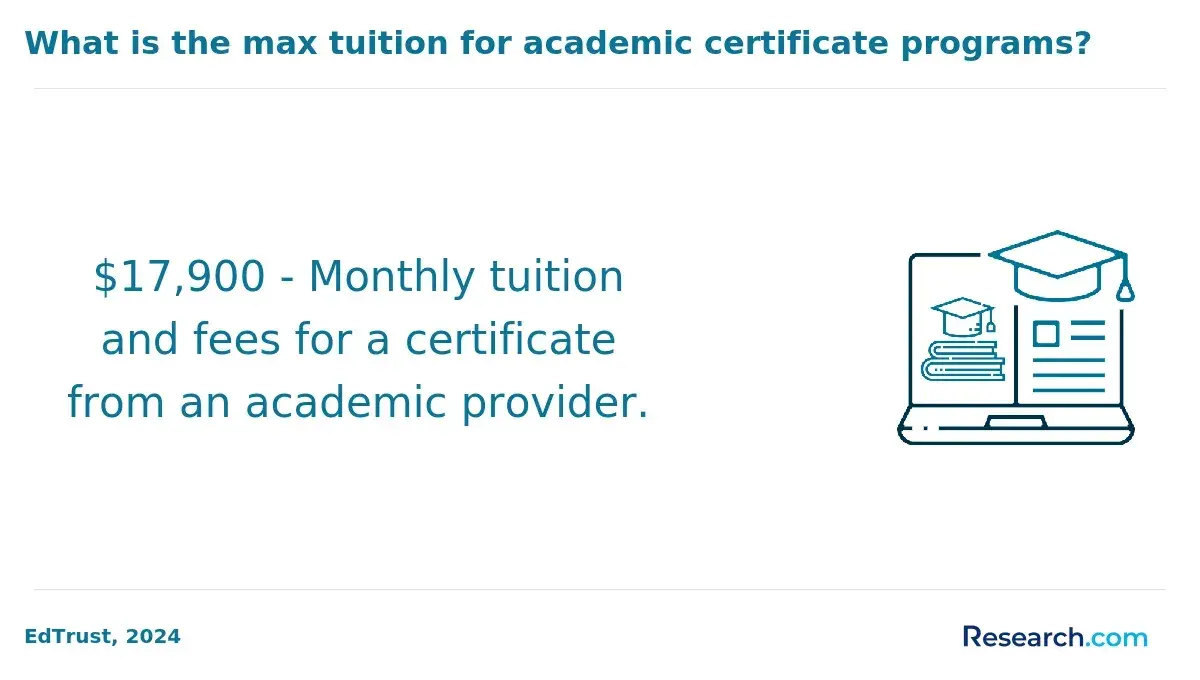
Tuition for accredited accelerated master's programs ranges from $15,000 to $45,000, offering qualifications equivalent to traditional degrees across the U.S.
Tuition and overall expenses for clinical psychology programs vary notably between accelerated and traditional tracks. While the per-credit tuition often remains comparable, accelerated programs usually cost less in total due to their shorter duration and reduced living costs.
Several key financial factors differentiate the two formats:
- Program Duration and Total Cost: Accelerated master's programs usually last 12-18 months, compared to 24-36 months for traditional ones, significantly reducing total tuition and related expenses. For doctoral degrees, accelerated paths can save two or more years compared to traditional timelines, lowering overall costs.
- Tuition Rate per Credit: The price per credit tends to be similar across both formats, but accelerated programs often demand a heavier credit load each term, which can affect term-based budgeting.
- Opportunity Cost: Graduates from accelerated programs enter the workforce up to 18 months earlier, potentially earning $45,000-$90,000 more during that time, offsetting educational expenses.
- Living Expenses: Shorter program length means students spend less on housing, food, and commuting, leading to thousands in savings especially in expensive regions.
- Financial Aid Availability: Federal aid and scholarships are accessible regardless of format, though accelerated students may need to borrow less overall due to decreased total tuition and living costs.
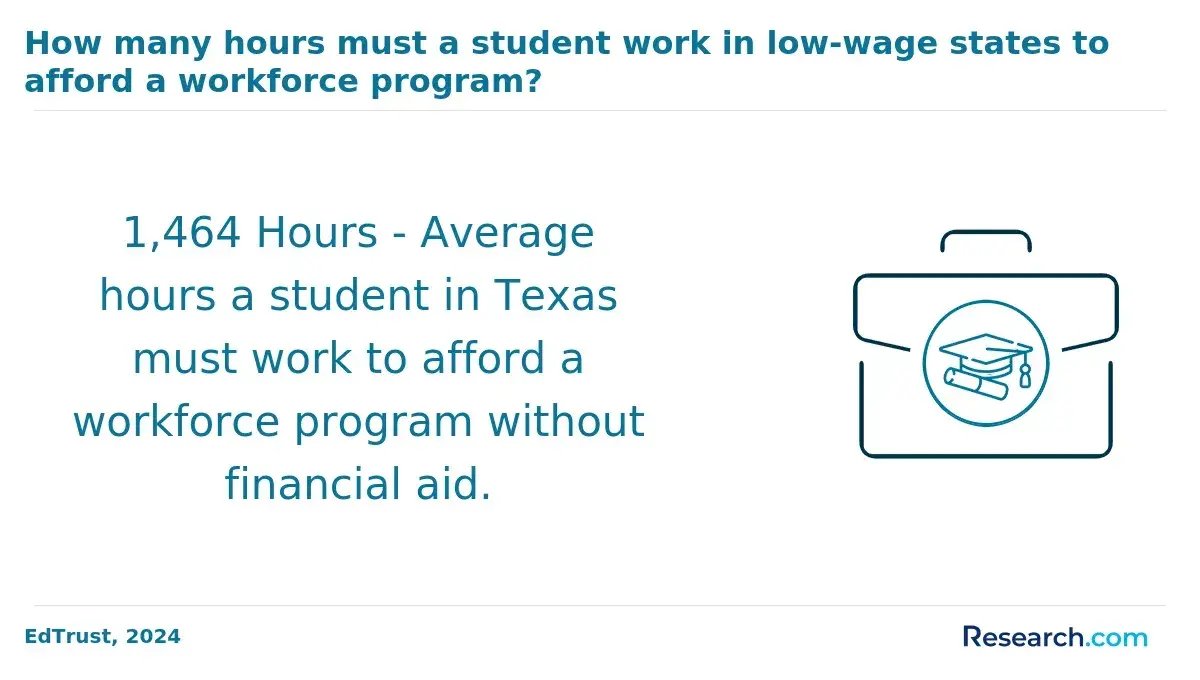
Students pursuing accelerated or traditional clinical psychology degrees may qualify for various financial aid options, but eligibility rules and funding timelines differ due to program length and enrollment status. These differences can impact how and when students receive support throughout their studies.
Key distinctions in financial aid between the two program formats include:
- Federal Aid Eligibility: Both program types are eligible for federal loans such as Direct Unsubsidized and Graduate PLUS Loans, provided enrollment is at least half-time and the program is accredited. Accelerated programs' shorter terms can affect when funds are disbursed.
- Scholarship Timelines: Scholarships and grants are offered to both groups, often based on merit or need. Some awards are limited to first-year students, while others renew or support research, with deadlines and criteria possibly varying by program pace.
- Employer Tuition Assistance: Available for working professionals in either format, but accelerated students might receive less total aid due to the condensed timeframe, though they return to work sooner.
- Disbursement and Renewal: Accelerated students should anticipate tighter aid release schedules and must carefully track renewal requirements compared to those in traditional semester-based programs.
When speaking with a professional who completed an accelerated clinical psychology degree, he noted the financial aid process felt intense but rewarding. He described coordinating loan disbursements tightly aligned with the accelerated semesters as challenging but manageable.
"It took some extra planning," he shared, "to ensure funds were available exactly when needed since there was less room for delay." He also appreciated that scholarships tailored to accelerated students helped ease the burden. This intensive but focused financial aid journey supported his goal to finish quickly and rejoin the workforce with less debt stress.
Student support is essential for success in clinical psychology programs, with notable differences in how accelerated and traditional formats provide these services. These programs often vary in the type, timing, and mode of delivery for student assistance.
Below is a comparison of common support systems found in both formats.
- Academic Advising: Accelerated programs typically offer quick, virtual advising sessions tailored to fast-paced schedules, focusing on email and online communication. Traditional programs usually provide more frequent, in-person advising that allows for deeper academic planning and relationship-building.
- Tutoring and Peer Support: Students in accelerated tracks rely more on online tutoring and flexible peer support designed to accommodate intensive coursework, though this may feel less personalized. Traditional students benefit from scheduled, face-to-face tutoring options and drop-in labs providing extended guidance.
- Career Services: Career counseling in accelerated programs often happens virtually or through concise workshops aimed at rapid workforce entry. In contrast, traditional programs emphasize ongoing mentorship, networking, and long-term professional development opportunities over several years.
- Peer Interaction: Accelerated formats encourage virtual or asynchronous peer collaboration due to tight timelines, while traditional programs support more frequent, in-person networking and group activities that build lasting connections.
Employment outcomes often influence the choice between accelerated and traditional clinical psychology programs. While both offer strong career prospects, several factors can affect how soon graduates secure relevant positions. Below is a comparison of job placement trends and key influences shaping these outcomes.
Accelerated and traditional clinical psychology graduates experience differences in hiring timelines due to several considerations.
- Employer Perception: Graduates from reputable, regionally accredited online programs, particularly those linked to APA-accredited doctorates, generally face minimal stigma in hiring. Employers focus on institutional reputation more than program format.
- Career Readiness: Accelerated programs may enable faster entry into the workforce, but some employers prioritize the comprehensive clinical training and hours provided by traditional programs for specialized roles.
- Industry Demand: With a projected 13% growth in psychologist jobs through 2033, both accelerated and traditional graduates find employment relatively quickly; however, those with advanced licensure or specialized expertise tend to secure positions sooner.
- Hiring Speed: Data indicates accelerated program graduates often find jobs within 3-6 months post-graduation, while traditional graduates may take 4-8 months, although results vary by location and specialty.
Reflecting on her own experience, a professional who completed a traditional clinical psychology degree shared insights about her job search. She recalled the challenge of navigating a competitive market but emphasized that her extensive clinical hours and strong mentorships from her program helped build confidence and credibility during interviews.
Despite facing some initial delays, she was hired within six months at a reputable clinic, reaffirming that rigorous training can pay off. "The process felt demanding, but having a solid foundation made me feel prepared and qualified," she said, highlighting how perseverance and quality education ultimately supported her timely employment.
Accreditation ensures academic quality and legitimacy for both accelerated and traditional clinical psychology programs, regardless of pacing or delivery format. It guarantees that programs meet rigorous standards set by recognized bodies, impacting students' eligibility for federal financial aid, credit transferability, and recognition by employers and licensing boards.
Both accelerated and traditional degrees accredited by the American Psychological Association (APA) uphold these quality measures equally, ensuring that graduates are prepared for professional practice. Securing APA accreditation for accelerated clinical psychology programs confirms that these condensed paths maintain the same high standards as longer programs. This accreditation is crucial for students who want their degrees to be valid for licensure and respected in the job market.
The accreditation requirements for traditional vs accelerated clinical psychology degrees generally apply the same robust criteria, including curriculum content, faculty qualifications, and clinical training outcomes. However, accelerated programs often design more intensive coursework within a shorter timeframe to meet these standards without compromising educational quality.
Regional or programmatic accrediting bodies, such as the APA Commission on Accreditation, evaluate both program types under uniform criteria. Prospective students should verify a program's accreditation directly before enrolling to ensure their degree will be widely recognized and eligible for support such as financial aid. For example, reviewing a list of fafsa-approved schools can help confirm eligibility for federal aid tied to accreditation status.
Choosing between an accelerated and a traditional clinical psychology degree depends largely on a student's career goals, schedule flexibility, and preferred learning pace. Both options offer distinct advantages depending on personal circumstances, making the decision highly individual.
To help you evaluate your options, here are the main factors to consider when deciding which path fits best:
- Time commitment: Accelerated degrees typically require heavier course loads, year-round classes, and compressed terms, appealing to students who can dedicate themselves full-time and handle a fast pace. Traditional programs spread coursework over 2-3 years, allowing for a steadier, more manageable schedule.
- Learning style: If you thrive in intensive, focused environments and can maintain high self-motivation, accelerated options provide an efficient path. Traditional clinical psychology programs may better suit those who prefer a slower pace, with more time for in-depth exploration and balancing other life responsibilities.
- Career goals: Accelerated programs often attract career changers and professionals aiming for rapid advancement. Both degree types, if properly accredited, prepare students for the same clinical psychology licensure pathways and can lead to a wide range of opportunities, similar in scope to other high paying jobs with trade school.
- Flexibility: Many accelerated degrees now offer online or hybrid formats, providing additional flexibility for students balancing work and study. Traditional programs may offer more scheduled in-person options but typically less flexibility in pacing.
When figuring out how to decide between accelerated and traditional clinical psychology programs, it's essential to reflect on your personal lifestyle, motivation, and professional priorities. Understanding these factors is crucial as part of the broader factors to consider when choosing a clinical psychology degree format.
What Students of Accelerated vs. Traditional Clinical Psychology Programs Say About Their Degree
- Julio: "Enrolling in a traditional clinical psychology program has been a transformative experience. The paced curriculum gave me ample time to digest complex theories and apply them during internships, though it did require a longer commitment and higher overall cost. The in-depth learning and strong faculty support have genuinely prepared me for my future career in therapy. "
- Khai: "The clinical psychology degree I am pursuing offers a solid foundation, but the slower pace sometimes feels drawn out, especially given the tuition fees, which can add up. However, the comprehensive training and networking opportunities have been invaluable, helping me build confidence in clinical settings and clarify my career goals. "
- Jayden: "Choosing the accelerated clinical psychology program was a challenge due to its intense pace, but it fit perfectly with my goal to enter the workforce quickly. The condensed schedule meant less tuition overall, though it demanded significant time management and focus. This fast track deeply enhanced my practical skills and made the transition to clinical work seamless. "
Other Things You Should Know About Traditional vs. Accelerated Clinical Psychology Degrees
In 2027, accelerated clinical psychology programs often condense internship experiences into shorter timeframes, offering intense, cohort-based rotations. Traditional programs might offer more prolonged internships, allowing for a deeper exploration of varied clinical settings. Both aim to fulfill certification requirements but differ in intensity and depth of practical exposure.
Most clinical psychology degrees require at least 300 practicum hours, with many doctoral programs expecting 500 to 1,000 supervised hours before internship. Accelerated formats usually compress the same fieldwork into fewer semesters, so students must complete placements on a tighter schedule and with fewer breaks.
- Attrition and success rates of accelerated students in nursing courses: a systematic review https://pmc.ncbi.nlm.nih.gov/articles/PMC4825075/
- Traditional vs. Accelerated Nursing Programs: Which Path is Right for You? https://www.alliant.edu/blog/traditional-vs-accelerated-nursing-programs-which-path-right-you
- 10 Career Paths You Can Follow With a Psychology Degree https://www.dbu.edu/blog/10-career-paths-with-psychology-degree.html
- Graduate Scholarships and Resources for Psychology Students https://www.onlinemastersdegrees.org/student-resources/psychology/
- Going Back To School For Psychology | Psychology.org https://www.psychology.org/resources/returning-to-school/
- Reliability estimation from two types of accelerated testing considering individual difference and measurement error - ScienceDirect https://www.sciencedirect.com/science/article/abs/pii/S0266892024000067
- Choosing the Right Graduate Degree in Psychology for You https://www.allpsychologyschools.com/psychology-grad-school-admissions/degree-options/
- The Best Psychology Jobs: Career Paths and Opportunities in 2025 - AAFT Online Blog https://aaftonline.com/blog/psychology-jobs/
- Study pathways https://psychology.org.au/psychology/careers-and-studying-psychology/studying-psychology/study-pathways
- 5 Alternative Careers For Psychology Majors that Aren’t Counseling https://bouve.northeastern.edu/news/5-alternative-careers-for-psychology-majors-that-arent-counseling/