
50 Safest College Towns in America for 2027

Co-Founder and Chief Data Scientist
Today, safety is a top concern in our school system at all levels. This is not just limited to the physical safety and security of everyone. It extends mental and emotional safety as well. Generally speaking, school safety is the protection of students from negative behaviors such as harassment, bullying, and violence (AIR, n.d.). However, as schools are embedded in the context of the cities or towns they are in, students and parents also need to consider the level of safety in these surrounding communities.
The United States, which has the second-highest number of colleges and universities worldwide after India (Aneki, n.d.), is home to numerous university or college towns. It is also one of the perennial favorite destinations of international students. And this is why knowing which are the 50 safest college towns in America—presented here in this article—is always a worthwhile read for students and families alike.
Top 50 Safest College Towns in America for 2027: Table of Contents
- Safety Inside & Outside the Campus
- Key Indicators of a Safe College Town
- 50 Safest College Towns in America for 2027
- Exploring Affordable Education Options in Safe College Towns
- How Do Local Safety Policies Impact College Town Living?
- Can Safe College Towns Boost Your Career Prospects?
- A Safe Community is Always the Better Choice
- How Does Online Education Enhance the Appeal of Safe College Towns?
- What Sets Apart Affordable Online Advanced Degrees in Safe College Towns?
- How Can Accelerated Associate Degrees Support Swift Career Advancement?
- How Do Local Professional Networks and Student Services Elevate Career Development in Safe College Towns?
Safety Inside & Outside the Campus
Inside US college and university campuses, crime rates have shown variable trends. In recent data, the overall in-campus crimes reported per 10,000 full-time-equivalent (FTE) students was 14.5, reflecting a continued decline over the past decade. However, there was no consistent trend during this period, with fluctuations noted annually. For instance, the crime rate decreased by approximately 15% during the first year of the COVID-19 pandemic's lingering effects but then increased slightly by 3% through and 2025.
Aside from providing the obvious need for protection against harm, school safety is related to better campus and student performance. In fact, both physical safety and the feeling of being safe are linked to academic performance (AIR, n.d.). Conversely, the same report says that victims of school violence or students who are among the perpetrators of crime themselves are at risk of having poor school performance and attendance.
The same declining trend is observed outside these academic institutions as well. Public data for 2025 shows the national violent crime rate declined by 2.4% from the previous year. In terms of property crimes, data indicates a consistent decrease in rates, underscoring an overall trend of diminishing crime rates in college environments.
Key Indicators of a Safe College Town
When evaluating the safety of a college town, several key indicators should be considered. These factors help paint a comprehensive picture of how secure the environment is for students, faculty, and residents. Here are some of the most important signs of a safe college town:
- Low Crime Rates: The crime rate is one of the most obvious safety indicators. College towns with low rates of violent and property crimes provide a safer environment for students and their families. Checking local crime reports and statistics can reveal whether a town is safe or poses potential risks.
- Community Outreach Programs: Successful college towns often have active community programs that promote safety and strengthen relationships between residents, law enforcement, and educational institutions. Initiatives like neighborhood watch groups, community policing, and safety workshops help create a collaborative approach to safety.
- Presence of Campus Security and Emergency Services: Colleges and universities contribute to town safety through dedicated security services and emergency response plans. Regular patrols, on-campus safety escorts, and clearly marked emergency contact points enhance the safety of students and staff.
- Strong Local Law Enforcement: The effectiveness of local law enforcement, including their cooperation with college safety teams, is a critical indicator. A responsive police department committed to proactive measures can deter crime and provide quick assistance when needed.
- Student Safety Programs and Training: College towns prioritizing student safety often host programs that teach self-defense, safety awareness, and how to respond to emergencies. These programs empower students with the knowledge to protect themselves and stay aware of their surroundings.
- Well-Lit and Maintained Public Spaces: Safe college towns ensure public areas, such as streets, parks, and transportation hubs, are well-lit and maintained. This deters potential criminal activity and contributes to the overall feeling of security for those navigating the town at night.
- Community Engagement and Support: A town that fosters a sense of community, where residents look out for one another and engage in social activities, is often safer. Close-knit communities with strong social bonds can act as informal safety networks that discourage harmful behavior and promote a positive environment.
- Access to Resources for Mental and Emotional Well-being: A safe college town also supports its residents' mental and emotional health. The availability of counseling centers, mental health resources, and support groups contributes to a safer and more supportive community.
- Affordable Education Opportunities: A key aspect of college town safety and quality of life is the affordability of higher education. For those considering higher education in a safe college environment, exploring the cheapest master's degree online programs can provide a cost-effective and flexible learning option. These programs offer students an opportunity to advance their education while maintaining a balance with other responsibilities.
50 Safest College Towns in America for 2027
The following is the list of the best college towns in the country regarding safety. To determine the crime rates for the safest college and university towns, we utilized the most recent data from the FBI's Uniform Crime Reporting (UCR) Program and the latest population estimates from the U.S. Census Bureau. This approach ensures accuracy and relevance in our analysis.
Specifically, we calculated the violent crime rate, property crime rate, and total crime rate per 1,000 residents. These rates were computed by dividing the number of reported violent, property, and total crimes by the town's population and then multiplying by 1,000. This method provides a normalized metric, allowing for a standardized comparison of crime rates across different populations and jurisdictions. The figures derived offer a clear and precise gauge of crime prevalence per 1,000 inhabitants, reflecting the community's security level.
1. Madison, New Jersey
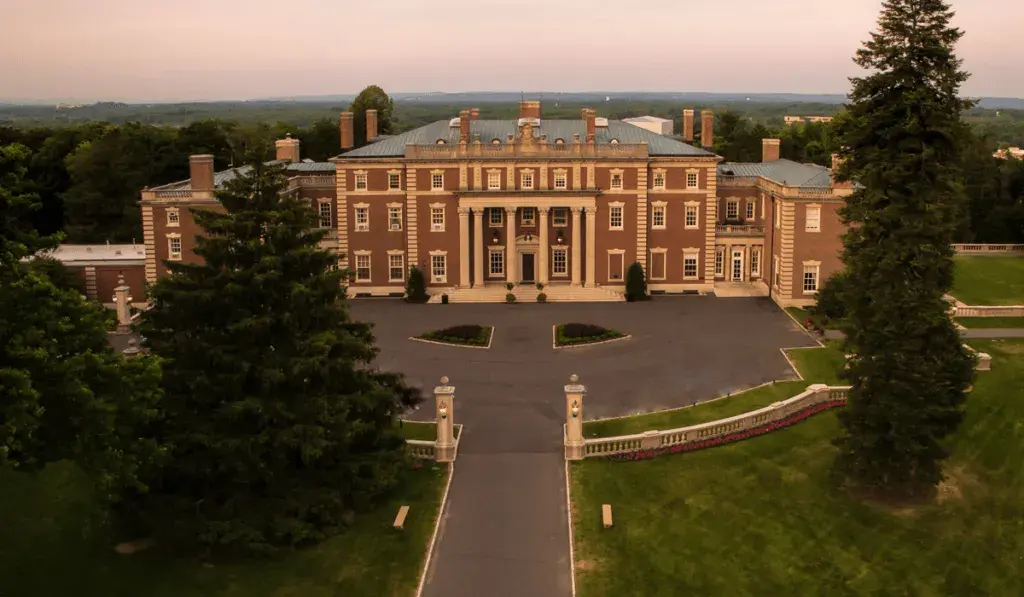
Madison is a charming, tree-lined borough in Morris County, New Jersey, home to Fairleigh Dickinson University, a multi-campus institution known for its global academic programs. With a violent crime rate of just 0.12 per 1,000 residents, the lowest of the three reported metrics, and an overall crime rate of 0.18 per 1,000, Madison is one of the safest college communities in the state. Known historically as the "Rose City," Madison was once one of the most productive cut-flower growing regions on the East Coast, supplying florists throughout the country.
- Population: 16,643
- College/University: Fairleigh Dickinson University
- Overall Crime Rate: 0.18 per 1,000 residents
- Violent Crime Rate: 0.12 per 1,000 residents
- Property Crime Rate: 0.06 per 1,000 residents
2. Smithfield, Rhode Island
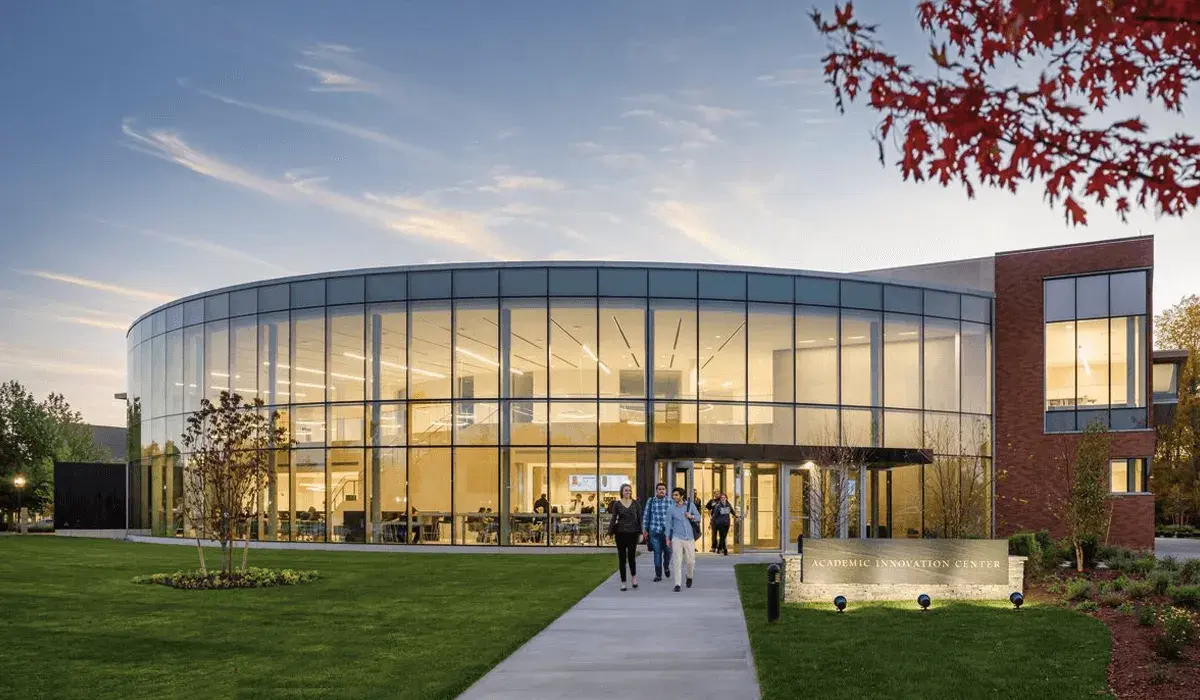
Smithfield is a quiet suburban town in Providence County, Rhode Island, home to Bryant University, a private institution nationally recognized for its business analytics, finance, and data science programs. With a property crime rate of 0.04 per 1,000 residents, the lowest of the three reported metrics, and an overall crime rate of 0.40 per 1,000, Smithfield is one of the safest college communities in New England. Situated just north of Providence, the town offers students easy access to the city's cultural and professional resources while maintaining a distinctly residential pace of life.
- Population: 22,414
- College/University: Bryant University
- Overall Crime Rate: 0.40 per 1,000 residents
- Violent Crime Rate: 0.36 per 1,000 residents
- Property Crime Rate: 0.04 per 1,000 residents
3. Wheaton, Illinois
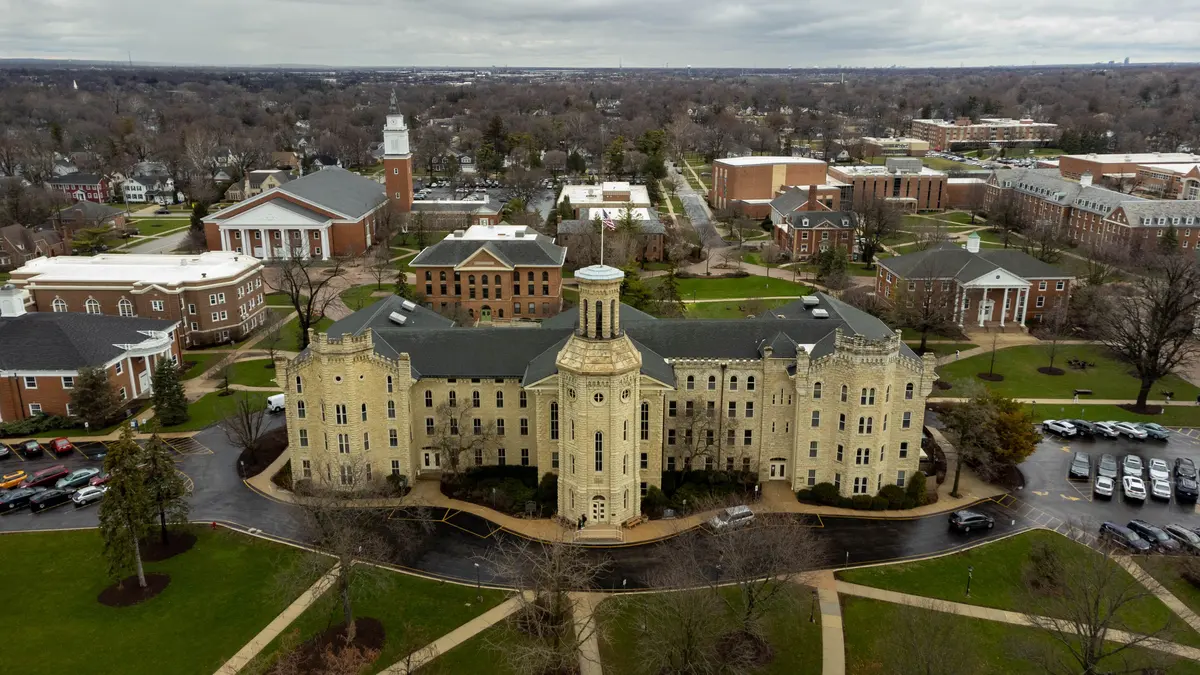
Wheaton is a well-established suburb located 25 miles west of Chicago, home to Wheaton College, a respected liberal arts institution with a distinctive Christian academic identity. With a property crime rate of just 0.06 per 1,000 residents, the lowest of the three reported metrics, and an overall crime rate of 0.55 per 1,000, Wheaton is one of the safer communities in the greater Chicago metropolitan area. The city serves as the seat of DuPage County and is informally known as the "evangelical Vatican" for hosting more than 30 religious organizations within its borders.
- Population: 52,649
- College/University: Wheaton College
- Overall Crime Rate: 0.55 per 1,000 residents
- Violent Crime Rate: 0.49 per 1,000 residents
- Property Crime Rate: 0.06 per 1,000 residents
4. Milton, Massachusetts
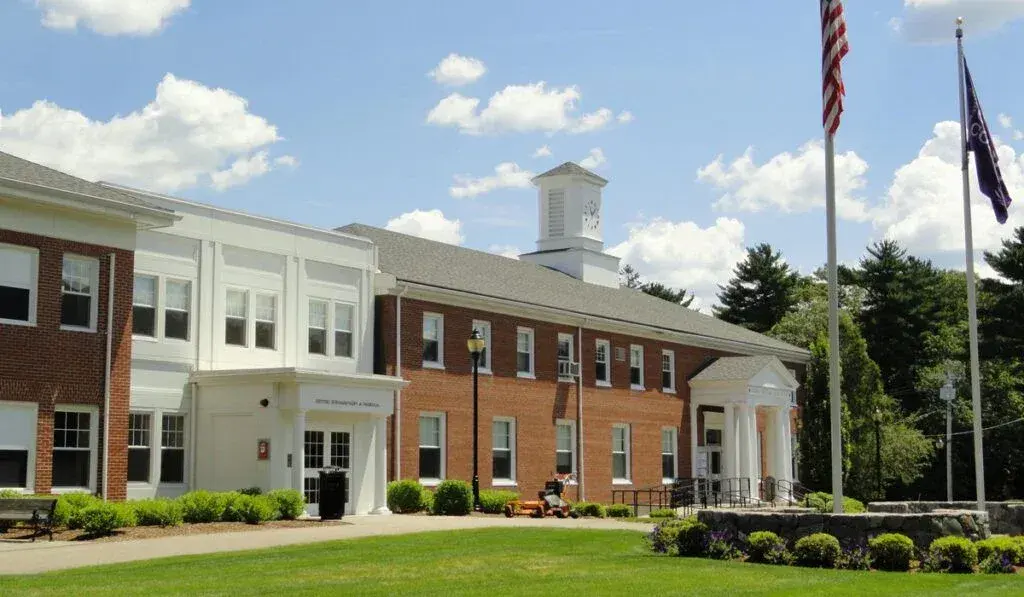
Milton is a small, predominantly residential town just south of Boston in Norfolk County, Massachusetts, home to Curry College, a private liberal arts institution known for its innovative academic support programs. With a property crime rate of just 0.03 per 1,000 residents, the lowest of the three reported metrics, and an overall crime rate of 0.55 per 1,000, Milton is one of the safest communities in the greater Boston area. The town is also the birthplace of President George H.W. Bush, who was born there in 1924.
- Population: 28,832
- College/University: Curry College
- Overall Crime Rate: 0.55 per 1,000 residents
- Violent Crime Rate: 0.52 per 1,000 residents
- Property Crime Rate: 0.03 per 1,000 residents
5. Canyon, Texas

Canyon is a small, close-knit city in the Texas Panhandle, home to West Texas A&M University, a regional public institution known for its programs in agriculture, business, and the fine arts. With a property crime rate of just 0.06 per 1,000 residents, the lowest of the three reported metrics, and an overall crime rate of 0.60 per 1,000, Canyon is a notably safe college community in the heart of the Southern Plains. The city also serves as the gateway to Palo Duro Canyon State Park, often called the "Grand Canyon of Texas", a 120-mile-long gorge of vivid red rock formations located just minutes from campus.
- Population: 16,609
- College/University: West Texas A&M University
- Overall Crime Rate: 0.60 per 1,000 residents
- Violent Crime Rate: 0.54 per 1,000 residents
- Property Crime Rate: 0.06 per 1,000 residents
6. Lisle, Illinois
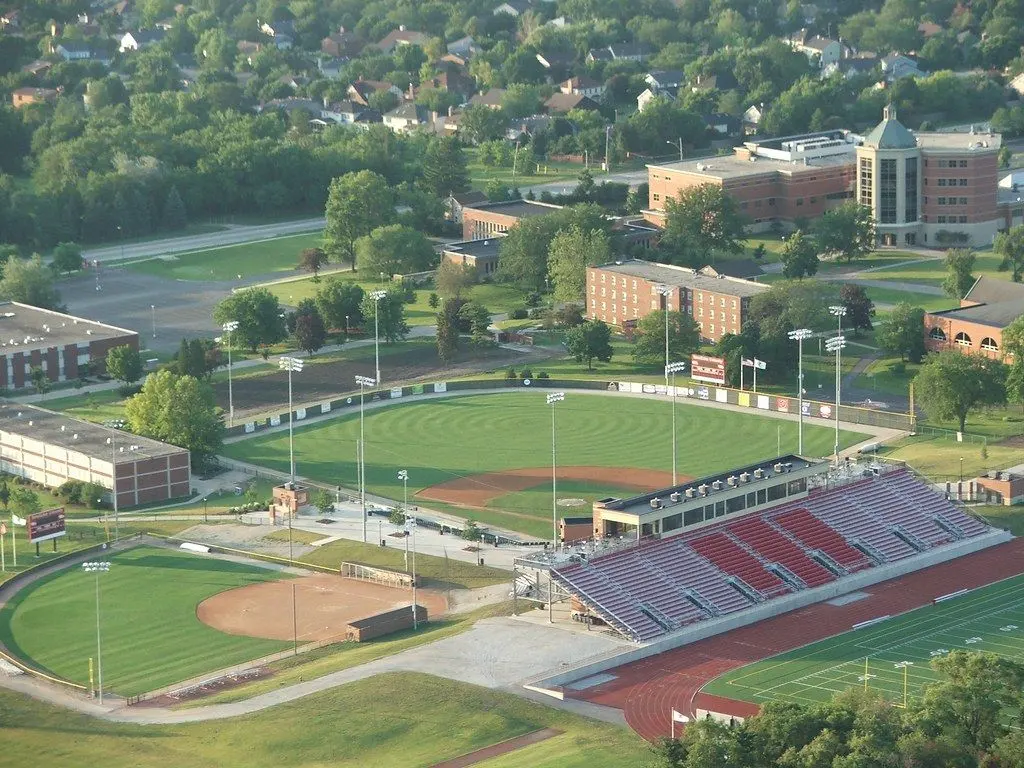
Lisle is a quiet, well-ordered suburb in DuPage County, Illinois, home to Benedictine University, a Catholic liberal arts institution with a strong tradition in science and healthcare education. With a property crime rate of 0.17 per 1,000 residents, the lowest of the three reported metrics, and an overall crime rate of 0.61 per 1,000, Lisle is a consistently safe community for students and families in the greater Chicago area. The town is also home to the Morton Arboretum, a 1,700-acre outdoor museum of trees and plants that attracts over half a million visitors each year.
- Population: 23,074
- College/University: Benedictine University
- Overall Crime Rate: 0.61 per 1,000 residents
- Violent Crime Rate: 0.43 per 1,000 residents
- Property Crime Rate: 0.17 per 1,000 residents
7. North Canton, Ohio
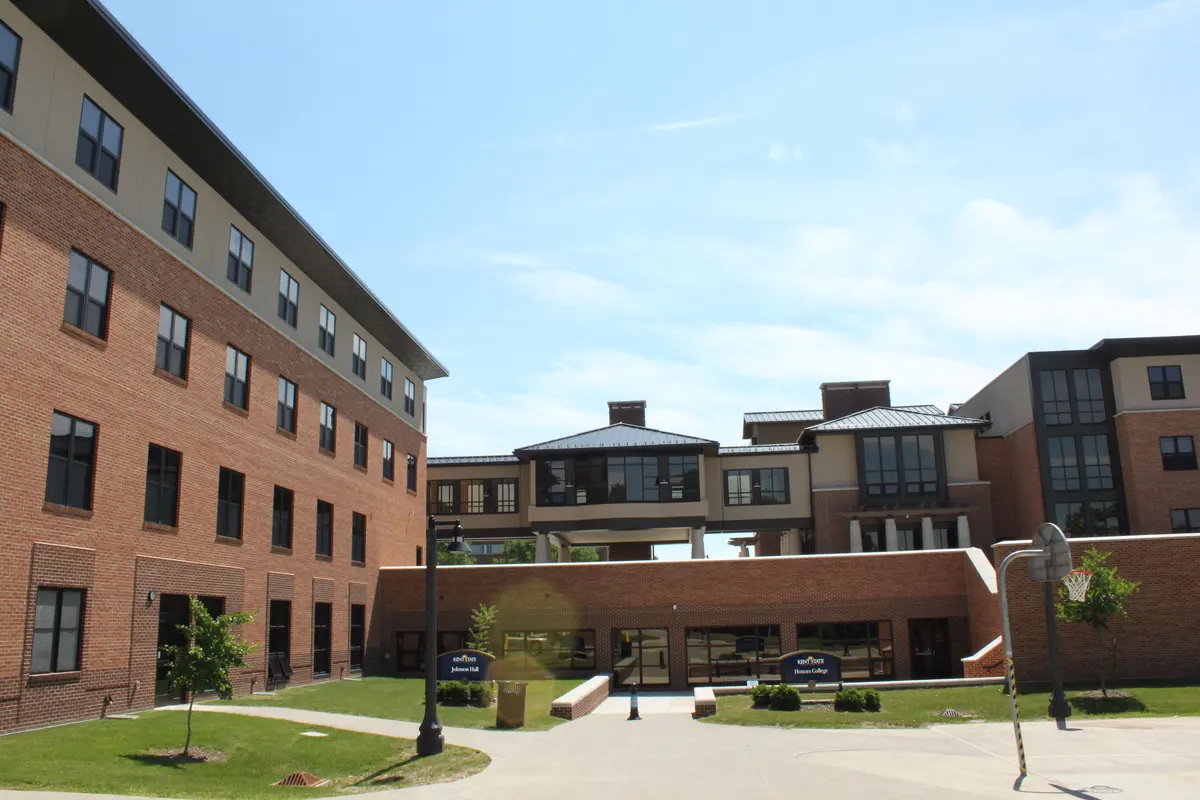
North Canton is a suburban city in Stark County, Ohio, home to Kent State University at Stark, a branch campus of the Kent State system serving students across the greater Canton region. With a property crime rate of 0.06 per 1,000 residents, the lowest of the three reported metrics, and an overall crime rate of 0.63 per 1,000, North Canton is one of Ohio's consistently safer communities for students and families. The city sits within the broader Canton metropolitan area, home to the Pro Football Hall of Fame, lending it a unique connection to American sports history just minutes from campus.
- Population: 17,577
- College/University: Kent State University at Stark
- Overall Crime Rate: 0.63 per 1,000 residents
- Violent Crime Rate: 0.57 per 1,000 residents
- Property Crime Rate: 0.06 per 1,000 residents
8. Princeton, New Jersey
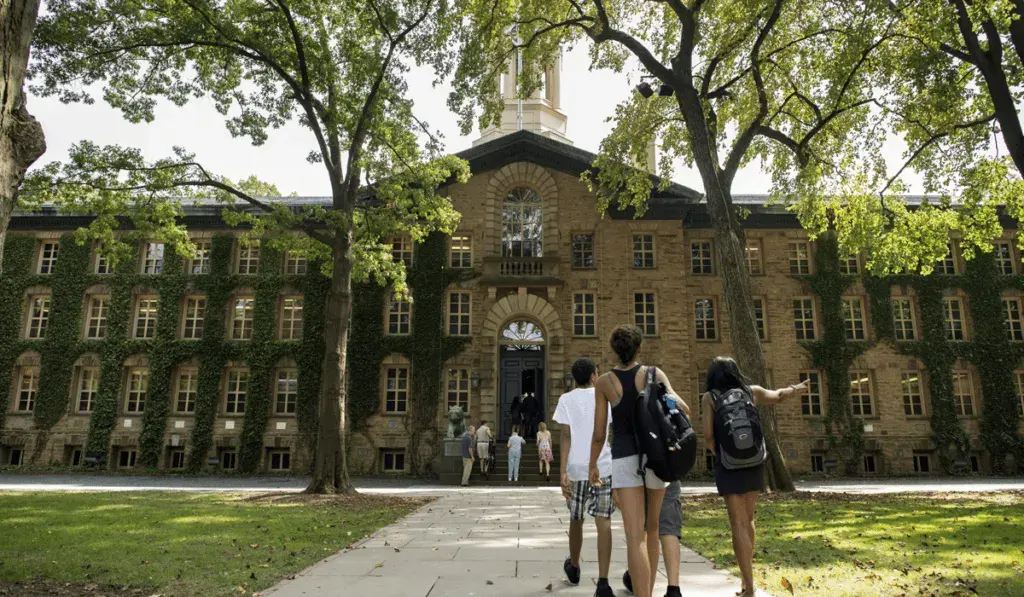
Princeton is a historic borough in Mercer County, New Jersey, home to Princeton University, consistently ranked among the finest research universities in the world and one of the oldest in the United States. With a property crime rate of 0.16 per 1,000 residents, the lowest of the three reported metrics, and an overall crime rate of 0.65 per 1,000, Princeton is a remarkably safe community for a town of such global prominence. The borough's stunning Gothic Revival architecture, renowned art museum, and tree-lined streets have made it a perennial presence on lists of America's most beautiful small towns.
- Population: 30,838
- College/University: Princeton University
- Overall Crime Rate: 0.65 per 1,000 residents
- Violent Crime Rate: 0.49 per 1,000 residents
- Property Crime Rate: 0.16 per 1,000 residents
9. Bowling Green, Ohio
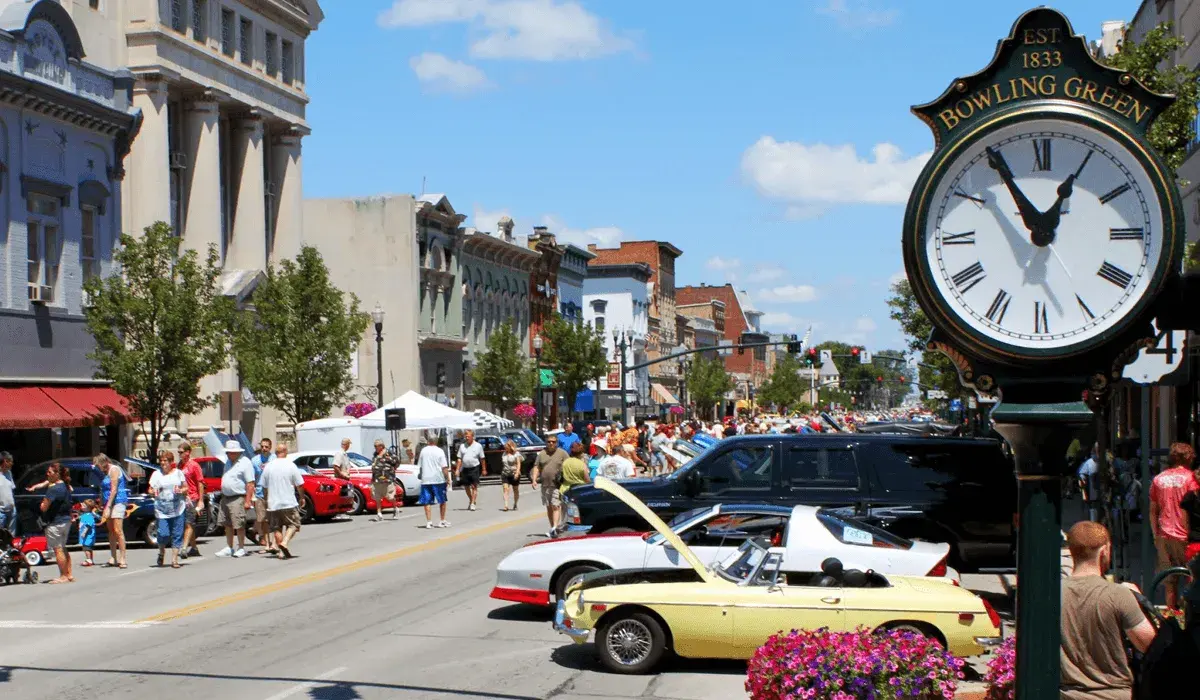
Bowling Green is a mid-sized college city in Wood County, Ohio, home to Bowling Green State University, a public institution with a strong national reputation in education, business, and the performing arts. With a property crime rate of 0.07 per 1,000 residents, the lowest of the three reported metrics, and an overall crime rate of 0.76 per 1,000, Bowling Green is a consistently safe community for students and long-term residents in northwestern Ohio. The city's lively downtown, known for its mix of independent restaurants, coffee shops, and live music venues, serves both the university community and the broader surrounding region.
- Population: 30,287
- College/University: Bowling Green State University
- Overall Crime Rate: 0.76 per 1,000 residents
- Violent Crime Rate: 0.69 per 1,000 residents
- Property Crime Rate: 0.07 per 1,000 residents
10. Blacksburg, Virginia
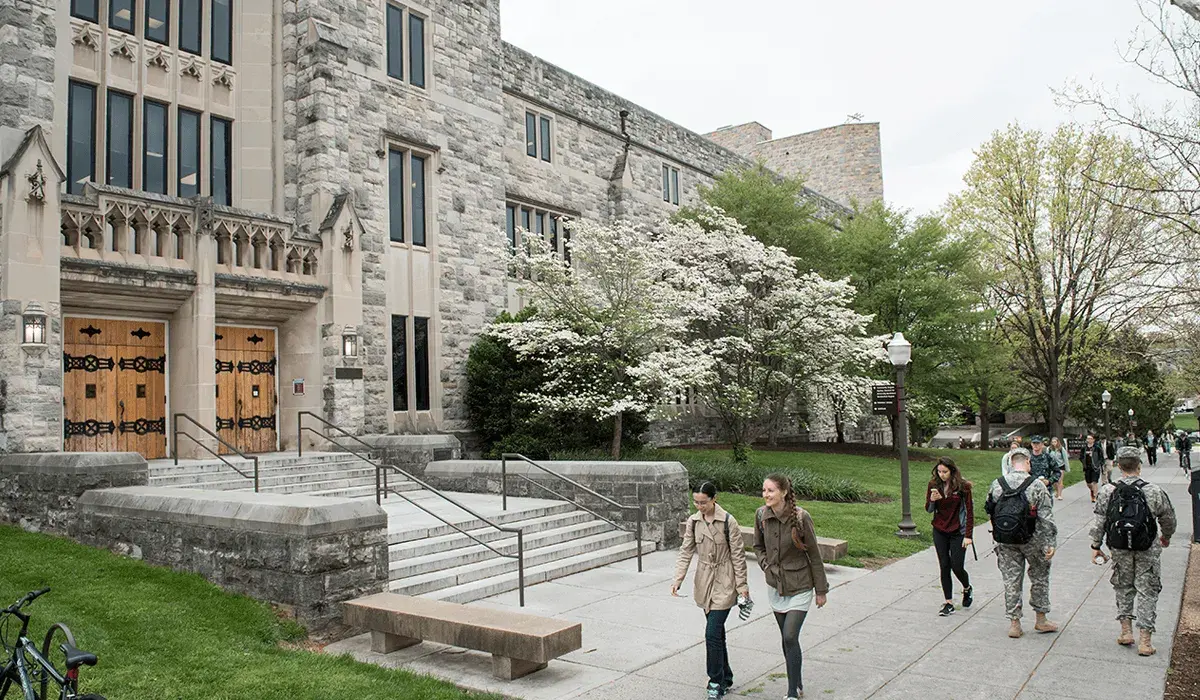
Blacksburg is a college town nestled in the Blue Ridge Mountains of southwestern Virginia, home to Virginia Tech, one of the nation's leading public research universities and a powerhouse in engineering, agriculture, and technology. With a property crime rate of just 0.02 per 1,000 residents, the lowest of the three reported metrics, and an overall crime rate of 0.79 per 1,000, Blacksburg is a remarkably safe community for a university town of its size. The town is widely known for its strong Hokie identity and its thriving outdoor recreation culture in the surrounding Appalachian landscape.
- Population: 45,734
- College/University: Virginia Tech
- Overall Crime Rate: 0.79 per 1,000 residents
- Violent Crime Rate: 0.77 per 1,000 residents
- Property Crime Rate: 0.02 per 1,000 residents
11. Boone, North Carolina
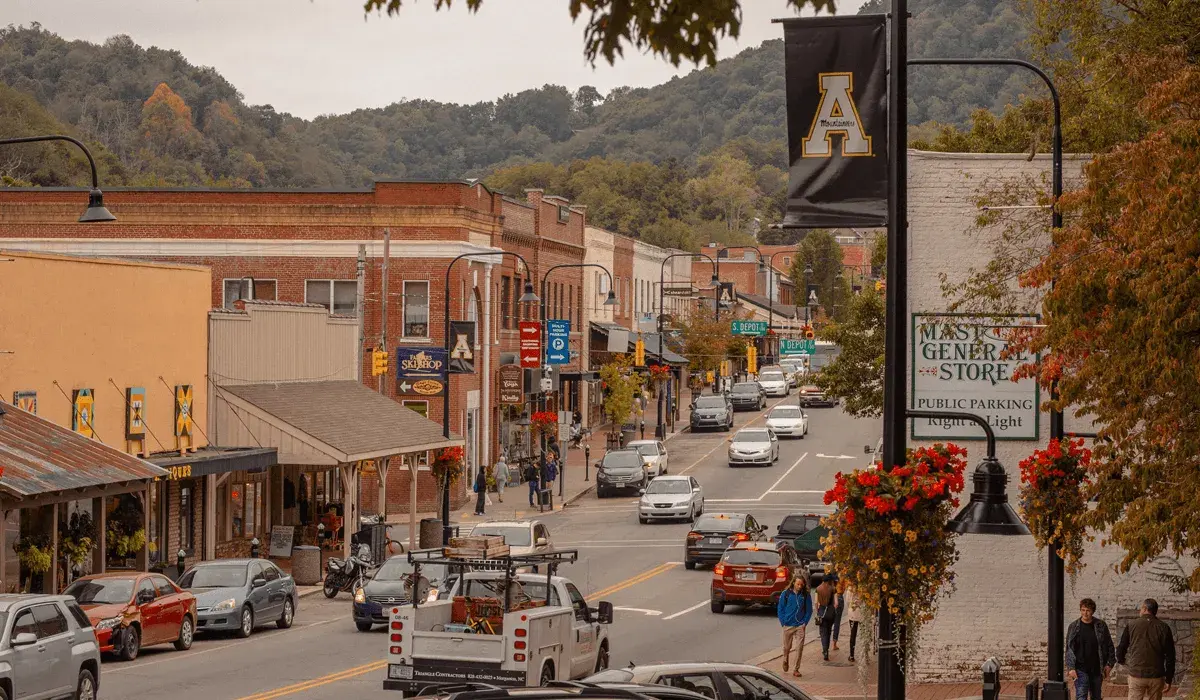
Boone is a scenic mountain city in Watauga County, North Carolina, perched above 3,300 feet in the Blue Ridge Mountains and home to Appalachian State University, a public institution with a growing national reputation in sustainability, business, and the arts. With a property crime rate of 0.05 per 1,000 residents, the lowest of the three reported metrics, and an overall crime rate of 0.95 per 1,000, Boone is one of the safest college towns in the Southeast. Its high elevation gives it the coolest average summer temperatures of any city in the eastern United States, making it a popular warm-weather destination for the entire region.
- Population: 20,024
- College/University: Appalachian State University
- Overall Crime Rate: 0.95 per 1,000 residents
- Violent Crime Rate: 0.90 per 1,000 residents
- Property Crime Rate: 0.05 per 1,000 residents
12. West Lafayette, Indiana
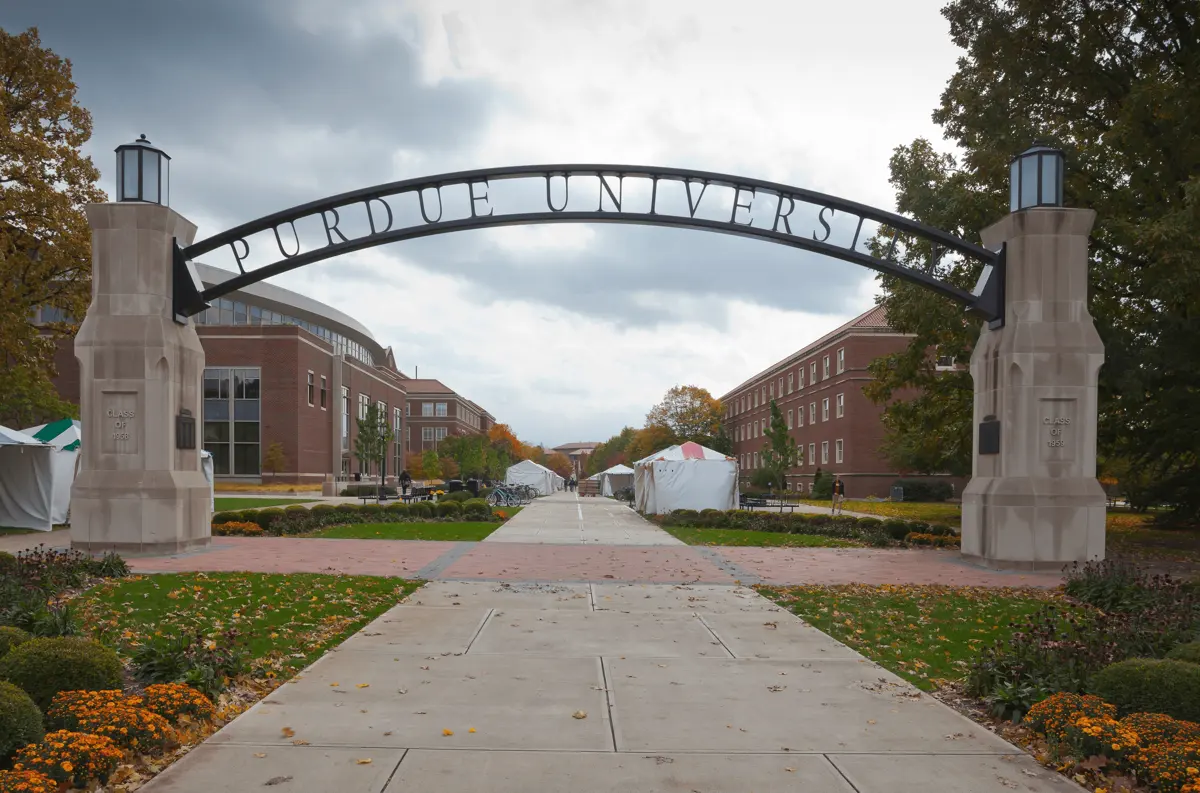
West Lafayette is a college city in west-central Indiana, home to Purdue University, one of the nation's premier public research universities and a global leader in engineering, agriculture, and aerospace science. With a property crime rate of just 0.04 per 1,000 residents, the lowest of the three reported metrics, and an overall crime rate of 0.98 per 1,000, West Lafayette is a notably safe community given the size and density of its student population. Purdue has produced more astronauts than any other university in the United States, a legacy that includes Neil Armstrong, the first person to walk on the moon.
- Population: 44,906
- College/University: Purdue University
- Overall Crime Rate: 0.98 per 1,000 residents
- Violent Crime Rate: 0.94 per 1,000 residents
- Property Crime Rate: 0.04 per 1,000 residents
13. Naperville, Illinois
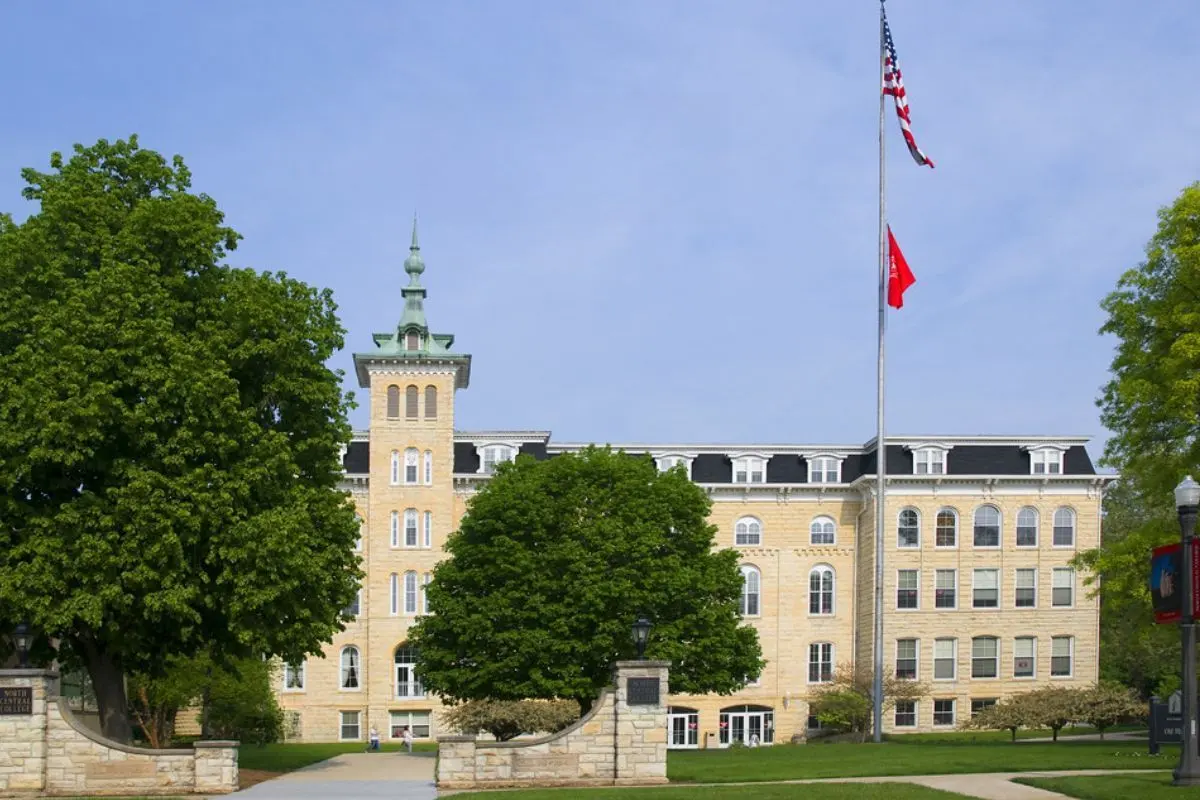
Naperville is one of Chicago's largest and most celebrated suburbs, home to North Central College, a private liberal arts institution with a strong reputation for civic engagement and undergraduate research. With a property crime rate of 0.15 per 1,000 residents, the lowest of the three reported metrics, and an overall crime rate of 0.99 per 1,000, Naperville is consistently ranked among the safest large cities in the United States. The city's award-winning Riverwalk, nationally recognized school system, and vibrant downtown have made it one of the most desirable places to live in the Midwest for over two decades.
- Population: 150,521
- College/University: North Central College
- Overall Crime Rate: 0.99 per 1,000 residents
- Violent Crime Rate: 0.84 per 1,000 residents
- Property Crime Rate: 0.15 per 1,000 residents
14. Thousand Oaks, California

Thousand Oaks is a large, affluent suburban city in Ventura County, California, home to California Lutheran University, a private institution with strong programs in business, education, and the arts. With a property crime rate of 0.19 per 1,000 residents, the lowest of the three reported metrics, and an overall crime rate of 1.21 per 1,000, Thousand Oaks consistently ranks among the safest large cities in California. Named for the valley oaks that once defined its landscape, the city is also home to the Conejo Valley Botanic Garden, which preserves native flora representative of the ecosystem that gave the city its name.
- Population: 122,363
- College/University: California Lutheran University
- Overall Crime Rate: 1.21 per 1,000 residents
- Violent Crime Rate: 1.02 per 1,000 residents
- Property Crime Rate: 0.19 per 1,000 residents
15. Waukesha, Wisconsin
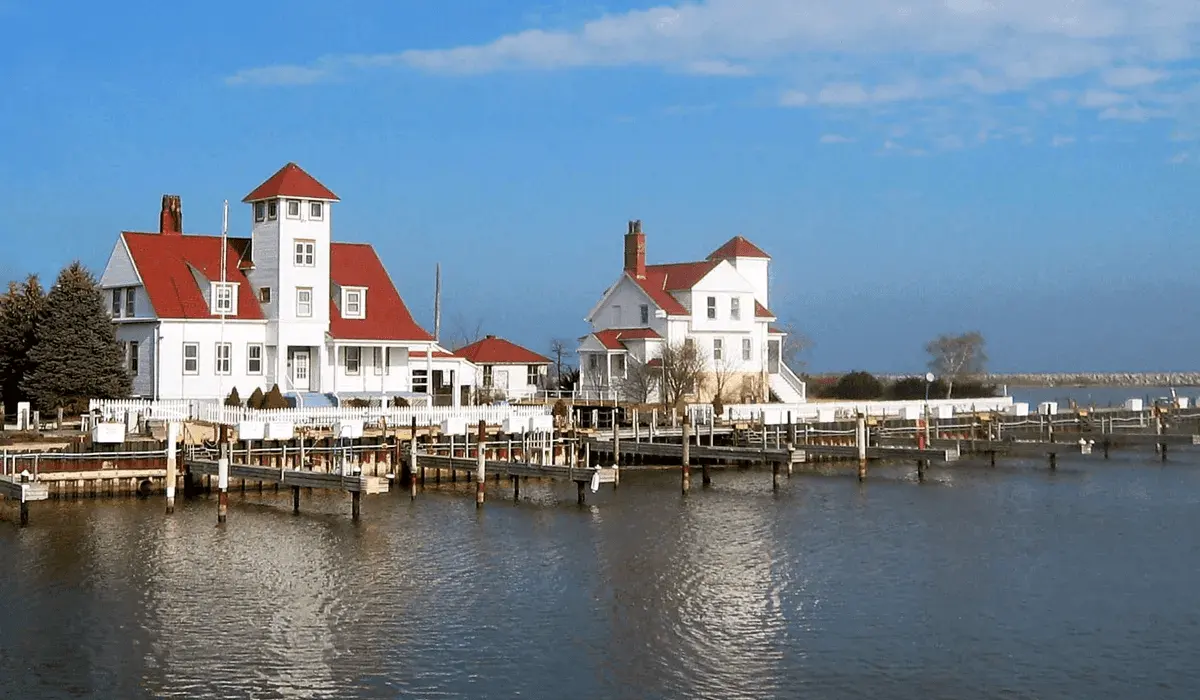
Waukesha is the seat of Waukesha County, one of Wisconsin's fastest-growing counties, and home to both Carroll University and the University of Wisconsin-Waukesha. With a property crime rate of 0.07 per 1,000 residents, the lowest of the three reported metrics, and an overall crime rate of 1.21 per 1,000, Waukesha offers a comparatively safe environment for students in the greater Milwaukee area. The city sits along the Fox River and has a revitalized historic downtown that blends 19th-century architecture with a growing dining and arts scene, earning recognition as one of Wisconsin's most livable mid-sized cities.
- Population: 70,202
- College/University: Carroll University; University of Wisconsin-Waukesha
- Overall Crime Rate: 1.21 per 1,000 residents
- Violent Crime Rate: 1.14 per 1,000 residents
- Property Crime Rate: 0.07 per 1,000 residents
16. Midland, Michigan
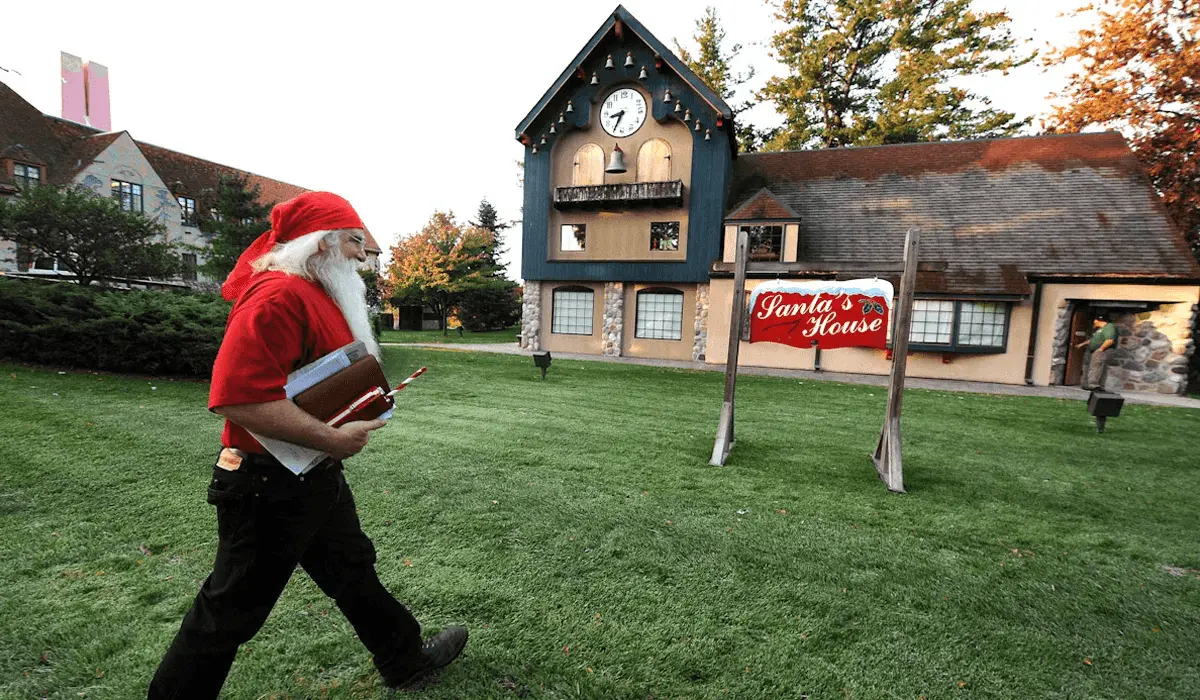
Midland is a well-planned city in the heart of Michigan's Lower Peninsula, home to Northwood University, a private institution focused on business and entrepreneurship education with a strong corporate network. With a property crime rate of just 0.02 per 1,000 residents, the lowest of the three reported metrics, and an overall crime rate of 1.24 per 1,000, Midland is one of Michigan's safest mid-sized cities. The city also serves as the global headquarters of Dow Chemical Company, a legacy that has shaped Midland's economy, philanthropy, and civic infrastructure for over a century.
- Population: 42,712
- College/University: Northwood University
- Overall Crime Rate: 1.24 per 1,000 residents
- Violent Crime Rate: 1.22 per 1,000 residents
- Property Crime Rate: 0.02 per 1,000 residents
17. Pullman, Washington
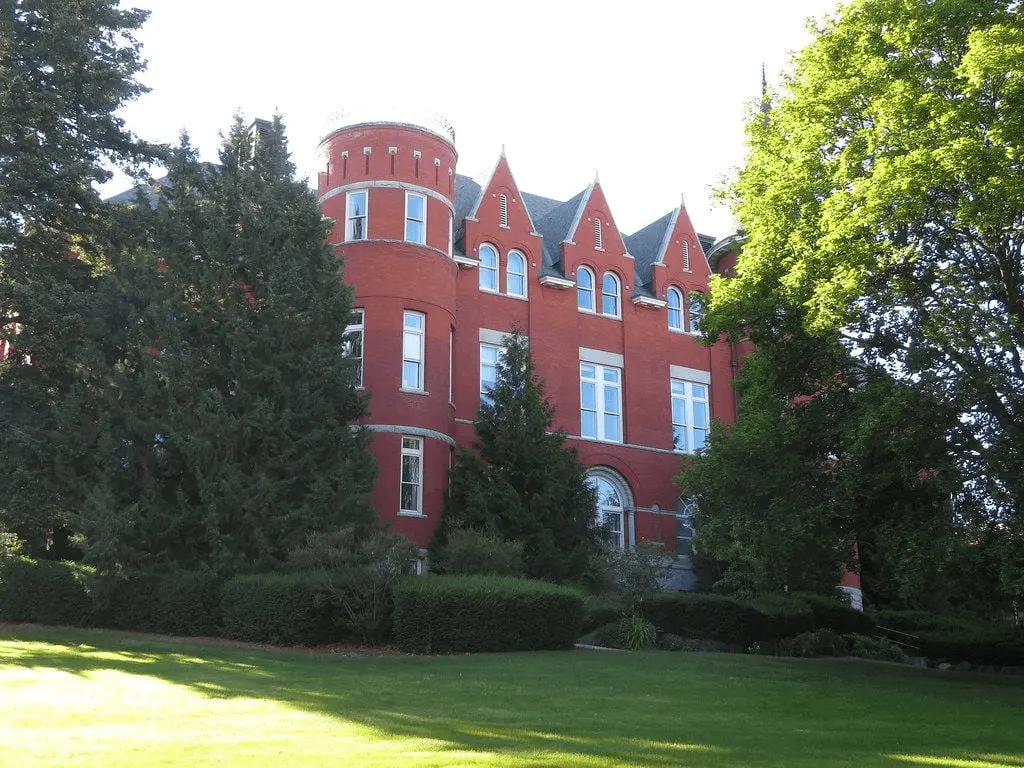
Pullman is a college town nestled in the rolling wheat fields of the Palouse region in southeastern Washington, home to Washington State University, a flagship public research university renowned for its programs in veterinary medicine, agriculture, engineering, and business. With a property crime rate of 0.06 per 1,000 residents, the lowest of the three reported metrics, and an overall crime rate of 1.36 per 1,000, Pullman is a safe and tight-knit community for a city built almost entirely around its university. The Palouse's distinctive hills, sculpted by windblown loess soil over thousands of years, create some of the most visually striking farmland in the Pacific Northwest.
- Population: 33,105
- College/University: Washington State University
- Overall Crime Rate: 1.36 per 1,000 residents
- Violent Crime Rate: 1.30 per 1,000 residents
- Property Crime Rate: 0.06 per 1,000 residents
18. Maryville, Tennessee
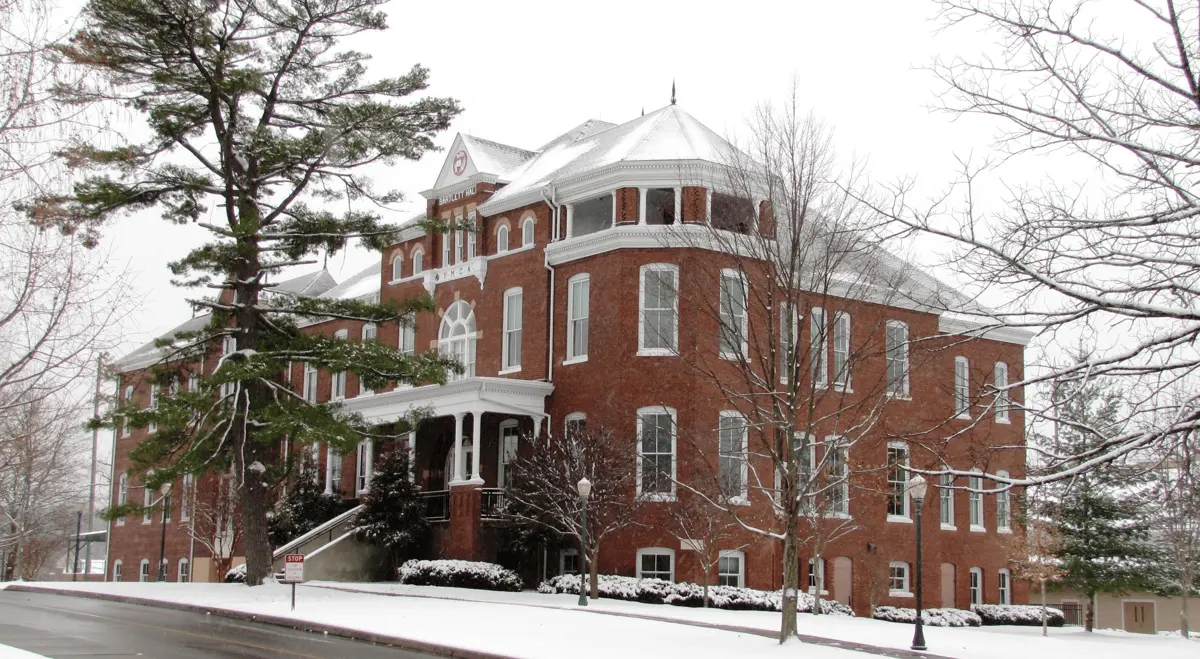
Maryville is a city in Blount County, Tennessee, nestled at the base of the Great Smoky Mountains, and home to Maryville College, a private liberal arts institution with one of the longest uninterrupted coeducational histories of any college in the American South. With a property crime rate of 0.06 per 1,000 residents, the lowest of the three reported metrics, and an overall crime rate of 1.38 per 1,000, Maryville is a safe and scenic place to pursue higher education. The city sits just minutes from Great Smoky Mountains National Park, the most-visited national park in the United States.
- Population: 32,583
- College/University: Maryville College
- Overall Crime Rate: 1.38 per 1,000 residents
- Violent Crime Rate: 1.32 per 1,000 residents
- Property Crime Rate: 0.06 per 1,000 residents
19. Montclair, New Jersey
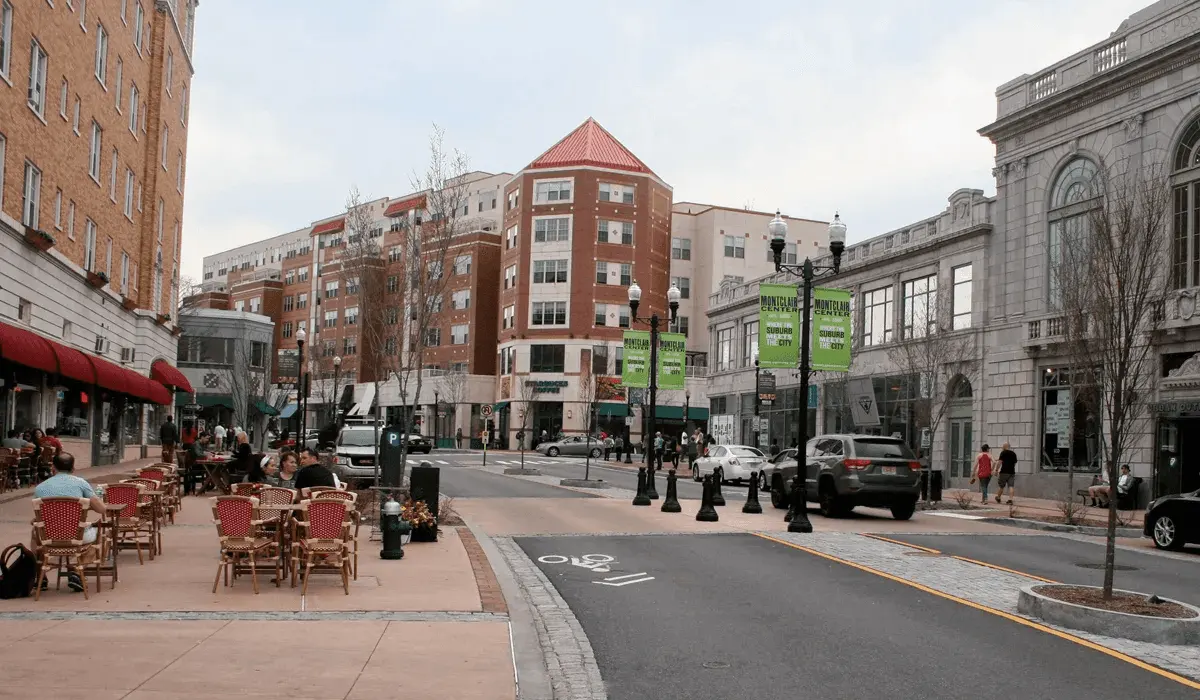
Montclair is a culturally rich township in Essex County, New Jersey, home to Montclair State University, one of the state's largest public universities, with a strong emphasis on the arts and education. With a property crime rate of 0.22 per 1,000 residents, the lowest of the three reported metrics, and an overall crime rate of 1.40 per 1,000, Montclair offers a secure environment within one of New Jersey's most dynamic communities. Located just 12 miles from Midtown Manhattan, Montclair is celebrated for its thriving arts scene, independent dining culture, and diverse, creative population.
- Population: 40,656
- College/University: Montclair State University
- Overall Crime Rate: 1.40 per 1,000 residents
- Violent Crime Rate: 1.18 per 1,000 residents
- Property Crime Rate: 0.22 per 1,000 residents
20. River Falls, Wisconsin
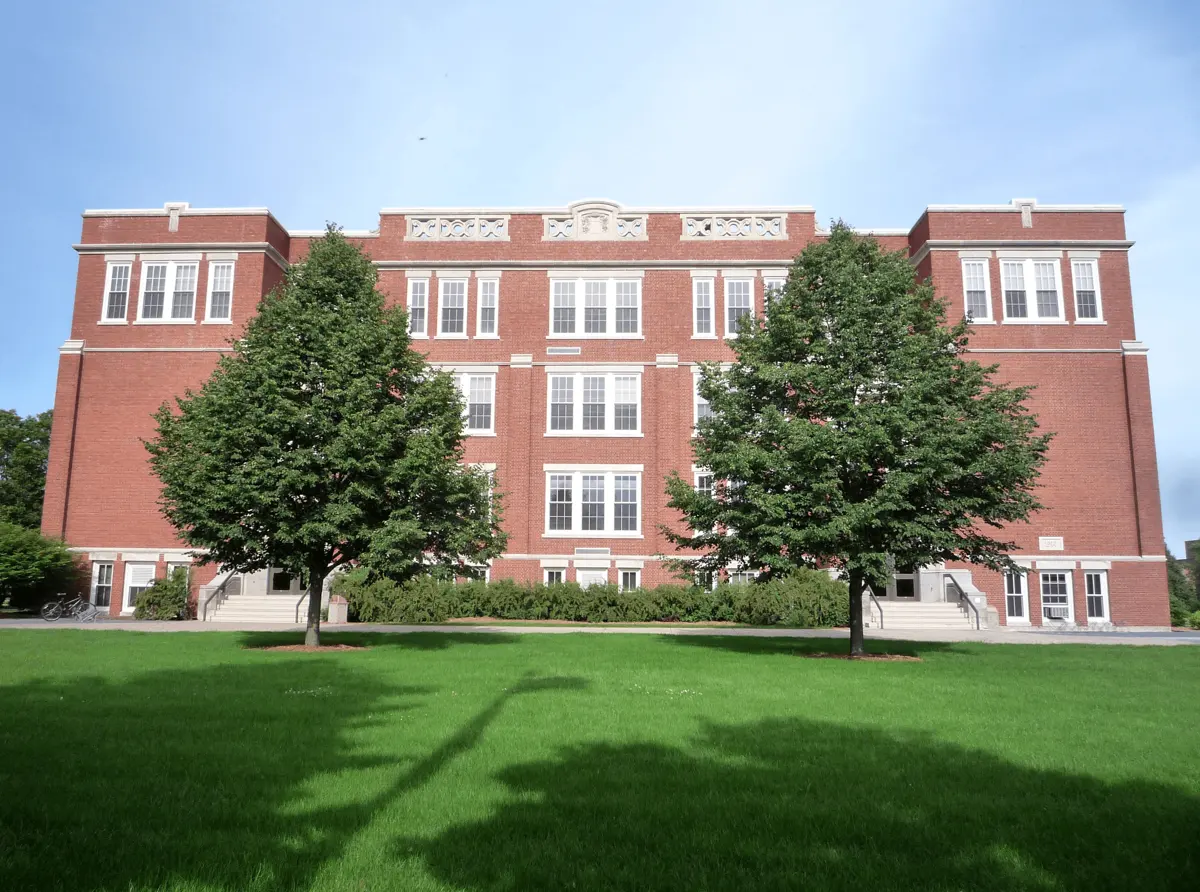
River Falls is a small city in western Wisconsin near the Minnesota border, home to the University of Wisconsin-River Falls, a public institution well known for its agriculture, education, and liberal arts programs. With a property crime rate of 0.12 per 1,000 residents, the lowest of the three reported metrics, and an overall crime rate of 1.40 per 1,000, River Falls is a safe college community with a strong outdoor character. The Kinnickinnic River, which flows through the city, holds status as a nationally designated Class I trout stream, drawing fly fishers from across the Midwest each season.
- Population: 17,171
- College/University: University of Wisconsin-River Falls
- Overall Crime Rate: 1.40 per 1,000 residents
- Violent Crime Rate: 1.28 per 1,000 residents
- Property Crime Rate: 0.12 per 1,000 residents
21. Kent, Ohio
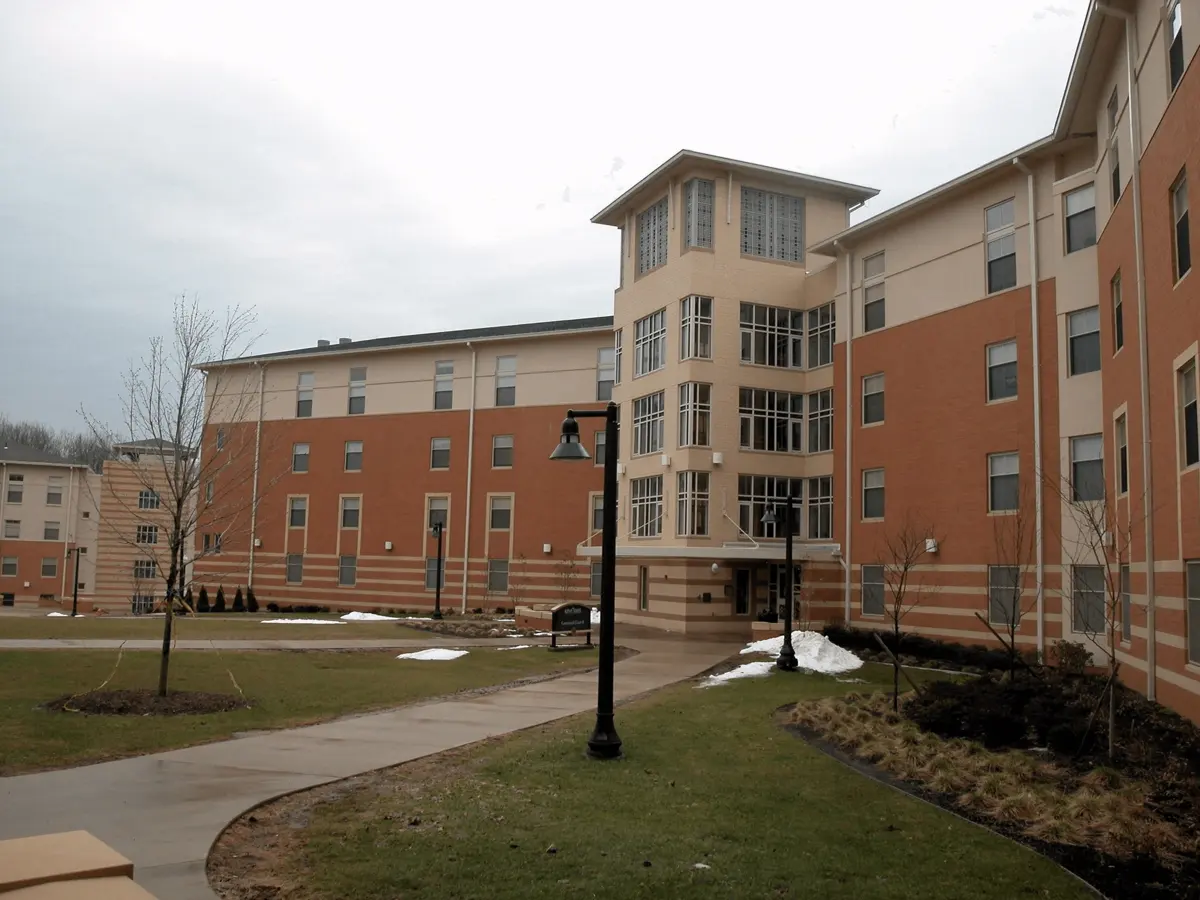
Kent is a creative, energetic college city in Portage County, Ohio, home to Kent State University, a major public research institution that has grown into one of the Midwest's most artistically and academically vibrant campuses. With a property crime rate of 0.18 per 1,000 residents, the lowest of the three reported metrics, and an overall crime rate of 1.45 per 1,000, Kent offers a livable and reasonably safe environment for its students and residents. The city's thriving downtown arts district, known for galleries, live music, and independent businesses, reflects Kent's deep commitment to creative culture and community life.
- Population: 27,524
- College/University: Kent State University
- Overall Crime Rate: 1.45 per 1,000 residents
- Violent Crime Rate: 1.27 per 1,000 residents
- Property Crime Rate: 0.18 per 1,000 residents
22. Camarillo, California
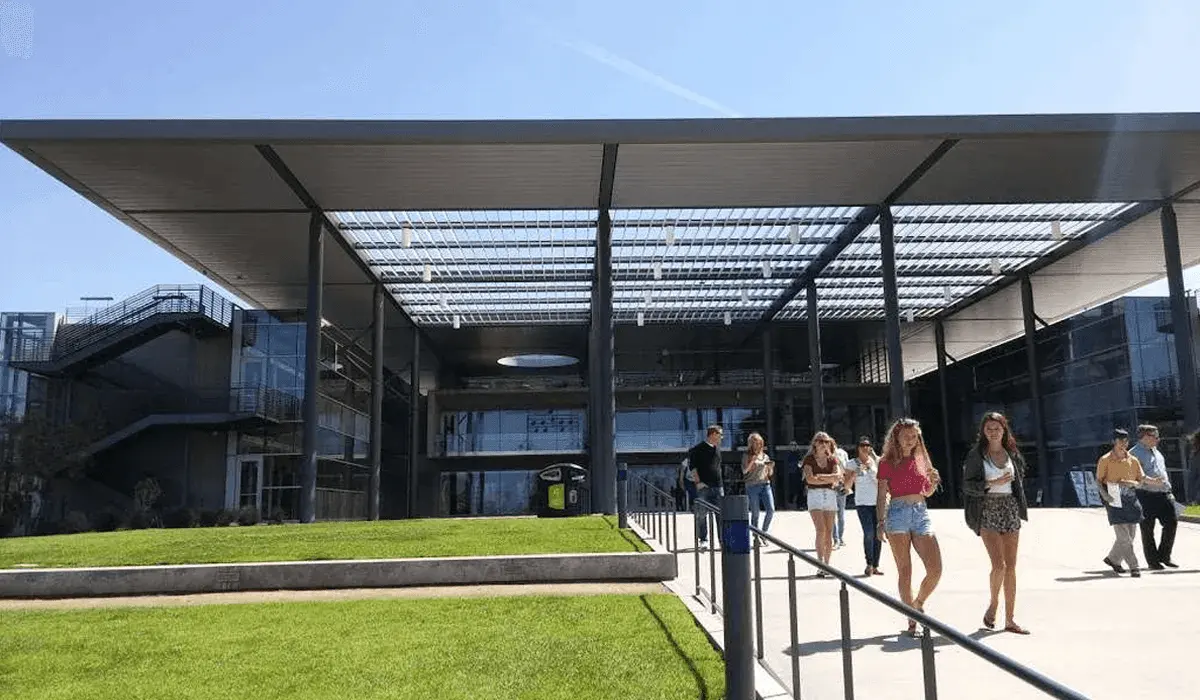
Camarillo is a clean, well-planned suburban city in Ventura County, California, home to California State University Channel Islands, the newest campus in the CSU system, known for its emphasis on interdisciplinary education and community engagement. With a property crime rate of 0.16 per 1,000 residents, the lowest of the three reported metrics, and an overall crime rate of 1.45 per 1,000, Camarillo is one of Southern California's safer college communities. Known for its Spanish colonial-style downtown and pleasant Mediterranean climate, the city sits roughly midway between Los Angeles and Santa Barbara along the scenic Ventura County coastline.
- Population: 69,115
- College/University: California State University Channel Islands
- Overall Crime Rate: 1.45 per 1,000 residents
- Violent Crime Rate: 1.29 per 1,000 residents
- Property Crime Rate: 0.16 per 1,000 residents
23. Oxford, Ohio
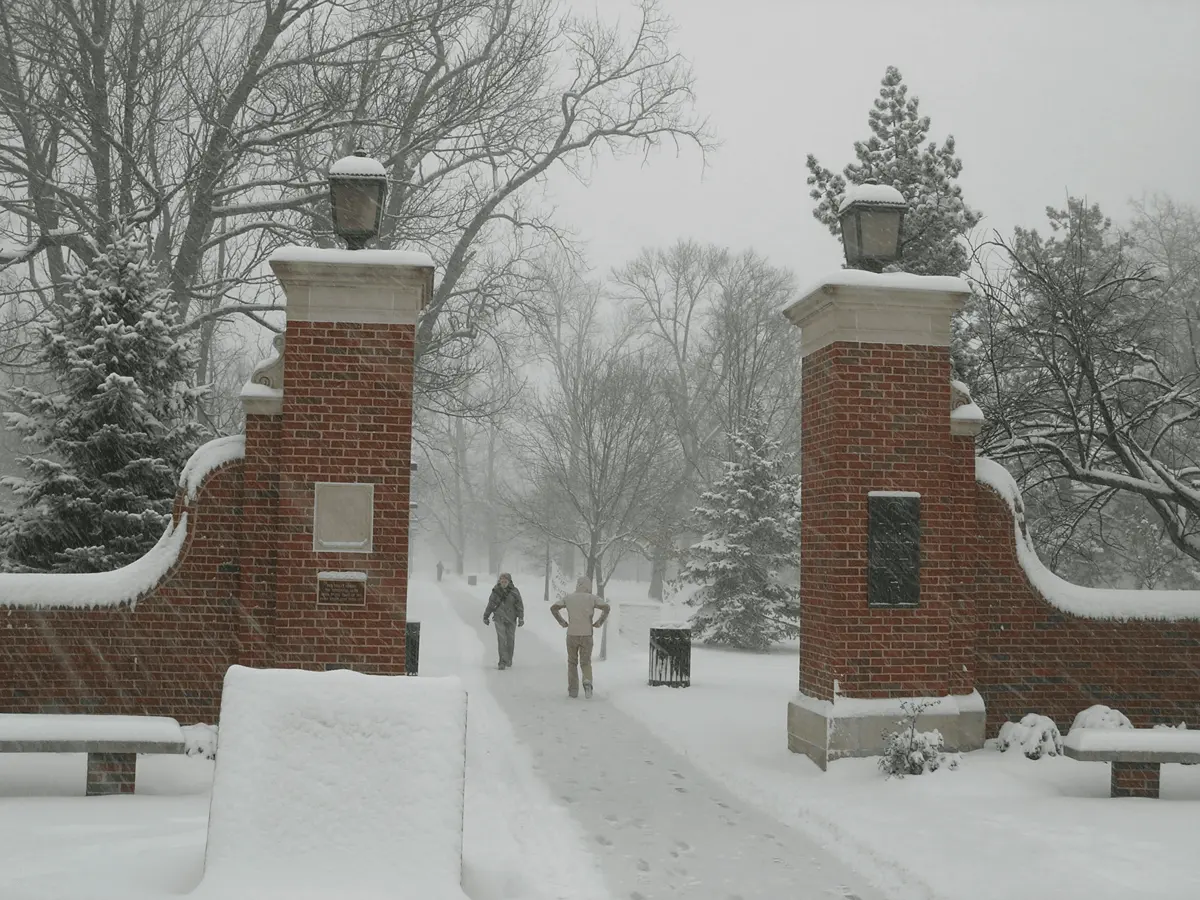
Oxford is a classic Midwestern college town in Butler County, Ohio, built around Miami University, one of the original "Public Ivies" and a highly ranked public research institution known for its programs in business, education, and the arts. With a violent crime rate of just 0.09 per 1,000 residents, the lowest of the three reported metrics and one of the lowest in this entire list, and an overall crime rate of 1.51 per 1,000, Oxford is an exceptionally safe community. The city's well-preserved historic downtown, featuring brick-paved streets and 19th-century architecture, has earned it a lasting reputation as one of the most attractive college towns in the Midwest.
- Population: 22,585
- College/University: Miami University
- Overall Crime Rate: 1.51 per 1,000 residents
- Violent Crime Rate: 0.09 per 1,000 residents
- Property Crime Rate: 1.42 per 1,000 residents
24. North Andover, Massachusetts
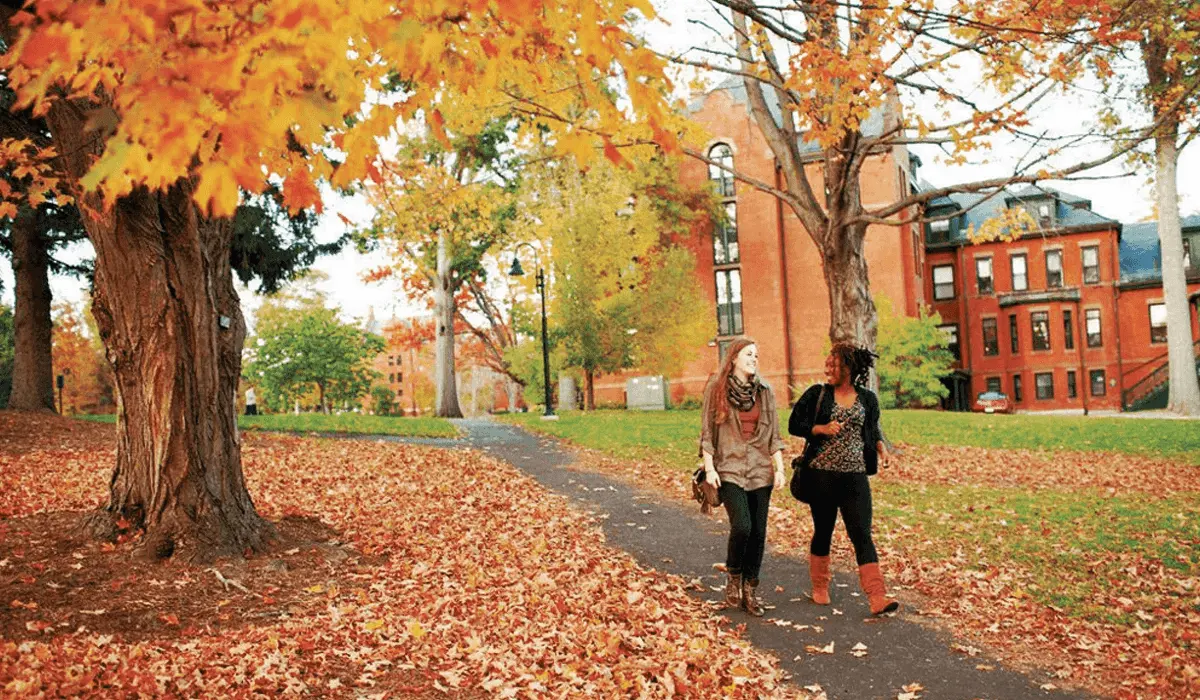
North Andover is a historic town in Essex County, Massachusetts, home to Merrimack College, a Catholic Augustinian liberal arts institution with a growing national profile in business, science, and health professions. With a property crime rate of 0.12 per 1,000 residents, the lowest of the three reported metrics, and an overall crime rate of 1.51 per 1,000, North Andover offers a safe and scenic setting for college life in northeastern Massachusetts. The town sits along the Merrimack River and was among the communities drawn into the 1692 Salem witch trial hysteria, lending it a layered colonial history.
- Population: 32,474
- College/University: Merrimack College
- Overall Crime Rate: 1.51 per 1,000 residents
- Violent Crime Rate: 1.39 per 1,000 residents
- Property Crime Rate: 0.12 per 1,000 residents
25. State College, Pennsylvania
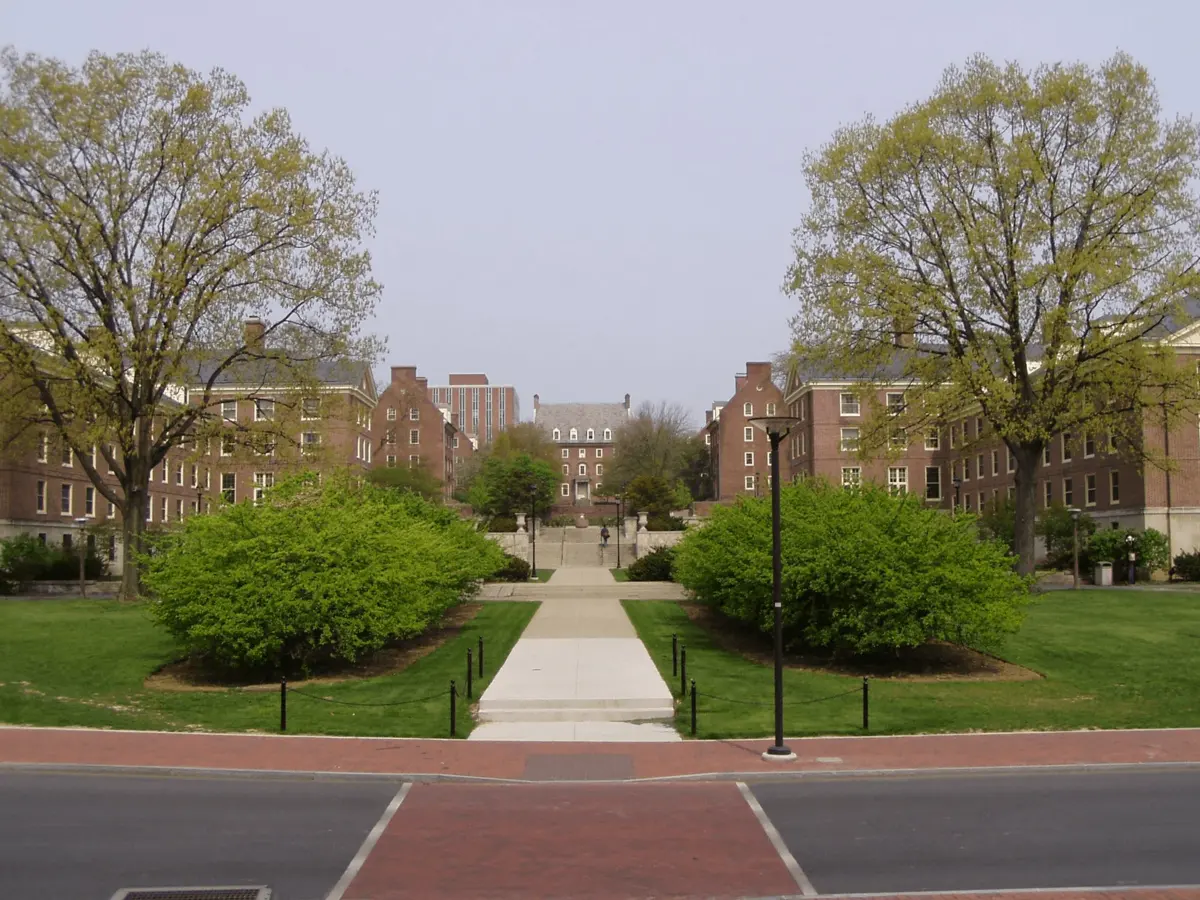
State College is one of the most iconic college towns in America, built almost entirely around Penn State University, one of the nation's largest public research universities and home of the famously devoted Nittany Lion faithful. With a property crime rate of 0.10 per 1,000 residents, the lowest of the three reported metrics, and an overall crime rate of 1.63 per 1,000, State College offers a secure environment for its large student population in the heart of central Pennsylvania. Known affectionately as "Happy Valley," the area sits in a scenic limestone valley ringed by the forested ridges of the Appalachian Mountains.
- Population: 57,580
- College/University: Penn State University
- Overall Crime Rate: 1.63 per 1,000 residents
- Violent Crime Rate: 1.53 per 1,000 residents
- Property Crime Rate: 0.10 per 1,000 residents
26. Amherst, Massachusetts
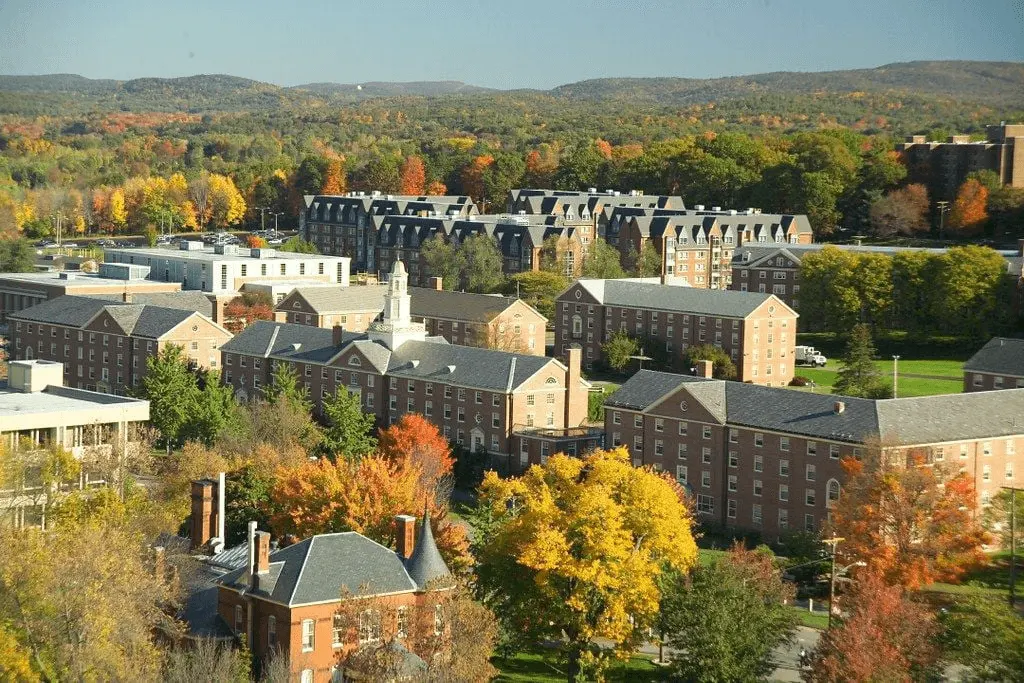
Amherst is a vibrant college town in the Pioneer Valley of western Massachusetts, home to both the University of Massachusetts Amherst and Amherst College, two institutions that anchor one of the most academically active regions in New England. With a property crime rate of 0.06 per 1,000 residents, the lowest of the three reported metrics, and an overall crime rate of 1.66 per 1,000, Amherst balances a lively college environment with a manageable safety profile. The poet Emily Dickinson was born and spent most of her life here, and her preserved homestead is now a National Historic Landmark.
- Population: 46,304
- College/University: University of Massachusetts Amherst; Amherst College
- Overall Crime Rate: 1.66 per 1,000 residents
- Violent Crime Rate: 1.60 per 1,000 residents
- Property Crime Rate: 0.06 per 1,000 residents
27. Stevens Point, Wisconsin
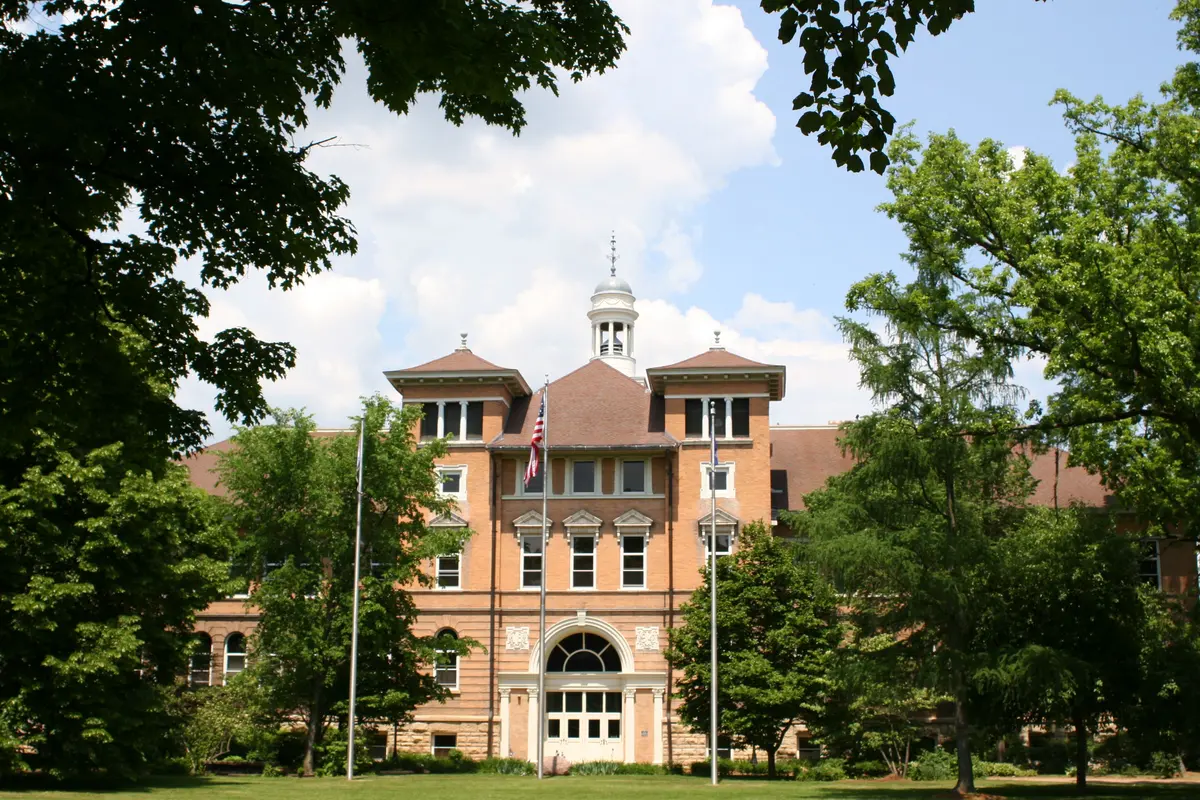
Stevens Point is a mid-sized city in central Wisconsin, home to the University of Wisconsin-Stevens Point, a public institution nationally recognized for its natural resources, environmental science, and sustainability programs. With a property crime rate of 0.04 per 1,000 residents, the lowest of the three reported metrics, and an overall crime rate of 1.67 per 1,000, Stevens Point maintains a safe environment for its student population and surrounding community. The city was one of the first in the United States to adopt a comprehensive residential recycling program, earning it an enduring national reputation as a model for environmental stewardship.
- Population: 25,784
- College/University: University of Wisconsin-Stevens Point
- Overall Crime Rate: 1.67 per 1,000 residents
- Violent Crime Rate: 1.63 per 1,000 residents
- Property Crime Rate: 0.04 per 1,000 residents
28. Beverly, Massachusetts
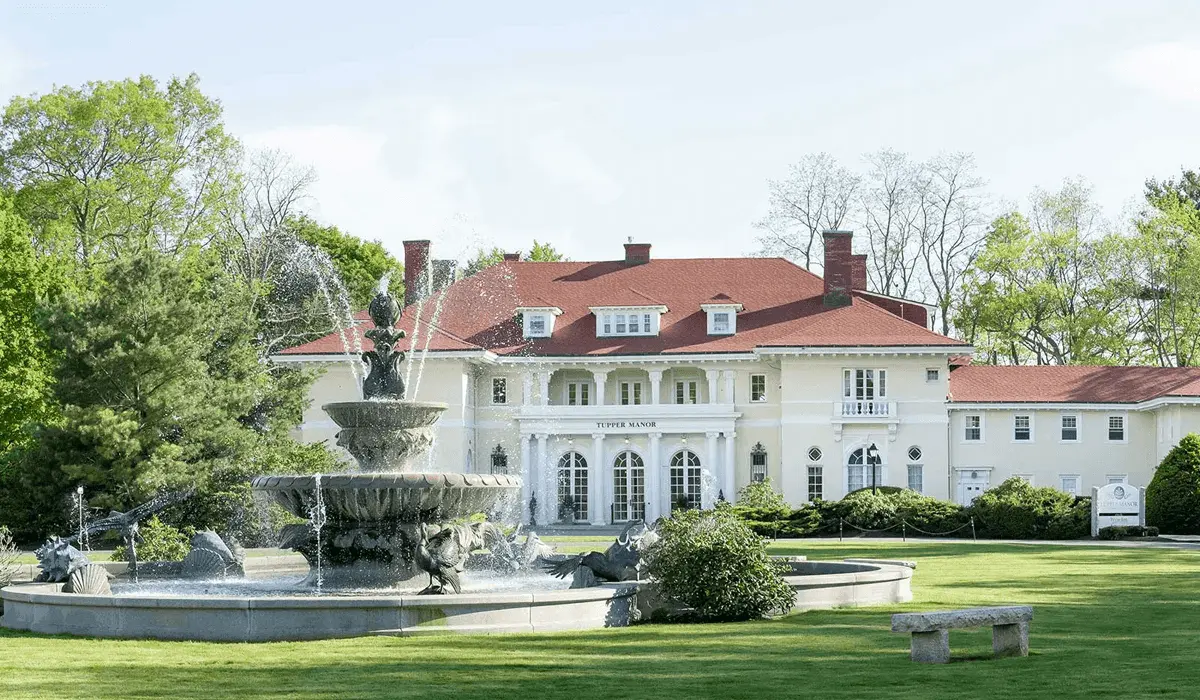
Beverly is a coastal city on Massachusetts' North Shore, home to Endicott College, a private university known for its distinctive professional internship model that integrates real-world work experience into every undergraduate degree. With a property crime rate of 0.05 per 1,000 residents, the lowest of the three reported metrics, and an overall crime rate of 1.72 per 1,000, Beverly maintains a solid safety record for a city of its size and coastal character. Beverly holds the distinction of being the site where the first commissioned vessel of the United States Navy set sail in 1775.
- Population: 43,024
- College/University: Endicott College
- Overall Crime Rate: 1.72 per 1,000 residents
- Violent Crime Rate: 1.67 per 1,000 residents
- Property Crime Rate: 0.05 per 1,000 residents
29. South Hadley, Massachusetts
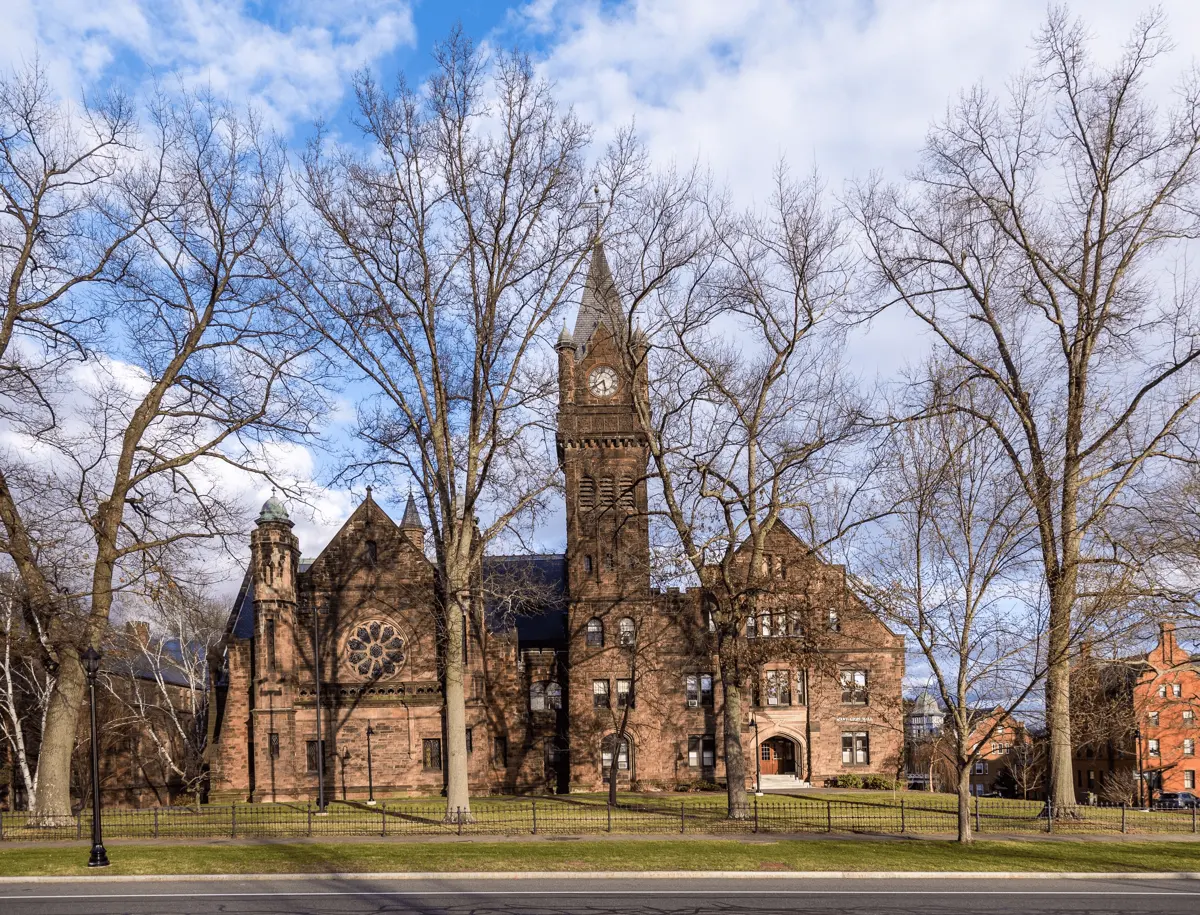
South Hadley is a small New England town along the Connecticut River in Hampshire County, Massachusetts, home to Mount Holyoke College, one of the original Seven Sisters and among the oldest women's liberal arts colleges in the United States. With a property crime rate of 0.05 per 1,000 residents, the lowest of the three reported metrics, and an overall crime rate of 1.99 per 1,000, South Hadley offers a tranquil academic setting within easy reach of Amherst and Springfield. The town is also part of the Five College Consortium, giving students access to four additional nearby institutions.
- Population: 18,627
- College/University: Mount Holyoke College
- Overall Crime Rate: 1.99 per 1,000 residents
- Violent Crime Rate: 1.93 per 1,000 residents
- Property Crime Rate: 0.05 per 1,000 residents
30. Westfield, Massachusetts
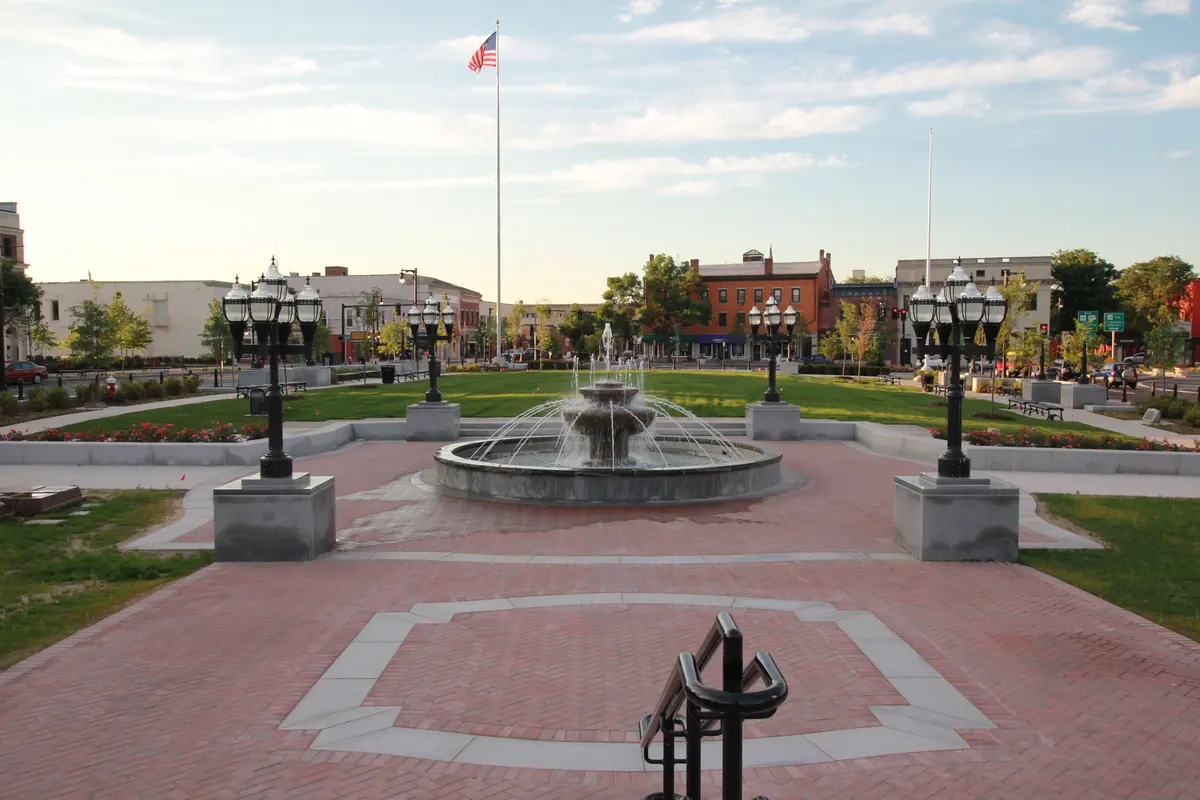
Westfield is a mid-sized city in the Pioneer Valley of western Massachusetts, home to Westfield State University, a public institution with deep roots in teacher education and a growing range of business and professional programs. With a property crime rate of 0.10 per 1,000 residents, the lowest of the three reported metrics, and an overall crime rate of 2.01 per 1,000, Westfield provides a manageable safety profile for a city of its regional significance. Known historically as the "Whip City" for its once-thriving buggy whip manufacturing industry, Westfield sits at the foot of the Berkshire Hills with easy access to outdoor recreation.
- Population: 41,270
- College/University: Westfield State University
- Overall Crime Rate: 2.01 per 1,000 residents
- Violent Crime Rate: 1.91 per 1,000 residents
- Property Crime Rate: 0.10 per 1,000 residents
31. Willimantic, Connecticut
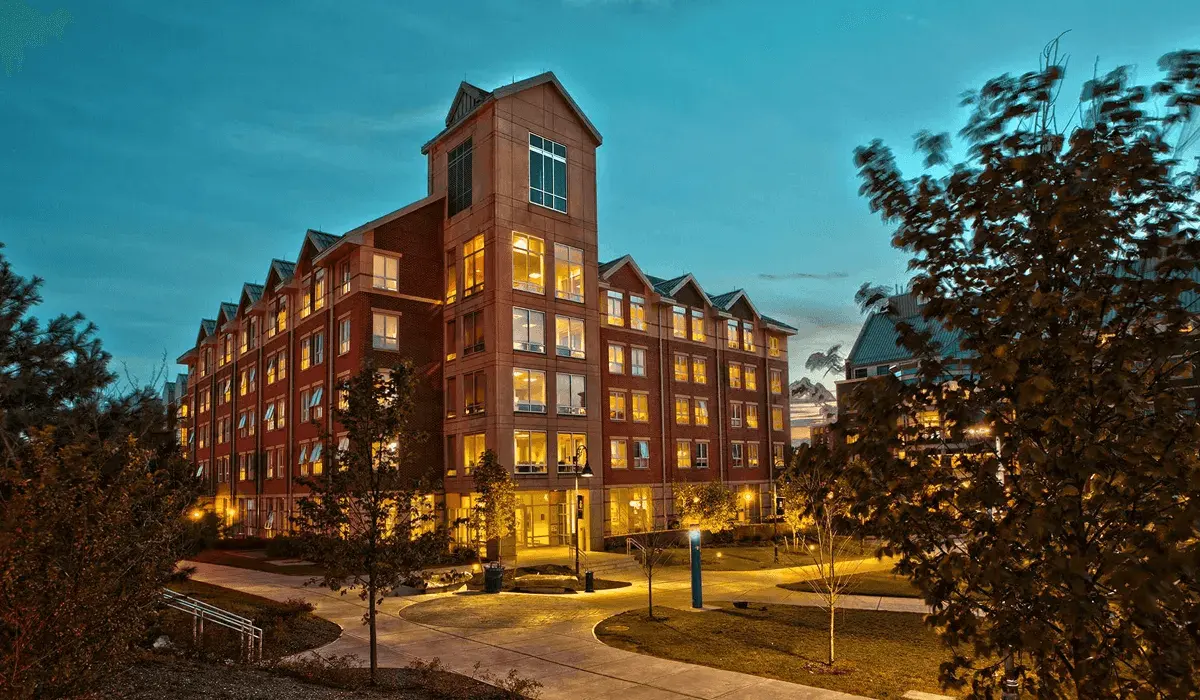
Willimantic is a small city in Windham County, Connecticut, home to Eastern Connecticut State University, the state's designated public liberal arts university and one of the more affordable four-year institutions in New England. With a property crime rate of 0.38 per 1,000 residents, the lowest of the three reported metrics, and an overall crime rate of 2.12 per 1,000, Willimantic reflects a safety profile consistent with a small industrial city in active revitalization. Known as "Thread City" for its history as a major center of thread manufacturing, the city has been steadily restoring its striking Victorian-era downtown in recent years.
- Population: 18,393
- College/University: Eastern Connecticut State University
- Overall Crime Rate: 2.12 per 1,000 residents
- Violent Crime Rate: 1.74 per 1,000 residents
- Property Crime Rate: 0.38 per 1,000 residents
32. Bristol, Rhode Island
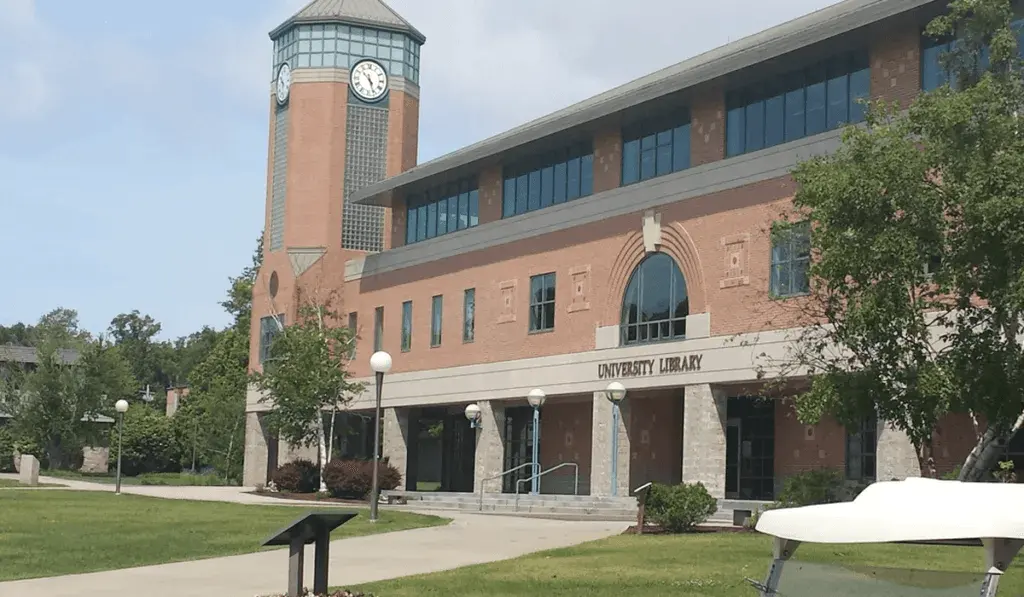
Bristol is a proudly historic coastal town perched on a peninsula between Narragansett Bay and Mount Hope Bay in Rhode Island, home to Roger Williams University. With a violent crime rate of 0.27 per 1,000 residents, the lowest of the three reported metrics and one of the lowest violent crime rates on this list, and an overall crime rate of 2.45 per 1,000, Bristol remains one of the more secure college communities in New England. The town holds the distinction of hosting the oldest continuously running Fourth of July celebration in the United States, a tradition dating back to 1785.
- Population: 22,023
- College/University: Roger Williams University
- Overall Crime Rate: 2.45 per 1,000 residents
- Violent Crime Rate: 0.27 per 1,000 residents
- Property Crime Rate: 2.18 per 1,000 residents
33. Niceville, Florida
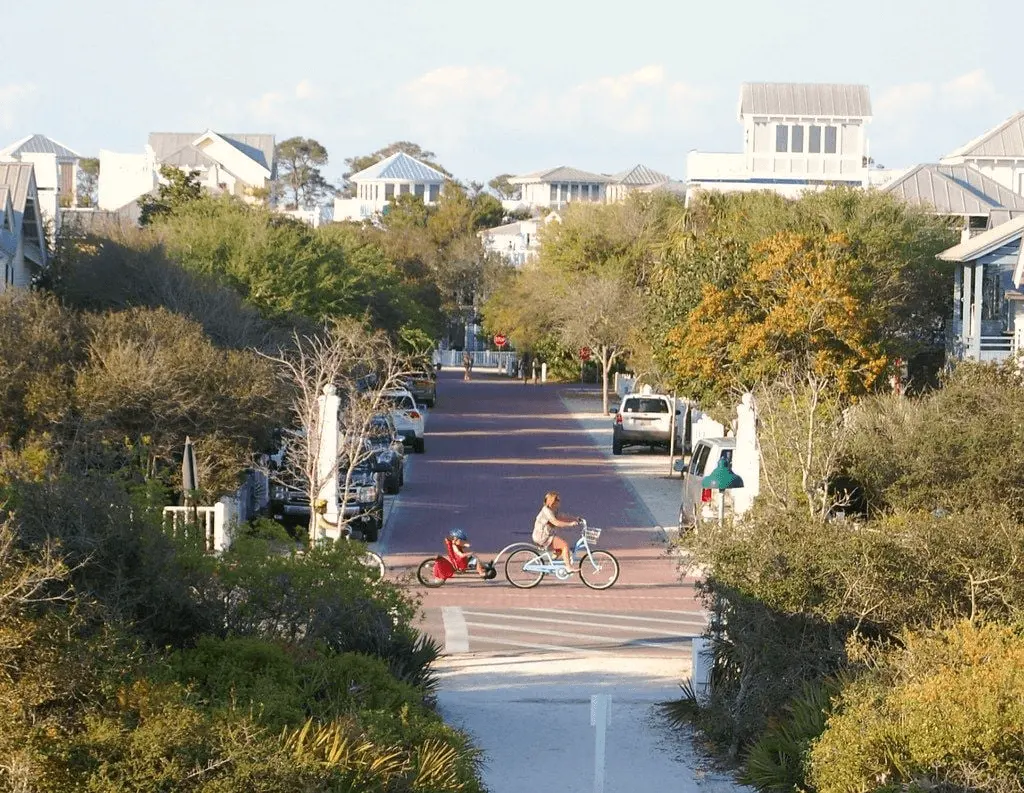
Niceville is a serene suburban community nestled along the shores of Boggy Bayou in Florida's Panhandle, home to Northwest Florida State College, a public institution known for its programs in health sciences, technology, and business. With a violent crime rate of just 0.39 per 1,000 residents, the lowest of the three reported metrics, and an overall crime rate of 2.46 per 1,000, Niceville ranks among the safest college communities in the Southeast. The city sits adjacent to Eglin Air Force Base, one of the largest military installations in the world, and borders the stunning Emerald Coast beaches, famous for their crystal-clear water and white sugar sand.
- Population: 17,949
- College/University: Northwest Florida State College
- Overall Crime Rate: 2.46 per 1,000 residents
- Violent Crime Rate: 0.39 per 1,000 residents
- Property Crime Rate: 2.06 per 1,000 residents
34. San Marcos, California
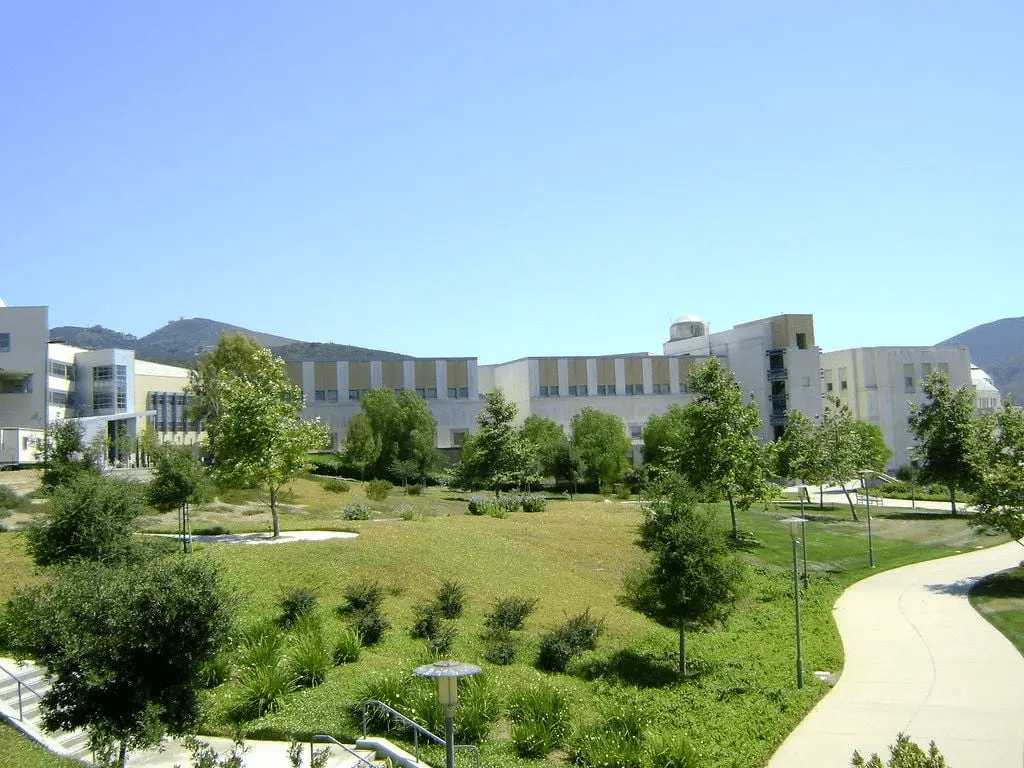
San Marcos is a rapidly growing city in San Diego County, home to California State University San Marcos, a public university known for its competency-based education model and strong ties to the region's technology and biomedical sectors. With a property crime rate of 0.32 per 1,000 residents, the lowest of the three reported metrics, and an overall crime rate of 2.54 per 1,000, San Marcos maintains a reasonable safety profile for one of Southern California's fastest-expanding college communities. The city's warm Mediterranean climate and its setting between the Pacific coast and the Palomar Mountain region make it a natural draw for students seeking both academic and outdoor life.
- Population: 93,974
- College/University: California State University San Marcos
- Overall Crime Rate: 2.54 per 1,000 residents
- Violent Crime Rate: 2.22 per 1,000 residents
- Property Crime Rate: 0.32 per 1,000 residents
35. Kennesaw, Georgia
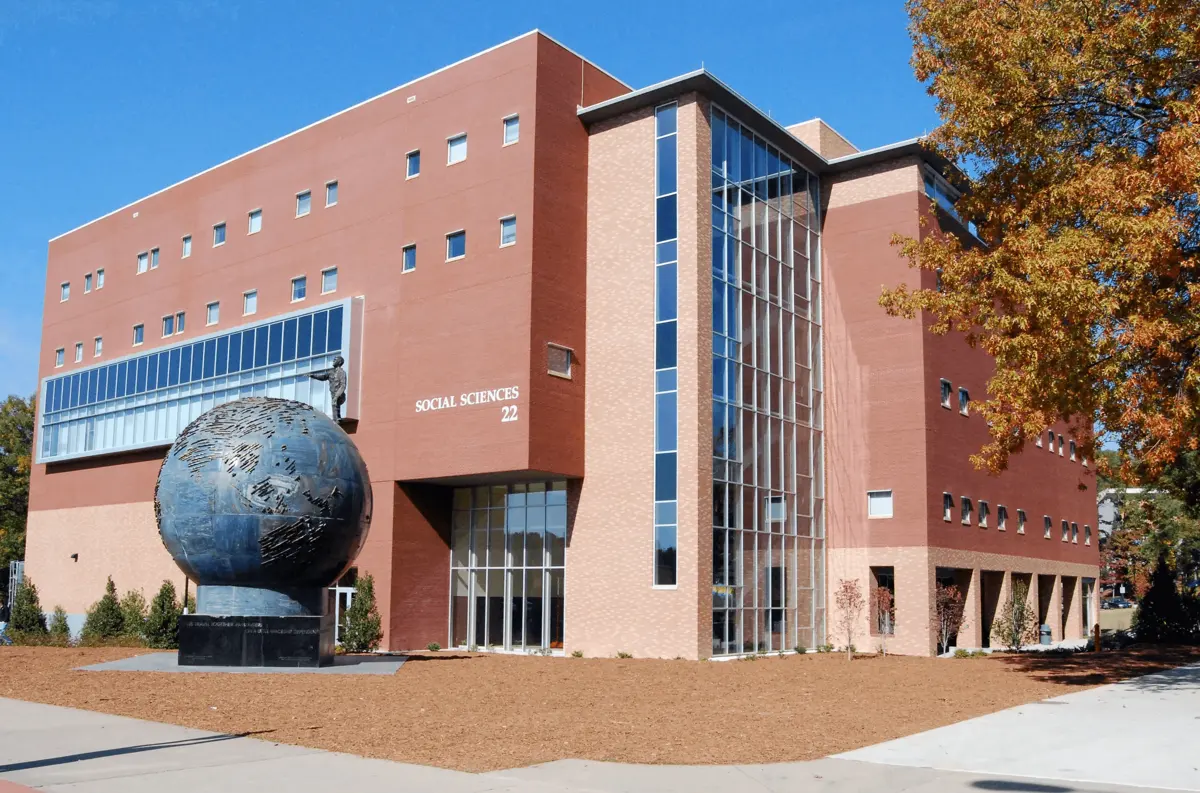
Kennesaw is a rapidly growing suburban city northwest of Atlanta, home to Kennesaw State University, one of Georgia's largest public universities, serving over 43,000 students across two campuses. With a property crime rate of 0.09 per 1,000 residents, the lowest of the three reported metrics, and an overall crime rate of 2.62 per 1,000, Kennesaw offers a comparatively safe environment in one of metro Atlanta's most active growth corridors. The city is also noted for a 1982 ordinance, still on the books, that requires heads of household to keep a firearm at home, a law that drew significant national and international attention when enacted.
- Population: 35,138
- College/University: Kennesaw State University
- Overall Crime Rate: 2.62 per 1,000 residents
- Violent Crime Rate: 2.53 per 1,000 residents
- Property Crime Rate: 0.09 per 1,000 residents
36. Waltham, Massachusetts
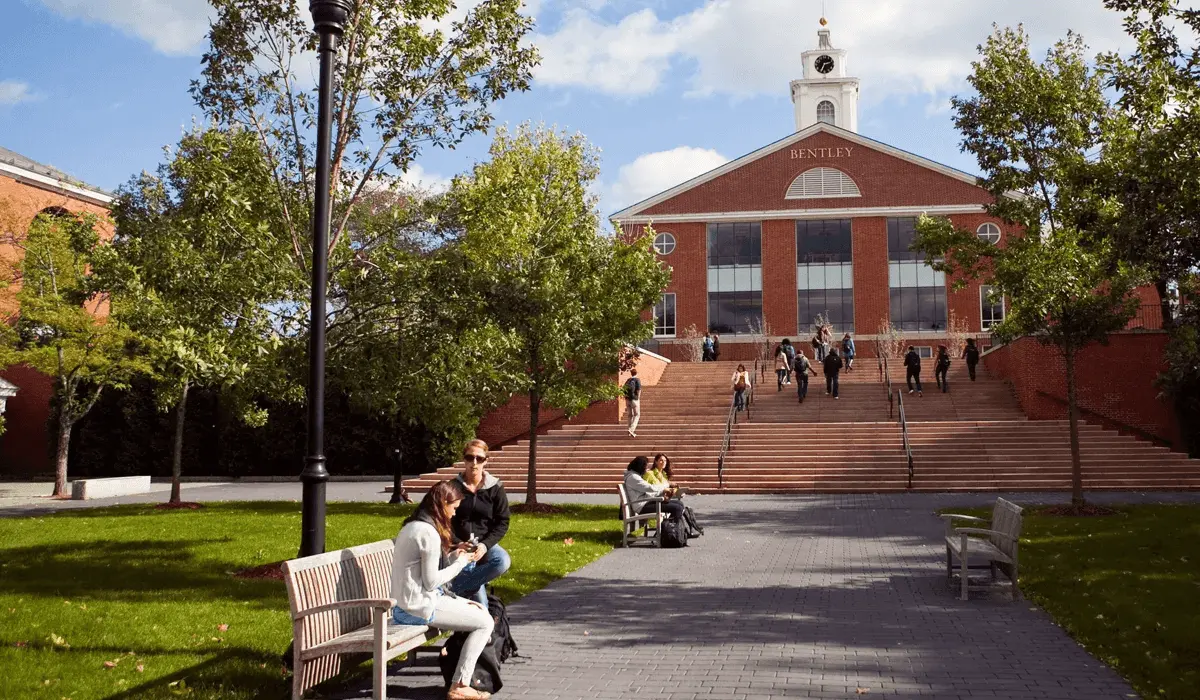
Waltham is a dynamic mid-sized city just west of Boston, home to both Bentley University and Brandeis University, giving it one of the highest concentrations of academic institutions per square mile in the greater Boston area. With a property crime rate of 0.23 per 1,000 residents, the lowest of the three reported metrics, and an overall crime rate of 2.75 per 1,000, Waltham balances a strong college presence with a thriving biotech and research industry. Once known as "Watch City" for its prominent role in the American watchmaking industry during the 19th century, Waltham is also home to the Charles River Museum of Industry and Innovation.
- Population: 65,488
- College/University: Bentley University; Brandeis University
- Overall Crime Rate: 2.75 per 1,000 residents
- Violent Crime Rate: 2.52 per 1,000 residents
- Property Crime Rate: 0.23 per 1,000 residents
37. Danbury, Connecticut

Danbury is the largest city in western Connecticut, home to Western Connecticut State University, a public institution offering affordable degree programs across the arts, sciences, and professional fields. With a property crime rate of 0.32 per 1,000 residents, the lowest of the three reported metrics, and an overall crime rate of 2.94 per 1,000, Danbury reflects the safety profile of a busy regional hub with strong ties to the New York metropolitan area. Once the hat-manufacturing capital of the United States, Danbury earned the enduring nickname "Hat City" and today celebrates that legacy at the Danbury Museum and Historical Society.
- Population: 86,257
- College/University: Western Connecticut State University
- Overall Crime Rate: 2.94 per 1,000 residents
- Violent Crime Rate: 2.62 per 1,000 residents
- Property Crime Rate: 0.32 per 1,000 residents
38. Bridgewater, Massachusetts
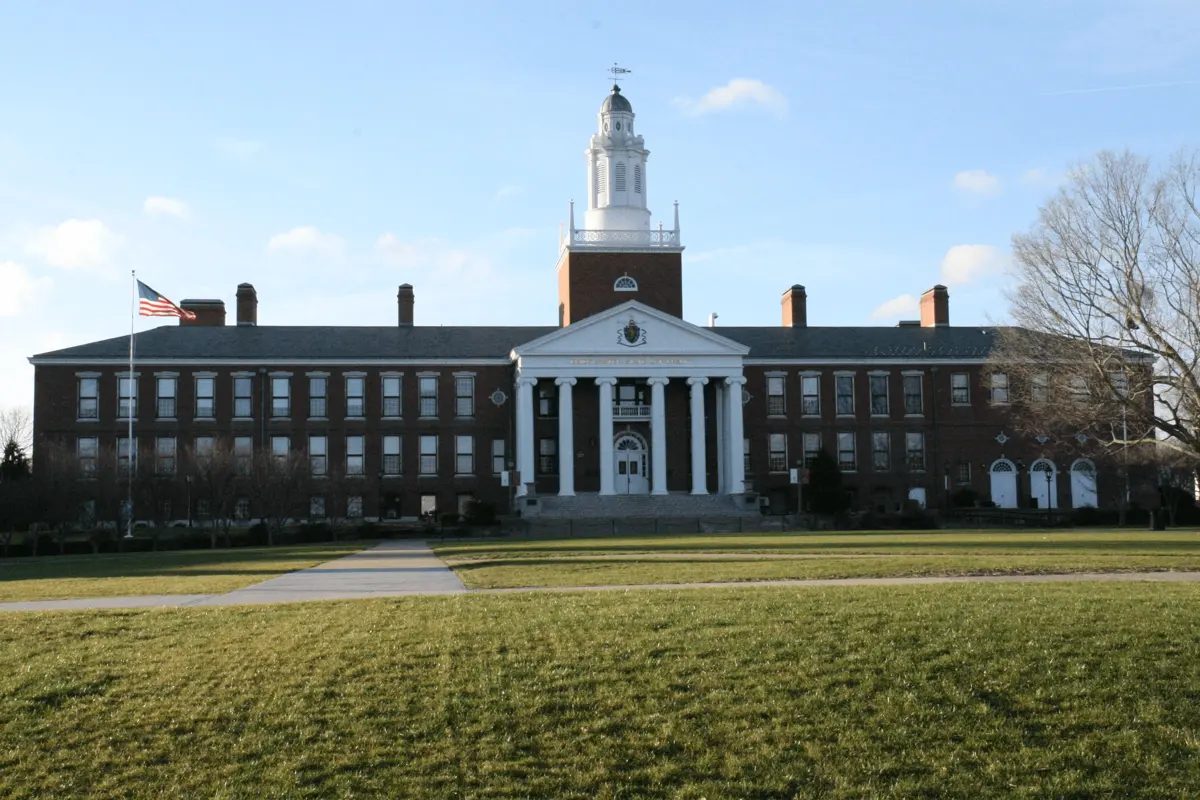
Bridgewater is a mid-sized town in Plymouth County, Massachusetts, home to Bridgewater State University, one of the largest public universities in the Commonwealth. With a violent crime rate of 1.17 per 1,000 residents, the lowest of the three reported metrics, and an overall crime rate of 3.98 per 1,000, Bridgewater maintains a reasonable safety profile for a college community of its size and student population. Located roughly midway between Boston and Cape Cod, Bridgewater offers the advantages of suburban college-town life with convenient access to two of New England's most iconic destinations.
- Population: 29,167
- College/University: Bridgewater State University
- Overall Crime Rate: 3.98 per 1,000 residents
- Violent Crime Rate: 1.17 per 1,000 residents
- Property Crime Rate: 2.81 per 1,000 residents
39. Berea, Ohio
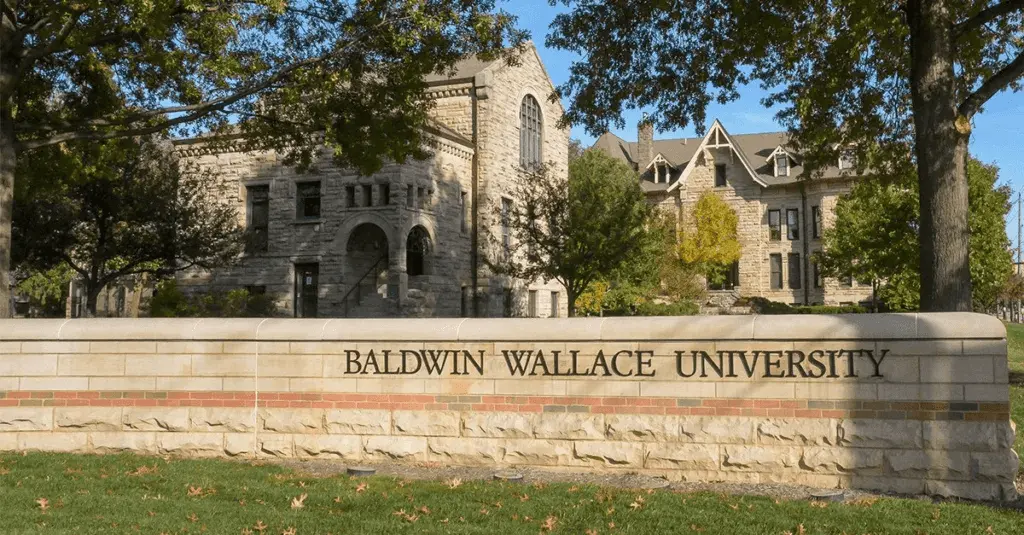
Berea is a compact, welcoming city on the western edge of greater Cleveland, home to Baldwin Wallace University, a private liberal arts institution with a nationally recognized music conservatory. With a violent crime rate of just 0.22 per 1,000 residents, the lowest of the three reported metrics, and an overall crime rate of 4.00 per 1,000, Berea maintains one of the lowest violent crime rates of any college town in Ohio. The city is also home to the Cleveland Browns' training facility and headquarters, lending it a distinctive dual identity as both a college town and a hub of NFL culture.
- Population: 17,998
- College/University: Baldwin Wallace University
- Overall Crime Rate: 4.00 per 1,000 residents
- Violent Crime Rate: 0.22 per 1,000 residents
- Property Crime Rate: 3.78 per 1,000 residents
40. Rexburg, Idaho
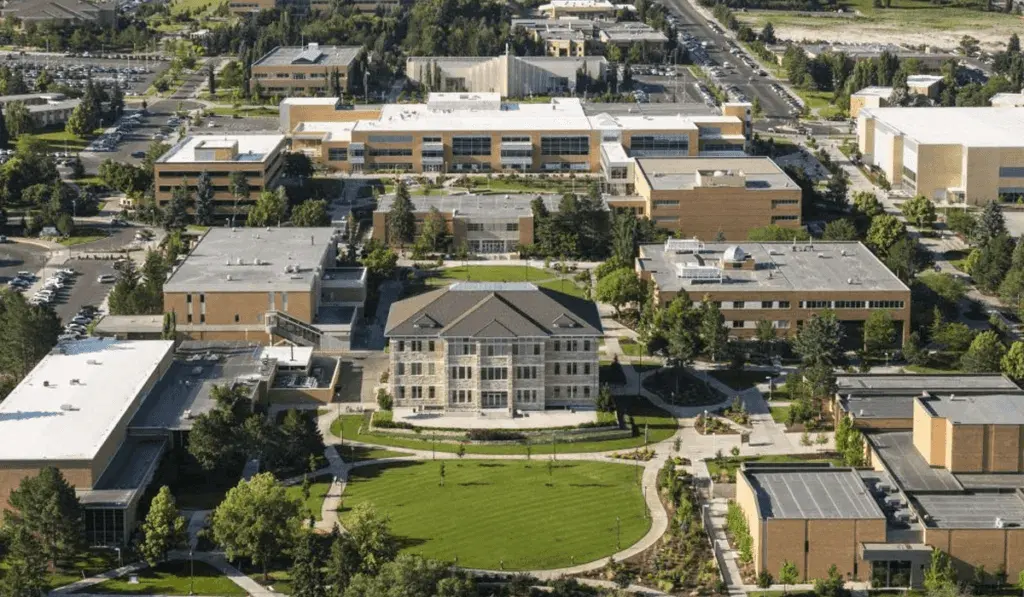
Rexburg is a small city in the Upper Snake River Valley of eastern Idaho, home to BYU–Idaho, one of the largest Latter-day Saint universities in the country and a cornerstone of the community's identity. With a violent crime rate of 0.69 per 1,000 residents, the lowest of the three reported metrics, and an overall crime rate of 5.85 per 1,000, Rexburg reflects a modest crime profile shaped by its predominantly student and family-oriented population. The city sits just 90 miles from Yellowstone National Park, giving students and residents access to some of the most spectacular natural scenery in the region.
- Population: 40,695
- College/University: BYU–Idaho
- Overall Crime Rate: 5.85 per 1,000 residents
- Violent Crime Rate: 0.69 per 1,000 residents
- Property Crime Rate: 5.16 per 1,000 residents
41. Mequon, Wisconsin
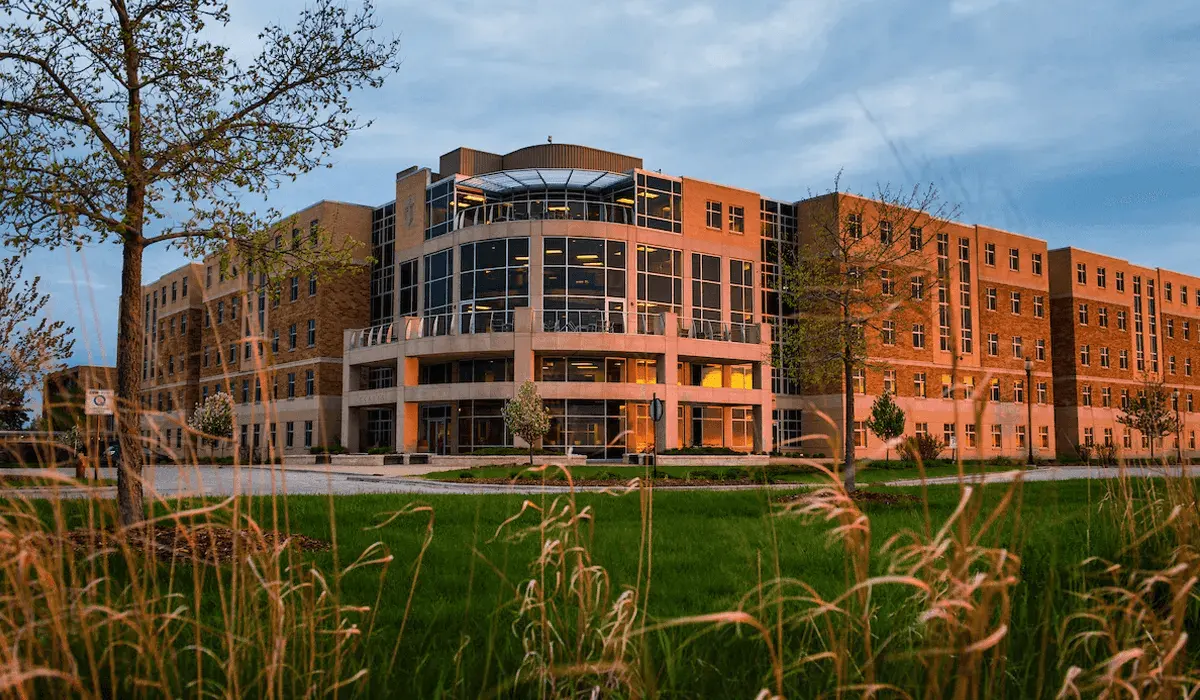
Mequon is a prosperous lakeside city in Ozaukee County, Wisconsin, home to Concordia University Wisconsin, a Lutheran liberal arts institution with a strong emphasis on health sciences and professional programs. With a violent crime rate of 0.39 per 1,000 residents, the lowest of the three reported metrics, and an overall crime rate of 6.04 per 1,000, Mequon maintains a low violent crime profile typical of well-established residential suburbs in the greater Milwaukee area. Situated along Lake Michigan's western shore, the city is known for its spacious residential character, excellent public schools, and access to some of the finest sailing waters on the Great Lakes.
- Population: 25,329
- College/University: Concordia University Wisconsin
- Overall Crime Rate: 6.04 per 1,000 residents
- Violent Crime Rate: 0.39 per 1,000 residents
- Property Crime Rate: 5.65 per 1,000 residents
42. Rochester Hills, Michigan
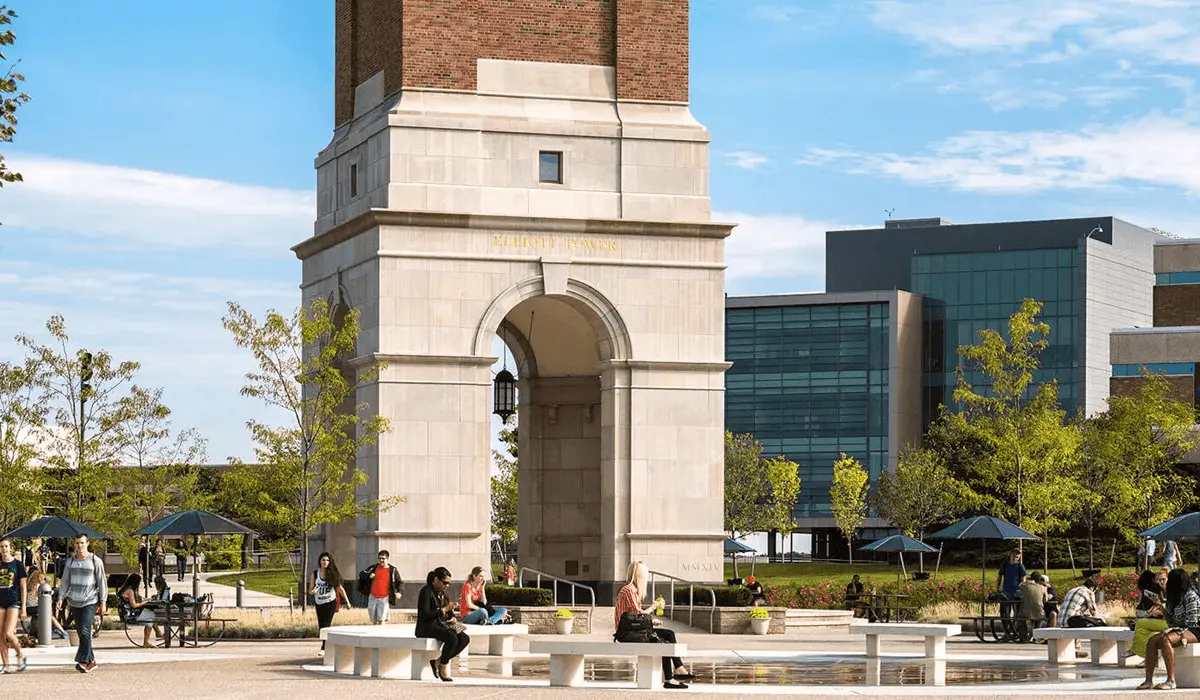
Rochester Hills is a prosperous suburban city in Oakland County, Michigan, home to Oakland University, a public research institution known for its programs in business, engineering, and health sciences. With a violent crime rate of 0.97 per 1,000 residents, the lowest of the three reported metrics, and an overall crime rate of 6.28 per 1,000, Rochester Hills maintains a low violent crime profile and a manageable safety record for a Michigan city of its size. The city regularly appears on national rankings of the best places to live, raise a family, and pursue higher education, reflecting its excellent schools, low unemployment rate, and strong community infrastructure throughout Oakland County.
- Population: 78,330
- College/University: Oakland University
- Overall Crime Rate: 6.28 per 1,000 residents
- Violent Crime Rate: 0.97 per 1,000 residents
- Property Crime Rate: 5.31 per 1,000 residents
43. Moraga, California
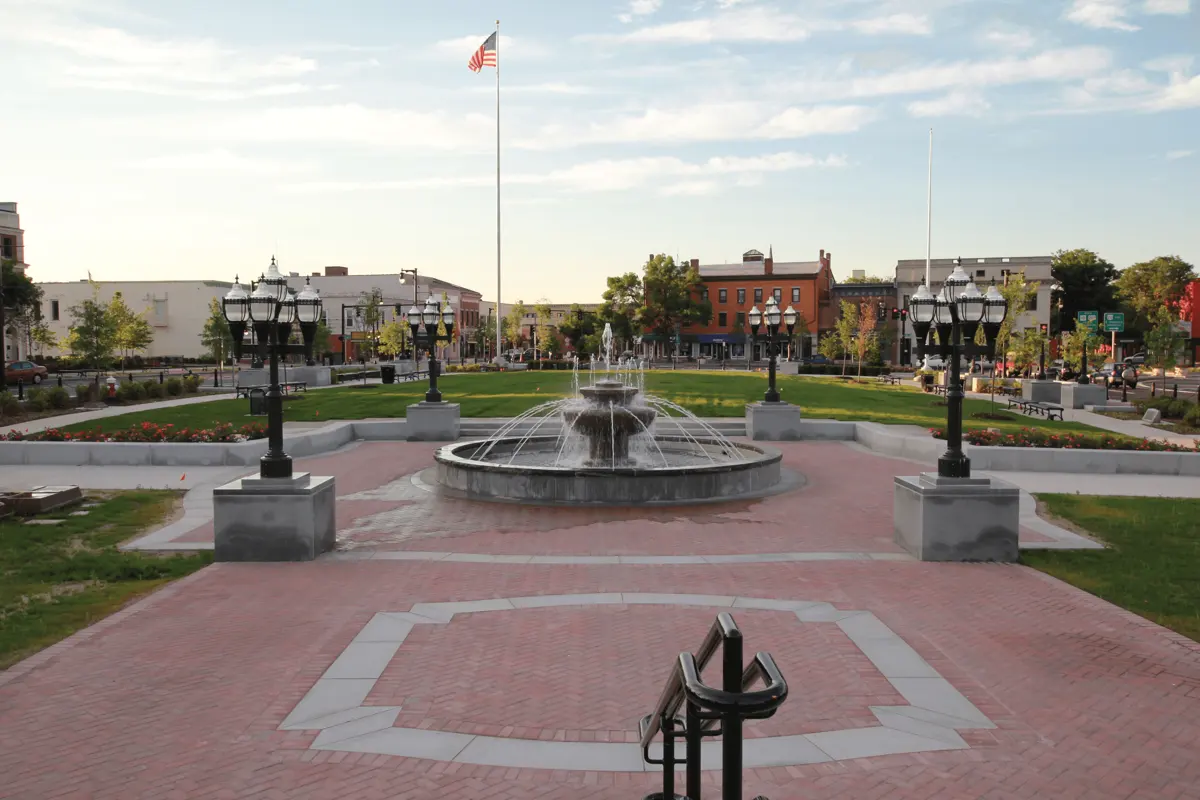
Moraga is a small, upscale town tucked into the rolling hills of Contra Costa County in the San Francisco Bay Area, home to Saint Mary's College of California, a private Catholic institution known for its distinctive Great Books program and strong liberal arts tradition. With a violent crime rate of 0.96 per 1,000 residents, the lowest of the three reported metrics, and an overall crime rate of 6.53 per 1,000, Moraga maintains a low violent crime profile, placing it among the safer college communities in the Bay Area despite its elevated property crime rate. The town's terrain, defined by the Las Trampas Hills and Moraga Valley, offers students and residents some of the most scenic surroundings of any campus in the Bay Area.
- Population: 16,698
- College/University: Saint Mary's College of California
- Overall Crime Rate: 6.53 per 1,000 residents
- Violent Crime Rate: 0.96 per 1,000 residents
- Property Crime Rate: 5.57 per 1,000 residents
44. Wellesley, Massachusetts
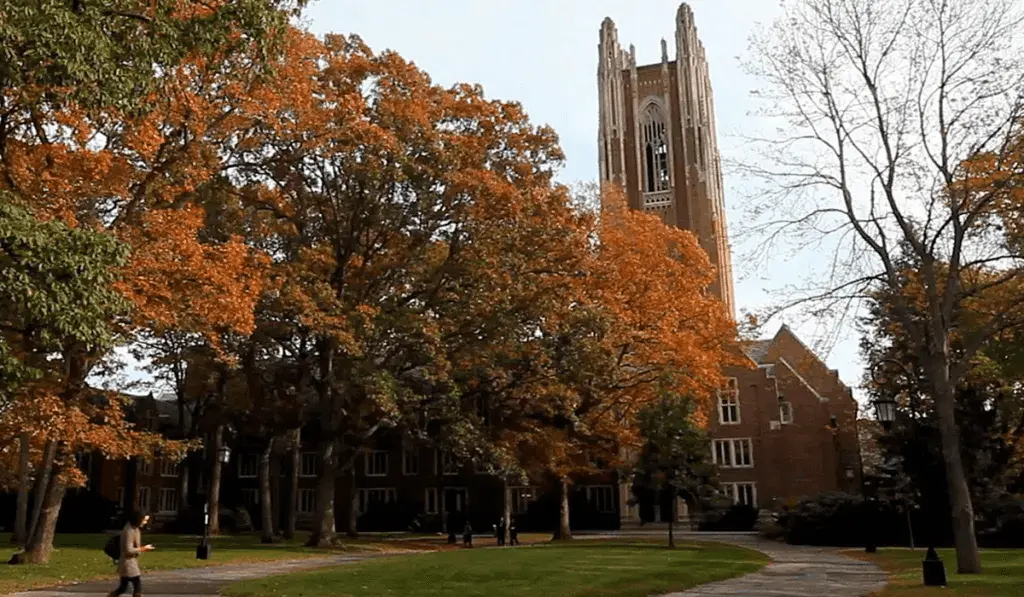
Wellesley is one of Boston's most distinguished western suburbs, home to both the globally renowned Wellesley College and Babson College, giving it one of the highest concentrations of academic prestige of any town its size in the country. With a violent crime rate of 0.54 per 1,000 residents, the lowest of the three reported metrics, and an overall crime rate of 6.88 per 1,000, Wellesley maintains a notably low violent crime profile for a suburb of its academic prominence. The town also sits along the Boston Marathon route, home to the famous "Scream Tunnel," where thousands of Wellesley students cheer on runners each April.
- Population: 31,242
- College/University: Wellesley College; Babson College
- Overall Crime Rate: 6.88 per 1,000 residents
- Violent Crime Rate: 0.54 per 1,000 residents
- Property Crime Rate: 6.34 per 1,000 residents
45. Edwardsville, Illinois

Edwardsville is a thriving suburban city in the St. Louis metropolitan area of southwestern Illinois, home to Southern Illinois University Edwardsville (SIUE), a comprehensive public university serving over 13,000 students. With a violent crime rate of just 0.30 per 1,000 residents, the lowest of the three reported metrics, and an overall crime rate of 7.11 per 1,000, Edwardsville maintains one of the lowest violent crime rates in the region, reflecting its well-planned, family-oriented character. Named after Ninian Edwards, governor of the Illinois Territory, Edwardsville's historic downtown retains much of its 19th-century architectural charm alongside a growing modern economy.
- Population: 26,715
- College/University: Southern Illinois University Edwardsville (SIUE)
- Overall Crime Rate: 7.11 per 1,000 residents
- Violent Crime Rate: 0.30 per 1,000 residents
- Property Crime Rate: 6.81 per 1,000 residents
46. Durham, New Hampshire
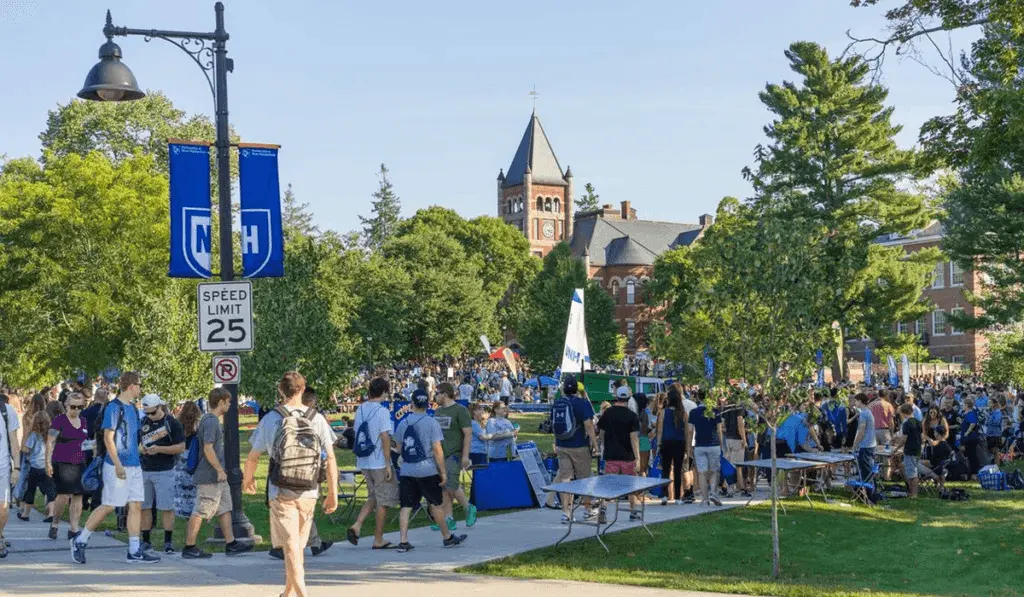
Durham is a quintessential New England college town nestled along the Oyster River in the seacoast region of New Hampshire, home to the University of New Hampshire. With a violent crime rate of 0.65 per 1,000 residents, the lowest of the three reported metrics, and an overall crime rate of 7.33 per 1,000, Durham maintains a low violent crime profile for a college community shaped by its close-knit, campus-centered character. The town is also notable for its proximity to Great Bay, one of the largest tidal estuaries in New England and a key research site for UNH's marine science programs.
- Population: 15,270
- College/University: University of New Hampshire
- Overall Crime Rate: 7.33 per 1,000 residents
- Violent Crime Rate: 0.65 per 1,000 residents
- Property Crime Rate: 6.68 per 1,000 residents
47. Easton, Massachusetts
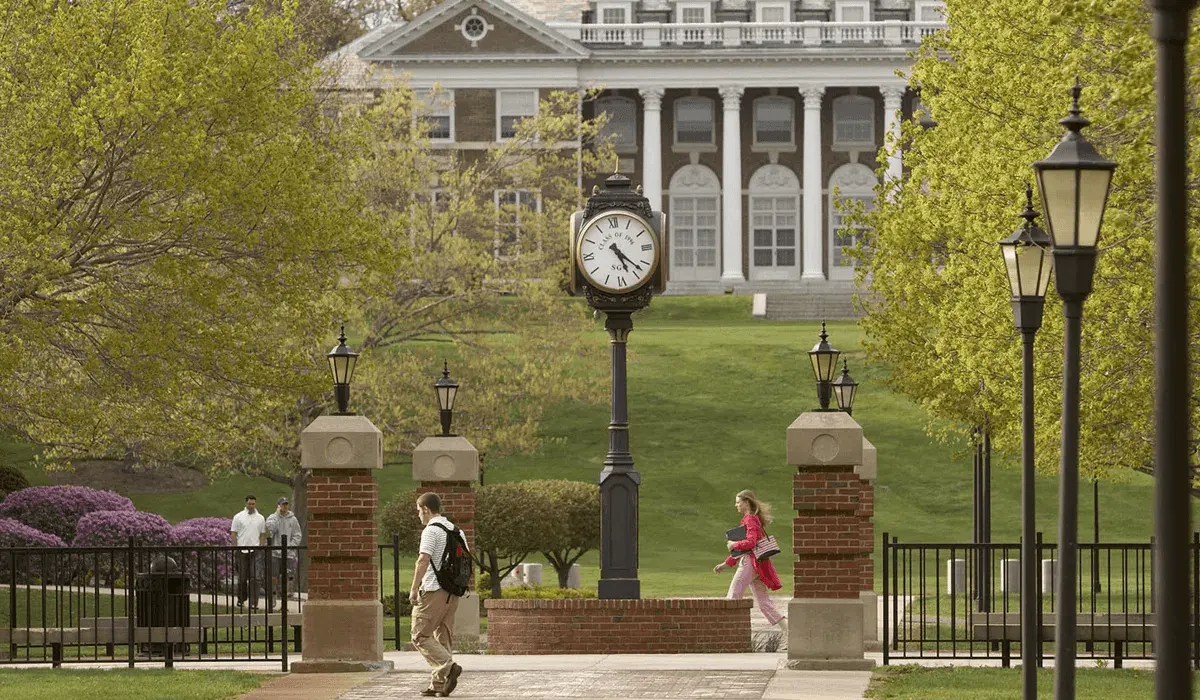
Easton is a historically rich town in Bristol County, Massachusetts, home to Stonehill College, a Catholic liberal arts institution known for strong programs in business, health sciences, and the humanities. With a violent crime rate of 1.56 per 1,000 residents, the lowest of the three reported metrics, and an overall crime rate of 9.62 per 1,000, Easton reflects a typical suburban Massachusetts crime profile, driven primarily by property crime activity. The town is home to several buildings designed by the celebrated architect H.H. Richardson, including the Ames Free Library and Oakes Ames Memorial Hall, making it a quiet landmark of 19th-century American architecture.
- Population: 25,568
- College/University: Stonehill College
- Overall Crime Rate: 9.62 per 1,000 residents
- Violent Crime Rate: 1.56 per 1,000 residents
- Property Crime Rate: 8.06 per 1,000 residents
48. Marquette, Michigan

Marquette is the largest city in Michigan's Upper Peninsula, perched dramatically on the southern shore of Lake Superior, and home to Northern Michigan University, a public institution known for its programs in health sciences, outdoor recreation, and the arts. With a violent crime rate of 2.75 per 1,000 residents, the lowest of the three reported metrics, and an overall crime rate of 9.98 per 1,000, Marquette reflects a crime profile consistent with a small regional hub that serves a large and transient student population. The city's striking natural surroundings, Lake Superior, boreal forests, and the Huron Mountains, make it one of the most scenically distinctive college towns in the country.
- Population: 21,845
- College/University: Northern Michigan University
- Overall Crime Rate: 9.98 per 1,000 residents
- Violent Crime Rate: 2.75 per 1,000 residents
- Property Crime Rate: 7.23 per 1,000 residents
49. Brookings, South Dakota
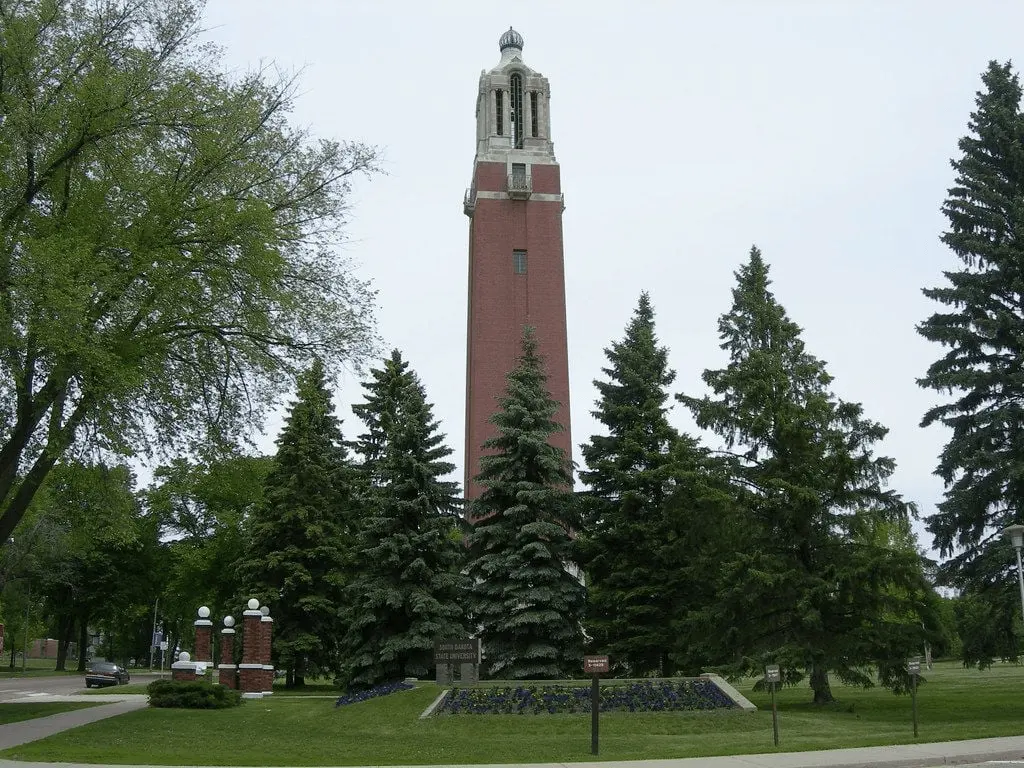
Brookings is a welcoming city on the eastern plains of South Dakota, home to South Dakota State University, the state's largest university and a respected institution in agricultural science, engineering, and health professions. With a violent crime rate of 0.94 per 1,000 residents, well below the national average, and an overall crime rate of 13.52 per 1,000 driven primarily by property crime, Brookings reflects the typical safety profile of a mid-sized Great Plains university town. The city is also home to the South Dakota Art Museum, which houses a significant collection of Harvey Dunn paintings depicting the lives of early prairie settlers.
- Population: 24,555
- College/University: South Dakota State University
- Overall Crime Rate: 13.52 per 1,000 residents
- Violent Crime Rate: 0.94 per 1,000 residents
- Property Crime Rate: 12.58 per 1,000 residents
50. Northfield, Minnesota
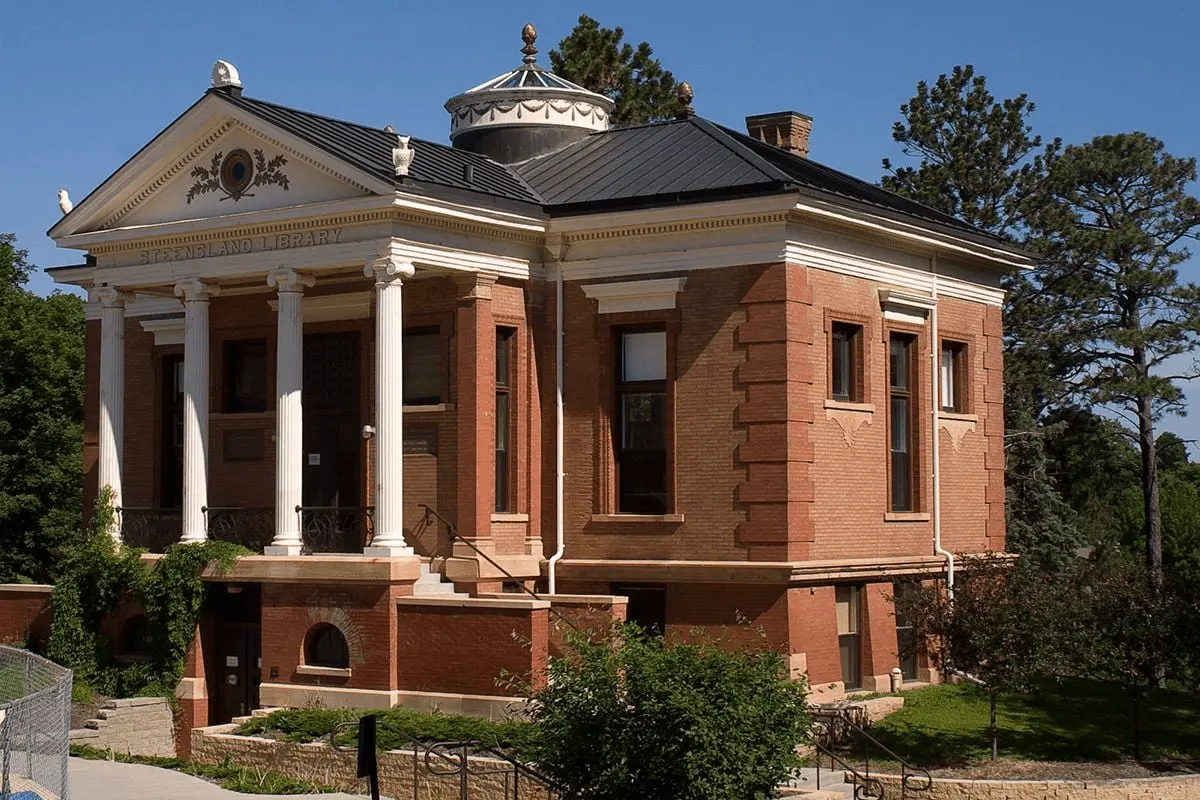
Northfield is a charming small city in Rice County, Minnesota, home to both St. Olaf College and Carleton College, two nationally respected liberal arts institutions that give the town an unusually high concentration of academic prestige for its size. With a violent crime rate of 1.50 per 1,000 residents, the lowest of the three reported metrics, and an overall crime rate of 14.87 per 1,000, Northfield's crime profile is driven primarily by property crime, while its violent crime rate remains below the national average. The city is also famously known for the 1876 raid by Jesse James and his gang, which was foiled by local townspeople, an event celebrated annually at the Defeat of Jesse James Days festival.
- Population: 21,316
- College/University: St. Olaf College; Carleton College
- Overall Crime Rate: 14.87 per 1,000 residents
- Violent Crime Rate: 1.50 per 1,000 residents
- Property Crime Rate: 13.37 per 1,000 residents
Exploring Affordable Education Options in Safe College Towns
Safety is undeniably a top priority for students when selecting a college town, but financial considerations often follow closely. For many families, finding a safe environment that aligns with budget-friendly education options is essential. Luckily, there are numerous ways to secure a quality education in such communities without overstretching financial limits.
One particularly viable option is pursuing the least expensive online bachelor's degree programs. Such programs allow students to access top-tier education remotely while benefiting from the safety and amenities of residing in a secure college town. Online degrees can also reduce costs associated with commuting, housing, and other college-related expenses, providing a more affordable pathway to academic success.
Safe college towns such as Wellesley, Massachusetts, or Irvine, California, not only offer peace of mind courtesy of their low crime rates but are also surrounded by institutions that embrace hybrid and online learning options. This unique flexibility ensures that students are well-equipped to succeed in today’s digitally integrated educational landscape.
In identifying the ideal academic environment, combining affordability and safety creates a solid foundation for both academic performance and personal well-being. A strategic exploration of these criteria opens endless opportunities for students and their families to invest in education wisely.
How Do Local Safety Policies Impact College Town Living?
Local governments play a pivotal role in shaping secure and vibrant college town environments. Strategic investments in community policing, emergency preparedness, and public infrastructure not only deter crime but also foster economic growth and elevate the overall quality of life. Effective coordination between municipal authorities and educational institutions further enhances rapid response mechanisms and builds community trust. In addition, progressive safety initiatives attract academic programs that merge traditional learning with remote opportunities, providing pathways for continuous professional development through options such as the quickest cheapest masters degree.
Can Safe College Towns Boost Your Career Prospects?
Safe college towns not only prioritize security, but they also foster dynamic local economies that translate into promising career opportunities for graduates. These towns frequently align academic institutions with thriving business sectors, offering students enhanced access to internships, job fairs, and industry networking events. Such collaborations can pave the way for early professional exposure and higher starting salaries after graduation. For students pursuing competitive career tracks, exploring college majors that make the most money can further optimize this advantage.
A Safe Community is Always the Better Choice
A safe community offers more than security and peace of mind to both students and their families. In fact, community security experts say that it also gives benefits, such as better prevention and prediction of threats, a sense of pride, and happiness in the community, to name a few.
This is why the peace and order situation of a community should always count first when looking for a place to study, to work, and even to raise a family. Whether it is a town or city, an urban or rural setting, the safety aspect of a place must be given top priority. Thanks to law enforcement software companies, monitoring safety and security has become significantly easier.
As the U.S. remains a top destination for international students, knowing the college towns with the lowest crime rate in America helps a lot in making the right choice of college or university. Of course, the same considerations must be used when making plans to study or even to migrate to other parts of the world.
How Does Online Education Enhance the Appeal of Safe College Towns?
The integration of digital learning platforms provides an additional layer of flexibility for students in safe college towns. With developments in remote instruction, institutions are increasingly offering robust curricula that allow learners to complement on-campus experiences with high-quality distance education. This hybrid approach not only mitigates disruptions during unforeseen events but also expands academic opportunities without compromising community safety. Moreover, quality resources like online colleges empower students to tailor their education to personal and professional needs while enjoying the benefits of low-crime environments.
What Role Do Advanced Degree Programs Play in Facilitating Career Change in Safe College Towns?
Safe college towns often serve as innovation hubs where academic institutions and local industries collaborate to offer flexible programs tailored to evolving career demands. Many regional institutions provide advanced degree options designed specifically for professionals aiming for a career transition. These programs integrate practical business strategies with work-integrated learning, empowering students to access real-world insights while balancing work and study commitments. For those interested in a transformative academic experience, programs such as an online MBA career change program exemplify how targeted education can create seamless pathways for professional growth and long-term career transformation.

What Sets Apart Affordable Online Advanced Degrees in Safe College Towns?
Affordable online advanced degree programs in secure college towns distinguish themselves by combining rigorous academic standards with flexible, cost-effective learning environments. These programs often benefit from localized support networks, which facilitate access to state-of-the-art facilities and enhanced student services—even for remote learners. Institutions in such settings capitalize on community safety and cohesive local partnerships to offer streamlined accreditation processes and dedicated career support. Enrolling in cheap masters degrees online not only ensures competitive tuition rates but also leverages the stable, community-focused backdrop to foster academic excellence and long-term professional growth.
How Can Accelerated Associate Degrees Support Swift Career Advancement?
Accelerated associate degree programs provide a streamlined path to workforce entry by condensing academic requirements without compromising educational quality. These programs integrate essential technical competencies with critical soft skills, helping graduates secure employment faster while navigating the supportive infrastructure of safe college towns. By opting for a fast-paced learning schedule, students can address emergent industry demands and quickly transition into professional roles. For additional information on efficient program options, consider exploring the quickest associates degree online.
How Do Local Professional Networks and Student Services Elevate Career Development in Safe College Towns?
Local professional organizations, mentorship programs, and dedicated career services are vital in transforming academic achievements into meaningful career opportunities. In safe college towns, these networks extend beyond campus borders, offering structured internship placements, targeted recruitment events, and ongoing professional development through alumni connections and industry partnerships. Such communities also promote access to on-campus job fairs and personalized counseling services, ensuring that academic programs remain aligned with evolving market demands. Prospective students can further enhance their career readiness by leveraging resources from institutions such as an accredited non-profit online university, which provide flexible learning options while nurturing strong local professional networks.
Key Insights
- Declining Campus Crime Rates: Over the past decade, in-campus crime rates dropped from 20.0 to 16.9 incidents per 10,000 students, reflecting improved safety and awareness.
- Safety Linked to Academic Performance: Both physical safety and the perception of being safe are crucial for better academic performance, whereas exposure to violence or crime can negatively impact students' school attendance and performance.
- Stable Violent Crime Rates in College TownsRecent NCES data indicate fluctuating crime rates in college towns. While some crime categories like robbery and burglary have decreased, forcible sex offenses and motor vehicle thefts have increased, suggesting mixed safety outcomes.
- Significant Drop in Property Crimes: Property crime rates in these college towns rose to 19.3 incidents per 1,000 people in 2025, highlighting the ongoing challenges of urban security and evolving community safety needs.
- Community Characteristics: Safe college towns often feature tight-knit communities, cultural events, and reasonably-priced residential properties, which make them attractive for both students and permanent residents.
- Top Safe College Towns: Cities like Bristol, RI; Durham, NH; and Rexburg, ID, are among the safest, boasting low violent and property crime rates, contributing to a secure environment for students.
- Pros and Cons of College Towns: While college towns offer advantages like cultural events and affordable living, some drawbacks include potential privacy invasion and the presence of drugs and alcohol.
References:
- Campus Safety Magazine. (2026). Top safe campuses and towns. https://www.campussafetymagazine.com
- Federal Bureau of Investigation. (2025). Offenses known to law enforcement by state by city, 2024 [Data table]. Crime Data Explorer. https://cde.ucr.cjis.gov/LATEST/webapp/#/pages/downloads
- National Association of Colleges and Employers. (2026). Employment outlook for graduates. https://www.naceweb.org
- NeighborhoodScout. (2026). Crime rates and statistics [Database]. Location, Inc. https://www.neighborhoodscout.com
- Niche. (2026). Best college towns in America. https://www.niche.com/places-to-live/search/best-college-towns/
- U.S. Census Bureau. (2025). American Community Survey 1-year estimates. https://www.census.gov/programs-surveys/acs
- U.S. Department of Education. (2025). Campus safety and security data. https://ope.ed.gov/campussafety/
- U.S. Department of Housing and Urban Development. (2025). Community safety and housing data. https://www.huduser.gov
Other Things You Should Know About The Safest College Towns in America
The safest college towns in America for 2027 include areas like Amherst, Massachusetts, and Rexburg, Idaho, known for their low crime rates and tight-knit communities. These towns have been consistently ranked as safe environments for students, offering peace of mind for those attending and their families.
Living in a college town can be exciting, but it may also come with a higher cost of living, frequent disruptions due to student events, and limited job opportunities outside of academia. Additionally, some college towns experience increased traffic congestion and noise levels, particularly during the school year. **Question** What are some of the safest college towns in America for 2027? **Answer** Some of the safest college towns in America for 2027 include places like Brookline, Massachusetts; Princeton, New Jersey; and Irvine, California. These towns boast low crime rates, efficient local law enforcement, and community programs aimed at fostering a secure environment for students and residents alike. **Question** What defines a safe college town? **Answer** A safe college town is characterized by low violent crime and property crime rates, a strong police presence, community watch programs, and active collaboration between the college and local authorities to ensure student safety and well-being. Street lighting, low traffic accident rates, and emergency preparedness also play a role. **Question** How does community safety influence academic performance? **Answer** Community safety positively influences academic performance by providing a secure learning environment that allows students to focus on their studies without fear. Reduced crime rates contribute to less stress and anxiety among students, leading to better mental health, more effective study habits, and overall academic success. **Question** What factors contribute to the safety of a college town? **Answer** Factors contributing to a college town's safety include a robust local police force, community engagement initiatives, quality lighting, effective public transportation, and collaboration between universities and local governments. Initiatives like campus safety programs and student awareness campaigns also play crucial roles in maintaining security.
A safe college town typically features low crime rates, well-lit streets, efficient public transportation, and community-centric policing. Local universities often contribute by implementing strong campus security measures, offering student safety programs, and fostering strong collaboration with local law enforcement.
Both the physical safety and the perception of being safe are directly linked to better academic performance. Students in safe environments tend to have higher attendance rates and better academic outcomes.
College towns often have tight-knit communities, cultural festivals, and affordable residential properties. They provide a vibrant and engaging environment conducive to both academic and social activities.
Property crime rates in the 50 safest college towns in the U.S. have decreased from 15.6 incidents per 1,000 people, indicating better security measures and community efforts.
Effective law enforcement, community outreach programs, robust security measures, and active participation from residents all contribute to the safety of a college town.


