2027 Is It Worth Transferring to a More Expensive College?

Co-Founder and Chief Data Scientist
Transferring to a pricier college can be a smart investment or an expensive detour. College Board data for 2024-25 estimates the average on-campus budget at $29,910 for in-state public four-year students and $62,990 at private nonprofit four-year colleges.
That gap matters if you are weighing better academics, stronger recruiting, or a dream major against more debt. This guide is for students and families comparing transfer options and explains how to assess cost, credits, aid, accreditation, program value, and career payoff before committing.
Key Things You Should Know
- A more expensive college is usually worth transferring to only when the added cost is clearly tied to better program fit, preserved transfer credits, stronger graduation odds, or improved access to internships, licensure pathways, or employer recruiting.
- For 2024-25, College Board estimates average annual on-campus budgets of $29,910 at public in-state four-year colleges and $62,990 at private nonprofit four-year colleges, so the real decision is about total cost of attendance, not tuition alone.
- Credit loss can change the ROI quickly. Even one extra semester can add tuition, fees, housing, and delayed earnings, so students should request a course-by-course transfer credit evaluation before enrolling.
Is transferring to a more expensive college financially worth it based on total return on investment?
Transferring to a more expensive college is financially worth it when the incremental benefits are likely to exceed the incremental costs. In this context, return on investment means the added value you receive from the new college, such as stronger completion odds, access to a higher-demand major, better internship pipelines, or improved salary potential, minus the extra amount you pay in tuition, fees, living costs, lost credits, and loan interest.
The key is to compare the transfer school against your current realistic path, not against an idealized version of college. A higher sticker price may be reasonable if it gets you into an accredited nursing, engineering, computer science, business, education, or licensure-track program that your current school cannot provide. It may not be reasonable if the main benefit is prestige without a clear academic or career advantage.
Use this table to frame the decision before focusing on rankings or campus appeal. It summarizes when the higher price is more likely to create value and when it may weaken your financial position.
| Transfer situation | ROI outlook | Why it matters |
| The new college accepts most credits and places you in your intended major | Stronger | You avoid paying twice for coursework and keep your graduation timeline intact. |
| The new college has required accreditation or licensure alignment | Stronger | Some careers require graduation from an approved program, so program eligibility can outweigh sticker price. |
| The new college offers better recruiting for your field | Potentially stronger | Employer access can matter in fields where internships and networks strongly influence first jobs. |
| The transfer causes major credit loss or delays graduation | Weaker | Extra semesters increase direct costs and postpone full-time earnings. |
| The main appeal is brand name without better outcomes in your major | Riskier | Institutional reputation alone does not guarantee higher earnings or better job placement. |
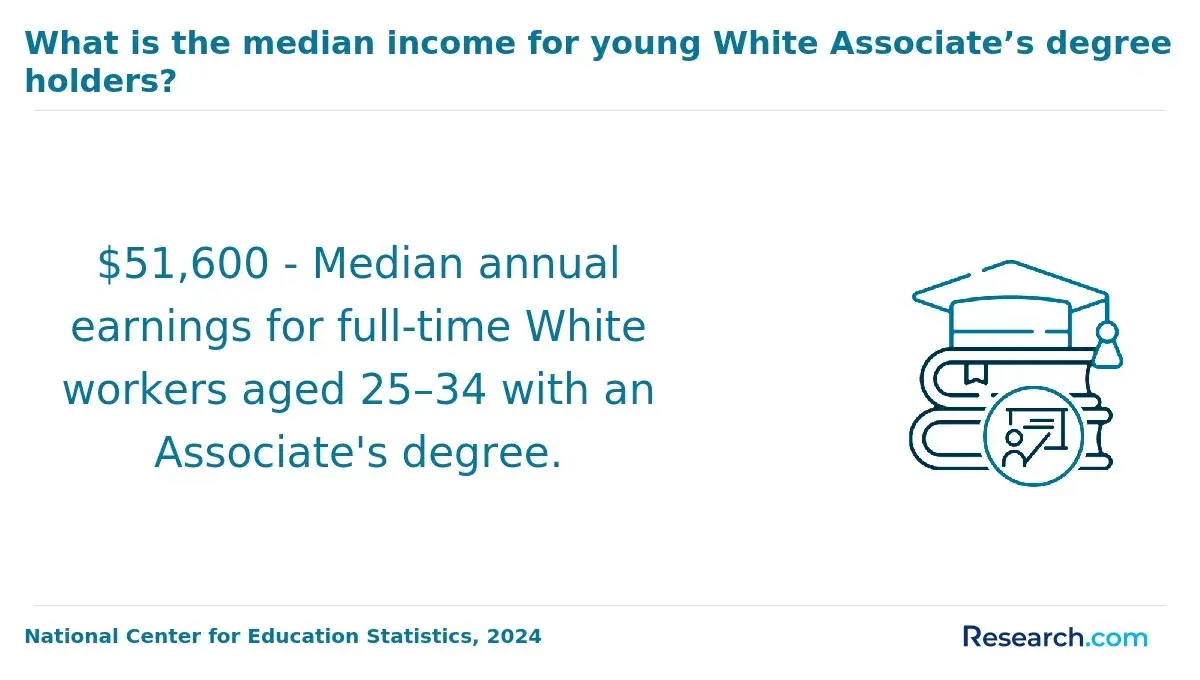
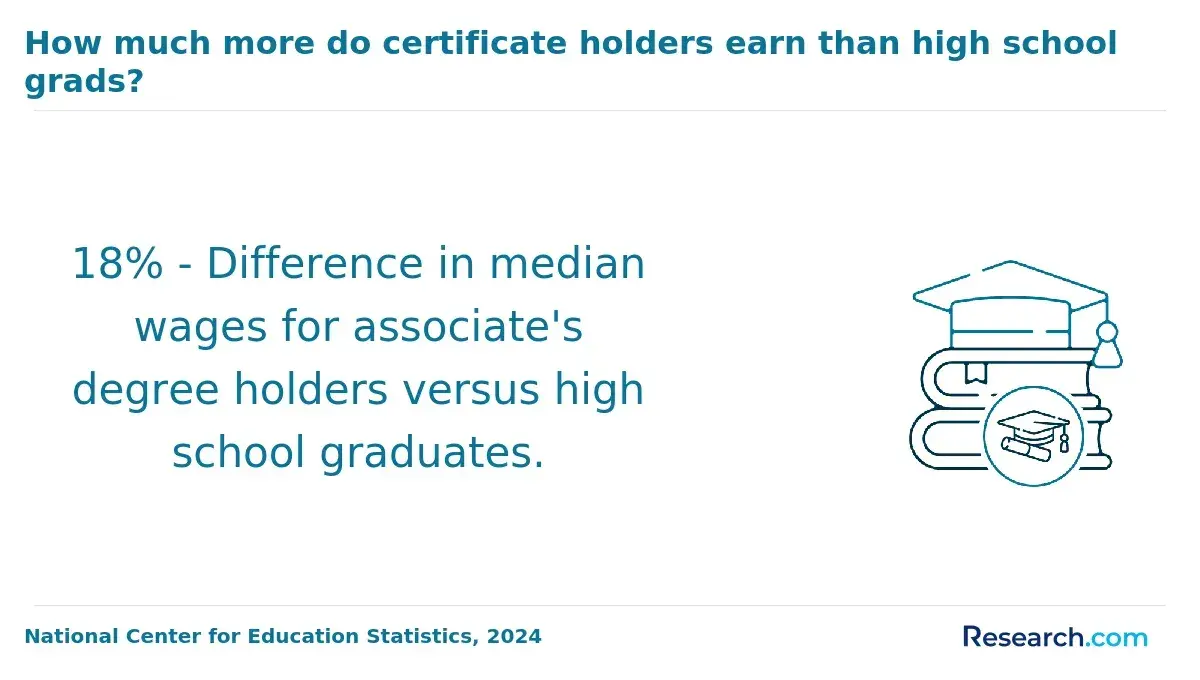
A useful benchmark is to ask whether the added cost can be justified by probable, not guaranteed, outcomes. BLS data for 2024 shows median weekly earnings of $1,543 for workers with a bachelor's degree and $1,099 for workers with an associate degree.
That education-level wage gap supports the value of completing a bachelor's degree, but it does not prove that paying more for a specific college will pay off. Your major, location, work experience, debt level, and graduation timeline still drive the final result.
A common mistake is treating "more selective" as the same as "better ROI." A more expensive transfer can be worthwhile, but only if it improves the path to completion and career entry enough to offset the higher cost.
How should I compare the full cost of attendance at my current and prospective colleges?
To compare the full cost of attendance, look beyond tuition. Cost of attendance usually includes tuition and fees, housing and food, books and supplies, transportation, personal expenses, health insurance when required, technology, and sometimes program-specific fees. For transfer students, it should also include one-time costs such as application fees, transcript fees, deposits, moving expenses, and possible lease penalties.
The following table uses College Board 2024-25 average published budgets to show why a transfer decision can look very different once living costs are included. These are national averages, so your actual costs may be higher or lower depending on the school, city, housing choice, and aid package.
| Institution type | Average annual on-campus budget | How to use this figure |
| Public four-year, in-state | $29,910 | Use as a baseline if you are currently paying in-state rates and living on campus. |
| Public four-year, out-of-state | $49,080 | Check whether the new school offers transfer scholarships or residency pathways before assuming affordability. |
| Private nonprofit four-year | $62,990 | Compare net price after grants and scholarships, not just the published price. |
The best comparison is a side-by-side annual and total-degree budget. Estimate what it will cost to finish where you are, then estimate what it will cost to finish after transferring. Include the number of remaining semesters in both cases.
Before deciding, collect the same cost categories from both colleges so the comparison is fair. These are the most important figures to request or calculate:
- Net price after grants, scholarships, and tuition discounts, not just published tuition.
- Mandatory fees, including technology, lab, clinical, course, graduation, and online learning fees.
- Housing and food costs for your actual plan, such as living on campus, renting nearby, commuting, or living with family.
- Transportation costs, including parking, gas, public transit, flights, or moving expenses.
- Books, equipment, software, uniforms, testing fees, and background checks required by your major.
- Loan amount needed each year and the likely interest cost if you do not pay while enrolled.
- Lost income if transferring requires leaving a job, reducing hours, or moving away from paid work.
Application costs are small compared with tuition, but they can add up if you apply widely. If you are still exploring options, a university with free application fee can help you compare admissible transfer pathways without spending as much upfront.
Will my existing college credits transfer, and how could credit loss affect time to graduation?
Transfer credit is one of the biggest financial variables in this decision. A college may admit you as a transfer student but still refuse to apply some credits toward your major, general education requirements, or graduation total. Credits that transfer only as electives may preserve your academic record but do little to shorten your time to degree.
Credit loss affects ROI because it can add semesters, increase borrowing, and delay entry into the labor market. It can also affect financial aid if you exceed satisfactory academic progress limits or approach maximum time-frame rules for your program.
The table below shows how different credit outcomes can change the value of transferring. Use it to understand the difference between credits that are accepted and credits that actually help you graduate.
| Credit outcome | What it means | Financial effect |
| Credits apply to the major | Courses count toward required upper- or lower-division major requirements. | Usually the best outcome because it protects your graduation timeline. |
| Credits apply to general education | Courses satisfy breadth or core curriculum requirements. | Helpful, especially if it frees space for major courses or electives. |
| Credits transfer as electives | Credits count toward the total but not toward specific requirements. | Mixed value because you may still need additional required courses. |
| Credits do not transfer | The new college does not accept the coursework. | Highest risk because you may repay for similar courses and extend enrollment. |
Do not rely on a verbal estimate from admissions alone. Before submitting a deposit, ask for written confirmation of how each course will apply to your degree plan.
Follow this sequence before committing to the transfer:
- Request an unofficial transfer credit preview before applying if the school offers one.
- After admission, ask for an official course-by-course evaluation mapped to your intended major.
- Compare the new degree audit with your current school's degree audit.
- Ask which courses are prerequisites for upper-division classes and whether missing one will delay sequencing.
- Confirm whether there is a residency requirement that forces you to complete a minimum number of credits at the new institution.
- Appeal denied credits with syllabi, course descriptions, graded work, or faculty letters when appropriate.
If you are considering changing majors because the new school offers an easier or faster path, review the actual curriculum rather than relying on assumptions about what is the easiest bachelor's degree to get. The easiest program on paper may not be the best fit if it weakens your career options or causes you to lose completed major credits.
How do changes in financial aid, scholarships, and grants impact the affordability of transferring?
Financial aid can change significantly after a transfer. Federal aid generally follows the student if eligibility remains intact, but institutional scholarships, state grants, tuition waivers, work-study assignments, and departmental awards may not transfer. That means a college with a higher sticker price can be affordable if it offers strong grant aid, while a school with moderate tuition can become expensive if your current scholarships disappear.
For 2024-25, the maximum Federal Pell Grant is $7,395. That figure is important because Pell can reduce net price, but it rarely covers the full annual cost of attending a four-year college. Students who rely on need-based aid should compare the full aid package, not just the admission offer.
Ask the financial aid office to provide a transfer-specific award estimate before you enroll. The following questions help reveal whether the offer is sustainable for every remaining year, not just the first semester:
- Which grants and scholarships are guaranteed, and which are estimates?
- Are transfer students eligible for the same merit awards as first-year students?
- Is the scholarship renewable, and what GPA or credit-completion rules apply?
- Will aid decrease if I live off campus, enroll part time, or take online courses?
- Does the school stack outside scholarships, or does outside aid reduce institutional grants?
- How much of the package is gift aid, and how much is loans or work-study?
- Will summer courses be covered if I need them to graduate on time?
One red flag is an aid package that makes the first year look affordable but relies heavily on loans in later years. Another is a scholarship that requires a GPA higher than what many students maintain in a demanding major. If the award is conditional, model the cost both with and without the scholarship so you know your risk.
Also check loan limits. Dependent undergraduate federal loan limits may not cover the gap at a higher-cost school, especially for juniors and seniors at private or out-of-state institutions. If the remaining cost would require Parent PLUS loans, private loans, or credit-based borrowing, evaluate whether the expected career path can reasonably support repayment.
What academic and career advantages might a higher-cost college offer over my current school?
A higher-cost college can be worth it when it offers academic or career advantages that your current school cannot match. The strongest reasons are usually program-specific: access to a major with limited seats, accredited clinical or teaching placements, stronger labs, better studio facilities, honors research, co-op programs, or employer relationships in your target industry.
The decision should focus less on the college's overall reputation and more on the quality of the department you will actually enter. A school can be highly ranked overall but weak in your program, while a less famous institution may have excellent placement in a specific regional labor market.
This table summarizes the advantages that most often justify a higher transfer cost. Use it to separate meaningful academic value from amenities that may not affect outcomes.
| Potential advantage | When it matters most | What to verify |
| Stronger major or specialization | Your current school lacks the program, concentration, or upper-division courses you need. | Course rotation, faculty expertise, graduation requirements, and seat availability. |
| Licensure-aligned curriculum | You are pursuing nursing, teaching, social work, counseling, accounting, engineering, or another regulated field. | State approval, exam pass rates when available, and supervised practice requirements. |
| Internship or co-op access | Your target field values experience before graduation. | Employer partners, placement support, paid opportunities, and eligibility for transfer students. |
| Research, labs, or studios | You need graduate school preparation, technical training, or a portfolio. | Undergraduate access, faculty mentorship, equipment, and project opportunities. |
| Career services and alumni network | Your field hires through campus recruiting or professional referrals. | Major-specific outcomes, internship rates, and employer events for transfer students. |
Sometimes the smarter move is not a transfer. If your current college is affordable and close to completion, targeted online courses, certifications, portfolio projects, or internships may improve employability without adding the cost and risk of changing institutions.
Be cautious if the more expensive college promises a "better experience" but cannot provide evidence of stronger outcomes in your major. Ask for transfer graduation rates, career outcomes by program, internship participation, graduate school placement, and examples of employers that recruit students in your field.
How do online, hybrid, and campus-based options affect the value of transferring to a pricier school?
Online, hybrid, and campus-based formats can change the value of transferring because they affect cost, flexibility, networking, and access to hands-on learning. The best format depends on your major, work schedule, location, and need for labs, clinical placements, fieldwork, studios, or campus recruiting.
The table below compares formats based on decision factors that affect ROI. Use it to identify which format supports your academic plan rather than choosing based only on convenience.
| Format | Best fit | Main trade-off |
| Online | Students who need flexibility, cannot relocate, or are completing lecture-based majors. | May offer less spontaneous networking and may not fit programs requiring extensive in-person practice. |
| Hybrid | Students who need flexibility but still benefit from labs, campus meetings, or field experiences. | Requires careful scheduling and may still involve commuting or local placement requirements. |
| Campus-based | Students in majors where facilities, clinical work, studios, labs, or employer recruiting are important. | Usually increases housing, transportation, and opportunity costs. |
Current employer expectations also matter. In many fields, employers are increasingly comfortable with accredited online education, but they still care about skills, experience, portfolios, licensure eligibility, and program reputation. For regulated fields, confirm that the online or hybrid format meets state requirements where you plan to work.
If the expensive transfer would force heavy undergraduate debt and you already plan to continue after graduation, compare the combined cost of both degrees. Students who expect to pursue graduate study may want to preserve undergraduate affordability and later evaluate the cheapest online masters options that still meet accreditation and career requirements.
What admission requirements and transfer policies should I evaluate before applying to a more expensive college?
Before applying to a more expensive college, evaluate whether admission is realistic and whether the transfer policy supports your timeline. Transfer admission can depend on completed credits, college GPA, prerequisite courses, major capacity, portfolio reviews, auditions, background checks, or minimum grades in specific courses.
Selective majors often have requirements beyond general university admission. For example, being admitted to the college does not always mean being admitted to nursing, engineering, business, education, architecture, music, or computer science.
If you are not admitted directly to the intended major, ask whether you can still graduate on time and what happens if you are not accepted later.
Use this checklist to compare transfer policies before paying deposits or declining your current enrollment option:
- Minimum transferable credit hours and minimum college GPA for admission.
- Major-specific prerequisites, grade requirements, and application deadlines.
- Maximum number of credits accepted from two-year or four-year institutions.
- Residency requirements for credits completed at the new college.
- Rules for AP, IB, CLEP, dual enrollment, military, or prior learning credits.
- Deadlines for financial aid, housing, orientation, advising, and course registration.
- Whether transfer students receive priority registration or register after continuing students.
- Policies for academic probation, repeated courses, and satisfactory academic progress.
One common mistake is applying late and discovering that the courses you need are full. Another is assuming that admission to the university guarantees access to the desired major. Ask for a semester-by-semester graduation plan before enrolling, especially if the program uses course sequences that begin only once per year.
How can I assess accreditation, program quality, and reputation when considering a higher-cost transfer?
Accreditation, program quality, and reputation should be evaluated together. Institutional accreditation confirms that a college meets broad academic and administrative standards. Programmatic accreditation applies to specific fields and can be essential for licensure, certification, graduate admission, or employer acceptance.
For most U.S. students, the first step is to confirm that the institution is accredited by an agency recognized by the U.S. Department of Education or the Council for Higher Education Accreditation. Then check whether your specific program needs specialized approval. This is especially important in fields such as nursing, education, social work, counseling, psychology, engineering, architecture, nutrition, and accounting.
The following table shows what to check and why it matters. It is especially useful when a higher-cost college claims better quality or stronger career outcomes.
| Quality factor | Why it matters | Evidence to request |
| Institutional accreditation | Affects credit transfer, federal aid eligibility, and general academic credibility. | Accreditor name and current status. |
| Programmatic accreditation or approval | May be required for licensure, certification, or graduate study. | Accrediting body, approval status, and any probation notices. |
| Program outcomes | Shows whether students complete and move into relevant next steps. | Graduation rates, licensure pass rates, placement data, and graduate school outcomes when available. |
| Faculty and curriculum | Influences advising, course quality, and professional preparation. | Faculty credentials, course rotation, student-faculty access, and experiential learning requirements. |
| Reputation in your field | Matters most when employers or graduate programs recognize the department. | Employer partners, alumni outcomes, advisory boards, and internship sites. |
Red flags include unclear accreditation language, pressure to enroll quickly, vague job placement claims, missing licensure disclosures, credits that rarely transfer elsewhere, or a program that advertises outcomes without explaining how the numbers were measured. A more expensive college should be more transparent, not less.
Do not use rankings as your only quality measure. Rankings can reflect selectivity, research volume, alumni giving, or institutional wealth rather than teaching quality or transfer student support. For transfer ROI, the better question is whether the program helps students like you complete the degree and reach the next step.
How does transferring to a more expensive college influence salary potential and long-term job outcomes?
Transferring to a more expensive college can influence salary potential, but it usually does so indirectly. The transfer may matter if it gives you access to a higher-return major, stronger internships, better advising, professional licensure, co-op experience, research opportunities, or recruiting networks. The school name alone is rarely enough to justify a much higher cost.
BLS data for 2024 shows median weekly earnings of $1,543 for workers with a bachelor's degree and $1,840 for workers with a master's degree. This shows that education level is associated with earnings, but it does not isolate the effect of transferring to a pricier institution. Major, occupation, region, experience, and labor market conditions can have a larger effect than college brand.
This table helps connect transfer benefits to possible career outcomes without assuming a guaranteed salary increase. Use it to identify which advantages are most relevant to your target field.
| Transfer benefit | Career outcome it may support | Best evidence to check |
| Access to a constrained or high-demand major | Eligibility for roles that require specific technical or professional training. | Major admission rates, course availability, and graduate outcomes by program. |
| Required licensure pathway | Ability to sit for exams or meet state education requirements. | Licensure disclosures, exam pass rates, and state approval status. |
| Internships, co-ops, or clinical placements | Stronger entry-level experience and professional references. | Placement sites, paid opportunity rates when available, and transfer student access. |
| Employer recruiting pipeline | More structured access to interviews in certain industries. | Career fair employers, first-destination outcomes, and alumni networks in your field. |
| Graduate school preparation | Better preparation for research, portfolios, exams, or advanced study. | Graduate placement, faculty mentorship, and undergraduate research participation. |
A practical way to evaluate salary potential is to start with the occupation you want, then work backward. Identify the required degree, preferred majors, licensure rules, internship expectations, and entry-level hiring patterns. If the expensive college improves several of those factors, the added cost may be defensible. If it improves none of them, staying put may be the stronger financial choice.
Be careful with school-reported salary data. Ask whether the figures are based on all graduates, survey respondents only, a specific major, a specific location, or a small sample. Strong data should be program-specific and transparent about methodology.
Which tools and strategies can I use to build a personalized cost-benefit analysis for transferring?
A personalized cost-benefit analysis is the safest way to decide whether transferring is worth it. The goal is not to predict the future perfectly; it is to make the financial trade-offs visible before you commit.
Start by building two scenarios: "finish at current college" and "transfer to new college." For each one, calculate remaining cost, remaining time, likely debt, credit loss, academic fit, and career support. Then compare the scenarios using the same assumptions.
Use this step-by-step process to make the decision more concrete:
- Request your current degree audit and estimate the exact number of credits and semesters remaining.
- Request a transfer credit evaluation and degree plan from each prospective college.
- Calculate total remaining net cost, including tuition, fees, housing, food, transportation, books, and one-time transfer expenses.
- Estimate total borrowing, including federal loans, private loans, Parent PLUS loans, and expected interest while enrolled.
- Compare graduation timelines and include the cost of any extra semester or summer term.
- List career advantages that are specific and verifiable, such as licensure eligibility, internship access, or major admission.
- Check program accreditation, state authorization, and licensure disclosures if your field requires them.
- Ask each school for outcomes data for your major, not only institution-wide averages.
- Run a downside scenario in which scholarships decrease, housing costs rise, or one semester is added.
- Choose the option that gives you the strongest path to completion with a debt level you can reasonably manage.
It can also help to use a simple decision rule: transfer only if the new school improves at least two of the following-time to graduation, program access, licensure eligibility, career experience, employer connections, or total net affordability. If it improves only campus lifestyle or perceived prestige, the case is weaker.
If your long-term plan includes graduate school, include that in the analysis. For some students, choosing an affordable undergraduate route and later selecting the easiest master degree that still fits their career goals may be more practical than taking on heavy debt for a bachelor's transfer.
The bottom line: transferring to a more expensive college can be worth it, but only when the added price buys measurable academic progress, better career preparation, or a faster and clearer route to the credential you need. If the benefits are vague, the credits are uncertain, or the debt is uncomfortable, pause before enrolling.
Other Things You Should Know About Transferring
Not always. It can be a good idea if the new college accepts most of your credits, offers a stronger program in your field, improves licensure or internship access, and provides enough aid to keep debt manageable. It is risky if the main benefit is prestige without a clear academic or career payoff.
There is no single cutoff that fits everyone. A safer approach is to estimate your total debt at graduation and compare it with realistic entry-level earnings in your intended field. Be especially cautious if the transfer requires private loans or Parent PLUS loans to cover basic costs.
Only if the lost credits are outweighed by a clear benefit, such as entry into a required major, licensure pathway, or substantially better graduation plan. If credit loss adds a semester or more, recalculate the full cost before deciding.
It can be, but institution type alone does not determine value. Compare net price, transfer credits, program quality, accreditation, graduation timeline, aid renewal rules, and outcomes in your major. A private college with strong grants may cost less than expected, while a public out-of-state transfer can be expensive without aid.
References
- Choosing a College: Consider Costs https://www.iowastudentloan.org/articles/students/choosing-a-college-consider-costs.aspx
- How does a college degree improve graduates’ employment and earnings potential? - APLU https://www.aplu.org/our-work/4-policy-and-advocacy/publicuvalues/employment-earnings/
- Cost-Benefit Analysis for Strategic Decisions: A Comprehensive Guide https://www.graduateschool.edu/learn/data-analytics/cost-benefit-analysis-for-strategic-decision-making
- Estimate your college cost | USAGov https://www.usa.gov/estimate-college-cost
- Benefits of a College Degree on Salary & Earning Potential | UMass Global https://www.umassglobal.edu/blog-news/how-college-impacts-salary-and-future-earning-potential
- Average Cost of College [2025]: Yearly Tuition + Expenses https://educationdata.org/average-cost-of-college
- Does College Pay Off? A Comprehensive Return On Investment Analysis - FREOPP https://freopp.org/whitepapers/does-college-pay-off-a-comprehensive-return-on-investment-analysis/