2027 What Do Political Scientists Do: Complete Student Guide

Co-Founder and Chief Data Scientist
Choosing political science means deciding whether you want to study power, policy, elections, law, public opinion, and government systems as a career path, not just as a major. The field is selective: the U.S. Bureau of Labor Statistics projects about 600 political scientist openings per year from 2023 to 2033, so preparation matters.
This guide is for students comparing majors, graduate school, online programs, and policy careers. You will learn what political scientists do, what education is usually required, how salaries vary, and how to choose a program that fits your goals.
Key Things You Should Know
- Political scientists usually need at least a master's degree for research-heavy roles, while bachelor's graduates more often enter adjacent jobs in campaigns, public administration, nonprofit advocacy, business research, journalism, or law-related work.
- The BLS reported a median annual wage of $132,350 for political scientists in its 2024 Occupational Outlook Handbook, but that figure mainly reflects specialized research and policy roles, not every job open to political science majors.
- Career fit depends on your ability to combine writing, data analysis, policy knowledge, and networking; internships and applied research often matter as much as the degree name for first jobs.
What do political scientists do on a daily basis in government, nonprofits, and industry?
Political scientists study how political systems work and how public decisions are made. In practice, that can mean analyzing election data, evaluating government programs, writing policy briefs, advising public officials, researching public opinion, or helping organizations understand regulations and geopolitical risk.
The daily work changes by employer. A government analyst may focus on legislation and program outcomes, while a nonprofit researcher may study housing, voting access, climate policy, or civil rights. In industry, political science training is often used in risk analysis, public affairs, polling, consulting, and market strategy.
The table below compares common work settings so you can see how the same degree can lead to different daily responsibilities and skill demands.
| Work setting | Typical daily work | Best fit for students who enjoy | Common deliverables |
| Federal, state, or local government | Reviewing laws, analyzing programs, summarizing stakeholder input, preparing memos, and tracking policy outcomes | Public service, regulation, budgeting, and administrative decision-making | Policy memos, briefing papers, legislative summaries, evaluation reports |
| Nonprofits and advocacy organizations | Researching social issues, preparing testimony, building evidence for campaigns, and communicating with communities or funders | Issue advocacy, civic engagement, grant-funded projects, and mission-driven work | Issue briefs, grant reports, campaign materials, community data summaries |
| Think tanks and research institutes | Designing studies, analyzing datasets, writing reports, and presenting findings to policymakers or the public | Research design, writing, data analysis, and subject-matter specialization | Research papers, policy reports, datasets, public presentations |
| Private industry and consulting | Monitoring political risk, advising clients, conducting stakeholder research, and interpreting regulatory changes | Business strategy, public affairs, risk analysis, and client-facing work | Client briefs, risk assessments, market and regulatory scans |
| Campaigns and political organizations | Tracking voters, analyzing polling, coordinating outreach, managing communications, and supporting field strategy | Fast-paced work, elections, messaging, and grassroots organizing | Polling summaries, voter outreach plans, campaign reports |
Technology is changing the day-to-day work. Political scientists increasingly use statistical software, geographic information systems, survey platforms, and AI-assisted tools to process large volumes of text, polling data, legislation, and public comments. However, employers still need humans who can judge evidence, understand institutions, write clearly, and explain trade-offs without overstating what the data proves.
What degree do you need to become a political scientist in the United States?
For the job title "political scientist," a master's degree or PhD is often expected, especially in research, academic, and advanced policy roles. A bachelor's degree in political science can still be valuable, but it usually leads to broader roles such as policy assistant, legislative aide, campaign staffer, paralegal, public relations associate, nonprofit coordinator, or research assistant.
If you are still comparing majors, political science can be one of the best degrees for students who want a flexible path into law, public service, policy analysis, communications, or civic leadership, especially when paired with internships and quantitative skills.
The table below shows how different degree levels usually map to political science career options in the U.S. Use it to avoid under- or over-investing in education for the role you actually want.
| Education level | Typical purpose | Possible roles | When it makes sense |
| Associate degree or transfer pathway | Lower-cost start toward a bachelor's degree | Administrative assistant, campaign volunteer coordinator, transfer student pathway | You want to reduce costs before completing a four-year degree |
| Bachelor's degree in political science | Broad foundation in government, policy, law, research, and writing | Legislative aide, policy assistant, campaign staffer, nonprofit coordinator, public affairs associate | You want entry-level roles or plan to pursue law school, an MPA, MPP, MA, or PhD later |
| Master of Public Policy or Master of Public Administration | Applied policy, budgeting, management, and program evaluation | Policy analyst, program analyst, city management analyst, public sector consultant | You want practical government or nonprofit leadership roles |
| MA or MS in Political Science | Advanced research in political behavior, institutions, comparative politics, or international relations | Research analyst, policy researcher, doctoral applicant, think tank associate | You want deeper research training but may not need a full PhD |
| PhD in Political Science | Original research and advanced teaching or research specialization | University professor, senior researcher, principal investigator, advanced policy scholar | You want academic or high-level research work and are prepared for a long training path |
| Law degree or joint degree | Legal practice or policy work requiring legal expertise | Attorney, legislative counsel, compliance specialist, policy advocate | You want to practice law or work at the intersection of law and public policy |
Admissions requirements vary, but bachelor's programs commonly review high school transcripts, GPA, essays, and sometimes test scores. Graduate programs often ask for transcripts, recommendation letters, a statement of purpose, writing samples, research interests, and evidence of quantitative or policy preparation. For doctoral programs, faculty fit and research potential are especially important.
What is the typical salary and earning potential for political scientists by role and sector?
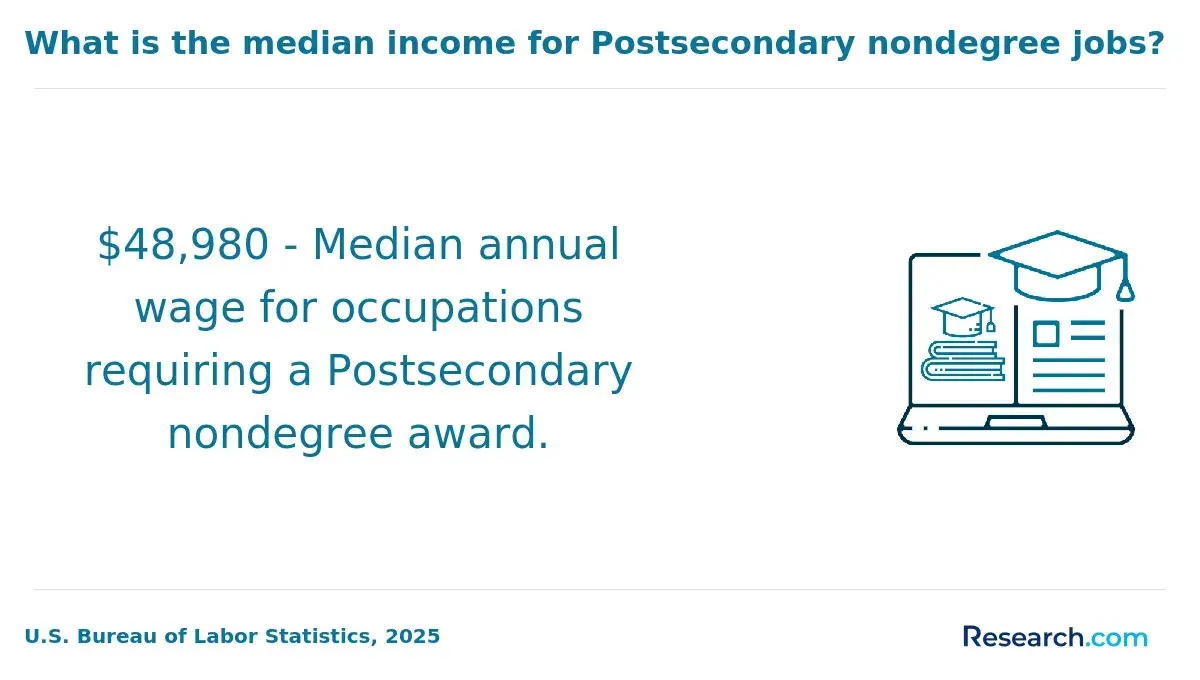
The most important salary point is that "political science major" and "political scientist" are not the same labor-market category. The BLS median annual wage of $132,350 for political scientists reflects a specialized occupation that often requires graduate-level research training; many bachelor's-level graduates start in adjacent roles that pay less but can lead to advancement.
Salary depends on sector, location, education level, writing ability, quantitative skills, security clearance eligibility, and whether the role involves management or specialized policy expertise. The table below gives a practical comparison of earning potential by role type rather than implying that every graduate follows the same path.
| Role or sector | Typical education signal | Earning context | What can raise earning potential |
| Political scientist or advanced policy researcher | Usually master's or PhD | Often among the higher-paying political science-related paths, especially in federal or specialized research roles | Advanced statistics, subject-matter expertise, publications, security or regional expertise |
| Policy analyst or program analyst | Bachelor's plus experience, or MPP/MPA for stronger roles | Pay varies widely by government level, nonprofit funding, and consulting environment | Program evaluation, budgeting, data visualization, grant or regulatory knowledge |
| Legislative aide or campaign staffer | Bachelor's plus internships or campaign experience | Entry pay can be modest, but experience can build access to communications, government relations, and leadership roles | Strong networks, writing speed, issue expertise, constituent service experience |
| Public affairs, government relations, or consulting | Bachelor's or master's depending on level | Private-sector roles may pay more when tied to client strategy, regulation, or business risk | Client management, regulatory knowledge, presentation skills, industry specialization |
| Nonprofit advocacy or civic engagement | Bachelor's or master's depending on role | Compensation depends heavily on organization size, funding sources, and geography | Grant writing, coalition management, policy expertise, communications skills |
Use salary data as a planning tool, not a promise. Before enrolling in a program, compare the school's internship access, alumni job titles, graduate school placement, and regional employer network with the type of role you want after graduation.
What are the main career paths and job titles for graduates in political science?
Political science is a flexible major because it trains students to understand institutions, incentives, laws, conflict, public opinion, and evidence. That flexibility is useful, but it also means students should choose a direction early enough to build relevant experience.
The table below groups common career paths by the kind of work they involve. This can help you decide whether you need graduate school, a legal credential, technical skills, or more field experience.
| Career path | Common job titles | Typical first step | Longer-term direction |
| Public policy and government | Policy assistant, legislative aide, program analyst, city management analyst | Internship with a government office, agency, or elected official | Policy analyst, senior program manager, public administrator, legislative director |
| Research and data analysis | Research assistant, survey analyst, public opinion analyst, policy researcher | Faculty research project, methods course, statistics portfolio | Senior researcher, think tank analyst, doctoral researcher, evaluation specialist |
| Campaigns and elections | Field organizer, campaign assistant, polling assistant, digital organizer | Campaign volunteering, canvassing, voter outreach, data entry | Campaign manager, political consultant, communications director, polling strategist |
| Law and legal services | Paralegal, legal assistant, legislative assistant, compliance coordinator | Pre-law advising, legal internship, writing-intensive coursework | Attorney, legislative counsel, compliance officer, public interest advocate |
| International affairs and security | Program associate, international research assistant, risk analyst | Language study, regional specialization, study abroad or federal internship | Foreign affairs analyst, security specialist, international development manager |
| Communications and public affairs | Press assistant, public affairs associate, communications coordinator | Campus newspaper, public relations internship, writing samples | Public affairs manager, government relations director, strategic communications lead |
A common mistake is waiting until senior year to choose a direction. A student interested in polling should build statistics and survey experience early, while a student aiming for law should prioritize analytical writing, internships, and LSAT planning. The same major can support both paths, but the preparation strategy is different.
What courses and skills are emphasized in a political science major or graduate program?
Political science programs usually combine theory, institutions, research methods, and applied policy analysis. Introductory courses explain how governments work; upper-division courses train students to analyze evidence, compare systems, and write arguments that can withstand criticism.
Most programs emphasize several clusters of coursework. These areas matter because they shape which internships, graduate programs, and entry-level roles you will be most competitive for.
- American government and public law: Congress, the presidency, courts, federalism, constitutional law, civil liberties, and administrative agencies.
- Comparative politics and international relations: political systems, conflict, diplomacy, development, international organizations, security, and regional studies.
- Political theory: democratic theory, justice, power, rights, ideology, and the intellectual foundations of political institutions.
- Public policy and administration: policy design, budgeting, implementation, program evaluation, ethics, and public management.
- Research methods and data analysis: statistics, survey design, causal inference, qualitative interviews, coding, mapping, and evidence evaluation.
Employers rarely hire only because a student has taken political science courses. They look for proof that the student can produce work. Strong candidates often graduate with writing samples, data projects, policy memos, campaign experience, public presentations, or research assistant experience.
These skills are especially useful for students who want to turn the major into a career rather than just a credential.
- Clear writing for different audiences, including policy memos, executive summaries, op-eds, research reports, and briefing notes.
- Quantitative analysis using tools such as Excel, R, Python, Stata, SPSS, Tableau, or GIS platforms, depending on the program and career goal.
- Qualitative research, including interviewing, document analysis, case studies, archival research, and field observation.
- Public communication, including presentations, testimony preparation, stakeholder briefings, and media-ready explanations.
- Ethical judgment, especially when handling survey data, community input, sensitive policy topics, or partisan environments.
AI is also becoming part of the workflow. Students should learn how to use AI tools for document review, idea generation, and coding support while still verifying facts, protecting confidential data, and avoiding unsupported claims. In policy work, judgment and accountability cannot be outsourced to software.
How do online political science programs compare with campus-based degrees for career outcomes?
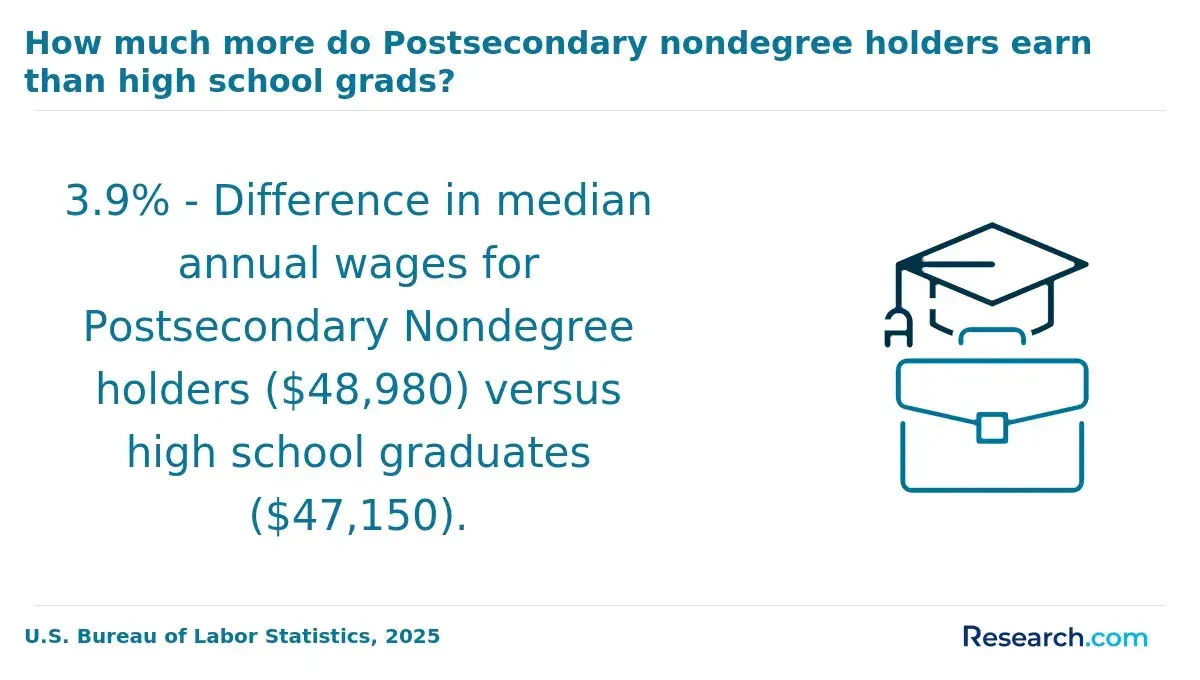
Online political science programs can be a strong option when they are offered by accredited institutions, include rigorous writing and research assignments, and provide access to advising, faculty, internships, and career services. Employers generally care more about the institution, skills, experience, and portfolio than whether every class met in person.
Format still matters for your learning style and career strategy. The table below compares online and campus-based options so you can match the format to your needs instead of assuming one is automatically better.
| Factor | Online political science degree | Campus-based political science degree | Best choice when |
| Flexibility | Often better for working adults, parents, commuters, and students who need asynchronous classes | Less flexible but more structured | Online fits students balancing school with work or family responsibilities |
| Networking | Can be strong if the program offers virtual events, alumni access, and internship support | Often easier through campus events, student government, faculty offices, and local organizations | Campus fits students who want frequent in-person political, legal, or policy engagement |
| Internships | Depends on whether the school helps students find local, remote, or Washington-based placements | Often easier when the campus is near a state capital, city hall, courts, advocacy groups, or research centers | Choose the format with better access to the employers you want |
| Learning style | Requires self-discipline, time management, and comfort with written discussion | Offers more face-to-face discussion and immediate classroom interaction | Online fits independent learners; campus fits students who thrive on live debate |
| Career signaling | Strong when the school is accredited and reputable | Strong when paired with visible campus involvement and local networks | Either can work if you build experience and documented skills |
Students who move frequently, including military-connected families, should pay special attention to transfer credit, asynchronous options, and internship flexibility; guides to online degrees for military spouses can help identify schools built around mobility and continuity.
Red flags include programs with weak advising, no clear internship support, limited faculty information, vague accreditation claims, or few upper-level courses in your intended concentration. A low-friction online format is only useful if it still helps you build credible evidence of skill.
How long does it take to complete a political science degree and what does it cost?
A bachelor's degree in political science typically takes four years of full-time study, while part-time students may need longer. A master's program often takes one to two years, and a PhD can take five or more years because it includes advanced coursework, comprehensive exams, teaching or research work, and a dissertation.
Cost depends heavily on institution type, residency, transfer credits, financial aid, housing, and whether you study full time or part time. College Board's 2024 pricing report listed the following average published tuition and fees for the 2024-25 academic year, which helps frame the cost difference before scholarships and grants are applied.
- Public four-year in-state: $11,610
- Public four-year out-of-state: $30,780
- Private nonprofit four-year: $43,350
Those published prices do not equal your final net cost. Many students pay less after grants, scholarships, employer benefits, military benefits, or state aid, while others pay more once housing, transportation, books, technology, and lost work hours are included.
The table below summarizes common timeline and cost trade-offs so you can think beyond sticker price.
| Path | Typical timeline | Cost considerations | Best fit |
| Community college transfer to bachelor's | About two years at community college plus two years after transfer | Can reduce lower-division tuition if credits transfer cleanly | Students who want a lower-cost start and have a clear transfer plan |
| Traditional bachelor's degree | About four years full time | Costs vary by state residency, housing, aid, and institution type | Students who want a full campus or structured undergraduate experience |
| Online bachelor's degree | Often similar to campus programs, with possible part-time pacing | May reduce commuting or housing costs but can still have fees | Working adults, transfer students, parents, and location-bound students |
| Accelerated bachelor's pathway | May be shorter if the school accepts prior credits or offers condensed terms | Can reduce time in school but may require heavier course loads | Motivated students with transfer credits or strong time management |
| Master's degree | Commonly one to two years | Return depends on target role, funding, assistantships, and employer expectations | Students aiming for policy, administration, research, or advancement roles |
| PhD | Often five or more years | Funding varies; opportunity cost can be significant | Students committed to advanced research or academic careers |
If speed is a major priority, compare admissions rules, transfer policies, and course intensity before choosing an accelerated bachelor's degree. Finishing faster can be valuable, but not if the pace prevents you from completing internships, research projects, or writing samples that support your career goal.
How can you choose an accredited, reputable political science program in the U.S.?
Accreditation is the first quality check. In the U.S., students should look for institutional accreditation from an accreditor recognized by the U.S. Department of Education or the Council for Higher Education Accreditation. Political science programs usually do not require a special programmatic accreditation the way nursing, teaching, or counseling programs often do, so institutional accreditation carries major weight.
Application costs can add up when comparing schools, so students building a broad college list may benefit from exploring a free online college application option, especially if they are applying to multiple accredited programs and still narrowing down fit.
Use the following steps to evaluate a program before you enroll. They focus on quality, career alignment, and avoidable financial mistakes.
- Verify institutional accreditation through an official accreditor or government-recognized database, not only the school's marketing page.
- Review the political science curriculum to confirm it includes research methods, writing-intensive courses, and upper-level electives in your area of interest.
- Ask how internships work for online, transfer, out-of-state, and working students.
- Compare faculty expertise with your goals, such as public policy, law, international relations, elections, public administration, or political theory.
- Check transfer credit rules, residency requirements, and whether prior credits apply to the major or only to electives.
- Request net price information, not just tuition, and compare grants, fees, books, housing, and expected borrowing.
- Look for evidence of outcomes, such as alumni job titles, graduate school placement, career services, and student research opportunities.
The table below lists common red flags and better alternatives. It can help you avoid choosing a program based only on convenience or a polished website.
| Red flag | Why it matters | Better alternative |
| Unclear or questionable accreditation language | Credits may not transfer, and employers or graduate schools may not recognize the degree | Choose an institution with recognized accreditation that is easy to verify |
| No required research methods course | Students may graduate without the analytical foundation needed for policy or graduate study | Look for programs with statistics, research design, and writing-intensive assignments |
| Weak internship support | Political science careers often depend on experience and networks | Ask for examples of recent placements and remote or local options |
| Only broad survey courses | The program may not support specialization or advanced preparation | Choose a curriculum with upper-level electives and faculty expertise in your area |
| Sticker price shown without net cost context | You may underestimate total borrowing or overpay for a poor fit | Compare net price, aid, fees, transfer credits, and time to completion |
What is the job outlook for political scientists and related policy careers in the coming decade?
The job outlook for the specific occupation "political scientist" is modest and competitive. The BLS projects 3% growth for political scientists from 2023 to 2033, which means students should not rely on the title alone when planning a career. The better strategy is to prepare for a cluster of related roles in policy, research, public affairs, public administration, law, campaigns, and nonprofit leadership.
This outlook does not mean political science is a poor choice. It means students should pair the major with practical experience and marketable skills. Policy problems involving housing, healthcare, climate adaptation, cybersecurity, voting systems, public finance, and international security continue to require people who can interpret institutions and evidence.
Because the occupation is selective, affordability matters. Students comparing lower-cost pathways can research the cheapest bachelor degree online options, but they should still confirm accreditation, transfer policies, internship access, and course quality before prioritizing price alone.
Several trends are shaping political science careers now. Students who understand these trends can make smarter choices about coursework and internships.
- Data-driven policy work is growing more important, so students with statistics, survey analysis, GIS, and visualization skills may have more options than students with writing skills alone.
- AI tools are speeding up document review, coding support, and policy scanning, but employers still need analysts who can verify sources, identify bias, and explain uncertainty.
- Public trust, polarization, and misinformation have increased demand for clear communication, civic education, and evidence-based public engagement.
- Hybrid and remote work have expanded access to some internships and research roles, but in-person networks remain valuable in capitals, city governments, courts, campaigns, and advocacy hubs.
Students who want the strongest employment flexibility should think in terms of skill stacks. Political science plus data analysis can lead toward research and evaluation; political science plus communications can lead toward public affairs; political science plus public administration can lead toward government management; political science plus law can lead toward legal and regulatory careers.
How can internships, research, and networking help you break into political science careers?
Internships, research, and networking are not extras in political science; they are often the bridge between classroom learning and paid work. Many entry-level roles ask for writing samples, issue knowledge, campaign experience, constituent service, data projects, or evidence that you can work in a fast-moving public environment.
The most effective students build experience in stages. The sequence below can help you move from interest to employability without waiting until graduation.
- Choose a focus area by your sophomore year if possible, such as elections, public policy, law, international affairs, public administration, or advocacy.
- Take at least one research methods or statistics course early enough to use those skills in a project or internship.
- Create work samples, such as a policy memo, data brief, legislative summary, campaign analysis, or research poster.
- Apply for internships with local government, state agencies, courts, campaigns, nonprofits, think tanks, congressional offices, or public affairs teams.
- Join student government, debate, model United Nations, campus media, civic organizations, or issue-based groups to practice public communication.
- Ask faculty about research assistant opportunities, honors theses, conference presentations, or data projects.
- Build a simple professional network by attending public meetings, alumni panels, career events, campaign trainings, and policy talks.
Networking works best when it is specific. Instead of asking someone to "help me find a job," ask how they entered their field, what skills their office values, what entry-level titles to search for, and whether they can suggest one other person to contact.
Common mistakes include relying only on grades, doing unrelated internships without a career story, avoiding quantitative courses, and treating political interest as the same thing as professional preparation. A stronger approach is to graduate with a clear direction, two or more relevant experiences, and proof that you can write, analyze, and communicate in a professional setting.
Other Things You Should Know About
A political scientist studies political systems, public policy, elections, institutions, public opinion, and government behavior. Depending on the role, the work may include data analysis, policy writing, program evaluation, survey research, legislative research, or advising organizations on political and regulatory issues.
Some entry-level research or policy assistant roles may be available with a bachelor's degree, but many jobs with the formal title "political scientist" prefer or require a master's degree or PhD. Bachelor's graduates often start in related roles in government, nonprofits, campaigns, law offices, public affairs, or research support.
Political science can be a strong pre-law major because it develops reading, writing, argumentation, constitutional knowledge, and understanding of institutions. However, law schools do not require a specific major, so GPA, LSAT performance, writing ability, recommendations, and fit matter more than the major name alone.
An online political science degree can be respected if it comes from an accredited, reputable institution and includes rigorous coursework, faculty access, research training, and career support. Students should check accreditation, internship options, transfer policies, and alumni outcomes before enrolling.
References
- Colleges with Strong Political Science Programs https://toptieradmissions.com/strong-political-science/
- Online Political Science Degrees: Find Your School https://www.degreesforgood.org/online-degrees/political-science-degrees/
- Career Path After Graduation in Political Science https://jgu.edu.in/blog/2024/02/20/career-in-political-science/
- Political Scientist https://augstudy.com/careers/political-scientist/
- Internships To Help Political Science Majors Discover Their Dream Job https://resources.twc.edu/articles/internships-help-political-science-majors-discover-their-dream-job
- Online Political Science Degrees https://mycollegeguide.org/online-political-science-degrees/
- Political Scientist https://www.princetonreview.com/careers/122/political-scientist
- Can Online Colleges Offer Competitive Career Outcomes? https://www.onlineu.com/magazine/popular-online-schools-career-outcomes
- Political Scientists: Salary, career path, job outlook, education and more - RaiseMe https://www.raise.me/careers/life-physical-and-social-science/political-scientists/
- Advice for undergraduates interested in US policy - Emerging Technology Policy Careers https://emergingtechpolicy.org/pathways/undergraduate-advice/