2027 Industrial Design Schools: Complete Student Guide

Co-Founder and Chief Data Scientist
Choosing an industrial design school is a high-stakes decision because your portfolio, studio access, software training, and industry connections can shape your first job options. College Board's 2024-25 data shows published tuition and fees averaging $11,610 at public four-year in-state institutions and $43,350 at private nonprofit four-year institutions, before housing and supplies. This guide is for students comparing U. S. industrial design programs, including online and campus options. You will learn how degrees work, what they cost, what employers value, and how to choose a program that fits your goals.
Key Things You Should Know
- Industrial design programs are portfolio-driven: employers usually care most about evidence of product thinking, sketching, CAD, prototyping, user research, and design communication, not just the school name.
- Costs vary sharply by institution type; 2024-25 published tuition and fees averaged $11,610 for public four-year in-state students and $43,350 at private nonprofit four-year institutions, before aid and design-specific supplies.
- The U.S. median annual wage for industrial designers was about $79,000 in May 2024, according to federal wage data, but outcomes vary by industry, location, portfolio quality, internship experience, and technical specialization.
What is industrial design, and how do U.S. industrial design degree programs work?
Industrial design is the professional field focused on designing physical products, systems, and product experiences that people use every day. It combines aesthetics, ergonomics, engineering awareness, manufacturing constraints, business strategy, sustainability, and human-centered research. In school, this means you are not only learning to make products look good; you are learning how to identify user needs, generate concepts, test prototypes, and communicate ideas clearly to clients, engineers, and manufacturers.
Most U.S. industrial design degree programs are studio-based. Students complete design projects that become portfolio pieces, receive critique from faculty and peers, and learn to move from research to sketches, CAD models, prototypes, and final presentations. Many programs also include internships, sponsored studio projects with companies, or senior capstone work because entry-level hiring often depends on applied evidence of skill.
The table below summarizes how industrial design programs typically work in practice. Use it to understand what you are really buying when you compare schools beyond tuition and rankings.
| Program component | What it usually includes | Why it matters when choosing a school |
| Studio sequence | Progressive product design projects, critiques, and portfolio development | Strong studios help you build the work samples employers expect from junior designers |
| Technical training | Sketching, model making, CAD, rendering, prototyping, and materials | Weak technical resources can limit the quality and realism of your portfolio |
| Human-centered design | User research, ergonomics, accessibility, usability testing, and design strategy | Employers increasingly expect designers to justify decisions with evidence, not taste alone |
| Manufacturing context | Materials, production methods, sustainability, cost constraints, and collaboration with engineers | Products must be feasible to make, ship, repair, and scale |
| Career preparation | Internships, portfolio reviews, alumni critiques, capstone projects, and employer partnerships | Career support can make a major difference in the transition from school to studio work |
Industrial design can be a good fit if you enjoy both creative exploration and practical problem-solving. It may be a poor fit if you want a purely fine-art program, dislike critique, avoid technical software, or prefer work with clear right-or-wrong answers.
What types of industrial design degrees can you earn and at which levels?
Industrial design degrees are available at the associate, bachelor's, master's, and certificate levels, but the bachelor's degree is the most common entry point for professional industrial design roles. The right level depends on your current education, portfolio strength, career goal, and budget. Students who are still comparing broader education pathways may also want to review best online degrees to understand how design compares with other career-focused majors.
The table below compares the main credential levels. It is especially useful if you are deciding whether to start with a lower-cost pathway, commit to a full design degree, or pursue graduate study after another major.
| Credential level | Typical purpose | Best fit | Main limitation |
| Certificate or non-degree coursework | Build targeted skills in CAD, sketching, UX methods, rendering, or portfolio development | Career changers testing the field or graduates filling skill gaps | Usually not enough by itself for competitive industrial design roles |
| Associate degree | Introduce design fundamentals, drafting, model making, and transfer-ready coursework | Budget-conscious students planning to transfer to a bachelor's program | May lead more directly to technician or assistant roles than full designer roles |
| Bachelor's degree | Provide a full studio sequence, portfolio development, and professional preparation | Students seeking entry-level industrial designer, product designer, or design researcher roles | Requires substantial time, tuition, software, materials, and studio commitment |
| Master's degree | Advance design strategy, research, innovation, teaching preparation, or specialization | Career changers with strong adjacent backgrounds or designers seeking leadership roles | Not always required for entry-level product design work |
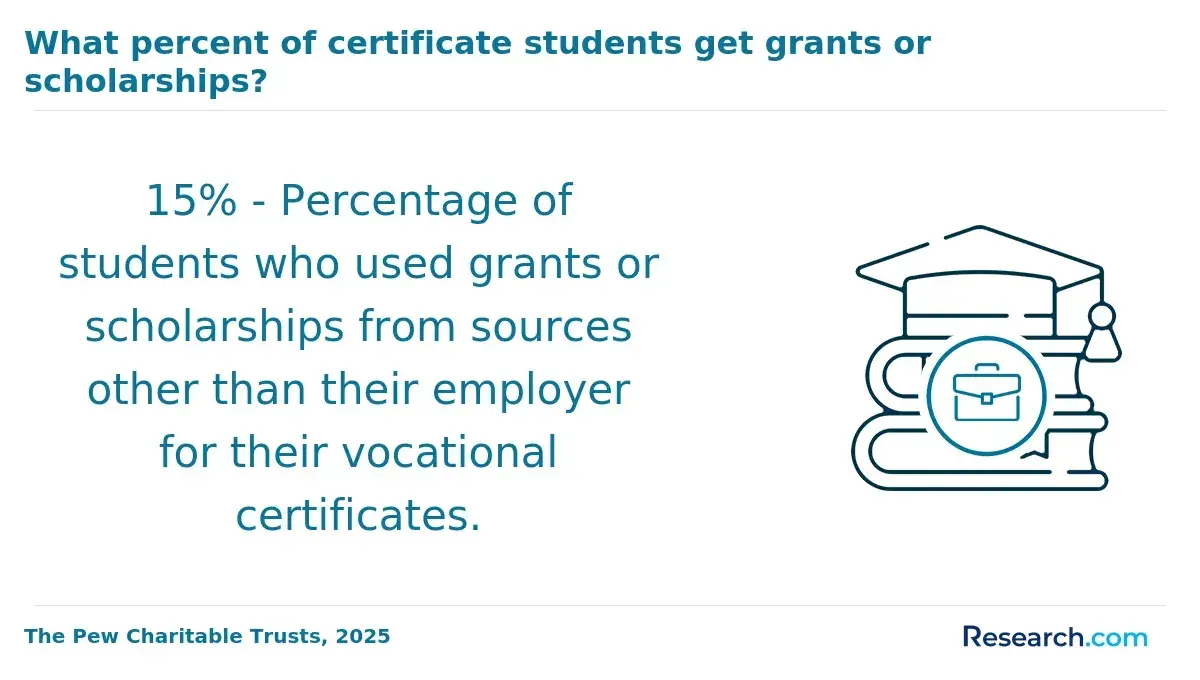
A bachelor's degree usually offers the clearest route into the profession because it gives students enough time to build a coherent portfolio. However, a certificate or associate pathway can make sense if you need to lower risk before committing, improve a weak portfolio, or complete prerequisites for transfer.
Master's programs are more varied. Some are designed for applicants who already have industrial design experience, while others admit students from architecture, engineering, fine arts, business, or human-computer interaction. Before paying for graduate study, compare the curriculum with your goal: a research-heavy master's may help with design strategy or academia, while a highly studio-based program may better support a portfolio pivot.
How do you choose an accredited industrial design school in the United States?
Choosing an accredited industrial design school starts with institutional accreditation. In the United States, regional or national institutional accreditation affects eligibility for federal financial aid, transfer credit, graduate admission, and employer confidence. Program-level accreditation or recognition can also matter in design, but it does not replace the need to verify the school's institutional status.
If you are comparing remote or hybrid options, start with schools that are properly recognized and transparent about student support. A useful first step is learning how online accredited colleges are evaluated, then applying the same due diligence to industrial design-specific factors such as studio access and portfolio outcomes.
Use the following steps before applying or enrolling. They are ordered to help you eliminate risky options early, then compare quality among legitimate programs.
- Verify institutional accreditation through official school disclosures and recognized accreditation databases before reviewing marketing claims.
- Check whether the program is housed in a design, art, architecture, engineering, or interdisciplinary school because that affects studio culture and technical emphasis.
- Review actual student portfolios, senior projects, and exhibition work to see whether outcomes match the roles you want.
- Ask how many industrial design courses are taught by full-time faculty versus adjuncts, and whether instructors have current industry experience.
- Confirm access to fabrication labs, 3D printing, CNC tools, photo studios, CAD labs, model shops, and safety training.
- Ask for internship support, employer relationships, alumni placement examples, and portfolio review opportunities.
- Compare total cost of attendance, not just tuition, including materials, laptop requirements, software, transportation, housing, and studio fees.
Common red flags include vague accreditation language, no visible student work, limited studio access, unclear transfer policies, unusually aggressive admissions pressure, and programs that promise specific jobs or salaries. A reputable program should be willing to explain its curriculum, costs, faculty qualifications, career support, and student outcomes without relying on guarantees.
What is the typical curriculum in an industrial design program and what skills will you learn?
A strong industrial design curriculum teaches students how to turn ambiguous problems into usable, manufacturable product concepts. The best programs build skills in layers: first observation and sketching, then form development and modeling, then research, systems thinking, prototyping, and professional presentation.
The table below shows common curriculum areas and the skills they support. This can help you read course catalogs more critically instead of assuming every "product design" program covers the same ground.
| Curriculum area | Typical coursework or activities | Skills you should expect to build |
| Design foundations | Drawing, 2D and 3D design, color, form, composition, and visual communication | Observation, ideation, visual clarity, and critique readiness |
| Industrial design studio | Product concepts, consumer goods, furniture, tools, medical products, mobility, or service-linked products | Problem framing, concept generation, iteration, and final presentation |
| CAD and visualization | Solid modeling, surface modeling, rendering, animation, and digital presentation | Technical communication, model accuracy, and portfolio-quality visuals |
| Prototyping and fabrication | Foam models, 3D printing, laser cutting, CNC, electronics basics, and materials labs | Testing, physical making, tolerances, and design-for-manufacturing awareness |
| User research and ergonomics | Interviews, journey mapping, anthropometrics, accessibility, usability testing, and human factors | Evidence-based design decisions and inclusive product thinking |
| Professional practice | Portfolio, resume, design ethics, sustainability, intellectual property basics, and client presentations | Career readiness and professional communication |
AI is changing parts of industrial design education, especially early concept visualization, research synthesis, rendering, and workflow automation. However, AI tools do not replace the core skills employers still evaluate: judgment, empathy, sketch fluency, physical prototyping, design rationale, collaboration, and the ability to move from concept to feasible product. When comparing schools, ask whether AI tools are taught responsibly as part of a design process rather than treated as shortcuts around research and craft.
Students should graduate with a portfolio that shows process, not just polished images. A strong portfolio usually includes problem statements, user insights, sketches, iterations, prototypes, failures, final designs, and reflection on manufacturing or business constraints. Weak portfolios often show attractive renderings without explaining why the design exists or how it was tested.
How do online industrial design programs compare to traditional campus-based options?
Online industrial design programs can be useful, but they are not identical to campus-based studio programs. The biggest difference is access to hands-on facilities, live critique, and physical prototyping. Online learning may work well for CAD, design history, research methods, portfolio refinement, entrepreneurship, or graduate-level design strategy, but students still need a plan for making and testing physical objects.
Students who need speed or flexibility should compare industrial design options with broader accelerated degree programs, but they should be cautious: a faster format is only valuable if it still provides enough studio time to build a credible portfolio.
The table below compares online, hybrid, and campus-based formats. Use it to decide which learning environment fits your constraints without sacrificing the type of work employers expect to see.
| Format | Advantages | Trade-offs | Best fit |
| Campus-based | Direct access to studios, labs, equipment, faculty, critiques, and peer culture | Less schedule flexibility and often higher relocation or housing costs | First-time bachelor's students who need intensive portfolio development |
| Hybrid | Combines online academic work with scheduled studio, lab, or residency experiences | Requires travel planning and may compress hands-on work into intensive periods | Working students or transfer students who can travel for fabrication and critique |
| Fully online | Flexible for theory, CAD, research, entrepreneurship, and portfolio coaching | Limited access to physical prototyping unless students arrange local resources | Professionals adding skills or graduate students focused on strategy rather than shop-heavy training |
Before choosing an online industrial design option, ask specific questions about how critique, materials, safety training, and prototyping are handled. If the program requires students to buy tools or use local makerspaces, calculate that cost and confirm whether the arrangement is realistic where you live.
Online can be the better choice if you already have access to fabrication tools, need to keep working, or want to specialize in design strategy, CAD, UX-linked product research, or entrepreneurship. Campus can be the better choice if you are new to design, need structured critique, or want maximum access to labs, internships, and student project culture.
What are the usual admission requirements for industrial design majors and portfolios?
Admissions requirements for industrial design majors vary by school, but most programs look for evidence that you can think visually, accept feedback, and develop ideas over time. Some universities admit students directly into the major, while others require first-year foundation courses and a portfolio review before students continue into upper-level industrial design studios.
A typical application may include the following materials. Review each school's instructions carefully because portfolio size, file format, deadline, and prompt requirements can differ significantly.
- High school transcript or prior college transcript showing preparation in art, math, science, technology, or design-related coursework.
- Portfolio with sketches, observational drawing, 3D work, product concepts, process pages, prototypes, digital models, or other creative work.
- Statement of purpose explaining why you want to study industrial design and what kinds of problems you hope to solve.
- Letters of recommendation from teachers, mentors, employers, or instructors who can discuss creativity, discipline, collaboration, and growth.
- Optional or required test scores, depending on the institution's current admissions policy.
- Interview, portfolio review, or design exercise for more selective programs.
The portfolio is often the most misunderstood part of the process. Schools are usually not expecting high school applicants to already be professional product designers. They want to see curiosity, visual thinking, experimentation, craft, and the ability to explain decisions. A sketchbook page with thoughtful iteration can be more persuasive than a polished rendering with no process.
To prepare, document your process as you work. Photograph models, keep early sketches, explain what you learned from failures, and show how feedback changed the outcome. If your background is more technical than artistic, include CAD projects, maker work, robotics, furniture, engineering prototypes, or research-based problem solving.
Common admissions mistakes include copying portfolio trends, submitting only finished images, ignoring school-specific prompts, using low-quality photos of 3D work, and waiting until the final month to create everything. A stronger strategy is to build a small but coherent portfolio that shows how you observe, question, test, and improve ideas.
How long do industrial design programs take, and what do they cost to complete?
Most bachelor's programs in industrial design take about four years of full-time study, although transfer credits, foundation-year requirements, co-ops, and part-time enrollment can change the timeline. Associate degrees often take about two years, certificates may take a few months to a year, and master's programs commonly take one to three years depending on whether the student already has a design background.
Cost is more complicated than tuition because industrial design students often pay for supplies, models, printing, software, tools, safety equipment, transportation to internships, and portfolio production. If you are trying to reduce time in school, compare transfer pathways and what masters degrees are worth it before assuming that graduate study is the best next investment.
The table below summarizes major cost and time factors. It can help you compare offers from different schools using total investment rather than sticker price alone.
| Factor | What to compare | Why it affects value |
| Tuition and fees | In-state public, out-of-state public, private nonprofit, and private for-profit pricing | Published tuition can differ by tens of thousands across a full degree |
| Design supplies | Model materials, sketching tools, printing, foam, wood, adhesives, photography, and presentation boards | Studio courses can create recurring costs not visible in basic tuition charts |
| Technology | Laptop specifications, CAD software, rendering tools, tablets, cloud storage, and peripherals | Underpowered equipment can slow project work and force unexpected upgrades |
| Studio and lab fees | Shop access, fabrication fees, 3D printing, laser cutting, CNC use, and safety training | Hands-on learning may carry course-based or usage-based expenses |
| Time to degree | Foundation year, transfer acceptance, course sequencing, co-op terms, and part-time options | Delayed progression can increase both tuition and living costs |
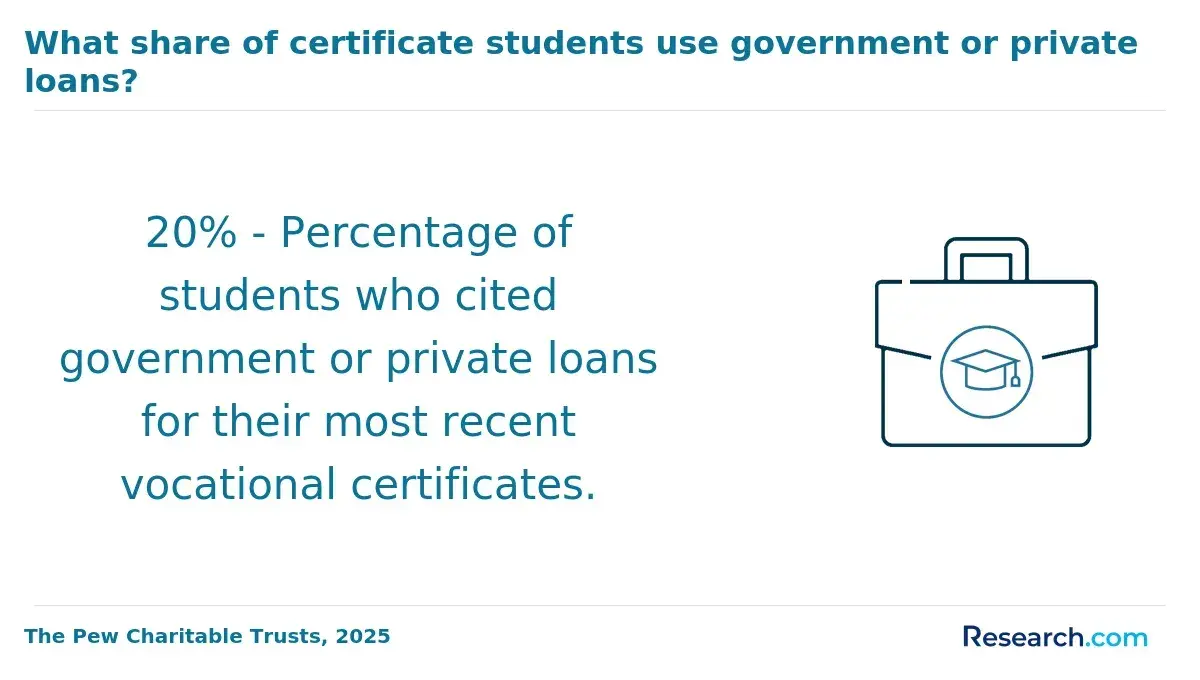
| Financial aid | Grants, scholarships, assistantships, work-study, employer support, and loan eligibility | Net price is often more important than published price |
College Board's 2024-25 published-price data provides a useful benchmark: average tuition and fees were $11,610 for public four-year in-state students, $30,780 for public four-year out-of-state students, and $43,350 for private nonprofit four-year students. These figures do not include housing, meals, transportation, or design supplies, so applicants should use each school's net price calculator and ask the department about program-specific costs.
To control costs, consider starting at a community college with transferable foundation courses, applying for portfolio scholarships, choosing in-state public options, sharing shop resources, buying used tools when safe, and completing internships that build both experience and income. Avoid choosing the cheapest program automatically if it lacks studio depth, career support, or the equipment needed to produce competitive work.
What careers can you pursue with an industrial design degree and in which industries?
An industrial design degree can lead to roles in product design, consumer goods, furniture, transportation, medical devices, electronics, packaging, design research, UX-adjacent hardware experiences, and design strategy. The field is competitive, so the strongest graduates usually combine visual skill, user research, CAD, prototyping, and business awareness.
Some industrial design work can be done remotely, especially research synthesis, CAD modeling, rendering, presentation design, and design strategy. If remote flexibility is a major goal, compare industrial design with other degrees for work from home jobs, because hands-on product development often still requires lab, factory, studio, or client-site collaboration.
The table below connects common career paths to typical responsibilities. Use it to identify which program strengths matter most for the jobs you want.
| Career path | Typical responsibilities | Program features that help |
| Industrial designer | Create product concepts, sketches, CAD models, prototypes, and presentations for manufactured goods | Strong studio sequence, CAD, rendering, model making, and portfolio critique |
| Product designer | Design physical or hybrid physical-digital products with attention to users, brand, cost, and feasibility | User research, systems thinking, prototyping, and collaboration with engineering |
| Design researcher | Study users, contexts, needs, behaviors, and pain points to guide product decisions | Research methods, human factors, interviewing, synthesis, and communication |
| CAD modeler or visualization specialist | Build detailed 3D models, renderings, animations, and presentation assets | Advanced CAD, rendering software, digital surfacing, and visual storytelling |
| Furniture or soft goods designer | Develop furniture, lighting, accessories, bags, footwear, or lifestyle products | Materials, ergonomics, patterning or construction knowledge, and fabrication access |
| Design strategist | Connect product opportunities to business goals, market needs, sustainability, and customer experience | Research, entrepreneurship, systems design, communication, and interdisciplinary projects |
Industrial designers may work for consultancies, manufacturers, startups, design studios, automotive and transportation companies, consumer electronics firms, housewares brands, medical device companies, retail brands, or in-house innovation teams. Advancement can lead to senior designer, design lead, design manager, creative director, innovation strategist, or founder roles.
This degree is most worth considering if you want a career that blends creativity with physical problem-solving and you are willing to build a strong portfolio. It may be less suitable if your main priority is a highly predictable career ladder, a fully remote job from day one, or a role that does not require ongoing critique and technical upskilling.
What salary ranges and job outlook can industrial designers expect in the U.S.?
Federal wage data places the U.S. median annual wage for industrial designers at about $79,000 in May 2024. A median is not a starting salary and not a ceiling; it means half of workers in the occupation earned more and half earned less. Students should interpret this figure as a market benchmark, then adjust expectations based on location, industry, portfolio strength, internships, and technical specialization.
Salary ranges can differ widely across industries. Product designers in consumer electronics, medical devices, transportation, and specialized consulting may face different compensation patterns than designers in smaller studios, furniture, housewares, or early-stage startups. Cost of living also matters: a higher salary in a major design market may not translate into higher disposable income.
The table below summarizes the main factors that influence earnings and job prospects. It is not a salary guarantee, but it can help you decide which skills and experiences to prioritize while in school.
| Factor | How it can affect outcomes | What students can do |
| Portfolio quality | Often has a major influence on interviews for junior design roles | Show process, research, iteration, prototypes, and clear final outcomes |
| Internship experience | Helps employers evaluate readiness for professional teams | Pursue internships, sponsored studios, freelance projects, or design competitions |
| Technical specialization | CAD, visualization, prototyping, human factors, or medical design skills can improve fit for certain roles | Choose electives and projects that align with target industries |
| Location | Major design, manufacturing, and technology markets may offer more openings but higher competition and living costs | Compare job markets, alumni networks, and relocation requirements before enrolling |
| Industry cycle | Hiring can shift with consumer demand, manufacturing budgets, and startup funding | Build transferable skills in research, visualization, CAD, and product strategy |
The job outlook is best described as steady but competitive. Employers may not hire large numbers of industrial designers compared with broader business or technology fields, so students should treat internships, portfolio reviews, and networking as essential parts of the degree. AI tools may speed up concept visualization, but they also raise the bar for designers to show original thinking, research depth, and production awareness.
To improve return on investment, compare the program's net price with its career preparation. Ask schools for examples of recent job titles, internship partners, alumni locations, and portfolio outcomes. Be skeptical of any program that presents salary data without explaining the sample size, source, graduation year, or employment field.
Are there professional certifications, memberships, or standards for industrial designers?
Industrial designers in the United States generally do not need a state license in the way architects, engineers, nurses, or teachers often do. That makes accreditation, portfolio quality, internships, and professional reputation especially important. Employers typically evaluate whether you can do the work rather than whether you hold a required license.
Professional memberships and standards can still help students build networks, learn ethical practices, and stay current with industry expectations. The most useful options depend on whether your interests lean toward product design, UX research, sustainability, manufacturing, entrepreneurship, or a specialized industry such as medical devices.
Consider the following professional development options as supplements to your degree, not substitutes for a strong portfolio.
- Join student or professional design organizations to access events, mentorship, competitions, portfolio reviews, and industry conversations.
- Learn relevant standards and constraints for your target field, such as accessibility, ergonomics, materials safety, sustainability, or medical product documentation.
- Earn software or technical credentials only when they support your target role, such as CAD modeling, rendering, additive manufacturing, or human factors training.
- Build a habit of documenting process, sources, testing decisions, and ethical trade-offs because professional design work often requires clear justification.
- Attend conferences, local design meetups, manufacturer tours, and portfolio events to understand how real product teams operate.
Certifications can be helpful signals for specific tools, but they rarely replace the need for strong project work. A student with modest certifications and a strong portfolio will usually be more competitive than a student with many badges but weak design thinking.
The smartest next step is to define your target role, then choose professional development that closes a real gap. For example, a student aiming for medical device design may benefit from human factors and regulatory awareness, while a student aiming for footwear or furniture should prioritize materials, construction, and physical prototyping.
Other Things You Should Know About
It can be worth it if you want to design physical products and are committed to building a strong portfolio. The value depends on net cost, studio quality, internship access, faculty feedback, and whether the program supports the industries you want to enter.
Many professional industrial design roles prefer or require a bachelor's degree in industrial design, product design, or a related field. Some people enter through adjacent paths such as engineering, architecture, fine arts, or UX, but they still need a portfolio that proves product design ability.
Yes, but fully online study works best when you have access to tools for prototyping and can receive structured critique. Campus or hybrid programs are often stronger for beginners because industrial design relies heavily on studio culture, making, and physical testing.
A good portfolio should show problem definition, user research, sketches, iteration, CAD or models, prototypes, testing, and final presentation. Employers and admissions reviewers usually want to see how you think, not only polished images.
References
- industrial designer https://www.randstadusa.com/job-seeker/career-advice/job-profiles/industrial-designer/
- Online Design Courses vs Campus Design Education https://strate.in/online-design-courses-vs-campus-design-education/
- Industrial Designers: Salary, career path, job outlook, education and more - RaiseMe https://www.raise.me/careers/arts-and-design/industrial-designers/
- What do you Learn while Studying Industrial & Product Design - Sharda University Blog https://www.sharda.ac.in/blog/studying-industrial-product-design/
- What Is Industrial Design? - Industrial Designers Society of America https://www.idsa.org/about-idsa/advocacy/what-industrial-design/
- Online Degree vs. Traditional: Choosing the Right Path https://beal.edu/online-degree-vs-traditional/
- Industrial Design Training https://www.strate.design/en/industrial-design-training
- Top Tips for Your Industrial Design Portfolio https://slimdesign.com/product-design-portfolio-tips-and-application-advice/
- Admission requirements Master Industrial Design | KABK https://www.kabk.nl/en/programmes/master/industrial-design/admission-requirements
- Industrial Designer Certifications: Best Credentials to Advance Your Career | Teal https://www.tealhq.com/career-paths/industrial-designer-certifications