2027 Criminology: Complete Student Guide

Co-Founder and Chief Data Scientist
Choosing criminology means deciding whether a people-focused, research-driven path into crime, justice, policy, and public safety fits your goals. The field matters because crime analysis, investigations, corrections, victim advocacy, and prevention programs increasingly rely on data and evidence-based practice.
The U.S. Bureau of Labor Statistics reported a 2024 median pay of $77,270 for police and detectives, showing that justice-related careers can support stable professional paths. This guide helps students compare degrees, online options, admissions, costs, jobs, and salary expectations before enrolling.
Key Things You Should Know
- Criminology is best for students who want to study why crime happens, how justice systems respond, and how prevention policies are designed; criminal justice is usually more focused on policing, courts, corrections, and system operations.
- A bachelor's degree is the most common entry point for analysts, law enforcement, corrections, advocacy, and policy roles, while research, teaching, leadership, and advanced federal positions may require a master's or doctorate.
- Salary varies widely by role: 2024 BLS median pay was $64,520 for probation officers and correctional treatment specialists, $77,270 for police and detectives, and $67,440 for forensic science technicians.
What is criminology, and how is it different from criminal justice?
Criminology is the study of crime as a social, behavioral, legal, and institutional phenomenon. Students examine why people commit crimes, how communities are affected, how laws and policies shape behavior, and which prevention strategies appear to work in real settings.
Criminal justice is closely related, but it usually focuses more on the systems that respond to crime: law enforcement, courts, corrections, juvenile justice, and public safety administration. The distinction matters because the degree title can influence the courses you take, internships you pursue, and jobs you are best prepared to enter.
The table below shows how the two fields usually differ. Use it to decide whether you are more interested in research and policy questions or direct justice-system operations.
| Category | Criminology | Criminal Justice |
| Main focus | Causes, patterns, prevention, and social impact of crime | Institutions and procedures used to enforce laws and manage offenders |
| Typical questions | Why does crime occur, and what reduces it? | How do police, courts, and corrections operate? |
| Common coursework | Criminological theory, research methods, statistics, victimology, inequality, crime prevention | Policing, criminal law, corrections, court processes, investigation, emergency management |
| Best fit | Students interested in analysis, policy, research, prevention, advocacy, or graduate study | Students interested in law enforcement, corrections, security, court administration, or public safety management |
In practice, many schools combine the two areas. A program called "criminology and criminal justice" may be a strong option if you want both theory and applied career preparation.
What degree do you need for a criminology career?
The degree you need depends on the role you want. A criminology degree can lead to entry-level justice, social service, analysis, and public safety roles, but some positions require academy training, civil service exams, security clearances, state certification, or graduate education.
The table below compares common degree levels. It can help you avoid overpaying for a credential that is not required for your first job, while also showing when advanced study may be worth considering.
| Degree level | Typical length | Best for | Important limitation |
| Associate degree | About 2 years full time | Transfer students, police academy applicants, security roles, corrections support, or students testing the field at lower cost | May not qualify you for analyst, federal, research, or advancement-focused roles |
| Bachelor's degree | About 4 years full time | Crime analysis, probation pathways, victim services, law enforcement, policy support, juvenile justice, graduate school preparation | Does not automatically meet hiring, academy, or licensure requirements |
| Master's degree | About 1 to 2 years after a bachelor's | Research, leadership, policy analysis, federal competition, nonprofit management, doctoral preparation | May not raise earnings immediately if your target role only requires a bachelor's degree |
| Doctorate | Often 4 or more years after a bachelor's or master's | University teaching, advanced research, policy evaluation, senior consulting, academic careers | Usually unnecessary for most practitioner roles |
A bachelor's degree is the most flexible starting point for many students because it keeps both career and graduate-school options open. If you are comparing criminology with other majors, reviewing the top degrees in demand for the future can help you evaluate whether this path fits your risk tolerance and long-term goals.
Students should also think about career fit before choosing the highest credential available. If your goal is local law enforcement, probation, or community services, a bachelor's degree plus relevant experience may be more practical than immediately pursuing graduate school. If your goal is research, policy evaluation, or university teaching, plan for quantitative coursework and advanced study early.
How do you choose a regionally accredited criminology program?
Regional accreditation is one of the most important quality checks for any criminology program. It affects transfer credits, federal financial aid eligibility, graduate school admission, and employer recognition.
In the U.S., institutional accreditation is handled by recognized accrediting agencies. Program names can vary, so do not judge quality by the title alone; instead, verify the school's accreditation status, curriculum, faculty expertise, internship access, and graduate outcomes.
Use the steps below before you apply. They are designed to help you confirm legitimacy and match the program to your career goal.
- Search the school in the U.S. Department of Education's Database of Accredited Postsecondary Institutions and Programs or the Council for Higher Education Accreditation database.
- Confirm that the institution, not just a department or certificate, holds recognized accreditation.
- Review whether criminology courses include research methods, statistics, ethics, law, theory, and applied electives.
- Ask whether internships are available with police departments, courts, correctional agencies, nonprofits, victim services, or research centers.
- Check transfer-credit rules if you have community college, military, prior university, or dual-enrollment credits.
- Ask for recent career-support information, such as internship placement support, alumni pathways, or public outcomes data.
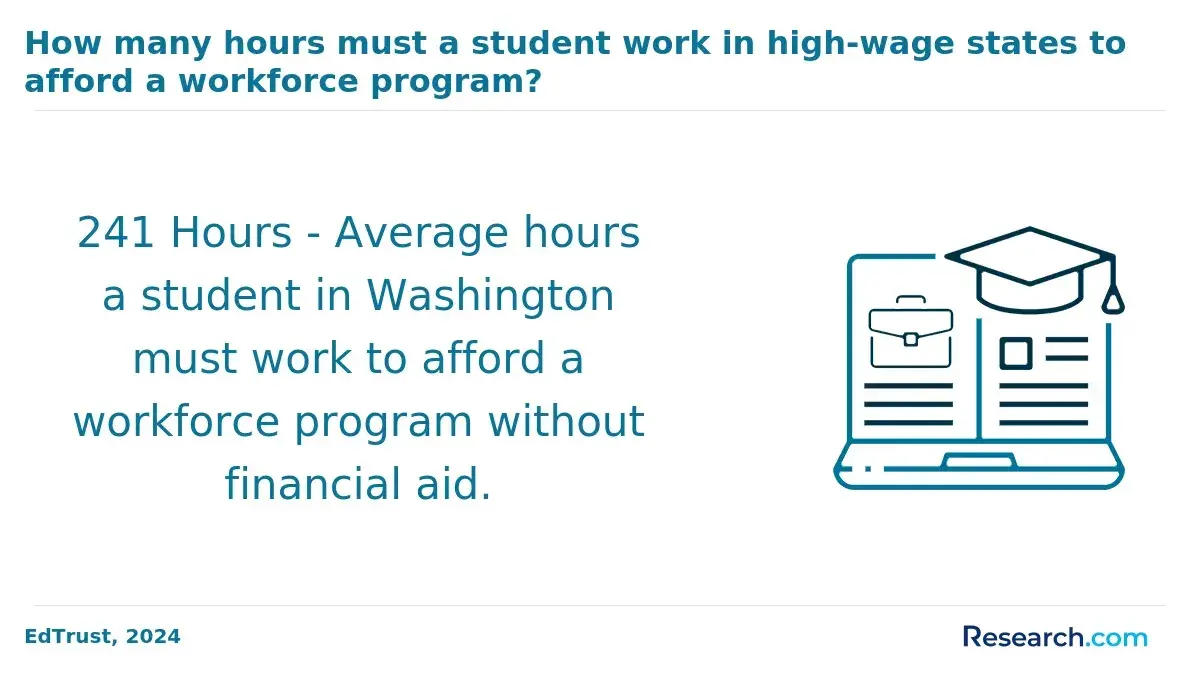
Cost should also be evaluated carefully. College Board's 2024 Trends in College Pricing reported average published tuition and fees of $11,610 for in-state students at public four-year institutions and $43,350 at private nonprofit four-year institutions for the 2024-25 academic year. Published price is not the same as net price after grants and scholarships, so always compare financial aid offers rather than sticker price alone.
Is an online criminology degree respected by employers?
An online criminology degree can be respected by employers when it comes from a regionally accredited institution and offers the same academic rigor as the campus program. Most employers care more about accreditation, skills, experience, writing ability, ethics, and job readiness than whether every course was completed in a classroom.
Online study is especially practical for working adults, military learners, parents, transfer students, and students who live far from a campus. The trade-off is that you may need to be more intentional about internships, networking, faculty interaction, and local field experience.
The table below summarizes when online or campus study may make more sense. Use it to choose a format based on learning style and career preparation, not convenience alone.
| Program format | Advantages | Possible drawbacks | Best fit |
| Online criminology degree | Flexible schedule, broader school choice, easier to balance work or family, often transfer-friendly | May require extra effort to secure internships, build relationships, and access campus-based recruiting | Self-directed students, working adults, rural students, military learners, and degree completers |
| On-campus criminology degree | In-person networking, campus labs or research centers, easier access to local agencies and student groups | Less scheduling flexibility and potentially higher relocation or commuting costs | Students who want a traditional college experience, structured routine, and local field placements |
| Hybrid criminology degree | Combines flexibility with some in-person support and field experiences | May still require commuting on specific days | Students near campus who want flexibility without losing face-to-face interaction |
Before enrolling online, ask whether exams are proctored, whether internships can be completed in your home area, and whether the diploma or transcript distinguishes online study. Many reputable schools do not mark the delivery format on the diploma, but policies vary.
What courses are included in a criminology degree?
A criminology degree usually blends social science, law, psychology, public policy, statistics, and writing. The strongest programs teach students to interpret evidence, understand communities, evaluate justice policies, and communicate clearly.
The courses below are common in criminology programs and matter because they build different career skills. A student interested in crime analysis, for example, should pay close attention to statistics and research methods, while a student interested in advocacy should look for victimology and community-based electives.
- Criminological theory: explains major perspectives on why crime occurs, including social, psychological, economic, and environmental factors.
- Research methods: teaches students how to design studies, evaluate evidence, understand sampling, and avoid weak conclusions.
- Statistics or data analysis: supports crime mapping, policy evaluation, agency reporting, and graduate-school preparation.
- Criminal law and procedure: introduces legal concepts that shape policing, courts, constitutional rights, and due process.
- Corrections and rehabilitation: covers prisons, probation, parole, reentry, treatment programs, and correctional policy.
- Policing and public safety: examines law enforcement roles, community policing, accountability, use of force, and crime prevention.
- Victimology: focuses on victims' experiences, trauma-informed services, restitution, advocacy, and victim rights.
- Juvenile justice: explores youth crime, family and school factors, diversion, detention, and rehabilitation.
- Cybercrime or digital investigation: introduces technology-related crime, online fraud, digital evidence, and privacy issues.
- Capstone, internship, or field experience: helps students apply classroom knowledge to agencies, nonprofits, research projects, or policy settings.
Technology is changing the field. Many agencies now use data dashboards, body-camera review systems, digital records, crime mapping, and analytical tools. Students do not need to become software engineers, but they should graduate comfortable with data, ethics, privacy, and evidence-based decision-making.
What are the admission requirements for criminology programs?
Admission requirements vary by school and degree level, but most undergraduate criminology programs use standard college admissions criteria. Selective universities may require stronger academic records, while open-admission or transfer-friendly institutions may provide more flexible entry routes.
The table below summarizes typical requirements. Always verify details with each school because GPA thresholds, test policies, and transfer rules can change.
| Program level | Common admission requirements | What applicants should prepare |
| Associate degree | High school diploma or GED, placement assessment, basic application | Transcripts, financial aid documents, transfer plan if aiming for a bachelor's degree |
| Bachelor's degree | High school transcript, GPA review, application essay or personal statement at some schools, optional or required test scores depending on policy | Transcripts, recommendation letters if requested, transfer-credit records, resume for adult learners |
| Master's degree | Bachelor's degree, minimum GPA, statement of purpose, recommendations, resume, sometimes writing sample or statistics prerequisite | Career goals, research interests, academic writing sample, evidence of readiness for graduate-level work |
| Doctoral degree | Strong academic record, research statement, faculty fit, recommendations, writing sample, sometimes GRE depending on program policy | Research agenda, methods preparation, faculty contact, funding questions |
If your GPA is below a school's preferred range, do not assume criminology is out of reach. Some institutions review applicants holistically, accept transfer pathways, or admit students conditionally; students exploring flexible entry options can also review online colleges that accept 2.0 GPA while checking accreditation and program fit.
Applicants with criminal records should ask schools and potential licensing or hiring agencies about background-check implications before enrolling. A degree may be academically available, but certain law enforcement, corrections, security, internship, or field-placement roles may have additional screening rules.
How long does a criminology degree take to complete?
A criminology degree can take from under two years to several years depending on degree level, transfer credits, course load, and whether the program uses traditional semesters or accelerated terms. Students who bring prior credits can often shorten the timeline, but not all credits apply to the major.
The table below gives typical completion timelines. Use it as a planning tool, not a guarantee, because course availability, prerequisites, and internship requirements can affect your pace.
| Path | Typical completion time | What can shorten it | What can delay it |
| Associate degree | About 2 years full time | Dual-enrollment credits, summer courses, full-time enrollment | Developmental coursework, part-time study, changing majors |
| Bachelor's degree from first year | About 4 years full time | AP, IB, dual enrollment, summer terms, strong advising | Transferred credits not applying to the major, limited upper-level course availability |
| Bachelor's degree completion | About 1 to 3 years after transfer | Accepted general education credits and a clear articulation agreement | Excess electives that do not meet degree requirements |
| Master's degree | About 1 to 2 years full time | Accelerated format, full-time enrollment, clear capstone or thesis plan | Working full time, thesis delays, missing prerequisites |
| Doctorate | Often 4 or more years | Strong research fit and funding support | Dissertation delays, part-time enrollment, changing research topics |
Accelerated programs can be useful for motivated students, but speed is not always the best value. If a faster schedule reduces your ability to complete an internship, build relationships, or master statistics and research methods, a slightly slower path may produce stronger career preparation.
What jobs can you get with a criminology degree?
A criminology degree can lead to roles in public agencies, nonprofits, courts, corrections, law enforcement, research organizations, private security, social services, and policy offices. It is not a single-job degree; your electives, internships, location, and background-check eligibility will shape your options.
The table below outlines common career directions. It focuses on role fit and preparation because job titles vary across states, counties, and agencies.
| Career path | Typical responsibilities | Helpful preparation |
| Crime analyst or intelligence analyst | Review crime data, identify patterns, prepare reports, support investigations or prevention strategies | Statistics, GIS or crime mapping, Excel, data visualization, research methods |
| Probation or correctional treatment pathway | Monitor clients, prepare case plans, connect people to services, document compliance | Corrections, counseling basics, interviewing, ethics, strong writing |
| Victim advocate | Support victims through reporting, court processes, safety planning, and referrals | Victimology, trauma-informed practice, communication, community resources |
| Law enforcement pathway | Respond to incidents, investigate complaints, write reports, testify, work with communities | Criminal law, policing, communication, physical readiness, academy eligibility |
| Juvenile justice specialist | Work with youth, families, schools, courts, and community programs | Juvenile justice, developmental psychology, case management, conflict resolution |
| Policy or research assistant | Collect data, summarize evidence, support evaluations, write policy briefs | Research methods, statistics, writing, public policy, software skills |
| Corporate or campus security analyst | Assess risks, review incidents, support prevention plans, coordinate safety procedures | Risk assessment, emergency management, cybersecurity basics, report writing |
Criminology may also fit students who prefer structured, analytical, or lower-social-intensity work, especially in research, data, records, compliance, and policy roles. If that describes you, compare this field with good-paying jobs for introverts to see whether the day-to-day environment matches your personality.
Students should not assume every criminology job is like a television crime drama. Many roles involve documentation, interviews, reports, data review, case notes, community meetings, and ethical judgment. The best preparation is usually a mix of coursework, field experience, writing samples, and technical skills.
How much do criminology graduates earn?
Criminology graduate earnings depend on role, employer, location, education level, union coverage, overtime, government pay scales, and experience. A degree can improve eligibility for certain roles, but it does not guarantee a specific salary.
The table below uses the 2024 U.S. Bureau of Labor Statistics median pay for related occupations. These figures are national medians, so local pay can be higher or lower.
| Related occupation | 2024 median pay | How to interpret it |
| Police and detectives | $77,270 | Relevant to law enforcement pathways, though academy training and agency hiring rules are separate from the degree. |
| Probation officers and correctional treatment specialists | $64,520 | Relevant to corrections, reentry, and supervision roles; requirements often vary by state and agency. |
| Forensic science technicians | $67,440 | Relevant only if the student also has strong science or lab preparation; criminology alone may not be enough. |
| Private detectives and investigators | $52,370 | Relevant to investigation paths, but licensing, experience, and specialization can strongly affect opportunity. |
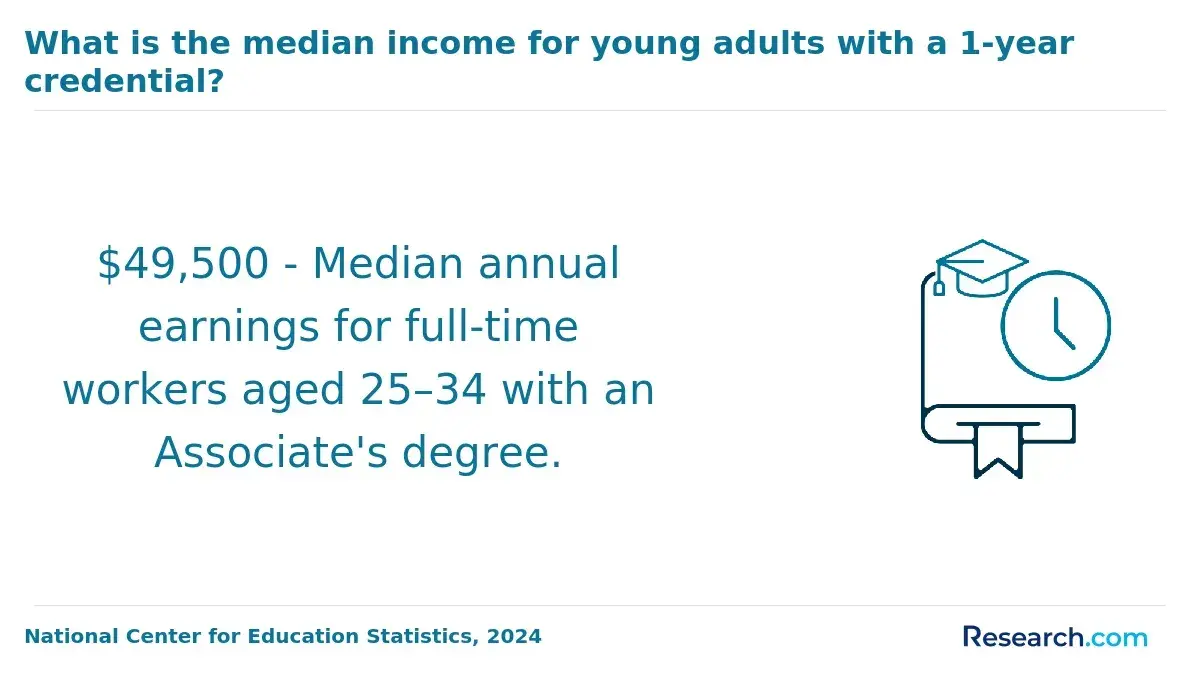
Salary should be compared with the total education cost. If you are choosing between criminology and a higher-paying major, reviewing what degrees make the most money can help you understand the opportunity cost before committing.
Job outlook also differs by path. BLS projections for 2024 to 2034 show faster growth for forensic science technicians than for many other justice-related roles, but that path often requires lab science, biology, chemistry, or forensic science coursework. For students focused on criminology, the safer strategy is to build transferable skills: data analysis, writing, interviewing, ethics, policy evaluation, and case documentation.
What should you check before enrolling in a criminology program?
Before enrolling, check whether the program is legitimate, affordable, career-aligned, and realistic for your schedule. The most common mistake is choosing a criminology program because the topic is interesting without confirming whether the curriculum supports the job you actually want.
Use the checklist below when comparing schools. It is designed to reveal hidden risks that rankings and marketing pages often miss.
- Accreditation: Verify recognized institutional accreditation before applying or paying deposits.
- Total cost: Compare net price, fees, books, technology costs, commuting, housing, and lost work time instead of tuition alone.
- Transfer policy: Ask how many credits will apply to the degree, not just how many credits the school accepts.
- Career alignment: Match electives and internships to your target role, such as crime analysis, victim advocacy, probation, research, or law enforcement.
- Field placement access: Confirm whether online students, transfer students, and working adults can complete internships near home.
- Background-check issues: Ask whether your intended internships or careers require screening, licensing, academy admission, or civil service eligibility.
- Faculty expertise: Review whether instructors have research, agency, policy, legal, or practitioner experience in areas that interest you.
- Data and writing preparation: Choose a program that builds evidence evaluation, statistics, reporting, and professional communication skills.
- Graduate-school preparation: If you may pursue a master's or doctorate, confirm that the curriculum includes research methods and enough academic writing.
- Student support: Ask about advising, tutoring, career services, internship coordination, and help for online learners.
Some students may benefit from pairing a criminology degree with a targeted credential in data analysis, cybersecurity, emergency management, mediation, language skills, or victim advocacy. If you want a shorter skills-based add-on, compare options with certifications that pay well, but make sure any certificate is recognized by employers in your target field.
Red flags include unaccredited schools, vague promises about federal jobs, guaranteed salary claims, poor transfer transparency, no internship guidance, and programs that treat online students as an afterthought. A good program should be able to explain what students learn, how they practice those skills, and where graduates commonly go next.
Other Things You Should Know About
Criminology can be a good major if you are interested in crime, policy, justice systems, research, advocacy, or public safety. It is strongest when paired with internships, writing skills, data skills, and a clear career target.
Yes, a criminology degree can support a law enforcement career, but police hiring usually also requires academy training, physical standards, background checks, exams, and agency-specific requirements.
Criminology is manageable for students who are willing to read, write, analyze evidence, and study social science concepts. Statistics and research methods can be challenging, but they are also among the most useful courses for career flexibility.
Choose criminology if you are more interested in crime causes, policy, justice systems, analysis, or community impact. Choose forensic science if you want lab-based evidence work and are prepared for science-heavy coursework.
References
- How Long Does It Take https://www.stonehill.edu/programs/criminology-major/how-long-does-it-take/
- Criminology https://www.ualberta.ca/en/undergraduate-programs/bachelor-of-arts-in-criminology-criminology.html
- Criminology degree entry requirements | Minimum entry grades https://www.whatuni.com/advice/clearing/entry-requirements-to-study-a-criminology-degree/92681/
- What Are the Entry Requirements for a Criminal Justice Program? | University of Bridgeport https://www.bridgeport.edu/news/entry-requirements-for-a-criminal-justice-program/
- Online Bachelor's Degree Criminal Justice https://www.umgc.edu/online-degrees/bachelors/criminal-justice
- Criminal Justice vs. Criminology: What's the Difference? https://www.uagrantham.edu/blog/whats-the-difference-between-criminology-and-criminal-justice/
- Explore UM | University of Manitoba - Criminology (BA) https://umanitoba.ca/explore/programs-of-study/criminology-ba
- How to prepare for starting your Criminology course https://www.bcu.ac.uk/blog/sociology-and-criminology/how-to-prepare-for-starting-your-criminology-course
- How Long Does It Take to Get a Bachelor's Degree in Criminal Justice? | Maryville Online https://online.maryville.edu/online-bachelors-degrees/criminal-justice/resources/how-long-does-it-take-bachelors-criminal-justice/
- Online Criminal Justice Degree & Career Information https://www.criminaljustice.com/online-degrees/