
Most Affordable Trade School & Training Programs - Leading Certification Courses in Yuma for 2026

Co-Founder and Chief Data Scientist
Looking for the most affordable trade schools in Yuma for 2026? This article offers a helpful guide tailored just for you.
Our team of data scientists at Research.com created a trade school programs ranking to simplify your decision-making process. It highlights which programs stand out for quality and value.
Whether you’re aiming for a diploma or certification, pursuing a trade education opens doors to rewarding careers. Reading this article can empower you to choose the right path with confidence and optimism.
Key benefits of finishing trade school programs trade school in Yuma
- Expected salaries in Yuma for trade school graduates often range from $35,000 to $50,000 per year, with many skilled trades like medical assisting, HVAC, and electrical technology offering competitive pay around $21.61 per hour or higher.
- Popular career paths include roles in medical assisting, technical support, HVAC, electrical technology, and manufacturing, reflecting strong local demand and steady job opportunities after graduation.
- Online trade school certification offers flexibility and convenience, allowing students to learn at their own pace and balance work or family commitments, making it easier to start a rewarding career without relocating.
- Most Affordable Trade School & Training Programs - Leading Certification Courses in Yuma for 2026
- What can I expect from trade school programs trade schools in Yuma?
- Where can I work after finishing trade school programs trade schools in Yuma?
What can I expect from trade school programs trade schools in Yuma?
The average cost of a trade school program in Yuma generally ranges from $3,000 to $15,000, depending on the field and program length. Graduates from popular local programs often share how affordable and efficient their training was, especially when compared to traditional four-year colleges. Many found that this investment quickly paid off through hands-on learning experiences that prepared them directly for the workforce.
For example, students in welding or HVAC programs, which typically cost toward the middle of this range, appreciate the balance of classroom lessons and real-world practice with industry-grade equipment. Healthcare trainees, like those training to become nursing assistants, often highlight how the program's cost includes clinical experiences that are essential for certification exams.
Financial flexibility also makes these programs accessible. Some trade schools offer payment plans or scholarships, and high school students may benefit from transportation assistance like YCAT bus passes, reducing extra expenses. This practical approach helps many embrace education without stress, feeling confident about their career prospects in fields in demand throughout Yuma's job market.
Where can I work after finishing trade school programs trade schools in Yuma?
After finishing a trade school program in Yuma, many graduates quickly find jobs in local industries that value technical skills and hands-on experience. For example, those completing programs at popular Yuma trade schools often start careers with municipal utilities through the City of Yuma's Operator-In-Training (OIT) Apprenticeship Program, which offers paid training and leads to stable roles as water or wastewater operators.
Others move into construction, HVAC, or electrical trades, joining local contractors or maintenance firms eager for skilled technicians. Graduates report feeling confident and proud as they contribute to new building projects or essential repairs across the region.
Healthcare-focused students commonly step into roles like medical assistants or phlebotomists at nearby clinics and hospitals, where certified training from Yuma trade schools opens many doors. Some graduates even transition into teaching technical subjects at local CTE programs, finding rewarding careers helping others to succeed.
The advantage of completing a trade school program in Yuma is clear: access to in-demand jobs that foster job security and community impact.
After finishing a trade school program in Yuma, graduates can expect to earn between the mid-$20,000s and over $62,000 annually, depending on their field and experience. Many students from popular local trade schools find themselves landing jobs as electricians, plumbers, or HVAC technicians, with hourly wages typically ranging from $17 to $30. This means a new graduate working in skilled trades might see yearly earnings between $35,000 and $50,000, with room to grow as skills improve.
Other graduates pursue roles in school districts around Yuma, such as custodians or paraprofessionals, earning around $14 to $17 per hour, roughly $29,000 to $35,000 a year. Some specialized support roles, like medical information specialists, can earn up to $51,760 annually. These real numbers prove that completing a trade program here can quickly lead to steady income and fulfilling careers, perfectly suited for those looking to build strong skills and secure local work opportunities.
- High school sophomores or juniors in Yuma County with at least a 2.0 GPA can enroll in STEDY trade programs, regardless of the type of school they attend.
- Adult applicants usually need a high school diploma or GED, and some programs may require additional skills or assessments.
- Arizona Western College offers open admissions and in-state tuition averages about $2,880 per year, while out-of-state costs are around $9,600.
- Most programs last from several months to two years, with total costs for in-state students typically ranging from $2,880 to $6,000, excluding books and fees.
- Entry-level salaries for trades in Yuma range from $32,000 to $42,000 annually, with experienced workers earning up to $55,000 or more in fields like HVAC, welding, and medical assisting.
Trade school programs in Yuma typically take anywhere from a few months to two years to complete, depending on the career path chosen. Graduates often highlight how entry-level technician courses-like HVAC or plumbing-can be finished in as little as 2 to 4 months, especially through accelerated online options connected to institutes like the National Technical Institute. This fast track helps students quickly start their careers while balancing family or work.
More involved programs, such as welding or maintenance technology, usually require six months to a year, combining online lessons with hands-on labs. Students appreciate how this blend supports flexible learning while gaining practical skills.
For those pursuing advanced certifications or apprenticeships, the timeline can extend up to two years, which many find rewarding due to comprehensive training and state certification opportunities.
Arizona Western College is a popular choice in Yuma, offering one- to two-year programs that result in certificates or associate degrees, enabling students to enter the workforce confidently and quickly.
Many trade schools also provide part-time, evening, or online classes, allowing students to tailor their studies around their busy lives and accelerate their training when ready.
The main difference between online and on-campus trade school programs in Yuma is how classes and hands-on training are delivered. Online programs, such as those at Arizona Western College, let students study from home at their own pace, fitting coursework around work or family life. Many graduates appreciate this flexibility, as it lets them balance school and other priorities without commuting.
However, online learners often need to complete practical assessments separately or attend occasional on-campus labs to gain hands-on experience, especially for trades like welding or maintenance technician roles. On-campus programs at Yuma's trade schools provide a structured schedule with classes and labs in person, allowing students to practice skills immediately and get real-time feedback from instructors.
Graduates from on-campus programs value the immersive environment that mirrors actual workplaces, which also boosts confidence and networking opportunities. Some students prefer hybrid options combining online theory with in-person labs, giving the best of both worlds for convenience and practical skill development.
The average trade school cost in Yuma generally ranges from $6,000 to $18,000 per program for the 2024-2025 academic year, reflecting state averages in Arizona. Trade schools here, including popular options like Arizona Western College, offer certificate and associate degree programs with tuition aligned closely to the broader Arizona trade school tuition and fees. Graduates often appreciate how the costs remain manageable while receiving hands-on training in fields such as welding, refrigeration, or electrical technology.
Many students share that programs with specialized equipment or advanced training lean toward the higher end of costs near $18,000, whereas shorter certificate programs fall closer to $6,000. This range means that depending on the program's scope and duration, students can select options fitting their budget and career goals without sacrificing quality.
One distinct advantage reported by Yuma trade school students is the inclusion of essential tools, gear, and safety equipment costs in tuition prices, which prevents unexpected expenses once classes start. This transparency contributes to the positive financial experience many graduates recall, boosting their confidence in pursuing practical job skills.
Financial help is also available through scholarships, veteran benefits, and aid, significantly lowering out-of-pocket expenses. For those seeking to understand more about the lifelong benefits of this kind of education, it's helpful to explore what is the value of vocational education.
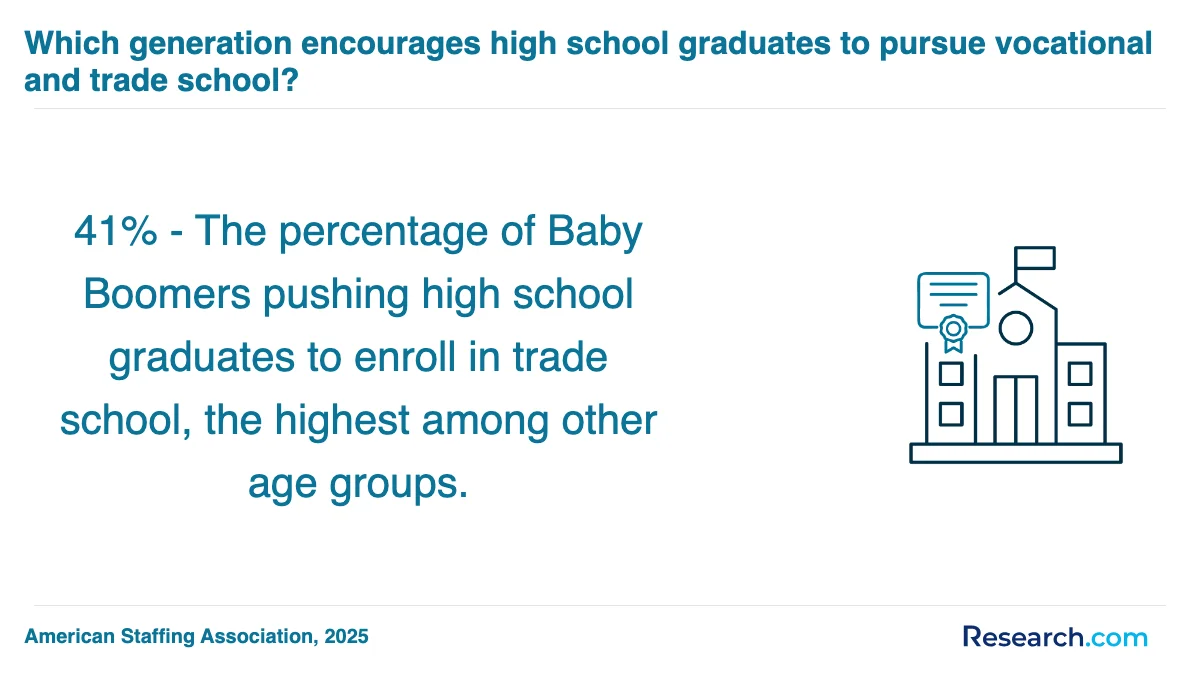
Trade school students in Yuma have access to various financial aid options that make hands-on career training affordable. Many rely on federal aid programs by completing the FAFSA form, which opens doors to grants like the Pell Grant-funding that doesn't require repayment and helps cover basic costs.
For those attending local institutions like Arizona Western College, dedicated scholarships and institutional aid can significantly ease tuition burdens. Graduates often share how these funds gave them peace of mind while focusing on their skilled trades coursework.
Residents of Yuma can also tap into state scholarships through the Arizona Community Foundation, which tailors awards based on location and field of study. Community-based funds, such as the "Keep Your Chin Up Scholarship Fund," provide extra support to non-traditional students, sparking hope for many balancing education with family or work.
Veterans training in Yuma's trade programs frequently benefit from specialized funding, while employer tuition reimbursement offers practical assistance, especially in high-demand fields like HVAC or healthcare. This mix of aid helps students confidently pursue their futures.
To enroll in a trade school program in Yuma, you must have a high school diploma or GED. Graduates who successfully joined programs at local schools often shared how providing official transcripts or passing state-authorized equivalency exams opened doors for them, especially when formal paperwork was a challenge.
Age is important: most schools require applicants to be at least 16 or 18 years old. For example, students enrolling at Western Technical College needed to be 18 or have completed high school, while high school-based programs like STEDY welcomed sophomores or juniors living in Yuma County.
Academic expectations usually include:
- Maintaining a minimum GPA around 2.0, a common threshold for scholarships and financial aid.
- Good attendance and being on track to graduate, critical for those in high school-centered programs.
Proficiency in English-reading, writing, and speaking-is essential since courses are in English. Some technical programs recommend basic math skills or tool familiarity, which helped past students feel confident and prepared from day one.
Be ready to submit an application form and possibly attend an interview or orientation. Many Yuma graduates found these steps friendly opportunities to connect with instructors and clarify program goals early on.

Trade school programs in Yuma typically cover courses in healthcare, transportation, technical trades, and public safety, tailored to fast-track students into high-demand careers. Graduates from Arizona Western College often share how hands-on training in programs like pharmacy technician, dental assistant, and medical billing and coding helped them confidently enter healthcare jobs within months.
Technical trades remain a favorite among Yuma students. For example, welding technician classes focus on practical skills like metal cutting and rigging, preparing students for construction roles. Electrician and auto mechanic courses at Arizona Western College balance theory and practice, giving learners the tools to troubleshoot real-world problems efficiently.
Truck driver training programs like those at Yuma Truck Driving School prepare students for immediate employment by helping them earn their CDL. Many appreciate the focused, supportive instruction that turns beginners into skilled drivers ready for logistics careers.
- Healthcare: pharmacy technician, dental assistant, medical assistant, medical billing and coding
- Technical Trades: HVAC technician, electrician, welding technician, auto mechanic, diesel mechanic
- Transportation: CDL truck driver training, maintenance technician
- Emerging Fields: cybersecurity bootcamps, digital animation
Trade school programs in Yuma offer a variety of practical specializations that match local workforce demands and student ambitions. Graduates from Arizona Western College often praise hands-on training in industrial technology, manufacturing, welding, culinary arts, and food sciences, which prepare them for immediate jobs in local industries.
At the Southwest Technical Education District of Yuma (STEDY), students find career and technical education (CTE) programs focused on areas such as engineering technology, composites technician, and HVAC/R. One graduate shared how the HVAC/R training equipped them with real-world skills to maintain complex systems, making them confident stepping into entry-level roles right after completion. STEDY's new cosmetology program also allows aspiring beauty professionals to get certified locally at little to no cost.
Students benefit from industry-current courses, often paired with organizations like SkillsUSA that boost leadership and career readiness. For those balancing work, flexible online options open doors to study without sacrificing income, especially through cheap construction training programs online that fit well with busy lives.
Choosing the best trade school programs in Yuma starts with checking accreditation and local reputation, as graduates from Arizona Western College often praise its recognized credentials that open doors in the regional job market. Hands-on learning is another key factor; students from Yuma Technical Institution report that internships with local tech companies gave them crucial real-world experience and confidence before entering the workforce.
To understand how to compare trade schools in Yuma effectively, examine the program offerings in detail. For instance, Yuma Technical Institution's focus on cybersecurity and cloud computing aligns well with growing industry needs, while Arizona Western's broader technical fields provide diverse opportunities. Many students highlight the value of strong student support services like tutoring and career advising, which helped them stay motivated and prepared.
Considering cost and financial aid is essential. Graduates emphasize researching tuition and seeking flexible payment options or scholarships available locally. Exploring options such as low cost online freight broker classes can also expand affordable pathways to certification and employment.
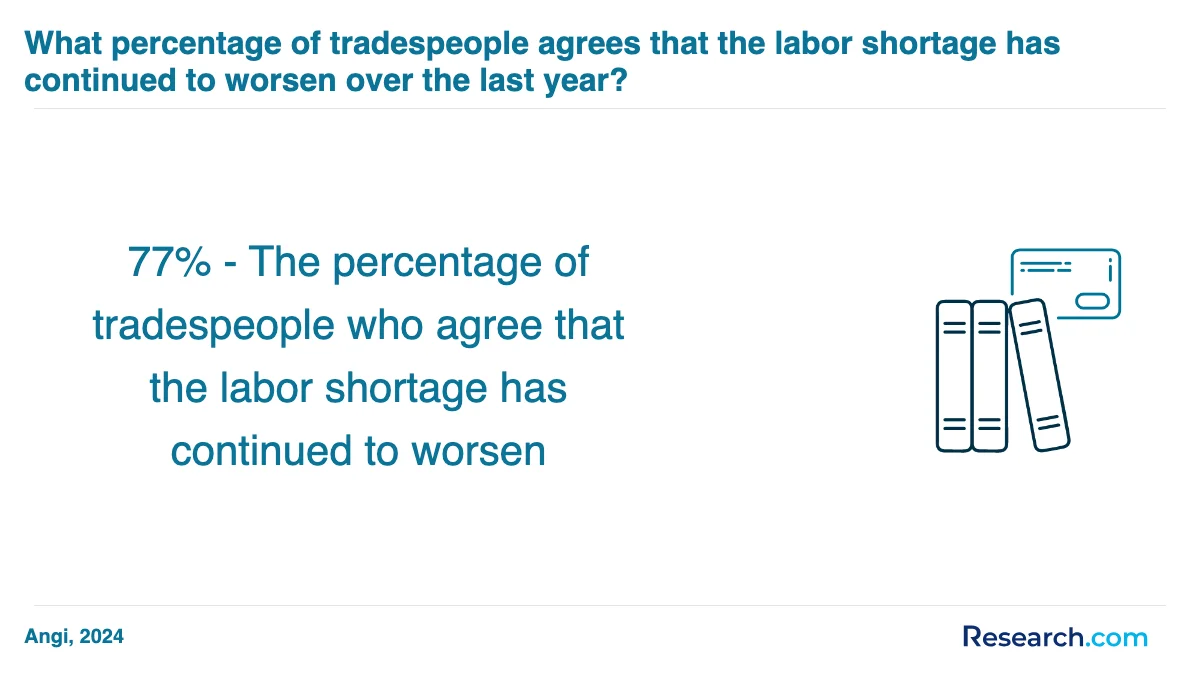
Trade school graduates in Yuma find a variety of career opportunities for trade school graduates in Yuma that lead directly to stable, well-paying jobs. Construction trades remain among the most sought-after, addressing a regional demand bolstered by initiatives to fill 20,000 construction jobs by 2030. Graduates from Yuma's trade schools often step into roles such as carpenters, electricians, plumbers, and construction superintendents, benefiting from apprenticeship programs that enable them to earn while they learn.
Hands-on HVAC/R programs prepare students for positions maintaining residential and commercial climate systems, ensuring job security in a consistently growing field. Many graduates share how these programs quickly launched their careers in climate control tech roles, providing steady incomes and satisfying work environments.
Popular programs also include healthcare certifications for pharmacy technicians, surgical technologists, and massage therapists. These roles are ideal for those seeking efficient, certificate-based paths into the medical field with significant local demand.
Career paths extend into technology with training for computer maintenance, help desk, and network technician roles-fields where Yuma grads support local businesses and schools efficiently. Additionally, Yuma's CTE districts offer specialties in agriculture, sports medicine, and law enforcement, widening the range of in-demand skilled trades in Yuma Arizona.
Graduates from well-regarded local programs often recall how practical coursework and credentialing boosted their confidence and employability immediately after completing their studies. For students exploring options, consulting the top online trade school programs can reveal complementary online pathways to enhance their skills and job prospects.
The job market for trade school graduates in Yuma is strong and growing steadily, with Yuma County skilled trades employment outlook showing an increase of over 1,100 jobs between 2024 and 2026. Graduates from popular local programs like those at Southwest Technical Education District of Yuma (STEDY) often report quick hiring, especially in HVAC repair, electrical work, welding, and cosmetology. These programs focus on skills local employers actively seek, making it easier for students to transition from classroom to career.
Many graduates find that the hands-on training prepares them for immediate employment, with dozens of open jobs usually available for roles such as HVAC technicians and operations managers. These opportunities reflect a consistent demand for skilled trades, supported by the area's expanding industries.
Healthcare certifications also boost job prospects, benefiting from Arizona's expected growth in healthcare and social assistance jobs. Graduates in medical assisting or nursing support find rewarding, stable positions locally.
Trade school students in Yuma can also expect competitive salaries; for a clearer idea of earnings, check this average salary after trade school. This combination of solid education and a positive labor market makes choosing trade programs in Yuma a practical path toward a skilled, well-paid career.
Most Affordable Trade School & Training Programs - Leading Certification Courses in Yuma for 2026
# 1 position
Arizona Western College - Criminal Justice/Law Enforcement Administration.
associateArizona Western College offers a hybrid Criminal Justice/Law Enforcement Administration program designed to prepare students for managing public law enforcement agencies. The curriculum covers law enforcement history, operational leadership, labor relations, budgeting, and legal responsibilities. Annual in-state tuition is $3,020. Graduates have median earnings of $23,054 one year after completion. The program is accredited by the Higher Learning Commission.
# 2 position
Arizona Western College - Computer and Information Sciences, General.
associateArizona Western College offers a hybrid program in Computer and Information Sciences, General, focusing on computing, computer science, and information systems. The annual in-state tuition is $3,020. This program is accredited by the Higher Learning Commission. It provides some distance-education options, allowing flexibility for students seeking to advance their knowledge in general computing fields without specializing in specific areas such as computer science or information science.
# 3 position
Arizona Western College - Legal Assistant/Paralegal.
associateArizona Western College offers a Legal Assistant/Paralegal program designed to prepare students for research, drafting, investigatory, and administrative tasks under attorney supervision. The hybrid program includes legal research, document drafting, courthouse procedures, and legal specializations. Annual in-state tuition is $3,020. The program is accredited by the Higher Learning Commission, providing recognized credentials for students pursuing a career in legal assistance.
# 4 position
Arizona Western College - Plumbing Technology/Plumber.
associateArizona Western College offers a Hybrid Plumbing Technology/Plumber program preparing students to become licensed plumbers. The curriculum covers installation and maintenance of piping systems for various applications, including steam and natural gas. Instruction includes water distribution, pressure adjustment, blueprint reading, welding, plumbing inspection, and relevant codes. The program is accredited by the Higher Learning Commission. Annual in-state tuition is $3,020.
# 5 position
Arizona Western College - Heating, Air Conditioning, Ventilation and Refrigeration Maintenance Technology/Technician.
associateArizona Western College offers a hybrid program in Heating, Air Conditioning, Ventilation and Refrigeration Maintenance Technology/Technician. The program prepares students to repair, install, service, and maintain HVAC and refrigeration systems, emphasizing diagnostic techniques and the use of testing equipment. Instruction covers mechanics, electricity, and electronics principles relevant to system repair. Annual in-state tuition is $3,020. The program is accredited by the Higher Learning Commission.
# 6 position
Arizona Western College - Automobile/Automotive Mechanics Technology/Technician.
associateArizona Western College offers a Hybrid program in Automobile/Automotive Mechanics Technology/Technician that prepares students to repair, service, and maintain various automobiles. The curriculum includes brake systems, electrical systems, engine repair, suspension, steering, transmissions, and heating and air conditioning systems. The program is accredited by the Higher Learning Commission. Annual in-state tuition is $3,020, providing a cost-effective option for technical education.
# 7 position
Arizona Western College - Welding Technology/Welder.
associateArizona Western College offers a hybrid Welding Technology/Welder program that prepares students to join or cut metal surfaces using various welding techniques. The curriculum covers arc welding, resistance welding, brazing, soldering, and high-energy beam welding, along with welding metallurgy, safety, and applicable codes. The program’s annual in-state tuition is $3,020, and it is accredited by the Higher Learning Commission.
# 8 position
Arizona Western College - Accounting.
associateArizona Western College offers a hybrid Accounting program designed to prepare students for the accounting profession and related business functions. The curriculum covers accounting principles, financial and managerial accounting, auditing, tax accounting, and business information systems. The program is accredited by the Higher Learning Commission. Annual in-state tuition is $3,020, with some courses available through distance education options.
# 9 position
Arizona Western College - Business Administration and Management, General.
associateArizona Western College offers a hybrid Business Administration and Management, General program designed to prepare students to plan, organize, direct, and control organizational functions. The curriculum covers management theory, human resources, accounting, purchasing, logistics, marketing, and decision-making. The annual in-state tuition is $3,020. Graduates earn a median income of $20,050 one year after completing the program. The program is accredited by the Higher Learning Commission.
# 10 position
Arizona Western College - Building/Home/Construction Inspection/Inspector.
certificate or diplomaArizona Western College offers a hybrid Building/Home/Construction Inspection/Inspector program that prepares students to oversee construction projects and building maintenance according to industrial, labor, and governmental standards. The curriculum covers construction techniques, materials analysis, safety, building codes, blueprint reading, testing procedures, communication, accident investigation, and documentation. Annual in-state tuition is $3,020. The program is accredited by the Higher Learning Commission.
Frequently Asked Questions about trade school programs
Preparing for the job market after completing trade school in Yuma involves several strategic steps. Graduates should focus on gaining relevant certifications that employers value, such as OSHA safety or HVAC credentials. Yuma's local workforce agencies report that over 70% of trade school graduates find employment within six months, highlighting the importance of job readiness.
Building a professional network through internships or apprenticeships offered by Yuma businesses can significantly boost employability. Additionally, crafting a clear resume emphasizing hands-on skills and completed projects is crucial. Utilizing resources like the Arizona Commerce Authority's job placement services can also provide valuable employer contacts and job listings tailored to trade careers in Yuma.
Employers in Yuma highly value practical skills and hands-on experience when hiring trade school graduates. According to the U.S. Bureau of Labor Statistics and local job market analyses, technical proficiency in fields like electrical work, HVAC, and welding ranks among the top sought-after skills.
Beyond technical knowledge, soft skills like effective communication, teamwork, and problem-solving are essential. A 2023 report by Arizona's Department of Economic Security noted that 68% of employers in Yuma prioritize these interpersonal abilities.
Time management and reliability also significantly impact employability, as employers seek graduates who can maintain safety standards and meet project deadlines.
Finding internships in Yuma that relate to your trade school program involves a combination of research, networking, and utilizing local resources. Start by contacting your trade school's career services office, as many schools in Yuma partner with regional businesses to create internship opportunities tailored to specific fields.
Local employers in industries such as agriculture, HVAC, and healthcare often offer internships, reflecting Yuma's key economic sectors. Exploring job boards like Arizona's official workforce site and websites such as Indeed can help identify openings specific to Yuma.
Additionally, organizations like the Yuma County Workforce Development provide support for job seekers and may assist in connecting students with relevant internships. Building relationships with local professionals through community events or trade associations can open doors to less-publicized opportunities. According to the U.S. Bureau of Labor Statistics, internships increase job placement success by nearly 60% nationwide, a strong incentive to pursue these connections early.
In Yuma, earning a trade school diploma significantly boosts career mobility and advancement opportunities. Trade programs provide practical skills aligned with local industry demands, such as healthcare, construction, and manufacturing. According to the Arizona Commerce Authority, skilled trades show steady growth in Yuma, with employment projected to increase by 8% through 2030. This growth creates openings for diploma holders to quickly enter or advance within their fields.
Moreover, trade school graduates often experience higher starting wages than those without specialized training. The U.S. Bureau of Labor Statistics reports that trade diploma holders nationally earn on average 20% more than those with only a high school diploma, a trend also observed in the Yuma region. Employers value the hands-on experience and certifications earned through these programs, enhancing graduates' prospects for promotions and salary increases.
In Yuma, part-time job opportunities that complement trade school education often align with the city's key industries, including agriculture, healthcare, and construction. Students enrolled in programs such as welding, HVAC, or medical assisting can find roles that provide practical experience while pursuing their studies.
For example, part-time positions in local healthcare facilities for certified nursing assistants or medical aides help students apply clinical skills. According to the Arizona Office of Economic Opportunity, healthcare support jobs in Yuma grew by 8% between 2018 and 2023, indicating strong demand.
Similarly, agricultural roles during the harvest season allow mechanical or equipment technician trainees to gain hands-on exposure. Retail and customer service roles in home improvement stores also benefit students in construction-related trade programs.
To find the most affordable degree program near you, consider exploring local community colleges and universities that offer competitive tuition rates. Researching online, using resources such as Research.com, can help you identify programs in various fields, some of which may have affiliations to institutions near Yuma, AZ. Additionally, inquire with local educational institutions about financial aid opportunities, scholarships, and flexible payment plans to further minimize costs.
- Apprenticeship Programs | Arizona Western College https://www.azwestern.edu/apprenticeship-programs
- Trade School - My Student HUB | Academic Support & Resources for Students https://www.mystudenthub.org/ns-trade-school
- Find The Best Trade Schools In Arizona https://www.accreditedschoolsonline.org/vocational-trade-school/arizona/
- YSWCA: Career & Trades https://career-trades.yswca.com/


