Most Affordable Trade School & Training Programs - Leading Certification Courses in University Center for 2026

Co-Founder and Chief Data Scientist
Choosing the right trade school in University Center can feel overwhelming, but it doesn't have to be. This article introduces a trade school programs ranking developed by the Research.com team of data scientists to guide you in making smart, informed decisions.
Whether you're looking to gain valuable skills or earn certifications that boost your career, this guide highlights affordable options that fit your goals. Exploring these programs can open doors to new opportunities and a brighter future, making your education journey both rewarding and achievable.
Key benefits of finishing trade school programs trade school in University Center
- Expected salary: Trade school graduates in University Center earn competitive wages, with average salaries around $58,527 annually and hourly rates near $28.14. Careers like electricians, HVAC technicians, and healthcare support roles often see starting salaries in the mid-$40,000s, rising to over $70,000 with experience.
- Popular career paths: Many students pursue trades such as welding, automotive technology, industrial maintenance, and licensed practical nursing, all of which offer stable jobs and opportunities to grow in well-paying industries.
- Online education benefits: Getting your trade diploma online can offer flexibility, allowing you to balance learning with work or family. Online graduates from local trade schools report feeling confident and prepared, often finishing faster than traditional students.
- Most Affordable Trade School & Training Programs - Leading Certification Courses in University Center for 2026
- What can I expect from trade school programs trade schools in University Center?
- Where can I work after finishing trade school programs trade schools in University Center?
What can I expect from trade school programs trade schools in University Center?
Students attending trade schools in University Center typically face average program costs ranging from $8,000 to $15,000 for certificate or associate degree offerings. Graduates recall paying tuition that often covers hands-on lab access, industry-standard tools, and crucial apprenticeship placements, all included in the fee. This investment is seen as both practical and affordable compared to four-year degrees.
The real value emerges through small class sizes and personalized training, allowing students to gain confidence working with equipment in automotive, welding, or HVAC labs. Many share how this focused experience accelerated their readiness for well-paying local jobs, making the cost feel justified and sustainable.
Students also appreciate support services included in tuition, such as career counseling and job placement assistance, which smooth transition from education to employment in high-demand technical fields. Flexible payment plans and occasional scholarships further ease financial concerns for students balancing study with life commitments at University Center trade schools.
Where can I work after finishing trade school programs trade schools in University Center?
After finishing a trade school program in University Center, graduates step into a job market bursting with opportunity. For example, those completing the automotive mechanics program often become trusted technicians or mechanics at local dealerships and repair shops, enjoying hands-on work that keeps vehicles running smoothly for their communities. Welding grads find themselves in dynamic roles within manufacturing plants or construction sites, fabricating essential metal components with pride.
HVAC and refrigeration graduates frequently secure positions as skilled technicians, maintaining comfortable environments in homes and businesses alike. Electrical engineering technician students often join construction firms or factories, where they contribute critical expertise to keep systems operational. Computer installation and repair specialists support organizations ranging from schools to government offices, solving tech problems daily with confidence.
Trade school grads feel confident knowing statewide demand for their skills is strong, with tens of thousands of skilled trades jobs opening annually. These careers offer fulfilling, reliable employment paths right from University Center, blending technical mastery with real-world impact.
After finishing a trade school program in University Center, graduates typically start with salaries around $24,700 annually, according to data from Delta College, a well-known local institution. This reflects entry-level positions in fields such as automotive mechanics, electrical engineering technician, HVAC, welding, and plumbing. Graduates often find this starting point encouraging, as many trades offer clear paths for advancement and increased earnings through experience and certification.
On a broader scale, trade school alumni in Michigan earn an average of about $58,527 per year, or roughly $28.14 per hour. The majority make between $44,000 (25th percentile) and $71,000 (75th percentile), with top earners reaching up to $87,159 annually. These figures highlight how honing specialized skills in University Center's trade programs can lead to satisfying and well-compensated careers.
Graduates entering the workforce in University Center can feel optimistic, knowing local schools equip them with practical skills that align with regional job demand and salary growth potential, ensuring rewarding financial futures.
- Trade school programs in University Center offer hands-on training in fields like automotive technology, welding, HVAC, construction, robotics, and machine tool technology.
- Most programs require a high school diploma or GED, with some needing specific assessments or prerequisites, especially for technical or disability-support programs.
- Program options include short-term certificates (usually under one year) and associate degrees that take about two years of full-time study.
- Tuition typically ranges from $3,000 to $6,000 per year at Michigan community colleges and technical institutes, excluding books and fees.
- Starting salaries for trades such as HVAC technicians and welders range from $38,000 to $48,000 annually, with experienced workers earning between $60,000 and $80,000 or more.
Completing a trade school program in University Center varies mainly by credential type and study pace. Certificate or diploma programs typically take about two semesters full-time, roughly 9 months, or up to four semesters for part-time and high school students. Graduates from these programs often share how quickly they were able to start working or advance in their careers thanks to the focused curriculum.
Associate degree programs usually require around five semesters of full-time study, close to two years. These paths suit students aiming for deeper technical skills and more diverse job prospects. Many from University Center's popular trade schools remark on feeling well-prepared and confident entering the workforce upon graduation.
Registered apprenticeships combine paid work and classroom time, lasting three to five years. Apprentices often recount the rewarding experience of hands-on learning alongside seasoned professionals, praising the balance between earning a wage and gaining industry credentials.
For those seeking rapid skill-building, short-term courses like accelerated training or summer options last weeks but rarely yield formal credentials. The range of program lengths gives University Center students flexible options aligned with their career goals.
Online trade school programs in University Center offer flexibility that appeals to working adults and those balancing family commitments. Graduates frequently share how the ability to study at their own pace, accessing lectures and assignments remotely via learning management systems, made completing their information technology or cybersecurity courses manageable alongside demanding schedules. These programs focus heavily on theory, often using virtual labs to replicate hands-on experiences.
In contrast, on-campus programs provide intensive, hands-on training vital for trades requiring direct practice. For example, students pursuing welding or HVAC at well-known University Center trade schools recall the value of working directly with equipment and learning safety procedures under instructor supervision in campus workshops. The in-person setting enhances immediate access to faculty guidance and peer collaboration, enriching the practical learning process.
Many students appreciate blended formats that combine online theoretical lessons with scheduled on-campus labs, offering the best of both worlds: convenience and essential hands-on experience. Choosing one depends on personal learning style and the trade's practical demands in University Center.
The average trade school tuition in University Center varies significantly based on residency status. At Delta College, a leading provider in the region, in-district students typically pay $6,120 for a full-time program of 45 contact hours. Out-of-district tuition jumps to around $10,305, with out-of-state students facing $10,800 for the same coursework. Portable experiences from recent graduates reflect that managing in-district tuition is often more financially feasible, allowing them to focus more on skill-building without overwhelming debt.
Mandatory fees add to this baseline: all students pay a $1,125 technology fee and a $120 registration fee annually, which fund essential resources and campus access. Additionally, books and supplies average about $2,250 yearly. Beyond academic costs, many students share how transportation and miscellaneous expenses, averaging $3,804 and $3,504 respectively, represent an expected part of their budgeting. Living arrangements strongly influence overall affordability-graduates living with parents report a total cost of trade school diploma University Center near $24,745 yearly including housing and food, while those living off-campus budget closer to $28,623.
Trade school attendees often highlight the balance between cost and post-graduation rewards, seeing the expense as an investment in a skilled future. For those exploring high-paying career paths, detailed estimates like these provide practical clarity. Evaluating these numbers alongside career outcomes is vital, and resources detailing highest paying trade school jobs help prospective students align costs with earnings potential.
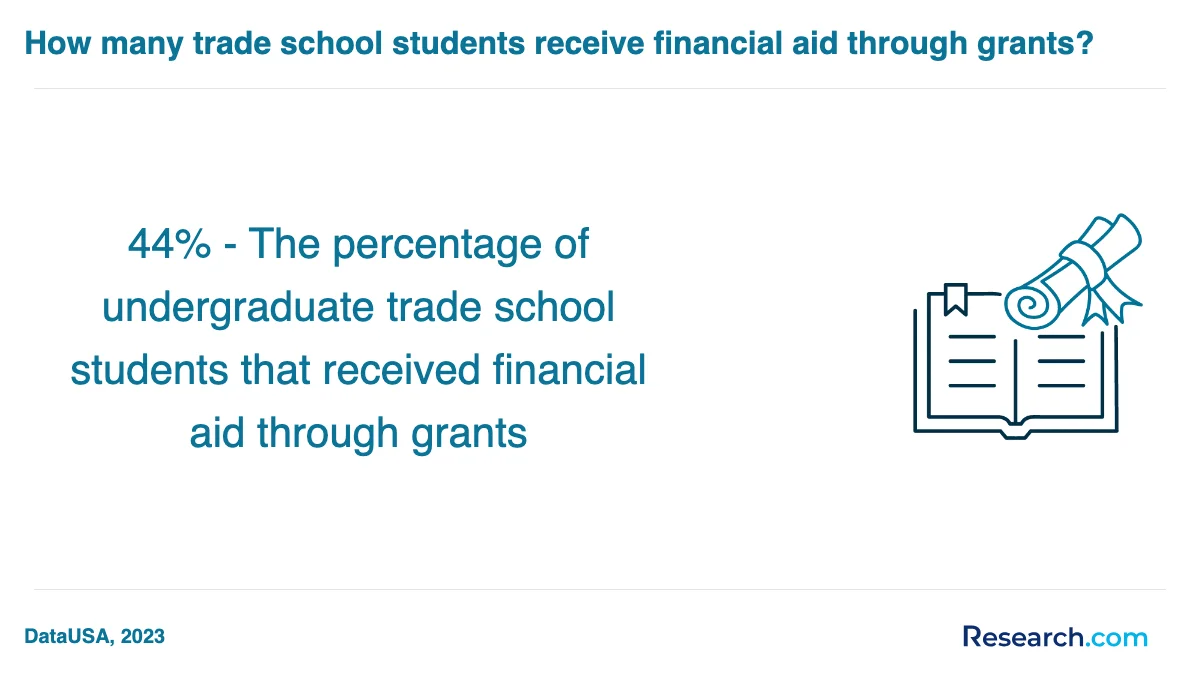
Trade school students in University Center often rely on diverse financial aid options to make their education affordable. Many begin by completing the Free Application for Federal Student Aid (FAFSA), which unlocks access to essential federal grants like the Pell Grant and FSEOG, reducing tuition costs without the burden of repayment. Federal student loans, with their lower interest rates and flexible terms, remain a viable option for covering gaps, especially for those attending popular programs in automotive technology or welding.
State-specific programs also play a crucial role. For example, the Michigan Tuition Incentive Program assists younger students meeting Medicaid criteria, while the Michigan Reconnect program supports adult learners who want to finish an associate degree or skills certificate at an esteemed trade school in the area. Graduates often recall how this aid alleviated financial stress, allowing them to focus fully on hands-on training.
Scholarships from schools, community groups, and employers are additional lifelines, often awarded based on merit or field of study.
Students with foster care backgrounds benefit from the Fostering Futures Scholarship, helping cover necessary costs beyond tuition.
Connecting with a school's financial aid office in University Center is key-graduates consistently praise personalized guidance that ensures every available resource is tapped to ease their pathway to a trade career.
Enrolling in a trade school program in University Center typically requires a high school diploma or an equivalent credential, such as a GED or completion of an approved equivalency exam like TASC or HiSET. Many graduates from local schools, including Northwestern Michigan College, found these foundational credentials crucial to start their technical journeys with confidence and clear academic standing.
Applicants who are 18 or older but lack a traditional diploma can often qualify by submitting recognized equivalency certificates or college coursework. Official transcripts from high school or prior colleges must be submitted, ensuring that each student's academic history is carefully reviewed.
- Successful students often highlight the benefit of early application submission to secure priority processing in their favorite programs.
- For those coming from related career and technical education (CTE) programs, achieving a minimum grade of B in CTE courses can lead to advanced standing or credit at institutions like Central Michigan University.
- Apprenticeship candidates should be prepared to pass admission tests and provide proof of relevant coursework, embracing a multi-year commitment to skill mastery.
These prerequisites help prepare students for a smooth transition into trade careers, much like previous graduates who praised the clear expectations and supportive enrollment process at University Center trade schools.

Trade school programs in University Center offer a range of hands-on courses designed to equip students with practical skills for in-demand trades. Graduates from Delta College often speak highly of programs such as Machine Repair & Mechanics, Industrial Maintenance, and Precision Manufacturing, which combine classroom learning with immersive lab work. For instance, students in Machine Repair gain expertise in troubleshooting mechanical systems through real-world equipment maintenance tasks over five semesters.
Other popular programs include:
- Welding, where students practice metal fabrication and master safety protocols on active shop floors.
- Electrical Technology, focusing on wiring and circuitry simulations that mirror actual jobsite conditions.
- HVACR, which trains students in heating, ventilation, and refrigeration systems through hands-on diagnostics.
- Automotive and Construction Technology, blending technical classroom instruction with field projects.
Students appreciate courses emphasizing workplace safety, technical math, and computer-aided design (CAD), which cultivate confidence to meet modern industry demands. These programs foster a supportive environment where learners rapidly develop skills transferable to real career settings in University Center's skilled trades market.
Trade school programs in University Center offer a diverse range of specializations tailored to meet the evolving demands of regional industries. Graduates from popular institutions here often share how hands-on training in fields such as Automotive Mechanics and Diesel Mechanics equipped them to excel quickly in transportation and heavy machinery roles. Those pursuing Electrical Engineering Technician or HVAC and Refrigeration Engineering Technician pathways highlight the satisfaction of mastering critical building system repairs, which are highly sought after in both residential and commercial sectors.
Students appreciate the robust opportunities in construction and engineering, especially specializations like Carpentry, Plumbing, and Construction Engineering Technician, where they contribute to real projects from the ground up. Manufacturing-focused programs such as Machine and Metal Working and Mechanical Engineering Technician offer a gateway into Michigan's manufacturing economy, emphasizing practical skills that graduates proudly bring to their workplaces.
Business support pathways, including Accounting Technician and Bookkeeping and Cosmetology Instruction and Salon Management, combine technical expertise with entrepreneurship preparation. Additionally, modern fields like Lab Technician, Child Care Provider, and Environmental Engineering Technician are available, reflecting the broad career prospects. For those seeking affordable and specialized training, options such as cheap solar technician training online also enrich University Center offerings.
To select the best trade school programs in University Center, begin by exploring institutions that offer a diverse range of hands-on programs tailored to your interests and career goals. Graduates from local schools often praise the practical experience gained through real-world training, such as apprenticeships and competency-based courses, which significantly boost their confidence and job readiness.
When evaluating how to compare trade schools in University Center, focus on accreditation and industry recognition to ensure your credential will be respected by employers nationwide. Schools partnering with accredited bodies not only validate the quality of education but also enhance career mobility. Additionally, consider the support services available-students who utilized career counseling and disability assistance at regional campuses report feeling more supported and prepared.
Cost is another key factor; some programs provide scholarships or early college credit to ease financial burdens. For example, many students have benefited from exploring the cheapest electrical lineman programs online, which serve as affordable alternatives while delivering solid training outcomes.
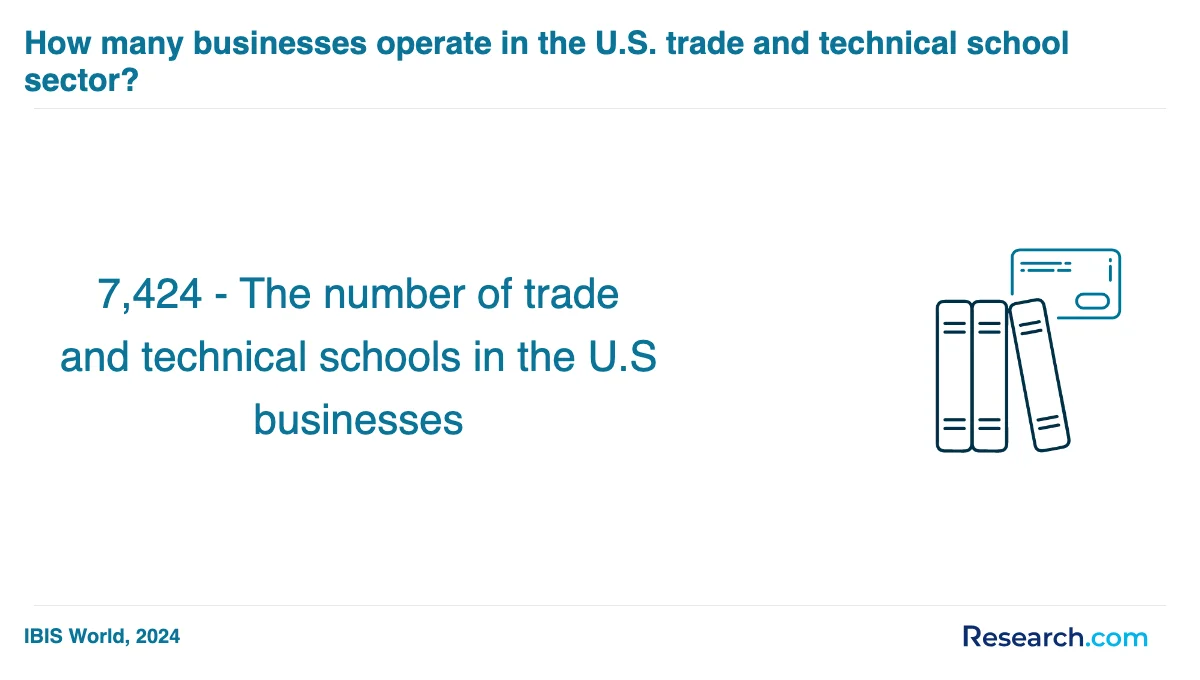
Trade school graduates in University Center have access to diverse career paths tailored to local industry needs. Many skilled trades job outlook in University Center reflects strong demand across sectors including automotive technology, construction trades, welding, engineering, manufacturing, renewable energy, and surveying. Graduates from popular trade schools here often describe hands-on learning experiences that translate directly into high-paying roles.
Typical career outcomes include:
- Automotive service technicians or hybrid technology specialists working in local dealerships and repair shops
- Carpenters, electricians, HVAC technicians, and construction managers contributing to expanding infrastructure projects
- Skilled welders and fabricators supporting manufacturing and energy sectors
- Engineering technicians and quality control specialists employed by advanced manufacturing firms
- Wind and solar technicians or land surveyors involved in Michigan's growing renewable energy market
Graduates frequently highlight valuable internships and industry certifications obtained through their programs, which enhance employability and career advancement. For students exploring accessible options, affordable online appliance repair trade school programs can be a practical start. These hands-on experiences instill confidence and job readiness, making trade schools in University Center ideal for launching fulfilling careers in the skilled trades.
The trade school job opportunities in University Center 2026 remain strong, driven by steady demand across industries like construction, automotive technology, welding, and HVACR. Graduates from local programs report rapid job placement, often citing partnerships between schools and employers that provide apprenticeships and tailored training to match real-world needs. For instance, automotive service technicians in the region can earn median salaries near $46,970, while construction managers may reach earnings above $100,000 annually.
Several popular trade schools in University Center emphasize hands-on experience combined with industry-recognized certifications, greatly enhancing employability. Graduates often share that direct job placement services empower them to step confidently into careers with clear advancement paths.
The skilled trades employment outlook University Center Michigan reflects a competitive but accessible market, with annual openings estimated at over 40,000 statewide, creating opportunities for long-term stability. Initiatives like tuition-free community college and expanded apprenticeships actively support further inclusion.
Students exploring career options might also consider programs like most affordable cosmetology online school programs, broadening their paths beyond traditional skilled trades.
Most Affordable Trade School & Training Programs - Leading Certification Courses in University Center for 2026
# 1 position
Delta College - Diagnostic Medical Sonography/Sonographer and Ultrasound Technician.
associateDelta College offers a Diagnostic Medical Sonography/Sonographer and Ultrasound Technician program with a hybrid format, combining in-person and distance education. The program trains students to use medical ultrasound techniques under physician supervision to diagnose conditions. Instruction covers patient care, sonographic data processing, and professional ethics. Annual in-state tuition is $4,640. Graduates earn a median salary of $52,791 one year after completion. The program is accredited by the Higher Learning Commission.
# 2 position
Delta College - Criminal Justice/Police Science.
associateDelta College offers a hybrid Criminal Justice/Police Science program designed to prepare students for police and public security duties. The curriculum covers patrol, investigations, traffic and crowd control, evidence management, crime prevention, weapon operation, and report writing. The program is accredited by the Higher Learning Commission. Annual in-state tuition is $4,640, and graduates earn a median income of $44,637 one year after completion.
# 3 position
Delta College - Security and Loss Prevention Services.
associateDelta College offers a hybrid Security and Loss Prevention Services program designed to prepare individuals for routine inspection, patrol, and crime prevention tasks for private clients. The program includes training in personal protection and property security. Annual in-state tuition is $4,640. Graduates have a median earning of $44,637 one year after completion. The program is accredited by the Higher Learning Commission.
# 4 position
Delta College - Dental Assisting/Assistant.
associateThe Dental Assisting/Assistant program at Delta College offers a hybrid format with some distance education. It prepares students to provide patient care, take dental radiographs, assist in dental procedures, and handle office administrative tasks under supervision. The curriculum includes medical record-keeping, equipment maintenance, chairside assisting, and supervised practice. Annual in-state tuition is $4,640. Graduates earn a median income of $36,828 one year after completion. The program is accredited by the Higher Learning Commission.
# 5 position
Delta College - Computer and Information Sciences, General.
associateDelta College offers a hybrid program in Computer and Information Sciences, General, combining computing, computer science, and information science systems. The program is accredited by the Higher Learning Commission. Annual in-state tuition is $4,640. This program provides some distance-education options, allowing flexibility for students pursuing a diploma or certification in this broad computing field.
# 6 position
Delta College - Computer Systems Networking and Telecommunications.
associateDelta College offers a hybrid program in Computer Systems Networking and Telecommunications, focusing on designing, implementing, and managing linked computer systems and software for efficiency. The curriculum includes operating systems, network theory, management, security, and troubleshooting. The program is accredited by the Higher Learning Commission. Annual in-state tuition costs $4,640, preparing students to become network specialists and managers at various levels.
# 7 position
Delta College - Computer and Information Systems Security/Auditing/Information Assurance.
associateDelta College offers a hybrid Computer and Information Systems Security/Auditing/Information Assurance program designed to prepare students to assess security needs, recommend safeguards, and manage security system implementation and auditing. The curriculum includes computer architecture, programming, networking, cryptography, risk assessment, and applicable law. The program is accredited by the Higher Learning Commission. Annual in-state tuition is $4,640.
# 8 position
Delta College - Legal Assistant/Paralegal.
associateDelta College offers a Legal Assistant/Paralegal program designed to prepare students for research, drafting, investigatory, and administrative tasks under attorney supervision. Instruction covers legal research, document drafting, courthouse procedures, and legal specializations. The hybrid program includes some distance-education options. Annual in-state tuition is $4,640. The program is accredited by the Higher Learning Commission.
# 9 position
Delta College - Electrical and Power Transmission Installation/Installer, General.
associateDelta College offers a hybrid program in Electrical and Power Transmission Installation/Installer, General, preparing students to install residential, commercial, and industrial electrical systems and power transmission lines. The curriculum covers electricity, safety, wiring, insulation, grounding, blueprint interpretation, and equipment maintenance. The program is accredited by the Higher Learning Commission. Annual in-state tuition is $4,640, with some distance-education options available.
# 10 position
Delta College - Electrician.
associateDelta College offers a hybrid Electrician program that prepares students to install, operate, maintain, and repair electrical systems in residential, commercial, and industrial settings. The curriculum covers electronics principles, wiring, power transmission, safety, job estimation, and electrical codes. The program has an annual in-state tuition of $4,640 and is accredited by the Higher Learning Commission.
Frequently Asked Questions about trade school programs
After completing a trade school program in University Center, preparing for the job market involves several key steps. First, graduates should focus on obtaining relevant certifications that are often required in skilled trades, such as HVAC or electrical licenses. According to the Bureau of Labor Statistics, certification can increase hiring chances by up to 20%.
Networking is also essential; many local employers prefer candidates referred through industry contacts or trade unions. Universities and local job centers in University Center often offer career counseling and job placement services tailored for trade school graduates.
Finally, creating a professional resume that highlights practical skills and completed apprenticeships can greatly improve employment prospects in competitive fields.
Employers in University Center prioritize both technical and soft skills when hiring trade school graduates. According to the U.S. Bureau of Labor Statistics, proficiency in specialized tools and industry-specific skills ranks highly across fields such as automotive technology, HVAC, and welding. Local employers also emphasize problem-solving abilities and adaptability, reflecting the dynamic nature of many trade occupations. Communication skills are essential, as workers often collaborate in teams or explain procedures to clients. Additionally, punctuality and a strong work ethic are frequently noted in surveys by the Michigan Chamber of Commerce, underlining the value placed on reliability among graduates entering the workforce in University Center.
Finding internships in University Center that align with your trade school program involves a few key steps. Start by contacting the career services office at your trade school, as many maintain relationships with local employers offering internships. Local workforce development boards also provide resources and sometimes list available positions suited for trade skills.
Additionally, explore industry-specific trade associations in University Center, which often facilitate internship placements. According to the Michigan Department of Labor, over 60% of trade students in the region secure internships through community partnerships. Networking events and job fairs in University Center are valuable for connecting with potential employers looking to hire students trained in trades relevant to the local economy.
A trade school diploma in University Center can significantly enhance career mobility by providing specialized skills tailored to high-demand local industries. Graduates often gain immediate employment opportunities in fields such as healthcare, manufacturing, and information technology, which dominate the region's job market. According to the Michigan Department of Labor, individuals with vocational certificates earn on average 15-20% more than those with only a high school diploma in University Center.
Trade school credentials also facilitate career advancement by equipping students with practical knowledge valued by employers, enabling promotions and salary increases. Many programs align with industry certifications, further boosting graduates' competitiveness in the local economy.
Students enrolled in trade schools in University Center can find a variety of part-time job opportunities that directly complement their studies. Positions such as automotive technician assistants, electrical helpers, or HVAC apprenticeships allow students to apply practical skills while earning income. According to the Bureau of Labor Statistics, part-time roles in skilled trades often offer wages above the national average for entry-level jobs, which benefits students managing tuition and expenses.
Local businesses and technical service providers in University Center actively seek individuals with growing expertise. Jobs in retail hardware stores or basic construction labor also provide valuable hands-on experience and networking opportunities.
These roles build professional skills, which enhance employability post-graduation and foster industry connections within the community.
To find the most affordable degree programs near me, particularly near University Center, MI, start by exploring local universities and colleges that might offer lower tuition fees or financial aid options. Research.com can be a helpful resource for comparing program costs, local community colleges, and online programs which are often more budget-friendly. Additionally, consider inquiring about scholarships or work-study opportunities at institutions near University Center, MI to further reduce educational expenses.
- Most Affordable Trade School & Training Programs - Leading Certification Courses in Tulsa for 2026
- Most Affordable Trade School & Training Programs - Leading Certification Courses in Ocala for 2026
- Most Affordable Trade School & Training Programs - Leading Certification Courses in Statesboro for 2026
- Most Affordable Trade School & Training Programs - Leading Certification Courses in Olathe for 2026
- Most Affordable Trade School & Training Programs - Leading Certification Courses in Overland Park for 2026
- Most Affordable Trade School & Training Programs - Leading Certification Courses in Topeka for 2026
- Trade school: A comprehensive guide https://www.collegeessayguy.com/blog/trade-school-guide
- Client Challenge https://reese.warrensburgr6.org/o/rec/article/1072020
- Trade School: What Is It & What to Expect https://erieit.edu/what-to-expect-when-attending-trade-school/
- Trade Schools Overview | ACT https://www.act.org/content/act/en/students-and-parents/career-planning/career-planning-resources/trade-schools.html
- Trade Schools, What Are The Benefits - InterCoast Colleges https://intercoast.edu/articles/benefits-of-trade-schools/
- Exploring the World of Trade Schools: A Smart Alternative to College https://www.projectnext.org/exploring-the-world-of-trade-schools-a-smart-alternative-to-college
- Learn A Trade - SUNY https://www.suny.edu/trades/
- Career Tech & Trades Pathway https://www.fresnocitycollege.edu/academics/guided-pathways/tech-trades/index.html
- Skilled Trade Careers: Know All the Options | ASVAB CEP https://www.asvabprogram.com/media-center-article/135