Most Affordable Trade School & Training Programs - Leading Certification Courses in Syracuse for 2026

Co-Founder and Chief Data Scientist
Choosing the right trade school in Syracuse can be overwhelming, especially when considering costs and program quality. This article offers a helpful guide by presenting a trade school programs ranking created by the Research.com team of data scientists.
Our goal is to make your search easier by highlighting affordable options that deliver real value. Earning a trade school diploma or certification can open doors to rewarding careers and personal growth.
Explore this guide to find a path that fits your needs and ambitions with confidence and optimism.
Key benefits of finishing trade school programs trade school in Syracuse
- Expected salary: Trade school graduates in Syracuse can expect starting salaries ranging from $40,000 to $66,000, with specialized fields like information systems or applied data science offering even higher pay, up to $84,000 per year.
- Popular career paths: Common trade school programs include HVAC, electrical, plumbing, automotive technology, welding, dental hygiene, and radiologic technology, providing a variety of rewarding job opportunities that match your interests and skills.
- Online education benefits: Earning a trade school diploma or certification online offers flexibility, allowing you to balance work or family while gaining valuable skills, a proven option many Syracuse students choose for convenience and success.
- Most Affordable Trade School & Training Programs - Leading Certification Courses in Syracuse for 2026
- What can I expect from trade school programs trade schools in Syracuse?
- Where can I work after finishing trade school programs trade schools in Syracuse?
What can I expect from trade school programs trade schools in Syracuse?
Trade school programs in Syracuse typically cost between $3,000 and $8,000, depending on the field and length of study. Graduates from popular local programs, such as those offered by OCM BOCES, report that this investment often feels reasonable given the combination of classroom learning and hands-on experience provided. For example, students in construction programs spend hours actively working on real sites, developing skills that employers value immediately.
Many students find the affordability especially attractive compared to traditional colleges, with some graduating debt-free. The programs include applied technical training alongside career support like resume building and interview practice, boosting confidence and job readiness.
Those in automotive technology or welding appreciate that the curriculum integrates industry-recognized certifications, which add immediate value in the job market. Graduates often transition quickly into apprenticeships or entry-level positions, reinforcing a sense of accomplishment and optimism about career prospects.
Where can I work after finishing trade school programs trade schools in Syracuse?
Graduates of trade school programs in Syracuse find numerous employment opportunities in fields like construction, carpentry, building maintenance, and technical trades. For example, many who complete construction and carpentry training secure roles such as carpenter foremen or skilled carpenters within Onondaga County. One graduate working at Upstate Medical University landed a permanent Trades Generalist position with a starting salary of $50,425 per year, enjoying a stable 40-hour workweek. This reflects the strong demand for hands-on experience that Syracuse employers value - experience often gained directly from local trade schools.
Those trained in apartment maintenance or building repair often become maintenance technicians, handling repairs and upkeep in residential buildings. Others skilled in masonry or painting find roles with contractors and public institutions, benefiting from consistent local demand.
Apprenticeship programs remain a popular pathway, offering competitive wages between $18 and $36 per hour. Many apprenticeship graduates progress to full-time work with growth potential in union and non-union jobs. Graduates consistently report satisfaction knowing their trade skills open doors to stable, well-paying careers close to home.
After finishing a trade school program in Syracuse, graduates typically earn an average salary of about $66,345 per year or $31.90 per hour. Many skilled trades like electrical work, plumbing, and HVAC offer starting wages ranging from $32 to $38 per hour, translating to annual salaries between $66,560 and $79,040. These figures reflect what graduates from well-known Syracuse trade schools often experience as they enter the workforce.
One recent graduate shared how quickly wages grew after completing an HVAC technician program, starting around $65,000 and moving into the high $70,000s within a year, thanks to paid training and employer-provided tools. Others in electrical trades find themselves earning competitive salaries similar to regional engineering graduates.
With entry-level roles offering immediate financial stability and benefits, many Syracuse trade school graduates report feeling confident and motivated by their ability to earn a strong income without a four-year degree. The potential to rise quickly in pay makes these programs especially appealing for local students focused on practical, rewarding careers.
- Admission typically requires a high school diploma or GED, with some programs asking for a minimum GPA, such as 85% for nursing or 3.0 on a 4.0 scale for certain courses.
- Applications are reviewed on a rolling basis, with deadlines often from December to May; incomplete or inactive applications after one year may not be considered.
- Program costs generally range from $5,000 to $15,000, though specialized programs may cost more, and financial aid deadlines usually come before application deadlines.
- Starting salaries for graduates in fields like nursing, HVAC, and automotive technology range from $35,000 to $50,000 per year.
- Experienced graduates in high-demand specialties can earn between $60,000 and $75,000 annually.
Trade school programs in Syracuse vary greatly in length depending on the field and training intensity. For instance, graduates of the Build Ready Construction Training Program at Syracuse EOC often complete their 140 hours of hands-on training in just a few weeks. This accelerated pace enables swift entry into construction roles or apprenticeships, making it an excellent option for those eager to start working quickly and build confidence on site.
Other students choose the Construction Trades program at OCM BOCES, where 780 clock hours translate to about six months to a year of combined classroom and practical experience. Graduates describe a balanced learning rhythm that allows for deep skill development while managing life's other demands.
Summer programs like Pathways to Apprenticeship immerse high schoolers in four intensive weeks of safety training and trade basics, creating an exciting and focused environment to jumpstart a career.
For those pursuing union trades, apprenticeships through UA Local 81 span five years, blending full-time on-the-job training with evening classes. While longer, apprentices frequently express pride in earning journey-level certification and mastering a craft through real-world work.
Online trade school programs in Syracuse emphasize flexibility, allowing students to study from any location. Graduates often commend the convenience of balancing work, family, and education, as many coursework components are self-paced or accessible through real-time virtual sessions. For example, students enrolled in Syracuse's online certificate programs can complete their studies without the need to commute, making it an ideal option for working professionals or those with mobility challenges. Academic advising and career support services are also available virtually, providing a sense of connection despite physical distance.
On-campus programs in Syracuse trade schools offer the benefit of face-to-face interaction and hands-on experience. Students appreciate immediate access to instructors, access to fully equipped labs and workshops, and opportunities for networking through extracurricular activities. This immersive environment suits those who thrive on structured schedules and direct engagement, especially in trade fields requiring practical skill application. Both formats maintain identical curriculum standards, with graduates from either path expressing confidence in the quality of instruction and preparedness for their careers.
The average trade school cost in Syracuse varies notably based on the type of institution and program length. For example, graduates from Onondaga Community College, a popular public option, typically pay in-state tuition around $5,290 annually, along with fees near $752 and an additional $700 for books and supplies. Those living on campus can expect room and board expenses up to $11,258 plus roughly $3,200 in other campus fees. Out-of-state students face tuition costs nearly double, at about $10,580 per year. These figures embody the Syracuse trade school tuition and fees landscape where many local students find solid value.
Students pursuing shorter certificate programs often enroll at private or for-profit trade schools like the Professional Career Center, where program costs span from $400 to $3,800. Graduates appreciate this affordability, especially for fast-track careers in real estate or specialized technical fields, offering a practical path without long-term financial strain. These diverse options make it possible for students to tailor the trade education experience within their budget and timeline.
Statewide data shows the overall cost for completing a trade program in New York ranges between $31,000 and $44,000 including tuition, accommodation, books, and other expenses. The average tuition alone is commonly between $16,000 and $22,000, while room and board average from $12,000 to $18,000. This wider context highlights why most Syracuse students gravitate toward community colleges for economic advantage.
Many prospective students explore financial aid opportunities and scholarships, crucial for reducing their net expenses. For a comprehensive understanding of vocational training options that can fit different budgets and career goals, consulting resources like vocational trade schools listings is highly recommended. Such insight aids in making informed decisions about the best investment in education that aligns with personal aspirations and financial realities.

Students attending trade schools in Syracuse can access several financial aid opportunities that significantly reduce education costs. The most common is federal student aid, which requires submitting the FAFSA each year using Syracuse's college code 002882. This opens eligibility for programs like the Federal Pell Grant, awarding between $740 and $7,395 for the 2024-2025 school year based on financial need, which many graduates recall as a critical factor in affording their tuition.
New York State residents can also apply for the Tuition Assistance Program (TAP) with TAP school code 0985, providing additional support for approved vocational programs. This aid made a strong impact on students pursuing courses at well-known local institutions like BOCES Trades & Technology.
Local scholarships, such as the Syracuse Builders Exchange Scholarship Fund, specifically assist full-time employees or their children enrolled in trade programs like CDL driver training. Students often describe the sense of relief that such targeted aid brought during financial planning.
Additionally, the Syracuse Educational Opportunity Center offers tuition-free classes for eligible individuals, a lifeline for those overcoming financial hurdles. Many students also discover employer reimbursement programs, which some consider a valuable boost, especially when balancing work and study.
Enrolling in a trade school program in Syracuse typically requires a clear demonstration of academic readiness and character. Most applicants must provide a high school diploma or equivalent, such as a GED, which is expected by schools like the Pomeroy College of Nursing at Crouse Hospital.
Graduates often recall submitting an official high school transcript or GED records, even if they have attended college previously. For those homeschooled, additional documentation verifying curriculum completion can be necessary, ensuring admissions teams understand your academic background.
Many students highlight the importance of professional or academic references. At Syracuse trade schools, two references from non-family members-employers or educators-are standard, providing insight into applicants' work ethic and readiness.
Notably, standardized tests like the SAT or ACT are generally not required, making admission more accessible and less stressful for many hopefuls.
- Submission of official academic transcripts
- Two professional or academic references
- Proof of high school diploma or equivalent
- Additional documentation for homeschooled or international students
Specialized programs may ask for prerequisites such as science coursework or immunizations, reflecting the hands-on, career-focused nature of these schools and supporting student success.
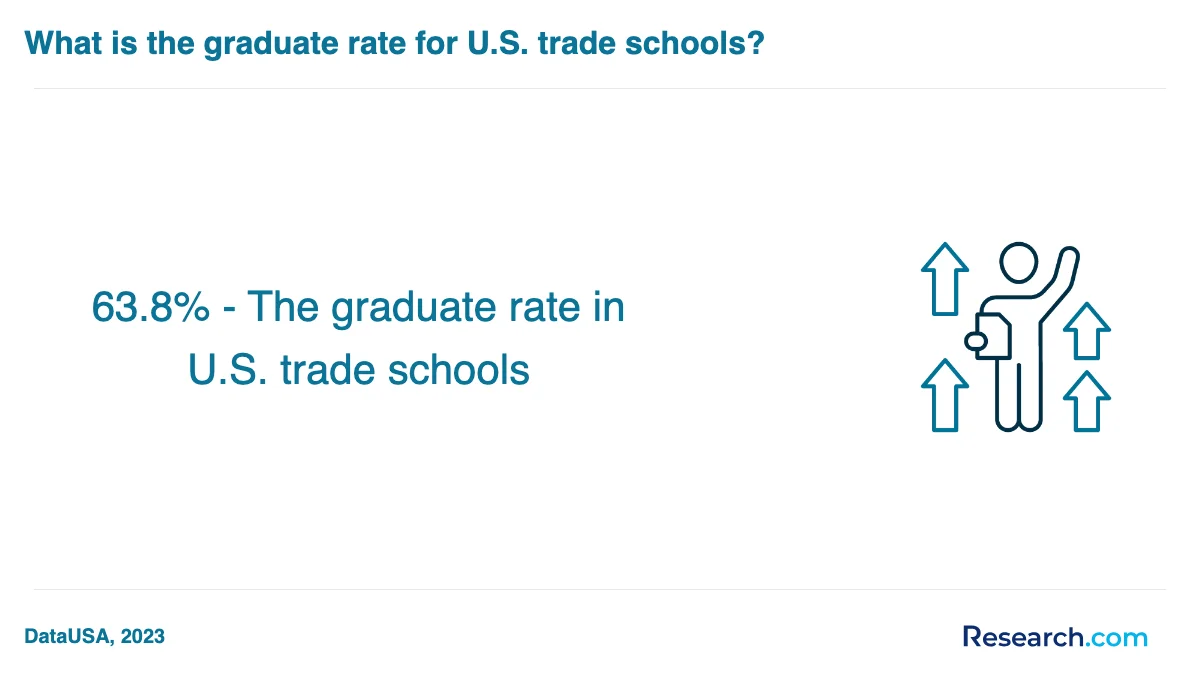
Trade school programs in Syracuse typically include a variety of hands-on and industry-relevant courses designed to prepare students for immediate employment. Graduates often highlight how practical training in fields such as automotive technology, barbering, and cosmetology gave them the confidence to enter the workforce quickly.
At the secondary level, programs within Syracuse City School District cover career and technical education in areas including:
- Automotive Technology
- Barbering
- Biotechnology
- Business Technology
- Computer Forensics
- Construction Technology
- Cosmetology
- Creative Expression and Design
Post-secondary students appreciate options at OCM BOCES and Syracuse Educational Opportunity Center, where popular courses involve:
- Continuing education in art, business, culinary arts, health, and languages
- Professional development like paralegal studies and legal nurse consulting
- Construction Trades Training with 140 hours of practical and classroom instruction
- Medical programs and computer/office skills training
Students frequently mention that core classes emphasize safety protocols, industry regulations, and workplace communication, which employers in Syracuse highly value. This real-world focus makes students feel well-prepared for local job opportunities, apprenticeships, and certifications.
Trade school programs in Syracuse offer a focused range of specializations aligned with regional employment needs, providing students with practical experiences that enhance job readiness. Graduates from the Syracuse Educational Opportunity Center highlight Construction Technology, where 140 hours of hands-on work prepares them for entry-level roles and apprenticeships in the local construction industry.
Other popular choices include Automotive Technology, where students develop skills in vehicle diagnostics and repair, directly leading to careers in repair shops and dealerships, and Barbering and Cosmetology programs that help students achieve licensure and confidently launch personal care businesses. In healthcare, Laboratory Science programs provide applied training in medical laboratories, often in partnership with Syracuse-area facilities, boosting graduates' confidence in clinical environments.
Technology-focused students pursue Computer Information Systems and Computer Forensics, gaining cybersecurity and network management expertise, often earning certifications or college credits while still in high school. Business Technology pathways at Syracuse University offer advanced options such as AI in Business Process Automation and Applied Data Analytics through part-time and online studies.
Students seeking flexibility may also explore cheap baking and pastry arts trade school online options that complement Syracuse's in-person programs, broadening career possibilities with culinary skillsets.
To identify the best trade school programs in Syracuse, focus on accreditation and program outcomes. Graduates from SUNY Onondaga Community College often highlight the value of hands-on training coupled with affordable tuition, making their transition to local employers smoother. Meanwhile, programs at Syracuse University are praised for their extensive industry partnerships that boost job placement rates significantly.
Comparing Syracuse trade schools should also involve assessing program length and curriculum relevance. Many students favor shorter programs that still offer robust internships or apprenticeships, essential for gaining practical skills quickly. This approach aligns well with career-focused learners eager to enter the workforce without delay.
Budget considerations are critical; exploring financial aid and scholarship options can substantially reduce costs. Students leveraging workforce development funding at local institutions report less financial stress while maintaining strong academic performance.
To further refine your selection, analyze career services and alumni success rates. Real-world feedback confirms that programs with strong employer ties tend to lead to higher job retention. For those interested in accelerated certification, reviewing resources like top paying 6 month certificate programs online can offer additional insights into efficient training paths.
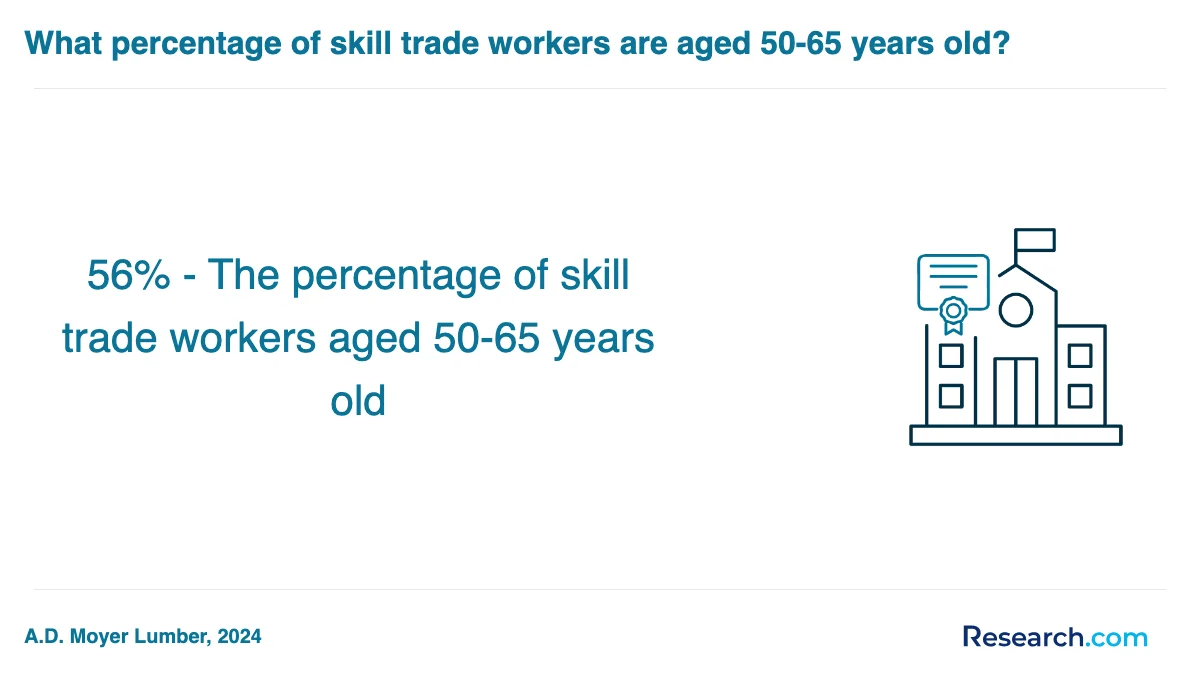
Trade school career opportunities in Syracuse encompass diverse fields that align directly with regional workforce demands. Graduates often find positions in healthcare, benefiting from nearby employers like SUNY Upstate Medical University, where roles such as medical assistants or surgical technologists offer rewarding entry points supported by internships and certifications. Similarly, the Syracuse skilled trades job market thrives with opportunities in building and manufacturing, including careers as HVAC technicians, electricians, carpenters, and machinists. Local programs emphasize hands-on apprenticeship models that combine paid work and wage growth, reflecting strong employer connections.
Graduates from popular trade schools in Syracuse frequently share success stories of landing roles in public service through technical training with the Department of Public Safety or Onondaga County initiatives. Emerging sectors such as drone technology and environmental services provide exciting new avenues, supported by workforce groups like CNY Works that facilitate internships and job placements.
Many graduates highlight the value of specialized training paths from reputable area schools, some even recommending the best certificate hvac courses online to boost credentials and employment prospects in this competitive skilled trades landscape.
The Syracuse trade school job market trends indicate strong demand for graduates in construction, electrical work, HVAC, welding, and maintenance roles. With over 80 open skilled trade positions locally, graduates from popular Syracuse trade schools quickly find work opportunities. Employers value hands-on experience, such as the 140-hour training offered by programs like the Syracuse EOC's Construction Trades Training Program, which prepares students for entry-level and apprenticeship roles.
Employment rates for trade school graduates in Syracuse reflect this demand. Apprenticeship openings in carpentry, plumbing, and electrical trades provide pathways for steady income while gaining valuable skills, mirroring the nationwide growth in trades employment. Welding graduates benefit from a significant worker shortage, as certified welders are urgently needed in infrastructure and manufacturing projects. Graduates share positive outcomes, such as securing flexible schedules and competitive pay, fueling job stability and career satisfaction.
Students looking to enter emerging fields might explore affordable online solar technician trade school programs as additional options complementing traditional trades.
Most Affordable Trade School & Training Programs - Leading Certification Courses in Syracuse for 2026
# 1 position
Onondaga Community College - Business Administration and Management, General.
associateOnondaga Community College offers a hybrid program in Business Administration and Management, General, designed to prepare students for planning, organizing, directing, and controlling business functions. The curriculum includes management theory, human resources, accounting, purchasing, logistics, marketing, and decision-making. Annual in-state tuition is $6,042. Graduates report median earnings of $34,922 one year after completion. The program is accredited by the Middle States Commission on Higher Education.
# 2 position
Onondaga Community College - Computer and Information Sciences, General.
associateOnondaga Community College offers a fully online program in Computer and Information Sciences, General. The program covers computing, computer science, and information science and systems, focusing on a broad understanding rather than specific subfields. Annual in-state tuition is $6,042. The program is accredited by the Middle States Commission on Higher Education, ensuring it meets established academic standards for quality and rigor.
# 3 position
Onondaga Community College - Computer Science.
associateOnondaga Community College offers a Computer Science program with a hybrid format that includes some distance-education options. The curriculum emphasizes computer theory, problem-solving, and system design from a scientific perspective. Students learn computational science principles, programming, and applications for various end uses. The annual in-state tuition is $6,042. The program is accredited by the Middle States Commission on Higher Education.
# 4 position
Onondaga Community College - Computer and Information Systems Security/Auditing/Information Assurance.
associateOnondaga Community College offers a fully online program in Computer and Information Systems Security/Auditing/Information Assurance. The curriculum trains students to evaluate security needs, implement safeguards, and manage security systems. Coursework covers computer architecture, programming, networking, cryptography, auditing, law, risk assessment, and contingency planning. The program is accredited by the Middle States Commission on Higher Education. Annual in-state tuition is $6,042.
# 5 position
Onondaga Community College - Electrician.
associateOnondaga Community College offers a hybrid Electrician program that prepares students to install, operate, maintain, and repair electric systems in residential, commercial, and industrial settings. The curriculum covers electronics principles, wiring, power transmission, safety, electrical testing, and applicable codes. The program is accredited by the Middle States Commission on Higher Education. Annual in-state tuition is $6,042.
# 6 position
Onondaga Community College - Automobile/Automotive Mechanics Technology/Technician.
associateOnondaga Community College offers a hybrid program in Automobile/Automotive Mechanics Technology/Technician that prepares students to repair, service, and maintain various automobile systems. Coursework covers brake systems, electrical systems, engine performance and repair, suspension and steering, transmissions, and heating and air conditioning. The program’s annual in-state tuition is $6,042. It is accredited by the Middle States Commission on Higher Education and includes some distance-education options.
# 7 position
Onondaga Community College - Physical Therapy Assistant.
associateOnondaga Community College offers a Hybrid Physical Therapy Assistant program that trains individuals to implement treatment care plans and conduct patient interventions under physical therapist supervision. The curriculum covers applied anatomy, physiology, biomechanics, neuroscience, and professional ethics. The program’s annual in-state tuition is $6,042, and graduates earn a median of $32,433 one year after completion. It is accredited by the Middle States Commission on Higher Education.
# 8 position
Onondaga Community College - Accounting Technology/Technician and Bookkeeping.
associateOnondaga Community College offers a hybrid Accounting Technology/Technician and Bookkeeping program designed to prepare students for technical administrative roles supporting accountants and financial personnel. The curriculum covers posting transactions, record-keeping systems, accounting software, and general accounting principles. Annual in-state tuition is $6,042. The program is accredited by the Middle States Commission on Higher Education.
# 9 position
Onondaga Community College - Criminal Justice/Law Enforcement Administration.
associateOnondaga Community College offers a Criminal Justice/Law Enforcement Administration program with a hybrid format, combining distance education and on-campus learning. The program prepares students to manage public law enforcement agencies through coursework in law enforcement history, operational leadership, labor relations, legal responsibilities, budgeting, and public relations. Annual in-state tuition is $6,042. Graduates have a median earning of $27,074 one year after completion. The program is accredited by the Middle States Commission on Higher Education.
# 10 position
Onondaga Community College - Interior Design.
associateThe Interior Design program at Onondaga Community College offers a hybrid format with some distance-education options. Annual in-state tuition is $6,042. The program prepares students in artistic principles and techniques for designing residential and commercial interiors, including computer applications, drafting, lighting, acoustics, color coordination, furnishings, textiles, and structural design. Instruction also covers building codes and applications across various settings. The program is accredited by the Middle States Commission on Higher Education.
Frequently Asked Questions about trade school programs
After completing a trade school program in Syracuse, preparing for the job market involves several key steps. First, graduates should focus on obtaining relevant licenses or certifications required in their field, as these credentials often enhance employability.
Networking is crucial; connecting with local employers, attending job fairs, and joining industry associations can open opportunities. According to the New York State Department of Labor, Syracuse's skilled trades sector is expected to grow by 5% from 2022 to 2028, emphasizing the need for proactive job searching.
Additionally, building a strong resume and practicing interview skills tailored to trade jobs can improve hiring chances. Many trade schools in Syracuse offer career services, which graduates should utilize for job placement support.
Employers in Syracuse consistently prioritize a blend of technical and soft skills when hiring trade school graduates. According to recent data from the U.S. Bureau of Labor Statistics and local industry reports, proficiency in hands-on technical abilities-such as HVAC repair, electrical systems, welding, and automotive technology-is essential. These skills reflect the city's growing demand for skilled trades in construction, manufacturing, and transportation sectors.
Alongside technical expertise, communication skills and reliability are highly valued. Employers seek graduates who can effectively collaborate with teams and follow safety protocols accurately. Time management and problem-solving abilities are also common requirements, helping workers adapt to the dynamic work environments typical in Syracuse's trade industries.
Local workforce surveys reveal over 75% of employers report soft skills as critical for long-term career success, highlighting their importance alongside formal trade certifications.
Finding internships in Syracuse that align with your trade school program involves leveraging local resources and employer networks. Start by contacting the career services office at your trade school, as many maintain relationships with regional businesses offering internships in fields like construction, automotive repair, and healthcare.
Utilize SyracuseWorks and the New York State Department of Labor, which list internships and apprenticeships in the Syracuse metropolitan area. According to recent data, Syracuse hosts over 1,200 active internship opportunities annually across various trades.
Networking is crucial; attend job fairs and industry meetups. Local chambers of commerce often facilitate connections between students and businesses seeking interns in skilled trades.
A trade school diploma in Syracuse significantly enhances career mobility by providing practical skills tailored to local industry demands. Graduates often find faster employment compared to traditional four-year degree holders, with a higher likelihood of securing jobs in healthcare, manufacturing, and skilled trades-sectors growing steadily in Central New York, according to the U.S. Bureau of Labor Statistics.
The diploma also supports career advancement. Employers in Syracuse frequently value certification and hands-on experience, sometimes offering higher starting wages for trade-certified workers. Data from the New York State Department of Labor shows that trade school graduates can see a wage increase of up to 20% within five years in fields like electrical work and automotive technology.
Moreover, trade diplomas reduce barriers to entry for adults seeking mid-career changes, enabling quicker re-skilling with lower tuition costs than traditional colleges. This flexibility contributes to upward social mobility by expanding access to stable, well-paying jobs in the region.
In Syracuse, part-time job opportunities that complement trade school education often align with hands-on skill development and workplace experience. Positions such as electrician apprentices, HVAC technician helpers, and automotive service assistants provide relevant, practical exposure. These roles allow students to apply classroom knowledge in real-world settings while earning income.
According to the U.S. Bureau of Labor Statistics and local job boards, trade-related part-time roles in Syracuse typically pay between $12 and $18 per hour, offering both financial support and career-relevant growth. Additionally, retail and warehouse jobs linked to construction supplies or technical equipment sometimes provide networking advantages.
Students benefit from flexible schedules in these jobs, accommodating course hours. Employers often seek motivated trade students who demonstrate eagerness to learn, increasing chances for future full-time positions after graduation.
To choose the most affordable degree program near you in Syracuse, NY, start by researching local universities and institutions that offer competitive tuition rates and financial aid options. You can consider programs from both public and private colleges in the area that have a strong reputation for affordability and quality. Research.com is a useful resource for comparing different programs and finding one that fits your budget while being conveniently located near Syracuse, NY.
- Programs https://www.syracuseeoc.com/programCategory/career-programs
- Learn A Trade - SUNY https://www.suny.edu/trades/
- Full-Time Adult Education Certificate Programs | Onondaga - Cortland - Madison Counties BOCES https://www.ocmboces.org/teacherpage.cfm
- Syracuse CSD | Adult Career and Continuing Education Services | NYS Education Department https://www.acces.nysed.gov/hse/prep-program/syracuse-csd
- Learning Pathways - D'Aniello Institute for Veterans and Military Families https://ivmf.syracuse.edu/programs/career-training/learning-pathways/
- Syracuse Students Build Bright Futures Through Career and Technical Training – Sri Poojitha School https://sripoojithaschool.com/syracuse-students-build-bright-futures-through-career-and-technical-training/