
Most Affordable Trade School & Training Programs - Leading Certification Courses in Sioux Falls for 2026

Co-Founder and Chief Data Scientist
Considering a career through trade school in Sioux Falls? This article offers a clear guide to the most affordable options for 2026, making your decision easier and more confident.
The trade school programs ranking, developed by the Research.com team of data scientists, highlights quality and cost-effective programs you should consider. Whether you want a diploma or certification, understanding which schools stand out helps you invest wisely in your future.
Exploring these options can open doors to rewarding careers and personal growth.
Key benefits of finishing trade school programs trade school in Sioux Falls
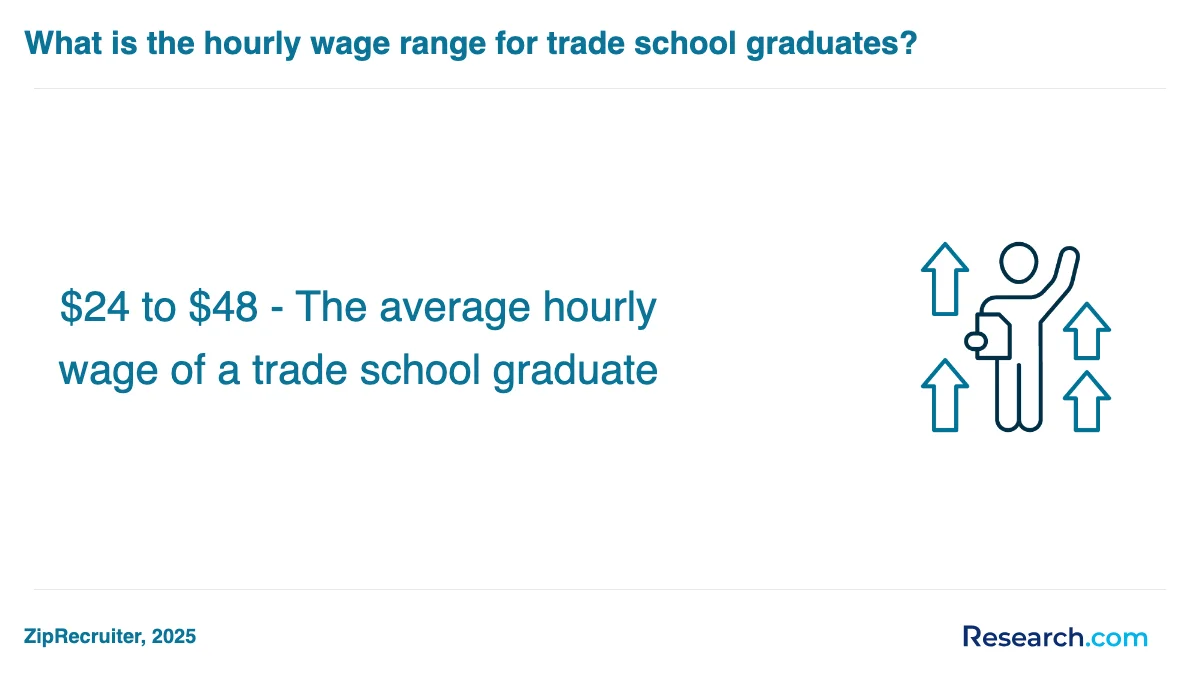
- Trade school graduates in Sioux Falls can expect competitive starting salaries, with healthcare and technical fields like HVAC, diesel technology, and welding offering around $48,838 or more, making these careers financially rewarding from the start.
- Popular career paths include healthcare roles such as licensed practical nursing and diagnostic medical sonography, as well as technical trades, while beauty-related fields provide options for those passionate about cosmetology, reflecting diverse opportunities in Sioux Falls.
- Online trade school programs offer flexibility and convenience, allowing students to balance life and education effectively, which is especially helpful for those aiming to enter the workforce quickly without compromising quality education.
- Most Affordable Trade School & Training Programs - Leading Certification Courses in Sioux Falls for 2026
- What can I expect from trade school programs trade schools in Sioux Falls?
- Where can I work after finishing trade school programs trade schools in Sioux Falls?
What can I expect from trade school programs trade schools in Sioux Falls?
The average cost of a trade school program in Sioux Falls typically ranges from around $5,000 to $15,000, depending on the length and type of program. Many students attending popular institutions like Southeast Technical College find this investment manageable, especially with options such as stacked certificates that let you build skills step-by-step without committing to a full degree upfront. Graduates often recall feeling encouraged by the affordability compared to traditional four-year colleges while gaining practical training that employers value immediately.
Financial aid and scholarships, like the Build Dakota program, make these programs accessible and help ease out-of-pocket expenses. Students frequently share how their hands-on learning, from construction projects to healthcare simulations, boosted their confidence and readiness to enter the workforce quickly.
Expect to engage in real-world experiences like internships or on-the-job training, which not only reinforce your skills but also often come with employer wage support. This approach creates a win-win scenario-students carve a clear path to employment while businesses invest locally in their talent pool.
Where can I work after finishing trade school programs trade schools in Sioux Falls?
After finishing a trade school program in Sioux Falls, you'll find a variety of promising career paths ready for you. Graduates from local schools like Southeast Technical College often step right into roles within healthcare, working as medical assistants or licensed practical nurses at Sanford Health or Avera Health. These positions offer stable employment and the rewarding experience of helping others every day.
For those who trained in skilled trades such as electrical, plumbing, or HVAC, local contractors and maintenance companies are eager to hire. Many graduates start as apprentices earning between $18 and $43 per hour, gaining hands-on experience while building toward supervisory roles. One graduate shared how their apprenticeship quickly turned into a full-time position with a chance to lead projects.
Technology and industrial trades open doors in manufacturing plants or automotive dealerships where graduates can specialize in welding, automotive technology, or industrial maintenance. Schools in Sioux Falls provide strong career services that connect students with employers, helping turn training into real, well-paid jobs close to home.
After finishing a trade school program in Sioux Falls, you can expect to make a solid income that reflects the demand for skilled trades in the area. Graduates from local schools like Southeast Technical College often report starting salaries around $50,000 a year as apprentices, with many moving quickly into roles paying over $60,000 annually. For example, nursing assistants trained there earn about $32 per hour, which is a great wage compared to typical entry-level jobs.
Many graduates find satisfaction knowing their hands-on skills lead to well-paying positions in fields like plumbing, electrical work, or automotive repair. Tech-focused programs also open doors to even higher earning potential, with entry-level tech jobs in Sioux Falls averaging over $60,000 per year.
It's encouraging to know that the average trade professional salary in Sioux Falls is around $66,800 yearly. This means your investment in a trade school can translate into a rewarding career with competitive pay, giving you stability and room to grow.
- Applicants must be at least 16 years old with a high school diploma or GED; under 18 requires a meeting with admissions before enrolling.
- Program lengths range from one to two years, with options for certificates or associate degrees and flexible schedules including online courses.
- Annual tuition averages about $3,146, with financial aid like the Build Dakota Scholarship covering up to 100% for high-demand fields.
- Starting salaries for skilled trades range from $35,000 to $50,000 per year, with opportunities for higher earnings as experience grows.
- Students completing trade programs often enter healthcare, engineering, automotive technology, and construction sectors in strong demand.
In Sioux Falls, completing a trade school program typically takes between a few weeks and two years, depending on the chosen path and credential. Many graduates from Southeast Technical College share how certificate programs allowed them to quickly gain skills in just a few weeks or months-think electrical exam prep or medical gas certification-so they could enter the workforce almost immediately.
Diploma and associate degree programs, the most common routes, often take one to two years full-time. Students appreciate the flexibility Southeast Tech offers, with on-campus, online, or hybrid classes helping them balance work and life while progressing steadily toward their goals.
For trades requiring apprenticeships like plumbing or electrical work, it's common to spend up to four years combining on-the-job training with classroom learning. Still, many find this pathway rewarding, knowing they're earning while learning practical skills that pay off well long-term.
Sioux Falls students often feel encouraged by these realistic timelines, which are much shorter than a typical four-year degree, making success feel within reach sooner than they expected.
Online trade school programs in Sioux Falls, such as those at Southeast Technical Institute, offer the freedom to study from anywhere, making it easier to juggle work, family, and education. Graduates often share how they appreciated being able to complete coursework evenings or weekends, fitting classes around their busy lives without the stress of daily commuting.
On the other hand, on-campus programs bring a hands-on experience that's hard to match online. Attending classes in person at Sioux Falls facilities means direct interaction with instructors and peers, perfect for trades that need practical skills like healthcare or technical repair. Many students enjoy the structured routine and the chance to learn in fully equipped labs, creating strong connections through campus resources and networking events.
Some students find hybrid programs at Southeast Technical College ideal, blending both online flexibility and in-person training. This mix helps balance convenience with essential hands-on practice, which many graduates say gave them confidence entering the workforce.
The average trade school tuition Sioux Falls typically falls between $12,000 and $16,000 for a full program, depending on the length and specialization. Many graduates from well-known schools like Southeast Technical College recall starting with shorter certificate programs costing around $3,400, such as General Construction, which was manageable and quick to complete. In contrast, associate degree students majoring in Electrician or Early Childhood Specialist programs often faced costs that can exceed $20,000, reflecting the depth and credit requirements of their courses.
When considering the cost of vocational programs Sioux Falls offers, one must remember that tuition per credit hour ranges from $228 to $243. For example, a 12-credit certificate program might cost under $4,000, making it an attractive choice for students eager to enter the workforce rapidly. Meanwhile, longer programs requiring 60 or more credits can climb into the $16,000-$20,000 range. Many students appreciate this structured pricing system because it helps them plan their finances as they make their education decisions.
Beyond tuition, books, supplies, and mandatory fees add several thousand dollars to the total cost, a reality many graduates have encountered. Luckily, most Sioux Falls trade schools provide access to financial aid and scholarships, easing this burden. For those exploring online options, the most affordable maintenance technician online courses are a practical alternative that some students have found helpful to avoid relocating while keeping expenses manageable.
Trade school students in Sioux Falls have access to a variety of financial aid options that make pursuing their technical careers more manageable. Many graduates share how federal aid, accessed through the FAFSA, covered essential costs like tuition and books. Programs such as Pell Grants, federal student loans, and work-study provide real relief, allowing students to focus on learning rather than finances.
State-specific scholarships also play a crucial role, especially the Build Dakota Scholarship, which has been a game changer for students at Southeast Technical College. This scholarship fully covers tuition, fees, and required materials, easing the burden for those chasing high-demand technical careers locally. Applying through your chosen technical college makes the process straightforward.
Local community foundations and industry groups provide additional support. Scholarships awarded by the Sioux Falls Area Community Foundation and the Associated General Contractors of South Dakota have empowered many students pursuing fields like construction and automotive trades to stay on track without financial stress.
To enroll in a trade school program in Sioux Falls, you'll first need a high school diploma or GED certificate. This basic step is crucial because schools want to be sure you have the foundational knowledge needed for technical training. Many graduates recall how showing their official transcripts or GED certificates helped them breeze through the admissions process at well-known Sioux Falls trade schools.
Here are key prerequisites you should know:
- Be at least 16 years old; if you're younger than 18 and still in high school, expect to discuss your plans with an admissions representative.
- Home-schooled applicants must provide a Public School Exemption Certificate signed by an official to prove high school equivalency.
- Submit official transcripts, including any college transcripts if you are a transfer student.
- If you were educated abroad, a credential evaluation from a NACES-affiliated organization is necessary to confirm your qualifications.
Many Sioux Falls trade schools adopt an open door admissions policy, welcoming residents regardless of citizenship. However, if you hold an international visa like F1 or J1, most schools will not admit you. You might also be asked to complete placement tests in English and math-such as the ACT or ACCUPLACER-to ensure you're ready for college-level work.
Some programs add layers of security through background checks or drug screenings before final enrollment. Finally, since courses are all taught in English, demonstrating proficiency-maybe with test scores-is often necessary. Graduates often share how meeting these requirements gave them confidence heading into their programs, knowing they were fully prepared for the challenges ahead.
Trade school programs in Sioux Falls typically cover practical and in-demand courses designed to get you into the workforce quickly. At schools like Southeast Technical College, students find a strong focus on healthcare roles such as Nursing, Medical Assisting, Dental Assisting, and Pharmacy Technician, where graduates share how hands-on training made them confident on day one at their jobs.
In the construction and manufacturing trades, courses include Electrician, Plumbing, HVAC, Carpentry, and Advanced Welding & Fabrication. Graduates often mention how welding classes with blueprint reading and gas tungsten arc welding gave them skills they use daily.
Business and technology courses like Accounting, Business Administration, and IT Support help students develop both technical expertise and workplace skills such as communication and ethics. Human Services programs train students in youth and family guidance, personal services like physical therapy basics and cosmetology, and professional development, which many find invaluable for real-world success.
Commercial Driver's License (CDL) training is another popular short-term option, preparing learners for local driving careers with tailored instruction and paid work experiences, reflecting the strong community partnerships Sioux Falls trade schools offer.
In Sioux Falls, trade school programs offer a variety of specializations that keep pace with local industry needs. Graduates from Southeast Technical College often highlight the hands-on experience they gained in fields like healthcare and industrial technologies, which are in high demand. For instance, students training as HVAC technicians benefit from an accredited HVAC Excellence program, ensuring they learn top-tier skills recognized by employers.
Popular specialization areas include:
- Healthcare, such as biomedical science and allied health careers
- Industrial technologies, encompassing electricians, welders, and HVAC professionals
- Manufacturing and welding with advanced coursework like gas tungsten arc welding and blueprint reading
- Agriculture and natural resources, including animal science and horticulture
- Information technology and media arts, preparing students for roles in IT support and digital media production
- Business and accounting, focusing on entrepreneurship and systems management
- Personal and human services, like cosmetology and event planning
Many students share how job shadowing enriched their learning, helping them feel confident stepping directly into careers. Sioux Falls trade programs are career-focused, making them ideal for those eager to enter the workforce quickly. If you want to explore even more options, consider looking into trade schools online for broader program availability and flexibility.
Choosing the best trade school program in Sioux Falls means focusing on what fits your career goals and lifestyle. Many graduates from Southeast Technical College share how the school's strong ties with local employers meant they landed jobs quickly, feeling confident their skills matched real workplace demands. When exploring options, prioritize programs with solid accreditation and high job placement rates to avoid wasting time and money.
To effectively compare Sioux Falls trade schools, look beyond costs and schedules. Consider how each program balances hands-on training with theory, and whether it offers flexibility through online or evening classes. This practical approach helps students juggle family or work while unlocking new career paths.
Also, understanding the difference offered by a trade certificate program vs vocational program can clarify which fits your ambitions best. Sioux Falls schools stand out when they combine affordability with quality instruction and strong community ties, creating a supportive environment for your success.

Trade school graduates in Sioux Falls have access to a variety of rewarding career paths tailored to the local job market. Many find success in rapidly growing technology sectors, with programs designed around hands-on experience and internships that prepare students for roles in software development, IT support, or network administration. These fields shine in the Sioux Falls technical program job market, offering competitive salaries and strong job security.
Others pursue healthcare roles such as Certified Nurse Assistant or medical coding, entering clinics and hospitals prepared to meet steady demand. Graduates who choose skilled trades like welding, automotive, or construction technology appreciate practical training and often move quickly into well-paying apprenticeships or entry-level positions.
Business-focused programs open doors to office management and bookkeeping careers, vital to both small companies and larger corporations locally. Agricultural pathways also provide skills applicable to farming and biotechnology, important sectors in the region's economy.
Many graduates cite the career services at Southeast Technical College as invaluable; job fairs and résumé workshops connect students directly with employers, boosting confidence and job placement. If you're looking for specialized training options, consider exploring low cost online appliance repair trade school programs to complement your skillset and increase your opportunities.
The job market for trade school graduates in Sioux Falls is thriving, offering a wealth of job opportunities for trade school graduates in Sioux Falls. Popular local schools like Southeast Technical College have seen graduates quickly land roles in fields such as HVAC installation, plumbing, and healthcare, where employers actively compete to hire skilled talent. Graduates often share stories of receiving multiple job offers shortly after completing their programs thanks to the city's exceptionally low unemployment rate of just 2.5%, even lower in tech-related trades.
Sioux Falls workforce demand for technical skills is fueled by initiatives like the Build Dakota Scholarship program, which bridges the gap between education and employers. Students benefit from career services that include résumé workshops and job fairs focused on industrial and transportation technology. Many graduates secure paid internships starting at $18.12 per hour, providing valuable hands-on experience that propels their careers forward.
In healthcare and technology, the growth is remarkable, with Southeast Technical College reporting a 27% increase in healthcare grads and a 12% rise in tech job openings. If you're exploring options, consider looking at high paying 6 month certificate programs online-these can complement your local training and boost earnings quickly.
Most Affordable Trade School & Training Programs - Leading Certification Courses in Sioux Falls for 2026
# 1 position
Southeast Technical College - Diagnostic Medical Sonography/Sonographer and Ultrasound Technician.
associateThe Diagnostic Medical Sonography/Sonographer and Ultrasound Technician program at Southeast Technical College is a hybrid option preparing students to use ultrasound techniques for medical diagnosis under physician supervision. The curriculum covers patient history, sonographic data collection, equipment operation, and professional ethics. The program is accredited by the Higher Learning Commission. Annual in-state tuition is $7,650, and median earnings one year after completion are $73,361.
# 2 position
Southeast Technical College - Criminal Justice/Police Science.
associateSoutheast Technical College offers a Criminal Justice/Police Science program with a hybrid format, combining in-person and distance-education options. The program prepares students for roles in law enforcement, including patrol, investigations, traffic and crowd control, and evidence management. In-state tuition is $7,650 annually. Graduates earn a median salary of $49,560 one year after completion. The program is accredited by the Higher Learning Commission.
# 3 position
Southeast Technical College - Computer Systems Networking and Telecommunications.
associateSoutheast Technical College offers a hybrid program in Computer Systems Networking and Telecommunications, focusing on the design, implementation, and management of computer systems and networks. The curriculum covers operating systems, systems design, networking theory, security, and troubleshooting. The annual in-state tuition is $7,650. Graduates earn a median salary of $46,959 one year after completing the program. The program is accredited by the Higher Learning Commission.
# 4 position
Southeast Technical College - Automobile/Automotive Mechanics Technology/Technician.
associateSoutheast Technical College offers a hybrid program in Automobile/Automotive Mechanics Technology/Technician that prepares students to repair, service, and maintain various types of automobiles. The curriculum covers brake systems, electrical systems, engine performance and repair, suspension and steering, transmissions, and heating and air conditioning systems. Annual in-state tuition is $7,650. Graduates have median earnings of $46,262 one year after completion. The program is accredited by the Higher Learning Commission.
# 5 position
Southeast Technical College - Veterinary/Animal Health Technology/Technician and Veterinary Assistant.
associateSoutheast Technical College offers a program in Veterinary/Animal Health Technology/Technician and Veterinary Assistant. The curriculum trains students to assist veterinarians and animal specialists in patient care, clinical procedures, and owner communication. Instruction covers animal nursing, health, nutrition, clinical pathology, radiology, anesthesiology, surgical assisting, and office administration. The program is accredited by the Higher Learning Commission. Annual in-state tuition is $7,650.
# 6 position
Southeast Technical College - Heating, Air Conditioning, Ventilation and Refrigeration Maintenance Technology/Technician.
associateSoutheast Technical College offers a hybrid program in Heating, Air Conditioning, Ventilation and Refrigeration Maintenance Technology/Technician. The curriculum prepares students to repair, install, service, and maintain HVAC and refrigeration systems using diagnostic techniques and testing equipment. Instruction covers mechanics, electricity, and electronics principles relevant to these systems. The program's annual in-state tuition is $7,650 and it is accredited by the Higher Learning Commission.
# 7 position
Southeast Technical College - Medical Insurance Coding Specialist/Coder.
associateSoutheast Technical College offers a Medical Insurance Coding Specialist/Coder program preparing students for specialized data entry, classification, and record-keeping related to medical diagnostics, treatment, billing, and insurance documentation. The curriculum includes medical records software, anatomy, physiology, medical terminology, data coding, and Medicare regulations. Annual in-state tuition is $7,650. The program is accredited by the Higher Learning Commission.
# 8 position
Southeast Technical College - Accounting.
associateSoutheast Technical College offers an Accounting program designed to prepare students for the accounting profession and related business functions. The curriculum covers accounting principles, financial and managerial accounting, cost accounting, tax accounting, auditing, and business information systems. The program is accredited by the Higher Learning Commission. Annual in-state tuition is $7,650, and median earnings for graduates one year after completion are $44,850.
# 9 position
Southeast Technical College - Banking and Financial Support Services.
associateSoutheast Technical College offers a program in Banking and Financial Support Services designed to prepare students for customer service roles in banks, insurance agencies, and related businesses. The curriculum includes communications, public relations, business equipment operation, and technical skills relevant to financial and insurance services. The annual in-state tuition is $7,650. The program is accredited by the Higher Learning Commission.
# 10 position
Southeast Technical College - Computer and Information Systems Security/Auditing/Information Assurance.
associateSoutheast Technical College offers a hybrid program in Computer and Information Systems Security/Auditing/Information Assurance. The curriculum covers security needs assessment, safeguard solutions, and security device management. Instruction includes computer architecture, programming, networking, cryptography, auditing, law, risk assessment, and investigation techniques. The program’s annual in-state tuition is $7,650. Graduates have a median earnings of $42,439 one year after completion. The program is accredited by the Higher Learning Commission.
Frequently Asked Questions about trade school programs
After completing a trade school in Sioux Falls, preparing for the job market involves several key steps. Graduates should gain relevant work experience through internships or apprenticeships available locally, which often lead to higher employment rates. According to the South Dakota Department of Labor, skilled trade jobs like welding, plumbing, and HVAC installation show steady growth in the area.
Networking is important; attending local job fairs and connecting with industry professionals can open doors. Additionally, obtaining industry certifications beyond the trade school diploma enhances credibility and employability. Many Sioux Falls employers value hands-on skills combined with recognized credentials.
Finally, updating resumes to highlight practical experience and strong technical skills is essential for standing out in a competitive market.
Employers in Sioux Falls highly value trade school graduates who demonstrate strong technical skills relevant to their industry. According to the South Dakota Department of Labor, skills in welding, electrical work, HVAC, and automotive repair are among the most in-demand for local trades.
In addition to technical expertise, employers emphasize the importance of soft skills such as communication, problem-solving, and reliability. A report from the National Skills Coalition highlights that 78% of employers nationwide seek trade graduates who can adapt quickly and work well in team settings.
Hands-on experience, often gained through apprenticeships or internships, also boosts employability in the Sioux Falls job market. Trade programs that combine classroom learning with practical application tend to produce candidates who meet employer expectations more effectively.
Finding internships in Sioux Falls relevant to your trade school program involves leveraging local resources and industry connections. Start by exploring job boards such as those hosted by the South Dakota Department of Labor and Regulation, which regularly post internship opportunities in fields like welding, automotive technology, and healthcare.
Additionally, many trade schools in Sioux Falls collaborate directly with nearby businesses to offer internships that provide hands-on experience. Contact your school's career services office for tailored assistance and connections to employers.
Networking is crucial; consider attending local job fairs and trade association events in Sioux Falls, where employers often seek interns. According to the Sioux Falls Chamber of Commerce, manufacturing and construction industries account for a significant portion of available internship placements in the area.
Online platforms like Indeed and LinkedIn can complement your search by filtering internships geographically and by trade specialty.
In Sioux Falls, earning a trade school diploma significantly impacts career mobility and advancement. Trade schools focus on specialized skills demanded by local industries like healthcare, construction, and manufacturing, helping graduates secure jobs faster. According to the South Dakota Department of Labor, vocational credentials increase employment rates by 15% compared to those without postsecondary training.
Trade school graduates often experience quicker promotions and wage growth. The Bureau of Labor Statistics notes that skilled trades workers in Sioux Falls see median wages 20% higher than those in unskilled jobs. Employers value hands-on experience, making trade diplomas a critical factor for upward mobility in the region's job market.
In Sioux Falls, part-time jobs that align with trade school education often focus on sectors such as construction, automotive repair, and healthcare support. For example, students studying electrical or HVAC systems might find opportunities as apprentices or helpers with local contractors. According to the South Dakota Department of Labor, these roles typically pay between $12 and $18 per hour, providing valuable hands-on experience alongside academic training.
Healthcare students often work as certified nursing assistants or medical aides in clinics or care facilities, positions that are consistently in demand in Sioux Falls. Retail stores and warehouses also offer part-time roles involving inventory and equipment handling, which can complement logistics or technical programs.
To find the most affordable degree programs near me, particularly near Sioux Falls, SD, it's crucial to compare tuition rates, financial aid options, and program offerings of local colleges and universities, taking advantage of resources like Research.com for current data and insights. Programs and universities near Sioux Falls, SD, often list comprehensive cost breakdowns and scholarship opportunities on their websites, which can help assess affordability. Visiting campus admissions offices or attending informational sessions can provide further clarity on the costs and benefits of each program.
- Most Affordable Trade School & Training Programs - Leading Certification Courses in Topeka for 2026
- Most Affordable Trade School & Training Programs - Leading Certification Courses in Overland Park for 2026
- Most Affordable Trade School & Training Programs - Leading Certification Courses in Olathe for 2026
- Most Affordable Trade School & Training Programs - Leading Certification Courses in Tulsa for 2026
- Most Affordable Trade School & Training Programs - Leading Certification Courses in Billings for 2026
- Most Affordable Trade School & Training Programs - Leading Certification Courses in Dearborn for 2026
- Client Challenge https://www.sf.k12.sd.us/page/cte-hs
- Southeast Technical College - Sioux Falls - South Dakota https://www.southeasttech.edu/
- Vocational Trade Schools In South Dakota https://www.accreditedschoolsonline.org/vocational-trade-school/south-dakota/
- Career and Technical Education, SD Department of Education https://doe.sd.gov/cte/
- Career Services | University of South Dakota https://www.usd.edu/Student-Life/Career-Services
- Training Opportunities for Individuals| Overview https://dlr.sd.gov/workforce_services/individuals/training_opportunities/default.aspx
- Talent & Workforce | Sioux Falls Development Foundation https://siouxfallsdevelopment.com/talent-workforce/
- Best Vocational Trade Schools in South Dakota | TTS https://toptradeschools.com/states/south-dakota/
- Trade Schools in Sioux Falls SD | FindMyTradeSchool.com - Find Trade Schools Near You Today! https://www.findmytradeschool.com/south-dakota/trade-schools-sioux-falls-sd/
- profile icon https://www.niche.com/colleges/search/best-trade-schools/s/south-dakota/


