Most Affordable Trade School & Training Programs - Leading Certification Courses in Ranger for 2026

Co-Founder and Chief Data Scientist
Choosing the right trade school can shape your future and open doors to rewarding careers. If you're in Ranger and looking for affordable options, this article is here to guide you.
The article features a trade school programs ranking developed by the Research.com team of data scientists to help you identify programs worth considering. This trusted resource simplifies your search with clear insights.
Investing in a trade school diploma or certification can boost your skills and confidence. Exploring these affordable schools offers a practical path to success and personal growth.
Key benefits of finishing trade school programs trade school in Ranger
- Strong earning potential: Trade school graduates in Ranger can expect salaries ranging from about $24,000 to over $89,000 per year, with skilled trades averaging around $50,872 annually and vocational education roles reaching nearly $70,000.
- Popular and diverse careers: Many graduates from Ranger College pursue fields like nursing, electrical technology, and automotive repair, offering reliable job opportunities with good pay and growth prospects.
- Flexible learning options: Online trade school programs provide flexibility for students balancing work or family, allowing them to earn certifications conveniently while advancing their careers, just like many successful online graduates from local programs.
- Most Affordable Trade School & Training Programs - Leading Certification Courses in Ranger for 2026
- What can I expect from trade school programs trade schools in Ranger?
- Where can I work after finishing trade school programs trade schools in Ranger?
What can I expect from trade school programs trade schools in Ranger?
The average cost of a trade school program in Ranger typically ranges between $4,000 and $12,000 for the full course of study, depending on the program length and specific field. Many students at Ranger College share how this affordable tuition combined with financial aid options made pursuing certifications or associate degrees manageable alongside their work and family commitments.
Graduates often highlight that this investment covers access to state-of-the-art labs and hands-on training critical for fields like welding, digital media, or healthcare. One student recalled spending long hours in specialized workshops that mirrored real job sites, which gave confidence entering the workforce. Courses tend to be compressed into one to two years, allowing fast progress without the high costs typical of four-year institutions.
Flexible scheduling and small class sizes-such as the 19:1 student-to-faculty ratio at Ranger College-also add value, providing personalized instruction and networking opportunities with local employers who trust these programs. This efficient, affordable path helps students step directly into careers with skills that match Ranger's job market needs.
Where can I work after finishing trade school programs trade schools in Ranger?
After finishing a trade school program in Ranger, graduates find a variety of local opportunities that match their skills and interests. Welding graduates often secure jobs with manufacturing companies and fabrication shops nearby, where steady demand means they quickly move from trainee to valued team member.
Those completing energy-focused programs frequently join companies like Ranger Energy Services, LLC, working as Derrick Hands or Rig Operators. These roles offer hands-on, dynamic work with strong support for technical certifications.
Education and childcare program grads often land roles in the Ranger Independent School District. Many start as substitute teachers or support staff, gaining valuable experience that can lead to full teaching positions with state certification.
Building maintenance and industrial engineering students commonly work for local contractors or school districts as maintenance technicians or facilities managers, applying practical skills daily.
Renewable energy and aerospace sectors also provide promising paths, with employers such as Collins Aerospace valuing the technical training and certifications trade school grads bring to solar and wind power projects.
After finishing a trade school program in Ranger, you can expect starting salaries near $24,000 to $25,000 annually, based on data from Ranger College graduates and local industry averages. Many students begin their careers in skilled trades like electricians or HVAC technicians, where wages typically start around $36,800 per year. With hands-on training from reputable Ranger schools, graduates often land jobs paying between $47,000 and $75,900 as they gain experience and certifications.
Imagine a recent graduate who started as an entry-level welder making about $25 per hour. Within a few years, their skill development and licensing helped push their salary toward $60,000 annually, reflecting the strong demand in the Texas skilled trades market. This career growth is common among Ranger trade school alumni, who report salaries climbing up to $89,000 a year or more with dedication and continued learning.
Factors like industry need and location influence pay, but the practical training from well-known programs in Ranger sets you up for steady income and rewarding work in your chosen field.
- Ranger College offers trade programs in welding technology, nursing, and cosmetology with strong ties to local industries like manufacturing and healthcare.
- In-state tuition costs about $3,700 per year while out-of-state students pay around $6,150, plus fees averaging $2,625 and $1,800 for books and supplies annually.
- Room and board on campus cost approximately $4,964 per year, with additional living expenses around $3,750.
- Only 13% of students take out loans, borrowing about $6,340 per year, totaling roughly $25,360 over four years, though most trade programs take two years or less to complete.
- Trade school graduates in Ranger have good job prospects, especially in healthcare and skilled trades, with typical starting salaries between $35,000 and $55,000.
- Most programs require a high school diploma or GED, with some needing placement tests or background checks, and dual-credit options are available for high school students.
The length of trade school programs in Ranger varies widely but is typically designed for quick workforce entry. Graduates from Ranger College's Vocational Nursing Certificate program finish in about one year, attending full-time from August through the following summer. This intense, year-long commitment prepares students rapidly for nursing roles, making the wait to start working short and manageable.
Other popular technical programs, like welding or HVAC at nearby trade schools, often take much less time. Many students complete these certifications in seven months to a year, sometimes attending part-time to balance work or family. This flexibility allows quick skill acquisition, which graduates appreciate as they move into well-paying jobs without years of delay.
For those aiming for more comprehensive training, associate degrees usually require about two years of full-time study. Graduates often find the investment worthwhile, gaining stronger credentials that open doors to advanced positions.
Factors like full-time versus part-time enrollment and program type strongly influence length. Most Ranger trade students complete their programs within a year, making these schools practical choices for fast career moves.
On-campus trade school programs in Ranger, like those at Ranger College, offer direct, hands-on training crucial for fields such as nursing and welding. Graduates often recall the immediate feedback from instructors and the confidence gained by practicing with real equipment in labs and clinical sites. This face-to-face format suits those who thrive in structured environments and prefer learning alongside peers.
In contrast, online trade programs provide flexibility, letting students balance work and family while studying remotely through platforms like Zoom. Many Ranger students appreciate being able to progress at their own pace without commuting daily. However, these programs still require occasional campus visits for labs and practical exams, ensuring skills meet industry standards.
Both formats at Ranger College maintain equal academic content but serve different needs: on-campus for immersive hands-on experience, online for adaptable scheduling. The choice comes down to whether you value physical interaction or flexibility most in your trade education journey.
The average trade school cost in Ranger Texas varies depending on residency status. At Ranger College, the primary trade school in the area, in-district students pay $75 per credit hour, while out-of-district students pay $180. Out-of-state and international students face a higher rate of $250 per credit hour, with a minimum of $425 per semester. On top of these tuition rates, every student must budget for a general service fee of $10 per credit hour and a mandatory accident insurance plan costing $35 annually. Graduates often share that despite these additional fees, Ranger trade school tuition and fees remain remarkably affordable compared to many private schools.
For a student enrolled full-time at Ranger College, typically taking 30 credit hours per year, total tuition and fees come to about $6,966 for Texas residents for the 2024-2025 academic year. This figure is projected to increase slightly to around $7,672 by 2026. Out-of-state students can expect to pay closer to $9,367 annually. Graduates frequently mention how this cost-effectiveness allows them to focus on hands-on learning and career-focused skills without the heavy financial burden seen in other regions.
Many prospective students choosing a trade path in Ranger appreciate knowing that these costs sit well below average statewide and national levels. Trade school programs in Texas generally range from $3,973 to $16,877 yearly, with private institutions often exceeding $15,000 per year. For those wondering what are trade careers and considering their educational investment, Ranger's rates offer a sensible balance of quality and affordability.

Trade school students in Ranger have access to several financial aid options that make pursuing their career goals achievable and less stressful. A crucial first step is completing the Free Application for Federal Student Aid (FAFSA), which unlocks federal grants like the Pell Grant, student loans, and work-study opportunities. For example, graduates from popular local programs often mention how early FAFSA submission helped them secure essential funds before spots filled up.
State aid is another valuable resource. Texas residents attending Ranger's public technical colleges frequently qualify for the Texas Educational Opportunity Grant (TEOG), which awards between $3,422 and $6,476 annually depending on the institution. This grant can be a game-changer for students balancing part-time jobs and school expenses.
Local financial aid offices are also critical allies. Many students share how personalized guidance on state-sponsored aid programs or institutional scholarships helped reduce out-of-pocket tuition costs significantly. Meeting the Texas state priority deadline of February 15, 2025, is key to maximizing these resources. Ranger College's transparent fee information is another practical tool students rely on when budgeting their education.
To enroll in a trade school program in Ranger, you must have a high school diploma, GED, or an equivalent qualification. Many graduates recall how submitting their official high school transcript or GED certificate was the straightforward first step at institutions like Ranger College.
Applicants without a traditional diploma might still qualify if they are at least 18 and can demonstrate readiness through an approval process. This flexibility lets many local students from diverse backgrounds start their skilled careers without barriers.
Most programs require placement tests rather than SAT or ACT scores. For example, Ranger College asks for minimum scores of ELAR 480 and Math 530, ensuring you enter courses matched to your skill level. This step helped past students feel confident knowing their classes were neither too easy nor overwhelming.
Additional prerequisites include:
- Being at least 16 years old, with some programs demanding older applicants
- Submitting health screenings or background checks for specialized fields like Vocational Nursing
- Completing prerequisite courses where required
The application process typically involves gathering documents, paying a non-refundable fee, and attending orientation, with rolling admissions offering flexibility. Graduates often highlight how this structure allowed them to start conveniently and stay on track for their goals.

Trade schools in Ranger focus on practical, hands-on courses designed for immediate entry into local and regional high-demand fields. Graduates from these programs often describe feeling confident walking into employers with skills developed on industry-standard equipment.
Common courses include:
- Automotive technology: Students gain experience in diagnostics, repair, and maintenance of cars and trucks, preparing them for dealership and independent shop jobs.
- Diesel technology: Focuses on servicing larger vehicles like trucks and heavy equipment, matching Ranger's logistics and construction needs.
- Collision repair and refinishing: Teaches bodywork and painting-skills highly sought after in the area's repair centers.
- Electrical/electronics: Practical wiring and troubleshooting for residential and commercial systems, essential for local contractors.
- HVAC: Covers installation and upkeep of heating and cooling systems, critical for local homes and industries.
- Machining and manufacturing: Hands-on training on CNC machines, mills, and lathes, aligning with Ranger's manufacturing sector.
- Welding technology: Courses include various welding techniques, with graduates securing jobs in construction and energy.
Students at popular Ranger trade schools praise the real-world training aspects that make transitioning into jobs smoother, particularly when supported by direct partnerships between schools and employers.
Trade school programs in Ranger offer a range of practical specializations tailored to meet local job market needs. Graduates from these schools often highlight how programs in Allied Health provide essential medical training that opens doors to work in hospitals and clinics. The hands-on approach makes these learners confident and ready for immediate employment.
Welding and machining are also strong areas of focus. Many students at Ranger's popular trade schools appreciate the chance to work directly with industrial tools and equipment, gaining skills that support careers in construction and manufacturing. This practical experience proves invaluable when seeking durable, well-paid jobs.
- Allied Health prepares students for medical roles, emphasizing applied knowledge
- Welding and machining teach techniques for structural and pipe welding plus precision tooling
- Social and Behavioral Sciences foster critical thinking for education and public service
- Humanities and Fine Arts encourage creativity applicable to arts and communication fields
- Mathematics and Science provide foundational and advanced skills supporting research and technology
For those exploring paths like automotive repair, Ranger students often turn to automotive mechanic training schools for focused, career-ready instruction. Dual Enrollment options also help ambitious high schoolers get ahead, saving money and time.
Start by verifying basic eligibility like a high school diploma or GED, which is a common requirement across trade schools in Ranger. Graduates often share how meeting these criteria early simplified their admission process. Explore program options carefully, focusing on best trade school programs in Ranger Texas that offer hands-on experiences relevant to your goals. For example, many students praise programs with internships that connect them directly to local businesses, providing valuable work experience.
Next, look for accredited trade schools in Ranger TX, as accreditation assures quality education and can make a big difference when seeking financial aid or jobs after graduation. Graduates from accredited programs frequently report feeling more confident and ready for the workforce because of rigorous training and industry recognition.
Consider cost and flexible start dates, since some schools offer rolling admissions allowing you to begin when ready. Also, ask current students or alumni about campus atmosphere and support services-they often highlight how these factors helped them thrive.
To compare offerings comprehensively, check out top vocational trade programs listed online, which can guide your decision toward the best fit for your needs.
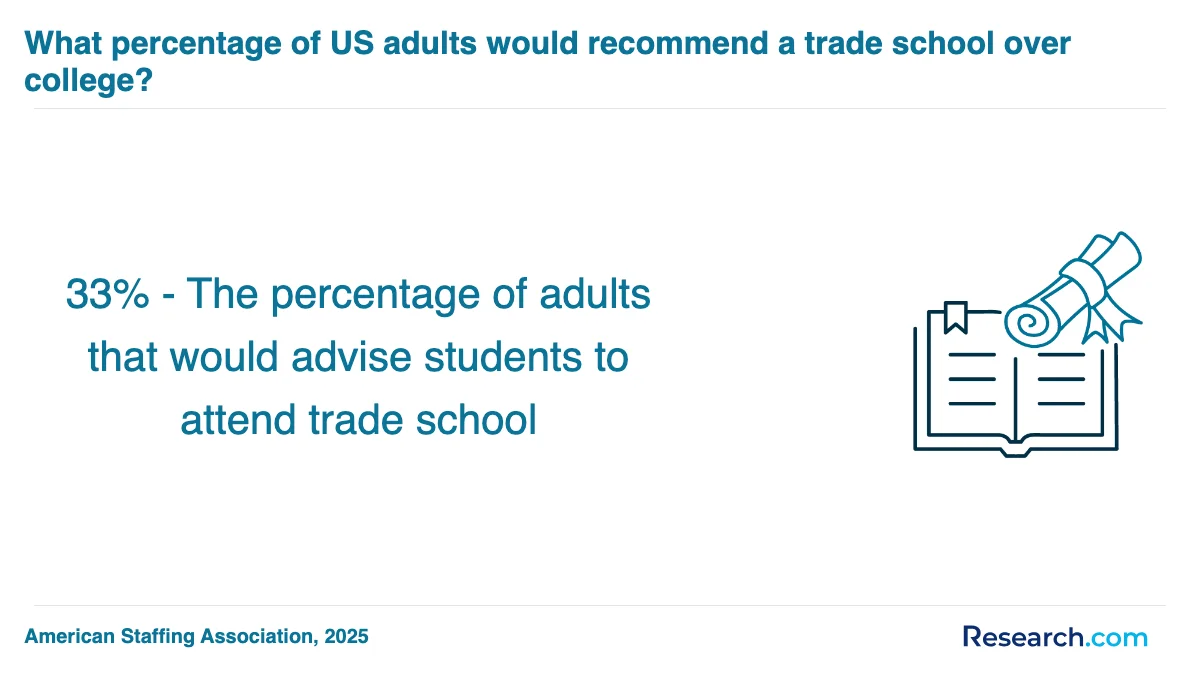
Trade school graduates in Ranger find diverse career opportunities that directly match local industry demands and broader market trends. Many leverage Ranger ISD's Career and Technical Education programs or Ranger College to gain skills in fields with strong growth potential. Business-related careers such as office administration and small business operations are common, supported by practical training pathways designed to help graduates either join local firms or launch their own ventures.
Agriculture remains a vital sector for high-demand trade jobs in Ranger Texas, with graduates filling roles like farm managers or livestock technicians. For example, graduates often thrive managing sustainable farms or working in agricultural sales, thanks to hands-on training aligned with Ranger's rural landscape.
Other popular paths include manufacturing, welding, and automotive repair-fields known for competitive starting wages and job stability. Graduates share how welding programs provided by Ranger College prepared them to enter a state-leading job market with confidence. Similarly, vocational tracks in hospitality, digital media, and healthcare create practical options for those seeking immediate employment.
For comprehensive insight into current professional opportunities, many turn to trade school careers, which highlight roles accessible through local and national training programs.
The job outlook for trade school graduates in Ranger is very promising, especially for those completing programs in welding, electrical work, HVAC, and commercial truck driving. Graduates from popular local institutions like Ranger College report entering high-demand fields with salaries above state averages. For example, electrical technician roles in Texas are projected to grow 11% by 2033, creating over 80,000 job openings annually and offering median salaries exceeding $62,000. HVAC technicians in Ranger see similar growth, with median wages near $59,810 and opportunities that outpace national trends.
Trade school employment opportunities in Ranger Texas are further strengthened by hands-on training programs and quick certification options, allowing many graduates to start earning immediately after high school. Many graduates share stories of landing jobs within weeks thanks to dual credit programs that build workplace-ready skills. Employers value this readiness, especially as infrastructure projects boost job openings each year.
Students considering fast entry into the workforce appreciate how trade programs combine affordability and practical skills. For a closer look at high paying trades that are quick to learn, Ranger's trade schools provide a practical pathway to stable, well-paid careers.
Most Affordable Trade School & Training Programs - Leading Certification Courses in Ranger for 2026
# 1 position
Ranger College - Welding Technology/Welder.
associateRanger College offers a hybrid Welding Technology/Welder program designed to equip students with technical skills in arc welding, resistance welding, brazing, soldering, and cutting. The curriculum covers welding metallurgy, heat treating, safety, and applicable codes. Annual in-state tuition is $4,725. The program is accredited by the Southern Association of Colleges and Schools Commission on Colleges.
# 2 position
Ranger College - Automobile/Automotive Mechanics Technology/Technician.
certificate or diplomaRanger College offers a program in Automobile/Automotive Mechanics Technology/Technician designed to prepare students for repairing, servicing, and maintaining various automobile systems. The curriculum covers brake systems, electrical systems, engine performance and repair, suspension, steering, transmissions, drive trains, and heating and air conditioning. The annual in-state tuition is $4,725. The program is accredited by the Southern Association of Colleges and Schools Commission on Colleges.
# 3 position
Ranger College - Welding Technology/Welder.
certificate or diplomaRanger College offers a Welding Technology/Welder program with a hybrid format, including some distance-education options. The program prepares students to apply technical skills in various welding methods such as arc welding, resistance welding, brazing, soldering, and cutting. Instruction covers welding metallurgy, processes, safety, structural design, and applicable codes. Annual in-state tuition is $4,725. The program is accredited by the Southern Association of Colleges and Schools Commission on Colleges.
Frequently Asked Questions about trade school programs
Preparing for the job market after completing trade school in Ranger involves several key steps. First, graduates should obtain relevant certifications and licenses, which enhance employment prospects in skilled trades like electrical work, plumbing, or HVAC. According to the Bureau of Labor Statistics, trade workers with certifications see a 10-15% higher wage on average.
Next, building a strong resume highlighting hands-on experience gained during training is essential. Many local Ranger employers value apprenticeships or internships. Networking through school career services or local trade associations can open doors to job opportunities.
Additionally, staying informed about Ranger's job market trends helps graduates target growing industries. For example, construction and manufacturing remain strong sectors offering steady employment. Regularly checking resources like the Texas Workforce Commission can provide updated information on local demand.
Employers in Ranger consistently prioritize both technical and soft skills in trade school graduates. According to recent data from the U.S. Bureau of Labor Statistics and industry reports focused on Texas, proficiency in practical skills such as electrical work, plumbing, HVAC systems, and welding ranks highly.
Beyond technical expertise, adaptability and teamwork stand out as vital soft skills. A survey by the National Association of Manufacturers notes that 78% of employers in Texas value communication skills alongside hands-on abilities.
Reliability and problem-solving capabilities also feature prominently, ensuring graduates can meet workplace demands efficiently. These combined skills enhance employability in Ranger's competitive labor market.
Finding internships in Ranger that align with your trade school program involves several key strategies. Start by contacting your school's career services, as many trade schools in Ranger partner with local businesses to offer internship opportunities tailored to specific trades. According to the Oklahoma Department of Commerce, industries like aviation maintenance and allied health have growing internship availability in the region.
Additionally, explore local job fairs and networking events where employers seek interns with hands-on skills. Websites such as the Workforce Oklahoma portal list internships that match trade skills in Ranger. Engaging with local unions and trade associations can also yield leads on apprenticeship-style internships, which combine work experience with technical training.
In Ranger, a trade school diploma significantly enhances career mobility by equipping students with practical skills highly valued in local industries such as construction, automotive repair, and healthcare. According to data from the Texas Workforce Commission, graduates from trade programs in Ranger experience an average employment rate increase of 15% within the first year after completion.
Trade diplomas often lead to higher starting wages compared to those with only a high school diploma. The U.S. Bureau of Labor Statistics reports that skilled trades in Texas, including Ranger, see median salaries approximately 20% above the state average for all occupations.
Advancement opportunities are also more accessible for diploma holders due to certifications and hands-on training recognized by employers. This credential can open doors to supervisory roles or specialized job tasks, fostering long-term career growth within the Ranger job market.
In Ranger, part-time jobs that align with trade school education often focus on gaining practical experience. For students studying automotive technology, positions such as auto service assistants or parts clerks are common. These jobs help reinforce technical skills learned in class.
Electrical and construction trade students frequently find opportunities as helper roles on local projects, which can build hands-on competence critical for certification. According to the Texas Workforce Commission, Ranger's local labor market includes around 5% growth in skilled labor positions over the next five years.
Medical trade students may work as medical or dental assistants in clinics with flexible hours, complementing their studies while earning income. These roles provide early exposure to healthcare environments.
Retail or warehouse jobs, while less specialized, are widely available and offer flexible schedules for students balancing coursework.
Yes, there are affordable degree programs available near Ranger, TX, including options at community colleges and public universities. Ranger College, located in Ranger, TX, offers various associate degree programs typically at a lower cost compared to larger universities. Using resources like Research.com can help prospective students find and compare affordable academic programs located near them.
- Should I Go to Trade School? Benefits of Trade Schools - Ohio Business College https://obc.edu/should-i-go-to-trade-school-benefits-of-trade-schools/
- Trade School: What Is It & What to Expect https://erieit.edu/what-to-expect-when-attending-trade-school/
- Trade school: A comprehensive guide https://www.collegeessayguy.com/blog/trade-school-guide
- The Ranger School https://www.esf.edu/rangerschool/index.php
- Workforce https://rangercollege.edu/academics/workforce-programs/index.php
- Career and Technical Education - Ranger Independent School District https://www.ranger.esc14.net/en-US/career-and-technical-education-6dafe44e
- Park Ranger Career Path Guide: Degree & Edu Requirements https://www.environmentalscience.org/career/park-ranger
- Ranger Friendly Careers - Three Rangers Foundation https://www.threerangersfoundation.org/ranger-friendly-careers
- Find Your Career Path - Ranken Technical College https://ranken.edu/find-your-career-path/
- Trade School Career Paths: The Direct Route to Professional Success - Florida Trade Academy https://floridatradeacademy.org/trade-school-career-paths-the-direct-route-to-professional-success-2/