
Most Affordable Trade School & Training Programs - Leading Certification Courses in Montana for 2026

Co-Founder and Chief Data Scientist
Choosing the right trade school in Montana can be overwhelming, especially with so many options available. This article helps simplify that decision by featuring a trade school programs ranking developed by the Research.com team of data scientists. Their data-driven approach ensures you get reliable insights on which schools offer the best value for 2026.
Getting a diploma or certification from a trade school opens doors to rewarding careers and financial stability. Exploring these affordable programs could be your first step toward a brighter future.
Key benefits of finishing trade school programs trade school in Montana
- Expected salary: Trade school graduates in Montana can earn between $46,400 and $74,800 annually, with skilled trades like electricians making up to $75,000 and healthcare roles paying around $40,000-$55,000.
- Popular career paths: Healthcare support, construction trades, and electrical work are common choices, offering steady jobs and room for growth as you gain experience and certifications.
- Online certification benefits: Online trade programs provide flexibility for busy students, allowing them to learn at their own pace while balancing work or family, making education accessible without sacrificing quality.
- Most Affordable Trade School & Training Programs - Leading Certification Courses in Montana for 2026
- What can I expect from trade school programs trade schools in Montana?
- Where can I work after finishing trade school programs trade schools in Montana?
What can I expect from trade school programs trade schools in Montana?
In Montana, the average cost of attending a trade school typically ranges from about $3,400 to $10,800 per year, depending on the program and institution. Many graduates from schools like Great Falls College-Montana State University recall feeling relieved by this affordability, especially when compared to traditional four-year degrees. This makes it easier for students to focus on hands-on learning and career preparation without overwhelming financial stress.
Students often appreciate the balance of practical training and classroom instruction, which is complemented by small class sizes allowing for personalized support. For example, a graduate from Gallatin College shared how the hybrid learning options enabled them to manage family responsibilities while progressing steadily through their program.
Financial aid options, scholarships, and grant opportunities further ease costs, creating accessible pathways for motivated students. Many find that the investment in trade schools not only leads to valuable skills but also a promising career outlook enhanced by strong job placement services and real-world practice in their chosen fields.
Where can I work after finishing trade school programs trade schools in Montana?
Graduates from Montana trade schools often find themselves stepping directly into rewarding careers across the state's booming industries. Many start as apprentices through Montana's Registered Apprenticeship Program, gaining hands-on experience while earning wages in fields like electrical work, plumbing, and HVAC. Imagine training at a well-known local trade school and then working alongside skilled technicians in Billings, all while earning a certificate recognized statewide.
Others move into construction roles-from journeyman electricians to project managers-working for both private firms and government projects. Picture a recent graduate building custom homes in Missoula, proud to contribute to the city's growth. Automotive technology and welding graduates are welcomed at repair shops or manufacturing plants, often landing stable jobs with competitive pay.
Healthcare graduates, such as dental assistants or pharmacy techs, fill essential roles in clinics and hospitals statewide, bringing care closer to rural communities. Some find fulfilling careers in sales and design consultation within their trades, partnering with suppliers or retailers. These pathways reflect Montana's demand for skilled professionals and open doors to both urban and rural opportunities.
Graduates from Montana trade schools often find themselves stepping into careers with solid earning potential right out of the gate. Many report starting salaries near the state average of about $61,633 annually, which feels rewarding after completing hands-on training. Picture a recent electrician graduate working in Billings, confidently applying skills learned at local trade schools and earning around $29 per hour-a paycheck that supports a comfortable lifestyle in Montana's growing communities.
Others choose fields like HVAC or farm equipment mechanics, where demand is high and wages reflect that. A mechanic servicing agricultural equipment near Bozeman might start making over $50,000 annually, benefiting from the agricultural boom. Many find excitement in knowing that with experience, salaries can climb toward $90,000, inspiring them to continue sharpening their skills. These pathways from Montana trade schools don't just offer jobs-they open doors to financial independence and pride in valuable expertise.
- Admission typically requires a high school diploma or equivalent, with a minimum GPA of 2.5, ACT score of 22, or SAT score of 1120.
- Many trade schools in Montana have rolling admissions and usually do not require essays or letters of recommendation.
- Proof of immunization, such as two doses of the MMR vaccine, is often needed before enrollment.
- The total cost of trade school programs ranges from $3,000 to $15,000, depending on program length and type.
- Graduates can expect starting salaries between $38,000 and $55,000, with potential to earn $60,000 or more with experience.
Completing a trade school program in Montana often feels rewarding and manageable, especially when you consider the variety of timelines available. Many graduates rave about certificate programs, finishing in as little as six months to one year, which is perfect for those eager to enter the workforce quickly. For example, students at Great Falls College Montana State University often complete certificates in one to two semesters, gaining hands-on skills that build confidence early on.
Others aiming for an associate degree might spend around two years, but some accelerated paths can shorten this to three semesters. Graduates appreciate how this option provides a broader educational experience without delaying their career plans significantly.
Those drawn to skilled trades like electrician or plumbing often embark on apprenticeship journeys, committing to four to five years of combined classroom learning and paid on-the-job training. These students often express pride in mastering real-world skills while earning an income.
Ultimately, the timeline can flex based on your field and personal commitments, but Montana's trade schools offer pathways that quickly convert effort into tangible career opportunities.
Online trade school programs in Montana offer incredible flexibility, allowing you to study from anywhere with internet access. Graduates from Montana State University-Northern often share how managing full-time jobs alongside courses became possible because lectures and assignments were accessible anytime. This asynchronous format lets learners tailor their education around busy personal lives or remote living situations.
In contrast, on-campus programs at institutions like University of Montana provide a structured environment where students physically attend classes. Many find this useful for hands-on trades requiring lab work or direct supervision. Graduates appreciate the immediate feedback and sense of community found through face-to-face interaction with instructors and peers.
Costs between formats tend to be similar, though some online courses add fees per credit, as seen at Montana State University-Northern. Yet, online students might save on campus-related expenses like gym fees, balancing out overall costs.
Success in online learning often reflects strong self-discipline-a trait employers value-while on-campus study appeals to those thriving with in-person support and resources. Both paths lead to respected credentials that open doors in Montana's workforce.
The average trade school cost in Montana varies significantly depending on the type of institution and program length. Community colleges remain the most wallet-friendly option, with tuition and fees often around $3,600 per year, making them a popular choice among recent graduates who appreciate the balance of quality education and affordability. In contrast, private trade schools typically charge between $12,000 and $25,000 per program, which can feel like a worthwhile investment for students seeking specialized skills and smaller class sizes.
Montana trade school tuition and fees reported for popular institutions hover near $15,317 annually, regardless of residency status. Graduates from these schools often share how managing costs extends beyond tuition to include books, materials, and equipment-ranging from $500 up to $5,000. For instance, a student training in advanced manufacturing recalled budgeting carefully to cover costly program-specific equipment without missing out on hands-on learning.
Moreover, accommodation and living expenses add another layer, typically between $1,000 and $2,000, which many Montana students handle by living close to their campuses or utilizing state-supported housing options. For those exploring more flexible or remote learning modes, exploring an online community college can also be a game-changer, offering lower expenses and the convenience of remote access.
Understanding these nuances helps prospective students envisage how the average trade school cost in Montana might fit their budget and lifestyle, especially when financial aid and scholarships can significantly offset fees. Many graduates reflect positively on their ability to access meaningful vocational training without overwhelming debt.
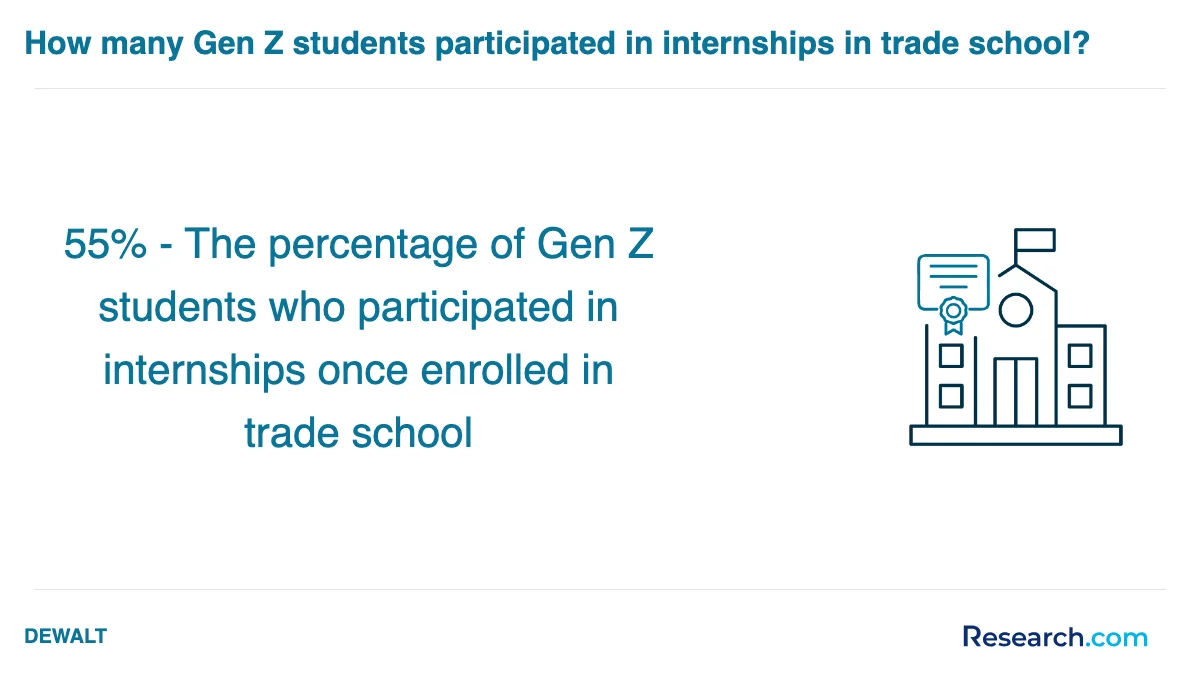
Trade school students in Montana often find financial aid opens doors that might otherwise feel out of reach. Completing the FAFSA early is a game-changer, as many students who have attended Montana Tech or Montana State University Billings recall how federal aid like the Pell Grant helped ease the burden of tuition, with awards up to $7,395 making a tangible difference. This aid doesn't need to be repaid, which offers peace of mind during challenging times.
State scholarships specifically designed for technical fields add another layer of support. Graduates from local programs often mention the Gianforte Trade and Technology Scholarship, which provides $1,500 per semester for full-time students and $750 for part-timers. This aid not only helps financially but also makes pursuing hands-on programs like automotive or diesel technology feel achievable.
Institutional grants at schools such as Montana State University Billings often range from $500 to $1,500 annually, with both merit- and need-based awards. Many students say these funds made those essential supplies and tools affordable, boosting their confidence and focus on learning.
To enroll in a trade school program in Montana, students typically need to have graduated from an accredited high school or hold an equivalent like a GED or HiSET certificate. Many graduates from Montana Tech or Montana State University Billings share how meeting this baseline opened doors to hands-on learning and rewarding careers.
Admission often hinges on academic benchmarks such as:
- a minimum high school GPA of 2.5 on a 4.0 scale
- ranking in the upper half of the graduating class
- or an ACT composite score of 22 or SAT total score of 1120
Imagine a student who just missed traditional GPA requirements but excelled in the ACT, gaining entry through test scores-this flexibility reflects Montana's supportive approach to diverse learning paths.
Additional prerequisites may include being at least 18 years old for certain physically demanding programs, such as the Pre-Apprenticeship Line Certificate at Montana Tech. Graduates often express pride in overcoming these challenges, finding the age and safety requirements encouraging rather than limiting.
Trade schools also emphasize proficiency in English and math. This can be demonstrated by course grades, placement tests, or ACT/SAT subject scores, ensuring students feel confident tackling both theory and practice. Many enrolling students appreciate how these standards prepare them well.
Even those who initially don't meet every criterion can sometimes access remedial courses or admission exemptions, a pathway several successful students recall as a crucial second chance toward their goals.

Trade school programs in Montana typically include hands-on courses that prepare students for immediate success in the workforce. Graduates from schools like Missoula College often share how foundational construction and woodworking classes-such as "Introduction to Woodworking" and advanced joinery courses-gave them confidence to work safely and skillfully on real projects involving wood species identification and complex joints.
Many students pursuing skilled trades find their path through programs covering:
- Diesel technology and electrical technician training
- HVAC systems with a focus on ventilation and heating
- Welding techniques following American Welding Society standards
Others appreciate business and technology courses offered at Bitterroot College, where they combine IT skills with sustainable construction knowledge. Imagine gaining practical expertise while also building leadership abilities, like Montana State University-Northern graduates who advance through Trades Management BAS programs emphasizing finance and project management, all tailored for those with technical associate degrees.
Many students value the flexible options Montana trade schools offer-whether in-person or online-making it easier to balance life while preparing for Montana's evolving job market.
Trade school programs in Montana offer a diverse array of specializations that align closely with local industry demands and student aspirations. Graduates from schools like Fort Peck Community College and Great Falls College Montana State University often share that hands-on experience in automotive technology, welding, and carpentry opens doors to rewarding careers. Imagine spending your days mastering welding techniques at Fort Peck or thriving in culinary arts classes where creative skills come alive.
Key specializations include:
- Skilled trades such as welding, electrical, plumbing, and carpentry
- Health professions including practical nursing, dental hygiene, and medical assisting
- Applied technology and management pathways like the unique Trades Management BAS at MSU-Northern
- Cosmetology programs focusing on hair design and esthetics at institutions like Montana Academy of Salons
- Agriculture, culinary arts, and water resource management reflecting Montana's economic landscape
Many students find that combining technical skills with leadership courses enables them to advance quickly. For those concerned about investment costs, exploring low cost online electrician trade school programs can provide flexible and affordable options while maintaining quality education.
Choosing the best trade school programs in Montana starts with verifying accreditation and licensing, as graduates from accredited schools in institutions like Montana State University often feel assured about the value of their credentials. Many have shared that attending an accredited trade school made it easier to access federal financial aid and pass state licensing exams, which are essential for launching a career in skilled trades.
How to compare Montana trade schools also means closely examining curriculum quality and program outcomes. Graduates from local programs frequently mention hands-on training and employer partnerships that helped them gain real-world experience and secure jobs quickly after graduation. Looking into graduation and job placement rates gives a clearer picture of which schools genuinely prepare students for the workforce.
Cost is another significant factor; tuition can vary widely, but exploring options like federal aid and scholarships can ease financial pressure. Some students have found great value in selecting low cost online freight broker trade school programs, which still maintain high standards. Prioritizing these elements creates a path to success in Montana's trade industries.
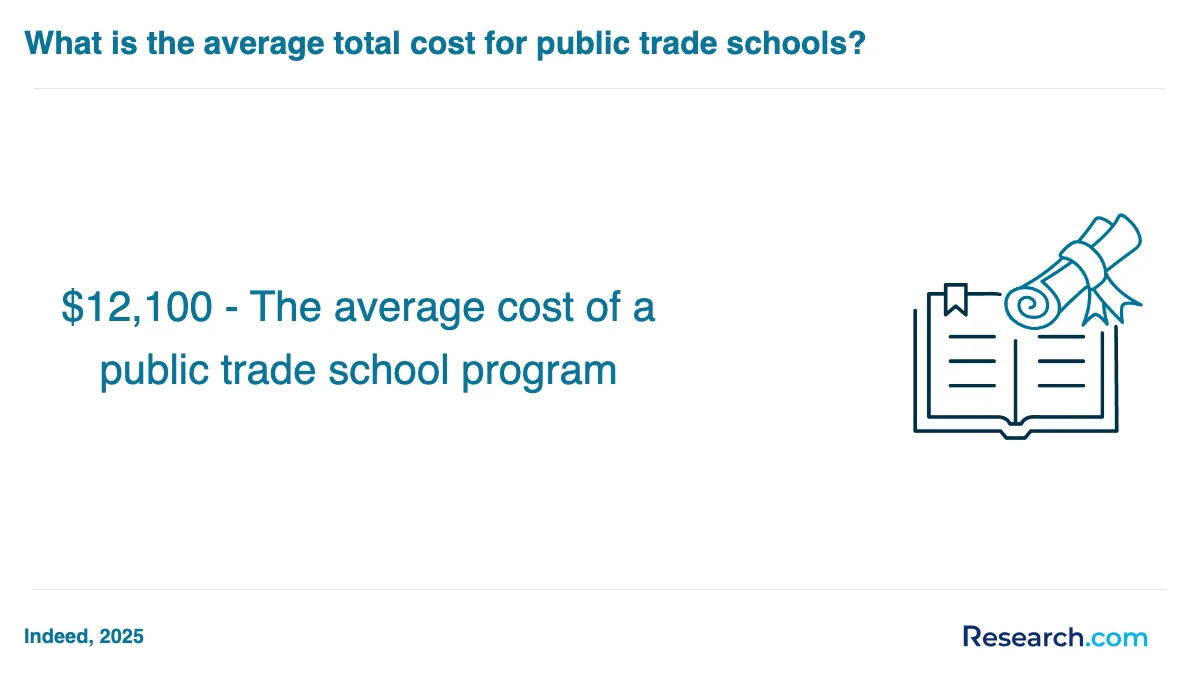
Trade school careers in Montana offer a diverse range of opportunities that match the state's unique economic landscape. Graduates from well-known Montana trade schools often find themselves stepping into high-demand roles with confidence. For instance, many have moved into construction, where rapid growth means steady work as construction workers, remodeling specialists, or project managers. These roles provide both job stability and hands-on experience in an expanding industry.
Montana skilled trades job opportunities extend to welding, electrical work, and HVAC systems, with graduates frequently recalling the satisfaction of applying their skills to real projects during training. Diesel technology and commercial truck driving are also common paths, particularly appealing for those drawn to Montana's agricultural and transportation sectors.
Many graduates explore emerging fields like robotics or digital forensics, blending traditional trade skills with technology. Popular programs prepare students to seize these prospects quickly.
- Hands-on construction and welding roles fueled by infrastructure growth
- Technical positions in electrical work and HVAC essential for modern businesses and homes
- Diesel mechanics and commercial drivers supporting agriculture and logistics
- Advanced trades in robotics, manufacturing, and game design opening new pathways
Choosing Montana trade schools means joining a community of learners who turn practical training into rewarding careers, benefitting from the state's broad skilled labor demand. For more insight into the highest demand trades, check out highest demand trades.
Trade school graduates in Montana currently face a dynamic yet steady job market fueled by a strong Montana skilled trades employment outlook. Graduates from popular technical programs in Billings and Bozeman often share stories of quickly landing roles in construction or healthcare, where demand remains particularly high. Many find opportunities in sectors like advanced manufacturing or digital forensics, reflecting the growth in technical fields requiring flexible, two-year credentials or certificates.
These graduates experience practical benefits such as:
- Higher wages in cities due to concentrated job postings.
- Workforce shortages offering openings even for newcomers.
- The chance to contribute to energy infrastructure projects planned across the state.
For students exploring their options, programs widely available in Montana's trade schools prepare you to enter fields with solid stability and future growth potential. The reality for many is a job landscape where having skills from trade schools equals real-world success and upward mobility. Trade school graduates frequently highlight how hands-on training led to immediate job placements, even in emerging roles like game design or robotics.
Those interested in niche opportunities may consider the value of the cheapest online landscaping classes, which have become a practical choice supplementing Montana's traditional trades. Overall, understanding job opportunities for trade school graduates in Montana means recognizing a market that rewards practical skills and adaptability across diverse industries.
Most Affordable Trade School & Training Programs - Leading Certification Courses in Montana for 2026
# 1 position
Flathead Valley Community College - Information Technology.
associateFlathead Valley Community College offers a hybrid Information Technology program that covers the design of technological information systems, including computing solutions for business and research data. The curriculum includes computer hardware and software principles, algorithms, databases, telecommunications, application testing, and human interface design. In-state tuition is $4,748 annually. The program is accredited by the Northwest Commission on Colleges and Universities.
# 2 position
Flathead Valley Community College - Criminal Justice/Safety Studies.
associateFlathead Valley Community College offers a hybrid Criminal Justice/Safety Studies program focusing on the criminal justice system, its organizational components, processes, and legal contexts. The curriculum includes criminal law and policy, police and correctional systems organization, administration of justice, and public attitudes toward criminal justice issues. The program is accredited by the Northwest Commission on Colleges and Universities. Annual in-state tuition is $4,748.
# 3 position
Flathead Valley Community College - Electrician.
associateFlathead Valley Community College offers a hybrid Electrician program that prepares students to install, operate, maintain, and repair electric systems including residential, commercial, and industrial wiring. The curriculum covers electronics principles, electrical systems, wiring, power transmission, safety, job estimation, and applicable codes. The program’s annual in-state tuition is $4,748. It is accredited by the Northwest Commission on Colleges and Universities.
# 4 position
Flathead Valley Community College - Industrial Mechanics and Maintenance Technology/Technician.
associateFlathead Valley Community College offers a hybrid program in Industrial Mechanics and Maintenance Technology/Technician. The curriculum prepares students to repair and maintain industrial machinery such as cranes, engines, pneumatic tools, and conveyor systems. Annual in-state tuition is $4,748. The program is accredited by the Northwest Commission on Colleges and Universities.
# 5 position
Flathead Valley Community College - Welding Technology/Welder.
associateFlathead Valley Community College offers a hybrid Welding Technology/Welder program that prepares students to apply technical skills in various welding methods, including arc welding, resistance welding, and brazing. The curriculum covers welding metallurgy, safety, structural design, and applicable codes. Annual in-state tuition is $4,748. Graduates earn a median salary of $43,711 one year after completing the program. The program is accredited by the Northwest Commission on Colleges and Universities.
# 6 position
Flathead Valley Community College - Computer Numerically Controlled (CNC) Machinist Technology/CNC Machinist.
associateFlathead Valley Community College offers a hybrid Computer Numerically Controlled (CNC) Machinist Technology program that trains students to operate CNC machine tools, including lathes and mills. The curriculum covers CNC programming, setup, troubleshooting, blueprint reading, machining, technical math, CAD/CAM systems, and shop safety. The program is accredited by the Northwest Commission on Colleges and Universities. Annual in-state tuition is $4,748, and median earnings one year after completion reach $43,711.
# 7 position
Flathead Valley Community College - Medical Office Management/Administration.
associateFlathead Valley Community College offers a Medical Office Management/Administration program with a hybrid format that includes some distance education. The program prepares students to manage business functions in medical or clinical offices, covering office operations, record-keeping, personnel supervision, healthcare policy administration, scheduling, public relations, and relevant laws. Annual in-state tuition is $4,748. The program is accredited by the Northwest Commission on Colleges and Universities.
# 8 position
Flathead Valley Community College - Medical Insurance Coding Specialist/Coder.
associateFlathead Valley Community College offers a hybrid Medical Insurance Coding Specialist/Coder program designed to prepare students for specialized data entry, classification, and record-keeping related to medical diagnostics, billing, and insurance documentation. The curriculum covers medical records software, anatomy, physiology, medical terminology, coding procedures, and Medicare regulations. The program's annual in-state tuition is $4,748 and it is accredited by the Northwest Commission on Colleges and Universities.
# 9 position
Flathead Valley Community College - Business Administration and Management, General.
associateFlathead Valley Community College offers a hybrid program in Business Administration and Management, General, designed to prepare students for planning, organizing, directing, and controlling business functions. The curriculum covers management theory, human resources, accounting, purchasing, logistics, marketing, and business decision-making. The annual in-state tuition is $4,748. This program is accredited by the Northwest Commission on Colleges and Universities.
# 10 position
Flathead Valley Community College - Accounting Technology/Technician and Bookkeeping.
associateFlathead Valley Community College offers a hybrid Accounting Technology/Technician and Bookkeeping program that prepares students to support professional accountants and financial management personnel. The curriculum includes instruction in posting transactions, record-keeping systems, accounting software, and general accounting principles. The annual in-state tuition is $4,748. The program is accredited by the Northwest Commission on Colleges and Universities.
Frequently Asked Questions about trade school programs
After completing trade school in Montana, preparing for the job market involves several important steps. Graduates should first obtain relevant certifications, as many trades require state or national licensing to work legally. For example, electricians and plumbers must pass exams to become licensed professionals.
Networking is also crucial; joining local trade associations or attending job fairs can connect graduates with potential employers. According to the Montana Department of Labor & Industry, sectors like construction and healthcare show steady employment growth, with a 7% projected increase over the next decade.
Additionally, creating a strong resume highlighting hands-on skills and completing internships during training can improve job prospects in Montana's competitive trade market.
Employers in Montana highly value trade school graduates who demonstrate practical technical skills alongside strong work ethics. According to the Montana Department of Labor & Industry, proficiency in trades such as welding, electrical work, and HVAC repair rank among the top requirements for entry-level positions. Additionally, skills in equipment operation and adherence to safety protocols are crucial given Montana's significant construction and manufacturing sectors.
Beyond technical abilities, soft skills are equally essential. Communication, problem-solving, and reliability consistently appear in employer surveys as qualities that improve job performance and team collaboration. The U.S. Bureau of Labor Statistics also notes that adaptability and willingness to learn new technologies are increasingly important in trade professions.
Finding internships in Montana related to your trade school program requires a strategic approach. Start by consulting your trade school's career services, as many Montana schools maintain partnerships with local businesses offering internship opportunities. According to the Montana Department of Labor & Industry, trade sectors like construction, manufacturing, and healthcare have growing internship programs statewide.
Utilize online job platforms such as MontanaWorks.gov, which hosts a database of internships suitable for trade students. Networking also plays a crucial role; attending local industry events and joining Montana trade associations can increase your chances of finding tailored internships. Employers in cities like Billings and Missoula often seek interns through such channels.
Early applications and proactive communication with potential employers improve success rates. The Bureau of Labor Statistics notes that internships frequently lead to permanent employment in Montana's skilled trades markets.
A trade school diploma in Montana significantly enhances career mobility and advancement opportunities for many workers. Graduates often experience faster entry into well-paying jobs in fields like construction, healthcare, and manufacturing. According to the Montana Department of Labor & Industry, occupations requiring trade credentials are projected to grow 5% faster than average statewide through 2030.
Trade school diplomas provide practical skills that meet local industry demands, allowing workers to quickly qualify for promotions or specialized roles. The median annual wage for Montanans with a vocational certificate is approximately 20% higher than those with only a high school diploma, as reported by the U.S. Bureau of Labor Statistics.
This type of credential also supports social mobility by helping individuals transition from low-wage employment to stable and skilled professions, reducing unemployment rates in rural communities. Trade schools in Montana thus play a key role in fostering economic advancement and enhancing workforce adaptability regionally.
Part-time job opportunities in Montana that complement trade school education often align with students' chosen fields. For example, those studying automotive technology can find roles as mechanic assistants or tire technicians, gaining practical experience while earning. According to Montana's Department of Labor, the demand for skilled trade workers remains strong, with part-time roles available in construction, welding, and HVAC services.
Additionally, trade students in healthcare programs may work as certified nursing assistants or medical aides part-time. These positions build relevant skills and improve employment prospects upon graduation.
Retail and hospitality jobs also offer flexible hours, allowing students to support themselves financially alongside studies, although these may be less specialized.
To find the most affordable degree program near me in Montana, researching local colleges and universities is a valuable step, as many offer competitive tuition rates and financial aid packages. Programs near Montana can be compared through resources like Research.com, which provides detailed information about various academic programs and their costs. Visiting campus websites and reaching out to admissions offices also helps gather specific information on tuition fees, scholarships, and financial aid options available to students.
- Most Affordable Trade School & Training Programs - Leading Certification Courses in Idaho for 2026
- Most Affordable Trade School & Training Programs - Leading Certification Courses in Wyoming for 2026
- Most Affordable Trade School & Training Programs - Leading Certification Courses in South Dakota for 2026
- Most Affordable Trade School & Training Programs - Leading Certification Courses in Utah for 2026
- Most Affordable Trade School & Training Programs - Leading Certification Courses in Nebraska for 2026
- Most Affordable Trade School & Training Programs - Leading Certification Courses in Colorado for 2026
- Most Affordable Trade School & Training Programs - Leading Certification Courses in Nevada for 2026
- Most Affordable Trade School & Training Programs - Leading Certification Courses in Iowa for 2026
- Most Affordable Trade School & Training Programs - Leading Certification Courses in Wisconsin for 2026
- Most Affordable Trade School & Training Programs - Leading Certification Courses in Arizona for 2026
- Explore Your Options after High School https://reachhighermontana.org/plan-your-future/explore-your-options
- Why Consider Trade School? - Achieve Montana https://achievemontana.com/why-consider-trade-school/
- How to Gain Early Career Experience https://applymontana.mus.edu/careers/get-experience/index.html
- Montana – Finishing Trades Institute https://www.ftium.edu/montana/
- Career, Technical, and Adult Education (CTAE) https://opi.mt.gov/Educators/Teaching-Learning/Career-Technical-Education
- Trades Management BAS | MSU Northern https://www.msun.edu/academics/cots/program-TradesManagement.aspx
- What Is a Trade School? Benefits of Career-Focused Training https://intercoast.edu/articles/what-is-a-trade-school/
- Trades & Apprenticeships | Helena High School https://hhs.helenaschools.org/counseling-and-career-guidance/trades-apprenticeships/
- APPRENTICES | MT AFL-CIO https://www.mtaflcio.org/apprentices
- Best Trade School Programs In Montana https://www.accreditedschoolsonline.org/vocational-trade-school/montana/


