Most Affordable Trade School & Training Programs - Leading Certification Courses in Little Rock for 2026

Co-Founder and Chief Data Scientist
Finding the right trade school in Little Rock can feel overwhelming, but it’s a crucial step toward a rewarding career. This article introduces a trade school programs ranking developed by the Research.com team of data scientists to help you make an informed choice.
By exploring affordable programs, you can discover quality education that fits your budget. Earning a trade school diploma or certification opens doors to new opportunities and personal growth. Whether you’re starting fresh or changing careers, this guide aims to support your journey with helpful insights and clear information.
Key benefits of finishing trade school programs trade school in Little Rock
- Trade school graduates in Little Rock can expect strong starting salaries, from $32,700 to $59,100 per year, with jobs like electricians, HVAC technicians, and welders offering steady income and growth.
- Popular career paths include surgical technologists earning around $53,460, precision instrument repairers making $54,000, and tech roles like software developers with median salaries near $83,970, providing diverse opportunities.
- Completing a trade school diploma online offers flexibility and convenience, allowing graduates to balance work and studies while gaining valuable skills, often faster and more affordably than traditional programs.
- Most Affordable Trade School & Training Programs - Leading Certification Courses in Little Rock for 2026
- What can I expect from trade school programs trade schools in Little Rock?
- Where can I work after finishing trade school programs trade schools in Little Rock?
What can I expect from trade school programs trade schools in Little Rock?
The average cost of a trade school program in Little Rock typically ranges from $4,534 to $15,977, depending on the program length and type. For instance, graduates from Pulaski Technical College share how their hands-on experience with welding or HVACR not only prepared them for certifications like the AWS D1.1 Structural Code 3g or EPA 608 Universal but also aligned well with tuition costs that felt manageable given the career outcomes.
Students enrolling in popular programs at institutions like University of Arkansas - Pulaski Tech appreciate that certificate programs and technical diplomas often take less than two years to complete, making the investment both time- and cost-efficient. The ability to balance practical workshops with classroom lessons means many feel confident entering the workforce promptly after graduation. Flexible scheduling and options for early enrollment further help reduce overall expenses and increase accessibility.
Overall, the pricing reflects a strong value for those eager to enter high-demand trades without the financial burden of traditional degrees, while local job placement assistance adds confidence about the return on investment.
Where can I work after finishing trade school programs trade schools in Little Rock?
After finishing a trade school program in Little Rock, graduates often find rewarding employment in industries with high demand for skilled labor. Many graduates from local schools, such as the University of Arkansas - Pulaski Tech, quickly secure jobs as HVAC technicians, electricians, welders, or plumbers, with some earning between $26 and $55 per hour depending on their experience. These roles offer stability and the chance to apply hands-on skills daily.
Apprenticeship programs are another strong option, allowing students to earn wages while gaining on-the-job training. Many local construction and manufacturing companies actively recruit graduates into Registered Apprenticeship Programs, which often lead to full-time, well-paying positions.
Beyond traditional trades, job opportunities also exist in healthcare support, like dental assisting, and in technical customer service roles. Employers range from regional contractors and repair shops to hospitals and national firms, offering graduates a variety of career paths that match their interests and skills.
After finishing a trade school program in Little Rock, many graduates find they can start earning competitive wages that quickly improve their financial stability. For example, HVAC technicians typically make between $26 and $32 per hour, translating to a yearly salary of about $54,080 to $66,560 for those working full time. Graduates from top local trade schools often share how quickly their hands-on training helped them land these well-paying positions.
Licensed plumbers earn within a similar range, while Multi-Site Maintenance Supervisors make around $28 to $30 per hour, which can reach up to $62,400 annually. Journeyman electricians sometimes earn even higher wages, with specialized roles paying up to $55 per hour.
Many graduates report that gaining experience and additional certifications leads to salary growth, with some state positions offering $52,000 to over $77,000 annually. These real earnings reflect how trade school degrees in Little Rock open doors to steady, rewarding careers.
- Applicants need a high school diploma or GED, an official transcript or certificate, and sometimes standardized test scores like the ACT or SAT.
- A state-issued ID or driver's license and the trade school's application form are required; some schools may also require an interest profiler assessment.
- Enrollment begins at least 30 days before program start dates, and those with criminal records must provide additional documentation for committee review.
- Tuition and fees range from about $4,000 to $8,000, with financial aid and scholarships often available.
- Starting salaries for graduates range from $32,000 to $45,000 per year, with experienced workers earning over $55,000 in fields like HVAC, medical assistance, and welding.
Completing a trade school program in Little Rock typically takes about 9 to 12 months for most traditional courses, such as electrical work or HVAC. Graduates often share how this timeframe allowed them to quickly enter the workforce, balancing study and personal life effectively. For those looking for more hands-on experience, apprenticeship programs like those offered by the Arkansas Construction Education Foundation extend from 2 to 4 years, combining paid, on-the-job training with evening classes. Many find this pathway rewarding, gaining practical skills while earning an income.
Some students prefer faster options; specialized academies like Ultimate Technical Academy in nearby North Little Rock offer intensive courses that can be finished in as little as five days. These short-term classes help professionals upgrade or certify skills rapidly.
Focused programs such as the Arkansas Welding Academy's master pipe and structural welding course take about 26 weeks, delivering over 900 hours of hands-on training. Graduates appreciate the depth of expertise gained within a practical timeframe.
Options like online or hybrid programs from the University of Arkansas at Little Rock provide flexibility but commonly align with the 9 to 12-month structure, giving students adaptable yet solid learning timelines.
The main difference between online and on-campus trade school programs in Little Rock is how you attend and engage with your courses. Online programs offer flexibility, allowing you to fit studies around work or family commitments. For instance, graduates from the University of Arkansas at Little Rock mention how using platforms like Blackboard and Collaborate Ultra lets them join live lectures or catch up later, making balancing life and school easier.
On the other hand, on-campus programs require physical attendance, which many students appreciate for hands-on training and face-to-face interaction. Those attending Black River Technical College often share that being on-site helps them build confidence through direct practice and immediate support from instructors.
Online learners value the convenience but note they need strong self-discipline to keep up. Meanwhile, on-campus students enjoy the social environment and instant feedback, which can enhance motivation. Both options in Little Rock offer quality instruction and similar program lengths, so your choice depends on your style and schedule.
The average trade school cost in Little Rock typically ranges from about $7,000 to $19,950, depending on the program and institution chosen. Graduates from Arkansas Technical School in North Little Rock, for instance, often share how the $19,950 tuition for programs like Barbering and Cosmetology felt like a worthwhile investment, especially considering the hands-on training and job-ready skills they gained during the intensive 12-month courses.
Other students pursuing shorter programs, such as Nail Technician or Aesthetician certifications, experience a more affordable tuition of approximately $7,980, plus supply fees. These programs generally take about six months and offer fast, practical entry into the workforce, which many find motivating and convenient.
When evaluating Little Rock trade school tuition and fees, it's important to consider that healthcare and specialized technology programs at colleges like Baptist Health College can cost closer to $23,540. Despite the higher price, graduates often emphasize the quality education and strong career outcomes justify these expenses.
Those looking for more economical options in Little Rock can find programs under $10,000 at places like Arthur's Beauty College, where savings on tuition allow students to focus more on their studies without heavy financial stress. For additional insights, exploring cheap online solar technician trade school programs can also provide valuable ideas for affordable career training alternatives.
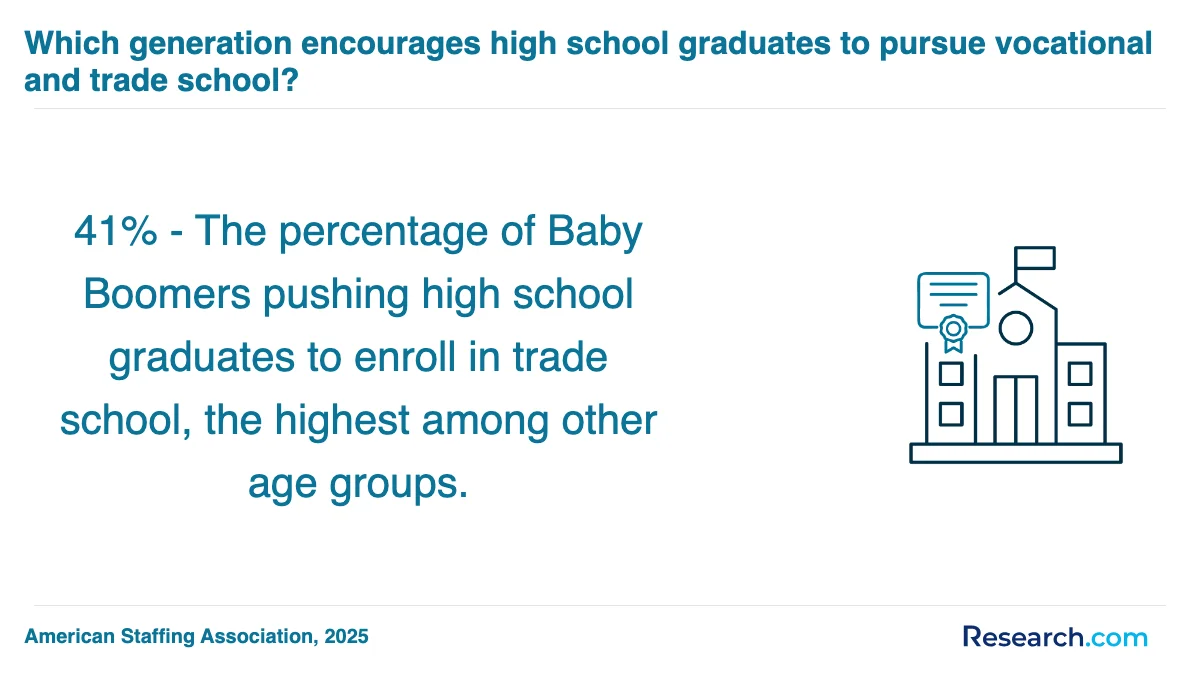
Trade school students in Little Rock can access a range of financial aid options, beginning with the essential FAFSA application. Graduates from UA - Pulaski Technical College often share how Pell Grants helped cover tuition without the stress of repayment, allowing them to focus on hands-on learning. Those balancing work and study appreciate the Federal Work-Study program, which offers part-time jobs linked to their career paths.
State aid programs like the Arkansas Academic Challenge Scholarship make it easier for students pursuing certificates or associate degrees at schools such as Baptist Health College Little Rock to reduce costs. Meeting deadlines-February 1 at UA Little Rock and May 15 at Pulaski Technical College-is key, as proactive applicants often report receiving more aid.
Local scholarships also make a real difference: the Arkansas National Guard Foundation awards $1,000 scholarships to qualifying members, and Pulaski Tech's $1,500 awards support students who demonstrate leadership and financial need. Many students find that combining these supports creates a manageable pathway to their career goals.
Institutional aid at Baptist Health College further eases financial burdens by requiring a current FAFSA and offering dedicated scholarships through its online portal, reflecting the supportive community students experience on campus.
To enroll in a trade school program in Little Rock, you typically need a high school diploma or GED certificate. Graduates from popular schools like University of Arkansas - Pulaski Technical College often share how submitting official transcripts with a clear graduation date helped streamline their application process.
Here are key prerequisites to consider:
- Official transcripts from all previously attended schools, including colleges if applicable
- A minimum 2.0 GPA on a 4.0 scale for transfer students
- Entrance exams such as ATI TEAS or ACT scores for nursing and healthcare programs
- Placement tests like Accuplacer or SAT for reading, writing, or math, especially if recent standardized scores are not available
- Proof of employment and on-the-job training for apprenticeship programs like electricians or plumbers
Many students feel reassured knowing these requirements set a clear path to success. Graduates often recall how meeting these prerequisites gave them confidence to focus fully on hands-on training, knowing their academic foundation was solid. Checking for additional program-specific details such as background checks or immunization records ensures nothing holds you back from starting right away.

Trade schools in Little Rock offer hands-on courses designed to prepare students for rewarding careers quickly. Graduates from places like the University of Arkansas - Pulaski Tech often highlight how practical learning sets them up for real jobs. Typical courses include:
- Automotive technology, focusing on engine repair and collision diagnostics-students experience engine teardown and live shop diagnostics.
- Welding, teaching metal cutting, safety, and certification prep, with ample workshop time to build confidence and skill.
- Plumbing, covering residential, commercial, and industrial systems-graduates mention applying math and physics concepts directly on-site during internships.
- HVAC training featuring service call simulations that mimic real technician troubleshooting scenarios.
- Business and office skills such as Microsoft Office and customer service, helping students develop essential career readiness and interview skills.
These programs emphasize immediate applicability, allowing students to visualize themselves confidently working in their future roles before even graduating.
Trade school programs in Little Rock offer a variety of specializations tailored to local workforce demands, providing students with practical skills and clear career pathways. Graduates from popular schools like North Little Rock High School often highlight hands-on training in healthcare roles such as nursing assistant, medical assistant, and phlebotomist, which prepare them well for immediate job opportunities in the community.
Skilled trades programs stand out as well, with training in plumbing, welding, HVAC, and maintenance technology helping students gain certifications that local employers actively seek. Business and technology pathways are also popular; students enrolling in the Academy of Business, Hospitality, and Future Technology find themselves equipped for roles in business administration, digital arts, and IT-fields that align with current job trends.
Specializations also include criminal justice and human services, which prepare students for meaningful work in law enforcement and community support. Many graduates speak positively about their career-readiness and satisfaction entering fields reflected in Little Rock's evolving economy and demand for high paying jobs trade school programs can unlock.
To choose the best trade school programs in Little Rock, start by verifying accreditation, which ensures quality education and employer recognition. Graduates from well-regarded local colleges often praise the hands-on training that prepares them for real jobs, such as internships in automotive technology or HVAC fields. Exploring different programs offered in Little Rock, like welding or dental assisting, helps align your studies with your career goals. Many students find success by selecting programs known for strong practical components and supportive instructors.
When learning how to compare Little Rock trade schools, consider not only tuition costs but also financial aid options. Some graduates highlight how scholarships and grants made their education affordable without compromising quality. Practical experience is key-programs encouraging apprenticeships or job placements offer invaluable career boosts. For those interested in HVAC specialties, researching affordable online hvac trade school programs can also expand your options beyond traditional classroom settings.
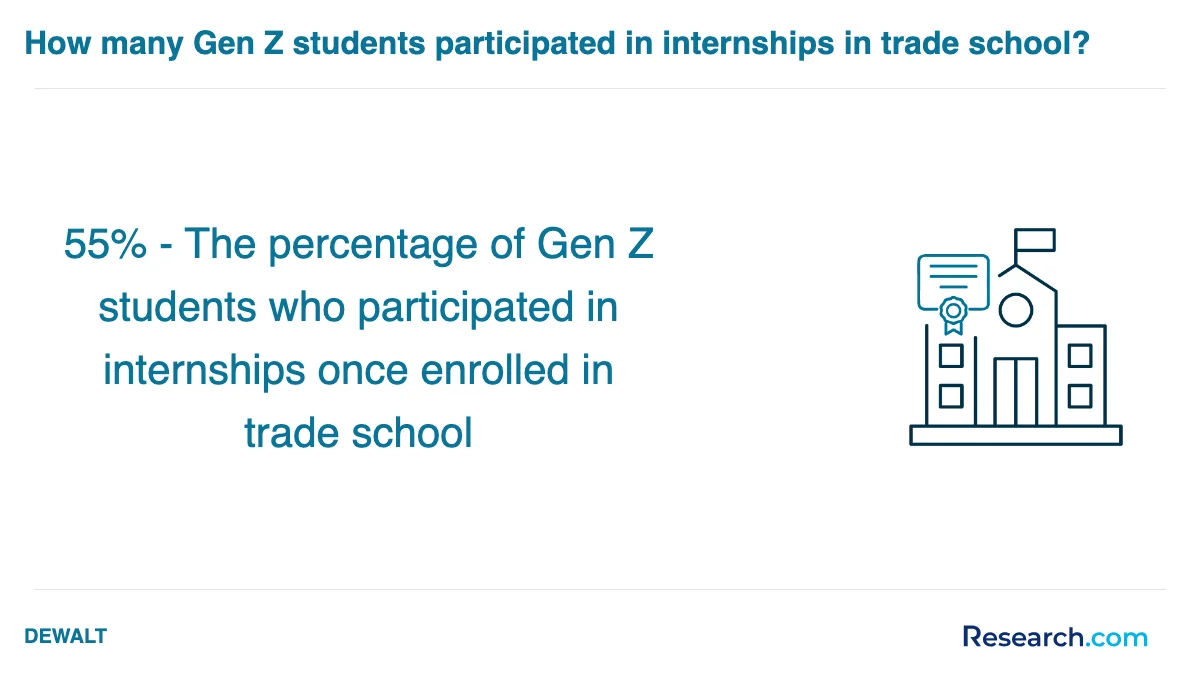
Trade school career options in Little Rock offer graduates a variety of practical pathways tailored to the city's job market. Graduates from programs like Arkansas Construction and Education Foundation often find rewarding roles in high demand skilled trades Little Rock employers seek, such as electrician, plumber, carpenter, and HVAC technician. Many report feeling confident stepping directly into hands-on jobs that provide steady employment and growth.
Healthcare programs in local schools, including University of Arkansas - Pulaski Tech, prepare students for positions like dental assisting, nursing services, and pharmacy technician. Graduates appreciate that these fields open doors to immediate work in clinics and hospitals, reflecting the region's ongoing healthcare needs.
Business and IT pathways also attract many students, with courses in business management and information technology leading to roles in office support and IT assistance. Creative professionals pursue advertising, graphic design, and digital media skills that align well with Little Rock's media agencies and freelance markets.
Many graduates benefit significantly from integrated apprenticeships and work-based learning, increasing their chances of full-time employment locally. For those considering alternative options, exploring affordable online landscaping training can open additional career doors with flexible study choices.
The trade school job opportunities in Little Rock are notably strong, with local employers eager to hire skilled graduates in welding, HVAC, plumbing, and electrical work. Graduates from popular schools like the University of Arkansas - Pulaski Tech often share success stories of quickly securing stable jobs, thanks to high placement rates driven by partnerships with regional employers. Many find themselves in positions offering competitive wages, such as electricians earning up to $55 per hour or plumbers making between $26 and $32 per hour.
Hands-on experience through Registered Apprenticeship Programs (RAPs) also plays a key role, blending paid training with classroom learning. The Arkansas Construction Education Foundation (ACEF) supports these apprenticeships, which help meet the growing demand in construction and technical fields.
This employment outlook for technical graduates in Little Rock is further strengthened by avoiding college debt and entering a workforce that values practical skills. For those interested in expanding their options, affordable appliance repair technician programs online can be an accessible path to gaining specialized expertise.
Most Affordable Trade School & Training Programs - Leading Certification Courses in Little Rock for 2026
# 1 position
Baptist Health College Little Rock - Nursing Assistant/Aide and Patient Care Assistant/Aide.
certificate or diplomaThe Nursing Assistant/Aide and Patient Care Assistant/Aide program at Baptist Health College Little Rock offers a hybrid format, combining distance education with hands-on training. It prepares students to perform routine nursing-related tasks under supervision in hospitals or long-term care facilities. The program is accredited by the Accrediting Bureau of Health Education Schools. Annual in-state tuition is $13,593, and median earnings one year after completion are $48,332.
# 2 position
Arkansas Baptist College - Business Administration and Management, General.
associateArkansas Baptist College offers a Business Administration and Management, General program in a hybrid format with some distance-education options. The program prepares students to plan, organize, direct, and control business functions and processes. Coursework includes management theory, human resources, accounting, purchasing, logistics, marketing, and decision-making. Annual in-state tuition is $8,760. The program is accredited by the Higher Learning Commission.
# 3 position
University of Arkansas at Little Rock - Criminal Justice/Law Enforcement Administration.
associateThe University of Arkansas at Little Rock offers a Hybrid Criminal Justice/Law Enforcement Administration program designed to prepare students for leadership roles in public law enforcement agencies. The curriculum covers law enforcement history, operational command, labor relations, incident response, legal responsibilities, budgeting, and organizational leadership. The program is accredited by the Higher Learning Commission. Annual in-state tuition is $8,455.
# 4 position
University of Arkansas at Little Rock - Criminal Justice/Police Science.
associateThe University of Arkansas at Little Rock offers a Criminal Justice/Police Science program designed to prepare students for various law enforcement duties such as patrol, investigations, traffic and crowd control, evidence management, and crime prevention. This hybrid program includes some distance education options. Annual in-state tuition is $8,455. The program is accredited by the Higher Learning Commission.
# 5 position
Strayer University-Arkansas - Criminal Justice/Police Science.
associateStrayer University-Arkansas offers a Criminal Justice/Police Science program designed to prepare students for roles in police and public security. The curriculum covers patrol and investigative duties, traffic and crowd control, evidence management, crime prevention, weapon handling, and report preparation. The annual in-state tuition is $13,920. The program is accredited by the Middle States Commission on Higher Education.
# 6 position
Strayer University-Arkansas - Accounting Technology/Technician and Bookkeeping.
associateStrayer University-Arkansas offers a program in Accounting Technology/Technician and Bookkeeping designed to prepare students for technical administrative roles supporting accountants and financial managers. The curriculum covers posting transactions, record-keeping systems, accounting software, and general accounting principles. The program's annual in-state tuition is $13,920. It is accredited by the Middle States Commission on Higher Education.
Frequently Asked Questions about trade school programs
Preparing for the job market after completing trade school in Little Rock involves several strategic steps. Graduates should begin by updating their resumes to highlight specialized skills and certifications earned during their programs. According to the Arkansas Division of Workforce Services, sectors like construction, healthcare, and automotive repair show steady job growth in the region.
Networking is essential; attending local industry events and connecting with alumni can reveal hidden job opportunities. Many Little Rock trade schools offer career services, including interview preparation and job placement assistance, which can improve employment chances.
Additionally, obtaining relevant licenses or continuing education certifications can enhance a candidate's competitiveness in the local market.
Employers in Little Rock highly value trade school graduates who possess strong technical skills specific to their industry. For example, the Arkansas Department of Workforce Services highlights demand for skills in welding, electrical work, HVAC, and automotive repair. Practical experience with tools and machinery is essential, as 75% of local employers prefer candidates with hands-on training.
Soft skills also play a crucial role. Communication, punctuality, and problem-solving abilities are frequently cited by hiring managers in Little Rock. According to a 2023 survey by the National Skills Coalition, 86% of employers nationwide rank these non-technical skills as equally important as technical expertise.
Trade schools in Little Rock that emphasize a combination of job-specific skills and workplace professionalism better prepare students for local job markets.
Finding internships in Little Rock that align with your trade school program involves several practical steps. Start by visiting the career services office at your trade school, as many schools maintain relationships with local businesses offering industry-specific internships. The Arkansas Department of Workforce Services also provides resources and job listings tailored to the region.
Networking is essential; consider joining local trade associations or attending industry events in Little Rock. Websites like ArkansasJobLink.gov list internship opportunities and report that sectors such as healthcare, construction, and manufacturing offer the most positions in the area.
Reaching out directly to local businesses can uncover hidden internship options. Focus on companies within your trade to increase the chances of relevant experience. Little Rock's growing economy means internship positions have expanded by approximately 8% over the past two years, according to the Greater Little Rock Chamber of Commerce.
In Little Rock, earning a trade school diploma can significantly enhance career mobility and advancement opportunities. According to the Arkansas Department of Workforce Services, skilled trade jobs in the region often offer competitive wages and experience-based promotions. A diploma verifies practical skills in high-demand fields like HVAC, electrical work, and healthcare technology.
Employers tend to value the hands-on training and certification that trade schools provide, which can lead to faster job placement compared to traditional degrees. The U.S. Bureau of Labor Statistics notes that technical credentials improve workers' chances of obtaining supervisory roles, especially in industries prevalent in Arkansas.
Additionally, trade school graduates in Little Rock report higher employment rates within six months of completing their programs, underscoring the diploma's role as a catalyst for upward social and economic mobility.
Part-time job opportunities in Little Rock can offer valuable hands-on experience for trade school students. Jobs in the construction sector, such as assisting carpenters or electricians, align well with programs in building trades. According to the Arkansas Department of Workforce Services, demand for skilled laborers in these areas is projected to grow by 10% over the next decade.
Healthcare-related fields also offer part-time roles like medical assistants or pharmacy clerks, useful for students in health technology programs. Retail and customer service positions can improve communication skills essential for many trades.
Many employers in Little Rock offer flexible scheduling, which helps students balance classes and work commitments effectively. Local job boards and community colleges often list such openings, making it easier for students to find suitable roles.
To find the most affordable degree program near me, one effective approach is to research and compare tuition rates and financial aid options of universities near Little Rock, AR, such as the University of Arkansas at Little Rock and Arkansas State University. Additionally, using resources like Research.com can help identify cost-effective programs by analyzing various factors like in-state tuition, scholarship opportunities, and payment plans. Many community colleges and technical institutes also offer affordable degree programs and should be considered for more budget-friendly education options.
- Most Affordable Trade School & Training Programs - Leading Certification Courses in Tulsa for 2026
- Most Affordable Trade School & Training Programs - Leading Certification Courses in Olathe for 2026
- Most Affordable Trade School & Training Programs - Leading Certification Courses in Overland Park for 2026
- Most Affordable Trade School & Training Programs - Leading Certification Courses in Topeka for 2026
- Most Affordable Trade School & Training Programs - Leading Certification Courses in Statesboro for 2026
- Client Challenge https://www.lrsd.org/page/career-and-technical-education
- University of Arkansas - Pulaski Technical College https://uaptc.edu/
- AR Career Pathways https://arpathways.com/
- Hands On: Skilled Trades Education in Arkansas - Only In Arkansas https://onlyinark.com/homegrown/hands-on-skilled-trades-education-in-arkansas/
- Apprenticeship in Arkansas - Arkansas Office of Skills Development https://arkansasosd.com/apprenticeship/
- 15 Trade Schools In Arkansas | Become With Lantern https://www.learnhowtobecome.org/trade-schools-arkansas/