Most Affordable Trade School & Training Programs - Leading Certification Courses in Hamilton for 2026

Co-Founder and Chief Data Scientist
Choosing the right trade school in Hamilton can feel overwhelming, but finding an affordable program that fits your goals is key to a bright future. This article introduces a trade school programs ranking created by the Research.com team of data scientists to guide you toward the best options available.
By exploring this carefully crafted ranking, you’ll discover valuable insights that make your decision easier and more confident. Earning a trade school diploma or certification opens doors to rewarding career opportunities and personal growth.
Take this step toward a new chapter with knowledge and enthusiasm.
Key benefits of finishing trade school programs trade school in Hamilton
- Trade school graduates in Hamilton can expect strong salaries, with entry-level positions starting around $47,000 and experienced professionals earning up to $93,145 annually, especially in fields like skilled manufacturing, electrical work, HVAC, and health technology.
- Popular career paths for graduates include skilled manufacturing, electrical work, HVAC, and health technology, all of which offer solid job demand and growth potential in Hamilton's local economy.
- Obtaining a trade school diploma or certification online provides flexibility and convenience, allowing students to balance work and study while still gaining the hands-on skills needed to succeed in trades popular in Hamilton.
- Most Affordable Trade School & Training Programs - Leading Certification Courses in Hamilton for 2026
- What can I expect from trade school programs trade schools in Hamilton?
- Where can I work after finishing trade school programs trade schools in Hamilton?
What can I expect from trade school programs trade schools in Hamilton?
The average cost of trade school programs in Hamilton varies widely but can be very affordable, especially with available tuition-free options for eligible residents. Many students attending local institutions report minimal out-of-pocket expenses due to partnerships with community agencies and income-based financial aid. For example, graduates in automotive technology often highlight how accessing tuition-free or low-cost programs enabled them to earn valuable certifications like OSHA 10-hour safety and ASE without financial strain.
Another common experience among construction technology students is benefiting from dual credit programs that reduce the overall cost by allowing some courses to count toward college degrees. This approach not only lowers expenses but also accelerates career advancement.
Those enrolled at Cincinnati State, known for its strong co-op job placement program, often find that the small class sizes and personalized attention justify any tuition costs. Many describe the practical training combined with career support as an investment that quickly pays off through higher wages and employment stability.
Where can I work after finishing trade school programs trade schools in Hamilton?
After completing a trade school program in Hamilton, graduates find a strong local job market eager for their skills. For example, those from automotive programs secure roles as automotive maintenance technicians or heavy truck technicians, often leveraging ASE certification gained during training for quicker career advancement.
Graduates from health-related trade programs frequently gain employment in medical offices and hospitals, filling positions like medical assistants or nursing aides, providing both clinical and administrative support where demand remains steady.
Welding, HVAC, and electrical trade completions open doors to careers in construction and manufacturing, with electrician positions known for benefits and advancement opportunities. Graduates often report satisfaction from stable, well-compensated roles within specialized contracting firms or facilities management.
Trade school alumni trained in IT support or carpentry often find work with local businesses and school districts, sometimes in roles beyond technical work, such as substitute teaching or maintenance staff, demonstrating the versatile pathways Hamilton offers. These success stories reflect the practicality and employment-ready focus of Hamilton's trade schools, providing students clear pathways to rewarding careers.
After completing a trade school program in Hamilton, graduates typically begin earning between $14.00 and $17.00 per hour, depending on the trade and position. For instance, those entering healthcare as Licensed Vocational Nurses (LVNs) often start at around $14.00 per hour, while graduates from transportation or maintenance programs commonly see entry wages near $15.00 per hour. Technical roles like Information Systems Technicians, a popular choice among Hamilton trade school students, frequently command starting rates of $16.00 or higher per hour.
Trade school graduates from Hamilton institutions report satisfaction with these starting wages, especially given the advantage of entering the workforce earlier than those pursuing four-year degrees. Many recall quickly gaining experience and certifications that boost their pay to the $18.00-$21.00 per hour range within a few years.
Supervisory student roles, such as overseeing others during hands-on work, also offer competitive pay near $16.00 per hour in local Hamilton settings, providing additional earning opportunities during the training phase.
These figures reflect reliable local salary data, helping Hamilton trade school attendees understand realistic earnings and career growth paths in their chosen fields.
- Most trade schools in Hamilton require a high school diploma or GED, with some accepting mature students aged 18+ who meet testing or experience criteria.
- Applicants often need to submit transcripts and may attend an admissions interview; some schools have open admission policies but not all guarantee acceptance.
- The average cost of trade school programs ranges from $5,000 to $15,000 nationally, though some local pre-apprenticeship programs for women in Hamilton are free.
- Financial aid options such as grants, scholarships, and government funding are commonly available to help with tuition costs.
- Starting salaries for graduates typically range from $35,000 to $50,000 annually, with experienced workers earning between $60,000 and $75,000 in high-demand trades like electrical and manufacturing.
Completing a trade school program in Hamilton typically varies by credential and program type, but most students find that certificates can be earned in as little as six months to one year. For example, graduates from Pennco Tech's collision repair certificate program often finish in about 26 weeks, enabling them to enter the workforce quickly and feel motivated by their fast progress.
Diploma programs usually require around one year of full-time study, offering more in-depth training that graduates appreciate for balancing hands-on skills with workplace preparation. Some trade schools in Hamilton provide associate degree programs lasting up to two or three years; graduates report these programs as rewarding due to the broader career opportunities they open.
Apprenticeships, common in fields like electrical work and plumbing, span from one to five years and combine paid on-the-job training with classroom learning. Aspiring tradespeople often value the income and experience gained simultaneously during this time.
Many Hamilton trade school students find these timelines realistic and encouraging as they tailor their educational path to fit personal goals and lifestyle.
The primary difference between online and on-campus trade school programs in Hamilton centers on delivery and learning environment. Online programs, such as those at Mohawk College, allow students to study remotely with asynchronous courses, giving graduates the freedom to balance work, family, and education. Many appreciate this flexibility, as reported by Ivy Tech Community College, where students cite managing personal obligations as a top reason to choose online learning. In Hamilton Technical College, 75 students enrolled in at least one online class in 2022-2023, reflecting growing interest in virtual education.
Conversely, on-campus programs demand attendance at physical locations, offering hands-on training critical for trades requiring equipment or labs. Graduates from Hamilton Technical College's electronics engineering or medical assisting programs highlight the value of face-to-face interaction and immediate feedback, which boost confidence and skill mastery. The structured environment suits those who thrive with direct instructor support and peer collaboration, fostering motivation and engagement in tangible skill development.
The average trade school tuition in Hamilton typically ranges from $3,973 for public two-year programs up to $16,877 for private, not-for-profit institutions. Graduates often share how choosing local trade schools allowed them to avoid the overwhelming debt associated with traditional four-year colleges, partly because many programs can be completed in less than two years. For example, students enrolled in popular Hamilton trade schools for automotive technology or welding found that their total cost of trade school diploma Hamilton was significantly lower than expected, often falling between $5,000 and $15,000 depending on the specialization.
Individual stories from graduates emphasize the value of shorter programs; a welding student appreciated finishing quickly with less financial burden, while someone studying medical assisting highlighted the flexibility of cost options, from $2,000 for online certificates to nearly $20,000 for hands-on training. In fields like HVAC, students frequently research the best hvac certificate online programs to balance affordability and quality, targeting certifications that boost employability without excessive cost.
Most students in Hamilton find that while tuition covers a significant part of expenses, additional costs such as tools, books, and certification exams can vary widely, making it important to budget beyond just tuition. Understanding the total cost of trade school diploma Hamilton helps prospective students plan wisely and choose programs that fit both their career goals and financial situations.
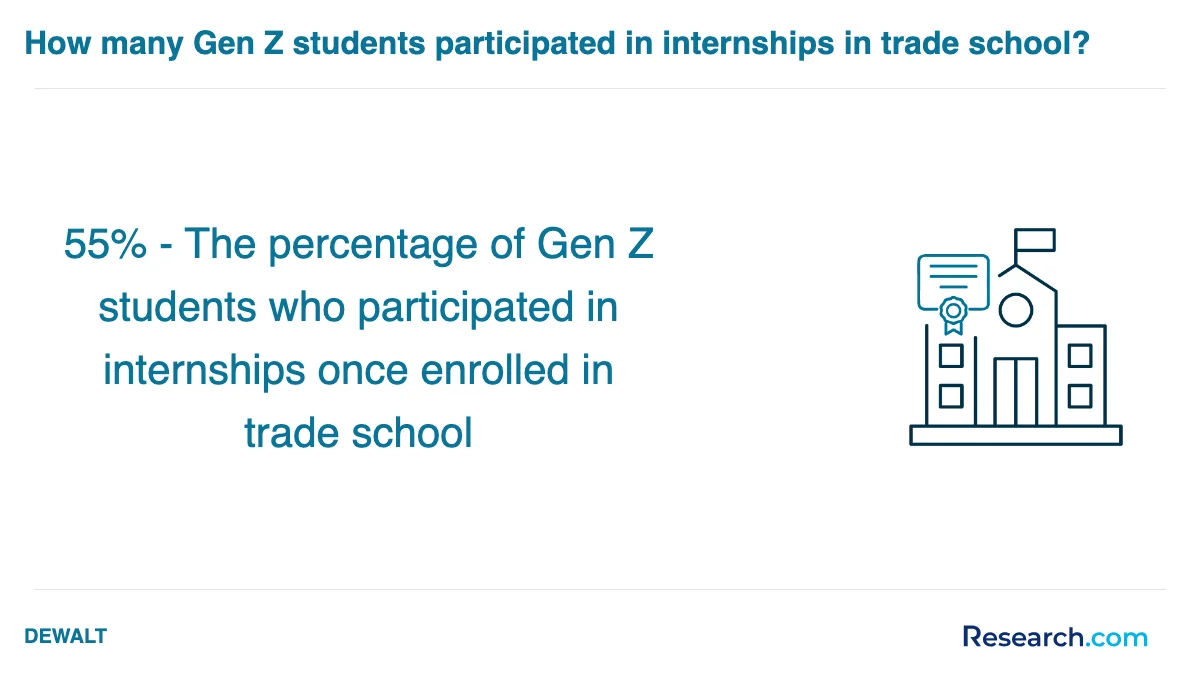
Trade school students in Hamilton commonly begin their financial aid journey by completing the Free Application for Federal Student Aid (FAFSA). This step unlocks access to vital resources like the Federal Pell Grant and Federal Direct Loans, which many graduates from popular local institutions use to manage tuition costs and living expenses effectively. For example, a recent welding graduate shared how the Pell Grant made their hands-on training affordable, reducing stress and allowing focus on skill-building.
Beyond federal assistance, numerous local scholarships are available through the Hamilton County Community Foundation. Graduates from culinary arts programs often mention receiving support from these scholarships, such as the Lilly Endowment Community Scholarship, which helped them purchase essential tools and supplies. These awards have varying deadlines, so timely applications are crucial.
Many community scholarships do not require U.S. citizenship, benefiting undocumented students pursuing trades. Additionally, national platforms like Bold.org offer competitive scholarships targeted specifically at trade careers like plumbing and electrical work, which students at Hamilton's trade schools have successfully utilized to offset costs.
Veterans and those connected with the Office of Vocational Rehabilitation or the Workforce Investment Opportunity Act (WIOA) can access specialized grants, enabling a wider range of students to thrive in high-demand Hamilton trades. These combined efforts relieve financial burdens and promote positive educational outcomes.
To enroll in a trade school program in Hamilton, students must meet several essential prerequisites that underscore readiness for hands-on vocational training. A primary criterion is holding a high school diploma or GED equivalent, which aligns with admission standards across most local trade and pre-apprenticeship programs. Graduates from Butler Tech, a popular Hamilton trade institution, often recount how earning at least eight core academic credits-including English, Math, Social Studies, and Science-proved pivotal for acceptance.
Applicants must also be at least 16 years old and eligible to work in Ontario, reflecting both legal employment mandates and the practical nature of trades training. For current high school seniors, trade schools typically require completion of five semesters and active enrollment in core subjects, ensuring candidates maintain academic momentum alongside skills development.
- Proof of core academic credits is sometimes mandatory, especially at competitive schools like Butler Tech.
- Selection often depends on the average of highest senior-level grades.
- Letters of recommendation or essays may boost chances for scholarships or oversubscribed programs.
- Full-time commitment, averaging 30 hours weekly, is critical to success and graduation.
Hamilton trade school graduates frequently describe the balance of academic rigor and practical training as highly rewarding, preparing them effectively for skilled trades careers. This structured approach ensures students not only gain valuable certifications but also develop confidence and employability in dynamic workforce environments.
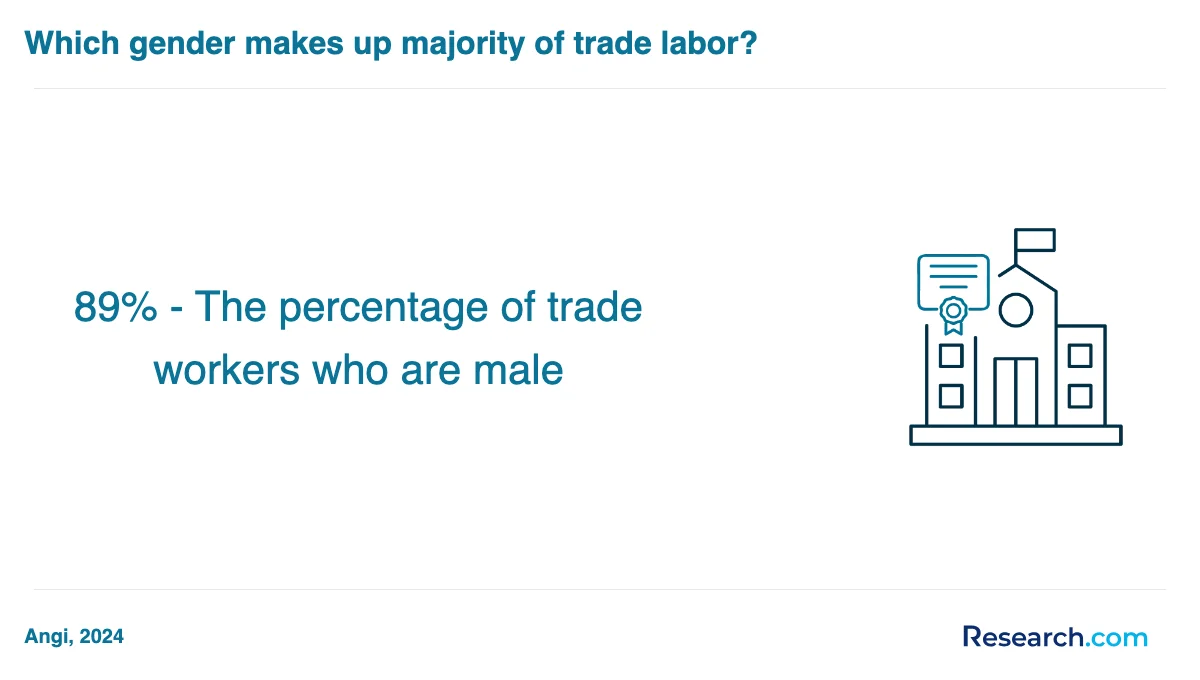
Trade school programs in Hamilton commonly include a diverse set of career-focused courses that combine hands-on learning with industry-recognized credentials. Graduates from local schools like the Warren County Career Center often highlight courses in:
- Advanced Manufacturing Technology
- Cybersecurity & Networking
- Cosmetology
- Dental Assisting
- Electrical Power Line Mechanic
- Fire & EMS Academy
- Heating, Ventilation and Air Conditioning (HVAC)
- Medical Assistant
- Pharmacy Technician
- Welding Technician
Similarly, Mercer County Technical Schools offer these programs along with additional courses such as Carpentry, Plumbing, and Electrical trades. Apprenticeship opportunities at Mercer allow students to earn income while gaining valuable real-world experience, an aspect praised by many graduates for making learning feel practical and immediately applicable.
Evening and online class options provide flexibility, especially for adult learners balancing work or family commitments. Many students appreciate how these program formats enable skill development without sacrificing current responsibilities, enhancing their confidence and motivation.
The variety and relevance of Hamilton's trade school courses reflect strong alignment with labor market demands, particularly in healthcare, manufacturing, IT, and construction trades-fields consistently noted by graduates for offering stable career paths and promising growth.
Trade school programs in Hamilton offer a variety of specializations tailored to meet local industry demands and student interests. Popular areas include skilled trades like Heating, Ventilation, Air Conditioning, and Refrigeration (HVAC-R) and Electrical and Electronic Systems Technician. Graduates from these programs often share how hands-on training combined with classroom instruction prepared them to confidently tackle complex tasks in commercial and industrial environments.
Healthcare-related fields, such as Medical Assisting and Medical Billing and Coding, are also significant. Many students appreciate how these programs equip them for roles in clinics and hospitals, fostering both clinical skillsets and administrative expertise. The healthcare sector's rapid growth makes these paths promising in Hamilton.
Additional common specializations include transportation, building trades, business administration, computer science, cybersecurity, and advanced manufacturing. Popular trade schools here emphasize safety training, industry certifications, and real-world experience, helping students step directly into well-paid roles. Those aiming for the highest paying trade jobs often find Hamilton's tailored programs exceptionally valuable.
Choosing among the best trade school programs in Hamilton requires assessing how well each program prepares students for real-world work. Graduates often highlight hands-on training that mimics actual jobsite environments as a key factor in their confidence entering the workforce. Programs that integrate paid internships provide invaluable direct industry experience and connections, giving students a tangible advantage over others. Hamilton trade schools known for strong employer-driven curricula enable students to build skills that local companies actively seek, significantly improving hiring prospects.
How to compare Hamilton trade schools effectively involves evaluating personalized guidance services and career exploration tools offered on campus. Graduates emphasize that support in pinpointing the right trade based on individual strengths reduces uncertainty and enhances job satisfaction post-graduation. Many also praise programs with vibrant local partnerships, benefiting those who want to build a career in Hamilton without relocating. For prospective students seeking affordable cosmetology online school programs or other trades, programs linked with community employers create smooth entryways into Hamilton's job market.
For more information about affordable cosmetology online school programs, consider checking affordable cosmetology online school programs.
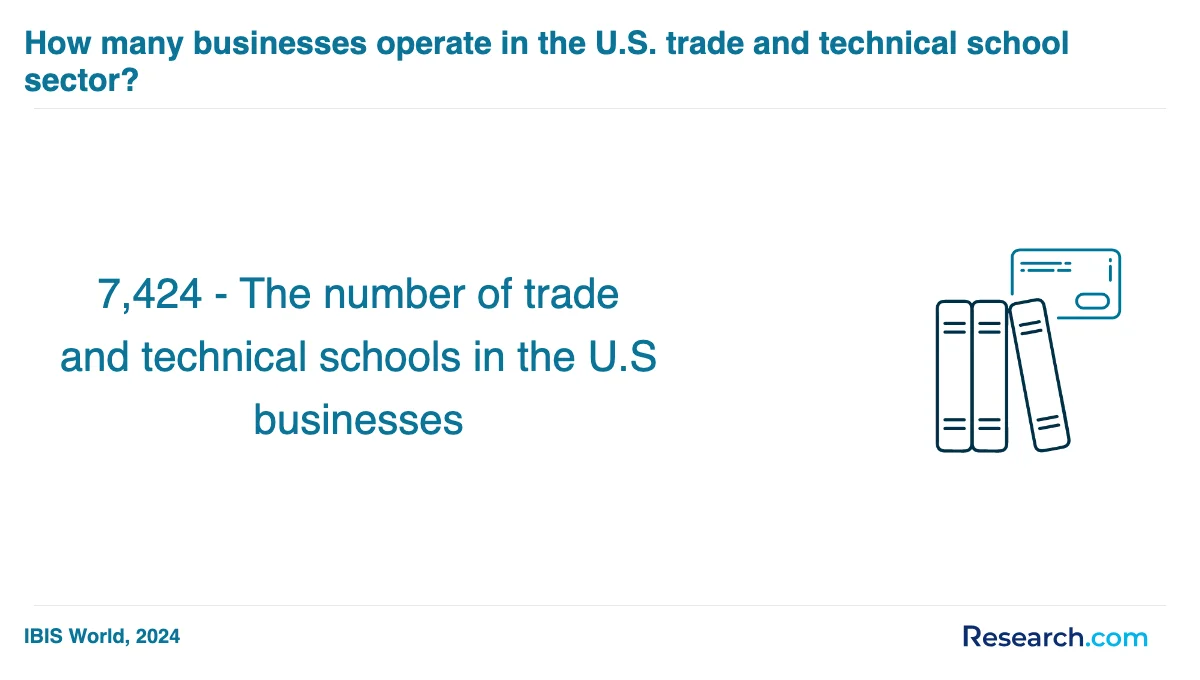
Trade school graduates in Hamilton access diverse skilled trades career opportunities in Hamilton that respond directly to regional labor market demands. Popular roles include electrician, plumber, HVAC technician, mechanic, and welder, offering immediate employment with competitive wages. Healthcare positions such as medical assistant and pharmacy technician also provide strong job stability, reflecting ongoing community needs. Graduates from institutions like Warren County Career Center report smooth transitions into these fields due to hands-on training aligned with local industry requirements.
Programs lasting one to two years often culminate in recognized certifications, enhancing job readiness. Many Hamilton Ontario trade school graduate jobs lie in advanced manufacturing technology or cybersecurity and networking-growth sectors driven by technological innovation. Graduates frequently highlight the value of career exploration and industry networking provided by their schools, giving them an edge in job placement. Success stories emphasize how apprenticeships and further credentialing open pathways to management roles.
Understanding why trade school is better than college helps potential students appreciate Hamilton's focused approach to vocational training.
The job market for trade school graduates in Hamilton currently reflects a balance of opportunity and competition. Although the unemployment rate in Hamilton County is slightly higher than Ohio's average at 5.1%, employers remain in search of skilled workers, making it essential for graduates to stand out. Graduates of local trade schools often share success stories of landing positions as electricians, CNC machinists, or maintenance technicians thanks to targeted training and strong industry connections.
Key factors shaping the Hamilton skilled trades job market outlook include:
- Over 200 skilled trade job openings available in the area as of August 2025.
- Major employers such as Ford Motor Company and Ace Handyman Services actively hiring with competitive benefits.
- Butler Tech maintaining above 90% job placement rates for graduates in technical programs.
- Support services like Ohio Means Jobs providing free resume and career workshops.
Graduates from programs in healthcare or commercial truck driving describe career pathways that connect classroom skills directly with local job openings. For those considering specialized training, Hamilton also offers options like an online automotive mechanic course, which enhances employability in this competitive field.
Overall, trade school graduate employment rates in Hamilton show promising trends, especially when leveraging local resources and proven training institutions to navigate the evolving job landscape.
Most Affordable Trade School & Training Programs - Leading Certification Courses in Hamilton for 2026
# 1 position
Miami University-Hamilton - Criminal Justice/Law Enforcement Administration.
associateMiami University-Hamilton offers a Criminal Justice/Law Enforcement Administration program in a hybrid format, combining distance education with on-campus instruction. The program covers law enforcement history, operational command, leadership, labor relations, incident response, legal responsibilities, budgeting, and public relations. Annual in-state tuition is $7,278. The program is accredited by the Higher Learning Commission and aims to prepare students for managing public law enforcement agencies effectively.
# 2 position
Miami University-Hamilton - Office Management and Supervision.
associateMiami University-Hamilton offers a program in Office Management and Supervision that trains individuals to manage business office operations and supervise personnel. The curriculum covers employee supervision, management, labor relations, budgeting, scheduling, office systems, records management, and public relations. The annual in-state tuition is $7,278. The program is accredited by the Higher Learning Commission.
# 3 position
Miami University-Hamilton - Accounting Technology/Technician and Bookkeeping.
associateMiami University-Hamilton offers a hybrid program in Accounting Technology/Technician and Bookkeeping designed to prepare students for technical administrative roles in accounting and financial management. The curriculum includes instruction in posting transactions, record-keeping systems, accounting software, and general accounting principles. Annual in-state tuition is $7,278. The program is accredited by the Higher Learning Commission.
# 4 position
Miami University-Hamilton - Marketing/Marketing Management, General.
associateMiami University-Hamilton offers a Marketing/Marketing Management, General program designed to prepare individuals for managing marketing processes. The curriculum covers buyer behavior, marketing research principles, demand analysis, pricing theory, strategic planning, advertising, sales operations, consumer relations, retailing, and product-specific applications. The annual in-state tuition is $7,278. The program is accredited by the Higher Learning Commission.
Frequently Asked Questions about trade school programs
Preparing for the job market after completing trade school in Hamilton requires a strategic approach. First, graduates should focus on gaining relevant certifications and licenses, which can significantly enhance employability. According to the U.S. Bureau of Labor Statistics, trades such as electrician or HVAC technician often require state or national certification.
Networking is also vital. Connecting with local employers, attending job fairs, and joining trade associations in Hamilton can open doors to job opportunities. Many trade schools offer job placement services, reporting average placement rates of 70-85% within six months post-graduation.
Additionally, developing soft skills like communication and time management is crucial, as employers value these alongside technical expertise. Staying informed about industry trends through reliable sources helps graduates remain competitive in the evolving job market.
Employers in Hamilton increasingly value trade school graduates who demonstrate strong technical expertise paired with practical problem-solving skills. According to recent data from the National Center for Construction Education and Research, over 80% of local employers prioritize hands-on experience in specific trades such as electrical, plumbing, and HVAC systems.
In addition to technical abilities, communication skills are essential. A survey by the National Association of Manufacturers found that 70% of Hamilton employers look for trade graduates who can effectively collaborate and communicate on job sites.
Time management and workplace safety knowledge also rank highly, reflecting the fast-paced and regulated environments typical in Hamilton's industries. Finally, adaptability and willingness to continue learning are frequently mentioned as key attributes for long-term success.
Finding internships in Hamilton that align with your trade school program involves a few strategic steps. Start by consulting your trade school's career services office, as many schools partner with local businesses to offer internship placements. In Hamilton, industries such as manufacturing, construction, and healthcare commonly seek interns with technical skills.
Utilize local resources like the Hamilton Economic Development Office, which often provides internship listings and connects students to employers. According to recent reports from the U.S. Bureau of Labor Statistics and Hamilton's job market analytics, internships in skilled trades have grown by approximately 8% over the past two years, reflecting rising demand.
Networking is crucial-attend trade fairs, local chamber of commerce events, and job expos focused on vocational careers. Online platforms such as Handshake and local job boards also list internship opportunities specific to Hamilton's trade sectors. Additionally, contacting businesses directly with a well-prepared resume can increase your chances of securing a position.
A trade school diploma in Hamilton can significantly enhance career mobility and advancement opportunities. According to the U.S. Bureau of Labor Statistics, skilled trades jobs are expected to grow 5% from 2022 to 2032, which increases demand for credentialed professionals. Graduates with a trade diploma often experience quicker entry into well-paying jobs compared to those with only a high school diploma.
In Hamilton, employers commonly prioritize trade certifications when promoting employees, recognizing the hands-on skills and technical knowledge these diplomas represent. This credential enables workers to access higher wage tiers and supervisory roles more rapidly. Data from the National Center for Education Statistics also shows that students completing trade programs tend to see a 15-20% higher wage growth over five years compared with non-credentialed peers.
Trade diplomas also establish a foundation for lifelong learning and skill upgrading, which is crucial as industries evolve. As a result, many graduates in Hamilton report improved career flexibility and stability upon earning these qualifications.
Hamilton offers various part-time job opportunities that can complement trade school education, particularly in skilled trades. Positions such as apprenticeships in electrical work, plumbing, and HVAC often provide hands-on experience while earning income. According to the U.S. Bureau of Labor Statistics, Hamilton sees steady demand for trade-related roles, which benefits students seeking practical skills alongside their studies.
Retail and customer service jobs in hardware and construction supply stores also align well with trade curricula, providing valuable industry knowledge. Additionally, entry-level technician roles in manufacturing or auto repair shops serve as relevant experience hubs.
Many employers in Hamilton recognize the value of trade school students, often offering flexible schedules that accommodate class hours, which supports the balance between work and education.
To choose the most affordable degree program near you, consider researching local community colleges and public universities, many of which offer lower tuition rates compared to private institutions. Near Hamilton, OH, examine degree offerings at Miami University Regionals' Hamilton campus, known for competitive pricing and diverse programs. Additionally, utilize resources like Research.com to compare program costs and options to find the best fit for your educational and financial needs.
- Skilled Trades & Apprenticeship | Mohawk College https://www.mohawkcollege.ca/program-theme/skilled-trades-apprenticeship
- 6 Reasons to Choose a Trade School in Ontario - FTI Ontario https://ftiontario.com/6-reasons-to-choose-a-trade-school-in-ontario/
- Waikato Trades Academy https://www.wintec.ac.nz/study-at-wintec/secondary-schools/overview
- Skilled Trades at Ontario Colleges | ontariocolleges.ca https://www.ontariocolleges.ca/en/apply/skilled-trades
- Home - OYAP Hamilton https://oyaphamilton.ca/
- Trade Smart College | The Smarter Path to the Skilled Trades https://tradesmartcollege.com/
- Gateway to the Trades: Skilled Trades Exploration:5 week https://iechamilton.ca/gateway-to-the-trades-industry-education-council/
- Post-Secondary Pathways | Hamilton-Wentworth District School Board https://www.hwdsb.on.ca/secondary/programs/all/post-secondary-pathways/
- Trades and technology | Program areas | Sheridan College https://www.sheridancollege.ca/program-areas/trades-technology
- Skilled Trades and Pre-Apprenticeship Programs - YWCA Hamilton https://www.ywcahamilton.org/skills-development-and-training/skilled-trades/