
Most Affordable Trade School & Training Programs - Leading Certification Courses in Grand Rapids for 2026

Co-Founder and Chief Data Scientist
If you're thinking about starting a career through a trade school in Grand Rapids, this article is made just for you. Choosing the right program can feel overwhelming, but we’ve got you covered.
The Research.com team of data scientists has created a trade school programs ranking to help you see which schools offer the most affordable and valuable options.
By reading this article, you’ll gain insight into programs that can lead to a rewarding diploma or certification, opening doors to new opportunities and a bright future.
Key benefits of finishing trade school programs trade school in Grand Rapids
- Expected salary: Trade school graduates in Grand Rapids can earn competitive salaries, with plumbers and pipefitters making $55,000-$85,000, welders earning $50,000-$70,000, and solar panel installers averaging $69,000 annually, offering strong financial stability.
- Popular career paths: Graduates often find rewarding jobs as heavy equipment operators, welders, plumbers, or in clean energy roles like solar panel installation, reflecting diverse opportunities across growing industries.
- Online learning benefits: Earning a trade school diploma online provides flexibility and convenience, allowing students to balance work and study effectively, as seen with many successful online graduates in Grand Rapids who quickly advance their careers.
- Most Affordable Trade School & Training Programs - Leading Certification Courses in Grand Rapids for 2026
- What can I expect from trade school programs trade schools in Grand Rapids?
- Where can I work after finishing trade school programs trade schools in Grand Rapids?
What can I expect from trade school programs trade schools in Grand Rapids?
The average cost of a trade school program in Grand Rapids hovers around $5,000, making it a notably affordable alternative compared to traditional four-year degrees. Graduates from popular local schools often recall the tangible value of this investment, especially when considering how quickly they transitioned into steady jobs after completing their approximately 600-hour training programs.
Many students appreciate the balance of classroom learning and hands-on workshops, where industry professionals share real-world insights that textbooks alone can't deliver. For example, a graduate from a well-known construction trades program described how the practical labs mirrored actual job sites, which boosted confidence and employability.
Programs like the "Access for All" construction training provide a unique opportunity with no tuition cost at all, including extra support like transportation and childcare. These resources make trade education accessible to a broader range of people, further underscoring the practical and supportive environment students expect in Grand Rapids.
Overall, students benefit from comprehensive services-career planning and job placement-that make the price point feel genuinely worthwhile.
Where can I work after finishing trade school programs trade schools in Grand Rapids?
Graduates of trade school programs in Grand Rapids find themselves welcomed into a variety of thriving industries. Many quickly secure positions in health care as medical assistants or pharmacy technicians, with employers like local hospitals and clinics valuing their practical skills. Those who trained at prominent Grand Rapids trade schools often mention feeling confident stepping into these roles because their programs emphasized real-world experience.
In manufacturing, former students easily transition into roles such as machinists or tool & die makers, often with competitive wages and benefits. A graduate who completed an apprenticeship program at a reputable local school might describe working as an Apprentice Tool & Die Maker at a manufacturing company, highlighting the direct impact of hands-on training.
Construction careers are another clear path, where graduates take on electrician apprenticeships or HVAC technician roles. Students express pride when landing jobs through connections from their trade school, especially given the steady pay range of $15 to $26 per hour in Grand Rapids.
Automotive service centers in the city also consistently hire graduates, who appreciate the chance to grow into certified technicians. Overall, trade school alumni in Grand Rapids experience both encouragement and practical growth in roles that suit their skills and ambitions.
After finishing a trade school program in Grand Rapids, graduates typically see starting salaries around $62,341 per year, or about $29.97 per hour. For many who attend popular local schools, this income level feels empowering, marking a real step toward financial independence. Graduates from electrical or HVAC programs often share how entering the workforce with a solid hourly rate boosts their confidence and motivates ongoing learning.
Those entering skilled trades usually start lower, averaging roughly $50,694 annually, or $24.37 per hour. One graduate, after completing a plumbing apprenticeship, reported starting near $17 per hour but quickly moving up as hands-on experience grew. This example shows how wages can improve steadily with certification and specialization.
Apprentices in Grand Rapids begin at about $41,918 per year, earning $16 to $18 per hour, often with paid training and benefits. Many who chose this route appreciate the balance of earning while learning, which takes the pressure off finances during early career stages.
Specifically, a Journeyperson Electrician's average pay rises to about $34.65 per hour, reflecting the value of expertise and skill refinement recognized in Grand Rapids. This progression illustrates the tangible rewards of committing to a trade school program here.
- Applicants must have a high school diploma or GED, be at least 18 years old, and pass a drug test and criminal background check.
- Some programs require a basic mental acuity test but do not ask for ACT or SAT scores.
- Tuition at Harmel Academy of the Trades is $11,750 with additional costs for room and board at $10,600 and fees totaling $550.
- Admission often depends on seat availability, and failure to pay tuition on time can lead to being dropped from courses.
- Trade certifications earned are nationally recognized and can be used for jobs in construction, plumbing, and related fields across the U.S.
- Starting wages for certified entry-level workers range from $38,000 to $52,000 annually, while experienced professionals can earn $60,000 to $80,000 depending on their specialization.
Completing a trade school program in Grand Rapids typically takes anywhere from a few months to two years, depending on the program's focus and intensity. Graduates from the West Michigan Construction Institute often share how finishing their one- to two-year certification felt manageable and rewarding, especially since these programs are structured to fit into their busy lives as high school juniors or seniors. For those pursuing trades like carpentry or plumbing, the certifications usually come after one academic year, divided into two semesters, allowing students to gain hands-on skills quickly and start working sooner.
Many individuals appreciate short-term workforce training programs offered by local colleges, as these can be completed in just a few months. This quick turnaround helps students jump into new careers or boost their qualifications without a long wait. The flexibility to stack certificates or later transfer credits towards degrees gives students the freedom to grow professionally at their pace, which former students often highlight as empowering and motivating in their career journeys.
The main difference between online and on-campus trade school programs in Grand Rapids lies in how and where students engage with their coursework and hands-on training. For example, graduates from Kirtland Community College who took online courses often praise the flexibility, allowing them to balance jobs or family commitments while progressing at their own pace. These programs typically use digital platforms for lectures and assignments but usually require occasional in-person sessions for essential practical skills.
On the other hand, students attending Grand Rapids Community College or Grace Christian University experience a more structured routine with daily in-person classes and labs. Graduates emphasize the value of face-to-face interaction with instructors and peers, which enhances learning, especially for trades like welding or carpentry that demand direct supervision and hands-on practice.
Cost also influences choices; online programs in Grand Rapids often reduce expenses by cutting commuting and housing fees, while on-campus programs provide a richer social environment and campus resources that many students find rewarding. Ultimately, the differences reflect distinct learning styles and personal needs within the local trade school landscape.
The average trade school tuition Grand Rapids students typically encounter varies widely, reflecting the diversity of programs and institutions available locally. Residents enrolling in Grand Rapids Community College often find the baseline cost ranges between $6,956 for general job training programs and specialty courses like Construction Electrical Apprentice at a more affordable $893. Graduates from such programs often recall the approachable tuition fees combined with practical hands-on learning as a key factor in their career readiness.
In contrast, private trade schools in Grand Rapids present a different financial picture, with many vocational programs hovering around $5,000 for about 600 hours of instruction. Some private academies, designed for more specialized or intensive trades, report tuition fees as high as $18,000, which can seem daunting initially. However, past students frequently highlight that the investment pays off through targeted skill acquisition and better job prospects.
Those seeking a broader perspective on the cost of vocational programs in Grand Rapids MI often compare local rates with Michigan's state averages. Current data show average tuition and fees near $16,899 statewide, with total expenses including supplies and living costs easily pushing the amount beyond $20,000 in some cases. This context helps clarify why many students choose Grand Rapids programs-they can enjoy a balance of quality education at a more manageable cost.
For anyone evaluating options, exploring varied programs through resources like top online trade schools may uncover additional affordable and flexible pathways to certification and employment.

Students pursuing trade school programs in Grand Rapids typically access financial aid through the Free Application for Federal Student Aid (FAFSA), which many graduates from Grand Rapids Community College (GRCC) found essential in unlocking federal and state support. A notable form of aid is the Pell Grant, offering up to $7,395 annually without repayment, directly impacting students' ability to focus on training rather than finances.
Beyond federal aid, trade schools like Paul Mitchell The School Grand Rapids provide targeted scholarships and military benefits that many former students describe as game-changers, especially for those balancing family responsibilities. These institutional awards often cater to merit and need, helping alleviate costs that federal aid alone might not cover.
Furthermore, graduates often recall leveraging community scholarships, which vary widely but can significantly supplement their budgets. Students facing unexpected financial hardships have successfully worked with financial aid offices at these Grand Rapids schools to secure professional judgment reviews, adjusting aid eligibility to reflect their real-life circumstances.
Enrolling in a trade school program in Grand Rapids typically requires meeting a few clear prerequisites that ensure you're ready both academically and practically. Most programs at well-known schools like Harmel Academy of the Trades and Grand Rapids Community College (GRCC) ask for a high school diploma or GED. This minimum credential aligns with broader state standards and ensures all students have a solid educational foundation.
Age also matters: for example, Harmel Academy requires applicants to be at least 18, reflecting real-world readiness for workplace responsibilities and safety. Many graduates recall this age policy as important, especially when entering physically demanding trades.
Additional prerequisites often include:
- Proof of a valid driver's license, particularly for programs involving off-site training like automotive or electrical trades.
- Background checks and drug screenings, which foster trust with local employers and ensure safe learning environments.
- Basic mental acuity tests, such as the Wonderlic SLE-Q, which some schools use to gauge readiness without requiring ACT or SAT scores.
Adult learners aged 25+ benefit from Michigan Reconnect's tuition assistance, needing only proof of state residency and completion of high school. This program has inspired many returning students to confidently pursue new careers in Grand Rapids.
Many graduates appreciate the straightforwardness of these requirements, emphasizing how the process respects their unique journeys and prepares them for success within Grand Rapids' vibrant trade job market.
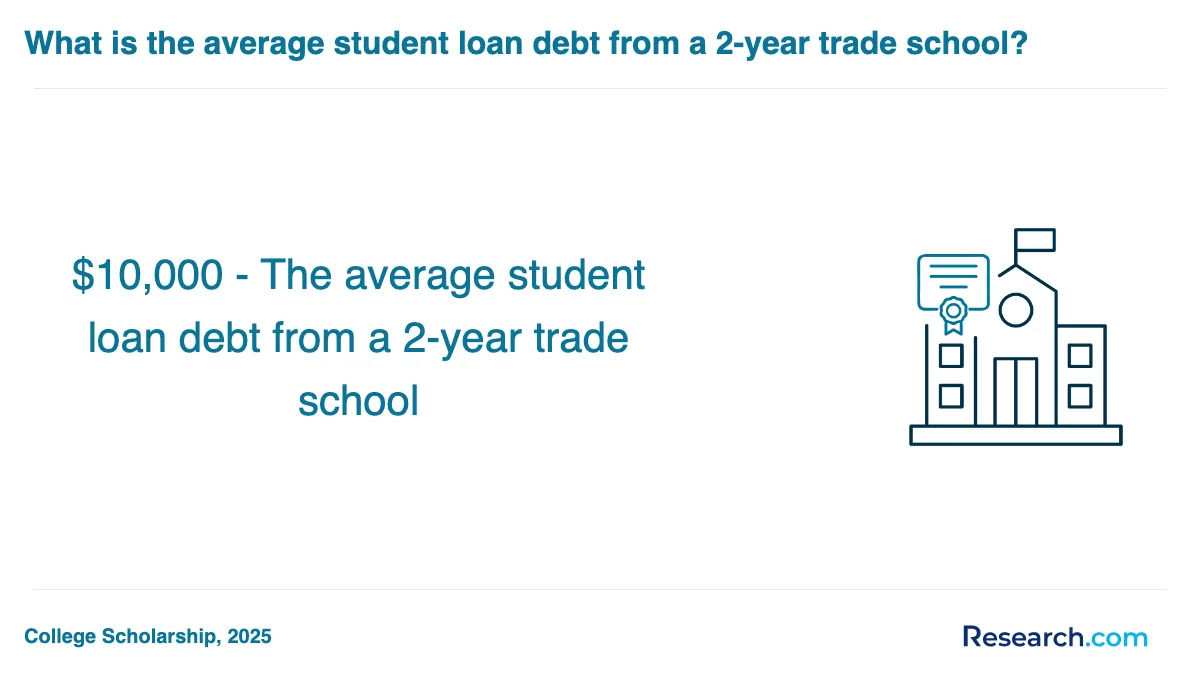
Trade school programs in Grand Rapids typically include courses that balance classroom instruction with hands-on practice, ensuring graduates feel confident and job-ready. For instance, graduates from Kent Career Technical Center often highlight how courses like Automotive Maintenance & Servicing and Pharmacy Technician allowed them to apply real-world skills in lab settings and internships, making classroom concepts come alive. Many find the mix of theory and practice especially motivating.
Popular course areas include:
- Healthcare programs: Phlebotomy and healthcare administration courses at institutions like Grand Rapids Community College (GRCC) equip students with precise skills needed for fast-growing medical support roles.
- Manufacturing and industrial technology: Lean Manufacturing Practitioner and Quality Certificate courses offer practical training that prepares students to optimize processes in local industries.
- Business and marketing: Programs in business management and project management help develop versatile skills relevant across many sectors.
Graduates often mention the accessibility of these programs, noting flexible timelines and financial aid options as crucial in facilitating their success.
Trade school programs in Grand Rapids offer a wide range of specializations tailored to real-world career opportunities. Many graduates praise hands-on training in construction trades such as Carpentry, Plumbing, and Sprinkler Fitting available through institutions like the West Michigan Construction Institute (WMCI). These programs provide nationally portable certifications and blend classroom learning with practical experience, making the transition to employment smoother.
Healthcare and manufacturing sectors also attract students seeking stable careers. Grand Rapids Community College (GRCC) supports this demand with programs in Medical Assistant, Welding, and automotive mechanic training programs. Graduates often highlight how such programs equip them with industry-relevant skills that employers value.
For those wanting to merge trade skills with business knowledge, Davenport University's Bachelor of Applied Science in Applied Business accepts credits from numerous trades, reflecting a thoughtful pathway for career advancement. Additionally, Michigan Career & Technical Institute (MCTI) offers specialized programs for students with disabilities, emphasizing inclusivity while aligning training with job market trends.
- Carpentry, Plumbing, Sprinkler Fitting certifications with NCCER accreditation
- Medical Assistant and Welding specializations
- Automotive Technician, Computer Support Technician, Machinist/CNC Technician, Residential Construction
- Bachelor's degree pathways combining trade expertise with business skills
- Technical training for individuals with disabilities tailored to industry demands
Choosing the best trade school programs Grand Rapids involves more than just comparing course offerings. Graduates from Grand Rapids Community College praise its experienced faculty and modern facilities, which create an encouraging learning environment that feels relevant to real industries. Many highlight how hands-on practice and strong student support helped them gain confidence and practical skills before entering the workforce.
Accreditation plays a vital role too. For example, those attending programs partnered with the West Michigan Construction Institute often mention how NCCER certification boosted their resumes and opened doors to steady jobs. When you compare trade school costs Grand Rapids, be sure to balance affordability with the quality of instruction and available student resources to avoid missing crucial benefits.
Exploring options such as Harmel Academy or Kent Career Technical Center illustrates the diversity in program focus and structure, which many find motivating as they tailor their training to specific career goals. For an added edge, consider online opportunities including low cost home remodeling and repair courses online to supplement your local education while managing expenses.
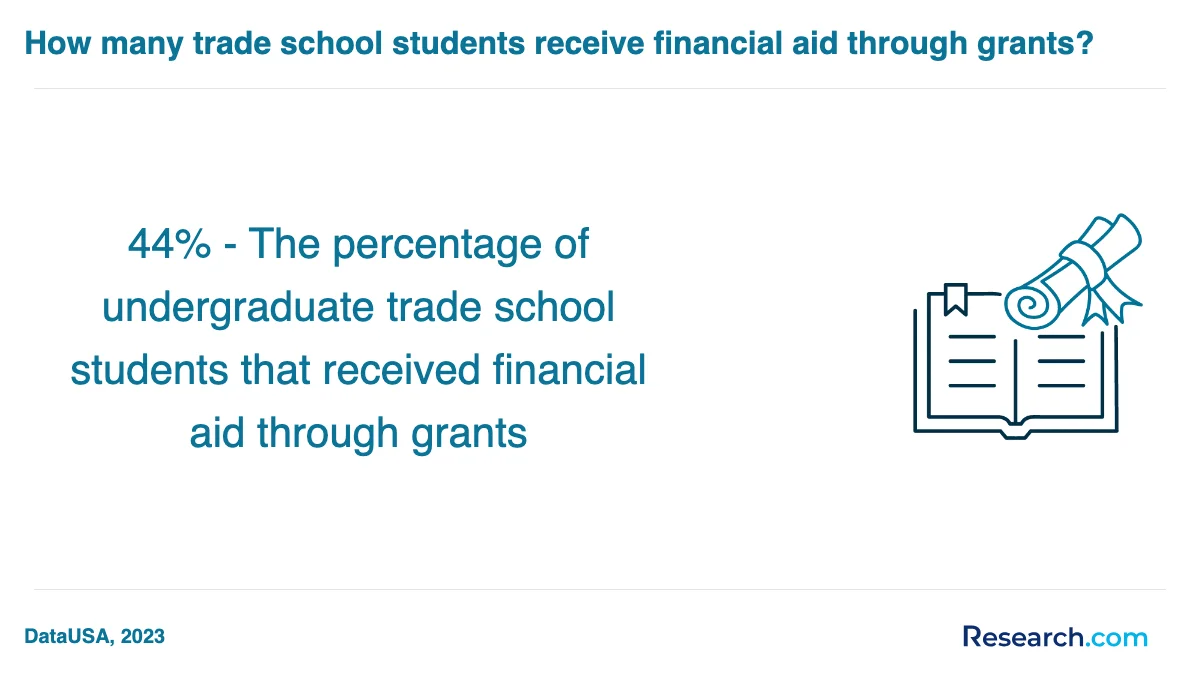
Trade school graduates in Grand Rapids find diverse career opportunities that respond well to the city's evolving job market. For those interested in construction trades, roles like carpenter, plumber, or fire sprinkler system installer offer practical, hands-on work backed by programs such as those at the Greater Michigan Construction Academy. Graduates repeatedly share how these programs blend classroom theory with real-world skills, making them confident to step directly into the workforce.
Healthcare is another thriving path. The Medical Assistant Registered Apprenticeship Program (MARAP) available locally provides a paid, year-long experience that increases chances of employment in clinics and hospitals. This pathway illustrates how career opportunities for trade school graduates in Grand Rapids extend into vital community roles, with reported satisfaction from apprentices appreciating both income and skill acquisition.
Other promising fields include manufacturing, automotive technology, and IT, with Grand Rapids Community College notably preparing students with practical training and exposure to current technologies. Graduates often emphasize how this focus on job readiness aligns with high-demand skilled trades jobs Grand Rapids needs today. Some even pursue credentials from specialized institutes like MCTI, which opens additional doors in business and industrial sectors.
Many alumni highlight that knowing the average salary after trade school helps them set informed career goals as they explore these high-demand options.
The job market for trade school graduates in Grand Rapids is notably strong and full of promise, especially for those who complete programs at popular local institutions like Grand Rapids Community College. Graduates frequently report quick hires in roles such as welders, CNC operators, and maintenance technicians, reflecting a consistent employer demand tied directly to the city's industrial and manufacturing focus. Those entering the skilled trades employment opportunities Grand Rapids offer often find competitive wages and job stability, making the decision to study locally a confident investment.
Graduates describe gaining hands-on experience in logistics and warehouse management training that aligns perfectly with the booming e-commerce sector, opening doors to positions like forklift operators or warehouse supervisors. The high demand also extends to emerging fields such as green manufacturing and renewable energy, where expertise taught in local programs creates a gateway to steady, rewarding careers.
Key points for prospective students include:
- Over 100 active entry-level job listings for trade roles in Grand Rapids
- Median wages meeting or exceeding regional averages
- Training programs that match employer needs and local industry growth
For those looking to explore specialized certifications with affordable options, consider the most affordable floor installer certification online, which can complement local credentials and broaden employment prospects in this robust job market.
Most Affordable Trade School & Training Programs - Leading Certification Courses in Grand Rapids for 2026
# 1 position
Grand Rapids Community College - Welding Technology/Welder.
associateGrand Rapids Community College offers a Welding Technology/Welder program designed to equip students with technical skills in various welding methods, including arc welding, resistance welding, and brazing. The hybrid program features instruction in welding metallurgy, safety, and applicable codes. Annual in-state tuition is $4,059. Graduates have median earnings of $50,089 one year after completion. The program is accredited by the Higher Learning Commission.
# 2 position
Grand Rapids Community College - Criminal Justice/Police Science.
associateGrand Rapids Community College offers a Criminal Justice/Police Science program in a hybrid format with some distance-education options. The program trains students in key law enforcement skills such as patrol, investigations, traffic and crowd control, evidence management, and crime prevention. Annual in-state tuition is $4,059. Graduates earn a median salary of $48,049 one year after completion. The program is accredited by the Higher Learning Commission.
# 3 position
Grand Rapids Community College - Dental Assisting/Assistant.
associateThe Dental Assisting/Assistant program at Grand Rapids Community College offers a hybrid format with some distance-education options. It prepares students to provide patient care, take dental radiographs, assist chairside, and manage office administrative tasks under supervision. Instruction includes medical record-keeping, scheduling, equipment sterilization, and supervised practice. The program's annual in-state tuition is $4,059, and median earnings one year after completion are $45,543. It is accredited by the Higher Learning Commission.
# 4 position
Grand Rapids Community College - Business Administration and Management, General.
associateGrand Rapids Community College offers a hybrid Business Administration and Management, General program that prepares students to plan, organize, direct, and control organizational functions. The curriculum includes management theory, human resources, accounting, purchasing, logistics, marketing, and business decision-making. Annual in-state tuition is $4,059. Graduates earn a median income of $41,712 one year after completing the program. The program is accredited by the Higher Learning Commission.
# 5 position
Grand Rapids Community College - Computer Systems Networking and Telecommunications.
associateGrand Rapids Community College offers a hybrid program in Computer Systems Networking and Telecommunications. The program covers design, implementation, and management of computer systems and networks, including operating systems, networking theory, security, and troubleshooting. Students learn to function as network specialists and managers. Annual in-state tuition is $4,059. The program is accredited by the Higher Learning Commission.
# 6 position
Grand Rapids Community College - Heating, Air Conditioning, Ventilation and Refrigeration Maintenance Technology/Technician.
associateGrand Rapids Community College offers a hybrid program in Heating, Air Conditioning, Ventilation and Refrigeration Maintenance Technology/Technician. This program prepares students to repair, install, service, and maintain heating, air conditioning, and refrigeration systems. Instruction covers diagnostic techniques, testing equipment use, and principles of mechanics, electricity, and electronics related to these systems. Annual in-state tuition is $4,059. The program is accredited by the Higher Learning Commission.
# 7 position
Grand Rapids Community College - Industrial Mechanics and Maintenance Technology/Technician.
associateGrand Rapids Community College offers a hybrid program in Industrial Mechanics and Maintenance Technology/Technician designed to prepare students to repair and maintain industrial machinery and equipment, including cranes, pumps, engines, and conveyor systems. The program is accredited by the Higher Learning Commission. Annual in-state tuition is $4,059, providing a cost-effective option for students seeking technical skills in this field.
# 8 position
Grand Rapids Community College - Automobile/Automotive Mechanics Technology/Technician.
associateThe Automobile/Automotive Mechanics Technology/Technician program at Grand Rapids Community College offers hybrid instruction focused on repairing, servicing, and maintaining various automobile systems. Topics include brake systems, electrical systems, engine performance and repair, suspension and steering, transmissions, and heating and air conditioning. The program is accredited by the Higher Learning Commission. Annual in-state tuition is $4,059, and median earnings one year after completion are $37,927.
# 9 position
Grand Rapids Community College - Accounting.
associateThe Accounting program at Grand Rapids Community College offers a hybrid format, combining in-person and distance learning. It prepares students for accounting careers through comprehensive instruction in accounting principles, financial and managerial accounting, auditing, tax accounting, and business information systems. The program is accredited by the Higher Learning Commission. Annual in-state tuition is $4,059, and graduates earn a median income of $35,538 one year after completion.
# 10 position
Grand Rapids Community College - Accounting Technology/Technician and Bookkeeping.
associateGrand Rapids Community College offers a hybrid Accounting Technology/Technician and Bookkeeping program designed to prepare students for technical administrative roles in accounting. The curriculum covers posting transactions, record-keeping systems, accounting software, and general accounting principles. Annual in-state tuition is $4,059. Graduates typically earn a median salary of $35,538 one year after completion. The program is accredited by the Higher Learning Commission.
Frequently Asked Questions about trade school programs
After completing a trade school program in Grand Rapids, preparing for the job market begins with building a strong professional network. Local employers often value personal connections made through internships and job fairs hosted by trade schools. According to Michigan's Bureau of Labor Market Information, the city's skilled trades sector is expected to grow by 7% through 2028, signaling increasing demand for qualified workers.
Acquiring industry-recognized certifications beyond your diploma can boost employability. Many trade schools in Grand Rapids help students obtain licensure in fields like HVAC, welding, or electrical work, which employers highly regard.
Further, graduates should develop soft skills such as communication and problem-solving, often emphasized in employer surveys conducted by the Grand Rapids Chamber of Commerce.
Staying updated on local labor market trends and utilizing school career services enhances job prospects in this competitive environment.
Employers in Grand Rapids highly value trade school graduates who demonstrate strong technical skills related to their specific trade. For example, proficiency in HVAC systems, welding techniques, or electrical troubleshooting is often cited as essential. According to the Michigan Department of Labor, over 70% of local employers prioritize hands-on experience combined with relevant certifications.
Besides technical ability, soft skills such as effective communication, problem-solving, and teamwork are critical. Surveys by the National Association of Manufacturers show that 85% of employers look for candidates who can collaborate well in diverse work environments.
Finally, adaptability and a willingness to continue learning emerge as key traits, especially as technology evolves rapidly across trades nationwide.
Finding internships in Grand Rapids that align with your trade school program involves several strategic steps. Start by connecting with your school's career services; many community colleges and trade schools in the area maintain partnerships with local employers.
Additionally, explore opportunities through the West Michigan Works! agency, which supports workforce development and frequently lists internships in skilled trades such as manufacturing, HVAC, and automotive repair.
Networking at local industry events and job fairs can also be effective. According to the Grand Rapids Chamber of Commerce, trade sectors in the region are growing, with over 2,000 new jobs expected in skilled trades by 2027.
Online platforms like Michigan Talent Connect further aggregate local internship openings specific to technical fields.
A trade school diploma in Grand Rapids significantly enhances career mobility and advancement opportunities for graduates. According to data from the Michigan Department of Labor and Economic Opportunity, vocational certifications often lead to faster employment compared to traditional four-year degrees, with many graduates entering fields like advanced manufacturing, healthcare, and construction.
Employers in Grand Rapids frequently prioritize practical skills, making trade school diplomas highly valued. Graduates report average salary increases between 15% and 30% within two years after completion, supported by programs at local institutions such as Grand Rapids Community College.
This credential also facilitates upward movement within trades, enabling workers to access supervisory or specialized technical roles. Additionally, trade school diplomas reduce barriers for adults seeking career changes or reentry into the local workforce, contributing to improved economic stability.
Part-time job opportunities in Grand Rapids that complement trade school education often align with hands-on skills gained in programs such as automotive technology, HVAC, or welding. Many students find positions as apprentices, assistants, or technicians in local businesses. For example, automotive repair shops commonly hire part-time mechanics or service aides, allowing students to apply classroom knowledge practically while earning income.
According to the Michigan Department of Labor, trade-related part-time roles in Grand Rapids typically offer hourly wages ranging from $12 to $18, providing valuable experience and financial support.
Additionally, roles in construction sites, electrical companies, or local manufacturing plants provide opportunities to develop technical skills and industry contacts.
Flexible schedules at retail hardware stores or supply warehouses can also help students balance work and study effectively.
To choose the most affordable degree program near you in Grand Rapids, MI, start by researching local community colleges and public universities as they often offer competitive tuition rates. Consider financial aid options like scholarships, grants, and work-study programs available through the institutions near Grand Rapids, MI. Additionally, utilizing resources such as Research.com can help compare programs and find one that matches both your educational goals and budget needs "near me."
- Most Affordable Trade School & Training Programs - Leading Certification Courses in Dearborn for 2026
- Most Affordable Trade School & Training Programs - Leading Certification Courses in Overland Park for 2026
- Most Affordable Trade School & Training Programs - Leading Certification Courses in Olathe for 2026
- Job Training Programs | Grand Rapids Community College https://www.grcc.edu/schools-departments/school-workforce-training/job-training-programs
- Technical and Trade Schools - East Grand Rapids High School https://egrhs.egrps.org/school-information/counseling/technical-and-trade-schools
- West Michigan Construction Institute - Skilled Trades School https://www.wmcinstitute.com/
- Home - Harmel Academy of the Trades https://www.harmelacademy.org/
- About KCTC - Kent Career Technical Center https://www.thetechcenter.org/aboutkctc/
- Training and Career Services - Goodwill of Greater Grand Rapids https://www.goodwillgr.org/training-and-career-services/





