Most Affordable Trade School & Training Programs - Leading Certification Courses in Chicago for 2026

Co-Founder and Chief Data Scientist
Choosing a Chicago trade school in 2026 comes down to three practical questions: Which program leads to the job you want, how much will it cost, and how quickly can you start earning? The most affordable option is not always the cheapest sticker price; it is the program that combines reasonable tuition, credible training, employer connections, licensure or certification preparation, and support that helps you finish.
This guide focuses on affordable trade school options in Chicago for students pursuing certificates, diplomas, apprenticeships, and other career-focused credentials. It is designed for recent high school graduates, working adults changing careers, parents comparing flexible schedules, and anyone who wants a faster route into skilled work without committing to a four-year degree.
The featured trade school programs ranking was developed by the Research.com team of data scientists to help readers compare options with more confidence. Below, you will find practical guidance on costs, timelines, admissions requirements, financial aid, online versus campus formats, common specializations, job outcomes, and salary expectations in the Chicago market.
Key benefits of finishing trade school programs trade school in Chicago
Finishing a trade school program in Chicago can be a strong career move for students who want focused training, shorter completion times, and a clearer link between school and employment. The best programs combine classroom instruction with lab work, clinical practice, shop training, apprenticeships, or employer-connected experience.
- Expected salary: Trade school graduates in Chicago can earn between $48,900 and $79,000 annually. Some skilled workers, including union electricians, can make over $100,000, especially after completing apprenticeships, earning licenses, and gaining field experience.
- Popular career paths: Common routes include electrician, HVAC technician, construction manager, elevator installer, automotive technician, welder, medical assistant, and other hands-on occupations tied to local employer demand.
- Online diploma benefits: Online trade school certification can make training easier to fit around work, caregiving, or transportation limits. For fields that require hands-on skills, online coursework is usually paired with labs, externships, simulations, or local practice requirements.
The main advantage is speed. Many trade programs are built around job-ready competencies instead of broad general education requirements. That can reduce time in school and help students begin earning sooner, although some trades still require apprenticeships, state licensing, or industry exams after graduation.
- Most Affordable Trade School & Training Programs - Leading Certification Courses in Chicago for 2026
- What can I expect from trade school programs trade schools in Chicago?
- Where can I work after finishing trade school programs trade schools in Chicago?
What can I expect from trade school programs trade schools in Chicago?
Trade school programs in Chicago are typically career-specific, skills-based, and shorter than traditional degree programs. Students should expect a direct connection between coursework and job tasks, whether they are learning HVAC diagnostics, automotive systems, welding processes, medical office procedures, construction safety, or IT support fundamentals.
Costs commonly fall between $5,000 and $15,000, depending on the trade, school type, credential length, equipment requirements, and whether the program includes exam preparation or placement support. A short certificate may cost less and lead to entry-level work quickly, while a longer program may provide broader training, more lab time, and stronger preparation for certification or advancement.
Many Chicago programs offer schedules built for working adults. Evening, weekend, hybrid, and accelerated formats are common in fields where students may already be employed or supporting a family. Some programs can last only a few months. For example, a 12-week HVAC certification may involve 180 hours of practical training in industry-standard labs.
Strong programs usually include several forms of support:
- Hands-on labs, shops, clinics, or simulation environments
- Instruction from professionals with current or recent industry experience
- Preparation for safety credentials, licensing steps, or certification exams
- Resume help, mock interviews, and job search coaching
- Connections to apprenticeships, employers, externships, or union pathways
Before enrolling, ask exactly what the published cost includes. Tools, uniforms, exam fees, background checks, immunizations, transportation, and books can change the true cost of attendance.
Where can I work after finishing trade school programs trade schools in Chicago?
After completing a Chicago trade school program, graduates can work across construction, transportation, healthcare, manufacturing, beauty services, automotive repair, building maintenance, and related industries. The best fit depends on the credential, required licensing, hands-on hours, and the type of employer connection the school provides.
Construction-focused graduates often pursue roles with contractors, subcontractors, facilities teams, public infrastructure projects, residential service companies, or apprenticeship programs. Electricians, HVAC technicians, plumbers, welders, and construction support workers may find opportunities with both large firms and smaller specialized businesses serving Chicago neighborhoods and suburbs.
Automotive technology graduates may work in independent repair shops, dealerships, fleet maintenance operations, diesel service centers, or parts and service departments. Entry-level workers often begin with inspections, diagnostics support, routine service, or assistant technician roles before moving into more complex repair work.
Healthcare support graduates can seek employment in clinics, hospitals, outpatient centers, laboratories, long-term care settings, and physician offices. Medical assistants, phlebotomy technicians, nursing assistants, and pharmacy support workers generally need strong professionalism, patient communication, and attention to compliance requirements.
Cosmetology, barbering, and beauty graduates may work in salons, spas, barbershops, freelance settings, or eventually their own businesses. In these fields, licensure, client-building, scheduling flexibility, and local reputation can matter as much as the initial credential.
Earnings after trade school in Chicago vary by occupation, credential, union status, license, experience, overtime, and employer type. A graduate entering an apprentice or assistant role will usually earn less at first than a licensed or fully certified worker with several years of experience.
One example from the original salary information is a plumbing program graduate earning around $44,000 annually right after finishing. That level reflects an early-career or apprentice-stage wage, but skilled trades can offer meaningful growth as workers complete supervised hours, pass licensing exams, gain specialized certifications, or move into lead roles.
More experienced or certified workers in fields such as electrical and HVAC report average salaries nearing $76,000 a year, or roughly $36 per hour. Hourly rates can vary significantly, from about $17 per hour for assistant roles to over $34 for advanced positions such as project engineers.
- Early-career pay: Often strongest for students who enter apprenticeships, union pathways, or high-demand technical roles.
- Mid-career growth: Usually depends on credentials, reliability, troubleshooting ability, and jobsite experience.
- Higher-earning potential: Often comes from licensure, overtime, specialization, supervision, self-employment, or union membership.
When comparing programs, ask for recent graduate wage ranges by occupation rather than a single average. A broad salary number can hide major differences between entry-level assistants, apprentices, licensed technicians, and experienced supervisors.
- Most trade schools in Chicago require a high school diploma or GED. Some also require a valid driver's license, official transcripts, attendance at an information session, or program-specific documentation.
- The application process is usually more direct than a four-year college application. Many schools do not require prior experience or a minimum GPA, although some selective programs may require recommendation letters, a lottery selection process, test scores, or additional screening.
- Tuition costs typically range from $5,000 to $20,000. Financial aid, scholarships, grants, and school-based support may help reduce out-of-pocket costs for eligible students.
- Trade school programs usually take from a few months up to two years, making them a faster path to employment than traditional four-year degrees for students who are ready to enter a specific occupation.
- Entry-level wages for trade graduates such as electricians and plumbers range from $40,000 to $55,000 annually. Experienced workers can earn $70,000 or more, especially in union jobs or advanced technical roles.
- Many programs provide job placement support, including employer introductions, apprenticeship connections, resume help, interview coaching, and access to local industry networks.
Most Chicago trade school programs can be completed in two years or less, but the exact timeline depends on the occupation, credential level, schedule, and whether apprenticeship hours are required after classroom training. Short certificates can prepare students for entry-level work quickly, while associate-level or apprenticeship pathways take longer but may lead to stronger long-term earning potential.
At Universal Technical Institute, examples include Automotive Technology and Robotics & Automation programs that wrap up in 51 weeks, while Welding Technology takes 36 weeks. These timelines are attractive for students who want concentrated technical training and a faster transition into the workforce.
Other Chicago training options are even shorter. Chicago Women in Trades offers intensive 12-week courses that prepare students for union apprenticeships. These programs are not the same as completing an apprenticeship; rather, they can help students become stronger candidates for one.
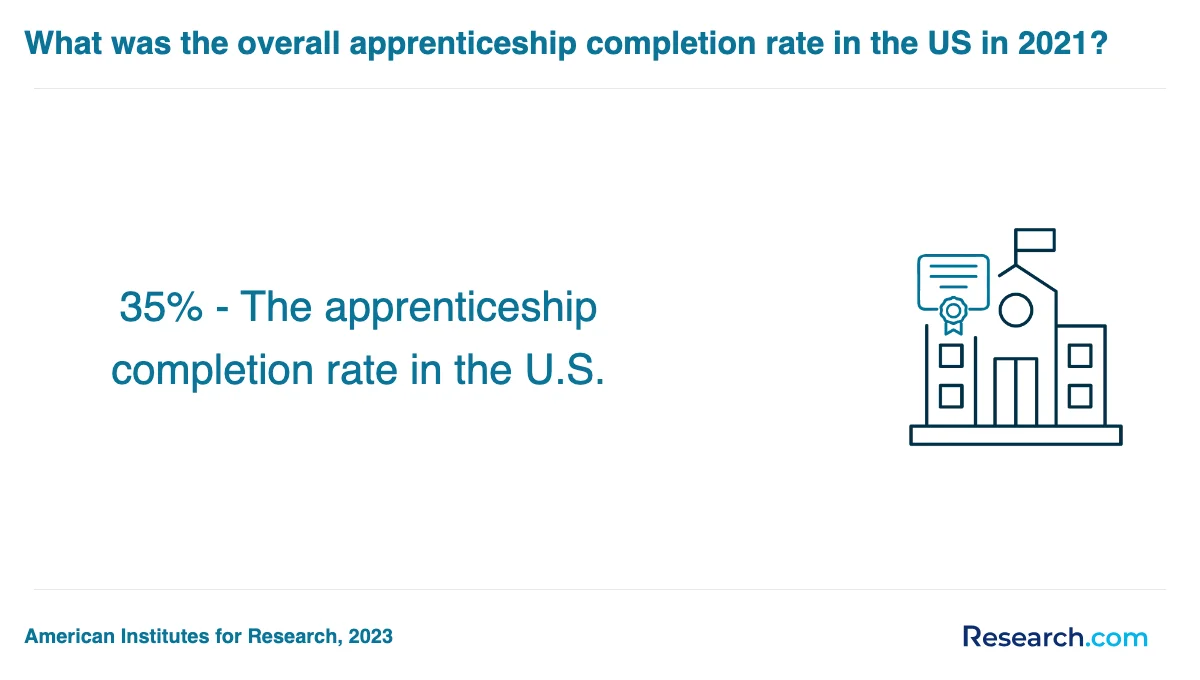
Apprenticeships require a larger time commitment. Many last two to five years and combine classroom learning with paid on-the-job experience. Some can total up to 8,000 hours. For students who can commit to the process, apprenticeships may provide one of the clearest routes into licensed and higher-paying skilled trades.
High school students may have additional options. Chicago Builds provides two years of construction training combined with academics and can lead to industry certifications. For younger students, this can reduce the gap between high school and career training.
The main difference is how students complete theory coursework and hands-on training. Online trade programs are usually better for flexible lecture-based content, while on-campus programs are often stronger for skills that require tools, labs, equipment, live supervision, or direct practice.
Online programs can work well for students who need to study around a job, family responsibilities, or long commute times. They may reduce transportation and campus-related costs. However, students in hands-on fields should confirm how practical requirements are completed. Automotive, HVAC, healthcare, welding, cosmetology, and many construction trades cannot be learned fully through videos or readings alone.
On-campus programs provide direct access to instructors, equipment, classmates, and structured lab time. This format can be especially useful for beginners who need immediate feedback, supervised repetition, and confidence using industry tools. The trade-off is less schedule flexibility and possible commuting costs.
- Choose online or hybrid if: You need flexibility, can manage independent study, and the program has a clear plan for labs, externships, or local hands-on requirements.
- Choose on-campus if: The trade requires extensive equipment, you learn best through demonstration, or you want frequent instructor feedback.
- Ask before enrolling: Where will hands-on hours happen, who supervises them, and are they included in tuition?
Both formats may offer federal financial aid options if the school and program are eligible. Format alone does not guarantee quality, so students should compare accreditation, completion support, employer connections, and total cost.
The average cost of trade school in Chicago depends heavily on school type, program length, and field of study. Public trade schools generally charge between $3,000 and $8,000 for tuition alone, while private trade schools can average between $10,000 and $25,000.
Specialized programs may cost more because they require advanced equipment, smaller lab groups, tools, or industry-specific facilities. For example, some aviation maintenance programs at well-known Chicago institutions can reach net prices around $24,350.
Students should budget beyond tuition. Books, materials, tools, uniforms, technology, exam fees, licensing fees, and equipment can add $1,000 to $6,000 on top of tuition. These costs are especially important in fields such as automotive technology, welding, cosmetology, healthcare, and construction trades.
| Cost category | Typical amount stated | What to check before enrolling |
| Public trade school tuition | $3,000 to $8,000 | Whether fees, books, and tools are included |
| Private trade school tuition | $10,000 to $25,000 | Whether the higher cost includes placement support or certification preparation |
| Additional materials and equipment | $1,000 to $6,000 | Required tools, uniforms, exam fees, and supplies |
| Overall trade school program range | $5,000 to $20,000 | Net price after grants, scholarships, and aid |
To compare programs fairly, use net cost rather than tuition alone. Net cost includes tuition, fees, supplies, transportation, lost work time, and aid you do not have to repay. Students considering appliance repair pathways can also review affordable appliance repair online training to compare flexible options that may reduce commuting and scheduling barriers.
Financial aid for Chicago trade school students may include federal grants, Illinois grants, scholarships, work-study, loans, employer support, and school-based awards. Eligibility depends on the school, program, enrollment status, income, residency, citizenship status, and whether the program qualifies for aid.
The first step is usually completing the FAFSA each year. This application can determine eligibility for federal and state aid. The Federal Pell Grant can provide up to $7,395 per year and does not need to be repaid if students meet the program requirements.
Illinois students may also qualify for the Monetary Award Program (MAP) Grant, which can contribute up to $8,400 toward tuition at eligible state trade institutions. Because grant funding can be limited, students should apply early and respond quickly to any document requests.
Other options may include federal student loans, but loans should be used carefully because they must be repaid. The Federal Work-Study Program may help students earn money while gaining experience, if available through the institution. Some Chicago schools also award scholarships, including institutions awarding over $10 million annually to support students.
- Complete the FAFSA as early as possible.
- Ask whether your specific certificate, diploma, or program is aid-eligible.
- Compare grants and scholarships before using loans.
- Request a written cost breakdown that separates tuition, fees, books, tools, and exam costs.
- Ask whether employer reimbursement, union sponsorship, or apprenticeship funding is available.
Most Chicago trade school programs require a high school diploma or GED. This baseline requirement shows that applicants are prepared for career training and can handle the reading, math, safety, and technical instruction required in many trades.
Some programs also ask for official transcripts, a valid driver's license, proof of age, immunization records, background checks, placement testing, or attendance at an information session. Requirements vary by field. Healthcare, transportation, and construction programs often have stricter screening than general introductory certificates.
For current high school students, programs such as Chicago Builds require applicants to be juniors or seniors in a Chicago Public School. Students may need to attend an information session and submit a recommendation from someone outside their family.
Additional common prerequisites include:
- A minimum 3.0 GPA for competitive health science tracks.
- Optional ACT or SAT scores for some selective certificate or associate degree programs.
- Proof of employment or industry experience for advanced certificates.
- English proficiency for non-native speakers, although this may be waived if schooling was completed in English.
- Physical ability requirements for trades involving lifting, standing, climbing, tools, or field work.
Before applying, ask the admissions office whether requirements affect only admission or also future licensing and employment. For example, a program may admit students, but employers or licensing boards may still require background checks, drug screening, driving records, or health documentation.
Typical Chicago trade school courses focus on practical skills, safety, tools, technical systems, and workplace readiness. The exact curriculum depends on the field, but most programs combine theory with applied practice so students can move from classroom concepts to jobsite or clinical tasks.
Construction and skilled trade programs may include carpentry, electrical systems, HVAC, welding, blueprint reading, construction math, jobsite safety, and preparation for credentials such as OSHA 10 Construction and NCCER. Students in these programs often spend significant time in labs or simulated work environments.
Automotive and diesel technology programs, including those at campuses such as Universal Technical Institute, may cover engine repair, diagnostics, electrical systems, brakes, transmissions, emissions, diesel systems, and advanced electronics. These programs often prepare students for ASE certification exams and can last about nine months to a year.
- Manufacturing technology students at Symbol Training Institute may train on CNC machines and related production equipment.
- City Colleges of Chicago offer courses in IT, health sciences, and manufacturing, with options that may last from one semester to two years.
- Healthcare programs often cover anatomy basics, patient care, medical terminology, clinical procedures, privacy rules, and certification preparation.
- Career readiness courses may include resume development, interview practice, workplace communication, and employer expectations.
A strong course plan should show not only what students learn, but how those skills are assessed. Look for programs that include practical exams, supervised labs, externships, portfolio work, or certification-aligned competencies.
Chicago trade schools offer specializations across healthcare, construction, manufacturing, transportation, technology, beauty, hospitality, and business. The right specialization should match your career goal, physical work preferences, schedule, licensing requirements, and tolerance for additional apprenticeship or certification steps.
- Health sciences: Medical assistant, phlebotomy, and EMT programs prepare students for patient-facing or clinical support roles in Chicago's healthcare market.
- Information technology: Networking, game programming, and web development pathways can lead to technical support, entry-level development, or systems roles.
- Skilled trades: Carpentry, electrical systems, HVAC, and welding combine classroom instruction with labs and tool-based practice.
- Manufacturing and engineering: Machine technology, pre-engineering, CNC training, and apprenticeship-connected programs support local industrial employers.
- Service and creative fields: Culinary arts, hospitality, cosmetology, and barbering can suit students who want client-facing or business-oriented careers.
- Transportation: Automotive technology and diesel mechanics prepare students for repair, diagnostics, and maintenance roles.
- Business fields: Business, accounting, and entrepreneurship programs may support office careers, small business ownership, or advancement into management.
Some specializations include industry-recognized credentials. Welding students, for example, may train in processes such as SMAW and GTAW. Culinary students may pursue food safety credentials. Construction students may earn safety certifications that employers expect on job sites.
Students who want an additional practical skill outside a main campus-based program may compare cheapest online landscaping classes. Online add-ons can be useful for broadening skills, but they should not replace required hands-on training when a trade depends on supervised practice.
The best Chicago trade school program is the one that prepares you for a specific job at a cost and schedule you can realistically complete. Start by confirming accreditation, program approval, and whether the credential is recognized by employers, licensing boards, unions, or certification agencies in your field.
Next, compare the curriculum against the job you want. A strong HVAC, welding, automotive, healthcare, or construction program should show exactly which skills are taught, how much hands-on training is included, and which credentials or exams the program prepares students to take. Employer partnerships, apprenticeship connections, and lab quality matter more than marketing language.
Use the following checklist before enrolling:
- Accreditation and approval: Is the institution accredited, and is the specific program recognized for your career path?
- Total cost: What is the full price after tuition, tools, fees, books, exams, and transportation?
- Completion timeline: Can you finish the program while managing work, family, and commuting?
- Hands-on training: How many lab, shop, clinical, externship, or apprenticeship-connected hours are included?
- Career outcomes: What jobs do recent graduates get, and what wages do they report?
- Student support: Does the school provide tutoring, career counseling, resume help, mock interviews, and job placement support?
- Licensure or certification: Does graduation qualify you to sit for required exams, or are additional hours needed?
Flexibility is important, especially for working adults. Evening, weekend, hybrid, and part-time schedules can make training possible without giving up income. However, a flexible program still needs enough hands-on practice to build real competency.
To align a program with the local labor market, review what are trade jobs and compare occupations by duties, work environment, training requirements, and advancement potential.

Career paths for Chicago trade school graduates span hands-on trades, healthcare support, manufacturing, transportation, technology, legal support, beauty, and business operations. The most direct paths are usually those where the program prepares students for a defined role, certification, apprenticeship, or employer pipeline.
Construction and building trades remain major options. Graduates may pursue electrician, plumber, HVAC technician, welder, carpenter, and related roles. Programs connected to Chicago Women in Trades and apprenticeships such as the Chicago Urban League's CONSTRUCT can help students prepare for union and non-union opportunities in the city's construction market.
Healthcare is another common route. Nursing assistant, phlebotomist, pharmacy technician, and medical assistant programs can often be completed within a year and may lead to work in hospitals, clinics, laboratories, and outpatient settings.
- Manufacturing: CNC machine operator, industrial mechanic, production technician, and machine technology roles.
- Technology: IT support, network administration, and software development pathways.
- Transportation: Auto mechanic, diesel technician, and truck driving careers.
- Legal and office support: Paralegal, human resources, business, and accounting roles.
- Personal services: Cosmetology, barbering, and beauty-related careers.
Students interested in beauty careers can compare cheap cosmetology schools with online courses, especially if they need a more flexible schedule. Because cosmetology and barbering are licensed fields, applicants should verify that any online component still meets required practical training and state rules.
The job market for trade school graduates in Chicago is supported by demand in construction, transportation, healthcare services, manufacturing, maintenance, and technical support. Employers in these fields often need workers who can perform practical tasks immediately and continue building skills on the job.
Construction is a key example. Construction jobs in the Chicago-Naperville-Schaumburg area increased by 4,500 in 2025, creating opportunities for graduates trained in electrical work, HVAC, residential construction, welding, and related trades. Infrastructure work, building maintenance, renovation, and service-based repair needs can all support continued demand for skilled workers.
Transportation and mechanical fields also provide steady opportunities for automotive, diesel, and commercial driving graduates. Healthcare support roles can offer stable employment because clinics, hospitals, laboratories, and long-term care providers need trained support staff.
Employment outcomes vary by program and occupation. Some graduates secure competitive salaries, with some reporting annual incomes around $145,000 in private-sector roles. Students should treat high-end salary examples as possible outcomes rather than guarantees, since earnings depend on experience, specialization, overtime, employer type, and credentials.
- Consistent job growth in major Chicago trade sectors
- Strong employer demand for practical skills
- High salaries compared to national averages in some trade roles
- Projected trade school enrollment growth of 6.6% through 2030
For students comparing formats beyond local campuses, reviewing the best online trade schools can help identify flexible options that still align with Chicago-area career goals.
Most Affordable Trade School & Training Programs - Leading Certification Courses in Chicago for 2026
# 1 position
City Colleges of Chicago-Wilbur Wright College - Information Technology.
associateThe Information Technology program at City Colleges of Chicago-Wilbur Wright College offers a hybrid format with some distance education options. It covers the design of technological information systems, including computer hardware, software, algorithms, databases, telecommunications, and user interface design. The program is accredited by the Higher Learning Commission. Annual in-state tuition is $4,380. Median earnings for graduates one year after completion are $34,691.
# 2 position
City Colleges of Chicago-Wilbur Wright College - Computer Systems Networking and Telecommunications.
associateCity Colleges of Chicago-Wilbur Wright College offers a hybrid program in Computer Systems Networking and Telecommunications. The program trains students in designing, implementing, and managing computer systems and networks, covering operating systems, networking theory, security, and troubleshooting. Annual in-state tuition is $4,380. Graduates have a median earning of $34,691 one year after completion. The program is accredited by the Higher Learning Commission.
# 3 position
City Colleges of Chicago-Wilbur Wright College - Computer and Information Systems Security/Auditing/Information Assurance.
associateThe Computer and Information Systems Security/Auditing/Information Assurance program at City Colleges of Chicago-Wilbur Wright College is offered in a hybrid format with some distance-education options. It prepares students to assess security needs, recommend safeguards, and manage security systems, including auditing and maintenance. The curriculum covers computer architecture, programming, networking, cryptography, risk assessment, and related laws. Annual in-state tuition is $4,380. The program is accredited by the Higher Learning Commission.
# 4 position
City Colleges of Chicago-Wilbur Wright College - Criminal Justice/Safety Studies.
associateCity Colleges of Chicago-Wilbur Wright College offers a Hybrid Criminal Justice/Safety Studies program focusing on the criminal justice system, its organizational components, and legal and public policy contexts. The curriculum includes criminal law, police and correctional systems, administration of justice, judiciary, and public attitudes. The program’s annual in-state tuition is $4,380. It is accredited by the Higher Learning Commission.
# 5 position
City Colleges of Chicago-Wilbur Wright College - Business Administration and Management, General.
associateCity Colleges of Chicago-Wilbur Wright College offers a Business Administration and Management, General program with a hybrid format that includes some distance-education options. The program focuses on preparing students to plan, organize, direct, and control firm functions. Coursework covers management theory, human resources, accounting, logistics, marketing, and business decision-making. The annual in-state tuition is $4,380. The program is accredited by the Higher Learning Commission.
# 6 position
City Colleges of Chicago-Wilbur Wright College - Accounting.
associateThe Accounting program at City Colleges of Chicago-Wilbur Wright College offers a hybrid format with some distance-education options. It prepares students to practice accounting and perform related business functions through instruction in accounting principles, financial and managerial accounting, auditing, tax accounting, and professional ethics. The program is accredited by the Higher Learning Commission. Annual in-state tuition is $4,380.
# 7 position
City Colleges of Chicago-Wilbur Wright College - Legal Assistant/Paralegal.
associateThe Legal Assistant/Paralegal program at City Colleges of Chicago-Wilbur Wright College is a hybrid program offering some distance education. It prepares students for legal research, drafting, investigatory, record-keeping, and administrative tasks under attorney supervision. Instruction covers legal research, document drafting, pleading, courthouse procedures, and legal specializations. The program is accredited by the Higher Learning Commission, has an annual in-state tuition of $4,380, and median earnings of $30,406 one year after completion.
# 8 position
City Colleges of Chicago-Wilbur Wright College - Computer Numerically Controlled (CNC) Machinist Technology/CNC Machinist.
certificate or diplomaThe Computer Numerically Controlled (CNC) Machinist Technology program at City Colleges of Chicago-Wilbur Wright College offers a hybrid format with some distance education options. It trains students to operate CNC machine tools, including lathes and mills, covering setup, programming, operations, and troubleshooting. Instruction includes blueprint reading, technical mathematics, CAD/CAM systems, and safety practices. The program’s annual in-state tuition is $4,380 and it is accredited by the Higher Learning Commission.
# 9 position
City Colleges of Chicago-Malcolm X College - Physical Therapy Assistant.
associateThe Physical Therapy Assistant program at City Colleges of Chicago-Malcolm X College offers a hybrid format with some distance-education options. It prepares students to assist physical therapists by implementing treatment plans, training patients, and recording progress. The program covers applied anatomy, physiology, biomechanics, neuroscience, and professional ethics. Annual in-state tuition is $4,380. Graduates earn a median salary of $37,908 one year after completion. The program is accredited by the Higher Learning Commission.
# 10 position
City Colleges of Chicago-Malcolm X College - Information Technology.
associateCity Colleges of Chicago-Malcolm X College offers a hybrid Information Technology program that covers the design of technological information systems to support business and research data needs. The curriculum includes computer hardware and software principles, algorithms, databases, telecommunications, application testing, user tactics, and human interface design. The program’s annual in-state tuition is $4,380. It is accredited by the Higher Learning Commission.
Frequently Asked Questions about trade school programs
In 2026, Chicago employers value strong technical skills specific to each trade, such as proficiency in digital technologies and mechanical skills. Soft skills like problem-solving, teamwork, and effective communication are also crucial for trade school graduates to succeed in the workplace.
Credentials such as Certified Welding Inspector (CWI), Licensed Practical Nurse (LPN), or HVAC Technician Certification can significantly boost career opportunities post-trade school in Chicago. These certifications signify specific skills and expertise, enhancing employability in their respective fields.
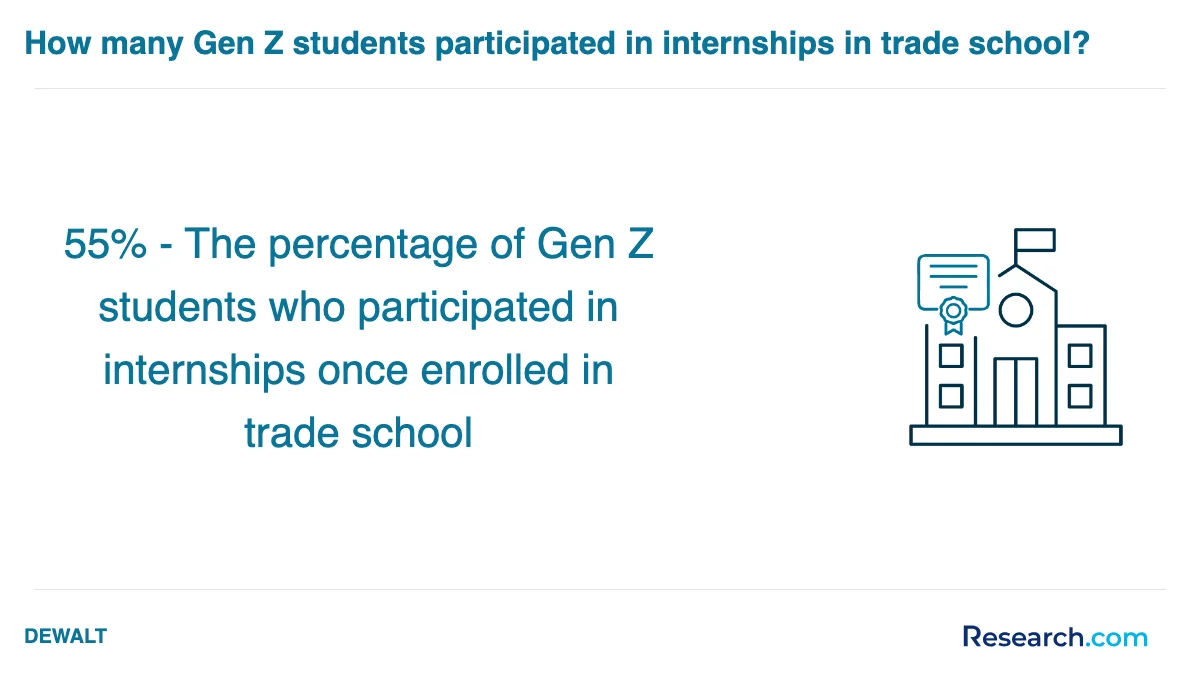
Finding internships in Chicago relevant to your trade school program involves using multiple local resources. Many trade schools in Chicago maintain partnerships with businesses, helping students secure internships aligned with their skills. You should start by consulting your school's career services office, which often provides listings and contacts for employer placements.
Additionally, platforms like the Illinois Department of Employment Security highlight internship opportunities across the city. Chicago's diverse economy-spanning manufacturing, construction, and healthcare-means there are over 5,000 internships reported annually in these industries, according to the Chicago Cook Workforce Partnership.
Networking through local trade unions and professional organizations also helps students access unadvertised internships. Attending job fairs and workshops hosted by community colleges or trade schools can further broaden prospects.
When selecting the most affordable trade schools in Chicago, consider factors like tuition cost, financial aid availability, program duration, and accreditation. It's also important to look at job placement rates, student reviews, and industry connections the school may have, which can significantly affect your career readiness.
To choose an affordable trade school in Chicago for 2026, consider tuition fees, available financial aid, program accreditation, industry reputation, and graduate employment rates. Researching each program’s curriculum and faculty qualifications can also ensure you're investing in a quality education.
- Most Affordable Trade School & Training Programs - Leading Certification Courses in Dearborn for 2026
- Most Affordable Trade School & Training Programs - Leading Certification Courses in Overland Park for 2026
- Most Affordable Trade School & Training Programs - Leading Certification Courses in Olathe for 2026
- Most Affordable Trade School & Training Programs - Leading Certification Courses in Topeka for 2026
- Career and Technical Education (CTE) - City Colleges of Chicago https://www.ccc.edu/menu/career-and-technical-education/
- Trades Pathway | Chicago Hope Academy https://www.chicagohopeacademy.net/trades-pathway
- Job Training Programs | Chicago Public Schools https://www.cps.edu/services-and-supports/college-and-career-planning/learn-plan-succeed/job-training-programs/
- Career and Technical Education | RR Trade School | Join Us Now! https://rrtradeschool.org/
- Midwestern Career College | Career Training http://mccollege.edu/
- Career Pathways - Youth Job Center https://youthjobcenter.org/career-pathways
- Training – Chicago Women in Trades https://cwit.org/training/
- Technical Schools in Chicago Illinois - Per Scholas https://perscholas.org/locations/chicago/