
Most Affordable Trade School & Training Programs - Leading Certification Courses in Boston for 2026

Co-Founder and Chief Data Scientist
Choosing the right trade school can be overwhelming, especially with so many options in Boston. This article introduces the most affordable trade schools in the area for 2026, providing clear and helpful guidance for your education plans.
The ranking of trade school programs featured here was carefully created by the Research.com team of data scientists to help you make an informed choice about which programs truly stand out.
Whether you’re aiming for a diploma or certification, this guide highlights opportunities that can open new doors to your career and personal growth.
Key benefits of finishing trade school programs trade school in Boston
- Expected salary: Trade school graduates in Boston can earn strong salaries, such as electricians and HVAC technicians starting around $50,000-$60,000 annually, plumbers from $55,000 to $65,000, and medical technicians earning between $50,000 and $70,000, with experienced pros often making significantly more.
- Popular career paths: Graduates often enter rewarding fields like electrical work, plumbing, HVAC, automotive technology, and healthcare technician roles, all offering valuable skills and steady job demand in Boston's active job market.
- Online trade school benefits: Earning a diploma online can offer flexible schedules and faster completion times, helping students balance life and work while preparing for hands-on careers, just like successful graduates from leading Boston online trade programs.
- Most Affordable Trade School & Training Programs - Leading Certification Courses in Boston for 2026
- What can I expect from trade school programs trade schools in Boston?
- Where can I work after finishing trade school programs trade schools in Boston?
What can I expect from trade school programs trade schools in Boston?
The average cost of a trade school program in Boston typically falls between $6,987 and $7,462, especially at well-regarded community colleges in the area. Graduates from programs like those at North Bennet Street School often share how, despite this investment, the hands-on, skills-based training made the price worthwhile as it directly prepared them for real job opportunities.
Students can expect a mix of intensive practical learning and in-depth theory, with courses designed around real-world projects. One graduate recalls gaining confidence by working on actual construction tasks in workshops that mimicked local job sites, making the experience feel immediately relevant.
Financial aid and flexible schedules are common, helping many balance school with personal responsibilities. Graduates commonly express satisfaction knowing their education aligns closely with Boston's job market demands, whether in healthcare, skilled trades, or design fields.
Many find the career support services invaluable, with networking events and job placement assistance smoothing their path into apprenticeships or full-time roles soon after completing their programs.
Where can I work after finishing trade school programs trade schools in Boston?
After completing a trade school program in Boston, graduates quickly find themselves stepping into rewarding roles across the city's thriving industries. For instance, many who train in construction and building trades join bustling projects downtown, contributing hands-on to new developments and renovations that shape Boston's skyline. These roles are not just jobs; they're opportunities to see tangible results of your work every day.
Others who specialize in electrical or HVAC fields often land positions maintaining iconic institutions like the Museum of Science or supporting Boston's extensive property management sector. The satisfaction of keeping essential systems running smoothly is a common theme among alumni, many of whom describe a strong sense of purpose from their work.
In automotive and diesel technology, graduates find themselves behind the scenes ensuring Boston's transit and logistics keep moving efficiently, whether repairing city buses or servicing commercial trucks. Welding and fabrication students frequently join local manufacturers, where their skills support infrastructure projects and innovative construction.
Healthcare-related graduates embark on careers in clinics and hospitals, providing crucial services such as medical assisting or counseling, often entering the workforce immediately after externships. Many recall the excitement of starting meaningful work right after completing their training.
Beauty and personal services also offer vibrant job markets, with salons across Boston eagerly hiring certified barbers and hairstylists. Graduates appreciate the creative freedom and personal connections their careers foster.
After finishing a trade school program in Boston, graduates typically earn around $73,170 annually, which breaks down to about $35.18 per hour. Many students from well-known Boston trade schools share experiences of landing jobs that pay close to this average right out of the gate, giving them confidence as they start their careers.
Salary ranges can vary widely, with entry-level positions starting near $55,200, while more skilled and experienced workers can see salaries up to $89,000 or more. Apprenticeship graduates often do even better, sometimes nearing $109,000 a year by gaining hands-on experience in in-demand trades like electrical or plumbing.
Some graduates report working at major Boston employers where administrative and technical roles offer salaries between $38,800 and $119,074, reflecting how skills and dedication rapidly boost earnings. For many, this means the freedom to build a rewarding career and a stable future without the burden of a four-year degree.
- Admissions to oversubscribed Boston trade schools will use a lottery system starting in fall 2025, replacing selection based solely on grades and attendance.
- Applicants usually need to be at least 18 years old with a high school diploma, GED, or equivalent; some programs require transcripts, recommendations, or work experience.
- Costs for completing a trade school program in Boston range from $5,000 to $20,000, with financial aid often available to students.
- Starting salaries for trade school graduates in Boston typically range from $40,000 to $60,000 annually, with experienced tradespeople earning $70,000 to $90,000 or more.
- Apprenticeship programs generally require proof of age and education, an application fee around $50, and passing a drug test before entry.
Completing a trade school program in Boston can vary widely depending on your chosen field and schedule flexibility. Many graduates share how they jumped into programs like Carpentry or HVAC certifications and finished in just about four months by attending part-time classes, averaging 10-15 hours weekly. This quick pace allowed them to balance work or family while gaining new skills rapidly.
Others who opted for full-time day programs at well-known Boston schools such as MTTI recall spending around seven months immersed in hands-on learning, attending classes Monday through Friday like a regular job. This intense focus helped them feel confident stepping directly into the workforce equipped with up-to-date competencies.
For those needing to juggle evenings or part-time study, some classmates took up to 17 months, attending three nights a week, which gave them the flexibility to maintain their current jobs while advancing their careers steadily.
Many also speak positively about apprenticeships in skilled trades lasting a year to six years. These extended experiences combine paid work with practical training, often likened to another four-year degree but with a stronger emphasis on real-world application.
Overall, Boston's trade school timetables-from quick four-month courses to multi-year apprenticeships-reflect the city's commitment to offering adaptable, effective pathways to new careers without the wait of a traditional college route.
Online trade school programs in Boston offer unmatched flexibility, allowing students to study from home or anywhere with Wi-Fi. Graduates often describe the asynchronous format as a game-changer when juggling work and family, letting them watch prerecorded lectures on their own schedule. Others praise synchronous online classes for recreating that classroom connection without the hassle of commuting, creating a sense of belonging even from their living rooms.
On-campus programs, like those at Wentworth Institute of Technology or North Shore Community College, immerse students in hands-on learning that's hard to replicate online. Graduates share how working directly with equipment and instructors builds confidence and skills essential for trades such as HVAC or automotive technology. The immediate peer support and networking in Boston's campus settings often foster friendships and career connections that enhance the learning experience.
Some Boston schools blend these formats through hybrid programs, giving students the convenience of online study paired with valuable on-campus practical sessions, striking a balance some alumni found ideal for mastering their trade.
The average trade school cost in Boston generally ranges from $15,000 to $30,000 for a complete program, though this can vary based on school type, program length, and specialization. Graduates from well-known local institutions often share how their total expenses, including tuition and materials, shaped their experience. For instance, students attending North Bennet Street School pay around $27,400 per year, alongside $1,300 to $1,700 for necessary tools and supplies, making the costs feel tangible yet worthwhile given the hands-on skills they gain.
Boston trade school tuition and fees also include other realistic costs beyond tuition, such as books, materials, and specialized equipment that can add up to $5,000, depending on the field. Housing expenses for those relocating add another layer, typically $1,800 to $2,500 annually, alongside transportation and utilities that many graduates factor into their budgeting. Students often reflect positively on how financial aid options helped ease these expenses, allowing them to focus on their training.
Public technical and community colleges in Massachusetts tend to offer more affordable options, sometimes as low as $8,730 per year, making them a practical alternative for budget-conscious students. Those exploring trade schools can also consider cheap online appliance repair courses as a flexible, lower-cost pathway that complements the traditional in-person programs available in Boston.

Trade school students in Boston often find financial aid opportunities that make pursuing their careers feel achievable and empowering. For many, completing the Free Application for Federal Student Aid (FAFSA) opens doors to federal grants like the Pell Grant, student loans, and work-study options. Graduates from schools such as Bunker Hill Community College frequently share how this process eased their financial worries, allowing them to focus on hands-on learning without overwhelming debt.
Additionally, Massachusetts offers residents access to the High Demand Scholarship Program, which can provide up to $5,000 annually for students enrolled in high-need fields at community colleges or state universities. This state support tends to bring relief to those balancing work and study in Boston's competitive environment.
Trade schools like North Bennet Street School showcase how institutional scholarships can change lives-nearly 75% of their students receive aid, drawing from over $1.1 million awarded yearly. Many graduates recall how these funds, combined with private scholarships, helped them stay motivated through intensive training.
Veterans attending Boston's trade schools often experience immense gratitude knowing programs like the Post-9/11 GI Bill and Yellow Ribbon Program can significantly lower their education expenses, fostering confidence in their transition to civilian careers.
Enrolling in a trade school program in Boston typically starts with having a high school diploma or a GED, which sets the foundation for success in hands-on technical training. Graduates often reflect on how meeting this basic requirement opened doors to opportunities in thriving local industries.
Many programs also expect applicants to:
- Be at least 18 years old, like those entering Building Pathways Pre-Apprenticeship
- Have authorization to work in the U.S.
- Maintain a drug-free status and demonstrate proficiency in English
- Possess a valid driver's license for some programs
Trade schools in Boston are increasingly adopting lottery-based admissions to ensure fairness when applications exceed seats. This system can reward strong attendance or a genuine passion for career and technical education, encouraging hopeful students who might otherwise feel overlooked.
Some prestigious schools also request transcripts, recommendation letters, a purposeful statement, and a resume, reflecting how committed graduates found success by thoughtfully preparing these materials. Attending an information session or visiting the school often helps applicants envision their future and meet program-specific standards firsthand.
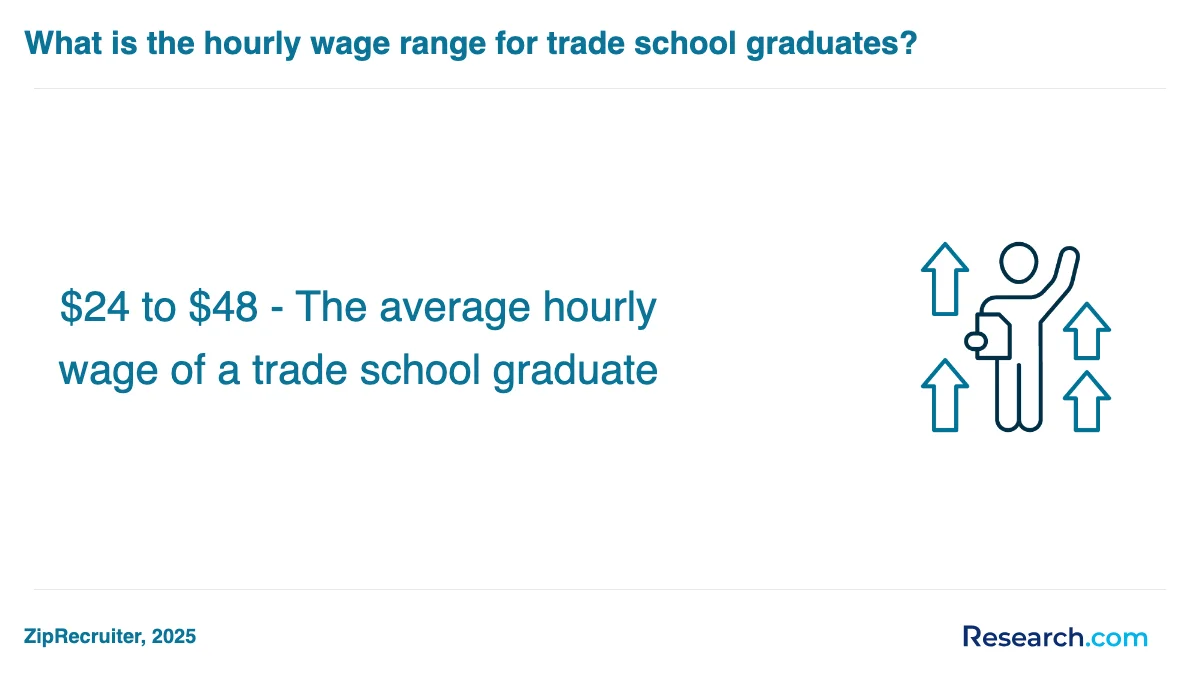
Trade school programs in Boston typically focus on courses that blend practical skills with direct job market relevance, ideal for students eager to launch rewarding careers quickly. Graduates from highly regarded schools like North Bennet Street School often recall the hands-on nature of their programs in skilled trades such as:
- Carpentry and Preservation Carpentry, where students craft real furniture and work on authentic restoration projects
- Jewelry Making & Repair and Locksmithing, offering precision skills that translate into immediate work opportunities
- Piano and Violin Making, combining artistry with craftsmanship in unique, employable trades
Others share experiences from healthcare-focused programs at the Boston Career Institute, emphasizing certification in clinical skills that prepare them for fast entry into essential medical roles. Meanwhile, technical and mechanical course takers from institutions like the New England Institute of HVAC praise the 13-week intensive format, where learning about heating systems feels exciting and directly applicable.
IT support courses through Per Scholas resonate with students aiming for technology careers, providing hands-on labs in computer hardware and operating systems, plus recognized certifications that boost confidence and employability.
Overall, Boston's programs feature:
- Project-based learning that simulates real-world scenarios
- Flexibility to balance study with life demands
- Industry certification prep that opens doors quickly
- Strong ties to local employers ensuring training matches job openings
Such immersive courses foster excitement and optimism, making students feel ready to contribute to Boston's dynamic workforce from day one.
Trade school programs in Boston offer a variety of specializations tailored to meet the region's dynamic job market, ensuring graduates feel both confident and prepared for hands-on careers. Popular programs include skilled trades such as electrical technology at Martin Electrical & Technical School, where graduates often recall the thrill of mastering wiring systems that power Boston's neighborhoods. Carpentry, HVAC, plumbing, and cabinet making also provide tangible skills valued by local employers, making these pathways especially appealing.
Healthcare-focused programs attract many who want to make an immediate impact, offering certifications in medical assisting, dental assisting, and phlebotomy through schools like BCI. Graduates often share stories of seamless transitions into roles at premier Boston hospitals like Mass General. For those drawn to business and IT, institutions such as Bunker Hill Community College provide certificates in administration and digital support, fueling careers behind the scenes in Boston's bustling economy.
The creative arts remain vital, with North Bennet Street School graduates taking pride in specialized crafts such as jewelry making, bookbinding, and piano technology. Meanwhile, beauty and cosmetology programs at Empire Beauty School and New England Hair Academy inspire students passionate about hair styling and skincare. For those exploring options, the most affordable flooring installation training online can also offer flexible ways to dive into skilled trades.
Choosing the best trade school programs in Boston means focusing on what aligns with your career goals and personal learning style. Graduates from North Bennet Street School often share how hands-on craftsmanship in cabinet making boosted their confidence and opened doors in local workshops. Meanwhile, those from Wentworth Institute of Technology emphasize the advantage of flexible schedules and hybrid classes that let them balance work with busy school days.
Another critical step is to compare Boston trade school costs carefully. Some students find that while Wentworth's engineering tracks come at a higher tuition, scholarship opportunities and payment plans make it manageable. In contrast, affordable programs at other schools provide excellent value for skill building without breaking the bank. Exploring financial aid options is key to avoiding stress and enabling focus on studies.
To navigate these choices wisely, many prospective students turn to resources like the most affordable online construction trade programs listings, which provide clear data on cost and program format, helping form realistic expectations for study in Boston.
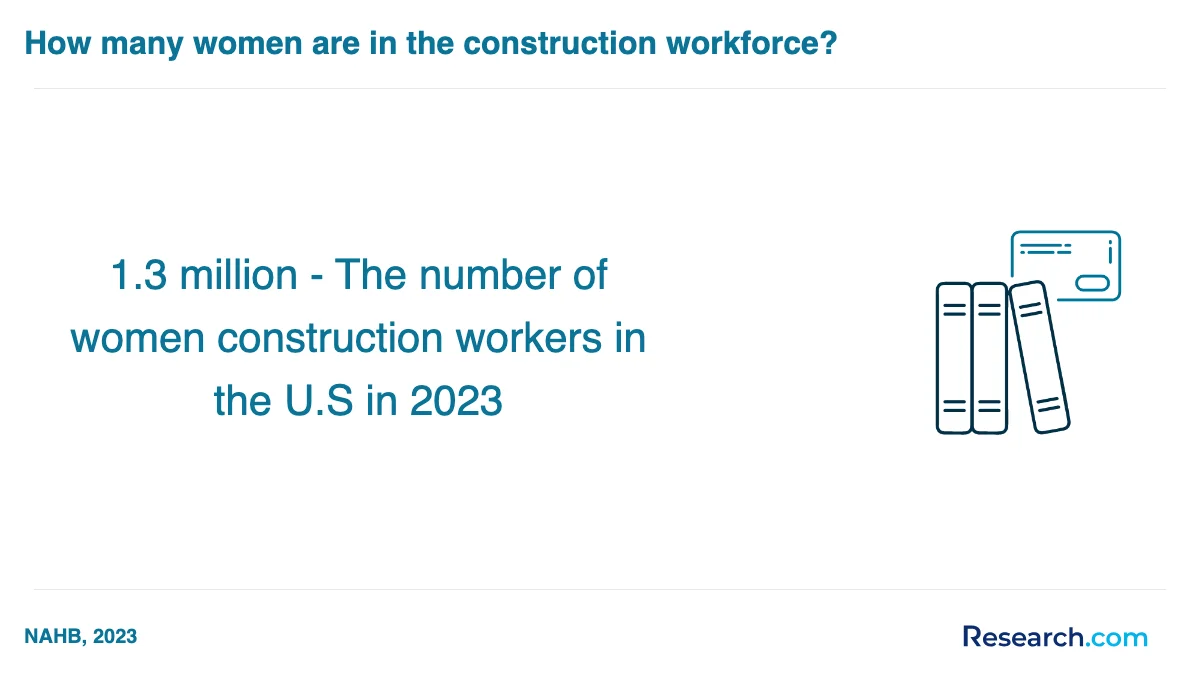
Trade school graduates in Boston find abundant opportunities across sectors offering practical and rewarding careers. Many who studied at institutions such as North Bennet Street School share experiences of entering career pathways for trade school graduates in Boston in healthcare, construction, and skilled trades. For example, graduates trained as Certified Nursing Assistants or Emergency Medical Technicians report strong local demand and fast-paced job placement through community programs.
Others emphasize hands-on training in carpentry, locksmithing, and preservation work, which align well with the city's historic building restoration needs and union apprenticeships. These pathways not only offer skill mastery but also pave the way to high-paying trade jobs in Boston. Graduates of the City Academy CDL/Hoisting Training Program highlight how earning a commercial driver's license opened doors to stable careers with competitive salaries.
In a city focused on growth industries, biotech and artisan crafts like jewelry making attract those who desire unique niches. Many graduates appreciate Boston's ecosystem that supports "earn while you learn" apprenticeships, making trade school programs an appealing alternative to traditional degrees. For those weighing options, resources discussing is it better to go to college or trade school provide valuable insight into this pragmatic career path.
The job market for trade school graduates in Boston is currently very promising, with strong demand in sectors such as construction, electrical work, HVAC, and healthcare support. Graduates from popular Boston trade schools often share stories of securing well-paying jobs within months of completing their programs, fueled by employers eager for skilled workers. The job outlook for trade school graduates in Boston reflects the city's booming infrastructure needs and growing healthcare services, where hands-on training is highly valued.
Many students find their training leads directly to employment opportunities including:
- Entry-level positions in electrical and HVAC companies expanding rapidly in the Boston metro area
- Roles in healthcare facilities that prioritize skilled vocational workers
- Growing openings in commercial truck driving and welding that offer competitive starting salaries
Salary prospects for vocational careers in Boston rank among the highest, making the highest paying trade school jobs in Boston a realistic achievement for many. With programs often completed in under two years, trades graduates face less debt and quicker workforce entry. Students interested in efficient paths to lucrative careers can explore affordable electrician trade school programs online to complement in-person options, widening their job prospects while maintaining cost efficiency.
Most Affordable Trade School & Training Programs - Leading Certification Courses in Boston for 2026
# 1 position
Bunker Hill Community College - Diagnostic Medical Sonography/Sonographer and Ultrasound Technician.
associateBunker Hill Community College offers a Diagnostic Medical Sonography/Sonographer and Ultrasound Technician program in a hybrid format. The program trains students to use ultrasound technology for diagnostic purposes, covering patient care, data integration, and equipment operation. Graduates earn a median salary of $75,659 one year after completion. Annual in-state tuition is $5,520. The program is accredited by the New England Commission on Higher Education.
# 2 position
Bunker Hill Community College - Information Technology.
associateBunker Hill Community College offers a hybrid Information Technology program focusing on designing technological information systems for business and research needs. The curriculum covers computer hardware and software, algorithms, databases, telecommunications, application testing, and human interface design. The annual in-state tuition is $5,520. Graduates earn a median salary of $53,145 one year after completion. The program is accredited by the New England Commission on Higher Education.
# 3 position
Bunker Hill Community College - Computer Systems Networking and Telecommunications.
associateBunker Hill Community College offers a hybrid program in Computer Systems Networking and Telecommunications designed to prepare students as network specialists and managers. The curriculum covers operating systems, systems design, networking theory, network management, security, and troubleshooting. Annual in-state tuition is $5,520. Graduates typically earn a median income of $53,145 one year after completing the program. The program is accredited by the New England Commission on Higher Education.
# 4 position
Bunker Hill Community College - Criminal Justice/Police Science.
associateBunker Hill Community College offers a Criminal Justice/Police Science program designed to prepare students for police and public security roles. The hybrid program covers patrol, investigative activities, traffic and crowd control, evidence management, and report preparation. Annual in-state tuition is $5,520. Graduates earn a median salary of $47,573 one year after completion. The program is accredited by the New England Commission on Higher Education.
# 5 position
Bunker Hill Community College - Baking and Pastry Arts/Baker/Pastry Chef.
associateBunker Hill Community College offers a hybrid Baking and Pastry Arts/Baker/Pastry Chef program designed to prepare students for professional roles in baking establishments. The curriculum covers bread and pastry making, decorating, handling, storage, and industry operations including marketing and product packaging. The annual in-state tuition is $5,520. The program is accredited by the New England Commission on Higher Education, providing a recognized credential for graduates.
# 6 position
Bunker Hill Community College - Legal Assistant/Paralegal.
associateBunker Hill Community College offers a Legal Assistant/Paralegal program designed to prepare students for research, drafting, investigatory, record-keeping, and administrative tasks under attorney supervision. The hybrid program includes instruction in legal research, drafting legal documents, courthouse procedures, and legal specializations. Annual in-state tuition is $5,520. The program is accredited by the New England Commission on Higher Education.
# 7 position
Bunker Hill Community College - Finance, General.
associateBunker Hill Community College offers a hybrid Finance, General program designed to prepare individuals to plan, manage, and analyze financial and monetary aspects of businesses and organizations. The curriculum includes accounting principles, financial instruments, capital planning, asset and debt management, budgeting, and portfolio management. The program's annual in-state tuition is $5,520. It is accredited by the New England Commission on Higher Education.
# 8 position
Bunker Hill Community College - Accounting.
associateBunker Hill Community College offers a hybrid Accounting program designed to prepare students for the accounting profession and related business functions. The curriculum covers accounting principles, financial and managerial accounting, auditing, tax accounting, and business information systems. The program is accredited by the New England Commission on Higher Education. Annual in-state tuition is $5,520, and median earnings one year after completion are $35,602.
# 9 position
Bunker Hill Community College - Medical Administrative/Executive Assistant and Medical Secretary.
associateBunker Hill Community College offers a hybrid Medical Administrative/Executive Assistant and Medical Secretary program preparing students for roles supporting physicians, nurses, and healthcare administrators. The program covers medical terminology, business communications, healthcare operations, software applications, and professional ethics. Annual in-state tuition is $5,520. Graduates have median earnings of $35,298 one year after completion. The program is accredited by the New England Commission on Higher Education.
# 10 position
Bunker Hill Community College - Business Administration and Management, General.
associateBunker Hill Community College offers a fully online Business Administration and Management, General program designed to prepare individuals to plan, organize, direct, and control organizational functions. The curriculum covers management theory, human resources, accounting, purchasing, logistics, marketing, and business decision-making. Annual in-state tuition is $5,520. Graduates report median earnings of $34,817 one year after completing the program. The program is accredited by the New England Commission on Higher Education.
Frequently Asked Questions about trade school programs
After completing a trade school program in Boston, preparing for the job market involves several strategic steps. First, leverage the career services many Boston trade schools offer, including resume building, interview coaching, and job placement assistance. According to the Massachusetts Department of Higher Education, approximately 70% of trade school graduates in the state find employment within six months of completing their studies.
Networking is also essential; attend local industry events and join professional associations related to your trade. Apprenticeships and internships can provide valuable hands-on experience and connections. Additionally, consider obtaining relevant state licenses or industry certifications to improve your employability in Boston's competitive market.
Employers in Boston highly value both technical and soft skills in trade school graduates. According to a 2023 report by the Massachusetts Executive Office of Labor and Workforce Development, proficiency in hands-on skills such as electrical work, plumbing, HVAC, and advanced manufacturing ranks among the top requirements. Graduates who demonstrate certifications in these areas tend to have better job prospects.
Alongside technical expertise, communication and problem-solving skills are essential. Boston employers often seek workers who can collaborate effectively and adapt to fast-changing job environments. A survey by the Boston Foundation highlighted that 78% of local trade employers prioritize teamwork when hiring.
Time management and reliability also remain critical. Candidates who show punctuality and the ability to manage tasks efficiently stand out in the competitive Boston job market.
Finding internships in Boston relevant to your trade school program involves a few strategic steps. Start by visiting your school's career services office, as many Boston trade schools have partnerships with local businesses to help place students in internships. For example, the Massachusetts Workforce Training Fund supports connections between students and employers in key trades.
Additionally, explore local job boards such as the Boston Career Link and industry-specific sites like ConstructionJobs.com, which frequently list internships in skilled trades.
Networking at trade fairs and industry events in Boston can also open doors. Organizations like the Associated Builders and Contractors of Massachusetts offer resources and contacts for trade internships.
A trade school diploma in Boston can significantly influence career mobility and advancement. Graduates with such credentials often find faster access to skilled jobs in industries like construction, healthcare, and technology. According to the Massachusetts Executive Office of Labor and Workforce Development, sectors employing trade school graduates have seen a 5% growth annually from 2018 to 2023.
Trade diplomas equip students with practical skills that employers in Boston highly value, improving job retention and promotion prospects. Earning a diploma can also increase median salaries by up to 20% compared to those without postsecondary certification, as reported by the Bureau of Labor Statistics.
Moreover, these credentials facilitate entry into apprenticeship programs and specialized certifications, which are key pathways for long-term career growth in Boston's competitive market.
Part-time job opportunities in Boston that complement trade school education are particularly available in industries aligned with practical skills. Many students find roles in construction, electrical work, and HVAC maintenance to gain hands-on experience while studying. According to the Massachusetts Executive Office of Labor and Workforce Development, part-time positions in these fields often pay between $15 and $25 per hour, supporting students financially and professionally.
Retail and customer service roles can also benefit trade students by enhancing communication and organizational abilities, valuable across all trades. Additionally, healthcare programs benefit from roles like medical assistants or pharmacy aides, which often offer flexible schedules suitable for students.
Overall, Boston's strong labor market provides diverse options for trade students to work part-time in settings that build relevant skills and help offset education expenses.
To find the most affordable degree program near you, consider exploring various program directories or resources like Research.com, which provide insights into academic rankings and costs. If you're near Boston, MA, you have access to numerous public universities and community colleges that often offer more affordable tuition rates compared to private institutions. Additionally, contacting local educational institutions or visiting their financial aid offices can help you gather information on cost-effective programs and available scholarships or financial aid opportunities.
- Technical Trades Work and Learning Program for Students | MassCEC https://www.masscec.com/technical-trades-students
- Learn, Earn, and Succeed with Registered Apprenticeship | Mass.gov https://www.mass.gov/info-details/learn-earn-and-succeed-with-registered-apprenticeship
- Trade Schools, What Are The Benefits - InterCoast Colleges https://intercoast.edu/articles/benefits-of-trade-schools/
- 1/30/25 - Hands-On Learning vs. Traditional Education: Why the Trades Offer the Best of Both Worlds - Gould Construction Institute https://www.gwgci.org/hands-on-learning-vs-traditional-education-trades/
- Career Training Programs | Full-Time | North Bennet Street School https://nbss.edu/full-time-programs/
- Practical workplace experience gives Boston students the edge - Boston City Campus https://www.boston.ac.za/practical-workplace-experience-gives-boston-students-the-edge/


