
Most Affordable Trade School & Training Programs - Leading Certification Courses in Binghamton for 2026

Co-Founder and Chief Data Scientist
Choosing the right trade school in Binghamton can feel overwhelming, but finding an affordable option with quality programs is a smart step toward your future. This article introduces a trade school programs ranking created by the Research.com team of data scientists to help you make an informed decision.
Discover schools that offer valuable certifications and diplomas without breaking the bank. Whether starting a new career or upgrading skills, getting qualified through a trade school can open doors and boost confidence.
Explore your options with confidence and take the next step toward a rewarding career.
Key benefits of finishing trade school programs trade school in Binghamton
- Trade school graduates in Binghamton can earn competitive salaries, with electricians and plumbers starting around $45,000-$52,000, HVAC technicians earning $40,000-$48,000, and welders making $42,000-$60,000 annually, offering strong financial stability early in their careers.
- Popular career paths for trade school grads in Binghamton include HVAC, electrical work, plumbing, and welding, all in high demand locally, providing diverse, rewarding opportunities to build skills and grow professionally.
- Online trade school diplomas offer flexibility and convenience, allowing students to balance work and study, often leading to quicker certification and career advancement compared to traditional on-campus programs.
- Most Affordable Trade School & Training Programs - Leading Certification Courses in Binghamton for 2026
- What can I expect from trade school programs trade schools in Binghamton?
- Where can I work after finishing trade school programs trade schools in Binghamton?
What can I expect from trade school programs trade schools in Binghamton?
Trade school programs in Binghamton typically cost significantly less than traditional four-year colleges, with tuition and fees averaging well below what many expect. Graduates from institutions like SUNY Broome Community College report that total program expenses for associate degrees or certificates often fall under $10,000, making these programs accessible and affordable compared to many options nationwide.
Students commonly highlight the value of this investment, emphasizing how smaller class sizes and hands-on learning create a more engaging and supportive educational environment. One graduate described the direct instruction from experienced faculty as a key factor in feeling confident and prepared for the workforce shortly after completing a program.
Flexible scheduling options, such as evening and weekend classes, appeal to working students balancing jobs or family commitments without incurring additional costs. Career services enhancing job placement also add intangible value, often leading to apprenticeships or employment opportunities in healthcare, technology, or criminal justice fields.
Overall, the affordability combined with focused, practical training makes Binghamton trade schools an attractive pathway for rapid professional advancement.
Where can I work after finishing trade school programs trade schools in Binghamton?
After completing a trade school program in Binghamton, graduates find a wide array of employment opportunities aligned with their skills. Common fields include construction, electrical work, HVAC, plumbing, and building maintenance, with many roles advertised locally for maintenance technicians, service technicians, and facilities maintenance field technicians. Recent graduates from popular trade schools in Binghamton share their satisfaction securing positions in private companies, local government, and healthcare settings that value practical, hands-on experience.
Graduates often highlight the availability of jobs at Binghamton University, where technical staff are regularly employed in building maintenance and project coordination roles. For those specializing in construction trades, career paths such as building and code inspector or construction project site coordinator with government agencies and large firms provide rewarding options.
Specialists in electrical, HVAC, or plumbing find steady demand in facilities maintenance and property management companies. Some graduates who took additional coursework in business report successful careers as trade compliance managers or economic development specialists, indicating diverse pathways from Binghamton trade school programs.
After completing a trade school program in Binghamton, graduates typically earn an average annual salary of $64,314, which breaks down to about $30.92 per hour or roughly $5,359 per month. This figure reflects a variety of skilled trades roles around the Binghamton area, such as electricians, HVAC technicians, and welders.
Trade school graduates from popular Binghamton programs often share how starting salaries can vary widely. Entry-level apprentices frequently begin at around $43,082 per year, but with certified training and hands-on experience gained from local institutions, many progress into roles paying between $48,400 and $78,100 annually. Skilled professionals can even reach salaries near $95,778, highlighting the value of gaining in-demand specialization.
Many graduates report a strong sense of accomplishment as they move quickly from apprenticeships to well-paying positions in a high-demand job market. The opportunity to steadily increase earnings with further training and certifications makes trade school in Binghamton an appealing choice for those seeking practical, rewarding careers.
- Most trade school programs in Binghamton require a high school diploma or equivalent, with some needing specific coursework or physical abilities.
- Accredited schools are necessary for federal financial aid and recognized certifications, with regional or national accreditation common in New York.
- Tuition costs for trade school programs range from $3,000 to $15,000, and most programs take 1-2 years to complete.
- Starting salaries in New York for trade school graduates vary by job, with electricians earning about $83,550 and paralegals $78,850 annually on average.
- Employment is strong in construction, healthcare, and skilled trades, with many programs offering hands-on training or apprenticeships.
- Many schools have rolling admissions, allowing applications at any time during the year.
Trade school programs in Binghamton typically require between one and two years to complete, depending on the credential sought and program type. Graduates from SUNY Broome Community College often share how their one-year certificate programs enabled them to quickly launch careers, enjoying an accelerated path to employment. Those pursuing associate degrees, which usually take two years of full-time study, emphasize the value of a broader education paired with hands-on training.
Students from Broome-Tioga BOCES highlight how their two-year technical education programs combine classroom learning with real-world skills, making the time commitment feel engaging and practical. Enrollment status also impacts completion time; full-time students generally finish within this standard range, while part-time enrollees may extend their studies. Additionally, fields with state-mandated hours, like cosmetology or automotive technology, shape program length.
Overall, Binghamton's trade schools balance efficiency with depth, allowing students to efficiently gain the credentials needed to enter satisfying careers in local industries.
Online trade school programs in Binghamton, such as those offered by SUNY Broome and Binghamton University, allow students to complete all coursework remotely with no required campus visits. Graduates often praise the flexibility, noting how asynchronous classes let them balance studies with full-time jobs or family responsibilities without commuting. For example, one graduate successfully earned a certificate while working evenings, appreciating access to virtual libraries and interactive digital tools that made learning engaging and convenient.
In contrast, on-campus programs require physical attendance, offering hands-on training essential for fields requiring specialized equipment or labs. Graduates highlight the value of face-to-face interaction for collaboration, immediate feedback from instructors, and stronger peer networks. Practical experiences like internships are completed locally for online students but often happen on campus for those attending in person, enhancing direct skills application. Switching between formats requires separate applications, emphasizing students must choose based on their lifestyle and goals.
The average trade school cost in Binghamton typically ranges from $31,000 to $44,000 for a complete program, encompassing tuition, accommodation, books, fees, transportation, and supplies. Graduates from popular trade schools in Binghamton often recall managing tuition costs between $16,000 and $22,000, which aligns closely with the Binghamton NY trade school tuition and fees averages. Many find that while tuition itself is significant, housing and meal costs-usually between $12,000 and $18,000 annually-form a substantial part of the overall expense.
Trade school programs in Binghamton usually last one to two years, so even though annual costs can echo those of four-year institutions, the shorter duration helps make the total investment more accessible. A common experience shared by recent graduates involves balancing costs with high-quality hands-on training that quickly leads to employment.
Students pursuing programs such as automotive technology, healthcare certifications, or skilled construction trades find the opportunity to complete their education efficiently, supported by various financial aid options that can help ease upfront expenses. Exploring affordable online construction training programs is one way many prospective students in Binghamton stretch their budgets while gaining valuable certifications.
Ultimately, the average trade school cost in Binghamton reflects a focused, practical educational investment. Many graduates appreciate the strong employment prospects paired with manageable costs, underscoring the value of choosing a trade school within the Binghamton area.
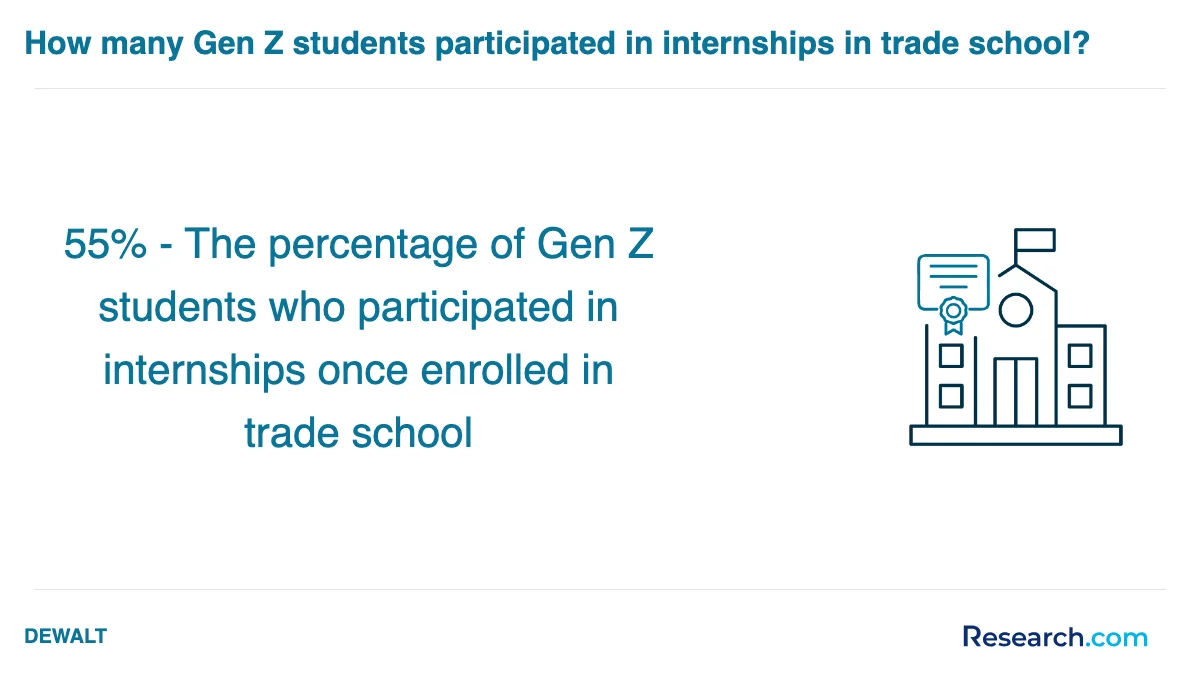
Trade school students in Binghamton access multiple financial aid sources to support their education costs. The key first step is completing the FAFSA, unlocking federal grants, loans, and work-study options. Around 27% of students at Binghamton University receive Pell Grants-need-based aid that doesn't require repayment-providing vital assistance for those balancing school and living expenses.
Additionally, New York residents benefit from robust state aid. Programs like the Tuition Assistance Program (TAP) supply thousands of dollars annually to eligible students based on financial need. Students attending popular institutions like SUNY Broome, a renowned trade school in Binghamton, often rely on both TAP and the Excelsior Scholarship to substantially cut tuition. This scholarship covers full SUNY or CUNY tuition for families earning up to $125,000, reducing financial stress for many local trade school attendees.
Work-study remains an important option, with federal and non-federal campus jobs offering income to offset daily expenses. Graduates express relief at having earned while learning, which also boosts their resumes. Private scholarships, including the Patina Network Community Scholarship and Meland Foundation Nursing Scholarship, further enhance support in this community.
Applicants to trade school programs in Binghamton must have a high school diploma or its equivalent, such as a GED or TASC certificate. Graduates often recall the relief of meeting this basic yet crucial requirement, knowing it opens the door to practical, career-ready skills.
Key prerequisites include:
- Submission of official high school transcripts, confirming completion of secondary education
- Minimum grades for competitive fields, like SUNY Broome's health sciences programs that require at least a 74% or a "C" in college-level courses
- Completed prerequisite courses before application, as ongoing classes are generally not accepted
- Additional application materials such as personal essays and letters of recommendation that reflect genuine commitment
Many students at Binghamton trade schools emphasize how test-optional policies reduce stress, allowing focus on personal strengths and experiences. Specialized programs may also require interviews or skills assessments that help applicants showcase abilities beyond grades.
International students must prove English proficiency with tests like TOEFL or IELTS, ensuring confident participation in hands-on training and collaboration. Overall, these clear criteria provide a supportive framework for motivated individuals ready to launch successful careers.

Trade school programs in Binghamton typically cover a range of courses designed to equip students with hands-on skills tailored to local job markets. Graduates from institutions like Evertech Academy often highlight practical learning in fields such as:
- Automotive technology
- Construction trades
- Healthcare support
- Information technology
- Business administration
These programs blend academic preparation with real work experience, helping students build confidence in workplace skills while pursuing a GED or high school equivalency diploma.
At Binghamton University, business administration students share how courses in teamwork, communication, and accounting principles prepare them for diverse careers in corporate and nonprofit sectors, emphasizing both soft skills and technical expertise.
The Thomas J. Watson College of Engineering & Applied Science offers applied courses in biomedical engineering, mechanical engineering, and computer science. Graduates appreciate the balance of theoretical knowledge and hands-on lab projects that foster immediate job readiness.
Additionally, flexible certification options like Lean Six Sigma Black Belt attract professionals seeking rapid skill enhancement in process improvement, adding to Binghamton's trade schools' appeal for career advancement.
Trade school programs in Binghamton offer diverse specializations tailored to meet the evolving job market demands. Graduates from healthcare programs, such as nursing and community health, frequently share how clinical experiences at local facilities boosted their confidence and readiness for the workforce. Technology-focused students pursue certificates in areas like cybersecurity and computer science, learning critical skills in digital security and software development essential for regional employers.
Business and management tracks emphasize practical skills with programs in accounting, data analytics, and financial management. Graduates often highlight how Binghamton's curriculum, particularly through the School of Management, prepared them for roles in both small businesses and corporate environments. Meanwhile, creative students thrive in arts and design programs, where hands-on studio work and digital media projects help them build impressive portfolios.
Additional specializations include education and public service, with certificates in TESOL or disaster management that appeal to those passionate about community impact. The flexibility of micro-credentials, like those in translation studies, allows students to quickly adapt as industries shift.
For prospective students uncertain about the difference between various program types, exploring the distinctions between vocational vs trade school options can clarify the best path forward.
Experienced students at Binghamton's trade schools often remark on the value of practical, job-ready skills developed through focused, hands-on training that aligns closely with local industry needs.
Choosing the best trade school programs in Binghamton starts with analyzing career goals against local job market demand in fields like healthcare, IT, and skilled trades such as HVAC. Graduates from popular Binghamton colleges report that programs with accredited credentials and transparent job placement rates above 80% accelerate employment within months of graduation, reflecting effective workforce preparation. Students frequently mention that career services, including resume workshops and employer networking, deliver tangible support leading to direct job offers.
Financial factors are integral when comparing Binghamton trade schools. Tuition costs vary, but some schools qualify for federal grants that lower expenses substantially. Graduates highlight the value of programs balancing cost with outcomes, often describing their education as a smart investment in strong, stable careers. For those needing schedule flexibility, many schools offer part-time or evening classes suited to working students.
Further, prospective students can explore options for low cost flooring installation training online to supplement hands-on learning at local trade schools, broadening their skills economically. Assessing all these variables enables a data-driven choice aligned with individual needs and market realities.
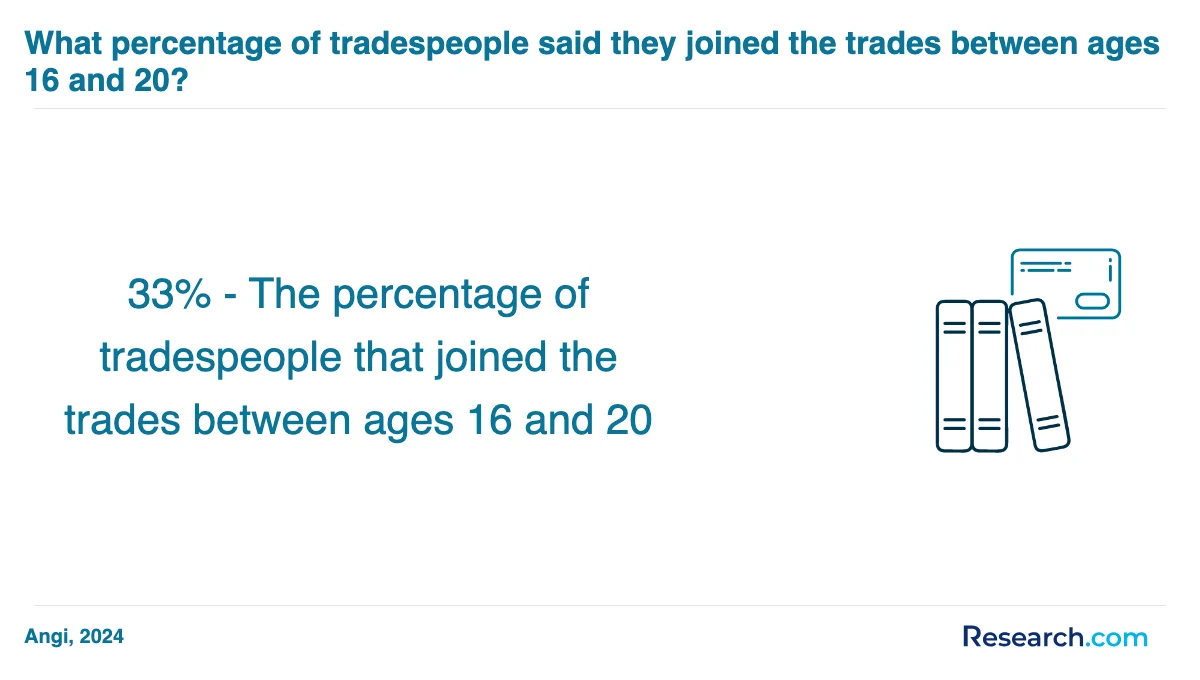
Trade school graduates in Binghamton find diverse career opportunities aligned with both regional and national workforce demands. Construction and building trades remain a top choice, with graduates securing roles in carpentry, plumbing, and electrical work through hands-on training at institutions like Broome-Tioga BOCES. Many graduates report quick employment in remodeling and contracting, reflecting the high demand skilled trades in Binghamton NY fueled by ongoing infrastructure projects.
Healthcare paths such as medical assisting and lab technology open doors to stable hospital and clinic positions. Skilled technician roles in welding, HVAC, and automotive technology are also popular; welding graduates benefit from a national shortage creating thousands of openings. Many find rewarding careers maintaining residential and commercial systems. Creative and technical fields like cosmetology, culinary arts, and digital media provide graduates opportunities to work in salons, restaurants, and studios with upward mobility.
For those aiming at public service or IT, programs in criminal justice and computer support lead to jobs in law enforcement support and cybersecurity, tying into the growing digital economy in Binghamton. Graduates appreciate how local trade schools tailor programs to meet these needs, a factor that contrasts with broader options highlighted in the trade school vs college pros and cons debate.
The job market for trade school graduates in Binghamton is robust, reflecting strong demand and competitive wages. Graduates from popular trade schools in Binghamton report securing positions quickly, often within months of completing their programs. The average annual salary is approximately $64,314, with hourly rates around $30.92, showing promising earning potential for those entering skilled trades.
Key factors contributing to the healthy market include:
- Over 100 active trade school jobs in Binghamton NY, offering roles like HVAC technicians, construction coordinators, and building inspectors.
- Employers providing paid training, health and retirement benefits, and opportunities for growth.
- A wide salary range between $48,400 and $78,100, rewarding experience and certifications.
Many Binghamton trade school graduate employment rates reflect this optimism, supported by strong local sectors in manufacturing, healthcare, and construction. Graduates often highlight how accredited programs prepare them well for hands-on work and immediate job readiness. For those exploring affordable options, reviewing the cheapest online certificate programs in home repair can complement their plans to enter this thriving job market.
Most Affordable Trade School & Training Programs - Leading Certification Courses in Binghamton for 2026
# 1 position
SUNY Broome Community College - Criminal Justice/Police Science.
associateThe Criminal Justice/Police Science program at SUNY Broome Community College offers a hybrid format with some distance education options. It prepares students for law enforcement duties such as patrol, investigations, traffic and crowd control, evidence management, and report preparation. The program is accredited by the Middle States Commission on Higher Education. Annual in-state tuition is $7,470, and median earnings one year after completion are $40,721.
# 2 position
SUNY Broome Community College - Computer Science.
associateThe Computer Science program at SUNY Broome Community College offers a hybrid format with some distance-education options. It emphasizes computer theory, problem-solving, and system design from a scientific viewpoint. Students learn computational science principles, programming, and applications across various contexts. The program’s annual in-state tuition is $7,470. It is accredited by the Middle States Commission on Higher Education, ensuring recognized academic standards.
# 3 position
SUNY Broome Community College - Legal Assistant/Paralegal.
associateSUNY Broome Community College offers a Legal Assistant/Paralegal program preparing students to perform research, drafting, investigatory, record-keeping, and administrative functions under attorney supervision. The curriculum includes legal research, drafting legal documents, appraising, pleading, courthouse procedures, and legal specializations. The program’s annual in-state tuition is $7,470. It is accredited by the Middle States Commission on Higher Education.
# 4 position
SUNY Broome Community College - Physical Therapy Assistant.
associateThe Physical Therapy Assistant program at SUNY Broome Community College is a hybrid program that prepares students to assist physical therapists in implementing treatment plans, training patients, and conducting interventions. The curriculum covers applied anatomy, physiology, biomechanics, neuroscience, and professional ethics. The annual in-state tuition is $7,470. Graduates earn a median salary of $36,125 one year after completion. The program is accredited by the Middle States Commission on Higher Education.
# 5 position
SUNY Broome Community College - Accounting Technology/Technician and Bookkeeping.
associateThe Accounting Technology/Technician and Bookkeeping program at SUNY Broome Community College offers a hybrid format with some distance education options. It prepares students to support professional accountants through training in posting transactions, record-keeping systems, accounting software, and general accounting principles. The program is accredited by the Middle States Commission on Higher Education. Annual in-state tuition costs $7,470.
# 6 position
SUNY Broome Community College - Business Administration and Management, General.
associateSUNY Broome Community College offers a hybrid Business Administration and Management, General program designed to prepare students to plan, organize, direct, and control business functions. The curriculum includes management theory, human resources, accounting, purchasing, logistics, marketing, and decision-making. Annual in-state tuition is $7,470. Graduates earn a median income of $32,156 one year after completing the program. The college is accredited by the Middle States Commission on Higher Education.
# 7 position
SUNY Broome Community College - Office Management and Supervision.
associateSUNY Broome Community College offers a hybrid Office Management and Supervision program that prepares students to manage business office operations and personnel. The curriculum covers employee supervision, labor relations, budgeting, scheduling, office systems, records management, and public relations. Annual in-state tuition is $7,470. Graduates have a median earning of $32,156 one year after completion. The program is accredited by the Middle States Commission on Higher Education.
# 8 position
SUNY Broome Community College - Medical Administrative/Executive Assistant and Medical Secretary.
certificate or diplomaThe Medical Administrative/Executive Assistant and Medical Secretary program at SUNY Broome Community College trains students to support physicians, nurses, and healthcare administrators. Coursework includes medical terminology, healthcare operations, business communications, scheduling, and record-keeping. The program costs $7,470 annually for in-state students. It is accredited by the Middle States Commission on Higher Education, ensuring recognized educational standards and quality.
# 9 position
SUNY Broome Community College - Phlebotomy Technician/Phlebotomist.
certificate or diplomaThe Phlebotomy Technician/Phlebotomist program at SUNY Broome Community College offers a hybrid format with some distance-education options. It prepares students to draw blood samples under medical supervision, covering vascular anatomy, blood physiology, venipuncture, specimen handling, safety, and regulations. The annual in-state tuition is $7,470. The program is accredited by the Middle States Commission on Higher Education.
Frequently Asked Questions about trade school programs
Preparing for the job market after completing trade school in Binghamton involves several key steps. Graduates should begin by updating their resumes to highlight hands-on skills and certifications earned. Many local employers value practical experience, so emphasizing internship or apprenticeship work can be beneficial. According to New York State Department of Labor data, Binghamton's trade sectors like construction and health care show steady growth, with employment increasing by 4% over the past five years. Networking through local trade organizations and job fairs is crucial to connect with potential employers. Additionally, utilizing Binghamton-based workforce development centers can provide job placement assistance and career counseling.
Employers in Binghamton highly value both technical and interpersonal skills when hiring trade school graduates. According to recent data from the New York State Department of Labor, key technical skills include proficiency with industry-standard tools, safety compliance, and ability to interpret blueprints or technical drawings.
In addition to hard skills, soft skills are crucial. Employers report that communication, teamwork, and problem-solving abilities significantly impact job performance and retention rates. A 2023 survey by the Binghamton Chamber of Commerce found that 78% of local employers prioritize candidates who demonstrate strong work ethic and adaptability.
Trade school graduates with hands-on experience, punctuality, and a willingness to learn tend to be more competitive in Binghamton's job market.
Finding internships in Binghamton relevant to your trade school program starts with utilizing local resources. The Binghamton University Career Center, though primarily for university students, often lists internships open to trade school students as well. Local businesses in sectors like healthcare, manufacturing, and information technology frequently offer internship opportunities. Websites such as Handshake and Indeed can filter these by location and field. According to the New York State Department of Labor, Binghamton's trade-related industries have seen a 4% internship increase over recent years, reflecting rising employer engagement with local students. Networking through community trade associations also proves valuable.
Obtaining a trade school diploma in Binghamton can significantly impact career mobility and advancement. According to the U.S. Bureau of Labor Statistics, many skilled trades, such as HVAC, electrical, and welding, are in high demand locally, offering graduates both entry-level jobs and pathways to supervisory roles.
Trade diplomas provide practical skills tailored to regional industries, enabling faster employment compared to traditional four-year degrees. Data from the New York State Department of Labor shows that vocational certification holders in Binghamton see a 15% higher chance of promotion within five years.
Additionally, trade schools often maintain connections with local employers, increasing opportunities for apprenticeships and on-the-job training. This hands-on experience, combined with certification, strengthens candidates' competitiveness in the job market, fostering upward mobility in the city's workforce.
Trade school students in Binghamton have various part-time job opportunities that can complement their education and build relevant experience. Positions such as automotive technician assistant, HVAC helper, or electrician apprentice allow hands-on application of skills learned in the classroom. According to the U.S. Bureau of Labor Statistics, part-time roles in construction and skilled trades have seen growth of around 5% in the region over recent years.
Local employers often seek candidates enrolled in trade programs for entry-level roles, providing flexible hours suited for students. Retail jobs at home improvement stores like Lowe's or hardware suppliers also offer valuable exposure to tools and materials. These roles not only provide income but also enhance practical knowledge, helping students better prepare for full-time careers after graduation.
To find the most affordable degree program near you in Binghamton, NY, start by exploring local public universities and community colleges, which typically offer lower tuition rates compared to private institutions. Programs at these institutions often include financial aid opportunities and scholarships to help reduce costs further. Visiting Research.com can also provide valuable insights and rankings to help you compare various schools and programs near Binghamton, NY, ensuring you make an informed decision about the options near me.
- Learn A Trade - SUNY https://www.suny.edu/trades/
- Career & Technical Education | SUNY Broome https://sunybroome.edu/cte/career-technical-education/
- Academic Program Finder | Binghamton University https://www.binghamton.edu/academics/programs/index.html
- Programs A - Z https://www.btboces.org/programsa-z.aspx
- Gaining Experience – Fleishman Center for Career and Professional Development | Binghamton University, State University of New York https://careertools.binghamton.edu/channels/gaining-experience/


