
Most Affordable Certificate Programs - Leading Certification Courses in Indiana for 2026

Co-Founder and Chief Data Scientist
Exploring affordable certificate programs is a smart step for anyone considering trade school in Indiana. This article introduces a carefully crafted trade school certificate programs ranking developed by the Research.com team of data scientists to guide you toward the best options available.
Choosing the right program can open doors to new skills and rewarding careers without unnecessary expenses. By reading on, you’ll gain valuable insights that make your education journey clearer and more confident.
Investing in a trade school certification can truly change your future, and this guide is here to support you every step of the way.
Key benefits of getting trade school certificate in Indiana
- Trade school graduates in Indiana enjoy competitive salaries, with electricians and construction workers earning between $46,000 and $62,000 annually, while healthcare and cosmetology starters make $28,000 to $35,000, offering a solid income early in their careers.
- Popular career paths include skilled trades like plumbing, carpentry, and painting, as well as medical assisting and esthetics, giving students diverse options to find a field they're passionate about.
- Online trade school certifications provide flexibility and convenience, allowing students to balance work and study while still gaining recognized credentials that lead to rewarding jobs, just like many successful Indiana graduates.
- Most Affordable Certificate Programs - Leading Certification Courses in Indiana for 2026
- What can I expect from trade school certification programs in Indiana?
- Where can I work with trade school certification in Indiana?
What can I expect from trade school certification programs in Indiana?
Students pursuing trade school certification programs in Indiana typically find the cost to be quite reasonable compared to traditional colleges. For instance, graduates from popular programs at Ivy Tech Community College often report tuition falling between $5,351 and $6,065. This price point is a relief for many who want to avoid heavy student debt while gaining valuable, career-ready skills.
Along with affordable tuition, students appreciate the shorter program lengths, which can range from four months to under a year. A graduate from an HVAC certification shared how the hands-on training sessions, combined with real job site experience, made every dollar feel well spent. They felt confident entering the workforce sooner without sacrificing quality education.
Many students benefit from a flexible learning environment, balancing family or part-time work with hybrid classes. Graduates in automotive service programs often mention that evening labs and online theory components helped them manage their schedules. Additionally, job placement support from these schools connects students directly to employers, which increases their chances of landing a fulfilling job right after certification.
Where can I work with trade school certification in Indiana?
After completing a trade school certification program in Indiana, graduates find themselves in an encouraging job market across several thriving industries. For instance, in advanced manufacturing, over 14,900 workers are employed statewide, where graduates with skills like CNC machining or welding secure roles such as machine operators or maintenance technicians earning between $15 and $32 per hour.
In building and construction, often a favorite path for graduates of Ivy Tech's apprenticeship programs, certified individuals step into roles like electrician or HVAC technician, with median annual salaries reaching up to $78,000. These hands-on programs connect students directly to employers, making the transition smoother and more rewarding emotionally as they build tangible skills.
Health and life sciences offer certifications leading to positions in clinics or hospitals, where medical assisting or pharmacy tech skills open doors to meaningful work. Meanwhile, information technology certificates prepare graduates for technical roles with wages up to $64 per hour. Transportation and logistics also present solid options, often with added perks like paid training or relocation bonuses.
Many Indiana graduates appreciate the close ties between trade schools and employers, which turns certification into a real advantage-quick employment with competitive pay and a genuine sense of professional accomplishment.
After completing a trade school certification program in Indiana, graduates often enter the workforce with starting salaries around $47,100 annually, according to recent data. Many students from well-known Indiana trade schools report that within a few years, their earnings can rise to about $67,000 per year, which translates to roughly $32 an hour. For example, graduates who trained as electricians or carpenters often recall beginning in the low $40,000 range but quickly advancing past $60,000 as they gained experience and additional certifications.
Others pursuing specialized trades, like plumbing service technicians or HVAC installers, share stories of steady income growth, commonly reaching $55,000 to $75,000 annually. Some graduates in highly technical roles, such as elevator installers or power plant operators, highlight salaries closer to $90,000 or more, reflecting the premium on their skills.
The quick two-year or less completion time at Indiana trade schools means many students experience the satisfaction of earning sooner than their peers pursuing four-year degrees. Graduates often describe feeling confident and motivated, knowing their investment in trade certification opens doors to stable, well-paying jobs in their communities.
- Jasmine: The HVAC certification at Indiana Technical College was life-changing. The hands-on training prepared me perfectly for my role as a technician. Finding a job soon after graduation was easy, and the supportive instructors made learning enjoyable and rewarding.
- Derek: Earning my welding certificate from Vincennes University gave me confidence and practical skills. The program's emphasis on real-world projects helped me secure a manufacturing job, and I feel proud contributing to Indiana's growing industrial sector.
- Leah: Studying automotive technology at Ivy Tech Community College was challenging but incredibly fulfilling. The small class sizes and expert guidance helped me master complex repairs. Now, I work at a local dealership and enjoy every moment of my rewarding career.
- Trade schools in Indiana must be accredited by recognized bodies like the Higher Learning Commission or the Accrediting Commission of Career Schools and Colleges to ensure program quality and financial aid eligibility.
- Most certificate programs take six months to one year and cost between $1,600 and $10,000, with Ivy Tech Community College tuition ranging from $1,605 to $9,811.
- The Next Level Jobs program allows qualifying Indiana residents to earn certain trade school certificates with no tuition or mandatory fees, requiring residency, a high school diploma, and no prior higher-level certificate or degree in that field.
- Graduates in fields such as health sciences, manufacturing, construction, IT, and logistics typically start with salaries from $35,000 to $55,000, while experienced workers can earn $60,000 to $75,000 or more.
- Trade school programs focus on quick workforce entry and provide pathways for career advancement based on skills and experience growth.
Trade school certification programs in Indiana typically offer a much faster path to workforce entry than traditional degrees. Graduates from Ivy Tech Community College, the state's largest and most popular trade school, often complete industry-focused certificates in as little as six months. These programs, ranging from 9 to 27 credit hours, allow students to quickly gain practical skills needed on day one of employment.
Some students pursuing more technical certificates report spending up to a year completing 30 to 40 credit hours full-time. For example, those studying Industrial Mechanical Technology at Ivy Tech usually finish after two to three semesters-about 9 to 12 months-balancing classroom learning with hands-on labs. This timeframe feels manageable and rewarding, helping students stay motivated.
Other programs, such as welding or Certified Nursing Assistant training, may be completed in just weeks or a few months, offering graduates rapid certification and employment options. Meanwhile, longer programs like HVAC technician or electrician training can take up to two years, especially when apprenticeships or licensing are required, making the experience intensive but thorough.
Ultimately, time to completion depends heavily on credit requirements, whether students attend full- or part-time, and the hands-on training involved. Many Indiana students appreciate that these programs offer flexibility without sacrificing quality, enabling them to enter their careers with confidence and pride.
The key difference between online and on-campus trade school certification programs in Indiana centers on flexibility versus hands-on experience. Online programs, like those offered by Indiana Tech and Ivy Tech, allow students to study at their own pace with materials accessible anytime, supporting those juggling jobs or family. One graduate shared how accessing lectures on evenings after work made earning a certificate possible without sacrificing income. Accelerated classes starting every six weeks and the option to focus on one course at a time help students progress steadily without feeling overwhelmed.
On the other hand, on-campus programs at places like Ivy Tech emphasize in-person learning, which some students find motivating and engaging. Another graduate appreciated the direct interaction with instructors and peers, especially in bootcamp-style classes involving physical tools and real-world practice. Those seeking a tactile learning environment often benefit from scheduled classes where immediate feedback and hands-on training are vital.
Both options in Indiana provide valuable credentials, but choosing between them depends on whether you prioritize adaptability or face-to-face immersion tailored to your career goals.
In Indiana, the average cost of trade school certification programs varies noticeably between public and private institutions, impacting students' decisions based on budget and career goals. Public trade schools generally charge in-state residents between $4,637 and $8,927 annually, making them a more accessible option for many. Graduates from these schools often remark on the balance of quality education and affordability, especially when attending established institutions like Ivy Tech Community College, where costs can be as low as $2,577 per semester for full-time, in-state students.
Conversely, private trade schools in Indiana tend to have significantly higher tuition fees, commonly ranging from $12,000 to $22,000 per year. Some specialized programs push these costs even further, occasionally exceeding $35,000 for full certification. Students who have pursued these more expensive routes often praise the comprehensive facilities and tailored instruction but highlight the importance of exploring financial aid options to manage expenses. Factors such as books, materials, and program-specific equipment can add several hundred to thousands of extra dollars each year, which graduates advise factoring into the overall budget.
For students seeking the best value, researching Indiana trade school tuition and fees alongside available scholarships and grants is essential. Many recalls share positive experiences of leveraging aid like the Indiana Workforce Ready Grant to reduce their financial burden. Those interested in careers with strong income potential frequently explore trade school programs that pay well, finding a practical pathway that balances cost and future earnings.
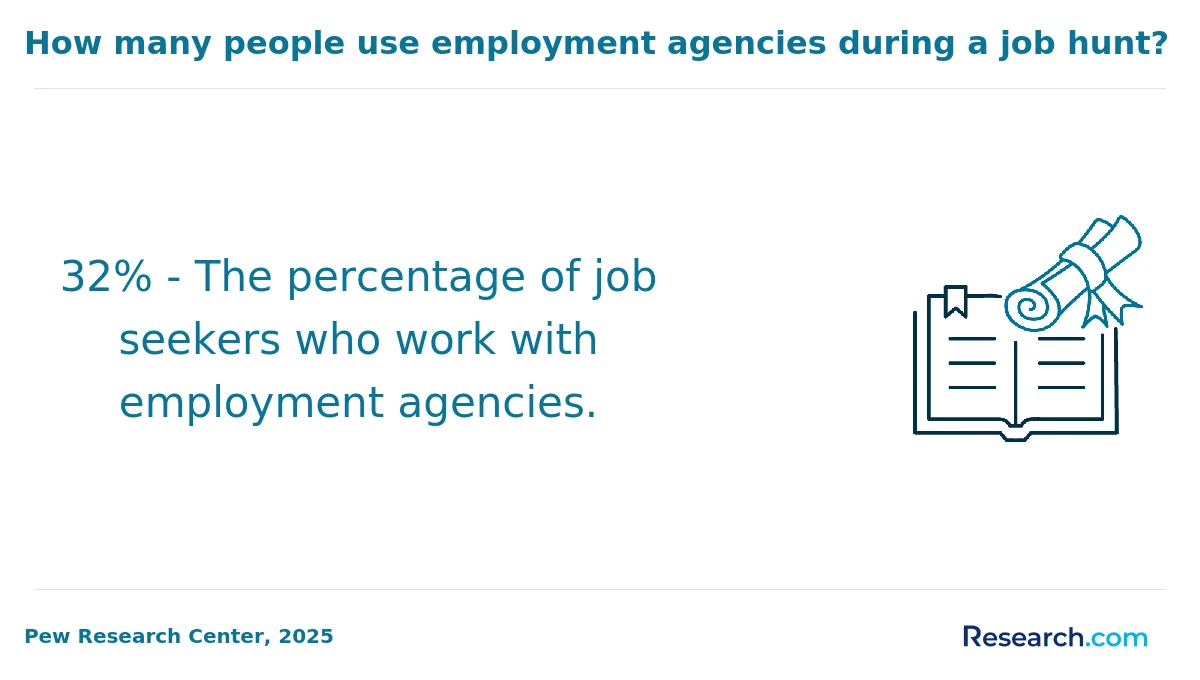
Students pursuing trade school certifications in Indiana can access a variety of financial aid options tailored to ease their financial burden. Many graduates from Ivy Tech Community College share how the Workforce Ready Grant covered their tuition and mandatory fees, allowing them to focus fully on completing their certification without worrying about costs. This last-dollar grant is especially valuable because it pays for what federal Pell Grants leave uncovered.
For those attending Vincennes University or Indiana Tech, federal aid through the Pell Grant program often makes a significant difference. Many students emphasize the importance of completing the FAFSA early, as this process assesses eligibility for need-based aid that doesn't require repayment. Completing FAFSA also opens doors to additional scholarships and grants.
Adults returning to school find support from the Adult Student Grant, which awards $2,000 annually-helping them balance education with life responsibilities. Others appreciate tuition exemptions available for children of disabled or deceased veterans, relieving families of substantial costs.
Many students also highlight the value of scholarships offered directly by trade schools and industry groups, which reward merit and commitment to in-demand career fields, making Indiana's trade school certifications genuinely accessible and rewarding.
Enrollment in Indiana trade school certification programs primarily requires a high school diploma or GED, a baseline standard ensuring students are prepared for technical coursework. Graduates from institutions like Ivy Tech Community College often reflect on how this foundation helped them tackle workforce training confidently.
Certain programs, especially those linked with high schools such as Southern Indiana Career & Technical Center, have more specific criteria:
- Students must be graduating seniors.
- Completion of high school credits in both semesters of the program is mandatory.
- To earn a Certificate of Excellence, maintaining a 3.5 GPA in career and technical education courses is required, along with good attendance and citizenship.
Adult learners appreciate the flexibility in many Indiana trade schools, where sometimes just a diploma or GED opens the door. Short-term certificates allow career changers to swiftly enter the workforce, often in six months or less.
Some technical fields, such as surgical technology or cosmetology, expect students to complete state-approved or accredited coursework before licensing exams. This adds a layer of rigor but ultimately boosts graduates' confidence and job readiness in demanding roles.

Trade school certificate courses in Indiana focus on practical skills aligned with local workforce demands. Graduates frequently highlight hands-on learning in programs covering skilled trades like HVAC, welding, automotive service, and electrical systems. For instance, those attending Lincoln Tech experience real-world training in automotive and diesel technology, while Hoosier Trade School students value the comprehensive HVAC certification, including OSHA 10 and EPA 608 Universal qualifications within months.
Indiana career and technical education programs also extend into healthcare, with popular certifications in medical assisting, phlebotomy, and EKG technician roles. Graduates from Indiana School of Phlebotomy often emphasize how the mix of online and weekend in-person training allowed them to balance work and study effectively.
Business and technology courses round out these programs, offering certificates in fields like accounting, artificial intelligence, and supply chain management via schools such as Indiana Tech. The varied course structures and flexible scheduling reinforce the appeal for many students looking to quickly advance their careers.
For those interested in electrical trades, there are valuable resources available on the most affordable electrician trade school programs online, helping prospective students make informed decisions.
Choosing the best trade school programs in Indiana means focusing on accreditation and how well the curriculum aligns with local industry needs. Graduates from Ivy Tech often share how their certification directly matched employer expectations, enabling them to secure positions quickly in healthcare or manufacturing fields. The state's Next Level Programs of Study (NLPS) ensure that certificates are recognized and often come with dual credit options, making them more valuable for future education or career advancement.
Cost comparison is key, especially when deciding how to compare Indiana trade school costs. Many students find that programs participating in the Workforce Ready Grant reduce financial strain, allowing them to focus more on studies. For example, a graduate from Indiana Tech appreciated the flexible scheduling and financial aid that kept them motivated while managing family responsibilities.
Look for short-term programs with multiple enrollment dates, meeting the needs of adult learners balancing jobs and home life. Exploring cheap online classes for welding trade school can also open up affordable pathways without sacrificing quality.
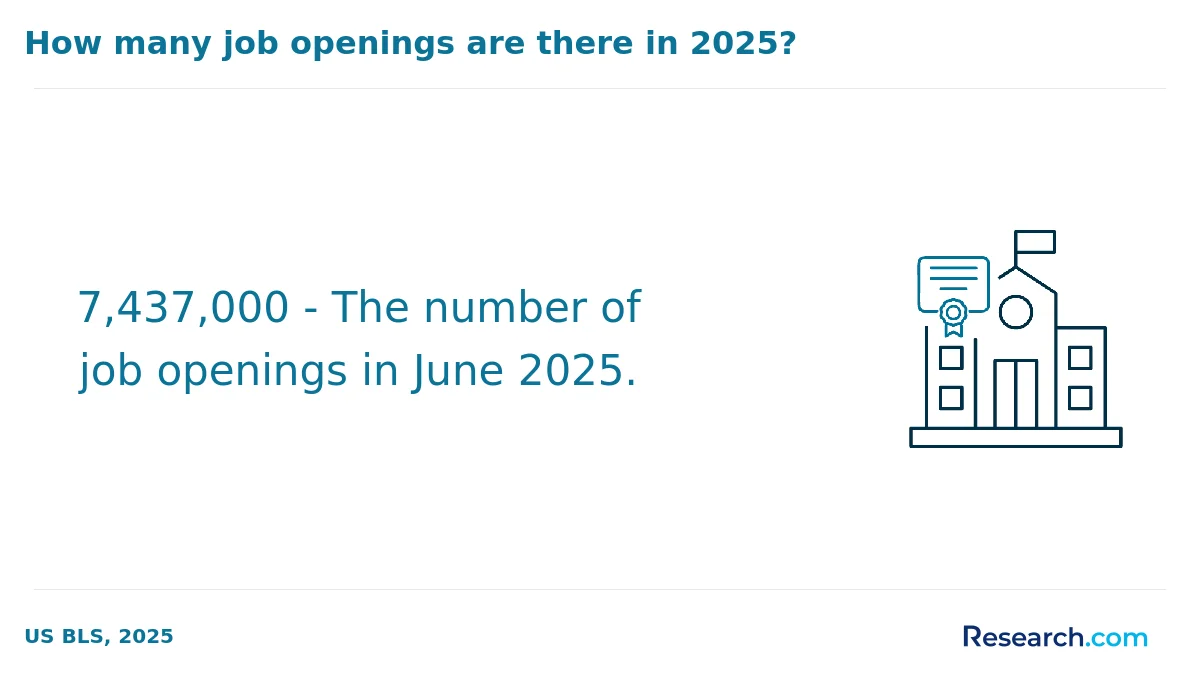
Graduates of trade school certification programs in Indiana find career opportunities that align closely with local industry demands. Many who complete programs at prominent institutions like Ivy Tech Community College enter fields such as health care, information technology, advanced manufacturing, and business, benefiting from hands-on training that translates directly into job readiness. For example, health care graduates often secure positions as licensed practical nurses or medical coders, roles in high demand across Indiana's medical facilities.
Others with IT certifications step into roles like network administrators and software support analysts, supporting Indiana's growing tech sector. Advanced manufacturing certifications can lead to roles as welders or CNC machinists, where graduates report a strong sense of accomplishment and job stability.
- Medical assistant, dental assistant, respiratory therapist
- Desktop support technician, programmer, web designer
- Welder, electrician, HVAC technician
- Management, marketing, supply chain management
These career paths reflect the state's focus on workforce-aligned programs, with many students sharing positive experiences about feeling immediately employable after certification. Moreover, Indiana encourages promoted industry certifications, which helps graduates stay competitive. Those interested might explore affordable electrical lineman programs online to diversify their options.
The trade school job outlook in Indiana remains strong and promising, fueled by urgent demand across critical industries. Graduates of certificate programs at popular institutions such as Ivy Tech Community College and Vincennes University often share how quickly they transitioned into roles in healthcare or manufacturing, reflecting real opportunities for upward mobility. Many report entering the workforce within months, equipped with highly practical skills that employers seek.
Employment opportunities for Indiana trade school graduates are particularly abundant in sectors including:
- Healthcare, with 38,700 openings annually for certified medical assistants and technicians
- Advanced manufacturing, offering 18,300 positions yearly for machinists and maintenance specialists
- Transportation and logistics, creating 24,000 roles for graduates proficient in digital and technical skills
- Technology, with at least 1,300 openings focused on cybersecurity and systems analysis
State initiatives like Next Level Jobs and the Workforce Ready Grant provide tuition-free certificates, making these career paths more accessible and affordable. Prospective students consistently highlight how the practical training aligns directly with employer demands, reinforcing their confidence in a stable, future-proof career. Insights from recent graduates point to a workforce that values quick skill acquisition and credentials-key factors in the positive growth of trade careers throughout Indiana.
Most Affordable Certificate Programs - Leading Certification Courses in Indiana for 2026
# 1 position
Indiana County Technology Center - Heating, Air Conditioning, Ventilation and Refrigeration Maintenance Technology/Technician.
certificate or diplomaThe Heating, Air Conditioning, Ventilation and Refrigeration Maintenance Technology/Technician program at Indiana County Technology Center offers hybrid learning options. It trains students to repair, install, service, and maintain heating, air conditioning, and refrigeration systems. Instruction includes diagnostic techniques, testing equipment use, and principles of mechanics, electricity, and electronics. The program is accredited by the Pennsylvania State Board of Vocational Education.
# 2 position
Indiana County Technology Center - Automobile/Automotive Mechanics Technology/Technician.
certificate or diplomaThe Automobile/Automotive Mechanics Technology/Technician program at Indiana County Technology Center offers a hybrid format with some distance education options. It prepares students to repair, service, and maintain various automobile systems, including brakes, electrical, engine performance and repair, suspension, steering, transmissions, and heating and air conditioning. The program is accredited by the Pennsylvania State Board of Vocational Education.
# 3 position
Indiana County Technology Center - Welding Technology/Welder.
certificate or diplomaThe Welding Technology/Welder program at Indiana County Technology Center offers hybrid instruction, combining in-person and distance education. It prepares students to apply technical skills in welding and cutting metal surfaces, including arc welding, resistance welding, brazing, soldering, and high-energy beam techniques. The curriculum covers welding metallurgy, safety, structural design, and relevant codes. The program is accredited by the Pennsylvania State Board of Vocational Education.
Frequently Asked Questions about trade school certificates
After completing trade school certification programs in Indiana, preparing for the job market requires strategic steps to maximize employment opportunities. Graduates should begin by updating their resumes to highlight hands-on skills and specific certifications obtained. According to the Indiana Department of Workforce Development, many trade sectors like construction and manufacturing are expected to grow by 4-7% through 2030, signaling strong demand for certified workers.
Networking is also crucial; joining local trade associations and attending job fairs can connect graduates to employers actively seeking skilled workers. Additionally, utilizing the career services offered by trade schools enhances access to internships and job placements.
Gaining relevant work experience through apprenticeships or part-time positions can improve employability and salary potential. The U.S. Bureau of Labor Statistics shows that Indiana trade school graduates frequently earn a median annual wage above $40,000 in fields such as HVAC and electrical work, underscoring the value of certification programs for career advancement.
Employers in Indiana highly value practical skills when hiring graduates from trade school certification programs. According to the Indiana Department of Workforce Development, technical proficiency in areas such as welding, electrical work, HVAC, and automotive repair remains in strong demand. Beyond hands-on expertise, employers prioritize problem-solving abilities and effective communication skills to improve teamwork and workplace efficiency.
Data from the National Skills Coalition shows that 72% of Indiana employers seek candidates with good work ethic and reliability, essential for success in skilled trades. Adaptability to evolving technology is also key, as industries continue to integrate new tools and methods.
Finding internships in Indiana related to your trade school certification program involves several practical steps. Start by contacting your trade school's career services, as many maintain partnerships with local employers. According to the Indiana Department of Workforce Development, sectors like advanced manufacturing, healthcare, and construction offer numerous internship opportunities aligned with trade certifications.
Online job boards such as Indiana Career Connect list thousands of internship openings statewide, searchable by industry and location. Networking through local trade unions and chambers of commerce can also reveal hidden opportunities. Additionally, some employers in Indiana offer paid internships designed to transition interns into full-time roles, making these positions valuable for gaining real-world experience.
Trade school certifications in Indiana play a significant role in enhancing career mobility and advancement. These programs provide practical skills tailored to specific industries such as healthcare, manufacturing, and construction, which are prominent in the state. According to the Indiana Commission for Higher Education, individuals with trade certifications often experience faster job placement rates compared to those without formal credentials.
Certified workers also benefit from higher earning potential, with Indiana's Department of Workforce Development noting wage increases of 10-20% post-certification in many fields. Employers frequently prioritize certified candidates for promotions, recognizing their verified expertise.
Trade certifications can also open pathways to apprenticeships and further education, supporting long-term career growth. This combination of skill validation and local industry demand makes certification a valuable tool for professional advancement in Indiana.
Part-time job opportunities in Indiana that complement trade school certification programs often align closely with students' fields of study. For example, those enrolled in health-related certifications may find part-time roles as medical assistants or pharmacy technicians. The Indiana Department of Workforce Development reports growing demand in these sectors, with healthcare support roles increasing by 7% over the past five years.
Students in mechanical or electrical trade programs can seek part-time work as maintenance technicians or apprentices with local manufacturers or construction companies. The construction industry in Indiana added over 3,000 jobs statewide in 2023, providing ample opportunities for on-the-job experience.
Retail and customer service positions also remain common for trade school students due to flexible schedules, allowing them to balance education and work effectively.
Yes, there are several affordable degree programs available for those located near Indiana, PA, with Indiana University of Pennsylvania being a prominent option offering competitive tuition rates and a range of undergraduate and graduate degrees. Nearby, the region hosts additional universities and community colleges that also provide affordable education opportunities which you might find by searching locally or using resources like Research.com to explore programs "near me." Consider visiting campus websites or contacting admissions offices directly to get detailed information on tuition costs and financial aid options specific to their programs.
- Find The Best Trade Schools In Indiana https://www.accreditedschoolsonline.org/vocational-trade-school/indiana/
- 37 Careers You Can Pursue Via Trade Schools https://www.best-trade-schools.net/careers/
- College Graduate Skills for Employers | Entering the Job Market https://global.nmsu.edu/blog/general/skills-employers-look-for-in-college-grads/
- Nimble https://app.hirenimble.com/jobs/state/in
- Trade school students returning to the classroom in record numbers - Associated Builders and Contractors of Indiana Kentucky https://abcindianakentucky.org/trade-school-students-returning-to-the-classroom-in-record-numbers/
- 7 Tips for a Smoother Transition from Trade School to Career | Refrigeration School, Inc. (RSI) https://www.rsi.edu/blog/skilled-trades/7-tips-for-a-smoother-transition-from-trade-school-to-career/
- Online Skilled Trades Training Programs | Penn Foster https://www.pennfoster.edu/programs/trades
- Indiana's ambitious plan to boost apprenticeships 'will be challenging,' per new report • Indiana Capital Chronicle https://indianacapitalchronicle.com/2024/08/26/indianas-ambitious-plan-to-boost-apprenticeships-will-be-challenging-per-new-report/
- Research - Most Affordable Online Electrician Trade School Programs https://research.com/degrees/most-affordable-online-electrician-trade-school-programs
- Collegescorecard https://collegescorecard.ed.gov/


