Most Affordable Certificate Programs - Leading Certification Courses in California for 2026

Co-Founder and Chief Data Scientist
Choosing the right trade school certificate program in California can feel overwhelming. To make that easier, the Research.com team of data scientists created a comprehensive ranking of the most affordable and valuable options for 2026.
This article will guide you through programs worth considering, helping you find one that fits your budget and career goals.
Getting a trade school certification opens doors to practical skills and promising job opportunities, empowering you to build a fulfilling future with confidence.
Key benefits of getting trade school certificate in California
- Expected salary: Trade school graduates in California enjoy competitive pay, with roles like nuclear power reactor operators earning over $120,000, elevator installers around $106,580, and plumbers about $63,000 annually.
- Popular career paths: Graduates often pursue in-demand jobs such as electricians, aircraft mechanics, and healthcare technologists, all offering solid incomes and job stability in the state's diverse economy.
- Online certification benefits: Completing a trade school certificate online offers flexibility and convenience, allowing students to balance work and study effectively, as many online graduates report smooth transitions into rewarding careers without relocating.
- Most Affordable Certificate Programs - Leading Certification Courses in California for 2026
- What can I expect from trade school certification programs in California?
- Where can I work with trade school certification in California?
What can I expect from trade school certification programs in California?
The average cost of a trade school certification program in California typically ranges between $5,000 and $15,000, depending on the field of study and institution. Graduates from popular programs like automotive technology or welding often describe the investment as manageable, especially when considering financial aid or state grants available at many community colleges and technical institutes.
Students frequently report that the hands-on approach, such as working with real automotive engines or practicing welding techniques in well-equipped labs, adds significant value beyond the tuition cost. The hybrid format in programs like business office administration also appeals to many, offering flexibility while maintaining practical skill development.
Certification programs lasting from a few months up to a year allow students to enter the workforce swiftly, with career training certificates that boost their earning potential. Many graduates feel confident and prepared as their coursework integrates technical knowledge with essential workplace skills, making the tuition cost a worthwhile investment in their future.
Where can I work with trade school certification in California?
After finishing a trade school certification program in California, graduates find diverse employment opportunities across key industries. For example, many certified electricians and HVAC technicians secure jobs with construction firms or contractors, benefiting from California's expanding renewable energy projects and infrastructure upgrades. These roles offer competitive starting wages and clear pathways for career advancement.
Graduates from automotive or diesel technology programs, such as those at San Joaquin Delta College, frequently report immediate employment in repair shops or manufacturing plants, earning stable, living wages. Similarly, those certified in healthcare-related trades, like Alcohol & Drug Counseling, often enter clinics or rehabilitation centers, supported by trade schools that prepare them for credentialing requirements.
In technology fields, students completing entry-level cybersecurity or IT support certifications commonly find roles in private firms, schools, or government agencies. Many of these graduates express satisfaction with the practical skills gained, which employers in California highly value for job readiness and on-the-spot problem solving, making trade school notably rewarding and approachable.
After finishing a trade school certification program in California, graduates typically start with annual salaries around $29,600, which amounts to about $14.23 per hour. Those who attended well-known California trade schools often find this starting pay a solid foundation for building a career. With experience and further certifications, many see income rise to approximately $43,400 per year, or $21 per hour, reflecting the 75th percentile for vocational workers in the state.
Graduates from electrician programs, popular among California trade schools, often earn between $45,000 and $60,000 at entry-level positions. Experienced electricians in the region surpass $90,000 annually, showcasing the financial upside for skilled tradespeople. Healthcare-related certifications also offer strong earning potential, with medical sonographers and dental hygienists averaging over $81,000 per year, offering graduate alumni from these fields rewarding and stable incomes.
For tech-focused trade programs such as website development, graduates report median salaries near $78,300. Automotive service technicians, frequently trained in California's trade schools, commonly earn about $46,880 annually post-certification, demonstrating diverse paths to financial growth based on the trade chosen.
These figures reflect real outcomes from a variety of California trade schools, encouraging new students with tangible examples of career and salary progression achievable through focused vocational training.
- Jasmine: Completing my HVAC certification in Los Angeles was a game-changer. The hands-on training built my confidence, and the school's job placement helped me land a role with a top company. Now I love knowing I'm helping people stay comfortable year-round.
- Marco: The electrical program in San Diego was intensive but rewarding. The instructors were truly supportive, and after graduating, I secured an apprenticeship quickly. It's fulfilling to work on real projects and see my skills power entire buildings across California.
- Linda: Pursuing a welding certification in Oakland transformed my career path. The school's workshops made complex techniques clear, and I felt prepared entering the workforce. Today, I take pride in crafting durable structures and have financial stability I never imagined before.
- The basic entry requirement is a high school diploma, GED, or equivalent, with some schools accepting postsecondary program participation or completed degrees.
- Most California trade schools do not require SAT or ACT scores but may require a placement test and have rolling application deadlines.
- Program duration is often under one year, with average tuition ranging from $3,000 to $20,000 regardless of residency.
- Graduates find jobs in fields like electrical work, HVAC, welding, plumbing, counseling, and cybersecurity, with entry-level salaries between $35,000 and $55,000 annually.
- Experienced electricians and HVAC technicians can earn $60,000 to $80,000 or more, depending on skill and experience.
- Certification and licensing requirements vary, often involving exams and work hours, and curricula align with these licensure pathways.
Trade school certification programs in California typically take between a few weeks and two years to complete, depending on the trade and enrollment pace. Graduates from fast-track programs like medical assisting, welding, and phlebotomy often share how quickly they transitioned into rewarding careers, completing their studies in less than a year. For instance, students at San Diego College of Continuing Education finish Shielding Metal Arc Welding and Gas Tungsten Arc Welding certificates in under a year, accelerating their workforce entry.
More time-intensive programs, such as HVAC technician or electrician courses, can last up to two years. An electrician certificate may require about 26 weeks with 900 hours of combined hands-on training and classroom instruction. Automotive technician certificates usually take around 10 months full-time, allowing graduates to feel prepared and confident stepping into their roles.
Part-time enrollment options offer flexibility for students balancing work or family commitments but can extend program length. Overall, California trade school students find a variety of pathways that fit their goals, often appreciating the balance of focused, applied learning with attainable timelines.
Online trade school certification programs in California prioritize flexibility, allowing students to complete coursework through digital platforms at their own pace. For instance, graduates from Calbright College appreciate the self-paced format and the ability to revisit lessons as needed while balancing work or family commitments. Communication typically takes place via email or virtual meetings, and support services are accessed online, which suits those who prefer a remote learning environment.
However, many trades require hands-on training, which online formats cannot fully provide. Programs at institutions like De Anza College use a blended model, combining online theory with on-campus labs or workshops. Graduates from these programs often report satisfaction with this balance, gaining both convenience and practical skills.
Conversely, on-campus programs demand physical attendance, providing immediate access to instructors, equipment, and peer interaction. Students at Ohlone College highlight the benefit of face-to-face guidance and hands-on practice from day one, valuable for mastering technical skills in person.
In California, the average trade school cost in California varies notably between public and private institutions. Public trade schools generally charge tuition between $8,000 and $15,000, while private schools typically range from $12,000 to $25,000. However, when factoring in essentials like books, equipment, and student fees, total expenses rise-public program costs can reach between $14,000 and $22,000, and private programs from $18,000 up to $33,000. Graduates from automotive technician certification programs often report total expenses near the higher end, around $25,870, reflecting specialized equipment and materials needed.
Students pursuing Californian trade school certification experience variations in costs tied closely to program length and specialization. For example, electrician programs average about $14,640, reflecting moderate material and tool expenses. Many students appreciate how these programs offer a manageable financial commitment compared to traditional college options, since California public university tuition can exceed $19,800 annually. This affordability combined with shorter completion times lets students enter the workforce sooner with valuable hands-on skills.
Financial aid opportunities significantly ease cost concerns for California residents. Grants such as Cal Grant C, the California Chafee Grant, and federal Pell Grants provide annual support up to roughly $6,895, making trade school tuition more accessible. Additionally, those interested in specific trades may find resources and recommendations through cheap appliance repair courses online, helping them save on training in high-demand fields.
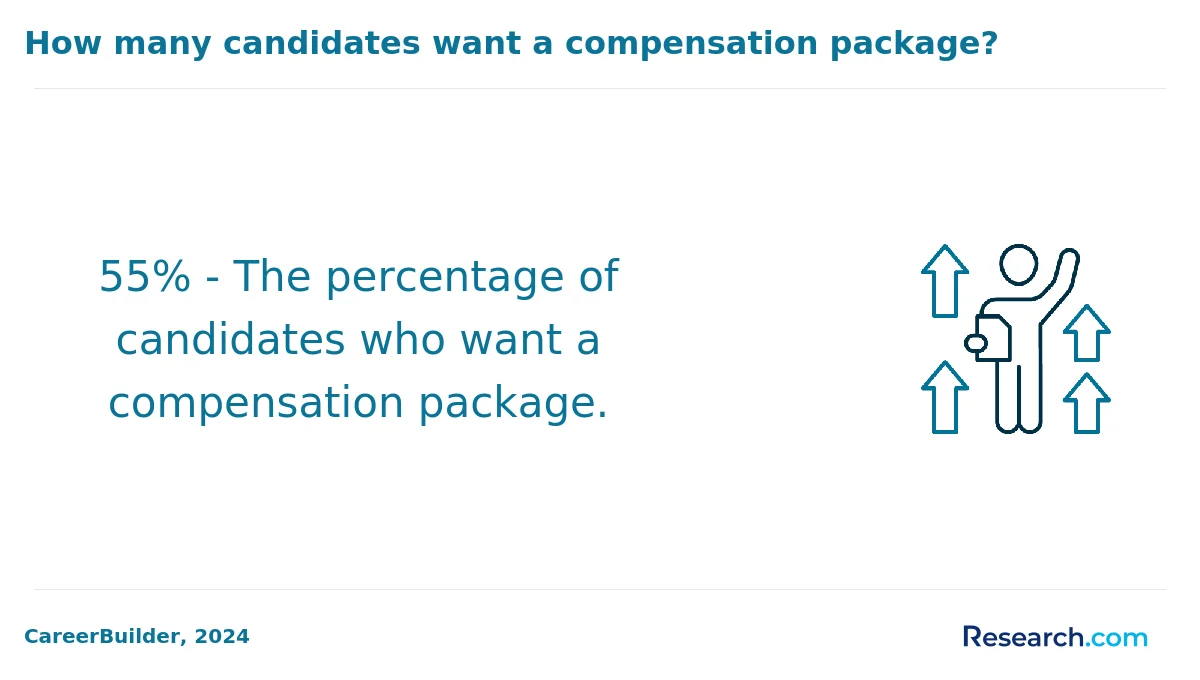
Students enrolled in California trade school certification programs often rely on multiple financial aid sources to manage their education costs effectively. Federal Pell Grants, for example, provide up to $7,395 annually without requiring repayment, offering crucial relief for those attending schools like Universal Technical Institute or Los Angeles Trade-Tech College.
Many graduates recall how the Cal Grant C Award made tuition and training fees manageable, especially since it does not require a GPA threshold and is specifically tailored for occupational programs in California. This grant, accessible through FAFSA or the California Dream Act Application, plays a pivotal role for students advancing in fields such as automotive technology or healthcare certification.
Supplemental options like the Chafee Foster Youth Grant, offering up to $5,000 yearly, have helped former foster youth complete certifications without financial stress. Additionally, the availability of private scholarships, such as those from the mikeroweWORKS Foundation or DEWALT Trades Scholarship, supplements these grants, allowing students at institutions like Cypress College to focus fully on skill-building rather than finances.
Enrollment in trade school certification programs in California typically requires a high school diploma, GED, or proof of completion of a state-authorized equivalency exam. Graduates from popular trade schools often recall how their recognized homeschooling programs or equivalent credentials streamlined their admission.
Many trade schools also require placement tests to gauge readiness for specific coursework, focusing on basic academic or technical skills rather than standardized exams like the SAT or ACT, which are rarely needed. Applicants generally must be at least 16 years old, with some programs requiring a minimum of 18, especially in fields with legal or safety restrictions.
For advanced certifications, such as pursuing a contractor's license, applicants need:
- At least four years of journeyman-level experience or higher
- Up to three years of relevant education or apprenticeship training credited toward experience
- Proper documentation like transcripts or certificates
Programs like Career Technical Education also emphasize prior work experience within the industry. Many students recall how their hands-on job roles prior to enrollment gave them a strong advantage, making their education feel more practical and rewarding.
With rolling admissions at most California trade schools, submitting educational records and completing placement assessments often forms a smooth, flexible entry process, allowing many to start their career-focused journey without delays.

Trade school certification programs in California commonly include a diverse range of courses tailored to equip students with practical skills for immediate job readiness. Graduates from popular institutions like the San Diego College of Continuing Education report taking hands-on courses in electronics, HVAC systems, plumbing, welding, and metal fabrication. These areas are key components of certificate program courses in California trade schools.
Health-related programs often cover clinical skills, medical terminology, patient care, and administrative duties. For example, medical assistant tracks combine coursework on procedures and medical records, while dental assistant programs emphasize sterilization and patient interaction. Externships are a valued part of the trade school curriculum California students find helpful to gain real-world experience.
Technical programs include automotive repair, electrician training, and business skills such as office software and communication. Many students benefit from flexible formats that blend online and in-person learning, making it easier for working adults to advance.
Many look for affordable online maintenance technician trade programs to accommodate their schedules while earning valuable certifications.
Choosing the best trade school certification program in California begins with verifying official accreditation, such as from the California Commission on Teacher Credentialing (CTC), ensuring your certificate is recognized statewide. Graduates from well-known community colleges often emphasize how alignment between program curriculum and career goals, like specializing in welding or HVAC, directly boosted their confidence and job readiness.
Evaluate programs that offer hands-on training with experienced instructors-many report internships and lab work were crucial in translating classroom knowledge into practical skills. Career placement resources significantly influence post-graduation success; students from top-ranked California trade schools frequently mention how counselors and industry connections helped them secure positions quickly.
When comparing options, consider admission criteria, tuition fees, and financial aid availability. To explore affordable options, look into cheap electrical lineman programs online that still maintain quality standards. Taking the time to analyze these factors will ensure you select a program that fits your ambitions and budget, a key step when searching for the best trade school programs in California.
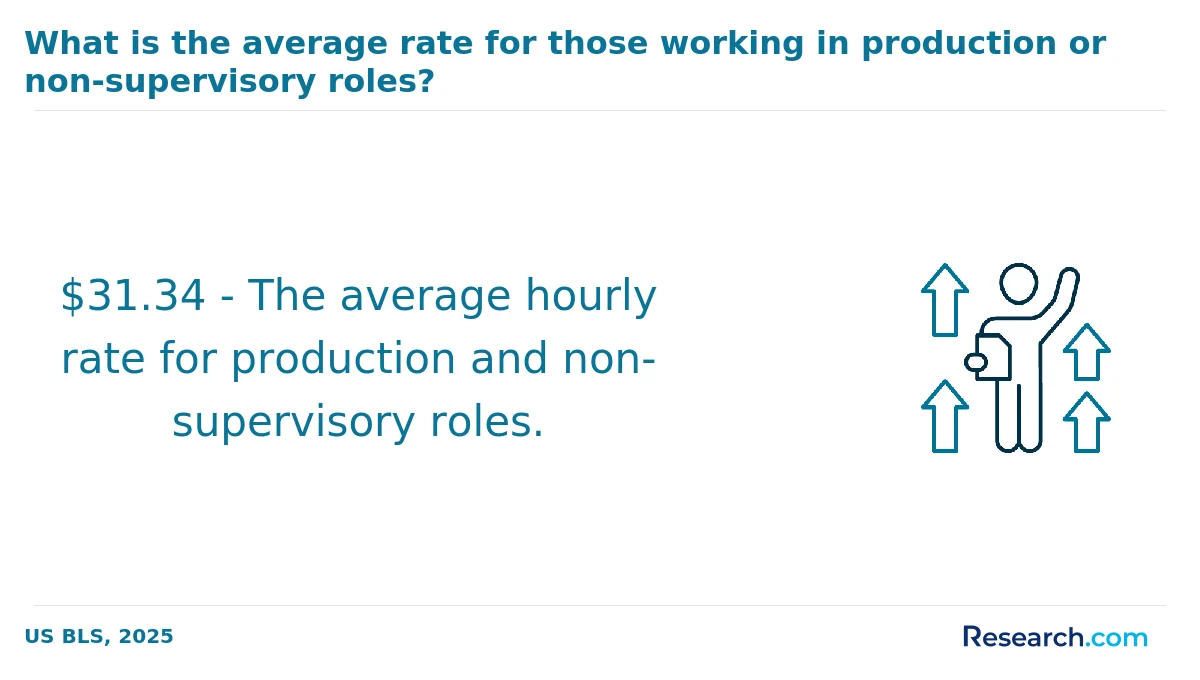
Career options for trade school graduates in California span multiple thriving industries, each offering clear pathways to stable employment. Graduates at prominent California trade schools quickly find roles in building and construction trades such as carpentry, electrical work, and HVAC, benefiting from direct training in OSHA and NEC standards. These certifications often allow immediate entry into the workforce with state-required trainee cards, accelerating career start times.
Healthcare and human services attract many certificate holders, qualifying them for positions like medical assistants or pharmacy technicians where formal certification is highly valued across the state. Graduates report satisfaction earning credentials that translate into in-demand jobs supporting California's expansive healthcare system.
Technical and skilled trades provide fertile ground for careers in welding, automotive service, and machine tool operation. A notable percentage of graduates gain employment within a year, supporting the robust manufacturing sectors that drive California's economy.
Emerging fields including cybersecurity and IT reflect California's tech leadership. Certificate holders can enter IT support or network administration roles with strong growth potential, reflecting both rising demand and competitive trade school jobs and salaries in California.
More broadly, business administration, hospitality, public safety, and energy technology certifications diversify options, making a career transition achievable statewide. Graduates often draw on hands-on, focused training to access these roles confidently, echoing positive employment experiences reported by peers.
For those seeking to maximize their earning potential, exploring high paying trade jobs in California reveals many financially rewarding paths that align with certification programs, solidifying trade school certification as a pragmatic investment in career growth.
The job market for trade school graduates in California remains exceptionally strong, driven by ongoing demand across several high-growth industries. Graduates from popular California trade schools often find themselves quickly employed due to the state's skilled trades labor shortage California, especially in construction, electrical work, welding, and HVAC sectors. For instance, many recent certificate earners from well-known vocational programs report securing positions in large infrastructure projects or renewable energy installations within months of completing their studies.
Key factors that benefit trade school graduates include:
- Rapid program completion times allow quick workforce entry.
- Hands-on training aligns with real employer needs.
- Opportunities extend beyond traditional trades into expanding fields like solar installation and cybersecurity.
Healthcare trades such as medical sonography and dental hygiene also present lucrative paths. Graduates often describe feeling confident and prepared, equipped with both technical skills and relevant certifications. Additionally, some find it helpful to explore low cost online cosmetology programs that complement in-person study options, broadening their career scope within California's competitive employment landscape.
Most Affordable Certificate Programs - Leading Certification Courses in California for 2026
# 1 position
San Diego Miramar College - Physical Fitness Technician.
certificate or diplomaThe Physical Fitness Technician program at San Diego Miramar College offers a hybrid format with some distance-education options. It prepares students for roles in health clubs, wellness centers, hospitals, and corporate fitness programs through instruction in anatomy, physiology, exercise science, nutrition, and customer service. The program is accredited by the Western Association of Schools and Colleges Accrediting Commission for Community and Junior Colleges. Annual in-state tuition costs $1,150.
# 2 position
San Diego Miramar College - Automobile/Automotive Mechanics Technology/Technician.
certificate or diplomaSan Diego Miramar College offers a hybrid program in Automobile/Automotive Mechanics Technology/Technician that prepares students to repair, service, and maintain various automobiles. The curriculum covers brake systems, electrical systems, engine performance and repair, suspension and steering, transmissions, and heating and air conditioning. The annual in-state tuition is $1,150. Median earnings one year after completion are $43,285. The program is accredited by the Western Association of Schools and Colleges Accrediting Commission for Community and Junior Colleges.
# 3 position
San Diego Mesa College - Physical Fitness Technician.
certificate or diplomaSan Diego Mesa College offers a Physical Fitness Technician program with a hybrid format, combining in-person and distance education. The program prepares students for roles in health clubs, wellness centers, and corporate fitness programs through instruction in anatomy, exercise science, nutrition, and customer service. Annual in-state tuition is $1,150. The program is accredited by the Western Association of Schools and Colleges Accrediting Commission for Community and Junior Colleges.
# 4 position
San Diego Mesa College - Building/Home/Construction Inspection/Inspector.
certificate or diplomaSan Diego Mesa College offers a hybrid program in Building/Home/Construction Inspection/Inspector, combining distance education with in-person learning. The curriculum covers construction processes, materials analysis, occupational safety, building codes, blueprint reading, testing procedures, communication, and accident investigation. The program prepares students to apply industrial, labor, and governmental standards for construction oversight and maintenance. Annual in-state tuition is $1,150. The program is accredited by the Western Association of Schools and Colleges Accrediting Commission for Community and Junior Colleges.
# 5 position
San Diego Mesa College - Interior Design.
certificate or diplomaSan Diego Mesa College offers a hybrid Interior Design program that prepares students to professionally plan, design, and furnish residential and commercial spaces. The curriculum includes computer applications, drafting, lighting, acoustics, color coordination, furniture, textiles, and structural design. Annual in-state tuition is $1,150. Graduates earn a median income of $17,406 one year after completion. The program is accredited by the Western Association of Schools and Colleges Accrediting Commission for Community and Junior Colleges.
# 6 position
San Diego Mesa College - Dental Assisting/Assistant.
certificate or diplomaSan Diego Mesa College offers a Dental Assisting/Assistant program in a hybrid format with some distance-education options. The program trains students to provide patient care, take dental radiographs, assist chairside, and handle office administrative tasks under supervision. Instruction covers medical record-keeping, equipment maintenance, sterilization, and patient preparation. Annual in-state tuition is $1,150. The program is accredited by the Western Association of Schools and Colleges Accrediting Commission for Community and Junior Colleges.
# 7 position
San Diego Mesa College - Medical Insurance Coding Specialist/Coder.
certificate or diplomaSan Diego Mesa College offers a Medical Insurance Coding Specialist/Coder program in a hybrid format, combining some distance-education options. The program trains students in specialized data entry, classification, and record-keeping related to medical diagnostic, treatment, billing, and insurance documentation. Coursework includes medical records software, anatomy, physiology, medical terminology, coding, and Medicare regulations. The annual in-state tuition is $1,150. The program is accredited by the Western Association of Schools and Colleges Accrediting Commission for Community and Junior Colleges.
# 8 position
Merced College - Diagnostic Medical Sonography/Sonographer and Ultrasound Technician.
certificate or diplomaMerced College offers a Diagnostic Medical Sonography/Sonographer and Ultrasound Technician program with a hybrid format, including some distance education. The program trains students to use medical ultrasound techniques for diagnosing conditions, covering patient care, data recording, and professional ethics. Annual in-state tuition is $1,194. Graduates earn a median salary of $78,871 one year after completion. The program is accredited by the Western Association of Schools and Colleges Accrediting Commission for Community and Junior Colleges.
# 9 position
Merced College - Electrician.
certificate or diplomaThe Electrician program at Merced College offers hybrid learning to prepare students for installing, operating, maintaining, and repairing electrical systems in residential, commercial, and industrial settings. Instruction covers electronics principles, wiring, power transmission, safety, testing, inspection, and applicable codes. The annual in-state tuition is $1,194. The program is accredited by the Western Association of Schools and Colleges Accrediting Commission for Community and Junior Colleges.
# 10 position
Merced College - Industrial Mechanics and Maintenance Technology/Technician.
certificate or diplomaMerced College offers a hybrid Industrial Mechanics and Maintenance Technology/Technician program designed to equip students with skills to repair and maintain industrial machinery such as cranes, pumps, engines, and conveyor systems. The program includes both in-person and distance-education options. Annual in-state tuition is $1,194. The program is accredited by the Western Association of Schools and Colleges Accrediting Commission for Community and Junior Colleges.
Frequently Asked Questions about trade school certificates
After completing a trade school certification program in California, preparing for the job market involves several key steps. First, graduates should update their resumes to highlight specific skills and hands-on experience gained during training. According to the California Employment Development Department, industries like construction, healthcare, and manufacturing have growing demand for certified workers, offering promising job opportunities.
Networking is essential; attending local trade associations and job fairs can connect graduates with potential employers. Many schools offer career services, including interview coaching and job placement assistance. Additionally, obtaining relevant licenses or additional certifications may increase employability in fields such as electrical work or plumbing. Staying informed about labor market trends through state resources helps graduates target in-demand jobs effectively.
Employers in California highly value technical skills that align with industry standards in trade school certification graduates. For example, proficiency in modern equipment operation, computer-aided design (CAD), and electrical or mechanical systems is crucial across several trades.
Soft skills also play a vital role. Communication, teamwork, and problem-solving abilities rank among the top qualities sought by employers, according to the California Community Colleges Chancellor's Office.
Additionally, safety knowledge and adherence to state-specific regulations are frequently emphasized, especially in construction and manufacturing sectors where workplace safety is essential.
Data from the California Employment Development Department (EDD) confirms that candidates who combine technical competency with strong interpersonal skills have significantly better employment prospects.
Finding internships in California related to your trade school certification involves several practical steps. First, explore resources offered by your trade school, as many programs collaborate with local businesses to provide internship opportunities. Websites like CalCareers and the California Department of Labor provide listings for apprenticeship and internship programs across various trades.
Networking is also essential. Joining local trade associations or unions can connect you to employers seeking interns. According to the California Employment Development Department, internships in skilled trades sectors such as construction, automotive, and healthcare are growing, reflecting the state's demand for certified professionals.
Finally, attending job fairs and using online platforms like Handshake or Indeed can increase your chances of finding relevant internships in your field.
Trade school certification programs in California play a significant role in enhancing career mobility and advancement. According to the California Community Colleges Chancellor's Office, students earning certificates can increase their chances of employment by gaining practical skills aligned with local labor market demands. Certifications often lead to higher wages compared to non-certified peers, with some industries reporting pay increases of 10% to 20% post-certification.
These programs also provide faster pathways to employment compared to traditional four-year degrees, enabling workers to quickly shift into growing fields like healthcare, construction, and technology. California's robust economy supports strong demand for trade-certified professionals, making these credentials valuable assets for career growth.
Furthermore, trade certifications improve social mobility by offering affordable education options that reduce student debt, especially important for low-income Californians seeking to upskill or change careers. Data from the Public Policy Institute of California highlights that certificate holders in technical fields experience improved job security and advancement opportunities, contributing to long-term economic stability.
Part-time job opportunities in California that complement trade school certification programs often align with the skills students acquire. For example, students pursuing electrical or HVAC certifications can find part-time technician or helper roles, offering practical experience while earning wages. According to the California Employment Development Department, such positions typically pay between $15 and $25 per hour.
In healthcare-related certifications, roles like medical assistants or pharmacy clerks provide valuable hands-on experience while balancing coursework. Retail and customer service positions also support students by developing communication and organizational skills.
Many community colleges and trade schools maintain partnerships with local employers, which can improve access to part-time jobs relevant to your certification field. This combined work-study experience can boost employability upon program completion.
To choose the most affordable degree program near you in California, start by researching universities and programs near California that fit your field of interest using resources like Research.com. Investigate factors such as tuition rates, financial aid options, and scholarship opportunities to determine cost-effectiveness. Additionally, consider attending open houses or contacting admissions offices to gather more personalized information about programs near me.
- Most Affordable Certificate Programs - Leading Certification Courses in Nevada for 2026
- Most Affordable Certificate Programs - Leading Certification Courses in Arizona for 2026
- Most Affordable Certificate Programs - Leading Certification Courses in Utah for 2026
- Most Affordable Certificate Programs - Leading Certification Courses in New Mexico for 2026
- Most Affordable Certificate Programs - Leading Certification Courses in Colorado for 2026
- Most Affordable Certificate Programs - Leading Certification Courses in Montana for 2026
- Most Affordable Certificate Programs - Leading Certification Courses in Wyoming for 2026
- Most Affordable Certificate Programs - Leading Certification Courses in Hawaii for 2026
- Most Affordable Certificate Programs - Leading Certification Courses in Kansas for 2026
- Most Affordable Certificate Programs - Leading Certification Courses in Nebraska for 2026
- Research - Most Affordable Online Beauty And Cosmetology Trade School Programs https://research.com/degrees/most-affordable-online-beauty-and-cosmetology-trade-school-programs
- Can California fix its redundant trade school and career ed system? - CalMatters https://calmatters.org/economy/2024/09/trade-schools-job-training-california/
- Professional certification - Wikipedia https://en.wikipedia.org/wiki/Professional_certification
- Construction Trade School: Key to a Successful Career https://abcsocal.org/construction-trade-school/
- How Long Is Trade School? A Complete Guide to Program Lengths and Career Paths - Riveter Consulting Group https://riveterinc.com/how-long-is-trade-school-a-complete-guide-to-program-lengths-and-career-paths/
- Calbright College: Free Online Certificate Programs in California https://www.calbright.edu/
- Students and Internships https://www.trade.gov/students-and-internships
- Best Vocational Trade Schools In California | ASO https://www.accreditedschoolsonline.org/vocational-trade-school/california/
- Private Career and Technical Schools - California Career Center https://www.calcareercenter.org/content/144/private-career-and-technical-schools
- 24 Short Career Programs That Lead to High-Paying Jobs https://www.trade-schools.net/articles/highest-paying-jobs-without-degree