
Most Affordable Associate Degree Programs - Leading Certification Courses in Connecticut for 2026

Co-Founder and Chief Data Scientist
Looking for an affordable way to start your higher education journey in Connecticut? An associate degree can open doors to rewarding careers without the steep costs of a four-year program.
This article features an associate degree programs ranking created by the Research.com team of data scientists to help you make informed decisions about which trade school programs truly stand out.
By exploring these options, you’ll discover valuable pathways to build skills, increase job prospects, and achieve your goals with confidence.
Key benefits of associate degrees in Connecticut
- Associate degree graduates in Connecticut can expect competitive salaries, such as $67,309 annually for Administrative Supervisors, $41,000 from Naugatuck Valley Community College, and an average hourly wage around $18.90, offering solid financial prospects.
- Popular career paths include healthcare, business administration, criminal justice, and technology, with strong support from top schools like Asnuntuck Community College and Middlesex Community College, which prepare students for in-demand jobs.
- Online associate degrees offer flexibility and convenience, enabling students to balance work and study effectively, making education accessible without sacrificing quality, as seen in graduates from prominent Connecticut institutions.
- Most Affordable Associate Degree Programs - Leading Certification Courses in Connecticut for 2026
- What can I expect from associate degree programs in Connecticut?
- Where can I work after finishing associate degree programs in Connecticut?
What can I expect from associate degree programs in Connecticut?
The average cost for an associate degree in Connecticut varies significantly by institution type and residency. Public colleges typically offer lower tuition rates for in-state students, making the average annual tuition approximately $5,000 to $7,000. Graduates from popular public institutions often share how this affordability allowed them to balance work and study without excessive debt. In contrast, private colleges generally charge higher tuition, with costs ranging from $15,000 to $20,000 per year. Students at these campuses frequently emphasize the value of flexible programs, especially online options, which many found crucial for managing family and job commitments.
Financial aid availability also plays a key role. Grants and scholarships frequently reduce out-of-pocket costs, which students describe as a "lifeline" enabling full participation in their studies. For example, learners at Charter Oak State College, known for its online flexibility, report being able to complete degrees on their schedules while benefiting from institutional support services. Overall, students in Connecticut can expect an education that is financially accessible when considering residence status and aid opportunities.
Where can I work after finishing associate degree programs in Connecticut?
Graduates from associate degree programs in Connecticut find diverse employment opportunities across several thriving industries. For example, those completing healthcare programs at well-regarded community colleges often work as medical assistants or dental hygienists in local hospitals and clinics, enjoying competitive wages around $21 per hour. Many graduates describe feeling confident entering bustling outpatient centers, where their skills are immediately valued.
Manufacturing is another strong sector, especially in aerospace and precision engineering hubs. Associate degree holders often fill roles such as machine operators or quality control specialists, benefiting from long-term job stability. Working in these settings, graduates from Connecticut technical colleges share a sense of pride contributing to innovative products made statewide.
Information technology and business fields also offer promising paths. For instance, desktop support technicians and human resources assistants trained at popular Connecticut schools report smooth transitions into corporate and municipal offices. These roles, especially in Hartford's finance sector, provide fulfilling experiences and pay from $24 to $26 hourly as relationship bankers or administrative staff.
Overall, graduates emphasize the practical skills gained in local programs that align well with Connecticut's evolving job market, allowing them to build rewarding careers close to home.
After completing an associate degree program in Connecticut, graduates typically earn an average annual salary of about $39,314, or roughly $18.90 per hour. Salaries vary widely depending on the job role, with the 25th percentile around $29,500 and top earners making up to $58,979. For example, administrative supervisors with this degree can make around $67,309 annually, offering a promising career path.
Graduates from well-known state community colleges in Connecticut report encouraging earnings. Those from CT State Community College Naugatuck Valley earn a median of $41,000, while Asnuntuck graduates see about $38,700, and Middlesex alumni around $35,500. These figures show real-world returns on your education that can quickly improve your financial independence.
Many students find that associate degrees open doors to stable roles in healthcare, business, and technical fields with competitive starting salaries, making it a practical and affordable investment in a challenging cost-of-living environment.
- Amanda: Earning my Associate Degree in Nursing from Manchester Community College was life-changing. The hands-on training and supportive instructors prepared me exceptionally well. Now, I'm confidently working as a registered nurse at a local hospital, proud to serve my community every day. Trade schools truly open doors!
- Javier: My Associate Degree in Automotive Technology from Connecticut Technical College allowed me to master practical skills quickly. Studying at a trade school was efficient and affordable, and now I've secured a well-paying mechanic job in Hartford. It's rewarding work that continuously challenges me to grow.
- Kelsey: Choosing an Associate Degree in Graphic Design at Gateway Community College was the best decision I've made. The creative environment and real-world projects helped me build a strong portfolio. I landed a fantastic role at a marketing firm in New Haven. Trade schools nurture talent and boost confidence!
- Most associate degree programs in Connecticut require about 60 college credits and a minimum GPA of 2.0, with selective programs needing a GPA of 2.5 or higher and specific prerequisite courses.
- The Connecticut Transfer Guarantee offers guaranteed admission to partner universities for students with a 2.5 GPA or above, waiving application fees and allowing completion of a bachelor's degree with 60 additional credits.
- Tuition and fees for public community colleges in Connecticut generally range from $4,000 to $5,000 per year, totaling approximately $8,000 to $12,000 for an associate degree.
- Entry-level salaries for associate degree holders in fields like nursing, dental hygiene, and IT typically range from $40,000 to $55,000 annually, with median salaries increasing to $50,000-$70,000 with experience or further education.
- Certain liberal arts programs provide guaranteed or dual admission agreements with UConn and Connecticut State Universities for students entering with 30 or fewer credits.
The typical associate degree program in Connecticut takes about two years of full-time study, generally requiring 60 to 65 credit hours or roughly 20 courses. At popular schools like Connecticut State Community College, full-time students usually enroll in 12 to 15 credit hours per semester to stay on track for this timeline.
Graduates often share that balancing work or family commitments extended their studies beyond two years, especially when attending part-time. Many found that their programs stretched to three years or more due to reduced course loads.
Students in technical or clinical fields report longer completion times, sometimes needing an additional semester because of hands-on training or clinical rotations that are limited in availability.
Alternatively, motivated learners at CT State have utilized accelerated 6-, 8-, or 12-week sessions to finish faster, citing a rewarding yet intense experience. Transfer credits and recognition of prior learning also helped others shorten their path.
Trade-focused associate degrees often mirror this two-year model but can offer hybrid or competency-based options that appeal to working adults seeking flexibility.
The key difference between online and on-campus associate degree programs in Connecticut lies in how courses are delivered. Online students at institutions popular among Connecticut residents, such as Southern New Hampshire University, benefit from flexible schedules, allowing them to complete coursework asynchronously around jobs or family life. Graduates often express relief at being able to study without strict class times, appreciating the freedom to access lectures and submit assignments whenever convenient.
On the other hand, on-campus programs require physical attendance with fixed class schedules, fostering direct interaction with faculty and peers. Students attending community colleges in Connecticut enjoy hands-on labs and networking opportunities, which many graduates recall as invaluable for career preparation.
Cost is another difference. Online programs generally have lower tuition fees due to decreased campus overhead. Connecticut residents often receive state tuition discounts for online study, making these programs more affordable. However, on-campus students appreciate the immersive college experience, including campus events and face-to-face academic support.
Both online and traditional routes provide accredited credentials valued equally by employers, ensuring students in Connecticut can earn respected associate degrees through either path.
The average associate degree cost in Connecticut varies significantly depending on the institution type and residency status. For students enrolled full-time at Connecticut State Community College (CSCC), the annual in-state tuition and fees for 2025-2026 stand at $5,218, making the total tuition for the typical two-year program about $10,436. This figure represents a realistic financial expectation for many residents pursuing a degree at a community college, where graduates often express satisfaction with the affordability and quality of their education.
When examining Connecticut community college tuition and fees, it's important to consider how costs rise for out-of-state students or those attending private institutions. For example, out-of-state students at CSCC pay around $27,744 for the entire associate degree, highlighting a major cost increase beyond residency. Meanwhile, graduates from Charter Oak State College, a public online institution popular among working adults, encounter tuition rates of about $19,740 regardless of residency.
Private nonprofit colleges in Connecticut typically charge much higher tuition, averaging $33,328 for an associate degree, while for-profit schools average $15,529. Graduates from these institutions often appreciate the flexibility and additional resources available but note the heavier financial commitment involved. Many community colleges also provide access to federal and state financial aid, such as Pell Grants and scholarships, which play a critical role in making education affordable for students.
Students looking for efficient pathways to complete their associate degree might explore options like the quickest associate's degree online, allowing them to reduce time and expenses while balancing personal obligations.
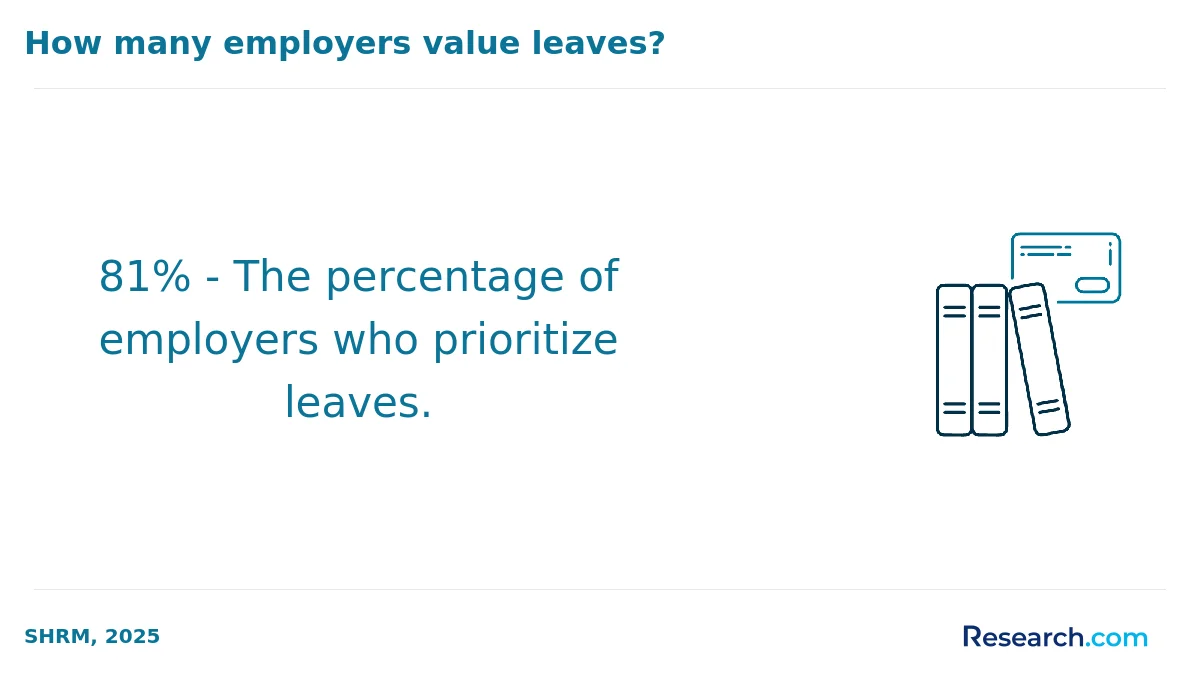
Students pursuing associate degrees in Connecticut benefit from several financial aid options that ease the burden of college expenses. For example, many graduates from popular schools like Gateway Community College have leveraged the Federal Pell Grant, which can provide up to $7,395 annually for those with significant financial need. Alongside this, the Federal Supplemental Educational Opportunity Grant (FSEOG) has helped students facing exceptional financial challenges, offering additional support without repayment requirements.
The state's own Roberta B. Willis Scholarship stands out as a key resource, awarding up to $4,650 per year to eligible community college students-residents who submitted FAFSA by February 15 and met academic criteria. Graduates often recall how this scholarship transformed their college experience by reducing financial stress.
Connecticut's unique Debt-Free Community College program, also known as the Mary Ann Handley Award, fills remaining gaps between grants and tuition, benefiting students enrolled part-time or more. Similarly, Federal Direct Subsidized and Unsubsidized Loans offer manageable borrowing options, especially since interest on subsidized loans does not accrue while enrolled half-time.
Importantly, certain undocumented students also find opportunities through alternate applications like AACTUS, ensuring broad accessibility across Connecticut's public associate degree programs.
Enrolling in an associate degree program in Connecticut generally requires a high school diploma or recognized equivalent such as a GED. Graduates from Manchester Community College share that submitting official transcripts and completing an online application are routine steps, often accompanied by a small application fee-though fee waivers can lighten the financial burden.
Many students at Tunxis Community College find that demonstrating readiness for college-level English and math is essential. This is often verified through placement tests or standardized scores, preparing them confidently for coursework ahead. Selective programs, especially in health sciences, may require additional steps, such as completing specific science or composition classes with a minimum 2.5 GPA and submitting personal statements or recommendation letters, which some students describe as valuable opportunities to showcase their motivation.
Applicants aiming for transfer pathways, like the Guaranteed Admission Program with UConn, know that applying with fewer than 30 transferable credits and maintaining a GPA around 3.0 unlocks smoother university entrance.
Standard application materials usually include:
- Completed application form
- Application fee (fee waivers available)
- Official transcripts (high school and prior college if applicable)
- Proof of immunizations
- Optional test scores, essays, recommendation letters
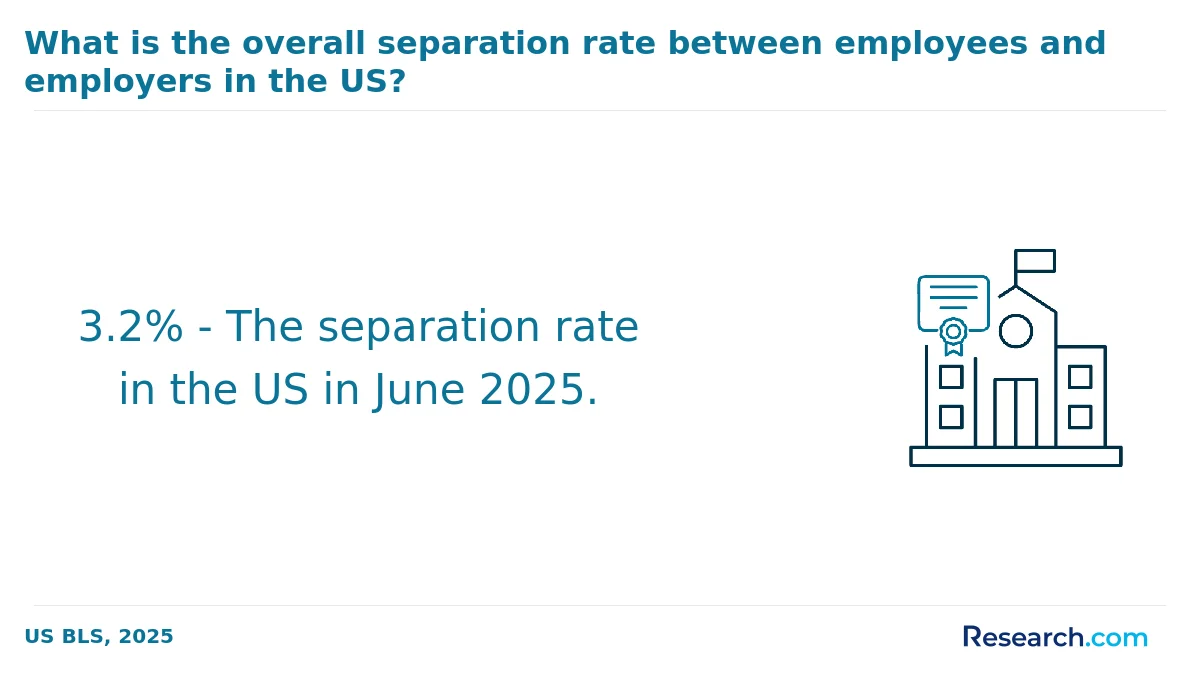
Associate degree course requirements in Connecticut typically involve a structured mix of general education, major-specific courses, and electives, summing up to around 60 credits over two years. At popular schools such as Connecticut State Community Colleges, graduates describe their experience balancing core classes focused on essential skills like writing, mathematics, and science with courses that promote critical thinking and communication. Many students find success in these foundational courses:
- English composition and writing, often introduced in the first semester
- Mathematics, including quantitative reasoning or college-level math
- Laboratory sciences like biology or chemistry providing hands-on learning
- Arts and humanities courses fostering creativity and cultural insight
- Social sciences such as psychology and history
- Speech communication to build public speaking confidence
- Personal wellness or health classes
Connecticut's emphasis on diversity is clear, with many programs requiring at least two courses focused on global diversity and racial justice, resonating with students preparing for diverse workplaces and communities. Electives allow students to customize their pathway, especially those aiming to transfer to four-year institutions. For instance, graduates from Capital Community College highlight the benefit of a capstone course that ties interdisciplinary learning together.
Students exploring common classes in Connecticut associate degree programs often appreciate that this curriculum supports both workforce entry and academic transfer. Additionally, those seeking easy to get certifications that pay well can strategically select electives enhancing their employability in growing fields.
Selecting the best associate degree program in Connecticut hinges on accreditation and program alignment with your career goals. Graduates from institutions like Charter Oak State College emphasize how regional accreditation reassured employers of their credentials' validity. When researching, target affordable associate degree programs in Connecticut that offer solid curriculum tracks in health, business, or liberal arts, reflecting popular paths at Sacred Heart University and Charter Oak State College.
Flexibility is crucial. Busy adults juggling jobs and families benefit from fully online options; for instance, Charter Oak's fully online programs and Franklin University's tailored online degrees have earned praise for their convenience. Meanwhile, traditional learners often choose Connecticut community college campuses for in-person interaction and hands-on learning. Understanding how to compare Connecticut community college tuition and fees can significantly impact your educational investment. Public schools usually offer lower costs and financial aid opportunities, making them a popular choice.
Student support services also matter immensely. Graduates from Albertus Magnus College and the University of Bridgeport highlight how advising, tutoring, and career fairs boosted their confidence and job readiness. Additionally, considering credit transfer policies-like Franklin University's acceptance of up to 44 transfer credits-can shorten your time and reduce expenses. For those curious about advanced degrees but worried about dissertation requirements, exploring what phd does not require a dissertation can clarify future academic possibilities.

Associate degree graduates in Connecticut find diverse career opportunities with an associate degree in Connecticut, particularly in healthcare, education, manufacturing, and administrative support. Graduates from popular community colleges often report smooth transitions into roles such as dental hygienists, radiologic technologists, and health and safety specialists, where demand is expected to grow by over 9,000 jobs by 2025.
Manufacturing and educational services also offer pathways, with an anticipated increase of 5,700 jobs in technical and support positions, including administrative assistants, test proctors, and accounting assistants. Many graduates share positive experiences of securing roles that lead to stable incomes, with some administrative supervisors earning upwards of $67,000 annually in Connecticut.
The highest paying associate degree jobs in Connecticut frequently include opportunities in healthcare and specialized manufacturing. Entry-level wages for associate degree holders typically range from $14 to $19 hourly, while annual salaries average around $39,314, reaching nearly $59,000 for top earners. Real-life success stories from graduates emphasize the value of flexible, affordable education, often found at cheapest online schools that accept fafsa, allowing students to balance work and study effectively while preparing for rewarding careers.
- Dental hygienist
- Radiologic technologist
- Health and safety specialist
- Administrative assistant
- Test proctor
- Accounting assistant
- Marketing assistant
- Human resources assistant
- Optical technician
The employment outlook for associate degree holders in Connecticut remains strong, driven by sustained growth in key sectors including healthcare, manufacturing, and technology. Graduates from well-known Connecticut associate degree schools find that practical skills gained during their programs translate into immediate job opportunities. For example, many graduates secure roles such as dental hygienists or orthopedic radiologic technologists within months, reflecting the demand for qualified professionals. The job market benefits from over 3,900 active postings specifically seeking associate degree holders, showcasing the abundance of career paths available.
Connecticut associate degree job opportunities are particularly prominent in healthcare and STEM fields, where employers seek candidates with specialized training. Graduates report average wages around $22.51 per hour, or close to $46,800 annually, which supports a quick transition into well-paid roles without waiting years for experience or additional degrees. Popular programs also offer access to career services that help students navigate this competitive market.
Students exploring programs might consider the most popular online vocational schools for flexible training that aligns with high-demand job trends in Connecticut.
Most Affordable Associate Degree Programs - Leading Certification Courses in Connecticut for 2026
# 1 position
Connecticut State Community College - Diagnostic Medical Sonography/Sonographer and Ultrasound Technician.
associateThe Diagnostic Medical Sonography/Sonographer and Ultrasound Technician program at Connecticut State Community College offers a hybrid format with some distance-education options. The curriculum trains students to operate ultrasound equipment and analyze sonographic data under physician supervision. Topics include patient care, data integration, and professional ethics. The program is accredited by the New England Commission on Higher Education. Annual in-state tuition is $5,092, and median earnings one year after completion reach $65,724.
# 2 position
Connecticut State Community College - Business Administration and Management, General.
associateConnecticut State Community College offers a hybrid Business Administration and Management, General program designed to prepare students to plan, organize, direct, and control business functions. The curriculum covers management theory, human resources, accounting, purchasing, logistics, production, marketing, and decision-making. Annual in-state tuition is $5,092. Graduates earn a median salary of $46,393 one year after completion. The program is accredited by the New England Commission on Higher Education.
# 3 position
Connecticut State Community College - Accounting Technology/Technician and Bookkeeping.
associateThe Accounting Technology/Technician and Bookkeeping program at Connecticut State Community College offers a hybrid format with some distance-education options. It prepares students to support professional accountants and financial personnel through instruction in accounting principles, record-keeping, transaction posting, and accounting software. Annual in-state tuition is $5,092. Graduates earn a median salary of $42,591 one year after completion. The program is accredited by the New England Commission on Higher Education.
# 4 position
Connecticut State Community College - Veterinary/Animal Health Technology/Technician and Veterinary Assistant.
associateConnecticut State Community College offers a program in Veterinary/Animal Health Technology/Technician and Veterinary Assistant designed to prepare students to assist veterinarians and animal health professionals. The curriculum covers animal nursing care, clinical procedures, animal handling, and office administration. The program’s annual in-state tuition is $5,092 and it is accredited by the New England Commission on Higher Education.
# 5 position
Connecticut State Community College - Information Technology.
associateConnecticut State Community College offers an on-campus Information Technology program focused on designing technological information systems to support business and research data needs. The curriculum covers computer hardware and software, algorithms, databases, telecommunications, user tactics, application testing, and human interface design. The annual in-state tuition is $5,092. The program is accredited by the New England Commission on Higher Education.
# 6 position
Connecticut State Community College - Computer Science.
associateThe Computer Science program at Connecticut State Community College is offered in a hybrid format, allowing some distance education opportunities. It covers computer theory, computing problems, system design, and user interfaces from a scientific perspective. The curriculum includes principles of computational science, programming, and practical applications. Annual in-state tuition is $5,092. The program is accredited by the New England Commission on Higher Education.
# 7 position
Connecticut State Community College - Computer Systems Networking and Telecommunications.
associateConnecticut State Community College offers an on-campus program in Computer Systems Networking and Telecommunications. The curriculum covers design, implementation, and management of computer networks, including operating systems, networking theory, and security. The program prepares students for roles as network specialists and managers. Annual in-state tuition is $5,092. The program is accredited by the New England Commission on Higher Education.
# 8 position
Connecticut State Community College - Computer and Information Systems Security/Auditing/Information Assurance.
associateThe Computer and Information Systems Security/Auditing/Information Assurance program at Connecticut State Community College offers a hybrid format with some distance-education options. It prepares students to evaluate security needs, recommend safeguards, and manage security systems and audits. The curriculum includes computer architecture, programming, networking, cryptography, risk assessment, and investigation techniques. Annual in-state tuition is $5,092. The program is accredited by the New England Commission on Higher Education.
# 9 position
Connecticut State Community College - Legal Assistant/Paralegal.
associateConnecticut State Community College offers an on-campus Legal Assistant/Paralegal program designed to prepare students for roles involving legal research, drafting, investigatory tasks, and administrative functions under attorney supervision. The curriculum covers legal research, document drafting, pleading, courthouse procedures, and legal specializations. Annual in-state tuition is $5,092. The program is accredited by the New England Commission on Higher Education.
# 10 position
Connecticut State Community College - Automobile/Automotive Mechanics Technology/Technician.
associateConnecticut State Community College offers an on-campus program in Automobile/Automotive Mechanics Technology/Technician. The curriculum prepares students to repair, service, and maintain various automobile systems, including brakes, electrical, engine performance and repair, suspension, transmissions, and heating and air conditioning. The program’s annual in-state tuition is $5,092. It is accredited by the New England Commission on Higher Education.
Frequently Asked Questions about associate degree programs
After completing an associate degree in Connecticut, preparing for the job market involves several key steps. First, utilize resources at community colleges such as career counseling and job placement services, which help align your skills with local employer needs. According to the Connecticut Office of Higher Education, about 70% of associate degree holders find employment within a year of graduation.
Networking is also crucial. Join local professional groups or attend job fairs in sectors like healthcare or technology where Connecticut's demand is growing. Additionally, consider obtaining relevant certifications to boost your credentials.
Building a strong resume and practicing interview skills will increase your chances of success. Finally, stay informed about labor market trends via the Connecticut Department of Labor, which regularly publishes data on in-demand jobs for associate degree graduates.
Employers in Connecticut highly value associate degree graduates who demonstrate strong technical and interpersonal skills. According to the Connecticut Department of Labor, proficiency in computer literacy, especially Microsoft Office and basic data analysis, ranks among the top technical skills required. Employers also prioritize problem-solving abilities and adaptability, essential for industries like healthcare, manufacturing, and information technology, which dominate the state's job market.
Soft skills such as communication, teamwork, and time management are frequently cited by hiring managers in Connecticut. A 2023 survey by the Connecticut Business and Industry Association found that 68% of employers prefer candidates who can effectively collaborate and express ideas clearly. These skills enhance workplace productivity and are key to career advancement for associate degree holders.
Finding internships in Connecticut related to your associate degree program involves using multiple resources. Many community colleges in Connecticut maintain partnerships with local businesses and industries, offering internship placements specifically designed for their students.
The Connecticut Department of Labor's internship website lists over 1,200 opportunities statewide across various fields such as healthcare, technology, and manufacturing. Checking their database regularly can help identify relevant positions.
Additionally, websites like Handshake and local workforce development boards provide internship listings tailored to regional job markets. Networking through college career centers and attending local job fairs can also increase your chances of finding an internship that aligns with your program.
In Connecticut, earning an associate degree can significantly enhance career mobility and advancement opportunities. According to the Connecticut Department of Labor, individuals with an associate degree typically earn about 20% more than those with only a high school diploma. This higher earning potential often translates to better job stability and access to skilled positions in fields like healthcare, technology, and manufacturing.
Associate degrees are frequently recognized by employers as proof of specialized knowledge and practical skills. This recognition helps graduates qualify for higher-level roles or promotions, particularly in growing sectors within the state.
Moreover, Connecticut community colleges maintain strong ties with local industries, providing pathways for internships and job placements. These connections further support graduates in advancing their careers regionally.
Data from the National Center for Education Statistics shows that nearly 55% of Connecticut associate degree holders eventually pursue bachelor's degrees, which also contributes to long-term career growth.
Part-time job opportunities in Connecticut that complement associate degree education are diverse and often align with the student's field of study. Healthcare roles, such as medical assistants or pharmacy technicians, are in high demand given Connecticut's strong healthcare sector. According to the Connecticut Department of Labor, medical assistant openings are projected to grow by 15% through 2030.
Students in business-related programs might find part-time work in administrative support or customer service roles within the numerous small businesses in areas like Hartford or Stamford. These jobs provide practical experience while accommodating class schedules.
Technical fields offer opportunities in IT support or lab technician positions at local community colleges or companies, often requiring skills gained during associate degree coursework.
Overall, part-time jobs in Connecticut connected to students' studies enable skill development and increase employability after graduation.
To find the most affordable degree program near me in Connecticut, you can start by exploring local community colleges and state universities, which often offer lower tuition rates compared to private institutions. Research.com can be a valuable resource to discover programs near Connecticut by comparing costs and academic offerings of various schools. Additionally, consider looking into financial aid options and scholarships available at these programs to further reduce your educational expenses.
- Most Affordable Associate Degree Programs - Leading Certification Courses in New York for 2026
- Most Affordable Associate Degree Programs - Leading Certification Courses in Rhode Island for 2026
- Most Affordable Associate Degree Programs - Leading Certification Courses in New Hampshire for 2026
- Most Affordable Associate Degree Programs - Leading Certification Courses in Maryland for 2026
- Most Affordable Associate Degree Programs - Leading Certification Courses in Maine for 2026
- Most Affordable Associate Degree Programs - Leading Certification Courses in Virginia for 2026
- Most Affordable Associate Degree Programs - Leading Certification Courses in West Virginia for 2026
- Most Affordable Associate Degree Programs - Leading Certification Courses in North Carolina for 2026
- Most Affordable Associate Degree Programs - Leading Certification Courses in South Carolina for 2026
- Most Affordable Associate Degree Programs - Leading Certification Courses in Indiana for 2026
- Investing in a CT State Education - CT State https://ctstate.edu/admissions-registration/investing-in-a-ct-state-education
- Research - Best Online Trade Schools https://research.com/universities-colleges/best-online-trade-schools
- Undergrad Graduation Req - Eastern https://www.easternct.edu/registrar/forms/undergrad-graduation-req.html
- Online vs Traditional Degrees: Similarities and Differences https://www.aiu.edu/blog/online-vs-traditional-degrees/
- Academic Programs https://gatewayct.edu/academics-cat/51-academic-programs
- Free Community College in CT | Goodwin University https://www.goodwin.edu/glossary/free-community-college-in-ct
- Nces https://nces.ed.gov/
- Guaranteed Admissions Program (GAP) – Undergraduate Admissions https://admissions.uconn.edu/apply/transfer/gap/
- CSCU - Academic Programs https://www.ct.edu/academics
- Here’s How an Associate Degree Can Advance Your Career https://flex.wisconsin.edu/stories-news/heres-how-an-associate-degree-can-advance-your-career/


