Best Trade School & Training Programs - Leading Certification Courses in Tuscaloosa for 2026

Co-Founder and Chief Data Scientist
Choosing the right trade school in Tuscaloosa can shape your future career and open doors to exciting opportunities. This article introduces the best trade schools in Tuscaloosa for 2026, featuring a trade school programs ranking developed by the Research.com team of data scientists. Their analysis helps you identify which programs truly stand out for quality and outcomes.
Whether you’re seeking a diploma or certification, gaining the right skills can boost your confidence and job prospects. Reading this guide will empower you to make informed decisions about your education and career path.
Key benefits of finishing trade school programs trade school in Tuscaloosa
- Strong earning potential: Trade school graduates in Tuscaloosa can expect competitive salaries, with average annual pay around $62,304 and hourly wages near $29.95. Popular trades like welding, electrical work, and HVAC offer stable incomes ranging from $45,800 to over $90,600.
- Diverse career paths: Graduates often find rewarding roles such as low voltage technician, fabricator/welder, and production specialist, all in high demand locally, providing solid opportunities to grow skills and advance.
- Flexible online options: Earning a trade certification online can fit busy lifestyles, letting you study at your pace while still qualifying for great jobs, a convenient alternative to traditional campus programs.
- Best Trade School & Training Programs - Leading Certification Courses in Tuscaloosa for 2026
- What can I expect from trade school programs trade schools in Tuscaloosa?
- Where can I work after finishing trade school programs trade schools in Tuscaloosa?
What can I expect from trade school programs trade schools in Tuscaloosa?
On average, a trade school program in Tuscaloosa can cost between $5,000 and $15,000 for a full course of study, depending on the program length and certifications included. Graduates from the Tuscaloosa Career & Technology Academy often share how this investment feels well worth it, given the hands-on training and industry-recognized certifications they earn along the way. Imagine spending mornings mastering welding techniques or blueprint reading, then walking away with credentials that local employers actively seek.
Many students appreciate the flexible payment options and shorter program durations compared to traditional colleges. Programs like those at Shelton State Community College enable learners to balance part-time work while studying, keeping costs manageable and stress low. Others at the Nucor Technical Academy describe the thrill of paid on-the-job training that helps cover expenses as they gain real-world experience.
With such practical pathways and the chance to start a career quickly, Tuscaloosa trade schools turn education into an exciting springboard-not just a cost to bear.
Where can I work after finishing trade school programs trade schools in Tuscaloosa?
After finishing a trade school program in Tuscaloosa, graduates dive into a world full of exciting career paths. Imagine stepping right into a bustling manufacturing plant or joining a local contractor team working on a new home-this is reality for many who studied HVAC, plumbing, electrical, welding, or fabrication here. Graduates often find roles like electrical maintenance technician, earning $12 to $16 an hour while gaining valuable on-the-job experience and travel perks.
Many grads land jobs with industrial giants such as Nucor Steel Tuscaloosa or emerge as skilled fabricators and welders in production facilities. Others explore the vibrant landscape of construction companies or maintenance services, thanks to strong ties between Tuscaloosa trade schools and industry employers. Through partnerships with Skilled Trades of West Alabama and platforms like Alabama Talent Triad, finding the right match feels less like a job hunt and more like a natural next step toward a rewarding career.
After finishing a trade school program in Tuscaloosa, graduates often find themselves earning around $62,304 per year, or about $29.95 per hour. Imagine starting your career with hands-on training from a local school and then stepping into a job where you make more than many expect fresh out of school. Graduates from popular programs in Tuscaloosa share stories of moving quickly from apprentice roles-like electricians starting at $20 an hour-to specialized positions paying as much as $75 an hour, especially in high-demand skills like telehandler operation.
Skilled trades in Tuscaloosa truly shine when workers add certifications for equipment like scissor lifts or boom lifts, boosting their pay to $45-$50 per hour. It's not just numbers-graduates describe the excitement of mastering tangible skills, feeling confident, and seeing their paycheck grow while working right here in Alabama. If you're ready for an adventure in building a rewarding career, Tuscaloosa trade schools might be the launchpad for a strong, well-paid future.
- Most trade schools require a high school diploma or GED, with some programs like Nucor Technical Academy needing a minimum 2.75 GPA.
- High school students in grades 10-12 can start trade courses early through dual enrollment, needing a 2.0 to 2.5 unweighted GPA.
- Tuition at Shelton State Community College ranges from $4,000 to $6,000 per year, with total program costs between $8,000 and $15,000 including books and fees.
- Entry-level salaries for trade graduates typically range from $40,000 to $50,000 annually, while experienced workers can earn $60,000 to $75,000 or more.
- Many programs do not require ACT or SAT scores if high school graduation was more than four years prior.
Curious how quickly you can finish a trade school program in Tuscaloosa? Many students find themselves stepping into a classroom one season and landing a job within just a few months. For instance, grads from Skilled Trades of West Alabama rave about their 12-week construction skills course-two classes each week-offering a fast track to hands-on expertise without waiting years.
Others aiming for something more technical, like electrical technology at Shelton State Community College, appreciate the options. You might choose a certificate wrapping up in under a year, or dive deep with an Associate in Applied Science degree that usually takes around two years full-time. Graduates often share the excitement of balancing classes during the day or evening, fitting study around work and life.
Then there's the Nucor Technical Academy experience, combining community college courses and real-world training over about two to two and a half years. It's an immersive journey that many find energizing and practical. Overall, most Tuscaloosa trade school students embrace programs that open doors in less than two years, sparking confidence and career momentum quickly.
Imagine balancing your family's morning chaos while logging into class at your own pace-that's the freedom online trade school programs in Tuscaloosa offer. At Shelton State Community College, for instance, nearly 44% of students embrace this flexible style, juggling work and studies seamlessly. Graduates often share how recorded lectures and digital assignments fit into their busy lives, allowing them to learn without sacrificing other responsibilities.
On the flip side, stepping onto a Tuscaloosa campus means immersing yourself in hands-on training that sparks energy and builds real-world skills. In trades like HVAC or welding, students thrive in state-of-the-art labs where immediate feedback from instructors turns challenges into confidence. Several graduates recall the excitement of mastering equipment firsthand and bonding with peers face-to-face-moments tough to replicate online.
Both paths bring valuable support and financial aid options, but choosing between online convenience and on-campus engagement depends on how you picture your learning adventure.
Wondering about the average cost of trade schools in Tuscaloosa? Most students find tuition and fees typically fall between $5,000 and $15,000, a range that captures many popular programs like automotive technology or healthcare. Graduates from places like Shelton State Community College often share how the 2024-2025 academic year's price of around $8,997 made their technical education both affordable and manageable while preparing them for the workforce.
But tuition is only part of the story. Anyone diving into Tuscaloosa trade school tuition and fees should also budget for books, supplies, and tools-critical essentials that can add roughly $2,380 to the out-of-pocket costs. Imagine an automotive tech student carefully investing in textbooks or tools, knowing these expenses fuel hands-on learning that leads to real career skills. Plus, off-campus living can push total expenses even higher, sometimes reaching $23,607, adding a bit of adventure and budgeting savvy to student life.
Not all trade schools in Tuscaloosa are the same. The Nucor Technical Academy offers a fantastic twist where students earn hourly wages-starting at $12 and climbing based on performance-during their training. This unique setup means some graduates actually offset many costs, blending education with income. For those exploring top paying 6 month online certifications, this model highlights the exciting ways to combine learning and earning.
Ultimately, program type and length largely shape the final cost, but financial aid options like Pell Grants and state programs can ease the load. Students embarking on these journeys in Tuscaloosa find the investment rewarding, blending technical mastery with practical benefits in thriving industries.
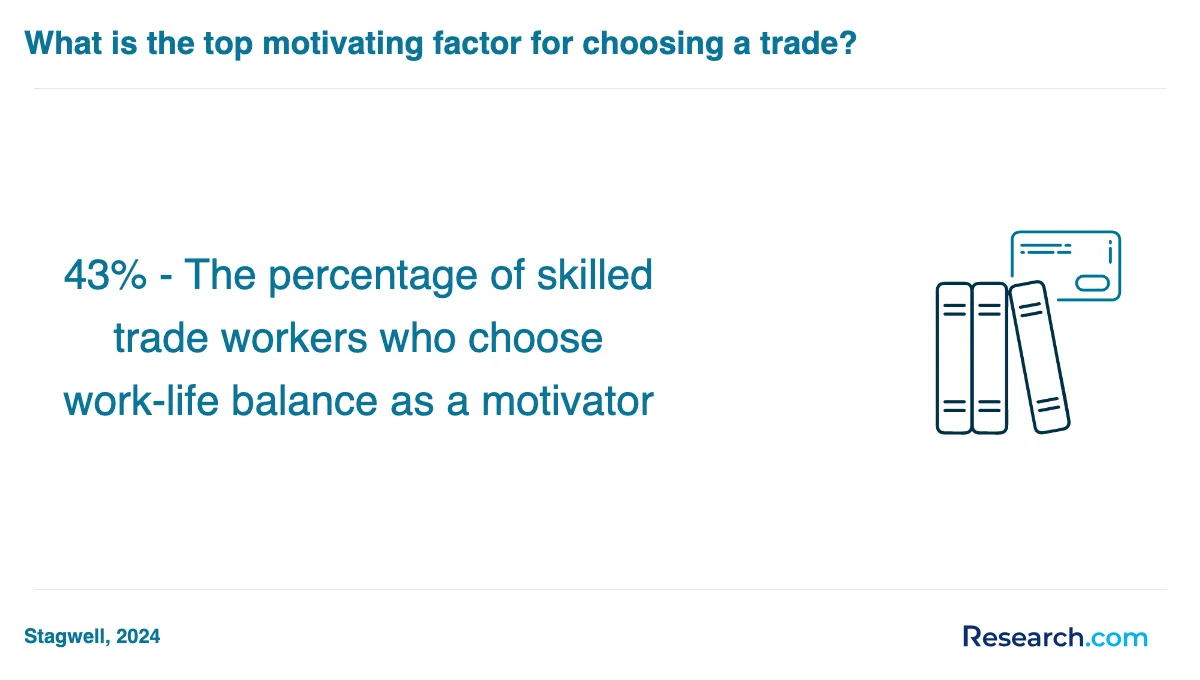
Imagine starting your journey at a trade school in Tuscaloosa with the weight of tuition worries lifted. Many graduates share how completing the FAFSA unlocked federal financial aid like the Federal Pell Grant, offering up to $6,345 to help cover costs. These grants don't need to be paid back, making them a game-changer for students aiming to learn without drowning in debt.
State aid also plays a big role here. For instance, the Alabama Student Assistance Program has provided some Tuscaloosa students with grants between $300 and $5,000 yearly, perfectly easing the financial burden while they train at local schools like Shelton State Community College.
Besides these, the excitement really builds when students gain access to private scholarships from local businesses or trade-focused foundations-many say these awards feel like personal nods to their hard work and passion.
Some have even landed full scholarships combining tuition and housing, like the prestigious program at Nucor Technical Academy, blending hands-on work with classroom learning. These financial aids turn dreams into reality for many Tuscaloosa trade students, fueling both confidence and ambition.
If you're eyeing a trade school program in Tuscaloosa, gear up with some important prerequisites that set you on a confident path. For many eager students stepping into Shelton State Community College or Nucor Technical Academy, it all begins with academic readiness. Graduates often recall how meeting a minimum GPA was a clear checkpoint-Shelton State looks for a solid 3.0 cumulative high school GPA for dual enrollment, while Nucor welcomes students with at least a 2.75 GPA, pushing for 3.0 to stay in the program.
Besides grades, students share how proving their foundation in math and science coursework really opened doors, proving essential for the tech-heavy training ahead.
Being in grades 10 to 12 matters too, though those gifted enough can sometimes jump the queue with special approvals from their principals and superintendents.
Here's a quick glance at what Tuscaloosa trade schools expect:
- Completed specific high school courses, especially in math and science
- Minimum GPA requirements ranging from 2.75 to 3.0 depending on the school
- Approval signatures from high school principals and local superintendents
- Applications to both partnered institutions (like Shelton State and Nucor Technical Academy) with possible info sessions and extra documents such as letters of support
Imagine a senior preparing to graduate knowing their confirmed postsecondary plan-whether it's trade school, apprenticeship, or a job-is locked in, thanks to new Tuscaloosa graduation rules requiring this for the class of 2026. Students feel energized and prepared, stepping boldly toward careers that fit their unique passions and skills.
Trade school programs in Tuscaloosa are packed with hands-on courses that open doors to exciting careers. Popular classes include electrical technology, welding, plumbing, HVAC, and maintenance technician training-each designed to build real skills for local industries. Imagine training at Shelton State Community College, where graduates gain classroom knowledge and then jump into on-the-job learning at places like the Nucor mill, mastering tasks as maintenance electricians.
Others rave about the 12-week construction skills course at Skilled Trades of West Alabama, where students quickly build confidence using power tools safely and mastering construction math, all under expert NCCER-certified instructors. This kind of focused preparation makes entering the construction world feel achievable and thrilling.
Here's a snapshot of typical trade courses offered in Tuscaloosa:
- Electrical Technology with hands-on training and real work placements
- Welding focusing on metal cutting, safety, and manufacturing management
- Plumbing covering residential to industrial systems with essential math and physics
- HVAC using simulation-based learning for top certifications
Graduates often describe their time in these programs as empowering-equipping them with skills they use every day in jobs that light up their passion for skilled trades.
Trade school programs in Tuscaloosa open doors to a thrilling variety of specializations, perfect for students eager to jump into hands-on careers. At Shelton State Community College, graduates rave about diving into construction trades like carpentry, electrical technology, and plumbing, where safety certifications such as OSHA-10 and real-world tool practice build confidence day by day. Imagine starting your mornings building frameworks and your afternoons mastering electrical systems or plumbing - all while gearing up for a rewarding career.
Health-care hopefuls find rewarding paths too, with programs offering medical assisting and patient care assistant apprenticeships through partnerships like DCH Health System. These programs blend classroom learning with on-the-job training, making each shift a chance to grow.
For creative spirits, Tuscaloosa's trade schools shine with courses in cosmetology, barbering, and even robotics and filmmaking. Students appreciate the flexibility of hybrid or virtual classes, especially in specialized fields like plant biotechnology and animation.
- Construction and building trades with hands-on experience
- Healthcare apprenticeships blending learning and work
- Hospitality, culinary arts, and food service training
- Creative and technical fields including welding and salon management
Notably, the Nucor Technical Academy's Electrical Technology Industry Defined Training offers immersion at the Tuscaloosa mill plus an Associate degree-a dream for those seeking a solid, practical future. Tuscaloosa students also explore low cost appliance repair online training, adding even more versatility to their skill set. Hands-on, diverse, and designed around real jobs, these programs let you turn passion into a paycheck right here in Tuscaloosa.
Choosing the best trade school program in Tuscaloosa starts with discovering which skilled trade truly sparks your passion. Whether it's the hands-on thrill of welding or the creative flair of cosmetology, Tuscaloosa offers programs that align your ambitions with real-world skills. Graduates from local institutions often share how diving into accredited schools like Tuscaloosa Career & Technology Academy gave them confidence, knowing their training is respected by employers and qualifies them for federal aid.
Comparing trade schools in Tuscaloosa means digging into something more than just tuition-think about flexible formats that fit your life, such as hybrid or online classes. Students juggling work and family find this freedom invaluable. For those curious about culinary arts, some even explore the cheapest baking and pastry arts program online to complement their on-site learning.
Imagine walking the halls of Shelton State Community College, chatting with instructors who've shaped thriving local artisans and technicians. Alumni often rave about the internships and employer networks waiting just around the corner, turning education into opportunity right here in Tuscaloosa. These connections make comparing trade schools in Tuscaloosa an exciting adventure toward the career you've been dreaming of.

Trade school graduates in Tuscaloosa dive into a vibrant world of career paths fueled by the city's demand for skilled workers. From hands-on roles in construction and automotive repair to thriving tech fields, the opportunities are both diverse and exciting. Many graduates from popular local schools share stories of stepping directly into jobs as carpenters or electricians after completing focused 12-week programs with organizations like Skilled Trades of West Alabama.
In Tuscaloosa, the spectrum of career paths is impressively broad, covering health sciences, information technology, manufacturing, and hospitality management. Graduates find themselves confidently taking on roles as pharmacy technicians, dental hygienists, or HVAC specialists-fields that spark a sense of purpose and stability. Coding bootcamps at Shelton State Community College prepare students for soaring careers in software development, data engineering, and cybersecurity, where starting salaries can reach up to $95,000.
Those seeking skilled trades job opportunities in Tuscaloosa appreciate programs that offer practical training paired with job placement support. Internships and cooperative education often link graduates directly with local employers eager to hire fresh talent. For students eyeing green energy, there's even a chance to explore cheap solar technician certification online, opening doors to exciting renewable energy roles.
The job market for trade school graduates in Tuscaloosa is buzzing with opportunity, especially in skilled trades like HVAC, plumbing, and electrical work. Graduates from popular trade schools here often tell stories of quickly landing apprenticeships with well-known local companies. Imagine starting your day learning hands-on skills alongside licensed professionals while getting paid-many programs in Tuscaloosa offer just that, complete with paid holidays during apprenticeships lasting up to two years. This real-world experience is a game-changer.
The secret to this steady growth lies in Tuscaloosa's strong focus on career and technical education. With 25 CTE programs tailored to local industries, students find themselves perfectly prepared for the regional workforce. Highlights include:
- Over 50 current trade-specific job openings, with demand rising.
- Apprenticeships through local employers like Premier Service Company.
- Access to digital platforms such as the Alabama Talent Triad for connecting jobs and graduates.
Trade school graduates in Tuscaloosa appreciate how programs blend classroom knowledge with hands-on training at facilities like Skilled Trades of West Alabama. Plus, if you're wondering about earnings or want to explore what trades pay best, check out highest paying trade school jobs for insights that could shape your next career move.
Best Trade School & Training Programs - Leading Certification Courses in Tuscaloosa for 2026
# 1 position
Shelton State Community College - Nursing Assistant/Aide and Patient Care Assistant/Aide.
certificate or diplomaThe Nursing Assistant/Aide and Patient Care Assistant/Aide program at Shelton State Community College offers a hybrid format with some distance-education options. It prepares students to perform routine nursing-related services under supervision in hospitals or long-term care facilities. The program is accredited by the Southern Association of Colleges and Schools Commission on Colleges. Annual in-state tuition is $5,067, and median earnings one year after completion are $31,713.50.
# 2 position
Shelton State Community College - Computer and Information Sciences, General.
associateShelton State Community College offers a hybrid Computer and Information Sciences, General program focusing on computing, computer science, and information science and systems. The program is accredited by the Southern Association of Colleges and Schools Commission on Colleges. Annual in-state tuition is $5,067. This program provides some distance-education options, allowing flexibility for students pursuing a diploma or certification in the field.
# 3 position
Shelton State Community College - Computer Numerically Controlled (CNC) Machinist Technology/CNC Machinist.
associateShelton State Community College offers a hybrid Computer Numerically Controlled (CNC) Machinist Technology program. It trains students to operate CNC machine tools, including lathes and mills, focusing on setup, programming, and troubleshooting. The curriculum covers blueprint reading, machining, technical math, CAD/CAM systems, safety, and regulations. Annual in-state tuition is $5,067. The program is accredited by the Southern Association of Colleges and Schools Commission on Colleges.
# 4 position
Shelton State Community College - Office Management and Supervision.
associateShelton State Community College offers a program in Office Management and Supervision designed to prepare individuals to oversee business office operations and personnel. The curriculum covers employee supervision, labor relations, budgeting, scheduling, office systems, records management, facility design, and public relations. The program's annual in-state tuition is $5,067. It is accredited by the Southern Association of Colleges and Schools Commission on Colleges.
# 5 position
Shelton State Community College - Industrial Mechanics and Maintenance Technology/Technician.
certificate or diplomaShelton State Community College offers a hybrid Industrial Mechanics and Maintenance Technology/Technician program designed to prepare students to repair and maintain industrial machinery and equipment, including cranes, pumps, engines, pneumatic tools, conveyor systems, and refinery systems. The program's annual in-state tuition is $5,067. It is accredited by the Southern Association of Colleges and Schools Commission on Colleges and includes some distance-education options.
# 6 position
Shelton State Community College - Computer Numerically Controlled (CNC) Machinist Technology/CNC Machinist.
certificate or diplomaThe Computer Numerically Controlled (CNC) Machinist Technology/CNC Machinist program at Shelton State Community College offers hybrid learning options. It trains students to operate CNC machine tools, including lathes and mills, covering setup, programming, and troubleshooting. The curriculum includes blueprint reading, technical mathematics, CAD/CAM systems, and safety practices. The program is accredited by the Southern Association of Colleges and Schools Commission on Colleges. Annual in-state tuition is $5,067.
# 7 position
Shelton State Community College - Automobile/Automotive Mechanics Technology/Technician.
associateShelton State Community College offers a hybrid Automobile/Automotive Mechanics Technology/Technician program designed to prepare students for repairing and maintaining various automobile systems. The curriculum covers brake, electrical, engine performance and repair, suspension, transmissions, and heating and air conditioning systems. The program’s annual in-state tuition is $5,067. It is accredited by the Southern Association of Colleges and Schools Commission on Colleges, with graduates earning a median of $27,406.55 one year after completion.
# 8 position
Shelton State Community College - Automobile/Automotive Mechanics Technology/Technician.
certificate or diplomaShelton State Community College offers a hybrid Automobile/Automotive Mechanics Technology/Technician program that prepares students to repair, service, and maintain various automobile systems including brakes, electrical, engines, transmissions, and HVAC. The annual in-state tuition is $5,067. The program is accredited by the Southern Association of Colleges and Schools Commission on Colleges. Graduates earn a median income of $27,406 one year after completion.
# 9 position
Shelton State Community College - Electrician.
associateThe Electrician program at Shelton State Community College offers hybrid learning to prepare students for installing, operating, and repairing electrical systems in residential, commercial, and industrial settings. Instruction covers electronics, wiring, power transmission, safety, and electrical codes. The program is accredited by the Southern Association of Colleges and Schools Commission on Colleges. Annual in-state tuition is $5,067, and median earnings one year after completion are approximately $28,129.
# 10 position
Shelton State Community College - Welding Technology/Welder.
associateThe Welding Technology/Welder program at Shelton State Community College offers a hybrid format with some distance-education options. It prepares students to apply technical skills in arc welding, resistance welding, brazing, soldering, and cutting metal surfaces. The curriculum includes welding metallurgy, heat treating, structural design, safety, and relevant codes and standards. Annual in-state tuition is $5,067. The program is accredited by the Southern Association of Colleges and Schools Commission on Colleges.
Frequently Asked Questions about trade school programs
After completing a trade school program in Tuscaloosa, preparing for the job market involves several key steps. First, graduates should obtain any necessary industry certifications, as many employers in Alabama prioritize certified skills. According to the Alabama Department of Labor, job placements improve by up to 20% when candidates hold recognized credentials. Networking is also crucial; students are encouraged to attend local trade fairs and join professional associations like the Tuscaloosa Builders Exchange. Additionally, creating a strong resume that highlights hands-on experience and technical skills can increase interview opportunities. Many trade schools in Tuscaloosa offer career services to assist with job placement and interview preparation.
Employers in Tuscaloosa consistently seek trade school graduates with strong technical skills in areas such as HVAC, electrical work, welding, and automotive repair. According to the Alabama Department of Labor, proficiency in hands-on tasks like equipment operation and maintenance is critical for local industries. Additionally, soft skills such as punctuality, teamwork, and problem-solving are highly valued. A 2023 regional employer survey found that over 70% of hiring managers prioritize graduates who demonstrate effective communication and adaptability on the job. Practical experience paired with a solid work ethic remains a top priority for trade school graduates entering Tuscaloosa's workforce.
Finding internships in Tuscaloosa relevant to your trade school program involves multiple steps. First, consult your trade school's career services office, as many schools maintain direct connections with local businesses offering internships in fields like automotive technology, electrical work, and HVAC.
Local employers often post openings through the Tuscaloosa Chamber of Commerce and regional job boards such as Alabama Career Center. According to the Alabama Department of Labor, Tuscaloosa's demand for skilled trades internships has increased by 7% in the past two years, especially in construction and manufacturing sectors.
Networking at trade fairs and local industry events can also connect you with employers actively seeking interns. Additionally, reaching out directly to companies aligned with your program may uncover opportunities not publicly advertised.
A trade school diploma in Tuscaloosa can significantly enhance career mobility and advancement. According to data from the Alabama Department of Labor, skilled trades such as welding, HVAC, and electrical work show steady demand, with average starting salaries close to $40,000 per year. Employers in the region often value practical skills and certifications over traditional four-year degrees, making trade diplomas a strong asset for local hiring.
Graduates frequently experience faster entry into the workforce, with many trade programs lasting less than two years. This quick turnaround supports career shifts and advancement in industries that rely heavily on technical expertise. Additionally, Tuscaloosa's growing manufacturing and service sectors present numerous opportunities where trade credentials are essential for promotions and wage increases.
The U.S. Bureau of Labor Statistics emphasizes that job prospects in trades often outperform other education paths during economic fluctuations. This resilience can be crucial for professionals aiming for stable, upward mobility in Tuscaloosa's job market.
Part-time job opportunities in Tuscaloosa can significantly complement trade school education by providing practical experience and income. Common roles include positions in automotive repair shops, construction sites, and electrical or HVAC companies, aligning closely with typical trade programs. According to recent data from the U.S. Bureau of Labor Statistics, Tuscaloosa's local labor market shows a steady demand for skilled labor, particularly in construction and mechanical fields.
Additionally, part-time roles in warehouses and manufacturing plants offer hands-on experience valuable to trade students, often with flexible hours to accommodate class schedules. Local job boards and the Tuscaloosa Chamber of Commerce highlight that many employers are open to hiring students pursuing technical education.
Yes, there are excellent degree programs available near me in Tuscaloosa, AL, where many well-regarded universities, such as The University of Alabama, offer a wide array of undergraduate and graduate options. This university is particularly known for its robust engineering, business, and law degree programs. Research.com can be a helpful resource for finding detailed program information and conducting comparisons of different universities and programs near Tuscaloosa, AL.
- Best Trade School & Training Programs - Leading Certification Courses in Little Rock for 2026
- Best Trade School & Training Programs - Leading Certification Courses in Springfield for 2026
- Best Trade School & Training Programs - Leading Certification Courses in Florence for 2026
- Best Trade School & Training Programs - Leading Certification Courses in Angola for 2026
- Best Trade School & Training Programs - Leading Certification Courses in Emporia for 2026
- Trades Training Facility | Tuscaloosa, AL | Skilled Trades of West Alabama https://skilledtradesofwestalabama.com/
- Career & Technical Education - Tuscaloosa County School System https://www.tcss.net/departments/career-technical-education
- Best Trade Schools in Tuscaloosa, AL https://gotradeschools.com/states/alabama/trade-schools-tuscaloosa
- Technical Programs – Shelton State https://www.sheltonstate.edu/instruction-workforce-development/technical-programs/
- Apprenticeships | Worlds of Work https://worldsofwork.com/apprenticeships
- What is trade school? Everything you need to know https://www.cbs42.com/news/national/what-is-trade-school-and-is-it-right-for-you/
- Find The Best Trade Schools In Alabama https://www.accreditedschoolsonline.org/vocational-trade-school/alabama/