Best Trade School & Training Programs - Leading Certification Courses in Saint Louis for 2026

Co-Founder and Chief Data Scientist
Choosing the right trade school in Saint Louis is an important step toward a rewarding career. This article introduces the best trade schools in the area for 2026, helping you find programs that suit your goals.
The ranking featured here was developed by the Research.com team of data scientists to guide you in making an informed decision. Whether you seek a diploma or certification, exploring these options can open doors to new opportunities and personal growth.
Investing in your education at a trade school can lead to a fulfilling and stable future. Let this guide support you on your journey.
Key benefits of finishing trade school programs trade school in Saint Louis
- Trade school graduates in Saint Louis can earn between $47,400 and $76,400 yearly, with electricians and HVAC technicians often making salaries above the regional average, reaching up to $93,800.
- Popular career paths include automotive technology, electrical systems, and advanced manufacturing, with schools like Ranken Technical College helping graduates earn median salaries around $42,000 early in their careers, rising to $64,300 after ten years.
- Online trade school programs offer flexibility and convenience, allowing students to balance work and study while accessing quality education from trusted Saint Louis institutions, making certification more accessible than ever.
- Best Trade School & Training Programs - Leading Certification Courses in Saint Louis for 2026
- What can I expect from trade school programs trade schools in Saint Louis?
- Where can I work after finishing trade school programs trade schools in Saint Louis?
What can I expect from trade school programs trade schools in Saint Louis?
The average cost of a trade school program in Saint Louis can be surprisingly flexible, often landing between a few hundred to several thousand dollars depending on the program's length and depth. For instance, a quick, focused certificate-like a 4-week trucking course-might cost under $2,000, while a more extensive associate degree from St. Louis Community College or Ranken Technical College might range around $5,000 to $10,000 for tuition alone.
Graduates often share how this investment feels worthwhile when they reflect on hands-on training experiences, such as welding in fully equipped workshops or cooking in real culinary labs. Many appreciate the snapshot moments of intense learning-shadowing a veteran electrician one day, then tackling simulated job sites the next. The mix of practical skills, internships, and even paid apprenticeships make the financial commitment feel more like earning while learning than just spending.
Financial aid isn't always straightforward; some certificate programs don't qualify, but scholarships and workforce development help soften costs. Many students echo the sentiment that the cost is a small price for stepping directly into their dream careers in Saint Louis' vibrant trade industries.
Where can I work after finishing trade school programs trade schools in Saint Louis?
Trade school grads in Saint Louis step into booming fields that feel like they were made just for them. Imagine walking out of a program with hands-on skills in welding or CNC machining, then landing a spot at a local manufacturing plant where your work powers the city's economy every single day. Or think about joining a healthcare team right after finishing a practical nursing course-you'll find yourself helping patients at nearby hospitals or clinics almost immediately, filling critical gaps with confidence.
Electricians and plumbers fresh from Saint Louis trade schools quickly become essential players in buzzing construction projects, whether it's wiring a new high-rise or fixing pipes in homes. For those drawn to wheels and engines, CDL training unlocks doors at distribution centers or local transit agencies, putting graduates on the move in the heart of the Midwest's transportation network.
Then there's IT: graduates from programs in software or cybersecurity plug into startups and tech firms across Saint Louis, joining a tech boom fueled by thousands of job openings and solid salaries. Thanks to local agencies like SLATE, the jump from classroom to career feels like a supported, exciting adventure every step of the way.
After finishing a trade school program in Saint Louis, imagine stepping into the job market with an average annual salary around $62,986-that's about $30.28 an hour as of mid-2025. A recent graduate from a popular local trade school shared how starting as an electrician instantly boosted their paycheck well above the city's average hourly wage of $29.76. HVAC techs and welders from Saint Louis trade programs often find themselves earning in the $22-$35 per hour range, sometimes even pushing closer to $47,400 annually in their early years.
One welder grad recalled that with just a couple of certifications, their pay soared near $76,000 after a few years, reflecting how skill depth matters here. Meanwhile, medical and dental assistant grads still enjoy comfortable starts-not as high as trades but well above minimum wage, feeling stable and proud to climb their own ladder. In Saint Louis, trade school not only teaches hands-on skills but can turbocharge your earning potential in the real world fast, surpassing many expectations.
- Applicants usually need a high school diploma, GED, or HiSET certificate to enroll in trade schools in Saint Louis.
- Maintaining a GPA of at least 3.15 can improve admission chances, and some programs require letters of recommendation.
- Tuition and fees typically range from $15,000 to $30,000 for programs lasting 12 to 24 months.
- Entry-level salaries for trades like HVAC, electrician, and automotive technician range from $38,000 to $52,000 per year.
- Experienced trades professionals can earn between $55,000 and $75,000 annually, with some roles paying more.
- Many schools work closely with local employers to offer internships, apprenticeships, and job placement support.
Trade school programs in Saint Louis are famously swift, often wrapping up within two years or less - perfect for those eager to jumpstart their careers without a long wait. Graduates from Ranken Technical College often share how their two-year certificate programs, like Facilities Technology or Precision Machining, felt intense but incredibly rewarding, with about 448 clock hours packed into evenings that fit around their busy lives.
Other students find themselves cruising through short-term courses at St. Louis Community College, where certifications in healthcare or advanced manufacturing might only demand a few months, sometimes just weeks. Imagine finishing a commercial truck driving program in as little as four weeks and hitting the road sooner than you'd think!
For those choosing apprenticeship paths, especially in trades like electrical work, the journey can stretch up to four years. But with paid, hands-on training and classroom time, it's a steady climb many find fulfilling. Flexibility is the name of the game here - many courses offer evening or weekend options to juggle work and family, making Saint Louis trade schools surprisingly adaptable to real life.
Picture this: a graduate from Ranken Technical College waking up early, grabbing their gear, and heading straight to a buzzing workshop, where the smell of welding smoke and the clink of tools fill the air. Their day revolves around hands-on labs-fixing engines, mastering circuits, or shaping metal-because in Saint Louis, some skills just can't be learned remotely. Meanwhile, another student enrolled online logs into St. Louis Community College's platform at midnight after their day job, sipping coffee, ticking off assignments at their own pace. Flexibility is their lifeline, balancing family dinners and online quizzes without missing a beat.
On-campus programs demand your presence at specific times, ensuring direct feedback and real-time problem-solving. The atmosphere crackles with energy and collaboration you feel in your bones. Online programs, making up just a small slice of Saint Louis trade students, empower self-driven learners to juggle life's chaos while still chasing credentials equivalent to those earned onsite.
In Saint Louis, the average trade school tuition in Saint Louis hovers around $14,000 to $16,000 per year, a sweet spot that recent graduates often describe as a smart investment in their futures. Picture a student juggling day classes and work shifts at Ranken Technical College, where the cost sits precisely at $14,664 annually, offering both in-state and out-of-state learners the same rate. Many find this predictable price tag comforting as they map out their financial plans. The tuition breaks down to about $8,640 per semester for full-time day programs, or $720 per technical credit hour, letting prospective students budget based on their course load and pace.
For someone eyeing more than just tuition, it's important to factor in the Saint Louis trade school program total cost, which goes beyond just classroom fees. Graduates often recall the expense of books, tools, and certification exams, which can nudge the total upwards by several hundred or even thousands of dollars, depending on the trade chosen. One can imagine a future electrician quietly budgeting for specialty equipment or a heating and cooling technician setting aside funds for licensing tests. Trade schools here are very transparent, encouraging students to check with admissions counselors for detailed, personalized cost breakdowns.
Missouri's statewide average tuition is slightly higher at $15,610 per year, reflecting the region's commitment to quality vocational education. To find affordable options, students often explore low cost flooring installer training courses, a niche with rising demand and budget-friendly education paths that fit many lifestyles.
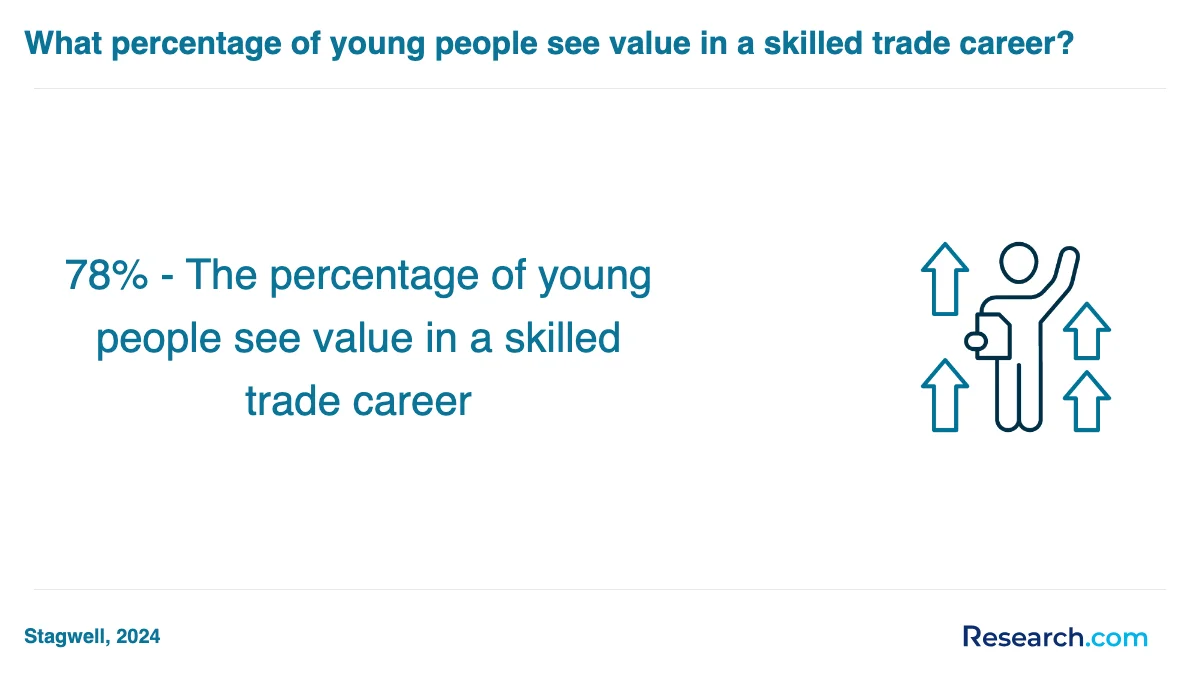
Imagine starting your journey at Ranken Technical College or St. Louis Community College and instantly unlocking a treasure chest of financial aid. Most students here begin by filling out the Free Application for Federal Student Aid (FAFSA), a golden key granting access to Pell Grants that don't need to be paid back, and Federal Direct Loans with friendly interest and easy repayment options. Picture walking into a campus job through the Federal Work-Study Program, earning while you learn without drowning in debt.
State support adds extra sparkle. Graduates from local high schools tapping into Missouri's A+ Schools Program enjoy scholarships that ease tuition payments at trade schools like St. Louis Community College. The Access Missouri Financial Assistance Program hands out awards from $500 to a generous $3,500 depending on your school.
On top of that, about 74% of Ranken students receive institutional scholarships, helping cover books, supplies, even tools. Students feel relief and excitement, knowing support is there every step of the way.
Jumping into a trade school program in Saint Louis mostly means you've already checked a key box: a high school diploma, GED, or HiSET certificate. Imagine a recent graduate stepping into Ranken Technical College, one of the city's go-to schools. They breeze past piles of paperwork just by showing their diploma, ready to dive into hands-on learning.
Some who've already explored college life bring transcripts along - hoping to fast-track through familiar ground. Picture a student handing over their credits and finding out they can skip some general ed courses, speeding up their journey.
For those eyeing advanced programs like Ranken's Bachelor of Science in Applied Management, expect a little more:
- Current or former technical student status
- Industry experience or apprenticeship history
- Letters of recommendation from mentors or employers
Evening and accelerated programs keep it simple yet practical. No SATs or ACTs looming over you here. Instead, it's about your readiness and past work, often with requests for proof or references.
Graduates recall how these straightforward steps made entry feel less like a barrier and more like a welcome mat, inviting all kinds of learners-from fresh high schoolers to working adults eager for a fresh start.
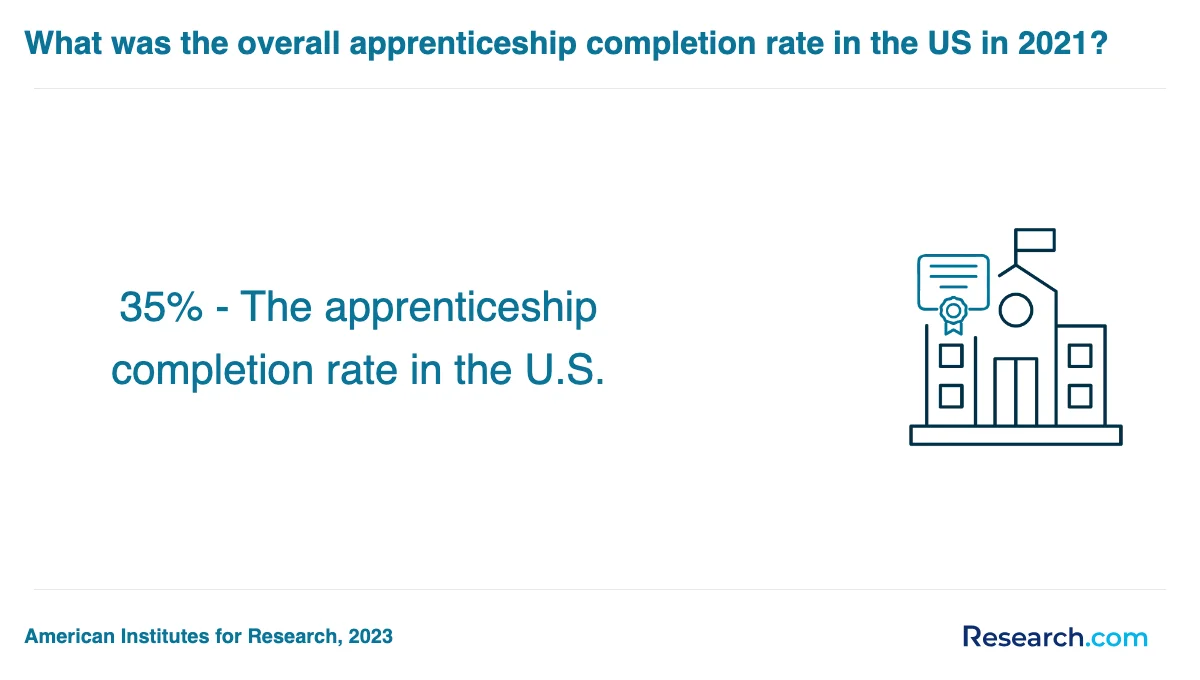
Trade school courses in Saint Louis dive straight into building hands-on skills that open doors fast. Imagine stepping into St. Louis Community College's bustling workshops, where graduates share how mastering electrical systems or reading blueprints led them from classroom to confident career in plumbing or construction within months.
Ranken Technical College offers another flavor, where the hum of CNC machines and the precision of robotics training turn students into sought-after manufacturing pros. One graduate recalls the thrill of assembling sheet metal projects that felt like solving puzzles with real-world payoff.
Automotive courses here go beyond fixing engines; they zoom into hybrid vehicle tech and electronics, preparing students for tomorrow's cars. Another alum talks about diagnosing brake systems with a hands-on intensity that made learning electric.
For tech lovers, Per Scholas transforms novices into IT wizards, hacking through computer hardware and cybersecurity basics while gearing up for certifications like CompTIA A+. Graduates celebrate the confidence boost and job readiness that sticks long after graduation.
- Skilled trades: electrical work, plumbing, construction
- Manufacturing & industrial tech: sheet metal, robotics, CNC machining
- Automotive technology: engine diagnostics, brake systems, hybrid tech
- Information technology: IT support, hardware, cybersecurity
- Healthcare certifications: medical assisting, nursing assistant training
In Saint Louis, trade school programs offer a vibrant spectrum of specializations that fuel local industries with skilled talent. Graduates from Ranken Technical College often share how hands-on welding certificates opened doors not just in construction, but also in automotive and manufacturing sectors. Practical skills in plumbing, carpentry, and electrical technology aren't just taught-they're brought to life through real-world projects and steady industry demand. One can almost picture a student mastering HVAC systems by day and stepping into paid internships by evening.
Manufacturing and industrial tech fields are equally dynamic, with programs in precision machining, blueprint reading, and industrial maintenance offered at places like St. Louis Community College. Here, intensive training in electronics and robotics transforms students into sought-after craftspeople.
For those leaning into the digital frontier, technology-oriented trades in application development and control systems are gaining traction, reflecting the city's evolving economic landscape.
Saint Louis students also explore specialized tracks such as plumbing and pipefitting that align with licensure requirements, often leading to apprenticeships.
- Construction and building trades: welding, carpentry, electrical, HVAC
- Manufacturing and industrial technology: industrial maintenance, CNC machining, precision manufacturing
- Technology and IT-related trades: application & web development, control systems, information technology
- Specialized certifications: plumbing, pipefitting, advanced electronics
Many find the blend of flexible scheduling and hands-on experience rewarding, especially when supplementing their training with automotive mechanic online courses. This connectivity between coursework and real-world application is why Saint Louis trade schools create career-ready graduates eager to thrive in the local job market.
Choosing the best trade school programs in Saint Louis means diving into hands-on learning that truly gears you up for real jobs. Graduates from Ranken Technical College often share how drilling into automotive tech with tools in hand-not just textbooks-made a huge difference. They weren't just students; they were practically employees before even finishing. Imagine attending classes that fit your lifestyle, whether hopping into evening sessions after a day job or enrolling full-time to speed through the journey.
When figuring out how to compare Saint Louis trade schools, look beyond just costs. Lewis & Clark Community College grads recall the relief of manageable net prices paired with supportive acceptance rates. It's about finding a school that *feels* like your future workplace, not just a building. Career placement is key-those who tapped into Jefferson College's employer connections walked away with multiple offers, feeling confident stepping into the city's workforce.
Don't overlook financial aid; some say it made all the difference to afford tuition, books, and tools. For hands-on study ideas or niche interests, check out most affordable baking and pastry arts schools online to find hidden gems. Choosing a Saint Louis trade program is about blending affordability, real experience, and a schedule that suits your life. Trust those firsthand stories-they're your best guide.

Trade school career opportunities in Saint Louis open doors to dynamic fields where graduates hit the ground running. Picture a Ranken Technical College alumnus mastering advanced manufacturing-operating sleek machinery, juggling quality checks, and steering plant floors with confidence, snagging multiple job offers and starting salaries near $60,000. Or imagine a recent STLCC graduate diving into construction trades, wielding tools for carpentry or wiring homes with skilled precision amid the city's booming housing projects. The healthcare corridor welcomes graduates eager to support nursing teams or handle health info tech, finding stable gigs in bustling local hospitals.
For those drawn to movement and logistics, earning a CDL propels graduates into the fast-paced world of trucking or supply chain management essential to Saint Louis's distribution hubs. Others take on roles in public safety or IT, joining teams that prioritize hands-on skills over traditional degrees.
- Advanced manufacturing jobs buzzing with technology
- Construction trades riding local development waves
- Healthcare roles in nursing support and health IT
- Transportation and logistics fields fueled by distribution demands
- Public safety and information technology careers emphasizing practical expertise
Many students note how financial aid programs soften tuition costs, with some seeking out cheap appliance repair courses online to complement their skills and boost their resumes.
Trade school graduates in Saint Louis often step into a powerhouse job market buzzing with opportunity. Imagine finishing a hands-on program at Ranken Technical College and immediately juggling more than five job offers-that's a reality for many here. These graduates don't just wait around; most land roles within six months, diving into careers with starting salaries reaching up to $60,000 per year in industries like advanced manufacturing and construction. The surge in trade school job opportunities in Saint Louis means employers are eager for skilled workers who can hit the ground running.
Meanwhile, St. Louis Community College programs shape students with "stackable credentials," turning education into a ladder rather than a wall. Graduates benefit from apprenticeships and on-the-job training, making them attractive candidates in an economy that thrives on practical skills and quick adaptation.
- Local tech and advanced manufacturing sectors are booming, with over 73,000 jobs projected by 2025.
- Median salaries in IT hover around $83,545, nearly twice the regional average.
- Employment growth of 1.2% between 2023 and 2025 adds 13,300+ new roles.
For those wondering is it better to go to college or trade school, Saint Louis paints a compelling picture for trade school graduates ready to start strong and climb fast, supported by resources like SLATE and the city's affordable living costs. These factors combine to make Saint Louis trade school graduate salaries competitive and career trajectories swift.
Best Trade School & Training Programs - Leading Certification Courses in Saint Louis for 2026
# 1 position
Ranken Technical College - Industrial Mechanics and Maintenance Technology/Technician.
associateThe Industrial Mechanics and Maintenance Technology/Technician program at Ranken Technical College offers a hybrid learning format. It prepares students to repair and maintain various industrial machinery, including cranes, pumps, engines, and conveyor systems. The program is accredited by the Higher Learning Commission. Annual in-state tuition is $17,490, and median earnings one year after completion reach $70,010.
# 2 position
Ranken Technical College - Industrial Mechanics and Maintenance Technology/Technician.
certificate or diplomaRanken Technical College offers a hybrid program in Industrial Mechanics and Maintenance Technology/Technician, preparing students to repair and maintain industrial machinery including cranes, engines, conveyor systems, and refinery equipment. The program is accredited by the Higher Learning Commission. Annual in-state tuition is $17,490. Graduates report median earnings of $70,010 one year after completion, reflecting strong job prospects in this technical field.
# 3 position
Ranken Technical College - Automobile/Automotive Mechanics Technology/Technician.
associateRanken Technical College offers a hybrid program in Automobile/Automotive Mechanics Technology/Technician that prepares students to repair, service, and maintain various automobile systems, including brakes, electrical, engines, transmissions, and heating and air conditioning. The program is accredited by the Higher Learning Commission. Annual in-state tuition is $17,490. Graduates have median earnings of $43,491 one year after completion, reflecting solid technical training and job readiness.
# 4 position
Ranken Technical College - Automobile/Automotive Mechanics Technology/Technician.
certificate or diplomaRanken Technical College offers a Hybrid Automobile/Automotive Mechanics Technology/Technician program that prepares students to repair, service, and maintain various automobile systems. Instruction covers brake, electrical, engine performance and repair, suspension, steering, transmissions, drive trains, and HVAC systems. The program is accredited by the Higher Learning Commission. Annual in-state tuition is $17,490, and median earnings one year after completion reach $43,491.
# 5 position
Missouri Baptist University - Business Administration and Management, General.
associateMissouri Baptist University offers a fully online Business Administration and Management, General program. It prepares students to plan, organize, direct, and control business functions and processes. The curriculum includes management theory, human resources, accounting, purchasing, logistics, marketing, and decision-making. The program’s annual in-state tuition is $33,122. It is accredited by the Higher Learning Commission, ensuring recognized educational standards.
# 6 position
Webster University - Language Interpretation and Translation.
certificate or diplomaWebster University offers a Language Interpretation and Translation program with a hybrid format that includes some distance-education options. The program prepares students to become professional interpreters and translators, focusing on English and Canadian French as well as other languages. It includes intensive foreign language instruction and covers various interpretation and translation techniques. The annual in-state tuition is $30,730. The program is accredited by the Higher Learning Commission.
# 7 position
Stevens-The Institute of Business & Arts - Interior Design.
associateThe Interior Design program at Stevens-The Institute of Business & Arts offers a hybrid format with some distance-education options. It trains students in artistic principles and professional techniques for designing residential and commercial interior spaces. The curriculum covers computer applications, drafting, lighting, acoustics, color coordination, furniture, textiles, structural design, building codes, and various design applications. Annual in-state tuition is $12,968. The program is accredited by the Accrediting Commission of Career Schools and Colleges.
# 8 position
Stevens-The Institute of Business & Arts - Business Administration and Management, General.
associateStevens-The Institute of Business & Arts offers a hybrid Business Administration and Management, General program. It prepares students to plan, organize, direct, and control business functions, covering management theory, human resources, accounting, purchasing, logistics, marketing, and decision-making. The program’s annual in-state tuition is $12,968 and it is accredited by the Accrediting Commission of Career Schools and Colleges.
# 9 position
St Louis College of Health Careers-St Louis - Nursing Assistant/Aide and Patient Care Assistant/Aide.
certificate or diplomaThe Nursing Assistant/Aide and Patient Care Assistant/Aide program at St Louis College of Health Careers-St Louis offers hybrid learning with some distance-education options. It prepares students to perform routine nursing-related services in hospitals or long-term care facilities under supervision. The program is accredited by the Accrediting Bureau of Health Education Schools. Graduates earn a median salary of $39,609 one year after completion.
# 10 position
Ranken Technical College - Welding Technology/Welder.
certificate or diplomaRanken Technical College offers a Welding Technology/Welder program with a hybrid format that includes some distance-education options. The curriculum covers welding methods such as arc, resistance, brazing, soldering, and high-energy beam welding, along with welding metallurgy, safety, and structural design. Annual in-state tuition is $17,490. Graduates earn a median salary of $45,004 one year after completing the program. The program is accredited by the Higher Learning Commission.
Frequently Asked Questions about trade school programs
Preparing for the job market after completing trade school in Saint Louis involves several key steps. First, graduates should obtain industry-recognized certifications relevant to their field, as these credentials can significantly improve employment chances. According to the Missouri Economic Research and Information Center, skilled trades in Saint Louis have a projected growth rate of 5% annually through 2028, highlighting strong demand.
Networking is also essential. Many trade schools in Saint Louis offer connections to local employers through job fairs and internship opportunities. Building relationships with these employers can lead to job offers. Additionally, creating a polished résumé highlighting hands-on experience gained during training helps graduates stand out.
Lastly, utilizing resources like the Missouri Department of Higher Education's career services can guide graduates toward career planning and job listings specific to the Saint Louis area. These steps combined enhance a graduate's readiness and competitiveness in the job market.
Employers in Saint Louis highly value trade school graduates who demonstrate strong technical skills relevant to their industries. According to the Missouri Department of Economic Development, expertise in areas like welding, electrical work, and HVAC systems ranks among the most sought-after abilities due to local demand in manufacturing and construction sectors. Beyond technical know-how, Saint Louis employers emphasize soft skills such as communication, problem-solving, and teamwork. A 2023 survey by the Saint Louis Regional Chamber found that 78% of employers prioritize these interpersonal abilities alongside certifications. Reliability, adaptability, and safety awareness also remain critical for successful careers in local trades.
Finding internships that align with your trade school program in Saint Louis involves a strategic approach. Start by consulting your trade school's career services, as many have partnerships with local businesses offering internships in fields such as construction, automotive technology, and healthcare.
Additionally, Saint Louis has a strong manufacturing sector; according to the Missouri Economic Research and Information Center, over 12,000 manufacturing jobs exist locally, presenting substantial internship opportunities in related trades.
Utilize online job portals focused on the Saint Louis area and attend industry-specific networking events hosted by organizations like the Saint Louis Regional Chamber. These resources connect students directly with employers seeking interns.
Finally, consider contacting local unions and trade associations, which often provide apprenticeship programs that function similarly to internships and include hands-on experience relevant to your training.
A trade school diploma in Saint Louis can significantly enhance career mobility and advancement opportunities. Graduates often enter the workforce faster than those with traditional four-year degrees, gaining practical skills tailored to local industries such as manufacturing, healthcare, and automotive services. According to the National Center for Education Statistics, trade school graduates in Missouri experience employment rates above 85% within six months of completion.
Local employers in Saint Louis value the specialized training from trade schools, which directly responds to labor market demands. This alignment often leads to higher starting wages and quicker promotions compared to entry-level workers without formal certifications.
Data from the Missouri Department of Higher Education also show that trade school diploma holders have upward social mobility potential, with 60% reporting improved economic status within two years post-graduation. This reflects how certifications support career advancement in competitive job markets like Saint Louis.
Part-time job opportunities in Saint Louis that complement trade school education are diverse and often aligned with local industry demands. Many students in fields like automotive technology, electrical work, and HVAC find part-time roles in repair shops or maintenance companies. These jobs provide hands-on experience alongside classroom learning.
Saint Louis has a robust manufacturing sector, offering part-time positions that benefit students in welding and machinist programs. According to the Missouri Economic Research and Information Center (MERIC), these industries expect steady growth, indicating ongoing opportunities.
Health-related trade programs can benefit from part-time work as medical assistants or patient aides in clinics and hospitals throughout the city. These roles enhance practical skills while supporting employer needs.
Retail and customer service jobs in hardware stores or supply centers also provide relevant experience for trade students, often with flexible hours suited for educational commitments.
To choose the best degree program near me in Saint Louis, MO, consider factors like accreditation, faculty expertise, curriculum, and opportunities for internships or research within the field of study. Programs and universities in the area offer diverse options in various disciplines, so visiting campuses and talking to current students can provide insight into the learning environment and community fit. Research.com can help identify top-performing programs near Saint Louis, MO, based on academic and faculty metrics.
- Best Trade School & Training Programs - Leading Certification Courses in Springfield for 2026
- Best Trade School & Training Programs - Leading Certification Courses in Little Rock for 2026
- Best Trade School & Training Programs - Leading Certification Courses in Florence for 2026
- Best Trade School & Training Programs - Leading Certification Courses in Emporia for 2026
- Best Trade School & Training Programs - Leading Certification Courses in Angola for 2026
- Best Trade School & Training Programs - Leading Certification Courses in Adrian for 2026
- Best Trade School & Training Programs - Leading Certification Courses in Akron for 2026
- Skilled Trades Industrial Occupations Technology https://stlcc.edu/pathways/industrial/skilled-trades/
- Trade School Career Training Programs in St. Louis, MO https://www.midwestinstitute.edu/programs/
- American Trade School - A Top Trade School in St. Louis https://www.americantradeschool.edu/
- Trades | Best Trades to Learn | Trades Jobs in St. Louis | STL.works https://stl.works/industries/trades/
- Career and Technical Education / A Glance Into Our Technical World... https://www.slps.org/Page/7472
- Ranken Technical College – The Leading Missouri Technical College https://ranken.edu/
- Career and Technical Education - East Saint Louis School District 189 https://www.estl189.com/departments/career-and-technical-education
- Career & Technical Education - Special School District Of St Louis County https://www.ssdmo.org/programs/career-technical-education
- Training & Education https://www.stlouis-mo.gov/government/departments/slate/slate-mo-career-center/training.cfm