Best Trade School & Training Programs - Leading Certification Courses in Reading for 2026

Co-Founder and Chief Data Scientist
Choosing the right trade school in Reading can feel overwhelming, but it’s an exciting step toward a rewarding career. This article introduces a trade school programs ranking developed by the Research.com team of data scientists, designed to help you find the best options based on solid data.
By exploring these trusted rankings, you’ll gain clarity on which programs offer the skills and certifications employers value most. Earning a diploma or certification can open doors to new opportunities, and this guide is here to support your journey every step of the way.
Key benefits of finishing trade school programs trade school in Reading
- Expected salary: Trade school graduates in Reading can earn well, with electricians making up to $100,000 annually, plumbers around $50,000 to $60,000, and facilities maintenance technicians about $48,620 per year.
- Popular career paths: Graduates often pursue jobs as electricians, plumbers, HVAC technicians, and maintenance workers, all of which have strong demand and offer solid career growth.
- Online certification benefits: Earning a trade diploma online provides flexibility to balance work and study, making it easier to gain skills and start a career faster compared to traditional on-campus programs.
- Best Trade School & Training Programs - Leading Certification Courses in Reading for 2026
- What can I expect from trade school programs trade schools in Reading?
- Where can I work after finishing trade school programs trade schools in Reading?
What can I expect from trade school programs trade schools in Reading?
The average cost of a trade school program in Reading typically ranges from $5,000 to $15,000, depending on the field and length of study. Graduates from programs like those at Universal Technical Institute often remark that their investment was justified by the extensive hands-on training, which prepared them well for certification exams and rapid employment.
In programs offered by Reading Muhlenberg Career & Technology Center, students appreciate the balance of practical workshops and instructor support, emphasizing how those experiences directly translated to entry-level jobs in healthcare or manufacturing. Many find that the shorter duration-often under a year-helps minimize tuition expenses while accelerating career entry.
At Reading Hospital School of Health Sciences, costs can be higher due to affiliations with universities, but students value the opportunity to earn college credits alongside technical certification, enhancing their credentials without significant financial strain.
Overall, students consistently report a strong return on investment, highlighting that the modest tuition fees align closely with the quality of instruction, career placement services, and industry-relevant skill development found in Reading's trade schools.
Where can I work after finishing trade school programs trade schools in Reading?
Graduates from trade schools in Reading find diverse employment opportunities aligned with their specialized training. Those completing automotive technology programs frequently secure positions as automotive technicians, service advisors, or parts specialists at local repair shops, dealerships, and fleet maintenance centers. This strong demand reflects Reading's vital transportation and logistics industries.
Diesel technology graduates often enter roles servicing trucks and heavy equipment for both regional firms and national providers, supported by hands-on experience from campuses near Reading. Welding program alumni are hired by manufacturing and fabrication companies in the region, leveraging certifications earned during their studies to fill production and maintenance needs.
Students trained in robotics and automation are tapping into growing careers as maintenance or electro-mechanical technicians within Reading's manufacturing plants and food processing facilities. This trend highlights the area's increasing focus on modernization and efficiency.
Other graduates find rewarding work as HVAC technicians, machinists, or maintenance staff, reflecting a steady local demand, with nearly 100 skilled trade job listings currently open. These pathways demonstrate tangible, positive outcomes for students investing in trade education in Reading.
After completing a trade school program in Reading, graduates typically start with annual salaries ranging from $40,000 to $50,000, reflecting steady demand in the region for skilled trades. For example, many electrical trade school graduates report beginning salaries near $45,000, aligning with national averages for entry-level electricians.
Graduates from popular trade schools in Reading, specializing in HVAC or welding, share similar starting wages but see rapid growth as they gain experience. Within a few years, welders and HVAC technicians often increase their earnings to $60,000 or more, reflecting both skill development and local employer demand.
Experienced electricians in Reading can make between $55,000 and $75,000 annually, with some advancing to over $85,000 through certifications or specialized skills. Trade school graduates moving into construction management roles often exceed $90,000, demonstrating clear financial incentives for continued training post-graduation.
Top earners in the region reach the 90th percentile salary of $183,005, often those who started at Reading's trade schools and progressed into supervisory or highly skilled positions. These real outcomes highlight the value and upward mobility offered by trade education in Reading.
- Applicants to trade schools in Reading usually need a high school diploma or GED, with some schools requiring a minimum GPA of 3.0 and proof of math and reading skills.
- Programs offered include electrical, HVAC, medical and dental assisting, CDL training, IT support, automotive, diesel, welding, and robotics, most of which can be completed in under one year.
- Tuition costs typically range from $5,000 to $20,000, with financial aid and scholarships available to qualifying students.
- Entry-level salaries for graduates commonly start between $35,000 and $45,000 annually, with potential to earn $55,000 to $70,000 or more with experience and certifications.
- Trade schools focus on practical skills, certifications, and job readiness, often providing resume help, mock interviews, and career services.
Trade school programs in Reading are designed for rapid completion, with many students finishing their training in under a year. At Universal Technical Institute (UTI), graduates share how their automotive and welding programs, which take as little as 51 weeks, enabled them to enter the workforce quickly and confidently. Similarly, Berks Technical Institute (BTI) offers an Electrical Technician program completed in about 10 months, making it an efficient option for those eager to start hands-on careers.
For those pursuing quicker entry, truck driving certifications can be finished in just three to four weeks, appealing to students looking for a fast track into high-demand roles. Most vocational programs in Reading range from several months up to two years, with diploma paths typically under one year while associate degrees approach two years.
Flexible start dates and rolling admissions at these trade schools mean students don't wait long to begin training, creating a steady, manageable progression toward graduation that many find motivating and practical.
Online trade school programs in Reading, such as those at Reading Area Community College through UGotClass, offer flexible schedules that let students balance work or family life while studying at their own pace. Graduates often appreciate the ability to access audio presentations, video lectures, and discussions from anywhere, which helps them keep up with their education amid busy routines.
However, these programs usually require some in-person sessions for hands-on skills, particularly in trades like automotive repair or welding. Northampton County Area Community College provides a variety of fully online programs, but fields requiring physical practice still demand lab time.
On-campus programs nearby, like UTI Exton, suit students who thrive on direct mentorship and structured schedules with immediate equipment access. Many graduates value the immersive, hands-on training that simulates real job environments, finishing their programs in under a year with options for evening or weekend classes tailored to working adults.
Both formats in Reading emphasize accreditation, ensuring quality education and eligibility for federal aid, while helping students achieve earning potential reflected by median weekly wages of $1,020.
The average trade school cost in Reading PA generally ranges between $8,000 and $16,000 for tuition and fees, depending on the program and institution. Students attending Reading Area Community College (RACC), a popular choice locally, pay about $6,480 annually if they are Berks County residents, while non-residents pay roughly $11,310. Graduates often report that including additional expenses such as books, course materials, and equipment, which can add approximately $1,800 per year, the total direct costs can reach around $8,280 for local students.
For those comparing broader options, Reading Pennsylvania trade school tuition and fees tend to fall within a $12,000 to $20,000 range over the entire program duration of 12 to 24 months. Many graduates appreciate the affordability at public institutions like RACC compared to for-profit schools, which have higher average yearly tuition costs near $16,050. The balance between quality and cost makes local trade schools attractive for students eager to start their careers without overwhelming debt.
Those exploring options often discover flexible pathways, including specialized courses or low cost online construction trade school programs offered elsewhere that supplement local choices. These affordable alternatives are valuable for students who wish to reduce expenses while gaining market-ready skills efficiently. Knowing these figures helps prospective students in Reading make informed decisions about managing tuition and overall training expenses.

Trade school students in Reading commonly access multiple financial aid options to reduce their education costs, enhancing affordability and motivation throughout their programs. The Federal Pell Grant stands out as a key resource, especially popular among graduates of Reading Area Community College. This need-based grant, which does not require repayment, adjusts according to enrollment intensity-meaning a student taking a full 12-credit course load receives the maximum award, helping to alleviate stress about tuition bills.
Federal student loans complement grants by covering remaining tuition and living expenses, although they require repayment post-graduation. Graduates often describe these loans as a manageable stepping stone in financing their futures.
Many students also benefit from Federal Work-Study programs available on campus, earning money through part-time jobs that tangibly offset daily expenses. In Reading, local trade schools often connect students to tailored state scholarships, such as the Opportunity Scholarship Tax Credit Program, which supports residents from designated school districts.
Additionally, dedicated private scholarships-like the Fair Chance Trade School Scholarship-offer targeted financial boosts, sparking hope and determination among recipients. School-specific aid, based on merit or need, further supplements this, reflecting the supportive community environment students experience while pursuing their vocational goals in Reading.
To enroll in a trade school program in Reading, several prerequisites ensure students are ready for vocational success. Graduates from Thaddeus Stevens College of Technology often recall the essential requirement of holding a high school diploma or a GED. Those still finishing high school typically submit current transcripts, with acceptance dependent on graduation.
Age requirements also shape admissions-most programs insist on candidates being at least 18 years old, aligning with labor laws and hands-on training needs. Residency is critical; public institutions like Thaddeus Stevens prioritize Pennsylvania residents with at least one year of state residency, although military-affiliated applicants may receive exceptions.
Official documentation must be sent directly from schools, preventing delays from unofficial transcript submissions. Positive graduates highlight additional prerequisites designed to prepare students effectively:
- a valid driver's license for site travel
- passing drug screenings and background checks for safety-sensitive roles
- a minimum 2.0 GPA as seen at Thaddeus Stevens
- placement tests in reading, math, or writing for college readiness
- basic computer literacy or laptop access for coursework
These requirements mirror real-world readiness, helping candidates embrace the opportunities and challenges of technical education confidently and successfully.
Trade school programs in Reading typically focus on career-ready skills across several high-demand sectors. Graduates often describe their time learning practical trades as both empowering and directly relevant to local industry needs.
Popular courses include:
- Automotive technology, with programs like the 51-week course at Universal Technical Institute, preparing students for ASE certification and mechanic roles.
- Diesel technology and welding, where students gain hands-on experience with cutting-edge fabrication equipment.
- Robotics and automation, offering advanced training that aligns with modern manufacturing trends.
- Construction trades and manufacturing skills delivered through centers such as Reading Muhlenberg Career & Technology Center, which offers over 30 specialized tracks.
- Healthcare pathways like medical assisting and coding, equipping students for immediate employment in clinics and hospitals.
Many students appreciate the blend of classroom learning and practical application, especially in programs that mimic real workplace environments. Dual enrollment options at Reading Area Community College also enable motivated high schoolers to earn college credits while mastering technical fields, easing their transition into skilled positions.
Trade schools in Reading offer a wide array of specializations tailored to industry demands, ensuring graduates gain practical skills rapidly. Popular fields include automotive technology, diesel mechanics, welding, and robotics & automation, with programs like the 51-week Automotive Technology at Universal Technical Institute preparing students confidently for ASE certification and job entry.
Graduates from Reading Muhlenberg Career & Technology Center praise its diverse curriculum spanning healthcare, graphic arts, photography, engineering, culinary and baking arts, construction, manufacturing, and public safety. Facilities like advanced welding centers and simulated workshops provide immersive, hands-on experience, making learning engaging and applicable.
Construction trades form another significant sector, offering apprenticeships in electricians, plumbers, bricklaying, sheet metal work, and boilermaking. These programs, often union-supported, open pathways to Registered Apprenticeship Programs essential for career advancement in Pennsylvania's robust construction industry.
- Automotive, diesel, welding, robotics & automation
- Healthcare, graphic arts, photography, culinary arts
- Construction, manufacturing, public safety
For students seeking industry-aligned and affordable training, the availability of low cost online freight broker training also complements local specialties, connecting learners to logistics career options beyond traditional trades.
Many graduates appreciate the real-world readiness and direct employer engagement through industry tours and guest lectures, reflecting Reading's supportive environment for career transition.
To identify the best trade school programs in Reading PA, focus first on aligning your career goals with programs offered locally, such as healthcare, construction, or culinary arts. Graduates from the Reading Muhlenberg Career & Technology Center praise its hands-on approach, mentioning how practical experiences in well-equipped workshops, like the welding lab, boosted their confidence before entering the workforce.
Evaluating program quality and accreditation is essential; schools with recognized credentials improve your job prospects and access to financial aid. When examining how to compare Reading trade schools costs, consider tuition, fees, and available scholarships carefully. Many students find that schools offering career services and job placement support make transitioning from study to employment smoother and more satisfying.
Additionally, flexible scheduling, including evening classes or part-time options, can be vital for balancing education with work or family life. For those seeking affordable alternatives, exploring resources like the most affordable online cosmetology programs can offer valuable cost-effective choices while gaining necessary skills.
Trade school programs in Reading open doors to diverse career opportunities for trade school graduates in Reading across several in-demand sectors. Skilled trades jobs in Reading PA remain particularly robust, with graduates from institutions like Universal Technical Institute (UTI) in Exton often securing roles as automotive technicians, diesel mechanics, or robotics technicians. These roles capitalize on hands-on training combined with technical certification, preparing students to confidently step into positions at local repair shops or manufacturing plants.
Health fields also attract many graduates from Berks Technical Institute (BTI) and Reading Muhlenberg Career & Technology Center (RMCTC). Programs in medical assisting, dental assisting, surgical technology, and healthcare administration equip students to fulfill vital roles in hospitals and clinics, where patient care and support skills are highly valued.
Other career paths include engineering, graphic arts, culinary arts, construction, manufacturing, public safety, and information technology, making educational choices flexible and aligned with personal interests. Graduates frequently share positive experiences about practical skill applications learned in class, which directly translate to job readiness.
Students exploring options can also benefit from resources offered by top trade schools online, expanding their pathways even beyond the local market.
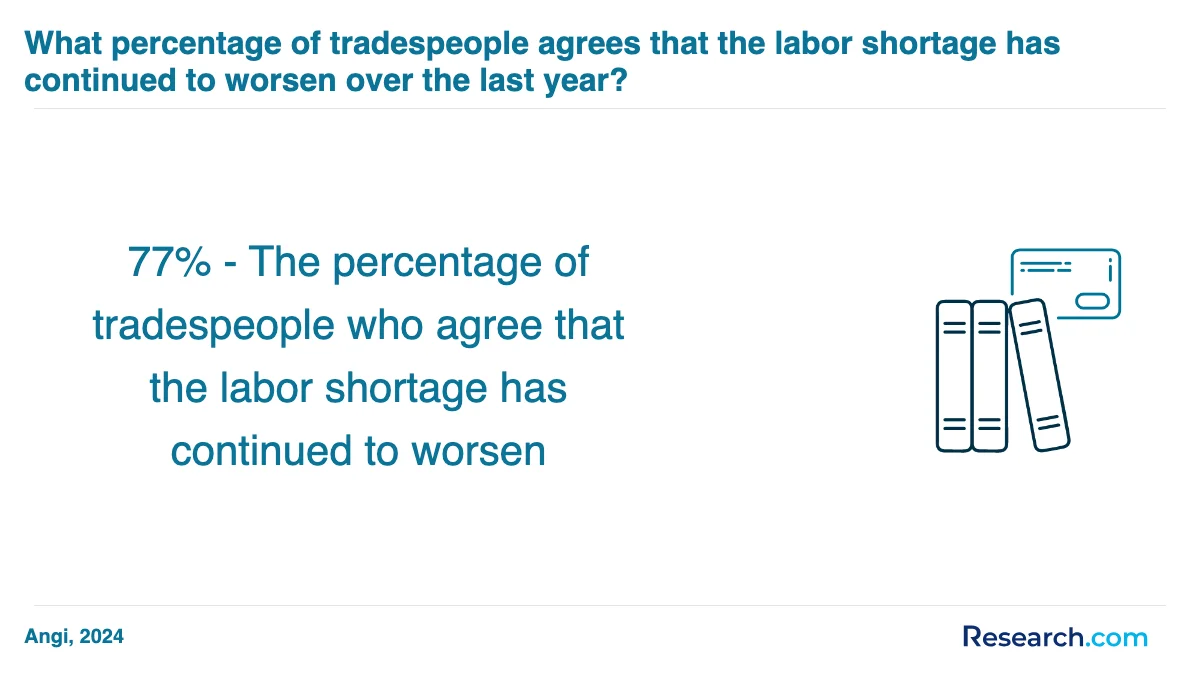
The trade school job opportunities in Reading are notably strong, driven by a projected shortfall of over 300,000 skilled trades workers statewide by 2030. Graduates from local institutions like Reading Muhlenberg Career & Technology Center benefit from programs that blend hands-on experience with industry needs in sectors such as healthcare, construction, welding, and electrical work. Many graduates report feeling confident stepping directly into in-demand roles due to practical training tailored to current employer requirements.
The employment outlook for Reading trade school graduates is especially positive in careers like welding, construction, diesel technology, and electrical work, which are experiencing rapid growth both locally and nationally. Key factors supporting this outlook include:
- Strong demand for welders nationwide, with a shortage of 400,000 jobs projected this year.
- Annual additions of nearly 155,000 construction jobs driven by infrastructure and commercial projects.
- Accelerated program completion times, such as those offered by Universal Technical Institute in nearby Exton, enabling quick workforce entry.
Graduates often describe the supportive learning environment and industry ties as significant assets for securing employment. For those exploring options, researching the most affordable online solar technician trade school programs can expand career possibilities beyond traditional sectors while maintaining strong job prospects.
Best Trade School & Training Programs - Leading Certification Courses in Reading for 2026
# 1 position
Reading Area Community College - Electrical and Power Transmission Installation/Installer, General.
associateReading Area Community College offers a hybrid Electrical and Power Transmission Installation/Installer, General program that prepares students to install residential, commercial, and industrial electrical systems and power transmission lines. The curriculum covers electricity, safety, wiring, insulation, grounding, blueprint reading, equipment operation, and relevant codes. The program’s annual in-state tuition is $6,270, and graduates earn a median salary of $96,911 one year after completion. It is accredited by the Middle States Commission on Higher Education.
# 2 position
Reading Area Community College - Computer and Information Sciences, General.
associateReading Area Community College offers a program in Computer and Information Sciences, General, accredited by the Middle States Commission on Higher Education. This program focuses on computing, computer science, and information science and systems, providing a broad foundation without specialization. The annual in-state tuition is $6,270. The program is designed to prepare students with general skills in these fields, emphasizing a wide understanding rather than specific sub-disciplines.
# 3 position
Reading Area Community College - Criminal Justice/Police Science.
associateReading Area Community College offers a Criminal Justice/Police Science program with a hybrid format that includes some distance education options. The program prepares students for police and public security duties such as patrol, investigation, traffic and crowd control, evidence management, and crime prevention. Annual in-state tuition is $6,270. The program is accredited by the Middle States Commission on Higher Education.
# 4 position
Reading Area Community College - Industrial Mechanics and Maintenance Technology/Technician.
associateReading Area Community College offers a hybrid program in Industrial Mechanics and Maintenance Technology/Technician that prepares students to repair and maintain industrial machinery and equipment, including cranes, pumps, engines, and conveyor systems. The program's annual in-state tuition is $6,270. It is accredited by the Middle States Commission on Higher Education and includes some distance-education options to accommodate different learning needs.
# 5 position
Reading Area Community College - Accounting.
associateThe Accounting program at Reading Area Community College offers a hybrid format with some distance-education options. It prepares students to practice accounting and perform business-related functions, covering topics such as financial, managerial, cost, and tax accounting, auditing, and professional ethics. The program is accredited by the Middle States Commission on Higher Education. Annual in-state tuition costs $6,270.
# 6 position
Reading Area Community College - Industrial Mechanics and Maintenance Technology/Technician.
certificate or diplomaReading Area Community College offers a hybrid Industrial Mechanics and Maintenance Technology/Technician program that prepares students to repair and maintain industrial machinery and equipment. The program covers a range of systems, including cranes, pumps, engines, pneumatic tools, conveyor systems, and refinery operations. Annual in-state tuition is $6,270. The program is accredited by the Middle States Commission on Higher Education.
# 7 position
Pennsylvania State University-Penn State Berks - Criminal Justice/Safety Studies.
associatePennsylvania State University-Penn State Berks offers a Criminal Justice/Safety Studies program focusing on the criminal justice system, its components, and legal and public policy contexts. The curriculum covers criminal law and policy, police and correctional systems, justice administration, the judiciary, and public attitudes toward criminal justice. Annual in-state tuition is $15,944. The program is accredited by the Middle States Commission on Higher Education.
# 8 position
Alvernia University - Diagnostic Medical Sonography/Sonographer and Ultrasound Technician.
associateAlvernia University offers a Diagnostic Medical Sonography/Sonographer and Ultrasound Technician program in a hybrid format, including some distance-education options. The program trains students to use medical ultrasound techniques to collect sonographic data for diagnosing various conditions. Instruction covers patient care, data recording, sonography equipment operation, and professional ethics. The annual in-state tuition is $42,810. The program is accredited by the Middle States Commission on Higher Education.
# 9 position
Reading Area Community College - Medical Insurance Coding Specialist/Coder.
associateReading Area Community College offers a Medical Insurance Coding Specialist/Coder program designed to prepare students for specialized data entry, classification, and record-keeping in medical diagnostic, billing, and insurance documentation. The hybrid program includes courses in medical records software, anatomy, medical terminology, and Medicare regulations. Annual in-state tuition is $6,270. The program is accredited by the Middle States Commission on Higher Education.
# 10 position
Reading Area Community College - Business Administration and Management, General.
associateReading Area Community College offers a fully online program in Business Administration and Management, General. The program prepares students to plan, organize, direct, and control various business functions, including management theory, human resources, accounting, marketing, and decision-making. Annual in-state tuition is $6,270. Graduates earn a median salary of $44,544 one year after completing the program. The college is accredited by the Middle States Commission on Higher Education.
Frequently Asked Questions about trade school programs
Preparing for the job market after completing trade school in Reading involves several key steps. First, graduates should focus on building a strong resume that highlights their technical skills and certifications earned during their program. Networking is also vital; connecting with local employers in sectors like manufacturing, construction, or healthcare can increase job prospects.
Additionally, many trade schools in Reading offer career services, including job placement assistance and interview preparation, which can be highly beneficial. According to the U.S. Bureau of Labor Statistics, skilled trade jobs are projected to grow by 8% through 2032, emphasizing the importance of staying updated with industry certifications to remain competitive. Engaging in apprenticeships or part-time roles while finishing school can also provide real-world experience and employer connections.
Employers in Reading highly value trade school graduates who demonstrate both technical expertise and strong soft skills. According to data from the U.S. Bureau of Labor Statistics and the National Skills Coalition, the most sought-after skills include proficiency in specific trades such as electrical work, HVAC repair, and welding. Practical experience with industry-standard tools and technologies is essential.
Additionally, employers emphasize communication, teamwork, and problem-solving abilities. A 2023 survey by the National Association of Manufacturers found that over 70% of employers in the region prioritize graduates who can adapt quickly and manage worksite challenges effectively.
Time management and safety awareness are also critical, especially in construction and mechanical fields, reflecting Reading's strong demand for reliable, skilled workers with a commitment to workplace regulations.
Finding internships in Reading that align with your trade school program involves targeted research and networking. Start by contacting your school's career services, as many trade schools partner with local businesses in manufacturing, healthcare, and construction sectors-key industries in Reading. According to the Pennsylvania Department of Labor, the Berks County area shows steady demand for skilled trade internships, especially in electrical and HVAC fields.
Explore online platforms like Handshake and local job boards which frequently list internships specific to Reading. Additionally, attending career fairs and connecting with the Berks County Workforce Development Board can increase your chances. Local chambers of commerce also provide valuable employer contacts interested in hiring interns.
A trade school diploma in Reading significantly enhances career mobility by providing practical skills that local employers actively seek. According to the Pennsylvania Department of Education, graduates from trade programs have a 15% higher employment rate within the first year compared to those with only a high school diploma. These credentials prepare students for trades such as electrical work, plumbing, and HVAC, which consistently show job growth in the region.
Furthermore, earning a trade diploma often leads to quicker career advancement. The Reading Economic Development Office reports that skilled trade workers in local industries can expect salary increases averaging 10% within three years as they gain experience and certifications.
Trade schools also offer networking opportunities with local businesses, enhancing direct access to apprenticeships and job placements. This connection supports steady career growth, making trade diplomas a valuable investment for those seeking upward mobility in Reading's labor market.
In Reading, part-time job opportunities that complement trade school education often align with students' chosen fields. For example, students in automotive technology programs might find roles as assistant mechanics or service clerks at local garages. These positions provide practical experience while earning an hourly wage, which averages $12 to $15, according to recent data from the U.S. Bureau of Labor Statistics (BLS).
Healthcare trade school students often secure part-time jobs as medical assistants or pharmacy technicians. These roles offer hands-on training relevant to their studies and typically pay between $13 and $18 per hour in the Reading area.
Additionally, part-time employment in construction or electrical supply stores enables students studying skilled trades to gain industry knowledge and build professional networks. The Reading Workforce Development Board reports that such jobs have increased by 7% over the past two years, reflecting local economic growth.
Yes, there are several top-rated degree programs available near Reading, PA, ranging from undergraduate to graduate studies. Students looking for higher education opportunities can explore institutions such as Albright College and Reading Area Community College, which offer various programs in fields like business, healthcare, and liberal arts. To assist with decision-making, Research.com can be a helpful resource in locating and comparing the best programs and universities near me that suit individual career goals and interests.
- Best Trade School & Training Programs - Leading Certification Courses in Hamburg for 2026
- Best Trade School & Training Programs - Leading Certification Courses in Akron for 2026
- Best Trade School & Training Programs - Leading Certification Courses in Adrian for 2026
- Best Trade School & Training Programs - Leading Certification Courses in Florence for 2026
- Best Trade School & Training Programs - Leading Certification Courses in Angola for 2026
- Career Training | RACC https://www.racc.edu/academics/career-training-programs
- Vocational courses - Reading College https://reading.activatelearning.ac.uk/courses/further-education/vocational-courses/
- Career Pathways - Greater Reading Chamber Alliance https://greaterreading.org/career-pathways/
- Vocational and Trade Skill Programs | Berks Technical Institute https://www.berks.edu/career-training-programs/
- PROGRAMS https://www.rmctc.org/programs/
- Career and Technical Education - Reading Memorial High School https://rmhs.reading.k12.ma.us/en/career-and-technical-education-1c537c74