
Best Trade School & Training Programs - Leading Certification Courses in New Jersey for 2026

Co-Founder and Chief Data Scientist
Choosing the right trade school in New Jersey can shape your future career and open doors to rewarding opportunities. This article features a trade school programs ranking created by the Research.com team of data scientists, designed to help you make an informed decision when exploring your options.
By reading, you’ll discover programs known for quality and success, making it easier to find the perfect fit for your goals. Earning a trade school diploma or certification is a powerful step toward building skills and confidence in a thriving job market.
Key benefits of finishing trade school programs trade school in New Jersey
- Strong earning potential: Trade school graduates in New Jersey can expect competitive salaries, such as electricians earning between $40,000 and $100,000 and plumbers or HVAC technicians making $50,000 to $80,000 annually.
- Popular career paths: Graduates often find success in fields like electrical work, plumbing, HVAC, welding, and carpentry, all offering rewarding and stable job opportunities.
- Flexible online options: Earning a trade diploma online provides convenience and allows students to balance work and study, making it easier to achieve certification without the commute or strict schedules of traditional schooling.
- Best Trade School & Training Programs - Leading Certification Courses in New Jersey for 2026
- What can I expect from trade school programs trade schools in New Jersey?
- Where can I work after finishing trade school programs trade schools in New Jersey?
What can I expect from trade school programs trade schools in New Jersey?
The average cost of a trade school program in New Jersey typically ranges between $10,000 and $25,000, depending on the length and specialization of the course. Graduates from popular institutions in the state often describe the investment as worthwhile, citing the blend of hands-on training and industry-focused education that prepares them for immediate employment.
Many students choose programs that offer certificates or diplomas completed within six months to a year, which tend to be more affordable while still providing essential skills. For instance, graduates who trained in welding or HVAC report feeling confident entering the workforce quickly thanks to the modern facilities and real-world equipment available at schools like Lincoln Tech in South Plainfield.
Smaller class sizes also mean more personalized instruction, which helps students master technical and safety competencies efficiently. Financial aid and state funding often alleviate some costs, making programs accessible to a diverse range of learners eager to switch careers or enhance their skills.
Where can I work after finishing trade school programs trade schools in New Jersey?
After finishing a trade school program in New Jersey, graduates often find themselves stepping confidently into fast-paced careers. For instance, those from local institutions like Warren County Community College frequently secure roles as electricians or HVAC technicians, where they maintain and install systems critical to both homes and businesses. These positions offer immediate job stability and growth potential, which many graduates find deeply rewarding.
Graduates of construction and welding programs also enjoy strong demand from New Jersey's booming infrastructure projects. They might work on residential developments or large-scale public works, experiencing the satisfaction of seeing tangible results from their labor. Welding specialists, in particular, often join manufacturing plants or bridge-building teams, where their skills help shape the state's industrial landscape.
Healthcare graduates find fulfilling pathways in hospitals and clinics, working as medical assistants or nurses. Many reflect on their quick transition into roles that bring daily purpose and connection to their communities. Trade schools here focus on hands-on training, ensuring students are ready to meet urgent workforce needs with confidence.
Graduates from trade schools in New Jersey often find themselves stepping into careers with strong earning potential right away. Many report starting salaries in the range of $40,000 to $50,000, especially in fields like electrical work or construction. For example, those who trained at well-known local institutions have shared how their skills quickly translated into jobs paying around $55,000 within just a few years.
Some graduates who pursued advanced certifications or supervisory roles have seen their annual incomes soar beyond $100,000, particularly in specialties demanding technical expertise. It's common for trade school alumni in New Jersey to progress from entry-level positions paying about $18.50 per hour to top-tier roles earning more than $33 per hour as they gain experience.
These promising figures come from real experiences at popular New Jersey trade schools, where graduates express excitement about their financial independence and career growth. The strong demand across the state's industries makes this an encouraging path for anyone looking to combine hands-on learning with solid income prospects.
- Applicants must have a high school diploma, GED, or equivalent, and the minimum admission age is usually 16 or 18 years.
- SAT or ACT scores are generally not required, but some schools may require placement tests, entrance exams, or auditions.
- Tuition for trade school programs in New Jersey ranges from $5,000 to $20,000, with most programs lasting 6 to 24 months.
- Financial aid, scholarships, and payment plans are often available for eligible students.
- Median annual wages for graduates start around $50,000, with experienced workers earning between $55,000 and $80,000 or more.
- Trade school programs often lead to industry certifications important for job opportunities and career growth.
Completing a trade school program in New Jersey often takes between 6 and 12 months for full-time adult students eager to jumpstart their careers. For instance, graduates from programs specializing in welding or machine technology frequently celebrate finishing their intensive six-month courses, reflecting a sense of accomplishment and readiness to enter the job market swiftly. Others attending adult education programs, like those at Ocean County Vocational Technical School, experience about 10 months of focused training, balancing hands-on learning with theory before stepping confidently into their chosen fields.
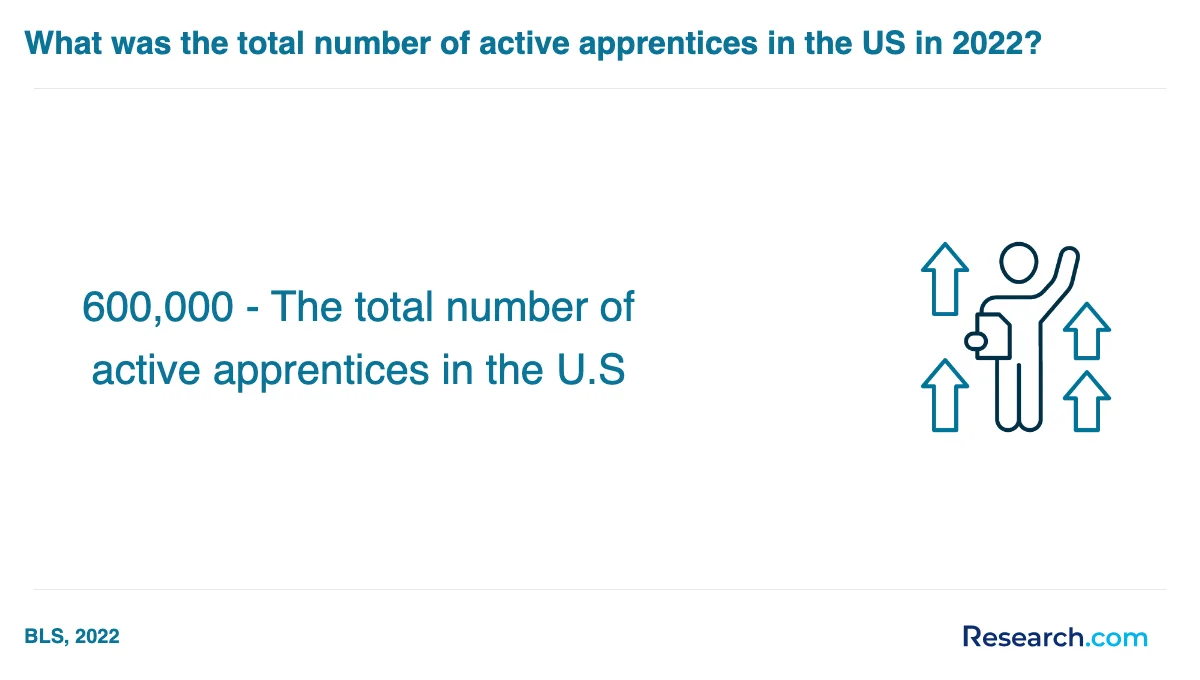
High school students involved in shared-time vocational programs typically commit to two years, integrating their trade studies smoothly with regular academic classes. Apprenticeship participants often embrace longer timelines, investing several years toward mastery with a mix of 144+ hours of classroom instruction annually paired with on-the-job experience. Many graduates find this extended path rewarding, especially when prior experience shortens their journey, boosting motivation and career prospects in New Jersey's vibrant trade sectors.
Online trade school programs in New Jersey, like those offered at Hudson County Community College, provide remarkable flexibility, allowing students to study from home while juggling jobs or family life. Graduates often share how the ability to access recorded lectures and complete assignments on their own schedule transformed their learning experience, creating a sense of control and reduced stress.
In contrast, on-campus programs at schools such as Ocean County College immerse students in hands-on training, fostering immediate feedback and real-time collaboration. Those who thrive on face-to-face interaction appreciate the dynamic energy of workshops and lab sessions, which sharpen practical skills essential for many trades.
Many students find online programs empowering but sometimes miss the vibrant community feel of campus life, where networking happens naturally between classes. Conversely, on-campus attendees enjoy stronger personal connections but must navigate commuting and fixed schedules that can feel restrictive. These differing experiences highlight how New Jersey's trade schools cater to diverse learning styles and life demands.
The average trade school tuition in New Jersey tends to fall between $15,000 and $21,500 for the full program, making it more accessible than the national average of around $33,000. Graduates from well-known schools like Lincoln Tech, Pennco Tech, and Fortis Institute often recall managing tuition fees closer to $21,000 to $29,000, though some have found programs as affordable as $10,000. These variations create opportunities for students to find a balance between quality education and budget. For many, the New Jersey trade school program cost breakdown also includes additional living expenses, which can add significantly to their overall investment.
Some students describe the affordability of New Jersey's community colleges as a welcome relief, especially those offering online trade or technical programs costing between $2,895 and $4,695. However, these lower costs sometimes come with trade-offs, like limited hands-on training, which is essential for trades like automotive technology or healthcare. Beyond tuition, it's common for students living away from home to factor in $10,000 to $15,000 per year for housing and related expenses, highlighting the importance of the full cost perspective when planning.
Many trade school hopefuls in New Jersey benefit from state and federal aid, including scholarships such as the New Jersey Governor's Industry Vocations Scholarship. This can reduce costs substantially, especially for those entering construction or skilled trades. Exploring funding options early is often key to feeling confident about the investment. Those interested in exploring all these financial aspects in depth should consider visiting a detailed resource about a trade school or vocational program for more guidance.
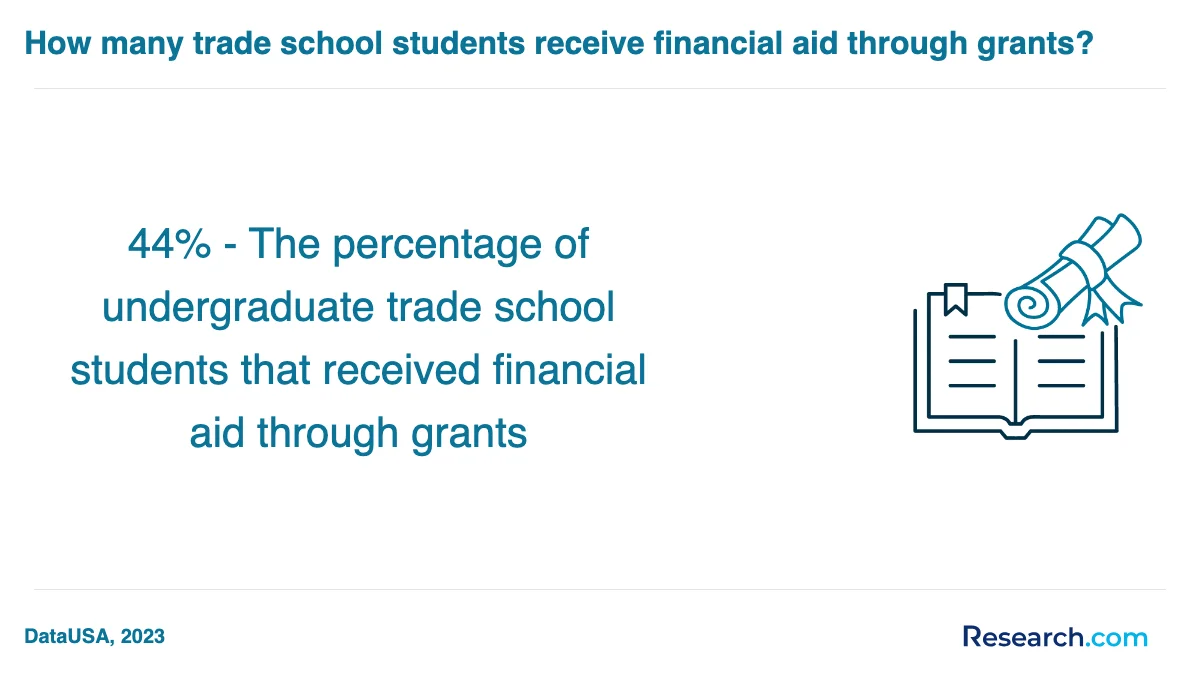
Trade school students in New Jersey often find financial aid options critical to turning their ambitions into reality. Graduates from schools like Ocean County Vocational Technical Schools have shared how completing the FAFSA opened doors to essential aid such as the Pell Grant, which grants funds that never need repayment. This relief allows students to focus on mastering their trade without overwhelming debt.
State assistance programs also play a pivotal role. Many New Jersey students rely on the Tuition Aid Grant (TAG), a need-based program that cushions educational expenses at vocational institutions across the state. For example, students juggling work and studies find the grant's support invaluable during tough financial stretches.
High-achieving graduates recount the advantage of NJ STARS and NJ STARS II programs, which reward academic excellence with tuition coverage, making county college and four-year programs more attainable. Meanwhile, those from foster care backgrounds praise the Foster Care Scholars Program for covering tuition plus supplies, creating a genuine sense of hope and possibility while they build skilled careers.
Beyond these, localized scholarships and trade-specific grants frequently surface, often thanks to community and industry partnerships. Hearing how these layered aids eased the journey makes it clear that aspiring students in New Jersey can access a rich safety net tailored for success in trade schools.
Enrolling in a trade school program in New Jersey often begins with meeting straightforward but important prerequisites, tailored to ensure your readiness and fit for the path you choose. For many high school-focused vocational schools, such as those within county vocational districts, students typically enter in 9th or 10th grade, and residency within the county is crucial. Imagine a student applying to Passaic County Technical-Vocational Schools: they submit an online application along with transcripts from the last two years to showcase consistent academic effort and good attendance.
At postsecondary trade schools like Fortis Institute in Lawrenceville, successful applicants generally hold a high school diploma or GED. Graduates often recall the confidence boost from providing clear proof of age and prior coursework, which affirmed their commitment before starting programs.
Many programs also include:
- Standardized test scores such as NJSLA or TerraNova to demonstrate basic skills
- Entrance exams and personal essays, especially in career academies focusing on math, language, or specialized fields
- Occasional interviews or auditions for performance-based tracks
This process lets students actively engage in their future careers, creating a positive momentum as they step confidently into hands-on learning experiences unique to New Jersey's trade schools.
Trade school programs in New Jersey often center on technical skills that lead directly to employment, with hands-on training that excites and empowers students. Graduates from schools like UTI Bloomfield and Lincoln Tech South Plainfield often share how automotive and diesel technology courses gave them confidence working on real engines, mastering diagnostics, fuel systems, and electronics within weeks.
Welding technology classes across various schools offer immersive experiences with MIG, TIG, and stick welding. Students gain not only expertise in metalwork but also understand blueprint reading and safety protocols, preparing them for industry certifications. Eastwick College students, for instance, describe the satisfaction of welding real projects that resemble actual job sites.
Building trades programs in New Jersey, such as electrician apprenticeships and plumbing, train students with practical skills like circuit installation and pipe fitting under expert instructors. Students appreciate the clear career pathways provided by apprenticeship opportunities and recognized certifications.
- Healthcare technician programs including medical assisting and pharmacy technician courses equip students with skills needed for fast-paced clinical environments.
- Heavy equipment operation and manufacturing technology programs offer dynamic training that blends classroom learning with real-world externships.
These course offerings reflect trade schools' commitment to bridging student ambitions with New Jersey's evolving workforce demands, making education here both relevant and rewarding.
Trade school programs in New Jersey cover a broad spectrum of specializations that directly match the needs of industries and aspiring professionals. Graduates often share how hands-on learning in fields such as plumbing, electrical work, carpentry, welding, and HVAC at community colleges or specialized institutes gave them confidence to enter the workforce quickly and securely.
Many students find real opportunities in automotive technology with programs at UTI Bloomfield and Pennco Tech that prepare them not just for mechanics work but also diesel technology, trucking, and heavy equipment operation. These intense but rewarding courses often culminate in certifications that boost employability.
For example, welding programs available both at UTI and Lincoln Tech offer fast-paced, skill-focused curricula, allowing learners to master various processes and use industry equipment, often finishing in under a year. The excitement of gaining such in-demand skills creates a strong connection to future career prospects.
Health-related trade programs like medical and dental assisting at Pennco Tech blend technical know-how with interpersonal skills, essential for thriving in New Jersey's healthcare environment. In addition, county vocational-technical schools teach culinary arts, IT, cosmetology, and advanced manufacturing, where partnerships with local employers keep training relevant and vibrant.
For those seeking flexible, cost-effective options, many students explore cheap solar technician training online, expanding their skillset in emerging green industries within New Jersey's labor market.
Choosing the best trade school programs in New Jersey starts with verifying accreditation, as graduates from schools like Camden County College often express confidence knowing their credentials are widely recognized. Many find that hands-on training in modern facilities, such as those at Raritan Valley Community College, helps bridge the gap between theory and real-world skills. Imagine a graduate sharing how practical experience in advanced workshops boosted their confidence and employability.
Cost matters too, and students frequently appreciate that community colleges offer competitive tuition and financial aid, making education accessible without overwhelming debt. When comparing programs, consider student outcomes and job placement rates-graduates often highlight how schools with strong employer partnerships eased their transition into careers. Exploring support services like career counseling and apprenticeship opportunities can reveal how schools actively nurture success.
For a deeper dive into options, check out best vocational trade online schools to see how to compare trade schools in New Jersey and find the right fit for your goals.

Trade school graduates in New Jersey enjoy diverse and growing career opportunities for trade school graduates in New Jersey across multiple high-demand sectors. Many find rewarding roles in healthcare as Certified Nursing Assistants, phlebotomists, or EKG technicians, thanks to programs that blend hands-on experience with industry certifications, sometimes even while still in high school. Graduates from popular county vocational-technical schools often describe the satisfaction of stepping directly into jobs that impact community health.
In addition, skilled trades jobs in New Jersey are thriving in construction, manufacturing, and automotive technology. Graduates trained in carpentry, welding, or diesel technology benefit from the state's booming infrastructure projects and the nationwide shortage of skilled welders. Real-life examples from graduates highlight how quickly they secured well-paying jobs after completing advanced manufacturing or HVAC programs, with some praising the flexible schedules that allowed them to balance work and study.
Other exciting paths include culinary arts and beauty services, where Camden County Technical Schools' investments create chefs and cosmetology experts who thrive in local restaurants and salons. For those curious about specialized training, exploring the cheapest online appliance repair trade school programs can open another practical route into a dependable career.
The job opportunities for trade school graduates in New Jersey continue to look promising, particularly as infrastructure projects and technological advancements drive demand in skilled trades like construction, HVAC, welding, and electrical work. Graduates from popular trade schools across the state report quickly landing roles that offer competitive wages and steady hours. Many find themselves working in familiar urban hubs such as Jersey City, Newark, and Trenton, where demand is highest.
Several graduates describe how practical training aligned with market needs gives them an edge when applying. For instance, those with credentials from New Jersey-based programs often secure positions in manufacturing, healthcare, and education sectors, reflecting the New Jersey skilled trades employment outlook. Current trends indicate:
- Private sector growth with strong job additions in manufacturing and health services
- Ongoing shortage of qualified skilled workers, leading to rapid job growth in technical fields
- Opportunities in emerging areas supported by technological upgrades
Many students pursuing specialized areas, such as electrical linework, benefit from focused programs tailored to state demand. Those interested can explore cheap online electrical lineman programs designed to prepare workers effectively for this expanding field. This alignment between training and employment outlook is crucial for anyone considering trade school in New Jersey.
Best Trade School & Training Programs - Leading Certification Courses in New Jersey for 2026
# 1 position
Rowan College at Burlington County - Diagnostic Medical Sonography/Sonographer and Ultrasound Technician.
associateRowan College at Burlington County offers a hybrid Diagnostic Medical Sonography/Sonographer and Ultrasound Technician program. The curriculum trains students to use ultrasound techniques to collect diagnostic sonographic data, including patient care and equipment operation. The program is accredited by the Middle States Commission on Higher Education. Annual in-state tuition is $4,968, and graduates earn a median salary of $81,015 one year after completion.
# 2 position
Camden County College - Dental Assisting/Assistant.
associateThe Dental Assisting/Assistant program at Camden County College offers a hybrid format with some distance-education options. It prepares students to assist dentists and hygienists by providing patient care, taking dental radiographs, and managing office administrative tasks. The curriculum covers medical record-keeping, equipment maintenance, radiography, chairside assisting, and supervised practice. Annual in-state tuition is $3,960, and median earnings one year after completion are $47,009. The program is accredited by the Middle States Commission on Higher Education.
# 3 position
Camden County College - Dental Assisting/Assistant.
certificate or diplomaThe Dental Assisting/Assistant program at Camden County College is a hybrid course preparing students for patient care, dental radiographs, and office administrative tasks under dentist supervision. Instruction covers medical record-keeping, scheduling, equipment sterilization, radiography, and chairside assisting. The annual in-state tuition is $3,960. Graduates have median earnings of $47,009 one year after completion. The program is accredited by the Middle States Commission on Higher Education.
# 4 position
Bergen Community College - Veterinary/Animal Health Technology/Technician and Veterinary Assistant.
associateBergen Community College offers a Veterinary/Animal Health Technology/Technician and Veterinary Assistant program that prepares students to assist veterinarians and animal specialists in patient care and clinical procedures. The curriculum includes animal nursing, health and nutrition, clinical pathology, radiology, anesthesiology, surgical assisting, and office administration. The program is accredited by the Middle States Commission on Higher Education. Annual in-state tuition is $4,757.
# 5 position
Bergen Community College - Computer and Information Sciences, General.
associateBergen Community College offers a hybrid Computer and Information Sciences, General program, focusing on computing, computer science, and information systems. The program is accredited by the Middle States Commission on Higher Education. Annual in-state tuition costs $4,757. This program provides a broad understanding of computing fields without specializing in specific areas, making it suitable for students seeking foundational knowledge in computer and information sciences with some distance education options.
# 6 position
Bergen Community College - Information Technology.
associateBergen Community College offers a hybrid Information Technology program focusing on designing technological information systems to support business and research data needs. The curriculum covers computer hardware and software, algorithms, databases, telecommunications, application testing, and human interface design. The program is accredited by the Middle States Commission on Higher Education. Annual in-state tuition is $4,757, providing an accessible option for students pursuing careers in IT.
# 7 position
Bergen Community College - Computer and Information Systems Security/Auditing/Information Assurance.
associateBergen Community College offers a hybrid program in Computer and Information Systems Security/Auditing/Information Assurance designed to prepare students to assess security needs, recommend safeguards, and manage security systems and procedures. The curriculum covers computer architecture, programming, networking, cryptography, security auditing, law, risk assessment, and investigation techniques. The program is accredited by the Middle States Commission on Higher Education. Annual in-state tuition is $4,757.
# 8 position
Bergen Community College - Legal Assistant/Paralegal.
associateBergen Community College offers a Legal Assistant/Paralegal program with a hybrid format that includes some distance-education options. The program prepares students to perform legal research, drafting, investigatory, and administrative functions under attorney supervision. Instruction covers legal research, document drafting, pleading, courthouse procedures, and legal specializations. Annual in-state tuition is $4,757. The program is accredited by the Middle States Commission on Higher Education.
# 9 position
Bergen Community College - Criminal Justice/Police Science.
associateBergen Community College offers a Criminal Justice/Police Science program with a hybrid format that includes some distance education options. The program prepares students for police and public security duties such as patrol, investigations, traffic and crowd control, evidence management, and report preparation. Annual in-state tuition is $4,757. The program is accredited by the Middle States Commission on Higher Education.
# 10 position
Bergen Community College - Diagnostic Medical Sonography/Sonographer and Ultrasound Technician.
associateBergen Community College offers a Diagnostic Medical Sonography program with a hybrid format, including some distance-education options. The program trains students to use ultrasound technology for diagnosing medical conditions under physician supervision. It covers patient care, data collection, sonographic processing, equipment operation, and professional ethics. Annual in-state tuition is $4,757. Graduates have a median earning of $72,486 one year after completion. The program is accredited by the Middle States Commission on Higher Education.
Frequently Asked Questions about trade school programs
Preparing for the job market after completing a trade school in New Jersey involves several strategic steps. Graduates should begin by obtaining relevant industry certifications, which can significantly improve employability. For example, the New Jersey Department of Labor reports a steady demand for certified electricians and HVAC technicians in the state.
Networking is also crucial; students should connect with local employers through job fairs and apprenticeship programs offered by many trade schools. Additionally, creating a strong resume that highlights hands-on skills and.completed internships can help secure interviews.
Research by the National Center for Education Statistics shows that trade school graduates tend to find employment within six months of graduation, particularly in high-demand areas such as construction and healthcare trades.
Finally, continued education and skill development enhance job stability and career growth in competitive New Jersey markets.
Employers in New Jersey value trade school graduates who combine strong technical skills with practical experience. According to the New Jersey Department of Labor, skills such as electrical installation, welding, HVAC maintenance, and automotive repair are highly sought after, reflecting the state's industrial needs.
Soft skills are equally important. Employers emphasize problem-solving, communication, and teamwork abilities. A 2023 survey by the National Skills Coalition reports that 70% of New Jersey employers prioritize critical thinking and adaptability alongside technical expertise.
Hands-on training, certifications, and the ability to use modern tools and technology also matter significantly for job readiness in state trades.
Finding internships in New Jersey that align with your trade school program involves several key steps. Start by exploring local workforce development boards, such as the New Jersey Department of Labor and Workforce Development, which often list apprenticeship and internship opportunities connected to various trades. Networking through your school's career services can be invaluable, as many trade schools partner with local businesses to place students in relevant internships.
Online job platforms like NJ.gov's job portal and industry-specific websites can help you discover openings. New Jersey's diverse economy offers internships in sectors like construction, automotive technology, and healthcare support. According to the National Association of Colleges and Employers, approximately 60% of trade students secure internships before graduation, enhancing their employability.
Contacting local trade unions and professional associations can also provide leads on internships and apprenticeships, especially in skilled trades. Maintaining a well-prepared resume and expressing a clear interest in your trade will improve your chances of securing a position.
In New Jersey, a trade school diploma can significantly enhance career mobility and advancement opportunities. According to the New Jersey Department of Labor, many industries such as construction, manufacturing, and healthcare actively seek individuals with specialized technical training. Graduates with trade diplomas often earn higher entry-level wages compared to peers with only a high school diploma.
Trade schools provide focused, practical skills that employers value, enabling quicker transitions into the workforce. The New Jersey Economic Development Authority reports that job growth in skilled trades is projected to increase by over 10% through 2030, highlighting demand for qualified workers.
Certification from a recognized trade school can also lead to promotions and higher responsibilities, as employers prioritize proven expertise.
Part-time job opportunities in New Jersey can greatly enhance the trade school education experience by offering practical skills and income. Many students find positions as apprentice electricians, HVAC technicians, or automotive service aides, aligning closely with common trade programs. According to the New Jersey Department of Labor, roles in construction and skilled trades are among the fastest-growing part-time opportunities, with wages averaging $15 to $20 per hour.
Additionally, local businesses often seek part-time helpers in plumbing and welding shops, allowing students to apply classroom knowledge in real-world settings. These jobs not only reinforce technical skills but also improve time management and customer service abilities, valuable for long-term career success.
There are several strong degree programs available near New Jersey, offering a range of opportunities in various fields such as engineering, business, and healthcare. Many universities near New Jersey provide top-tier educational programs and are well-regarded for their research contributions, which can be further explored through resources like Research.com. For those looking for programs "near me," certain institutions offer competitive degrees that align with personal and professional interests.
- Best Trade School & Training Programs - Leading Certification Courses in Delaware for 2026
- Best Trade School & Training Programs - Leading Certification Courses in Pennsylvania for 2026
- Best Trade School & Training Programs - Leading Certification Courses in Maryland for 2026
- Best Trade School & Training Programs - Leading Certification Courses in Connecticut for 2026
- Best Trade School & Training Programs - Leading Certification Courses in Rhode Island for 2026
- Best Trade School & Training Programs - Leading Certification Courses in Massachusetts for 2026
- Best Trade School & Training Programs - Leading Certification Courses in West Virginia for 2026
- Best Trade School & Training Programs - Leading Certification Courses in Vermont for 2026
- Best Trade School & Training Programs - Leading Certification Courses in Kentucky for 2026
- Best Trade School & Training Programs - Leading Certification Courses in New Hampshire for 2026
- The Many Benefits of Mastering a Trade | Eastwick College NJ https://eastwick.edu/news/benefits-of-mastering-a-trade/
- Back to school: What to expect when you enter trade school - South Jersey Electrical Training https://sjelectricaltraining.com/2023/11/29/back-to-school-what-to-expect-when-you-enter-trade-school/
- Trade Schools Vs Community Colleges in New Jersey https://www.thetrainingcenter.com/articles/trade-school-vs-community-college
- Medical/Construction/Industrial Training Center - Why I Chose Trade School Over a Four-Year College: A Comprehensive Journey into the Advantages https://mcitcnj.com/why-i-chose-trade-school-over-a-four-year-college-a-comprehensive-journey-into-the-advantages/
- Why Trade School Might Be the Best Move in 2025 https://nj.nextenergypros.com/trade-school-best-move/
- Trade Schools, What Are The Benefits - InterCoast Colleges https://intercoast.edu/articles/benefits-of-trade-schools/
- Vocational education lights a bright career path for New Jersey’s youth - Jersey's Best https://www.jerseysbest.com/family/vocational-education-lights-a-bright-career-path-for-new-jerseys-youth/
- New Dimensions in Career and Technical Education - New Jersey School Boards Association | New Jersey School Boards Association https://www.njsba.org/news-information/school-leader/new-dimensions-in-career-and-technical-education/
- Career Training and Trade School in South Plainfield, NJ https://www.lincolntech.edu/campus/south-plainfield-nj
- Trade Schools, Career Training in NJ - National Career Institute https://www.nciedu.com/


