Best Trade School & Training Programs - Leading Certification Courses in Melbourne for 2026

Co-Founder and Chief Data Scientist
Choosing the right trade school in Melbourne can shape your future career and open doors to exciting opportunities. This article introduces a trade school programs ranking created by the Research.com team of data scientists, designed to help you make an informed decision about which programs truly stand out.
Whether you’re aiming for a diploma or certification, gaining skills from a reputable trade school can boost your confidence and employability. Discover programs that fit your goals and start building a rewarding career path today.
Key benefits of finishing trade school programs trade school in Melbourne
- Competitive salaries: Trade school graduates in Melbourne can earn strong wages, with construction workers making about AUD 94,000 yearly, healthcare technicians earning over AUD 80,000 to AUD 127,000, and automotive technicians starting around AUD 55,000 to AUD 70,000.
- Popular career paths: Graduates often find success in trades like carpentry, electrical engineering, plumbing, welding, dental technology, and automotive mechanics-fields that are in steady demand across Melbourne and Victoria.
- Flexible learning options: Online trade school programs allow students to balance study and life, providing convenient access to quality education and faster entry into the workforce compared to traditional campus courses.
- Best Trade School & Training Programs - Leading Certification Courses in Melbourne for 2026
- What can I expect from trade school programs trade schools in Melbourne?
- Where can I work after finishing trade school programs trade schools in Melbourne?
What can I expect from trade school programs trade schools in Melbourne?
The average cost of a trade school program in Melbourne varies, but students often find it to be a worthwhile investment in their futures. Many graduates from institutions like Melbourne Polytechnic and Chisholm Institute recall balancing fees that cover hands-on workshops, access to industry-grade equipment, and vital vocational placements. These costs generally reflect a comprehensive learning experience rather than just classroom time.
Students frequently mention how their fees include more than lessons-they get to work in real workplaces, gaining confidence with tools and techniques that are in demand. For example, one graduate described the excitement of completing a Certificate III in Carpentry, where the tuition covered both theoretical learning and practical tasks like frame construction.
Trade schools also offer flexible payment options and support services, helping students manage expenses while staying focused on their goals. With multiple intake dates and streamlined course delivery, entering Melbourne's vibrant trade community feels accessible and encouraging, no matter the background.
Where can I work after finishing trade school programs trade schools in Melbourne?
After finishing a trade school program in Melbourne, graduates step confidently into a thriving job market eager for their skills. Many find fulfilling roles as automotive technicians in busy local garages or dealerships, where hands-on work and problem-solving create a rewarding daily routine. Others join construction companies or specialized HVAC firms, maintaining climate control systems that keep homes and businesses comfortable year-round. Welding graduates move into manufacturing or construction sites, where their craftsmanship not only builds structures but can lead to higher-paying positions like Certified Welding Inspector, earning $30-36 per hour locally.
Graduates trained in cybersecurity and network systems often secure positions in the IT departments of Melbourne's businesses and government offices, tackling challenges that protect vital information. Meanwhile, those with office management skills thrive in medical or corporate offices, ensuring smooth operations behind the scenes.
Trade schools in Melbourne, such as those offering degrees in Engineering Technology or Early Childhood Education, prepare students with hands-on experience that opens immediate doors. Many graduates recount feeling proud and empowered as they launch their careers, knowing their trade education directly connects them to stable, well-paying jobs they love.
After finishing a trade school program in Melbourne, graduates often find themselves stepping into well-paying careers that quickly reward their hard work. Many grads from popular Melbourne trade schools share stories of starting as entry-level tradespeople earning around $21.50 per hour, which adds up to about $44,720 annually for full-time work. This steady income can be life-changing, especially when paired with opportunities to advance skills and certifications.
Some graduates move into specialized roles like HVAC technicians, electricians, or plumbers, where salaries rise significantly-with HVAC pros earning nationally up to $118,000 per year and electricians making about $89,000 annually. Imagine working onsite, solving real-world problems daily, and seeing your paycheck grow because of the expertise you gained at your Melbourne trade school.
Others progress into management or contract roles, surpassing $130,000 yearly, proving that trade careers in Melbourne offer strong upward mobility, financial stability, and the pride of mastering a craft in high demand.
- Most trade schools in Melbourne require completion of at least Year 11 or the equivalent, along with proof of English proficiency for international students.
- Applications are typically submitted online with required documents; admission includes a Pre-Training Review to assess skills and language level before enrolment.
- Tuition fees for international students usually range from AUD 8,000 to AUD 20,000 per year for certificate or diploma programs.
- Entry-level salaries for trade-qualified workers in Melbourne range from AUD 50,000 to AUD 65,000 annually, with experienced workers earning up to AUD 100,000 in high-demand sectors.
- Trade qualifications can lead directly to jobs, apprenticeships, or further vocational and higher education opportunities.
Completing a trade school program in Melbourne varies depending on your chosen path and background, but the journey is filled with rewarding learning experiences. Many graduates from popular Melbourne institutions find themselves thriving after apprenticeships, which usually take three to four years. These programs blend hands-on work with classroom training, teaching you skills that employers value deeply.
For international students from the US, shorter pathways like TAFE trade courses offer an inspiring alternative, typically lasting one to two years. Imagine gaining real workplace experience through around 360 hours of vocational placements, supported by experienced mentors who guide your growth every step of the way. It's a practical, focused path that respects visa limits without sacrificing quality.
Others start with pre-apprenticeship programs lasting just three to six months, offering a fast-paced introduction to skilled trades. This has been a game-changer for many graduates eager to dive into the workforce quickly while building confidence.
Whether you're aiming for a traineeship or a specialized short course, Melbourne's trade schools foster achievement and open doors, making your ambitions truly attainable.
Choosing between online and on-campus trade school programs in Melbourne opens exciting possibilities tailored to your lifestyle and goals. Online programs, like those at Academia and Victoria University, provide graduates with the freedom to study anywhere-from cozy home desks to bustling cafes-while still engaging in live discussions and using interactive tools. One graduate shared how balancing a part-time job and family life became manageable through flexible, recorded lessons and 24/7 support, creating a learning experience that fits their unique rhythm.
On-campus options, such as those offered by Swinburne University, deliver vibrant, hands-on training where students thrive in workshops and labs, supported by direct instructor feedback. Graduates recall the energizing atmosphere of working alongside peers, crafting skills in real time, and forging connections that last beyond the classroom.
Both paths in Melbourne uphold high standards and lead to the same qualifications, empowering students whether they seek the adaptable pace of online learning or the immersive, tactile experiences of campus life.
The average trade school tuition in Melbourne typically ranges between AUD 10,000 and AUD 20,000 per year for most certificate and diploma programs, making it a worthwhile investment in a promising future. Many international students find this a reasonable price given the high quality of training and strong employment support offered by institutions like Melbourne Trades College or the Australian School of Business and Trade. Graduates often share how their hands-on learning experiences and industry connections opened doors in competitive fields like automotive technology and business trade.
Consider a graduate who completed the Certificate III in Light Vehicle Mechanical Technology for around AUD 8,360 and now enjoys confident career prospects. Another success story comes from students who enrolled in diploma programs costing between AUD 7,000 and AUD 13,500, appreciating the clear focus on practical skills and career readiness. These examples illustrate the value behind the Melbourne trade school total program cost, which includes more than tuition-students budget additionally for accommodation, transportation, insurance, and materials to fully embrace their study journey.
For those curious about flexible learning paths, options like the cheapest baking and pastry arts course online provide additional avenues to enter the skilled trades without sacrificing quality or affordability. Overall, investing in a trade school program here sets a vibrant foundation for building a fulfilling career.
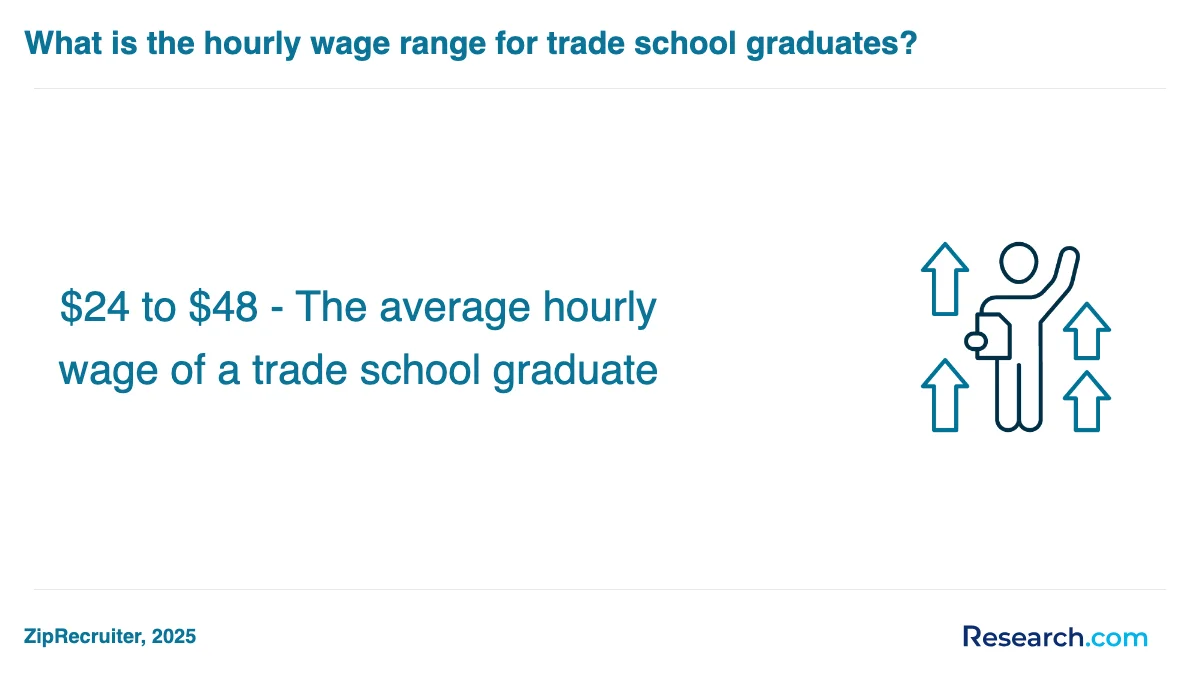
Trade school students in Melbourne enjoy a variety of financial aid options that open doors to education and dreams. Scholarships, bursaries, grants, and living allowances are commonly available, providing vital support to both domestic and international students. Graduates from Melbourne Polytechnic often recall how scholarships recognizing more than just grades helped them stay focused and motivated through challenges.
At the University of Melbourne, students benefit from over 1,200 scholarships and prizes, including the inspiring Hansen Scholarship, which honors resilience and personal growth. Imagine arriving in Melbourne and gaining the Residential Colleges Narrm Scholars Offer-providing up to $26,500 in accommodation and living allowances-allowing students to fully immerse themselves in college life without financial stress.
Bursaries and grants assist with tuition and materials, easing the burdens of study costs. Many students share how timely financial support, sometimes awarded after enrollment, empowered them to chase their ambitions in trades without delay. In Melbourne's vibrant trade schools, these aid programs transform possibilities into achievements.
Enrolling in a trade school program in Melbourne is an exciting step toward a rewarding career, and understanding the prerequisites will help you prepare confidently. Most schools, like Chisholm TAFE and Swinburne University, expect candidates to have completed the Victorian Certificate of Education (VCE) or an equivalent. This foundational achievement ensures you're ready to dive into specialized training with a strong academic background.
International students often find that demonstrating English proficiency is key. For example, Chisholm graduates share how achieving a 6.0 score in IELTS opened doors and eased their transition into the program. Meeting these language requirements isn't just a formality-it builds your confidence in communication, which is essential for success.
Other prerequisites might include:
- Subject-specific courses such as mathematics or sciences for engineering fields
- Passing additional tests like a written or mathematics assessment
- Participating in pre-admission interviews
Institutes such as Swinburne offer early entry options, a beacon of opportunity for those eager to start their journey without the usual ATAR barriers. Many students feel empowered by these flexible pathways that acknowledge potential beyond just academic scores.
Remember, meeting prerequisites is your ticket to applying, but Melbourne's trade schools also look for passion and commitment. Many prospective students find that alternative pathways and foundation programs turn initial doubts into stepping stones, proving that with dedication, success is within reach.

Trade school programs in Melbourne offer students a hands-on pathway to thriving careers through a rich selection of industry-focused courses. Graduates often share how their time mastering skills in vibrant workshops transformed their confidence and employability, setting them on a fast track to success.
Popular courses include:
- Building and construction trades like Certificate III in Carpentry, teaching real-world structural projects and tool use
- Certificate II in Plumbing (Pre-apprenticeship), providing foundational skills to enter the construction field
- Automotive programs such as Certificate III in Automotive Mechanics, which immerse students in diagnosing and repairing vehicles
- Painting and decorating, blending practical finishes with workplace safety knowledge
- Emerging sectors like electrotechnology, civil construction, cyber security, community services, and early childhood education.
Many students find that Melbourne's trade schools offer vibrant, fully equipped environments where practical training complements classroom learning. This blend prepares learners not only to pass certifications but to confidently step into Melbourne's workforce with hands-on experience valued by employers.
Trade schools in Melbourne offer a vibrant range of specializations designed to launch rewarding careers. Many graduates from Chisholm and SEDA College share how mastering building and construction trades-carpentry, bricklaying, plumbing, and electrical work-gave them the confidence to step immediately into apprenticeships in bustling Melbourne neighborhoods. The focus on green building methods appeals to those passionate about sustainable, hands-on work shaping the city's future.
Engineering and automotive trades draw students eager to dive into mechanical engineering, automotive repair, and civil construction. Holmesglen's advanced workshops provide real-world experience that graduates say made transitioning to the workforce seamless and exciting.
In the fast-growing electrotechnology and IT sectors, programs at Swinburne include Certificate III Cyber Security courses, equipping students with vital skills needed in today's digital world. Prospective students can even explore online carpentry classes to complement their hands-on studies, adding flexibility and accessibility.
Creative fields and health services also flourish, with pathways to community services, culinary arts, and early childhood education, empowering students to build meaningful careers that connect with Melbourne's diverse communities.
Choosing the best trade school programs in Melbourne means focusing on accreditation and reputation. Graduates from schools like Melbourne Polytechnic often speak about the confidence they felt knowing their qualifications are recognized globally, thanks to strong industry standards. This assurance comes not only from rankings but also from hands-on experiences that prepare them for real careers.
Another key to how to choose a Melbourne trade school is evaluating the variety of programs available. For instance, students at the Austin Institute of Trades enjoy diverse courses ranging from IT to early childhood care, allowing them to find the perfect fit. Many graduates highlight how practical training and exposure to advanced facilities helped them quickly adapt to their fields.
It's also wise to consider costs carefully. Tuition can vary widely, and for those seeking affordable options, exploring low cost online welding certification programs can be a smart start. Embracing schools with strong industry ties ensures access to internships and job placements, making your investment truly rewarding with real-world outcomes.
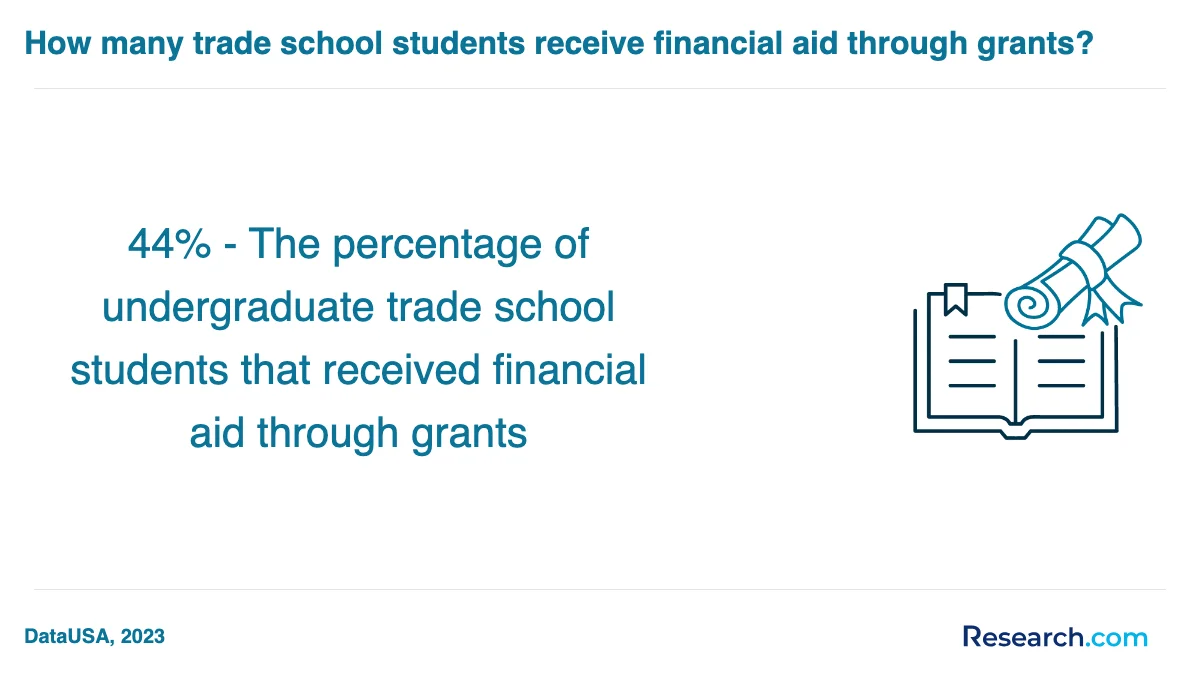
Trade qualification jobs in Melbourne open doors to vibrant career opportunities in sectors like construction, manufacturing, electrical, and mechanical trades. Graduates from popular trade schools in Melbourne often share inspiring stories of starting as apprentices and quickly moving into skilled roles such as electricians, welders, carpenters, and diesel mechanics. These careers not only offer job security but also satisfying hands-on work that keeps students engaged and motivated.
Many find themselves proudly contributing to significant infrastructure projects or playing vital roles in maintaining transportation systems. The pathway includes:
- Bricklayer, carpenter, or building surveyor in fast-growing construction trades
- Sheet metal worker, boilermaker, or welder addressing critical demand in manufacturing
- Automotive electrician or mechanical fitter supporting Melbourne's industrial heartbeat
For those eager to upskill, online construction training programs offer flexible learning tailored to today's busy lifestyles. Trade school graduates often celebrate the real-world value of their qualifications, embraced widely across Melbourne's job market for their blend of technical skills and resilience to automation.
Career opportunities for trade school graduates in Melbourne are vibrant, tangible, and deeply rewarding, reflecting the city's dynamic and growing industries.
Trade schools in Melbourne open doors to thriving job opportunities for trade school graduates in Melbourne, where over 95% of graduates quickly secure employment. Graduates from renowned vocational programs often find rewarding careers as electricians, construction workers, and aged care professionals. Their practical skills are in high demand due to pronounced shortages across vital industries.
Many graduates from popular Melbourne trade schools share inspiring stories of landing jobs within months, supported by Melbourne's growing economy and initiatives connecting schools to employers. Apprentices and trainees especially benefit, with nearly half employed in fields like electrotechnology and construction, reflecting the Melbourne trade school graduate employment outlook's strength.
International students gain valuable insights too, with increasing efforts to improve pathways to full-time work. Those exploring the fastest routes to certification will find resources like cheapest floor installer certification online highly practical for accelerating their careers.
- High post-qualification employment rates of over 95%
- Strong demand in key sectors such as construction and aged care
- Robust apprenticeship opportunities tailored to Melbourne's job market
Best Trade School & Training Programs - Leading Certification Courses in Melbourne for 2026
# 1 position
Eastern Florida State College - Dental Assisting/Assistant.
associateThe Dental Assisting/Assistant program at Eastern Florida State College offers a hybrid format with some distance-education options. Annual in-state tuition is $2,496. The program prepares students to provide patient care, take dental radiographs, assist with dental procedures, and manage office administrative tasks under supervision. Instruction covers medical record-keeping, equipment maintenance, radiography, and chairside assisting. It is accredited by the Southern Association of Colleges and Schools Commission on Colleges. Median earnings one year after completion are $57,021.
# 2 position
Eastern Florida State College - Dental Assisting/Assistant.
certificate or diplomaThe Dental Assisting/Assistant program at Eastern Florida State College offers a hybrid learning format combining in-person and distance education. It trains students in patient care, dental radiography, office administration, and chairside assisting under professional supervision. The curriculum includes medical record-keeping, equipment maintenance, and patient instruction. Annual in-state tuition is $2,496. Graduates earn a median salary of $57,021 one year after completing the program. The program is accredited by the Southern Association of Colleges and Schools Commission on Colleges.
# 3 position
Eastern Florida State College - Diagnostic Medical Sonography/Sonographer and Ultrasound Technician.
associateThe Diagnostic Medical Sonography/Sonographer and Ultrasound Technician program at Eastern Florida State College is a hybrid course preparing students to use medical ultrasound under physician supervision. It covers patient care, sonographic data collection, equipment operation, and professional ethics. The program is accredited by the Southern Association of Colleges and Schools Commission on Colleges. Annual in-state tuition is $2,496. Median earnings one year after completion are $48,657.
# 4 position
Eastern Florida State College - Diagnostic Medical Sonography/Sonographer and Ultrasound Technician.
certificate or diplomaEastern Florida State College offers a hybrid Diagnostic Medical Sonography/Sonographer and Ultrasound Technician program that trains students to use ultrasound technology for medical diagnosis. The curriculum covers patient care, sonographic data collection, and equipment operation, emphasizing professional ethics. Annual in-state tuition is $2,496. Graduates earn a median salary of $48,657 one year after completing the program. The program is accredited by the Southern Association of Colleges and Schools Commission on Colleges.
# 5 position
Eastern Florida State College - Veterinary/Animal Health Technology/Technician and Veterinary Assistant.
associateThe Veterinary/Animal Health Technology/Technician and Veterinary Assistant program at Eastern Florida State College prepares students to assist veterinarians and animal health professionals in clinical and patient care tasks. The curriculum covers animal nursing, clinical pathology, anesthesiology, surgical assisting, and office administration. The program is accredited by the Southern Association of Colleges and Schools Commission on Colleges. Annual in-state tuition is $2,496.
# 6 position
Eastern Florida State College - Information Technology.
associateEastern Florida State College offers a fully online Information Technology program with an annual in-state tuition of $2,496. The curriculum covers design of technological information systems, computer hardware and software, algorithms, databases, telecommunications, user tactics, application testing, and human interface design. This program is accredited by the Southern Association of Colleges and Schools Commission on Colleges.
# 7 position
Eastern Florida State College - Criminal Justice/Law Enforcement Administration.
associateEastern Florida State College offers a Criminal Justice/Law Enforcement Administration program that prepares students to manage public law enforcement agencies. The curriculum covers law enforcement history, operational command, leadership, labor relations, incident response, legal responsibilities, budgeting, and public relations. The program’s annual in-state tuition is $2,496. It is accredited by the Southern Association of Colleges and Schools Commission on Colleges.
# 8 position
Eastern Florida State College - Physical Therapy Assistant.
associateThe Physical Therapy Assistant program at Eastern Florida State College is a hybrid course designed to train individuals to assist physical therapists in treatment care plans, patient training, and clinical documentation. It covers applied anatomy, physiology, biomechanics, neuroscience, and professional ethics. The program’s annual in-state tuition is $2,496. Graduates earn a median salary of $29,665 one year after completion. It is accredited by the Southern Association of Colleges and Schools Commission on Colleges.
# 9 position
Eastern Florida State College - Accounting Technology/Technician and Bookkeeping.
associateEastern Florida State College offers a program in Accounting Technology/Technician and Bookkeeping designed to prepare individuals for technical administrative roles supporting accountants and financial managers. The curriculum includes instruction in posting transactions, record-keeping systems, accounting software operation, and general accounting principles. The program's annual in-state tuition is $2,496. It is accredited by the Southern Association of Colleges and Schools Commission on Colleges.
# 10 position
Eastern Florida State College - Business Administration and Management, General.
associateEastern Florida State College offers a hybrid Business Administration and Management, General program designed to prepare students to plan, organize, direct, and control organizational functions. The curriculum includes management theory, human resources, accounting, logistics, marketing, and business decision-making. The program is accredited by the Southern Association of Colleges and Schools Commission on Colleges. Annual in-state tuition is $2,496, and median earnings one year after completion are $21,704.75.
Frequently Asked Questions about trade school programs
Preparing for the job market after completing a trade school in Melbourne involves several strategic steps. First, building a strong resume that highlights practical skills and certifications gained during your program is essential. Many trade schools in Melbourne collaborate with local businesses, increasing employment opportunities; the Australian Government's Job Outlook reports that trade occupations often have stable demand.
Networking is crucial-attend job fairs and industry events to connect with potential employers. Gaining work experience through internships or apprenticeships can also improve job prospects significantly. Additionally, staying updated with industry trends and continuing education helps graduates remain competitive in the evolving job market.
Employers in Melbourne highly value a blend of technical expertise and soft skills in trade school graduates. According to a report by the Australian Industry and Skills Committee (AISC), practical skills such as problem-solving, teamwork, and adaptability are crucial. Trade employers often seek candidates proficient in specific trades like construction, plumbing, or electrical work, with an emphasis on hands-on experience.
Communication skills also rank highly, with 73% of Melbourne-based employers reporting the need for strong verbal and written communication in workplace interactions, per a 2023 survey by the Australian Chamber of Commerce and Industry.
Additionally, a strong work ethic and reliability remain top priorities, as these traits directly impact project completion and safety on job sites.
Finding internships in Melbourne relevant to your trade school program involves several practical steps. Begin by consulting your trade school's career services, as many institutions maintain partnerships with local businesses for internship placements. According to the Victorian Government's Jobs and Skills Dashboard, industries like construction, automotive, and hospitality offer numerous internship opportunities.
Additionally, use online platforms such as Seek and Indeed, which regularly list trade-specific internships around Melbourne. Networking is also crucial; attending industry events and joining local trade associations can connect you directly with employers.
Finally, consider contacting local Australian Apprenticeship Centres, which provide support and guidance for vocational training and work experience.
In Melbourne, a trade school diploma often significantly enhances career mobility and advancement opportunities. Graduates with such diplomas tend to enter the workforce faster than those pursuing four-year degrees, gaining practical skills that are directly applicable to in-demand trades. According to data from the Australian Government's Department of Education, Skills and Employment, trade qualifications can increase employment rates by up to 20% in sectors like construction, automotive, and hospitality.
Employers in Melbourne value trade school diplomas because they demonstrate job readiness and specialized knowledge. This can lead to faster promotions and higher salary prospects.
Moreover, Melbourne's growing industries require skilled tradespeople, creating upward mobility pathways. Trade diplomas also offer flexible re-skilling options to adapt to changing job markets.
For students enrolled in trade schools in Melbourne, part-time job opportunities that complement their education are diverse and practical. Common roles include apprentice electrician, plumbing assistant, or automotive technician trainee, which allow hands-on experience alongside study. The Victorian Government's Jobs Victoria program highlights that such positions help build essential skills while earning income.
Retail and hospitality roles also provide valuable soft skills like customer service and time management, which support career growth. According to the Australian Bureau of Statistics, many students balance part-time work averaging 15-20 hours per week, ensuring study commitments are maintained.
Additionally, construction laborer roles are popular, aligning with trade skills and offering real-world exposure, supporting trade theory taught at school.
Melbourne, FL, offers several opportunities for higher education through various universities and degree programs in fields such as engineering, business, and information technology. For those searching "near me," both Eastern Florida State College and Florida Institute of Technology, located near Melbourne, FL, provide a range of undergraduate and graduate programs. Research.com could be a helpful resource to explore and compare these programs to find one that suits your academic and career objectives.
- Melbourne Polytechnic - Trades College https://www.melbournepolytechnic.edu.au/about-us/departments/trades-department-vet/
- Gaining Practical Experience In Trade Courses https://pathwaytoaus.com/blog/what-is-vocational-placement/
- How to Prepare for a Trade Apprenticeship While at School https://www.migas.com.au/blog/how-to-prepare-for-a-trade-apprenticeship-while-at-school
- Building and Trade Program - SEDA College https://seda.vic.edu.au/educational-programs/building-and-trade-program/
- Why Study a Trade Course in Melbourne https://asiapacificgroup.com/blog/why-study-a-trade-course-in-melbourne/
- List of Trade Courses in Australia for PR: Unlock PR Pathways with Trade Qualifications in Australia https://www.aussizzgroup.com/trade-courses-in-australia
- Get recognition for your skills, experience and past study | vic.gov.au https://www.vic.gov.au/get-recognition-your-skills-experience-and-past-study
- Building & Trades Courses | Study at RMIT Australia https://www.rmit.edu.au/study-with-us/building/building-and-trades
- Trades https://www.vu.edu.au/study-at-vu/courses/trades
- Building & Construction Courses Melbourne | Study Carpentry Course Melbourne https://www.tiv.vic.edu.au/