
Best Trade School & Training Programs - Leading Certification Courses in Hillsboro for 2026

Co-Founder and Chief Data Scientist
Choosing the right trade school in Hillsboro can shape your future career and open doors to rewarding opportunities. This article introduces the best trade schools in the area for 2026, featuring a trade school programs ranking created by the Research.com team of data scientists. Their in-depth analysis helps students like you make informed decisions when selecting programs worth considering.
Whether you’re seeking a diploma or certification, gaining skills through trade education can boost your confidence and employment prospects. Exploring these options is a positive step toward achieving your goals and building a fulfilling career.
Key benefits of finishing trade school programs trade school in Hillsboro
- Trade school graduates in Hillsboro can earn strong salaries, with diesel mechanics starting around $34.30 per hour and general managers in specialized trades making between $115,000 and $131,000 annually, offering excellent financial opportunities.
- Popular career paths include electricians, HVAC technicians, plumbers, and diesel mechanics, all in high demand locally and backed by hands-on training from Hillsboro's trade schools.
- Online trade school programs offer flexible schedules, allowing students to balance work and family, while still gaining valuable skills and credentials recognized by local employers in Hillsboro's growing industries.
- Best Trade School & Training Programs - Leading Certification Courses in Hillsboro for 2026
- What can I expect from trade school programs trade schools in Hillsboro?
- Where can I work after finishing trade school programs trade schools in Hillsboro?
What can I expect from trade school programs trade schools in Hillsboro?
The average cost of a trade school program in Hillsboro varies widely depending on the field and credential level, but many students report affordable tuition compared to traditional colleges. Graduates from popular programs such as advanced manufacturing or HVAC often find that their total expenses, including certificates and diplomas, typically fall within a few thousand to low five-thousand-dollar range. This affordability is partly due to flexible scheduling options and financial aid availability, which many students access to ease the upfront burden.
Students appreciate programs like the Hillsboro Advanced Manufacturing Apprenticeship, where paid on-the-job training offsets costs and builds income while studying. Graduates frequently share their relief and excitement at quickly moving into well-paying jobs without incurring significant debt. Others pursuing medical assisting or electrical technology programs mention valuable support services that guided them through financial aid applications and helped shape career plans.
This blend of manageable expenses, practical training, and post-completion job readiness makes Hillsboro trade schools particularly attractive for those seeking direct workforce entry without prolonged financial strain.
Where can I work after finishing trade school programs trade schools in Hillsboro?
After completing a trade school program in Hillsboro, graduates find a variety of rewarding employment opportunities closely tied to their training. Those from advanced manufacturing programs often become certified manufacturing technicians, stepping into roles supported by Hillsboro's strong industrial base, such as electronics and semiconductor plants. Graduates commonly share how the city's registered youth apprenticeship program helped them gain hands-on experience, boosting their confidence to secure jobs with starting wages that can range widely based on skill level.
Healthcare graduates, including certified nursing assistants, regularly report quick placements in local hospitals and clinics, thanks to partnerships with training centers like Willow Creek Opportunity Center. Many feel motivated by the immediate impact they have on community health.
Trade school alumni trained in construction or electrical fields typically find work through local contractors or public utilities. It's common to hear about peers starting as maintenance workers or site managers, with more than 270 trade-related jobs projected in 2025. Apprenticeships often provide paid learning, allowing graduates to earn while advancing, creating a real sense of achievement early on.
After finishing a trade school program in Hillsboro, graduates can expect to earn competitive wages that vary by trade and experience. Many find their starting salaries near entry-level rates, typically around $19 to $25 per hour, especially in manufacturing or technical fields common in the area. For example, graduates from well-known Hillsboro trade schools often report starting jobs paying about $24 per hour, enough to cover living expenses while building skills.
With time and additional certifications, these wages can increase significantly. Skilled tradesworkers in the Portland-Vancouver-Hillsboro region average around $24.52 hourly, while supervisors earn closer to $34 per hour. Graduates pursuing careers in healthcare technology or specialized manufacturing often see higher pay as they gain experience and move into management roles.
One trade school graduate, after working in advanced manufacturing, shared how learning hands-on skills enabled a quick jump from an entry-level position to a supervisory role within two years-boosting annual earnings above $70,000. Hillsboro's proximity to Portland's tech and manufacturing sectors creates valuable opportunities for ambitious graduates.
- Most trade school programs in Hillsboro require a high school diploma or GED and applicants to be at least 18 years old, though some apprenticeship tracks accept students starting at age 16.
- The application process typically includes submitting transcripts, an online readiness test, and attending an interview or campus tour; apprenticeship programs also require a mock interview and an official interview.
- Accreditation is important for eligibility for certifications, financial aid, and better job opportunities after graduation.
- Tuition is generally lower than four-year colleges, with many programs completed in two years or less, and some healthcare training programs offered free with additional support for eligible students.
- Entry-level salaries for graduates usually range from $35,000 to $55,000 annually, especially in healthcare, manufacturing, and technology fields, with apprenticeships often leading directly to full-time jobs or certifications.
Completing a trade school program in Hillsboro generally takes between five months and two years, depending on the specific trade and program format. Many graduates from Hillsboro programs appreciate how quickly they acquired practical skills compared to the lengthy timeline of traditional college degrees. For example, students in the Hillsboro Advanced Manufacturing Apprenticeship complete their training in two years, blending classroom lessons with paid on-the-job experience. This structure not only boosts confidence but also allows them to start earning while they learn.
Others who pursued shorter pathways, such as Job Corps vocational courses, mention finishing certain entry-level credentials in as little as five months. They found the accelerated pace challenging but motivating, especially when their new skills opened job opportunities quickly. Community college associate degrees related to trades can take two years, but many certificates and diplomas are attainable in one year or less, providing flexibility to those balancing work or family commitments.
Overall, Hillsboro trade programs offer diverse timelines that accommodate different goals and life situations, making career transitions feel achievable and rewarding.
The core difference between online and on-campus trade school programs in Hillsboro centers on how and where learning occurs. Graduates from local schools often describe online programs as a flexible solution, allowing them to juggle family commitments or part-time jobs while accessing lectures and assignments anytime. For example, students enrolled at Tillamook Bay Community College appreciate the ability to study evenings or weekends, reducing stress and enhancing motivation.
In contrast, on-campus students value direct access to hands-on training, such as welding labs or electrical workshops, which build essential practical skills. Those pursuing trades like HVAC or advanced manufacturing at Hillsboro campuses highlight the benefit of immediate instructor feedback and peer collaboration, creating a more immersive learning atmosphere.
Both formats offer certificates, diplomas, and associate degrees, but deciding between them often hinges on individual learning preferences and lifestyle. While online programs sometimes include virtual internships, many Hillsboro students find attending occasional in-person labs crucial for mastering physical tasks, blending convenience with authenticity.
The average cost of trade school in Hillsboro typically mirrors Oregon's statewide trends, with tuition and fees averaging about $15,938 per program. Graduates from popular Hillsboro trade schools often remark that this figure provides a realistic baseline for budgeting, though actual costs vary with program type and length. Many Hillsboro trade school tuition and fees reflect the balance between affordability and specialized training, which helps students enter the workforce quickly without the prolonged expense of a four-year degree.
For example, students attending automotive technology programs in Hillsboro share how their total tuition ranged from $5,000 to $12,000, making hands-on skills more accessible. Similarly, welding program graduates describe investing between $5,000 and $15,000 to gain certifications that unlocked steady job opportunities. Medical assisting students sometimes report wider cost disparities, with some programs costing up to $20,000 due to longer duration or more comprehensive clinical training. These variations underline the importance of researching specific Hillsboro schools and their offerings.
Many local trade schools also require additional expenses such as specialized tools or uniforms, contributing to out-of-pocket costs. However, most accredited institutions here accept federal aid, and students frequently find scholarships that ease financial strains. For those exploring alternative pathways, Hillsboro offers apprenticeship programs-like the Advanced Manufacturing Apprenticeship-that combine paid work with no tuition. Prospective students interested in electrical trades might also consider the most affordable online trade schools programs for electricians, which can provide flexible, cost-conscious training options.
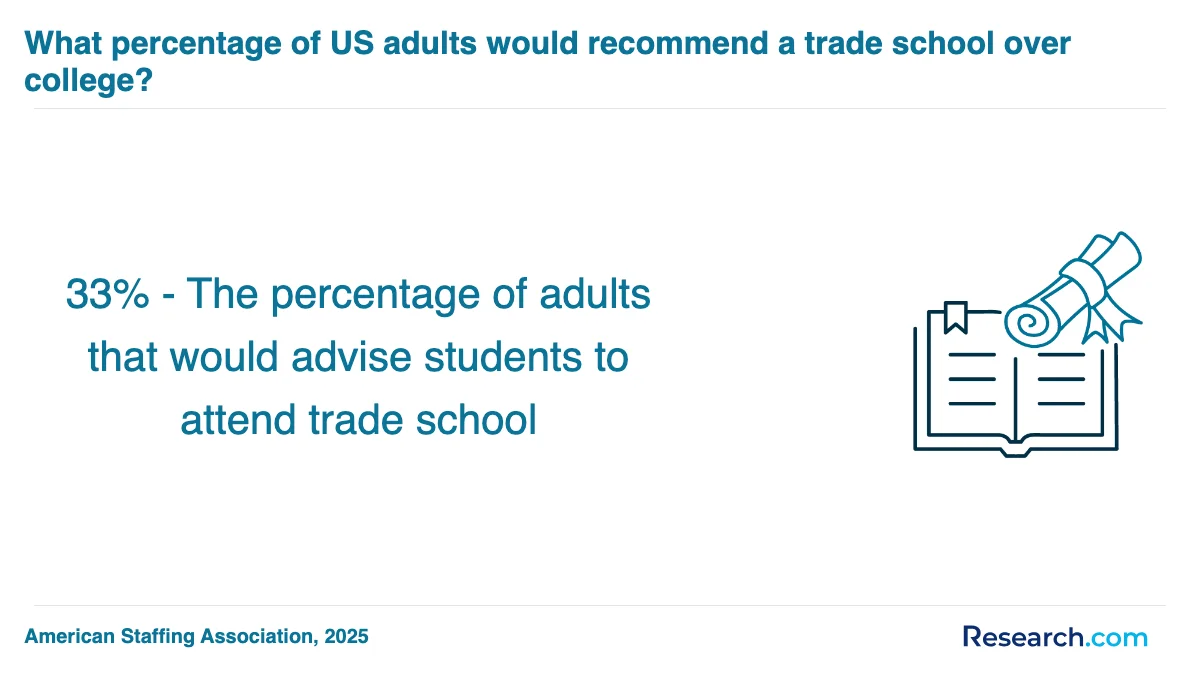
Trade school students in Hillsboro benefit from a variety of financial aid options that make vocational education more accessible. Graduates often recall how federal aid, such as the Pell Grant and Federal Student Loans, played a crucial role in easing their tuition burden. Applying through FAFSA or ORSAA is the first step, and many found the process straightforward despite concerns about eligibility criteria-anyone with a high school diploma or GED can apply regardless of income or citizenship.
The Oregon Opportunity Grant stands out as a vital resource for Hillsboro learners attending local accredited schools. Several recent completers mention how this state-funded grant substantially reduced their out-of-pocket costs, allowing them to focus more on mastering their trades without financial stress.
In addition, the Office of Student Access and Completion offers scholarships that reward community service and career dedication, often renewable up to four years. Merits-based awards from individual trade schools in Hillsboro have also helped many students pursuing technical fields, proving that hard work and skill development can translate into tangible financial support.
Enrolling in a trade school program in Hillsboro requires meeting several clear prerequisites designed to prepare students for rigorous technical training and professional settings. For instance, age restrictions usually apply: many programs require students to be at least 16 or 18 years old, with Hillsboro's Advanced Manufacturing Apprenticeship welcoming applicants starting at 16, while aviation-focused programs like Hillsboro Aero Academy demand enrollment at 18.
Most programs expect a high school diploma or GED, ensuring foundational education before advancing to specialized skills. Graduates often recall the relief of having this prerequisite sorted, as it allows them to focus entirely on trade skills. Community college certificate programs and private schools ask for documented proof, like transcripts or diplomas, reinforcing this standard.
Language proficiency is essential. Imagine a phlebotomy student at Portland Community College confidently communicating with patients and following safety rules-that clarity starts with strong English skills, sometimes confirmed through interviews. Beyond that, some programs require additional documentation:
- Vaccination records to ensure health safety.
- Background checks and drug screenings, especially for healthcare-related paths.
- Attendance at informational sessions and interviews to assess fit and commitment.
- Proof of legal name and age, such as a birth certificate or passport.
These prerequisites might seem demanding but they reflect real-world responsibilities graduates face, making them feel ready and confident as they step into their careers from trusted Hillsboro institutions.

Trade school programs in Hillsboro typically cover a diverse range of courses designed to equip students with practical skills for high-demand industries. Graduates from these programs often highlight the balance between classroom theory and hands-on experience as a key factor in their success.
Common courses include:
- Advanced manufacturing: training in machine operation, industrial safety, quality control, and applied math, often paired with paid apprenticeships that lead to state certification through Oregon BOLI.
- Healthcare: programs such as medical assisting, practical nursing, dental assisting, and pharmacy technician training combining classroom study and clinical practice to prepare for certification exams.
- Information technology and business: courses in computer networking, software support, cybersecurity, and business administration develop both technical and communication skills.
- Skilled trades: HVAC, electrical technology, and welding programs with extensive lab and on-the-job training focused on codes, safety, and blueprint reading.
Many students appreciate the flexible schedules offered, allowing those working or managing other responsibilities to advance their careers. Graduates frequently describe experiencing a real sense of accomplishment once transitioning smoothly into well-paying local jobs, attributing this to the hands-on preparation their Hillsboro trade schools provided.
Trade schools in Hillsboro offer diverse specializations that align closely with local industry demands, providing students with practical skills and promising career paths. The standout focus is on advanced manufacturing, where Hillsboro's registered youth apprenticeship program blends classroom learning with paid, hands-on work, enabling graduates to enter technician roles immediately. Many have shared how this mix of theory and practice boosted their confidence and readiness for the workforce.
Beyond manufacturing, Hillsboro-area trade schools provide programs in:
- Healthcare roles like medical assisting;
- Technology sectors, including IT certifications;
- Construction trades such as welding and HVAC;
- Automotive services tailored for skilled technicians.
Graduates often highlight local partnerships that create pathways through apprenticeships and on-the-job training, reinforcing their job prospects. For students seeking accessible options, institutions nearby even offer affordable carpentry training online, supporting flexible learning alongside work. This connection between education and employment fosters optimism and tangible career progress in Hillsboro's competitive market.
To make an informed decision based on the best trade school selection criteria in Hillsboro, start with accreditation. Graduates from Hillsboro programs often credit their success to schools recognized by the Oregon Bureau of Labor and Industries, ensuring their certifications carry weight with employers locally and beyond. This credibility matters when entering competitive job markets or pursuing further certifications.
Next, focus on how to compare Hillsboro trade school programs by examining the hands-on training they offer. Many students appreciate programs like the Hillsboro Advanced Manufacturing Apprenticeship, where paid on-the-job learning complements classroom hours. This blend builds confidence and real skills, preparing students for immediate employment upon graduation.
Another useful approach is to check student reviews and employment outcomes, which reflect practical experiences of recent graduates. Tools like Niche help you assess these factors along with financial aid options. For example, affordable tuition combined with robust career support can be a game-changer.
For those interested in specific trades, exploring a construction trade school might offer additional pathways and specialized resources suited to Hillsboro's growing industries.

Trade school graduates in Hillsboro find diverse opportunities, particularly in advanced manufacturing careers in Hillsboro, where manufacturing supports about one in four jobs. Graduates from local programs often secure technician roles due to the high demand and employer partnerships. Many apprentices emerge ready to fill roughly 800 open advanced manufacturing positions, benefiting from certifications recognized statewide through registered apprenticeships. These programs blend on-the-job training with classroom instruction, equipping students with hands-on skills and confidence to thrive in a growing field.
Healthcare trades also offer promising prospects, especially within health care job opportunities Hillsboro trade schools actively prepare students for. Graduates report positive outcomes from programs at institutions like Oregon Health & Science University, gaining credentials as certified nursing assistants, dental assistants, or phlebotomists. Some find themselves stepping directly into priority jobs or automatic placements right after completing their training thanks to robust partnerships.
Other paths include practical training in welding technology, mechatronics, and computer-aided design and drafting (CADD), preparing students to meet local industry needs. Many graduates appreciate these programs for delivering real-world skills aligned with employer expectations. For those seeking affordable certification routes, exploring options such as affordable floor installer certification online can complement in-person training and enhance employability.
The job opportunities for trade school graduates in Hillsboro are particularly strong given the city's reliance on skilled trades in sectors like advanced manufacturing and construction. Graduates from popular local trade schools often find themselves quickly absorbed into the workforce, with many employers looking for candidates trained through hands-on programs. For example, graduates report securing technician-level roles within weeks of completing their courses.
Key factors fueling the Hillsboro skilled trades employment outlook include:
- Approximately 800 open positions in advanced manufacturing currently available;
- Projected job growth of 7% from 2021 to 2026, adding nearly 2,500 new jobs;
- Entry-level wages ranging from $20 to $50 per hour, varying by experience and trade;
- Robust apprenticeship pathways offering paid, industry-recognized training and long-term career benefits.
Many trade school graduates appreciate the real-world skills gained through programs like the Hillsboro Advanced Manufacturing Apprenticeship, which translate into stable, livable-wage jobs. For those exploring further education, Hillsboro students often seek the cheapest appliance repair courses online to complement their practical experience and enhance employability.
Best Trade School & Training Programs - Leading Certification Courses in Hillsboro for 2026
# 1 position
Hill College - Diagnostic Medical Sonography/Sonographer and Ultrasound Technician.
associateHill College offers a Diagnostic Medical Sonography/Sonographer and Ultrasound Technician program with a hybrid format, combining in-person and distance education. The program prepares students to use medical ultrasound techniques for diagnosing various conditions under physician supervision. Tuition for in-state students is $3,570 annually. Graduates earn a median salary of $78,100 one year after completion. The program is accredited by the Southern Association of Colleges and Schools Commission on Colleges.
# 2 position
Hill College - Computer and Information Sciences, General.
associateHill College offers a hybrid program in Computer and Information Sciences, General, focusing on computing, computer science, and information systems. The program is undifferentiated by specific titles or content. Annual in-state tuition is $3,570. This program is accredited by the Southern Association of Colleges and Schools Commission on Colleges, providing some distance-education options for flexible learning.
# 3 position
Hill College - Criminal Justice/Law Enforcement Administration.
associateHill College offers a Criminal Justice/Law Enforcement Administration program with a hybrid format, including some distance-education options. The program prepares students to manage public law enforcement agencies through coursework in law enforcement history, operational leadership, budgeting, and legal responsibilities. Annual in-state tuition is $3,570. The program is accredited by the Southern Association of Colleges and Schools Commission on Colleges.
# 4 position
Hill College - Criminal Justice/Safety Studies.
associateHill College offers a Criminal Justice/Safety Studies program with a hybrid format that includes some distance education. The program covers criminal law and policy, police and correctional systems, administration of justice, and public attitudes about criminal justice. Annual in-state tuition is $3,570. The program is accredited by the Southern Association of Colleges and Schools Commission on Colleges.
# 5 position
Hill College - Heating, Air Conditioning, Ventilation and Refrigeration Maintenance Technology/Technician.
associateHill College offers a hybrid program in Heating, Air Conditioning, Ventilation and Refrigeration Maintenance Technology/Technician that prepares students to repair, install, service, and maintain HVAC and refrigeration systems. The curriculum includes diagnostic techniques, testing equipment usage, and principles of mechanics, electricity, and electronics relevant to these systems. Annual in-state tuition is $3,570. The program is accredited by the Southern Association of Colleges and Schools Commission on Colleges.
# 6 position
Hill College - Industrial Mechanics and Maintenance Technology/Technician.
associateHill College offers a hybrid program in Industrial Mechanics and Maintenance Technology/Technician, designed to prepare students to repair and maintain industrial machinery and equipment including cranes, pumps, engines, pneumatic tools, and conveyor systems. The program is accredited by the Southern Association of Colleges and Schools Commission on Colleges. Annual in-state tuition is $3,570, providing a flexible option with some distance learning for students seeking technical skills in this field.
# 7 position
Hill College - Automobile/Automotive Mechanics Technology/Technician.
associateHill College offers a Hybrid program in Automobile/Automotive Mechanics Technology/Technician designed to equip students with skills to repair, service, and maintain various automobiles. The curriculum covers brake systems, electrical systems, engine performance and repair, suspension and steering, transmissions, drive trains, and heating and air conditioning systems. Annual in-state tuition is $3,570. The program is accredited by the Southern Association of Colleges and Schools Commission on Colleges.
# 8 position
Hill College - Heating, Air Conditioning, Ventilation and Refrigeration Maintenance Technology/Technician.
certificate or diplomaHill College offers a hybrid program in Heating, Air Conditioning, Ventilation and Refrigeration Maintenance Technology/Technician. The curriculum trains students to repair, install, service, and maintain heating, air conditioning, and refrigeration systems. Instruction covers diagnostic techniques, testing equipment, and mechanical, electrical, and electronic principles. Annual in-state tuition is $3,570. The program is accredited by the Southern Association of Colleges and Schools Commission on Colleges.
# 9 position
Hill College - Industrial Mechanics and Maintenance Technology/Technician.
certificate or diplomaHill College offers a hybrid Industrial Mechanics and Maintenance Technology/Technician program designed to equip students with technical skills to repair and maintain industrial machinery and equipment, including cranes, pumps, engines, pneumatic tools, and conveyor systems. The program’s annual in-state tuition is $3,570. It is accredited by the Southern Association of Colleges and Schools Commission on Colleges.
# 10 position
Hill College - Automobile/Automotive Mechanics Technology/Technician.
certificate or diplomaHill College offers a Hybrid program in Automobile/Automotive Mechanics Technology/Technician that prepares students to repair, service, and maintain various automobile systems. The curriculum covers brake systems, electrical systems, engine performance and repair, suspension and steering, transmissions, drive trains, and heating and air conditioning. The annual in-state tuition is $3,570. The program is accredited by the Southern Association of Colleges and Schools Commission on Colleges.
Frequently Asked Questions about trade school programs
After completing trade school in Hillsboro, preparing for the job market involves multiple focused steps. First, students should leverage career services offered by their schools, including resume workshops and interview preparation, which increase employment success. According to the Oregon Employment Department, Hillsboro's trade school graduates have a 75% employment rate within six months, reflecting strong regional job demand.
Networking plays a critical role; attending local job fairs and joining trade associations in Hillsboro can connect graduates with employers. Additionally, gaining relevant certifications beyond school credentials can enhance job prospects. Staying informed about Hillsboro's key industries, like advanced manufacturing and technology, helps tailor job applications effectively.
Employers in Hillsboro highly value trade school graduates who possess strong technical skills relevant to their chosen field. According to the National Center for Education Statistics, proficiency in hands-on tasks such as electrical work, welding, and machinery operation ranks among the top sought-after competencies.
Equally important are soft skills like problem-solving, communication, and teamwork. A 2023 survey by the Oregon Employment Department found that 68% of local employers prioritize adaptability and effective collaboration when hiring trade school graduates.
Additionally, safety awareness and adherence to industry standards are critical, especially in construction and manufacturing sectors prevalent in Hillsboro's economy.
Finding internships in Hillsboro relevant to your trade school program requires active research and networking. Start by contacting your trade school's career services office, which often has partnerships with local businesses and can connect you to internship opportunities.
Industry-specific organizations and local chambers of commerce, such as the Hillsboro Chamber of Commerce, frequently list internships and apprenticeships in sectors like manufacturing, healthcare, and construction. According to the Oregon Employment Department, Hillsboro's growing tech and manufacturing sectors offer around 150 to 200 internship positions annually, specifically designed for skilled trade students.
Online portals like Oregon.gov's apprenticeship page and Workforce Oregon are valuable resources for finding openings tailored to trade careers. Networking at local job fairs and trade shows can also enhance internship prospects, as employers in Hillsboro often look for motivated students through these events.
A trade school diploma in Hillsboro significantly enhances career mobility and advancement prospects within the local job market. According to data from the Oregon Employment Department, industries such as manufacturing, healthcare, and construction-which dominate Hillsboro's economy-consistently seek skilled workers with trade certifications. A diploma from a recognized trade program validates practical skills employers value, often leading to quicker job placements compared to traditional academic degrees.
Moreover, graduates with trade diplomas report a 15% higher likelihood of receiving promotions within three years, based on the Bureau of Labor Statistics' regional surveys. Many trade schools partner directly with Hillsboro businesses, creating apprenticeship opportunities that further accelerate career growth.
In Hillsboro, part-time job opportunities that align well with trade school education often focus on industries such as manufacturing, construction, and healthcare. According to the Oregon Employment Department, Hillsboro's robust manufacturing sector offers roles like machine operators and assemblers that complement technical training programs. These jobs provide hands-on experience directly related to trade skills.
Additionally, part-time roles in local healthcare facilities, such as medical assistants or pharmacy aides, can support students enrolled in health-related trade programs. These positions not only build relevant skills but also help students establish professional networks.
Retail and logistics jobs, especially in warehouses like those operated by tech companies in the area, also present flexible options with practical benefits. Students can earn income while applying problem-solving and organizational skills taught during their trade education.
To choose the best degree program near Hillsboro, TX, start by identifying your career goals and interests, as this will guide you in selecting a relevant field of study. Then, research colleges and universities near me to find programs that align with your interests, and use resources like Research.com to compare the quality and reputations of these institutions. Be sure to consider factors such as program accreditation, faculty expertise, and opportunities for hands-on experience, as these elements can significantly impact your educational experience and future career prospects.
- Apprenticeship Opportunities - Hillsboro School District https://www.hsd.k12.or.us/programs/career-college-pathways/apprenticeship-opportunities
- Hillsboro Makes | City of Hillsboro, OR https://www.hillsboro-oregon.gov/our-city/departments/economic-development/choose-hillsboro/workforce-training/hillsboro-makes
- Trade School and the Workforce - Sherwood High School https://shs.sherwood.k12.or.us/resources/college-career-center/trade-school/
- Area Technical School - Jefferson College https://www.jeffco.edu/departments/ats/
- BOLI : Apprenticeship opportunities : Apprenticeship : State of Oregon https://www.oregon.gov/boli/apprenticeship/pages/apprenticeship-opportunities.aspx
- Trades Career Fair | Career Pathways and STEP at PCC https://www.pcc.edu/career-pathways/trades-fair/


