Best Trade School & Training Programs - Leading Certification Courses in Fresno for 2026

Co-Founder and Chief Data Scientist
For many Fresno students, the trade school decision comes down to three practical questions: Which program leads to a real job, how much will it cost, and how quickly can you start earning? This guide reviews trade school programs in Fresno for learners who want career-focused training without committing to a traditional four-year degree.
The Research.com team of data scientists created this trade school programs ranking to help prospective students compare local options with clearer expectations around training length, tuition, financial aid, admissions, career paths, and earning potential. The goal is not to tell every student to choose the same school, but to help you identify the program that fits your schedule, budget, learning style, and target occupation.
Use this guide to understand what Fresno trade schools typically offer, what questions to ask before enrolling, and how to weigh short-term costs against long-term career value.
Key benefits of finishing trade school programs trade school in Fresno
- Faster entry into the workforce: Many Fresno trade school programs are built for students who want job-ready skills in months rather than years. This can be especially useful for career changers, working adults, and students who want a focused alternative to a longer academic degree.
- Strong earning potential in practical fields: Graduates in Fresno can pursue careers with competitive wages, including construction trades that may pay $40,000 to $60,000 yearly and healthcare roles that may pay $35,000 to $45,000. Many workers move up over time, with reported earnings around $66,673 per year for trade school graduates in the area.
- Career paths tied to local demand: Fresno trade school graduates commonly prepare for roles such as electricians, medical assistants, mechanics, HVAC technicians, welders, truck drivers, and administrative support workers. These occupations serve healthcare, construction, logistics, agriculture, public service, and technical industries across the Central Valley.
- Hands-on training: Trade school programs usually emphasize labs, simulations, clinical practice, shop work, externships, or apprenticeships. That practical format can help students build confidence before applying for entry-level jobs.
- Flexible learning options: Some Fresno students use online or hybrid trade school programs to balance school with work, caregiving, or transportation limits. Fully online options are best for programs with administrative, business, or theory-heavy coursework, while hands-on trades often still require in-person labs or field training.
- Best Trade School & Training Programs - Leading Certification Courses in Fresno for 2026
- What can I expect from trade school programs trade schools in Fresno?
- Where can I work after finishing trade school programs trade schools in Fresno?
What can I expect from trade school programs trade schools in Fresno?
Trade school programs in Fresno are usually structured around practical skill development, industry preparation, and a shorter path to employment. Instead of taking a broad set of general education courses, students typically focus on the tools, procedures, safety rules, terminology, and workplace expectations of a specific field.
The average cost of trade school programs in Fresno typically ranges between $10,000 and $20,000, depending on program length, provider type, equipment needs, and specialization. Graduates from institutions such as Fresno City College and UEI College Fresno often report that tuition covered career-focused training and certification preparation within a year or less, which can make the investment feel more manageable than a longer degree path.
Students should also expect a more applied learning environment. Programs may include shop work, labs, clinical practice, driving practice, externships, or simulated job tasks. Small class formats can matter in these settings. For example, class sizes limited to 24 students at the Central Valley Training Center can give learners more instructor access, more time to practice, and more feedback before entering the workforce.
Beyond tuition, plan for extra costs such as uniforms, tools, textbooks, supplies, background checks, drug screenings, exam fees, certification fees, or licensing-related expenses. Some schools help students estimate these costs during advising, and eligible students may reduce out-of-pocket expenses through financial aid.
The best expectation is a focused, career-first experience. Trade school can be efficient, but it is not effortless. Students still need to attend consistently, practice outside class, meet safety standards, complete required hours, and prepare for any certification or licensure exams tied to their chosen occupation.
Where can I work after finishing trade school programs trade schools in Fresno?
After completing a Fresno trade school program, graduates can pursue entry-level roles across industries that rely on skilled, job-ready workers. The right workplace depends on the program completed, required certifications, and whether the student chooses a clinical, technical, construction, administrative, transportation, or public service pathway.
Healthcare graduates may work in clinics, hospitals, dental offices, pharmacies, laboratories, optometry practices, and outpatient care settings. Common roles include medical assistant, dental assistant, pharmacy technician, optometric assistant, phlebotomy technician, and related support positions.
Graduates from HVAC, welding, automotive, and maintenance programs often seek work with construction companies, manufacturers, maintenance departments, dealerships, repair shops, public agencies, or independent contractors. These careers often require strong attendance, safety awareness, tool competence, and the ability to troubleshoot under real workplace conditions.
Truck driving graduates may find opportunities with freight carriers, logistics companies, agricultural transportation employers, warehouses, and distribution firms. Fresno’s Central Valley location makes transportation and goods movement an important local employment channel.
Students who complete office administration, bookkeeping, business, or human resources training may work in schools, local government offices, medical offices, nonprofits, small businesses, and private companies. These jobs can be a fit for students who prefer structured workplace environments and want to build skills in customer service, records management, scheduling, payroll support, or office technology.
In short, Fresno trade school graduates can work anywhere their credential, certification, and hands-on training match employer needs. Before enrolling, students should ask each school which local employers hire graduates, what job titles recent graduates obtained, and whether the program includes job placement support.
Graduates from trade school programs in Fresno often report an average annual salary around $66,673, equal to about $32.05 per hour or $5,556 per month. Actual pay varies by field, employer, certification, union or apprenticeship status, prior experience, shift schedule, and whether the job includes overtime.
In skilled trades such as plumbing, electrical work, HVAC, and welding, hourly wages typically start near $18.12 and can reach up to $32.94 per hour. Some graduates begin around $37,689 annually and increase their earnings as they gain experience, obtain additional credentials, or move into higher-responsibility roles.
Some graduates use their trade background to move into education. Career/Technical Education Teachers in Fresno secondary schools have average salaries around $87,620 per year. Entry-level educators earn close to $61,060, while experienced professionals report annual earnings over $105,000.
County roles are another possible route for Fresno trade school graduates. Positions such as Correctional Officer I and Eligibility Worker III list salaries between $56,538 and $66,586. These jobs may appeal to students who value stable schedules, benefits, and public-sector career ladders.
When comparing programs, do not rely only on a school’s advertised salary claims. Ask for recent graduate outcomes by program, typical entry-level job titles, certification pass rates if applicable, and whether salaries include overtime, benefits, or only base pay.
- Most trade school programs in Fresno require a high school diploma or GED with minimum scores. Some skilled trade programs require applicants to be at least 18 years old and submit original educational documents.
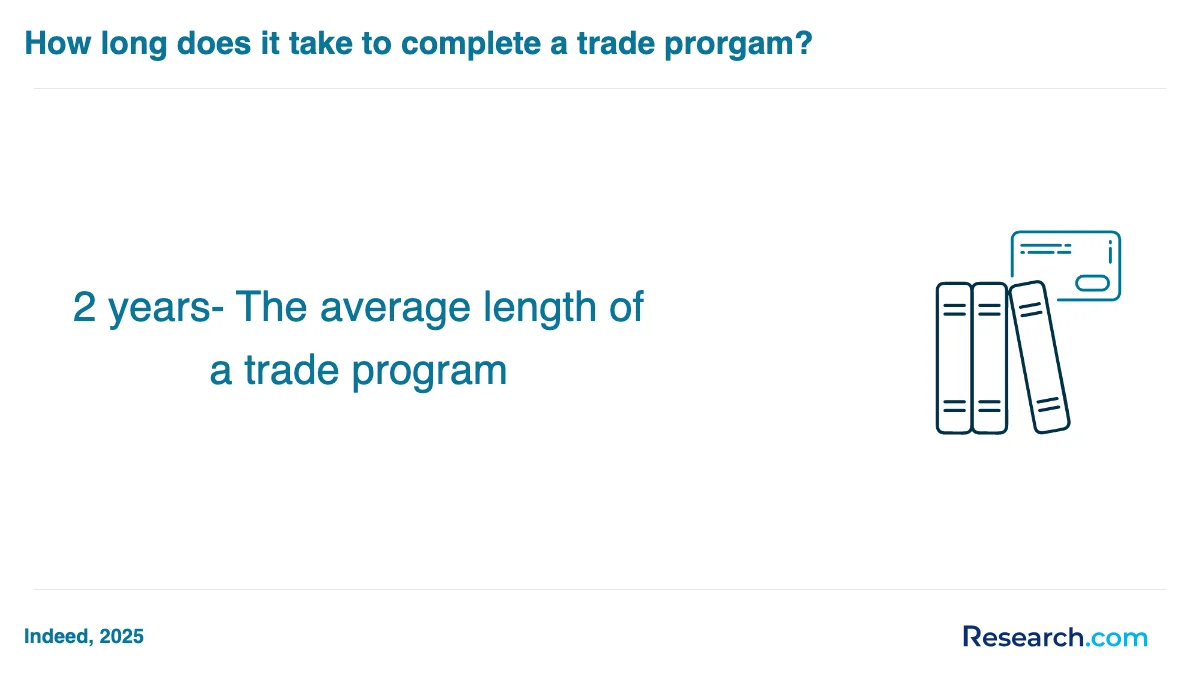
- Program lengths typically range from 10 months to two years, which allows many students to train for fields such as healthcare, HVAC, criminal justice, and building trades without spending several years in school.
- Tuition and fees generally range between $15,000 and $30,000 for the full program, although total cost depends on school type, program length, required equipment, and available financial aid.
- Financial aid options such as federal grants and loans may be available for eligible students. Applicants should confirm whether the school and program qualify before enrolling.
- Entry-level salaries for careers such as HVAC technicians and medical assistants usually fall between $35,000 and $45,000 annually, with long-term earnings potentially reaching $55,000 to $70,000 or more.
- Accrediting bodies such as the Accrediting Commission of Career Schools and Colleges (ACCSC) help verify that schools meet recognized standards and offer credentials that employers are more likely to understand.
- Many Fresno trade schools provide career services, resume help, interview preparation, and job placement support. These services are valuable, but students should ask for program-specific placement information rather than relying on general claims.
Trade school programs in Fresno can take as little as 12 weeks or as long as about 17 months, depending on the occupation, credential level, required hours, and whether the student attends full time. Shorter programs are often designed for immediate entry into a specific job pathway, while longer programs usually involve more technical depth, licensing preparation, or extensive hands-on practice.
At UEI College Fresno, popular programs in areas such as healthcare or automotive technology may be completed in as little as 10 months of full-time study. These accelerated timelines can be useful for students who want to move quickly from training to employment, but they also require consistent attendance and steady weekly effort.
More specialized programs can take longer. The Aviation Maintenance Technology certificate at San Joaquin Valley College's Fresno Trades Education Center takes around 17 months and prepares students for complex technical work and licensing exams. Students considering aviation, healthcare, electrical, or mechanical fields should pay close attention to required clock hours, lab schedules, and exam eligibility rules.
Fresno EOC's Valley Apprenticeship Connections offers an intensive 12-week construction trades course. Short options like this can help students build foundational skills and earn safety certifications before applying for apprenticeships or entry-level labor roles.
When comparing program length, ask whether the advertised timeline assumes full-time enrollment, whether externship or clinical hours are included, and whether missed hours must be made up before graduation.
The main difference between online and on-campus trade school programs is how students complete training and receive feedback. Online programs give students more scheduling flexibility, while on-campus programs provide direct access to equipment, labs, instructors, and supervised practice.
Online programs, including options at Fresno Pacific University and Fresno City College, can work well for students balancing jobs, family responsibilities, or transportation challenges. Students may complete coursework from home, submit assignments on a flexible schedule, and participate in virtual discussions. At Clovis Community College, fully online courses can remove face-to-face meeting requirements, which may help students study around shifts or caregiving duties.
However, online learning is not ideal for every trade. Programs that require clinical skills, shop safety, welding, HVAC repair, automotive diagnostics, aviation maintenance, or hands-on patient care usually need in-person training. Even when theory coursework is online, students may still need to attend labs, externships, practicums, or testing sessions.
On-campus programs such as those at UEI College often suit students who learn best by doing. In-person training allows students to use tools and equipment, practice procedures, ask questions immediately, and receive instructor feedback in real time. This format can be especially important in healthcare, HVAC, automotive technology, and other fields where employers expect graduates to demonstrate practical competence.
A good rule of thumb: choose online or hybrid formats for flexibility when the occupation allows it, but prioritize on-campus or lab-based instruction when safety, equipment, clinical practice, or licensing preparation is central to the career.
The average cost of trade school programs in Fresno depends heavily on whether the school is public or private, how long the program lasts, and what tools, supplies, or certifications are required. Public institutions generally fall between $8,000 and $15,000 for tuition, while private schools often range from $12,000 to $25,000. Books, materials, and equipment may add roughly $500 to $1,000 annually.
Fresno City College is a lower-cost public option for many students, with a net price near $5,041 after financial aid. By contrast, San Joaquin Valley College - Fresno shows a net price closer to $25,874, demonstrating why students should compare net price rather than tuition alone.
Program-specific costs can also vary. The Institute of Technology in Fresno lists total program fees from about $15,636 for Barbering to over $20,000 for Baking and Pastry Specialist programs. A shorter program is not always cheaper if it requires specialized equipment, supplies, or high lab costs.
Students interested in trades with high demand should compare total cost against realistic job outcomes. Ask each school for an itemized cost sheet that includes tuition, fees, books, tools, uniforms, exam fees, certification costs, and any required transportation or clinical expenses. Also confirm whether Cal Grant C, Pell Grant, scholarships, or other aid can be applied to the specific program you plan to enter.
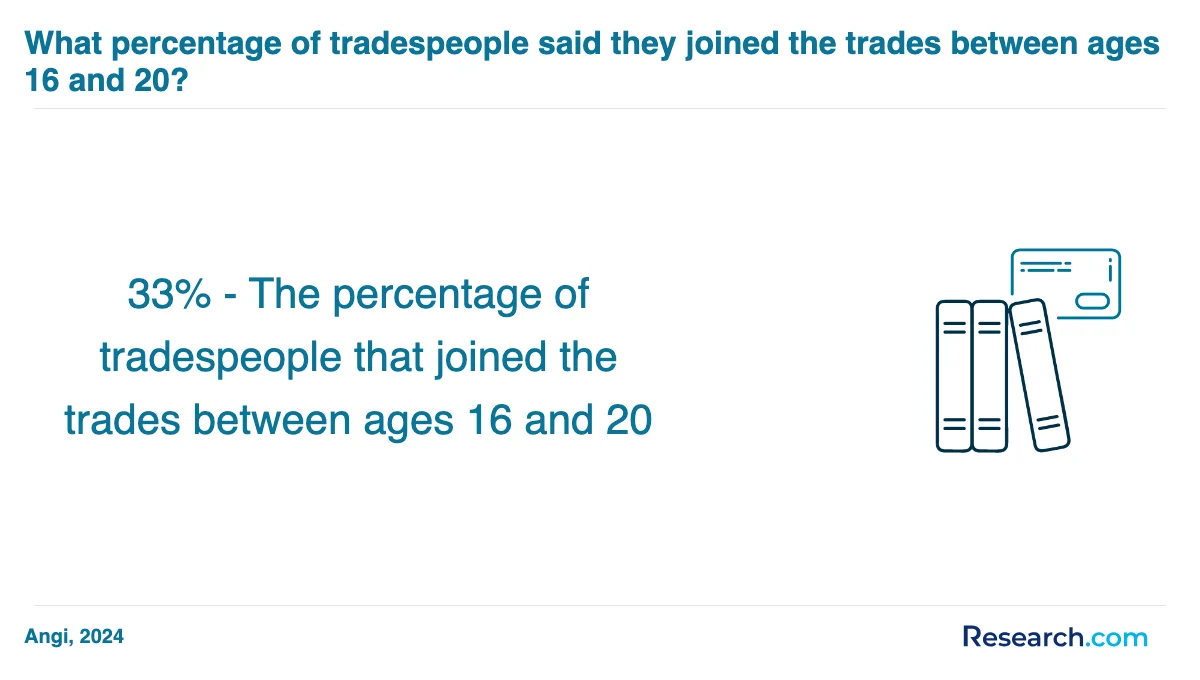
Financial aid for Fresno trade school students may come from federal, state, institutional, or program-specific sources. The first step for most students is completing the FAFSA, because it determines eligibility for need-based aid and is often required before schools can award grants, loans, or work-study opportunities.
Federal aid may include Pell Grants and Federal Supplemental Educational Opportunity Grants (FSEOG), which can reduce tuition directly for eligible students. Graduates from Paul Mitchell The School Fresno have described Pell Grants as important for covering semester fees and lowering immediate tuition pressure.
Federal Work Study may also be available to some students. This option provides part-time work opportunities that can help with living expenses while a student remains enrolled. It is not guaranteed for every applicant, so students should ask the financial aid office whether work-study is available for their program and campus.
California residents may qualify for state programs such as Cal Grant A and B. Cal Grant eligibility depends on GPA and family income, with ceilings adjusted for household size-ranging from $48,100 for single students up to $151,600 for larger families.
Institutional scholarships can also lower out-of-pocket costs. Because trade school aid rules can vary by school and program, students should verify three things before enrolling: whether the school is eligible for federal aid, whether the specific program qualifies, and whether aid will cover the full program or only certain terms.
Most Fresno trade school programs require proof that the applicant has completed secondary education or an approved equivalent. Common accepted credentials include:
- A high school diploma
- A GED (General Educational Development certificate)
- A California High School Proficiency Examination (CHSPE) certificate
Applicants should be ready to submit official transcripts or educational records. Many schools require these documents to be sent directly to the admissions office, and some programs may ask for original educational documents.
Requirements can vary by field. Healthcare, automotive, criminal justice, aviation, and other technical programs may require placement tests, proof of math or English readiness, immunization records, background checks, drug screenings, physical exams, or program-specific documentation. Some skilled trade programs may require applicants to be at least 18 years old.
Many Fresno trade schools do not require SAT or ACT scores. Instead, they focus on prior education, basic skills assessments, advising, and whether the applicant can meet attendance, safety, and technical requirements.
Students enrolling full-time in more than six units generally participate in orientation and academic advising. These steps can help applicants understand course sequencing, attendance rules, academic expectations, and support services before classes begin.
Students who do not yet have a high school diploma may still have options. Some Fresno-area providers offer GED preparation and adult education courses, which can create a pathway into trade training for adult learners and career changers.
Typical trade school courses in Fresno are built around job tasks, workplace safety, technical procedures, and certification preparation. The exact course list depends on the field, but most programs combine classroom instruction with practical training.
Healthcare programs at schools such as Fresno City College and UEI College Fresno may include Medical Office Specialist, Pharmacy Technician, Phlebotomy, and Electrocardiogram (EKG) Technician coursework. These courses often cover medical terminology, patient care basics, office procedures, clinical skills, privacy rules, and preparation for entry-level healthcare support roles.
Skilled trades programs may include Welding Training, Maintenance Mechanic Training, HVAC, Truck Driving, automotive technology, aviation maintenance, manufacturing, and agriculture-related coursework. At SCCCD Training Institute, students can complete a 16-week welding program, while truck driving training usually lasts around 180 hours.
Business and technical programs may focus on Bookkeeping Fundamentals, Business Writing, Customer Service, and Computer Applications such as Excel and PowerPoint. These courses can prepare students for office, administrative, customer service, payroll, scheduling, and records-management roles.
- Healthcare: Medical Office, Pharmacy Technician, Phlebotomy, and EKG training
- Skilled trades: Welding, Maintenance Mechanic Training, Truck Driving, HVAC, automotive, and aviation maintenance
- Business and office skills: Bookkeeping Fundamentals, Business Writing, Customer Service, Excel, and PowerPoint
- Specialized fields: Manufacturing, agriculture, aviation maintenance, and related technical programs
Before enrolling, students should request a course sequence and ask which classes are hands-on, which are online or classroom-based, and which directly prepare students for certification, licensure, or employer-required exams.
Fresno trade schools offer specializations across healthcare, skilled trades, transportation, technology, public service, business, and creative fields. The best specialization is the one that matches your work style, physical demands you can handle, schedule needs, and long-term earning goals.
Healthcare is one of the most common pathways. Fresno City College and UEI College train students for roles such as dental assistant, pharmacy technician, and phlebotomist. These programs may include externships or clinical practice that help students apply classroom learning in real patient-care environments.
Skilled trade options include automotive technology, welding, truck driving, HVAC, and aviation maintenance. San Joaquin Valley College's Aviation Maintenance Technology program prepares students for FAA certification, while welding and truck driving programs support regional agriculture, logistics, manufacturing, and construction needs.
Technology-focused programs may include cybersecurity, computer science, and digital media. These fields can appeal to students who prefer problem-solving, technical systems, or digital production rather than physically intensive trade work.
Public and protective service specializations such as criminal justice and fire science prepare students for community-facing roles. Arts and media pathways at Fresno Unified School District include digital photography and technical theater for students interested in creative and production-based careers.
Students comparing local and online options can also review low cost electrical lineworker programs online as a flexible way to explore specialized trade training beyond Fresno-based campuses.
Choosing the best Fresno trade school program starts with fit: the program should prepare you for the specific job you want, at a cost you can manage, on a schedule you can realistically complete. A school with a good reputation is helpful, but the program-level details matter more than the brand name alone.
- Confirm accreditation and approval: Accreditation helps show that a school meets recognized standards. For licensed fields, also verify that the program meets California or industry requirements for exams, certification, or licensure.
- Compare outcomes by program: Ask about completion rates, job placement support, employer partnerships, certification pass rates, and common job titles for recent graduates. Do not rely only on schoolwide averages.
- Calculate net cost: Review tuition, fees, books, supplies, tools, uniforms, exam fees, and transportation costs. Then subtract grants, scholarships, and other aid you are likely to receive.
- Check schedule and format: Make sure class times, lab requirements, externships, and commute expectations fit your work and family responsibilities.
- Visit the campus or training site: Facilities matter in hands-on fields. Look at labs, equipment, student support offices, and the overall learning environment.
- Ask about local employer connections: Strong relationships with Fresno-area employers can improve access to interviews, externships, apprenticeships, and entry-level job leads.
Fresno City College graduates often point to clear graduation pathways and supportive staff as helpful during the transition into employment. San Joaquin Valley College - Fresno also receives positive feedback for its campus environment and personnel. These factors can matter, but students should still verify the details for the exact program they plan to enter.
Students looking for lower-cost or flexible alternatives can also compare local programs with affordable online cosmetology programs, especially if they need a schedule that is easier to balance with work or caregiving.

Fresno trade school graduates can pursue career paths in healthcare, construction, public safety, transportation, aviation, office administration, agriculture, information technology, and mechanical trades. The right path depends on the student’s training, certifications, licensing requirements, and preferred work environment.
Healthcare remains a major option. Graduates from programs in nursing, medical assisting, pharmacy technology, dental assisting, phlebotomy, and related areas may work in clinics, hospitals, long-term care facilities, pharmacies, and outpatient practices. Fresno City College and UEI College are among the local schools connected to these pathways.
Construction and building trades are another common route. Valley Apprenticeship Connections prepares students for opportunities as electricians, heavy equipment operators, carpenters, and related roles. Certifications such as OSHA 10 and CPR can help graduates show employers they understand basic safety expectations. Local infrastructure projects, including the High-Speed Rail, can also create demand for trained workers.
Technical and mechanical careers include HVAC, aviation maintenance, automotive technology, welding, and manufacturing. San Joaquin Valley College offers aviation maintenance training for students pursuing FAA licenses. Clovis Community College also offers courses connected to agriculture and mechatronics.
Public safety pathways include police and fire academies through Fresno City College, while criminal justice programs can support students interested in correctional, security, or public service roles.
Students who need more flexibility may also consider community college online options that combine practical training with a schedule better suited to working adults.
The job market for Fresno trade school graduates is promising but competitive. Reported average earnings are $66,673 per year, or about $32.05 per hour, and graduates from well-known local trade schools report landing roles with salaries ranging from $50,100 to $80,900. Top earners reach nearly $100,000 annually.
Those numbers show real earning potential, but they do not mean every graduate will immediately earn at the top of the range. Pay depends on the trade, employer demand, certification level, work experience, overtime availability, and whether the role is union, public sector, private sector, or self-employed.
Fresno’s key industries include health care, retail, and wholesale trade, and graduates who align their training with these sectors may have stronger employment options. The region also saw steady job growth, with over 500 new jobs monthly in early 2025, which supports optimism for skilled workers entering the local labor market.
At the same time, the number of job listings can be comparatively low, making it important for graduates to stand out. Students can improve their odds by earning relevant certifications, completing externships or apprenticeships, building a strong resume, practicing interviews, and using school career services early rather than waiting until graduation.
For students exploring affordable ways to build practical skills, cheap online certificate programs in home repair may provide an additional route into hands-on work or help strengthen a resume for maintenance, repair, or construction-related roles.
Best Trade School & Training Programs - Leading Certification Courses in Fresno for 2026
# 1 position
Fresno City College - Information Technology.
associateFresno City College offers a Hybrid Information Technology program focusing on designing technological information systems for business and research needs. The curriculum includes computer hardware and software principles, algorithms, databases, telecommunications, application testing, and human interface design. The annual in-state tuition is $1,334. The program is accredited by the Western Association of Schools and Colleges Accrediting Commission for Community and Junior Colleges.
# 2 position
Fresno City College - Computer Systems Networking and Telecommunications.
associateFresno City College offers a Computer Systems Networking and Telecommunications program with a hybrid format that includes some distance-education options. The program covers design, implementation, and management of linked computer systems, including operating systems, networking theory, security, and troubleshooting. Annual in-state tuition is $1,334. The program is accredited by the Western Association of Schools and Colleges Accrediting Commission for Community and Junior Colleges.
# 3 position
Fresno City College - Legal Assistant/Paralegal.
associateFresno City College offers a Legal Assistant/Paralegal program with a hybrid format that includes some distance-education options. The program prepares students to perform research, drafting, investigatory, record-keeping, and related administrative functions under attorney supervision. Instruction covers legal research, document drafting, pleading, courthouse procedures, and legal specializations. Annual in-state tuition is $1,334. The program is accredited by the Western Association of Schools and Colleges Accrediting Commission for Community and Junior Colleges.
# 4 position
Fresno City College - Criminal Justice/Law Enforcement Administration.
associateFresno City College offers a Criminal Justice/Law Enforcement Administration program with a hybrid format, including some distance education. The program covers law enforcement history, operational leadership, public police administration, labor relations, legal responsibilities, budgeting, and public relations. Annual in-state tuition is $1,334. Graduates earn a median salary of $29,467 one year after completion. The program is accredited by the Western Association of Schools and Colleges Accrediting Commission for Community and Junior Colleges.
# 5 position
Fresno City College - Criminal Justice/Police Science.
associateFresno City College offers a Hybrid Criminal Justice/Police Science program preparing students for police and public security duties such as patrol, investigations, traffic and crowd control, evidence management, and crime prevention. The program’s annual in-state tuition is $1,334. Graduates have median earnings of $29,467 one year after completion. It is accredited by the Western Association of Schools and Colleges Accrediting Commission for Community and Junior Colleges.
# 6 position
Fresno City College - Building/Home/Construction Inspection/Inspector.
associateThe Building/Home/Construction Inspection/Inspector program at Fresno City College offers a hybrid format with some distance-education options. It trains students to apply industry standards, laws, and safety regulations to construction projects and building maintenance. Coursework covers construction techniques, materials analysis, building codes, blueprint reading, and accident investigation. The program is accredited by the Western Association of Schools and Colleges Accrediting Commission for Community and Junior Colleges. Annual in-state tuition is $1,334.
# 7 position
Fresno City College - Automobile/Automotive Mechanics Technology/Technician.
associateFresno City College offers a hybrid Automobile/Automotive Mechanics Technology/Technician program designed to prepare students with technical skills to repair, service, and maintain various automobile systems. The curriculum covers brake systems, electrical systems, engine performance and repair, suspension, steering, transmissions, and heating and air conditioning. The program’s in-state annual tuition is $1,334. It is accredited by the Western Association of Schools and Colleges Accrediting Commission for Community and Junior Colleges.
# 8 position
Fresno City College - Accounting Technology/Technician and Bookkeeping.
associateFresno City College offers a hybrid program in Accounting Technology/Technician and Bookkeeping that prepares students to provide technical administrative support to accountants and financial management personnel. The curriculum includes instruction in posting transactions, record-keeping systems, accounting software, and general accounting principles. The program’s annual in-state tuition is $1,334. It is accredited by the Western Association of Schools and Colleges Accrediting Commission for Community and Junior Colleges.
# 9 position
Fresno City College - Physical Fitness Technician.
certificate or diplomaThe Physical Fitness Technician program at Fresno City College prepares students for roles in health and fitness clubs, wellness centers, recreation facilities, hospitals, and corporate fitness programs. The curriculum covers human anatomy and physiology, fitness techniques, exercise science, personal training, nutrition, and customer service. Annual in-state tuition is $1,334. The program is accredited by the Western Association of Schools and Colleges Accrediting Commission for Community and Junior Colleges.
# 10 position
Fresno City College - Building/Home/Construction Inspection/Inspector.
certificate or diplomaFresno City College offers a hybrid program in Building/Home/Construction Inspection/Inspector that prepares students to oversee construction projects and maintain buildings according to industrial, labor, and government standards. The curriculum includes construction processes, materials analysis, safety, building codes, blueprint interpretation, and accident investigation. The annual in-state tuition is $1,334. The program is accredited by the Western Association of Schools and Colleges Accrediting Commission for Community and Junior Colleges.
Frequently Asked Questions about trade school programs
To gain admission into leading trade schools in Fresno for 2026, prospective students typically need to submit a completed application, their high school transcripts or equivalent, and attend an interview. Some programs may have specific prerequisite courses or require entrance exams.
In Fresno, completing industry-recognized certifications such as HVAC Excellence, ASE for automotive services, or the NASM for personal training can significantly boost job prospects. These credentials align with the needs of local employers, improving chances of immediate employment post-graduation.
In Fresno for 2026, students attending trade schools can access financial aid such as federal Pell Grants, state-specific grants, scholarships from professional organizations, and school-specific aid programs. Additionally, some trade schools may offer payment plans or work-study opportunities to help manage costs.
A trade school diploma in Fresno can significantly boost career mobility and advancement by equipping students with specific skills aligned with local industry demands. Employers value these practical skills, offering graduates a pathway to higher-paying positions and the flexibility to transition between related fields.
- Best Trade School & Training Programs - Leading Certification Courses in Los Angeles for 2026
- Best Trade School & Training Programs - Leading Certification Courses in Walla Walla for 2026
- Best Trade School & Training Programs - Leading Certification Courses in Kyle for 2026
- Best Trade School & Training Programs - Leading Certification Courses in Emporia for 2026
- Best Trade School & Training Programs - Leading Certification Courses in Springfield for 2026
- Best Trade School & Training Programs - Leading Certification Courses in Little Rock for 2026
- Career Tech & Trades Pathway https://www.fresnocitycollege.edu/academics/guided-pathways/tech-trades/index.html
- Fresno - Trades Education Center - San Joaquin Valley College https://www.sjvc.edu/location/fresno-trades-education-center/
- CAREER & TECHNICAL EDUCATION – Fresno Adult School https://www.fas.edu/career-technical-education/
- Career Pathways | Career Technical Education Charter High School https://ctec.fcoe.org/career-pathways
- Career Technical Education - Fresno Unified School District https://www.fresnounified.org/departments/ccr/cte
- Vocational Degree & Career School in Clovis / Fresno, CA | Institute of Technology (IOT) https://www.iot.edu/locations/clovis-college/
- State Center Community College District : Career Technical Education (CTE) & Workforce Development https://www.scccd.edu/departments/educational-services-and-institutional-effectiveness/career-education-cte.html