
Best Trade School & Training Programs - Leading Certification Courses in Chesapeake for 2026

Co-Founder and Chief Data Scientist
Choosing the right trade school in Chesapeake can shape your future career and open doors to rewarding opportunities. This article introduces a helpful trade school programs ranking created by the Research.com team of data scientists. It’s designed to guide you toward programs that truly stand out for quality and value.
Whether you’re aiming for a diploma or certification, investing in trade education can boost your skills and confidence. Reading this article will give you clear insights to make an informed, confident choice for 2026 and beyond.
Key benefits of finishing trade school programs trade school in Chesapeake
- Trade school graduates in Chesapeake can earn competitive salaries, such as $42,580 to $81,465 per year for construction inspectors and up to $162,527 for experienced Construction Facilities Managers, offering strong financial rewards.
- Popular career paths include construction, HVAC, electrical work, and vocational training instructors, providing diverse opportunities for hands-on, fulfilling work in the local job market.
- Online trade school programs offer flexible learning options that fit busy lifestyles, allowing students to gain valuable certifications without commuting, making education more accessible and convenient.
- Best Trade School & Training Programs - Leading Certification Courses in Chesapeake for 2026
- What can I expect from trade school programs trade schools in Chesapeake?
- Where can I work after finishing trade school programs trade schools in Chesapeake?
What can I expect from trade school programs trade schools in Chesapeake?
Wondering about the cost of trade school programs in Chesapeake? On average, students often find tuition ranging from a few hundred to several thousand dollars, depending on the program length and specialization. Graduates from popular local schools recall investing in fast-paced courses like the NCCER CORE, which can kickstart careers with credentials earned in as little as 40 hours. One graduate shared how quick certification in electrical basics, combined with flexible evening classes, kept expenses manageable while working part-time.
Financial aid options frequently ease the burden, making programs accessible even if budgets are tight. Imagine a plumbing apprentice balancing hands-on lab hours with affordable tuition, feeling supported as they build certifications stackable toward advanced qualifications-each step opening doors in Chesapeake's stable job market.
Costs might vary more for intensive options like healthcare or nail technology, but the investment often feels worthwhile to graduates who highlight new skills and industry connections boosting their post-graduation confidence and earning potential. In Chesapeake, the price tag often comes with strong local job placement support, turning education dollars into career-first opportunities.
Where can I work after finishing trade school programs trade schools in Chesapeake?
After finishing a trade school program in Chesapeake, many graduates dive straight into the bustling skilled trades scene, snagging jobs as electricians, HVAC technicians, welders, and plumbers. Imagine starting your week as an Electrician's Apprentice earning $22 to $28 an hour, learning hands-on in real-world settings right after graduating from one of Chesapeake's top trade schools. There's a genuine buzz among recent grads about how quickly local employers-both big companies and cozy neighborhood businesses-grab skilled workers like them.
Then there are graduates from healthcare-focused programs who share stories of landing Licensed Practical Nursing roles in local clinics or long-term care facilities. With over 300 healthcare positions up for grabs, it's common to feel both valued and sought-after in this caring profession.
Others find themselves stepping into cutting-edge roles with Chesapeake Controls Inc. and similar firms, where building automation and engineering careers come with structured apprenticeships and mentorship, offering clear ladders to climb.
Living here means you're plugged into the larger Hampton Roads network, where construction sites, factories, and utilities are hungry for skilled hands, making every day a fresh chance to build more than a job-a career with real momentum.
Finish a trade school program in Chesapeake, and you're looking at starting salaries that practically pay for your weekend adventures. Graduates from popular local trade schools often step into the world earning around $64,895 a year-enough to cover bills and still enjoy some freedom. Picture this: a recent HVAC grad snagging a full-time gig with pay between $70,720 and $79,040 annually, feeling confident and stable just months after graduation.
Electricians and construction pros trained right here report similar figures, with entry-level inspectors earning anywhere from $42,580 up to $56,419 yearly. And a few years in? Salaries can climb past $80,000, all while gaining real-world skills in Chesapeake's vibrant trade community. Those who move into teaching or supervisory roles can see $69,371 or more, sharing their expertise and shaping the next wave of skilled workers.
Imagine the pride and relief of a graduate knowing their trade skills translate into paychecks between $58,000 to $74,000, depending on specialization and company. That's not just a paycheck-it's a stepping stone to a rewarding, secure career right here in Chesapeake.
- Applicants to Chesapeake trade schools must usually be 18 or have guardian permission, hold a high school diploma or GED, and pass basic math and reading tests.
- Programs offer day, evening, and weekend classes with hands-on training, often completing in as little as three weeks depending on the trade.
- The cost ranges from $3,000 to $15,000, with many programs offering financial aid, scholarships, or employer sponsorships.
- Entry-level salaries range from $35,000 to $50,000 annually, with experienced workers earning $60,000 or more in high-demand trades like electrical or manufacturing.
- Programs are often connected to local employers and apprenticeships, and some credits can apply toward associate degrees or further certifications.
Imagine stepping into Chesapeake's Skilled Trades Academy at Tidewater Community College and immersing yourself in an intense three-week whirlwind that turns raw beginners into job-ready maritime or construction pros. Graduates from these turbo-charged programs often share the thrill of quick success, rushing straight from classrooms to hands-on careers without much pause.
Others opt for starting lighter, like diving into the NCCER CORE class through Community College Workforce Alliance-just about 40 hours of focused training that stacks well as a foundation for more credentials. Many report feeling empowered, balancing their days with work or family while steadily upgrading their skills.
Completion times stretch out for those tackling diplomas such as Centura College's Construction Electrician program, usually about a year. Day or night classes offer flexibility, giving each grad a sense of control over their journey through complex trades.
And if patience is your ally, Chesapeake's IEC electrical apprenticeships span three to four years, blending classroom hours with real-world hustle. Apprentices often describe this path as challenging but deeply rewarding, the kind of experience that builds confidence and mastery for life.
Choosing between online and on-campus trade school programs in Chesapeake feels like picking your own adventure. On-campus, imagine stepping into Chesapeake Construction Academy, surrounded by the buzz of tools, the aroma of fresh metal from welding labs, and instructors guiding every move. Graduates recall the thrill of mastering HVAC repairs hands-on, with real-time feedback sharpening their skills instantly. This immersive environment builds confidence and camaraderie-something digital classrooms can't completely match.
Flip the script to online programs at Thomas Nelson Community College, where flexibility rules. Students balance work, family, and studies seamlessly, absorbing theory and safety protocols digitally. Many boast about fitting classes into their hectic schedules while still tapping into advising and career services. Though hands-on practice happens later through internships, this path empowers those craving knowledge without campus constraints.
In Chesapeake, trades like automotive technology still lean heavily on face-to-face experience. Yet, online courses serve as a smart launchpad, giving students a solid foundation before jumping into the practical world. Your choice depends on whether you crave that tangible workshop energy or need the freedom of study on your terms.
Dreaming of a hands-on career but wondering about the average trade school cost in Chesapeake? Picture this: a recent graduate from Tidewater Tech recalls how tuition ranged from $17,400 to $26,100 depending on the program. They found the $700-$725 per credit hour rate balanced by manageable fees like $100 for administration and modest exam expenses. Some fields demanded extra gear-uniforms or tool kits that nudged costs by $100 to over $700-but the graduate saw these as worthwhile investments in their future craft.
For those navigating Chesapeake trade school tuition and fees, public schools offer an inviting price bracket from $5,000 to $15,000 per year, making skills training approachable. Private institutions lean higher, $10,000 to $30,000 annually, yet graduates often praise the richer resources or specialized courses. Imagine a welding student thriving on that investment, fueled by hands-on learning and small class sizes.
Financial aid, too, makes a meaningful difference for many Chesapeake learners, turning possibilities into realities and easing upfront costs. If you're exploring options, consider browsing affordable online cosmetology programs to find flexible paths that fit personal budgets and lifestyles.

Imagine landing a spot at Chesapeake Bay Academy and instantly unlocking access to federal financial aid-the Pell Grant and federal student loans are real game-changers. Many graduates share how their FAFSA applications turned dreams into reality, covering tuition, fees, and even daily expenses once enrolled.
For Virginia residents, state programs open another door. The Virginia Tuition Assistance Grant (VTAG) can slash costs by thousands, bringing $1,700 to $12,750 per year to those attending private nonprofit schools. Some Chesapeake grads talk about how the Virginia Guaranteed Assistance Program wiped out tuition bills entirely when need was proven.
Local scholarships? Absolutely. The Lincoln-Lane Foundation, rewarding up to $3,000 based on merit and financial need, has helped many Tidewater students breathe easier. Trade school attendees emphasize that applying early for tuition assistance through their institutions can mean the difference between stress and relief.
Plus, low-interest loans like Tuition Solutions ease repayment struggles, making Chesapeake trade school journeys financially smoother and emotionally lighter.
To kickstart your journey at a trade school in Chesapeake, the basics usually call for a high school diploma or GED-this is the golden ticket that most places like Virginia Technical Academy look for before opening their doors. Imagine a graduate, fresh from their GED, walking confidently into class because they checked this crucial box.
But don't worry if you didn't take the traditional route! Some schools still welcome you if you pass an entry-level reading and math test, proving you're ready to tackle the coursework. This roadmap helped many recent enrollees shift gears quickly toward their dream careers.
Documentation matters, too:
- Bring your valid driver's license or state-issued ID to show you're a real Chesapeake local.
- Have your Social Security card handy for identity confirmation and financial aid.
Stepping into advanced fields like HVAC or electrical work? Schools such as the Community College Workforce Alliance expect you to have completed foundational courses like the NCCER Introductory Craft Skills-picture a graduate mastering safety basics before climbing higher.
Students coming through centers like Chesapeake Career Center know that counselors will submit official transcripts, attendance, and discipline records-together, these steps make sure your application shines with every detail.
Think of a typical day in Chesapeake's trade schools: a classroom buzzing with the clang of welding torches or the hum of HVAC units being dismantled and rebuilt. Graduates often recall the thrill of mastering hands-on skills that feel like unlocking secret trades of the city. Here's what you'll dive into when you enroll:
- Electrical work classes, where you learn wiring circuits and safety tactics alongside apprenticeships offered in collaboration with the Independent Electrical Contractors Chesapeake, turning theory into real-world power.
- Plumbing courses that teach you to install and repair water systems, with some students recalling the satisfaction of fixing a leaky pipe that saved a local business!
- HVAC training, all about controlling the climate for comfort in Chesapeake's homes and commercial buildings, where graduates find their skills in demand year-round.
- Welding paths, including Shielded Metal Arc and Gas Metal Arc techniques, giving you the confidence to build and repair steel structures firsthand.
- Heavy equipment operation, combining simulators with genuine machinery, preparing learners to command construction sites with skill and safety.
- Emerging tech like wind turbine and solar technician training, for those eager to power Chesapeake's green future.
Most programs emphasize quick, immersive training-from weeks to under a year-so you're not just dreaming about a career, you're stepping into one. The hands-on experience feels like joining a community that builds Chesapeake every day.
Trade school programs in Chesapeake serve up a vibrant menu of specializations designed to launch you straight into in-demand careers. Whether you're drawn to the skilled trades or healthcare, there's a path tailored for you. Imagine mastering electrical work or plumbing hands-on at Community College Workforce Alliance, where graduates rave about stacking credentials and climbing career ladders quickly. Or picture yourself behind the wheel, gearing up for a commercial truck driving career that fits the regional transport heartbeat.
Healthcare hopefuls dive into accelerated programs for medical assistants or radiologic technicians, grabbing practical skills that flood local clinics with ready, confident professionals. Graduates share how quickly they went from classroom to workforce, inspired by the energy of real patient care.
Beyond these, Chesapeake trade schools spread wings into business, hospitality, environmental sciences, arts, and STEM fields. Many grads credit these programs for sparking entrepreneurial dreams or stepping into the bustling tourism scene with confidence.
Here's a quick glimpse of common specializations thriving in Chesapeake:
- Electrical work, plumbing, carpentry, welding, HVAC, and heavy equipment operation
- Medical assistants, estheticians, limited scope radiologic technicians
- Commercial truck driving
- Business administration and accounting
- Hospitality and tourism
- STEM and environmental sciences
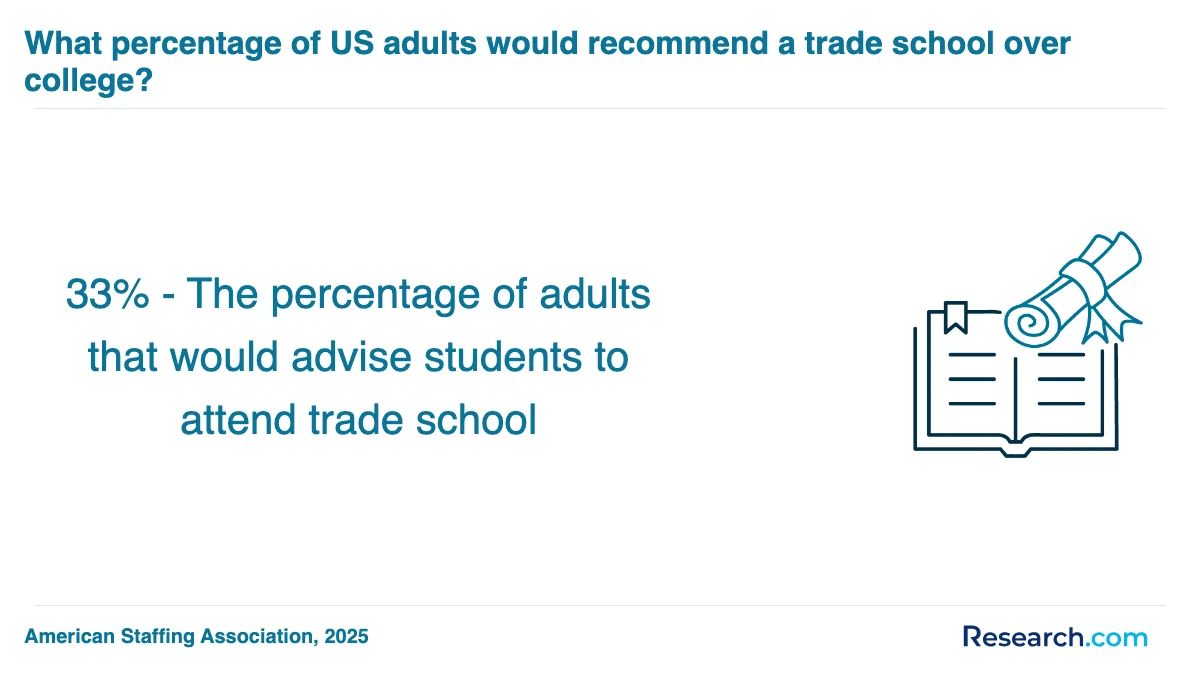
Students often weigh their options carefully, comparing trade school vs college choices to align education with career goals. Chesapeake's programs blend hands-on experience with certifications that open doors in the local job market, making dreams tangible and excitement real.
Choosing the best trade school programs in Chesapeake VA means tapping into what really matters: aligning your passion with opportunities right here in town. Graduates from notable institutions tell stories of diving into healthcare or IT with programs tied closely to Chesapeake's booming sectors. They didn't just enroll - they connected their future to the city's job market, turning classroom skills into real-world paychecks.
How to compare Chesapeake trade schools cost? Start by peeking behind the tuition numbers and financial aid offers. One graduate recalls juggling a budget, grateful for schools that combined affordable tuition with high job placement rates. It's not just about price but the priceless value of career services that open doors. Some programs wrap up in under a year, speeding you into the workforce faster than a commuter train.
Don't forget accreditation - students swear by verifying it, especially in fields like skilled trades or healthcare where credentials are your green light to work. With Chesapeake's tech and manufacturing boom, schools offering training in software or cybersecurity stand out. For a deeper look into most in demand trades, dig into local industry trends alongside program reputations to pick your best fit.

Trade school graduates in Chesapeake dive into a vibrant pool of career opportunities for trade school graduates in Chesapeake that blend hands-on work with steady demand. Imagine mastering skills in electrical wiring or plumbing through Chesapeake's Community College Workforce Alliance programs, then stepping into jobs where your expertise keeps neighborhoods and businesses running smoothly. Graduates often share how these programs prepare them not just with knowledge but with real-world confidence, making their transition into vital roles as electricians, HVAC technicians, and welders feel seamless and empowering.
Beyond the core skilled trades jobs in Chesapeake VA, the automotive sector revs up possibilities-graduates become automotive technicians equipped to tackle the latest vehicle tech, while others find rewarding careers as commercial truck drivers or heavy equipment operators with competitive wages. Chesapeake's trade schools also open doors in diverse industries like business, healthcare, and STEM fields, reflecting a dynamic, local economy ready to welcome versatile candidates.
- Stackable certifications that boost career advancement and adaptability
- Programs crafted in response to local job market shifts
- Hands-on training that merges classroom learning with practical application
Many graduates appreciate that credentials like NCCER enhance their resumes, making them highly competitive. If you're curious about best paying trade jobs that are easy to learn, Chesapeake's trade schools embody that blend of rapid skill-building and rewarding career paths-perfect for launching your future in a city where skilled trades are truly prized.
The job outlook for trade school graduates in Chesapeake sparkles with opportunity. Imagine stepping out of Tidewater Community College Skilled Trades Academy after just a few weeks of hands-on training and landing a position as an electrician or heavy equipment operator-this is reality here. Graduates from programs like Centura College Chesapeake boast placements in manufacturing and technology firms that value skill over years of theory.
Skilled trades employment opportunities Chesapeake VA highlight roles such as diesel mechanics and foremen, with over 570 openings reported locally. Trade schools connect students directly to employers through robust partnerships and job fairs, sparking excitement and confidence among grads who feel instantly employable.
These programs are crafted for rapid entry into thriving industries, allowing students to build credentials quickly, sometimes stackable towards national certifications. For those seeking flexible learning paths, options like cheap online carpentry courses offer another doorway to this vibrant market.
- Hands-on, short-term courses for fast workforce entry
- Strong employer connections and pre-apprenticeships
- Roles across construction, maritime, manufacturing, and industrial trades
- Job market stability despite economic shifts
Best Trade School & Training Programs - Leading Certification Courses in Chesapeake for 2026
# 1 position
Collins Career Technical Center - Electrician.
certificate or diplomaThe Electrician program at Collins Career Technical Center offers a hybrid learning format combining in-person and distance education. It prepares students to install, maintain, and repair electrical systems, including residential, commercial, and industrial wiring, motors, and controls. The curriculum covers electronics principles, safety, electrical testing, job estimation, and relevant codes. The program is accredited by the Council on Occupational Education.
# 2 position
Collins Career Technical Center - Heating, Air Conditioning, Ventilation and Refrigeration Maintenance Technology/Technician.
certificate or diplomaThe Heating, Air Conditioning, Ventilation and Refrigeration Maintenance Technology/Technician program at Collins Career Technical Center prepares students to repair, install, service, and maintain heating, air conditioning, and refrigeration systems. This hybrid program includes instruction on diagnostic techniques, testing equipment, and principles of mechanics, electricity, and electronics related to system repair. The program is accredited by the Council on Occupational Education.
# 3 position
Collins Career Technical Center - Automobile/Automotive Mechanics Technology/Technician.
certificate or diplomaCollins Career Technical Center offers a hybrid program in Automobile/Automotive Mechanics Technology/Technician. This program prepares students to repair, service, and maintain various automobile systems, including brakes, electrical, engines, transmissions, and HVAC. Instruction covers both automatic and manual transmissions, suspension, and steering. The program is accredited by the Council on Occupational Education, ensuring quality training aligned with industry standards.
# 4 position
Collins Career Technical Center - Welding Technology/Welder.
certificate or diplomaThe Welding Technology/Welder program at Collins Career Technical Center offers hybrid instruction, combining in-person and distance education. It prepares students with skills in arc welding, resistance welding, brazing, soldering, cutting, and welding metallurgy. The curriculum covers welding processes, safety, structural design, and industry standards. The program is accredited by the Council on Occupational Education, ensuring recognized quality in technical training.
# 5 position
Collins Career Technical Center - Dental Assisting/Assistant.
certificate or diplomaThe Dental Assisting/Assistant program at Collins Career Technical Center is a hybrid course that trains students to provide patient care, perform dental radiographs, and assist dentists and hygienists. The curriculum covers medical record-keeping, office duties, equipment sterilization, chairside assisting, and supervised practical experience. The program is accredited by the Council on Occupational Education and includes instruction in patient intake, scheduling, and pre- and post-operative care.
# 6 position
Collins Career Technical Center - Medical Administrative/Executive Assistant and Medical Secretary.
certificate or diplomaCollins Career Technical Center offers a hybrid Medical Administrative/Executive Assistant and Medical Secretary program designed to prepare students for roles supporting healthcare professionals and administrators. The curriculum covers business and medical communications, medical terminology, healthcare operations, public relations, software applications, scheduling, and professional ethics. The program is accredited by the Council on Occupational Education and provides instruction both in-person and through distance education options.
# 7 position
Collins Career Technical Center - Phlebotomy Technician/Phlebotomist.
certificate or diplomaThe Phlebotomy Technician/Phlebotomist program at Collins Career Technical Center offers hybrid learning with some distance-education options. It prepares students to draw blood samples under supervision, covering vascular anatomy, blood physiology, skin puncture, venipuncture, specimen handling, safety, sanitation, and regulatory standards. The program is accredited by the Council on Occupational Education, ensuring quality and adherence to industry standards.
Frequently Asked Questions about trade school programs
Preparing for the job market after completing trade school in Chesapeake involves several key steps. Graduates should first focus on acquiring industry-recognized certifications relevant to their field, as these certifications often enhance employability. According to the U.S. Bureau of Labor Statistics, skilled trades such as HVAC, electrical, and welding show robust job growth in Virginia, including Chesapeake.
Networking is equally important. Joining local trade associations and attending job fairs can connect graduates with employers actively hiring in the region. Many trade schools in Chesapeake offer career services that assist with resume building and interview preparation, helping students transition smoothly into the workforce.
Additionally, gaining practical experience through internships or apprenticeships is highly recommended. The Chesapeake Department of Economic Development highlights that hands-on experience significantly improves job placement rates for trade school graduates.
Employers in Chesapeake highly value trade school graduates who demonstrate strong technical skills relevant to their field. According to the National Center for Education Statistics, skills in electrical work, HVAC systems, and automotive repair rank among the most sought-after in local industries.
Beyond technical ability, soft skills such as communication, problem-solving, and reliability are crucial. A 2023 report from the Chesapeake Workforce Development Board highlights that 78% of employers prioritize teamwork and adaptability in new hires.
Hands-on experience gained through apprenticeships and internships also improves job prospects, reflecting the practical nature of trade careers in this region.
Finding internships in Chesapeake relevant to your trade school program involves several strategic steps. Start by using your school's career services office, which often maintains relationships with local businesses and may offer exclusive internship listings.
Many Chesapeake industries such as construction, healthcare, and automotive offer internships to trade students. According to the Chesapeake Chamber of Commerce, internships in skilled trades have grown steadily over recent years, reflecting local employer demand.
It's also useful to explore online job platforms specialized in trades or local resources such as the Virginia Workforce Connection website, which posts internships and apprenticeships specific to the region.
Networking through local trade unions and attending job fairs hosted in Chesapeake can lead to direct contacts with employers actively seeking interns.
A trade school diploma in Chesapeake significantly enhances career mobility by equipping students with specialized skills that are in high demand locally. According to the Virginia Community College System, graduates of trade programs in fields such as welding, HVAC, and electrical work often see employment rates exceeding 85% within six months of graduation.
Such diplomas provide practical knowledge that aligns closely with regional industry needs, facilitating quicker job placements and promotions. Additionally, Chesapeake's growing sectors in construction and manufacturing prefer candidates with verified technical training.
Trade credentials also allow workers to advance into supervisory or skilled technician roles more rapidly than some academic degrees might. Research by the U.S. Bureau of Labor Statistics supports that trade careers often show steady wage growth over time.
Trade school students in Chesapeake have several part-time job opportunities that directly complement their education. For example, those studying automotive technology can find work at local repair shops, gaining hands-on experience while earning an hourly wage. According to the Virginia Employment Commission, Chesapeake's auto repair services sector has grown by 5% over the last two years, indicating steady demand for skilled labor.
Similarly, students pursuing healthcare programs can work as medical assistants or pharmacy clerks in nearby clinics and pharmacies. Chesapeake's health services industry employed over 15,000 people in 2023, reflecting strong job prospects even for part-time workers.
Construction trade students may find part-time roles as laborers or apprentices, benefiting from Chesapeake's ongoing residential and commercial building projects. The U.S. Bureau of Labor Statistics reports a 4% annual growth in construction jobs locally.
To choose the best degree program near you in Chesapeake, OH, you should begin by identifying your areas of interest and career goals. Research available programs and universities both near Chesapeake, OH and "near me", considering factors such as accreditation, faculty expertise, and campus facilities. Consulting comprehensive resources like Research.com can further aid in evaluating the academic reputation and program offerings of institutions in the vicinity.
- Skilled Trades | Chesapeake College https://www.chesapeake.edu/programs/explore/skilled-trades/
- Technical & Healthcare Trade Schools | Centura College https://www.centuracollege.edu/
- Skilled-Trades Apprenticeships https://www.ccbcmd.edu/Programs-and-Courses/Continuing-Education/Workforce/Skilled-Trades-Apprenticeships/index.html
- Apprenticeship & Craft Training - Associated Builders and Contractors, Inc. - Chesapeake Shores Chapter https://abc-chesapeake.org/apprenticeship-craft-training/
- Skilled Trades Training | Tidewater Community College https://workforce.tcc.edu/pathways-to-success/skilled-trades/
- Career and Technical Education https://www.cpschools.com/page/career-and-technical-education
- Community College Workforce Alliance | Skilled Trades https://ccwatraining.org/training-for-individuals/career-paths/skilled-trades
- Skilled Trades Academy | Tidewater Community College https://www.tcc.edu/come-to-tcc/portsmouth-campus/skilled-trades-academy/
- Trade School Programs - Tidewater Tech | Trade School - Career Training https://tidewatertechtrades.edu/programs/


