
Best Trade School & Training Programs - Leading Certification Courses in Grand Rapids for 2026

Co-Founder and Chief Data Scientist
Choosing the right trade school in Grand Rapids can shape your future in meaningful ways. This article offers a carefully crafted ranking of trade school programs, developed by the Research.com team of data scientists, to help you navigate your options with confidence.
Whether you're seeking a diploma or certification, investing in a trade education opens doors to rewarding career opportunities. By reading this guide, you’ll discover programs that match your goals and provide real value.
Take the first step toward a skilled, fulfilling career today.
Key benefits of finishing trade school programs trade school in Grand Rapids
- Trade school graduates in Grand Rapids can earn strong salaries, with plumbers and pipefitters making between $55,000 and $85,000 annually, welders earning $50,000 to $70,000, and heavy equipment operators reaching up to $100,000 as experience grows.
- Popular career paths for trade school graduates include plumbing, welding, heavy equipment operation, and solar panel installation, all of which offer solid job prospects and competitive pay in the local market.
- Online trade school programs provide flexibility for students balancing work or family, allowing graduates to earn certifications faster and start high-paying jobs sooner compared to traditional on-campus paths.
- Best Trade School & Training Programs - Leading Certification Courses in Grand Rapids for 2026
- What can I expect from trade school programs trade schools in Grand Rapids?
- Where can I work after finishing trade school programs trade schools in Grand Rapids?
What can I expect from trade school programs trade schools in Grand Rapids?
The average cost of a trade school program in Grand Rapids is around $5,000, with most programs requiring approximately 600 hours of instruction. Graduates often describe the investment as worthwhile due to the hands-on training and industry connections they gain.
Students at well-known local institutions, such as Grand Rapids Community College, report engaging in labs, workshops, and internships that simulate real workplace environments. These practical experiences boost confidence and prepare them to enter fields like healthcare, technology, and skilled trades with job-ready skills.
Some students highlight programs like the Access for All construction trades initiative, which eliminates tuition costs entirely and adds support services like transportation and child care. This option reduces financial stress while allowing trainees to focus fully on learning and career growth.
Responses from graduates consistently emphasize the value of instructors with industry experience, small class sizes, and opportunities for job shadowing. These factors contribute to a supportive learning atmosphere that helps students build both skills and professional networks in Grand Rapids.
Where can I work after finishing trade school programs trade schools in Grand Rapids?
Graduates of trade schools in Grand Rapids find a wide range of employment opportunities across industries such as manufacturing, health care, automotive services, construction, and skilled trades. Many graduates report starting as machine operators or apprentices in manufacturing firms, earning between $15 and $26 per hour while working with metalworking and plastic molding machinery.
Health care roles, including medical and dental assisting, offer stable jobs with benefits like insurance and retirement, often available in local hospitals and clinics. Automotive service technician apprentices are in demand at area dealerships, gaining hands-on experience and competitive starting wages that increase with certifications.
Construction apprenticeships in plumbing, electrical, carpentry, and HVAC provide clear career paths toward journeyperson status, with companies offering full-time roles and steady wages. Graduates from popular Grand Rapids trade schools emphasize how these roles offer career growth and skill mastery.
Emerging IT positions in network support and help desk operations also present new opportunities for technically trained graduates, often within corporate and educational environments, making Grand Rapids a strong market for trade school graduates seeking rewarding local careers.
Graduates of trade school programs in Grand Rapids report promising salary outcomes, with the average annual income around $62,341, or roughly $29.97 per hour. This means after completing a program, many can step confidently into the workforce knowing their skills are in demand and well-compensated.
For those newly entering skilled trades, such as electricians or plumbers, starting salaries hover near $52,443 per year, though real earnings vary between $36,700 and $66,400. Graduates from well-known local trade schools often share stories of beginning in apprenticeships earning about $41,918 annually with paid on-the-job training and benefits, helping ease the transition from student to professional.
As skills deepen, pay increases substantially. For example, Journeyperson Electricians in Grand Rapids can earn around $34.65 per hour, allowing many to comfortably support themselves and their families. Such figures highlight how trade school training here can quickly unlock stable and growing income streams in engaging, hands-on careers.
- Most trade school programs require a high school diploma or GED and students must be at least 18 years old to enroll.
- Program length is typically one year or less, combining classroom learning with hands-on training.
- Tuition at Harmel Academy is $11,750 for 2023-2024, with total costs including housing around $22,900 per year.
- Entry-level salaries for graduates in Grand Rapids usually range from $35,000 to $50,000 annually, with experienced workers earning $60,000 to $70,000 or more.
- Applications require timely submission of documents and payment to secure enrollment, which can be limited by class size.
Trade school programs in Grand Rapids typically take between eight months and two years to complete, offering a quicker path to employment than traditional four-year degrees. At the West Michigan Construction Institute, many graduates share that completing carpentry or plumbing certifications within one academic year allowed them to enter the workforce confidently and with recognized credentials. These programs blend hands-on training with classroom instruction, making the learning experience both practical and engaging.
For students juggling work or family commitments, part-time options extend the timeline but still maintain a focused pace. High school juniors and seniors also benefit from one-year trade programs, helping them secure certifications before graduation, which graduates often describe as empowering and career-accelerating.
This timeframe aligns with national norms, demonstrating that Grand Rapids trade schools are designed to prepare students efficiently. Many graduates appreciate how fast they transition from starting their training to working in rewarding trades, highlighting the practical value of these concise, skill-focused programs.
Online trade school programs in Grand Rapids prioritize flexibility, allowing students to access coursework anytime and anywhere. Graduates from Kirtland Community College often praise the ability to manage studies alongside work and family, especially appreciating the self-paced assignments that fit non-traditional schedules. Tuition costs are typically lower, with some students reporting net annual expenses under $4,300 after financial aid.
On-campus programs, offered by institutions like Grace Christian University and the West Michigan Construction Institute, focus on face-to-face instruction and hands-on training. Students regularly highlight the value of small classes and direct interaction with instructors. This setup provides consistent access to tools and in-person practice essential for trades such as carpentry and plumbing.
Many students find hybrid models in Grand Rapids beneficial, blending online theory with scheduled on-campus practical sessions. This approach delivers the flexibility of digital learning while ensuring the critical hands-on experience necessary in skilled trades.
The average trade school cost in Grand Rapids generally falls between $3,500 and $18,000, depending on the program and institution. Graduates of local schools often share how affordable tuition allowed them to complete their training without overwhelming debt. For instance, programs at Harmel Academy of the Trades typically cost close to $18,000 without financial aid, reflecting a comprehensive training model that many find worthwhile for long-term career prospects.
Other schools in Grand Rapids offer more budget-friendly options, with some programs priced around $3,500. Many students appreciate this range, enabling them to select programs that fit their financial situation. The Grand Rapids Community College (GRCC) job training tuition, a common choice for residents, is about $6,796 annually, inclusive of mandatory fees, which many report as a manageable investment given the quality of instruction and support services available.
When analyzing Grand Rapids trade school tuition and fees, it's important to consider program length and industry. Specialized paths, like GRCC's Tier II Nursing Program, charge $204 per contact hour, which can increase total cost but offers advanced, sought-after credentials. More affordable programs, such as construction apprenticeship, cost near $893 annually, helping students pursue practical skills affordably.
Students eager to explore affordable training options might also find value in low cost online hvac certification programs, which offer flexible, cost-effective routes to skill acquisition without geographic constraints.
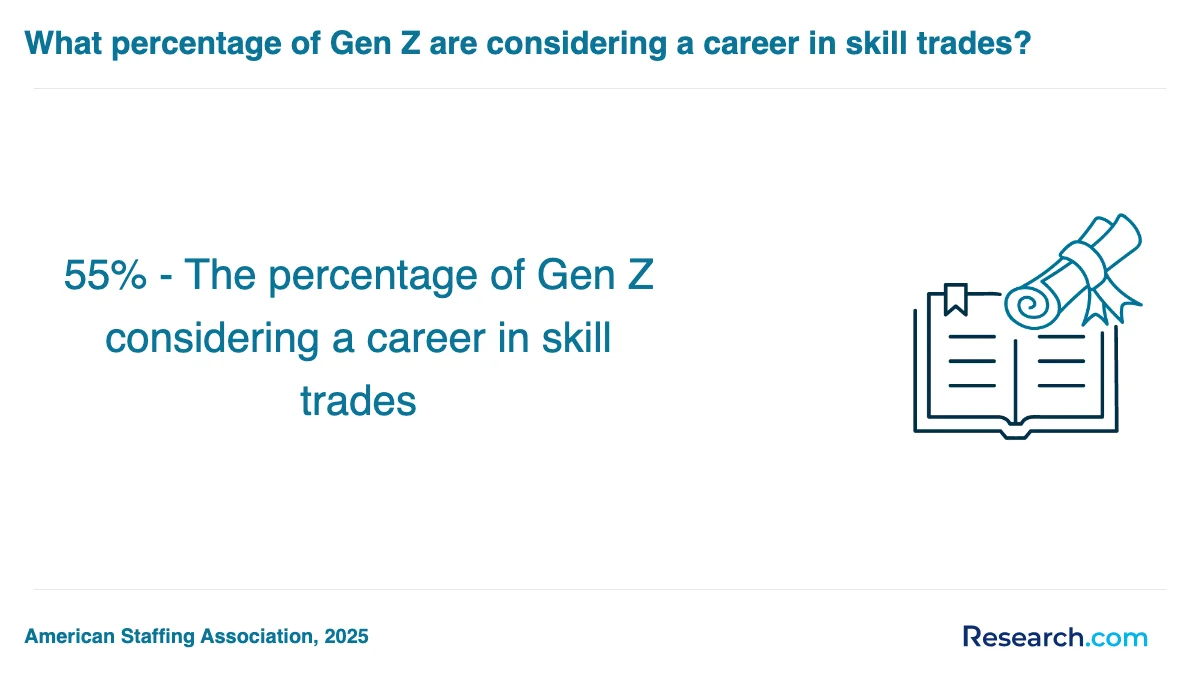
Trade school students in Grand Rapids commonly access financial aid via the Free Application for Federal Student Aid (FAFSA), which opens doors to federal grants, loans, and work-study programs. Graduates from institutions like Grand Rapids Community College (GRCC) often share how submitting FAFSA early helped them secure essential funding despite fluctuating family incomes.
GRCC enhances aid through combined federal, state, and community resources. Their Financial Aid Office actively supports students undergoing life changes, such as unemployment, by employing Professional Judgment appeals to revise aid packages. This flexibility reassures many students facing financial uncertainty.
The Grand Rapids Community Foundation grants over $1 million annually in scholarships, matching awardees with opportunities tailored to their background and program. Graduates frequently express gratitude for these scholarship opportunities easing tuition pressure.
Additional scholarships from groups like the Michigan Association for College Admission Counseling and Discover Manufacturing further support ambitious trade students. Students planning ahead for December-to-March application windows improve their chances of gaining such awards.
Students at Paul Mitchell The School Grand Rapids find value in personalized guidance on available institutional and federal aid, boosting confidence in financing their vocational education locally.
Enrolling in a trade school program in Grand Rapids primarily requires a high school diploma or GED, as confirmed by graduates from Harmel Academy of the Trades and Grand Rapids Community College (GRCC). This foundational credential ensures readiness for technical coursework and hands-on training.
Applicants must typically be at least 18 years old, aligning with safety and legal standards, especially for programs involving machinery operation or apprenticeships. For example, a graduate from a local electrical program shared how being of legal adult age allowed smoother access to apprenticeship placements.
Additional prerequisites often include:
- A valid driver's license
- Drug screening
- Criminal background check
- Passing a basic skills or mental acuity test like the Wonderlic SLE-Q
These requirements reflect real-world industry expectations for reliability and safety, as emphasized by GRCC's construction trades admissions.
Physical capability is also crucial; graduates recall being prepared for physical demands such as lifting and standing long hours during training.
For those aged 25 and older, programs like Michigan Reconnect offer tuition assistance, enabling many returning students to pursue trade skills with confidence and reduced financial stress.
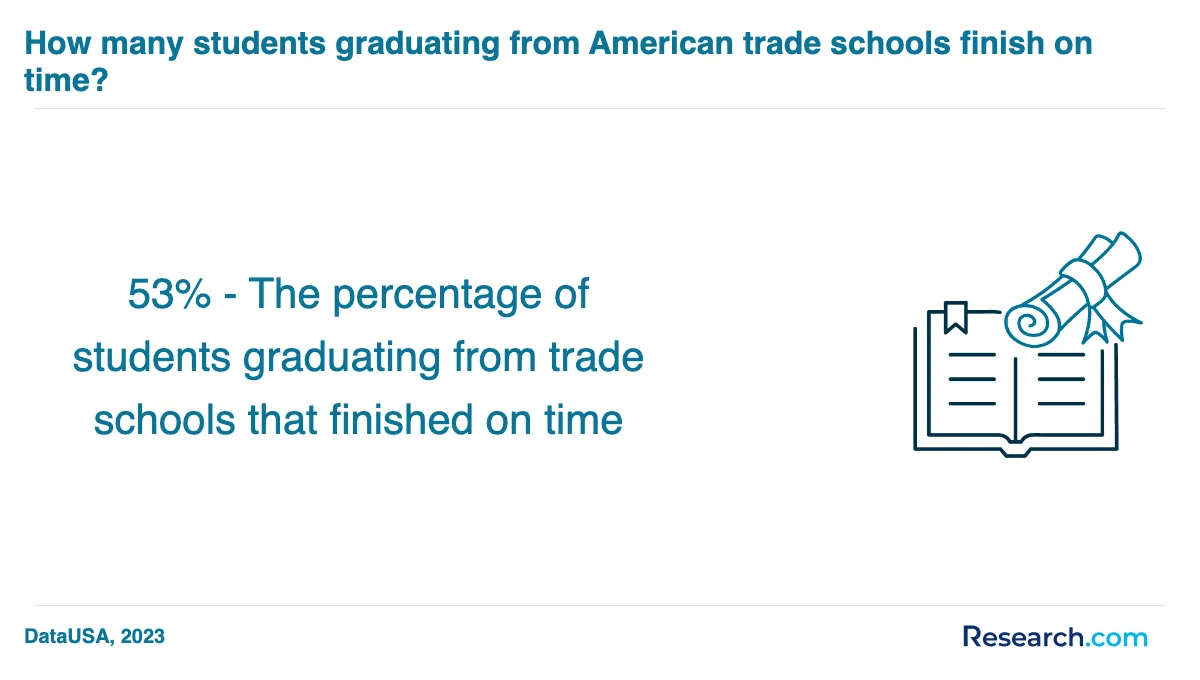
Trade school programs in Grand Rapids commonly include courses tailored to high-demand local industries, providing students with practical, hands-on experience. Graduates from popular institutions like Harmel Academy of the Trades report strong preparation through diverse offerings, such as:
- Health sciences courses like Pharmacy Technician and Phlebotomy, blending classroom learning with lab practice that readies students for immediate employment in healthcare settings.
- Manufacturing and industrial technology programs focused on Lean Manufacturing, Quality Certification, and automotive maintenance, aligned with Grand Rapids' robust industrial sector.
- Business and management courses including Marketing, Entrepreneurship, and Project Management, equipping students to start or grow local businesses.
- Information technology training covering basic computer skills through advanced IT support and networking, often completed within 18-22 weeks with pathways to credit-bearing certificates.
- Engineering, natural resources, and agriscience, where students progress through levels of rigor matched to career goals, reflecting employer needs.
Students value the small classes, experienced faculty, and integrated curricula that combine technical training with broader educational growth. Many describe their programs as engaging and directly connected to job opportunities, making study in Grand Rapids trade schools a hopeful step toward fulfilling careers.
Trade school programs in Grand Rapids offer a broad range of specializations tailored to meet the local job market demands. Graduates from institutions like Kent Career Technical Center and Grand Rapids Community College (GRCC) often share positive experiences emphasizing hands-on training in high-demand sectors such as welding, electrical work, carpentry, HVAC, plumbing, auto repair, and construction-fields vital to West Michigan's manufacturing and building industries. These technical skills prepare students for immediate employment and apprenticeships.
Healthcare-related programs are also prominent, with offerings in nursing assistance, dental assistance, medical assistance, and healthcare administration at centers like Ross Medical Education Center and GRCC's job training division. Students pursuing these paths benefit from the city's strong healthcare infrastructure.
Other available specializations include business management, digital marketing, and IT, allowing students to enter fast-evolving office environments. Creative fields such as graphic design and digital media are supported as well, nurturing artistic careers.
Students interested in personal care can find cosmetology and barbering programs at Empire Beauty School, which combine classroom learning with practical experience. Harmel Academy of the Trades uniquely incorporates humanities and spiritual formation, reflecting a holistic educational approach.
In a city with diverse opportunities, trade students can align their goals with local industry needs while gaining skills in the top skilled trades in demand.
Selecting the best trade school programs in Grand Rapids begins with identifying a clear career goal. Graduates highlight that focusing on specific fields-like healthcare, cosmetology, or skilled trades-helps narrow down options. For instance, many students choose Grand Rapids Community College for its nursing and electrician tracks, praising the program's structure and hands-on approach. Accreditation plays a critical role; students from Harmel Academy of the Trades report that nationally recognized credentials gave them confidence entering the job market.
When you compare trade school costs Grand Rapids offers a wide range. While Harmel lists tuition near $18,000, flexible financial aid options and scholarships often ease the burden. Graduates appreciate schools that provide clear financial plans, easing stress about funding their education.
Job placement rates also differentiate programs. Local schools with strong employer partnerships, offering apprenticeships and internships, receive positive feedback from alumni who found smooth transitions into steady work. Prospective students weighing their options might benefit from insights on is trade school better than college as part of their decision-making process.

Trade school graduates in Grand Rapids find strong career opportunities for trade school graduates in Grand Rapids across several high-demand industries. Health care programs often lead to roles as medical assistants, pharmacy technicians, or certified nursing assistants, with many local employers valuing the hands-on experience offered by Grand Rapids Community College graduates. Manufacturing and industrial sectors also present viable paths, including jobs such as CNC machinists, welders, and quality control specialists, critical to the region's economy.
Skilled trades jobs in Grand Rapids Michigan remain abundant, especially in construction fields like electrical work, HVAC, carpentry, and plumbing. Graduates from popular trade schools frequently highlight how direct connections to local employers made through their programs led to swift job placement. Programs emphasize practical skills and apprenticeships, helping students gain valuable on-the-job experience.
Information technology roles such as network technicians and help desk analysts are growing, with training programs responding to employer demands for current technical skills. Many adults take advantage of tuition-free options like Michigan Reconnect, broadening access to these career paths.
For those interested in skilled trades, finding cheapest construction training programs online is a practical way to start education with minimal upfront costs while preparing for a steady career.
The trade school job opportunities in Grand Rapids remain exceptionally strong, driven by thriving sectors such as manufacturing, logistics, and green technology. Graduates from popular local programs, including those at Grand Rapids Community College, find steady employment as welders, CNC machine operators, and maintenance technicians. Many report rewarding careers with clear advancement paths thanks to ongoing demand fueled by facility upgrades and new industrial technologies.
Key employment areas include:
- Manufacturing roles supporting local industry growth
- Logistics positions like warehouse supervisors and forklift operators
- Green manufacturing focused on renewable energy system assembly and maintenance
This skilled trades employment outlook Grand Rapids Michigan is also buoyed by statewide trends projecting over 40,000 annual openings in the skilled trades by 2032, with competitive salaries for electricians and HVAC technicians. Graduates from trade schools increasingly find themselves in fulfilling positions that combine technical challenges with job security.
Many local students pursue affordable online classes for welding trade school while balancing work, enabling them to quickly enter this vigorous job market with practical skills and confidence. These data-driven results illustrate the significant opportunities awaiting trade school graduates in the Grand Rapids area.
Best Trade School & Training Programs - Leading Certification Courses in Grand Rapids for 2026
# 1 position
Grand Rapids Community College - Dental Assisting/Assistant.
associateThe Dental Assisting/Assistant program at Grand Rapids Community College offers a hybrid format with some distance-education options. It prepares students to provide patient care, take dental radiographs, assist chairside, and manage office administrative tasks under supervision. Instruction includes medical record-keeping, scheduling, equipment sterilization, and supervised practice. The program's annual in-state tuition is $4,059, and median earnings one year after completion are $45,543. It is accredited by the Higher Learning Commission.
# 2 position
Grand Rapids Community College - Dental Assisting/Assistant.
certificate or diplomaGrand Rapids Community College offers a hybrid Dental Assisting/Assistant program that trains students in patient care, dental radiography, and office administrative tasks under professional supervision. The curriculum covers medical record-keeping, equipment maintenance, sterilization, chairside assisting, and supervised practice. Annual in-state tuition is $4,059. Graduates report median earnings of $45,543 one year after completion. The program is accredited by the Higher Learning Commission.
# 3 position
Grand Rapids Community College - Electrician.
certificate or diplomaThe Electrician program at Grand Rapids Community College is an on-campus course designed to prepare students for installing, operating, maintaining, and repairing electric apparatus and systems. Instruction covers residential, commercial, and industrial wiring, motors, controls, safety, electrical testing, and relevant codes. The program’s annual in-state tuition is $4,059. Graduates have median earnings of $34,972 one year after completion. It is accredited by the Higher Learning Commission.
# 4 position
Grand Rapids Community College - Criminal Justice/Police Science.
associateGrand Rapids Community College offers a Criminal Justice/Police Science program in a hybrid format with some distance-education options. The program trains students in key law enforcement skills such as patrol, investigations, traffic and crowd control, evidence management, and crime prevention. Annual in-state tuition is $4,059. Graduates earn a median salary of $48,049 one year after completion. The program is accredited by the Higher Learning Commission.
# 5 position
Grand Rapids Community College - Business Administration and Management, General.
associateGrand Rapids Community College offers a hybrid Business Administration and Management, General program that prepares students to plan, organize, direct, and control organizational functions. The curriculum includes management theory, human resources, accounting, purchasing, logistics, marketing, and business decision-making. Annual in-state tuition is $4,059. Graduates earn a median income of $41,712 one year after completing the program. The program is accredited by the Higher Learning Commission.
# 6 position
Grand Rapids Community College - Computer Systems Networking and Telecommunications.
associateGrand Rapids Community College offers a hybrid program in Computer Systems Networking and Telecommunications. The program covers design, implementation, and management of computer systems and networks, including operating systems, networking theory, security, and troubleshooting. Students learn to function as network specialists and managers. Annual in-state tuition is $4,059. The program is accredited by the Higher Learning Commission.
# 7 position
Grand Rapids Community College - Heating, Air Conditioning, Ventilation and Refrigeration Maintenance Technology/Technician.
associateGrand Rapids Community College offers a hybrid program in Heating, Air Conditioning, Ventilation and Refrigeration Maintenance Technology/Technician. This program prepares students to repair, install, service, and maintain heating, air conditioning, and refrigeration systems. Instruction covers diagnostic techniques, testing equipment use, and principles of mechanics, electricity, and electronics related to these systems. Annual in-state tuition is $4,059. The program is accredited by the Higher Learning Commission.
# 8 position
Grand Rapids Community College - Industrial Mechanics and Maintenance Technology/Technician.
associateGrand Rapids Community College offers a hybrid program in Industrial Mechanics and Maintenance Technology/Technician designed to prepare students to repair and maintain industrial machinery and equipment, including cranes, pumps, engines, and conveyor systems. The program is accredited by the Higher Learning Commission. Annual in-state tuition is $4,059, providing a cost-effective option for students seeking technical skills in this field.
# 9 position
Grand Rapids Community College - Automobile/Automotive Mechanics Technology/Technician.
associateThe Automobile/Automotive Mechanics Technology/Technician program at Grand Rapids Community College offers hybrid instruction focused on repairing, servicing, and maintaining various automobile systems. Topics include brake systems, electrical systems, engine performance and repair, suspension and steering, transmissions, and heating and air conditioning. The program is accredited by the Higher Learning Commission. Annual in-state tuition is $4,059, and median earnings one year after completion are $37,927.
# 10 position
Grand Rapids Community College - Heating, Air Conditioning, Ventilation and Refrigeration Maintenance Technology/Technician.
certificate or diplomaGrand Rapids Community College offers a hybrid program in Heating, Air Conditioning, Ventilation and Refrigeration Maintenance Technology/Technician. The curriculum prepares students to repair, install, service, and maintain heating, air conditioning, and refrigeration systems. Instruction covers diagnostic techniques, testing equipment, and principles of mechanics, electricity, and electronics related to system repair. The program’s annual in-state tuition is $4,059 and it is accredited by the Higher Learning Commission.
Frequently Asked Questions about trade school programs
After completing a trade school program in Grand Rapids, preparing for the job market involves focused steps to enhance employability. First, graduates should update their resumes to highlight hands-on skills and certifications gained during their training. Networking within local industries, such as manufacturing or automotive sectors prominent in Grand Rapids, can create valuable job opportunities. According to the Michigan Department of Labor, trade-related jobs in the region are projected to grow by 5% through 2028, indicating sustained demand. Additionally, attending job fairs hosted by local community colleges and workforce centers helps connect graduates with employers seeking skilled workers.
Obtaining relevant certifications, such as OSHA safety training or EPA credentials, can further improve a candidate's marketability. Many trade schools in Grand Rapids offer career services that assist with interview preparation and job placement, which graduates are encouraged to utilize. Staying informed about industry trends and pursuing continuing education can also enhance long-term career prospects in the region's evolving job market.
Employers in Grand Rapids highly value trade school graduates who possess both technical and soft skills. According to data from the Michigan Works! Association, employers prioritize hands-on abilities such as welding, electrical work, and HVAC maintenance, reflecting the city's strong manufacturing and construction sectors.
Beyond technical knowledge, problem-solving and communication skills are essential. A 2023 survey by the Grand Rapids Chamber of Commerce found that 72% of local employers seek candidates who can work effectively in teams and adapt to changing environments.
Additionally, punctuality and reliability remain critical traits, with over 80% of employers reporting these as key factors when hiring trade school graduates.
Finding internships in Grand Rapids that align with your trade school program involves several practical steps. Begin by consulting your school's career services, as many have established partnerships with local employers in fields like manufacturing, healthcare, and automotive trades.
Additionally, Grand Rapids benefits from a robust industrial sector, with organizations such as the West Michigan Hispanic Chamber of Commerce and local workforce boards offering internship listings. According to the Michigan Talent Investment Agency, approximately 60% of local trade students secure internships through these networks.
Online job portals like Michigan Works! also post relevant internships, often paid and designed to complement technical training. Networking events and trade-focused job fairs in the region can further increase your chances to connect with potential employers.
In Grand Rapids, earning a trade school diploma significantly enhances career mobility. According to data from the Michigan Department of Labor and Economic Opportunity, graduates with trade credentials in fields like manufacturing, healthcare, and construction experience a 20% higher likelihood of job promotion within five years compared to those without formal training.
Trade school diplomas equip students with specialized skills aligned with local industry demands. This targeted expertise often leads to faster job placement and wage increases, supporting upward mobility in the region's competitive labor market.
Moreover, many employers in Grand Rapids prioritize candidates with certification or diplomas, viewing them as ready to contribute immediately. Research by the National Center for Education Statistics shows trade graduates nationally earn roughly 25% more than workers without postsecondary credentials, a trend reflected locally.
Students enrolled in trade schools in Grand Rapids can find several part-time job opportunities that complement their education and enhance practical skills. Common roles include apprentice positions in fields like HVAC, electrical work, and carpentry, which allow students to apply classroom knowledge on-site. The Michigan Department of Labor reports that the construction sector in Grand Rapids has grown by 6% from 2021 to 2023, expanding opportunities for part-time skilled positions.
Additionally, retail and warehouse jobs often provide flexible schedules, helping students balance work and study. Local employers, such as manufacturing plants and automotive shops, frequently hire part-time workers with developing technical backgrounds, supporting professional growth while enabling income.
To find the best degree program near me, especially if you're near Grand Rapids, MI, consider exploring local universities and colleges that offer a variety of academic programs. Many institutions have career counseling and academic advising services to help tailor a degree path suited to personal and professional goals. Consulting resources like Research.com can provide insights and rankings on programs near Grand Rapids, MI, ensuring an informed decision about higher education opportunities.
- Best Trade School & Training Programs - Leading Certification Courses in Angola for 2026
- Best Trade School & Training Programs - Leading Certification Courses in Adrian for 2026
- Best Trade School & Training Programs - Leading Certification Courses in Akron for 2026
- Best Trade School & Training Programs - Leading Certification Courses in Florence for 2026
- Best Trade School & Training Programs - Leading Certification Courses in Hamburg for 2026
- Job Training Programs | Grand Rapids Community College https://www.grcc.edu/schools-departments/school-workforce-training/job-training-programs
- Kent Career Technical Center https://www.thetechcenter.org/
- West Michigan Construction Institute - Skilled Trades School https://www.wmcinstitute.com/
- Technical and Trade Schools - East Grand Rapids High School https://egrhs.egrps.org/school-information/counseling/technical-and-trade-schools
- Job Training Programs For Careers | West Michigan Works! https://www.westmiworks.org/job-seekers/training/
- Career Training Programs https://www.michigan.gov/mistudentaid/programs/michigan-achievement-scholarship/career-training/programs
- Training and Career Services - Goodwill of Greater Grand Rapids https://www.goodwillgr.org/training-and-career-services/


