
Best Trade School & Training Programs - Leading Certification Courses in Baton Rouge for 2026

Co-Founder and Chief Data Scientist
If you’re considering a trade school in Baton Rouge, this article is for you. It highlights the best trade school programs in the area for 2026, helping you find the right path to a rewarding career.
The ranking featured here was developed by the Research.com team of data scientists, using reliable data to guide your decision. Whether you want certification or a diploma, this resource makes choosing easier and more confident.
Taking this step opens doors to skilled jobs and personal growth. Your future starts here.
Key benefits of finishing trade school programs trade school in Baton Rouge
- Trade school graduates in Baton Rouge can expect salaries ranging from around $37,000 to $54,000 per year, with entry-level apprentices earning approximately $43,864. Skilled trades like electricians and HVAC technicians often make higher wages as they gain experience and certifications.
- Popular career paths include electricians, welders, and HVAC technicians, all of which are common among graduates from Baton Rouge trade schools and offer strong job growth and steady demand.
- Completing a trade school diploma or certification online provides flexibility and convenience, allowing many students to balance work and study while gaining practical skills, making it a great option for those with busy schedules.
- Best Trade School & Training Programs - Leading Certification Courses in Baton Rouge for 2026
- What can I expect from trade school programs trade schools in Baton Rouge?
- Where can I work after finishing trade school programs trade schools in Baton Rouge?
What can I expect from trade school programs trade schools in Baton Rouge?
The average cost of a trade school program in Baton Rouge varies widely, typically ranging from a few thousand dollars for short certificate courses to upwards of $15,000 for longer associate degree programs. Graduates from ABC Pelican often share how their three-week welding certificate, costing just a few thousand, equipped them with skills that quickly landed job offers. Meanwhile, those completing healthcare programs at ITI Technical College, which can cost around $12,000-$15,000, appreciate the depth of training that matched local employer needs and led to stable careers.
Many students find the investment worthwhile due to accelerated timelines-programs lasting a few months to two years help avoid the prolonged expenses of traditional degrees. Flexibility in scheduling means students balancing jobs or family feel supported, especially with financial aid and GI Bill acceptance at places like BRCC. Small classes, hands-on workshops, and career services create an environment where students feel confident and ready to step directly into Baton Rouge's thriving industries.
Where can I work after finishing trade school programs trade schools in Baton Rouge?
After finishing a trade school program in Baton Rouge, many graduates step directly into careers that fuel the city's economy and infrastructure. From industrial manufacturing to healthcare, these programs open doors to meaningful work. Imagine a recent graduate from the North Baton Rouge Industrial Training Initiative confidently taking on a pipefitting role at ExxonMobil, contributing to vital energy projects while earning nationally recognized credentials.
Others find their place in automotive technology, where connections made through local programs and apprenticeship opportunities lead to steady jobs at dealerships and service centers. Graduates from the Urban League of Louisiana's Certified Lineworker Apprenticeship Program often describe the pride in becoming Journeyworkers after years of hands-on training.
Trade school students focused on healthcare frequently land positions as medical assistants or pharmacy technicians in Baton Rouge's growing clinics and hospitals. Through these programs, graduates experience the reward of immediate employment, knowing their skills meet the region's urgent demand.
The reality for many is a clear career path filled with purpose, technical mastery, and reliable job placement, all rooted in the city's strong workforce training initiatives and vibrant industries.
After completing a trade school program in Baton Rouge, graduates often find themselves stepping into a range of promising earning opportunities. For instance, those who finish industrial production programs at local institutions like Baton Rouge Community College report starting salaries near $79,100, highlighting the strong demand for skilled technical workers in the area. Nurses trained through practical or vocational programs see median earnings around $37,800, while allied health graduates typically start at about $43,500.
Imagine a recent graduate from a precision metal working course landing a role paying close to $34,300 annually-enough to feel financially stable while building valuable skills. Apprenticeships, common for hands-on trade positions, offer around $40,128 per year in Baton Rouge, providing a great entry point with steady income and growth potential.
Many find satisfaction knowing their hourly wages, averaging about $18.19, translate into reliable annual incomes substantially above typical high school graduate earnings. This blend of attainable certification and real-world pay often motivates students to pursue advancing their credentials, opening doors to even higher salaries over time.
- Most trade schools in Baton Rouge have an open-door policy with nearly 100% acceptance for eligible applicants, requiring a high school diploma, GED, or approved homeschooling.
- Programs last from several months up to two years and include fields like welding, electrical, CDL driving, HVAC, healthcare, and business, with day, night, and weekend class options.
- Tuition varies; for example, Practical Nursing at Delta College costs about $18,557 per year, while CDL training ranges from $10,000 to $14,000 per year with financial aid options available.
- Entry-level salaries for trades such as HVAC tech, CDL driver, and medical assistant start between $35,000 and $50,000 annually, with experienced workers earning $55,000 to $75,000 or more.
- Many schools offer job placement help and externships, and credit by exam or transfer agreements can provide alternate paths to credentials.
Trade school programs in Baton Rouge offer a surprisingly swift path to launching a new career, often far quicker than traditional college routes. Graduates from ITI Technical College, for example, typically complete their Associate of Occupational Studies degrees in just 24 months of full-time study, gaining hands-on skills in fields like Air Conditioning and Automation Technology. Many students appreciate how these two years feel intensely focused yet rewarding, turning their passion into a paycheck faster than expected.
For those eager for an even quicker transition, certificate programs at Baton Rouge Community College can wrap up in under a year, sometimes in just several hundred hours of coursework. Imagine balancing work and study, then suddenly being qualified to step into a new role sooner than you thought possible.
High school students at East Baton Rouge's Career and Technical Education Center experience a unique blend-spending 2 to 3 years combining academics with valuable technical training, a balance that many find both challenging and exciting.
Meanwhile, apprenticeship programs like those sponsored by BREJATC stretch over several years but offer the unbeatable benefit of paid on-the-job training alongside classroom learning, transforming daily work into professional growth.
The core difference between online and on-campus trade school programs in Baton Rouge comes down to how and where you learn. On-campus programs, like those at Baton Rouge Community College, offer hands-on experience in labs or workshops, which many graduates say boosts their confidence through direct interaction with instructors and access to specialized tools. One graduate recalls feeling fully supported in the structured environment, appreciating the immediate feedback while mastering skills like welding or HVAC/R.
Conversely, online trade programs provide flexibility, appealing to students balancing work or family commitments. With options from BRCC and LSU Online, students can study remotely at their own pace. Graduates often describe the convenience and independence as empowering but acknowledge that success hinges on strong self-motivation and tech savvy. They also note that the diploma earned is identical to on-campus peers, making the choice about lifestyle and learning preference rather than credential value.
Each approach shapes the learning journey uniquely, reflecting not just teaching style but personal circumstances and career goals in Baton Rouge's trade community.
Understanding the average trade school cost in Baton Rouge starts with the distinct difference between public and private options. For example, graduates from Baton Rouge Community College often mention how the total yearly expenses, including tuition, fees, books, and living, hover around $9,646, making it an affordable gateway for many eager learners. This affordability has a practical impact on how students manage their daily lives without overwhelming financial stress.
Private trade schools in the area, however, paint a different picture. Students pursuing programs at institutions such as Aveda Institutes Baton Rouge face tuition ranging between $9,966 and $16,716 annually. Another perspective comes from those enrolled in shorter certificate courses at places like ABC Pelican Baton Rouge, where members might pay as little as $300 per semester, while non-members can expect to pay up to $1,600. These varied price points offer flexibility depending on one's budget and program choice.
When budgeting for Baton Rouge trade school tuition and fees, it's essential to consider additional costs like up to $1,000 a year for books and specialized equipment expenses from $500 to $5,000. Many students find that exploring financial aid options can make a significant difference, helping turn educational dreams into reality. For those seeking affordable alternatives, exploring the cheapest online baking and pastry certificate program may also be a viable path.
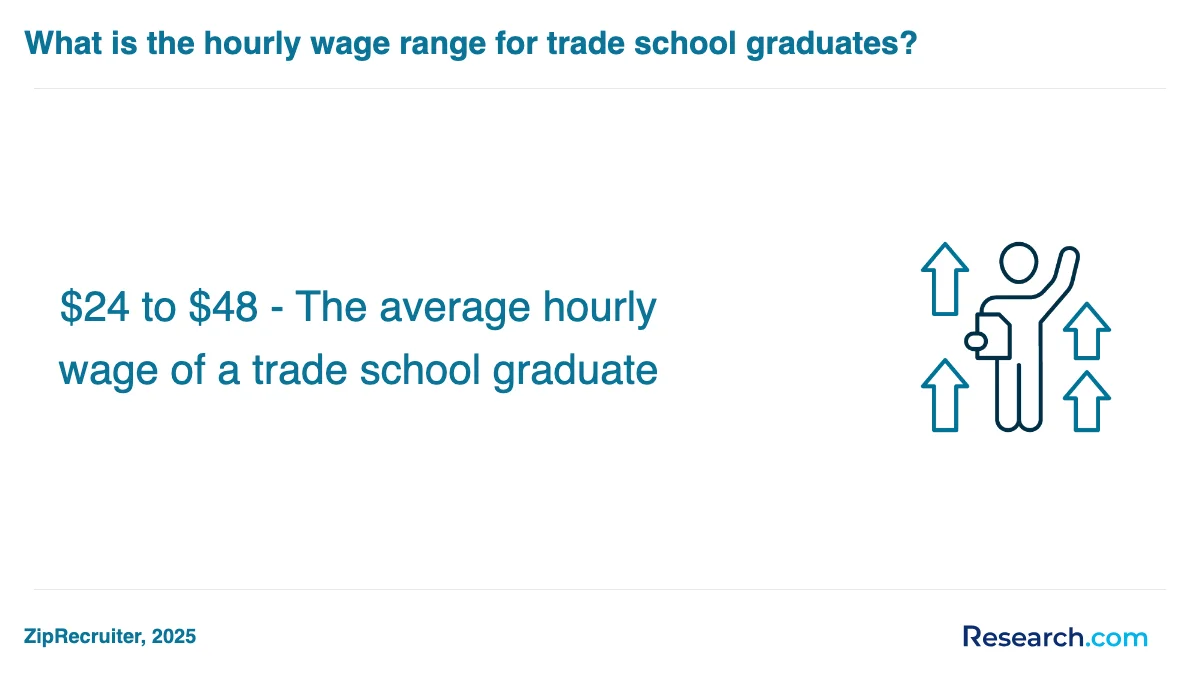
Trade school students in Baton Rouge often find financial aid to be a game-changer on their education journey. Many begin by submitting the Free Application for Federal Student Aid (FAFSA), unlocking access to essential resources like the Pell Grant and federal student loans. Graduates from popular programs at schools such as Paul Mitchell The School Baton Rouge recall how the Pell Grant eased the burden of tuition costs, allowing them to focus on honing their skills without constant financial stress.
Beyond federal aid, Louisiana's state-specific programs offer substantial support. The M.J. Foster Promise Program, for instance, can provide up to $3,200 annually to full-time students in technical colleges, covering not just tuition but also required books and supplies. This kind of assistance has empowered many Baton Rouge students to complete certificates efficiently and with confidence.
Additional help often comes through scholarships from schools or local organizations, as well as specialized benefits for veterans and students with disabilities via Vocational Rehabilitation or VA education benefits. Navigating these options with the school's financial aid office often turns what seems complex into a welcoming opportunity-a crucial step for those truly motivated to build careers through Baton Rouge trade schools.
Enrolling in a trade school program in Baton Rouge usually starts with having a high school diploma, GED, or equivalent. Many graduates from Baton Rouge Community College (BRCC) recall that the open-door admission makes it a welcoming place for those eager to start their careers, even if they had nontraditional educational paths like homeschooling.
Some programs, especially in healthcare or technical fields, demand more than just basic credentials. For example, students aiming for Radiologic Technology at Baton Rouge General had to gather:
- Official transcripts and diplomas
- Employer or instructor performance appraisals
- Proof of 20 volunteer hours in healthcare
- Passing the ATI TEAS exam with a $110 fee
- Submission of a personal essay and meeting GPA requirements
Others remember how ITI Technical College's flexible enrollment welcomed them but required verification of prior learning or certifications, making career shifts smoother.
Financial aid hopefuls who qualified for programs like TOPS needed to demonstrate Louisiana residency, complete core coursework, and meet GPA and ACT benchmarks-a motivating step toward affordable education.
Deadlines can be strict; one graduate shared how careful planning to submit documents weeks early allowed worry-free enrollment and access to grants. Knowing these clear-cut prerequisites helps you confidently take the first step toward your trade career in Baton Rouge.
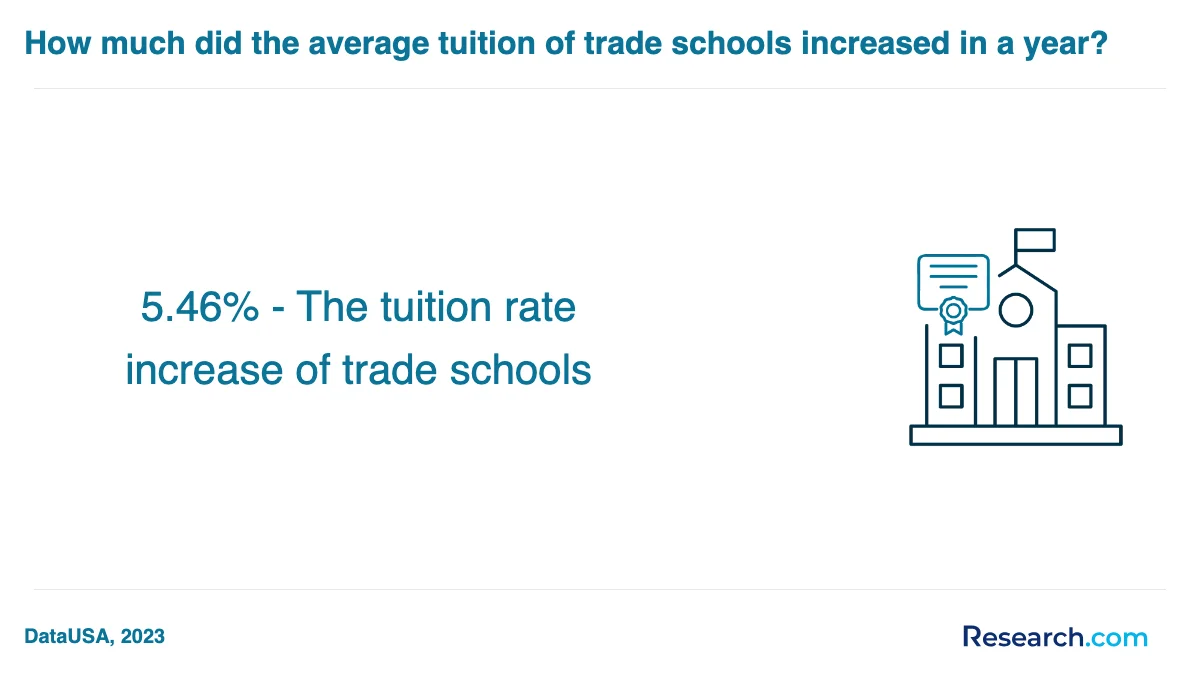
Trade school programs in Baton Rouge commonly include specialized courses that reflect the city's strong demand for skilled workers in thriving sectors like health care, construction, manufacturing, and technology. Graduates from institutions like ITI Technical College often describe hands-on experiences with industry-relevant skills that made their transition into jobs seamless.
Typical courses include:
- Air Conditioning, Refrigeration, & Electrical Technology: Learning how to install and maintain HVAC systems, a skill critical in Baton Rouge's climate.
- Automation & Electronic Systems Technology: Covering industrial control systems that power modern manufacturing plants.
- Instrument & Control Systems Technology: Focused on instrumentation used in oil refining and power generation facilities around the region.
- Process Technology: Teaching students how to monitor and optimize manufacturing processes, a cornerstone of local industries.
At places like EBR Career and Technical Education Center (CTEC), students gain certifications and college credits in manufacturing, construction trades, healthcare, and IT, often combining classroom learning with real internships that build confidence and practical expertise. Graduates often credit these programs for preparing them not just technically but also professionally, with training in workplace safety and effective communication.
Meanwhile, WBR Career Academy offers a variety of focused courses-from AWS Welding and Carpentry to Certified Nursing Assistant programs-that create job-ready skills closely aligned with local employer needs. Students recount how this practical approach helps them secure jobs immediately after completing their programs, equipped with both technical mastery and essential soft skills.
Trade school programs in Baton Rouge focus on specializations that align directly with the city's dynamic workforce needs. Graduates from ITI Technical College and Fortis College often speak of their hands-on experiences in Heating, Ventilation, Air Conditioning, and Refrigeration (HVAC-R), where they mastered the installation and repair of climate control systems vital to both homes and industries.
Other popular fields include Automation and Electronic Systems Technology, which prepares students for work with robotics and industrial controls-skills highly valued in Baton Rouge's manufacturing sectors. For those drawn to vehicles, Baton Rouge Community College offers automotive technology programs where graduates gain confidence in vehicle servicing with up-to-date industry tools.
Healthcare specializations like Medical Assisting and Pharmacy Technology are thriving, meeting local demand. Fortis College students highlight their exposure to Surgical and Radiologic Technology, readying them for critical roles in hospital settings.
Career and Technical Education Centers add a valuable option for those wanting to blend certifications with college credits. With the recognized growth of trade careers, Baton Rouge students find real career pathways fueled by practical, industry-related training.
Choosing the best trade school programs in Baton Rouge starts with pinpointing your career goals. Graduates from Baton Rouge Community College often share how finding programs that blend hands-on learning with flexible schedules made their busy lives manageable while preparing them thoroughly for healthcare or skilled trades. When considering how to compare Baton Rouge trade schools, focus on accreditation, since recognized programs assure employers that your skills meet local industry standards.
Cost plays a big role, too: tuition ranges widely, so look beyond fees to include supplies and living expenses. Many students appreciate public colleges offering lower-cost options, while others invest in private schools for specific trades. Exploring financial aid and scholarships is essential-some even find low cost online electrical lineworker training programs to supplement their education.
Finally, graduate job placement rates reveal how well a school connects students to local employers, ensuring your hard work leads to rewarding opportunities.

Trade school graduates in Baton Rouge find vibrant career opportunities that match the city's economic heartbeat. Skilled trades jobs Baton Rouge are particularly appealing, with many students enrolling in HVAC-R programs at Fortis College to master hands-on skills demanded by local employers. Graduates from these programs often describe the pride in quickly stepping into roles that install and maintain vital systems in homes and businesses.
Other popular paths include electrical work, welding, and industrial maintenance, typically offered at Baton Rouge Community College and ITI Technical College. These schools foster a community where students build confidence through real-world projects, preparing them to support booming construction and manufacturing sectors.
Healthcare fields also offer rewarding options, from Medical Assisting to Radiologic Technology, with graduates often gaining employment in nearby clinics and hospitals. Meanwhile, tech programs at East Baton Rouge CTEC open doors to roles like network technician, highlighting how IT careers are thriving in the region.
- Skilled trades with hands-on training and industry certifications
- Healthcare roles adapting to regional needs
- Growing IT and manufacturing professions
Programs aligned with Louisiana's Jump Start 2.0 ensure that trade school graduates are job-ready, stepping into stable work environments. For those curious about HVAC specifically, many find value in exploring best online hvac training options complementing local classroom experiences.
The job market for trade school graduates in Baton Rouge is vibrant and full of promise. Graduates from local programs frequently find themselves stepping directly into careers thanks to strong collaborations between schools and major employers like ExxonMobil and IBM. For instance, students completing programs at Baton Rouge Community College or the North Baton Rouge Industrial Training Initiative (NBRITI) report immediate employment opportunities in fields like electrical work, pipefitting, and welding.
Many graduates appreciate how accessible credentials through NCCER certification open doors in Baton Rouge's skilled trades job market in Baton Rouge, especially within the petrochemical and manufacturing sectors. Practical, hands-on training creates a real-world readiness that employers crave.
This dynamic market also extends to tech positions, where companies such as Electronic Arts and Stixis Technologies are actively recruiting trade school graduates for roles in software development and cybersecurity, with average tech salaries approximately 15% above the national average. Trade school programs here stay current with industry demand, making the job opportunities for trade school graduates in Baton Rouge more abundant than ever.
Convenience and flexibility are further enhanced by options like vocational trade online programs, making it easier to gain skills without uprooting life. Graduates often express pride and enthusiasm, knowing their education quickly leads to stable, well-paying jobs in a region that truly values skilled workers.
Best Trade School & Training Programs - Leading Certification Courses in Baton Rouge for 2026
# 1 position
Baton Rouge Community College - Diagnostic Medical Sonography/Sonographer and Ultrasound Technician.
associateBaton Rouge Community College offers a Diagnostic Medical Sonography/Sonographer and Ultrasound Technician program with a hybrid format, including some distance education. The program trains students to use medical ultrasound techniques for diagnostic purposes, covering patient care, data recording, and sonography equipment operation. Annual in-state tuition is $4,221. Graduates earn a median salary of $50,625 one year after completion. The program is accredited by the Southern Association of Colleges and Schools Commission on Colleges.
# 2 position
Franciscan Missionaries of Our Lady University - Physical Therapy Assistant.
associateFranciscan Missionaries of Our Lady University offers a Physical Therapy Assistant program with a hybrid format, combining in-person and distance education. The program prepares students to assist physical therapists by implementing treatment plans, training patients, and documenting progress. Annual in-state tuition is $15,690. Graduates have a median earning of $48,859 one year after completion. The curriculum includes anatomy, physiology, biomechanics, communication, and professional ethics. The program is accredited by the Southern Association of Colleges and Schools Commission on Colleges.
# 3 position
Fortis College-Baton Rouge - Medical Insurance Specialist/Medical Biller.
certificate or diplomaFortis College-Baton Rouge offers a hybrid Medical Insurance Specialist/Medical Biller program preparing students to manage medical and health insurance operations in various healthcare settings. The curriculum covers insurance processes, law, administration, software applications, billing, medical terminology, and communications. The program is accredited by the Accrediting Bureau of Health Education Schools. Annual in-state tuition is $16,167, and median earnings one year after completion are $26,833.
# 4 position
Baton Rouge Community College - Criminal Justice/Police Science.
associateBaton Rouge Community College offers a Criminal Justice/Police Science program with a hybrid format, including some distance education. The program trains students for police and public security roles such as patrol, investigation, traffic and crowd control, and evidence management. Annual in-state tuition is $4,221. Graduates earn a median salary of $36,066 one year after completion. The program is accredited by the Southern Association of Colleges and Schools Commission on Colleges.
# 5 position
Baton Rouge Community College - Veterinary/Animal Health Technology/Technician and Veterinary Assistant.
associateBaton Rouge Community College offers a program in Veterinary/Animal Health Technology/Technician and Veterinary Assistant designed to prepare students for patient management, clinical assistance, and owner communication under veterinary supervision. The curriculum covers animal nursing care, health and nutrition, clinical pathology, radiology, anesthesiology, dental prophylaxis, surgical assisting, and office administration. Annual in-state tuition is $4,221. The program is accredited by the Southern Association of Colleges and Schools Commission on Colleges.
# 6 position
Baton Rouge Community College - Computer Science.
associateBaton Rouge Community College offers a fully online Computer Science program focusing on computer theory, problem-solving, and the design of computer systems and user interfaces. The curriculum includes principles of computational science, programming, and practical applications. The annual in-state tuition is $4,221. The program is accredited by the Southern Association of Colleges and Schools Commission on Colleges.
# 7 position
Baton Rouge Community College - Heating, Air Conditioning, Ventilation and Refrigeration Maintenance Technology/Technician.
certificate or diplomaBaton Rouge Community College offers a hybrid Heating, Air Conditioning, Ventilation and Refrigeration Maintenance Technology/Technician program. This program prepares students to repair, install, service, and maintain HVAC and refrigeration systems using diagnostic techniques and testing equipment. Instruction covers mechanics, electricity, and electronics related to system repair. Annual in-state tuition is $4,221. The program is accredited by the Southern Association of Colleges and Schools Commission on Colleges.
# 8 position
Baton Rouge Community College - Industrial Mechanics and Maintenance Technology/Technician.
certificate or diplomaBaton Rouge Community College offers a program in Industrial Mechanics and Maintenance Technology/Technician that trains students to repair and maintain industrial machinery such as cranes, pumps, engines, and conveyor systems. The program covers equipment like pneumatic tools, marine deck machinery, and steam propulsion systems. Annual in-state tuition is $4,221. The program is accredited by the Southern Association of Colleges and Schools Commission on Colleges.
# 9 position
Baton Rouge Community College - Automobile/Automotive Mechanics Technology/Technician.
certificate or diplomaBaton Rouge Community College offers a hybrid program in Automobile/Automotive Mechanics Technology/Technician that prepares students to repair, service, and maintain various automobile systems. The curriculum covers brake systems, electrical systems, engine performance and repair, suspension, steering, transmissions, and heating and air conditioning. Annual in-state tuition is $4,221. The program is accredited by the Southern Association of Colleges and Schools Commission on Colleges.
# 10 position
Fortis College-Baton Rouge - Heating, Air Conditioning, Ventilation and Refrigeration Maintenance Technology/Technician.
certificate or diplomaThe Heating, Air Conditioning, Ventilation and Refrigeration Maintenance Technology/Technician program at Fortis College-Baton Rouge offers a hybrid format with some distance education options. It trains students to repair, install, service, and maintain HVAC and refrigeration systems, covering diagnostic techniques, testing equipment, and relevant mechanical and electrical principles. The program is accredited by the Accrediting Bureau of Health Education Schools. Annual in-state tuition is $16,167, and median earnings one year after completion are $36,485.
Frequently Asked Questions about trade school programs
Preparing for the job market after completing trade school in Baton Rouge involves several key steps to enhance employment prospects. First, graduates should leverage career services offered by their schools, such as resume workshops and job fairs, which connect students with local employers. According to the Louisiana Workforce Commission, industries like construction, healthcare, and manufacturing show strong demand for skilled trade workers in Baton Rouge.
Networking within the local community and joining trade organizations can also improve job opportunities. Additionally, obtaining relevant certifications and licenses required in Louisiana strengthens a candidate's profile. Continuous learning and staying updated with industry trends are vital in maintaining competitiveness in the job market.
Employers in Baton Rouge highly value a blend of technical expertise and soft skills in trade school graduates. According to the Louisiana Workforce Commission, practical abilities in fields like electrical work, HVAC, and welding are critical, with employers often seeking proficiency in industry-standard tools and safety protocols.
Beyond technical skills, communication and teamwork are emphasized. A 2023 survey by the Baton Rouge Area Chamber found that 78% of local employers prioritize problem-solving and effective collaboration in their hires. Time management and adaptability also rank high, helping graduates adjust to dynamic job sites.
Trade schools that embed work-based learning and internships tend to produce candidates meeting these expectations, bridging classroom knowledge with real-world demands.
Finding internships in Baton Rouge relevant to your trade school program begins with connecting to local employers who value skilled trades. Many companies in sectors like construction, automotive, and manufacturing regularly offer internship opportunities. The Baton Rouge Area Chamber of Commerce and Louisiana Workforce Commission provide resources and job listings specifically geared toward trades. Additionally, trade schools often have partnerships or affiliations with local businesses, which can ease the search process.
Students should also attend job fairs and networking events organized by community colleges or technical schools. According to the Louisiana Workforce Commission, internships in Baton Rouge have grown by 8% in the past three years, especially in skilled trades, reflecting increased demand for hands-on training.
A trade school diploma in Baton Rouge significantly improves career mobility by providing practical skills that are in demand locally. According to the Louisiana Workforce Commission, industries like construction, healthcare, and manufacturing value trade credentials, often leading to quicker job placements than traditional degrees.
Graduates typically see higher starting wages compared to those with only a high school diploma. For example, the U.S. Bureau of Labor Statistics reports that skilled trades in Louisiana can earn 15-30% more annually than unskilled positions.
This credential also supports career advancement. Employers in Baton Rouge often prioritize workers with certificates for promotions and specialized roles, reflecting a clear path upward in technical fields.
Part-time job opportunities in Baton Rouge that complement trade school education often align with the skills students are developing. For example, students in electrical or HVAC programs can find entry-level technician or helper positions with local contractors. According to data from the U.S. Bureau of Labor Statistics, Baton Rouge's technical trades sector is growing steadily, increasing part-time roles such as apprentices and assistants.
Retail and hospitality jobs also offer flexible hours, which help students manage their class schedules. Additionally, businesses in manufacturing and automotive repair frequently seek part-time staff to support operations, providing hands-on experience linked to vocational training.
These roles often pay between $12 and $18 per hour, depending on skill requirements and employer. Local job boards and workforce development centers in Baton Rouge are good resources for up-to-date job listings suited for trade students.
Yes, there are highly regarded degree programs available near Baton Rouge, LA. The area hosts several universities and colleges offering a variety of undergraduate and graduate degrees across different fields. To explore and evaluate the options near you, resources such as Research.com can be useful in finding programs that align with your academic and career goals.
- Best Trade School & Training Programs - Leading Certification Courses in Little Rock for 2026
- Best Trade School & Training Programs - Leading Certification Courses in Springfield for 2026
- Best Trade School & Training Programs - Leading Certification Courses in Emporia for 2026
- Best Trade School & Training Programs - Leading Certification Courses in Florence for 2026
- Trade School Programs in Baton Rouge, LA | Fortis https://www.fortis.edu/campuses/louisiana/baton-rouge.html
- Career and Technical Education | West Baton Rouge Schools https://www.wbrschools.net/page/wbr-cte
- EBR Career and Technical Education Center (CTEC) - EBR Schools https://ebrschools.org/academics/workforcedevelopment/ctec/
- Programs and Courses | BRCC https://mybrcc.edu/academics/programs-and-courses.php
- How a BAAS Can Help Skilled Trades Professionals Advance Their Careers | LSU Online https://online.lsu.edu/newsroom/articles/how-a-baas-can-help-skilled-trades-professionals-advance-their-careers/


