
Best Medical Billing & Coding Training Programs & Trade Schools - Top Medical Billing & Coding Schools in Midwest for 2026

Co-Founder and Chief Data Scientist
Choosing the right medical billing and coding trade school in the Midwest can feel overwhelming. This article simplifies that process by presenting a carefully researched ranking of top programs. Developed by the Research.com team of data scientists, this ranking helps students identify quality schools worth considering for 2026.
Getting a diploma or certification in medical billing and coding opens doors to a rewarding healthcare career with strong job prospects. Reading this article will guide you toward programs that match your goals and set you up for success in this growing field.
Key benefits of finishing medical biller & coder trade school in Midwest
- Graduates of medical biller & coder trade schools in the Midwest can expect starting salaries around $15 to $20 per hour, with experienced professionals earning up to $30 or more, making this a rewarding career choice.
- Career paths include roles such as medical coder, billing specialist, and compliance analyst, offering diverse opportunities similar to graduates from popular Midwest trade schools like the Lincoln Tech Medical Billing program.
- Completing an online medical biller & coder program offers flexibility and convenience, allowing students to balance work and study, as demonstrated by successful graduates from schools like Penn Foster.
- Best Medical Billing & Coding Training Programs & Trade Schools - Top Medical Billing & Coding Schools in Midwest for 2026
- What can I expect from medical biller & coder trade schools in Midwest?
- Where can I work after finishing medical biller & coder trade schools in Midwest?
What can I expect from medical biller & coder trade schools in Midwest?
Enrolling in a medical biller and coder trade school program in the Midwest means stepping into a focused, practical journey that prepares you for real healthcare roles quickly. Graduates from schools like Oakton College and Minnesota State Community and Technical College often describe the experience as both challenging and rewarding, with coursework that dives deep into medical terminology, insurance procedures, and coding systems like ICD-10 and CPT. Many appreciate the balance of online learning options that let them study flexibly while managing other responsibilities.
Students can expect hands-on practice through virtual simulations or externships, which build confidence by mimicking actual billing and coding tasks they'll face on the job. Programs emphasize not only coding skills but also legal and ethical aspects, making graduates feel well-rounded and ready. The chance to earn national certification eligibility, sometimes with exam vouchers included, adds a tangible goal that motivates many through the program.
Tuition varies but remains affordable for most, especially with in-state online options, making the investment feel worthwhile as graduates move into roles at physician offices, billing services, or insurance companies, often recalling their program as a pivotal stepping stone in their careers.
Where can I work after finishing medical biller & coder trade schools in Midwest?
Graduates from medical biller and coder trade schools in the Midwest often find themselves welcomed into a variety of healthcare settings. Many land roles in hospitals, clinics, and physician offices where they confidently review medical records and assign accurate codes, knowing their work directly supports patient care and billing accuracy. One graduate shared how starting at a community hospital in Illinois gave them the chance to work alongside experienced coders while enjoying the stability of a growing job market.
Beyond traditional healthcare facilities, opportunities also arise in insurance companies, nursing homes, and government agencies focused on healthcare administration. Some graduates appreciate the flexibility of remote or hybrid positions offered by larger health systems in cities like Chicago, which was a game-changer for balancing work and life.
With experience, many billers and coders expand into related fields such as health information management or compliance auditing, reflecting the dynamic career paths available after completing a Midwest trade school program. The steady demand in this region provides a reassuring foundation for building a rewarding career.
After completing a medical biller and coder trade school program in the Midwest, many graduates find themselves stepping into roles with starting salaries that feel both encouraging and practical. For example, those from popular trade schools often report entry-level pay ranging from $30,000 to $40,000 annually, which aligns well with the region's cost of living and healthcare demand.
One graduate shared that landing a position in a Wisconsin hospital brought an hourly wage near $22.16, translating to roughly $46,000 per year. This real-world scenario highlights how completing a respected trade program can quickly lead to stable income. Others starting out in physician offices or remote roles noticed salaries around the national median of $50,250, reflecting solid opportunities in the Midwest market.
As experience grows, so do earnings. Graduates who pursue certifications like the Certified Professional Coder often progress to salaries exceeding $55,000, feeling proud to see their investment in education pay off. The Midwest's blend of urban and rural healthcare settings means wages vary, but the steady growth potential offers reassurance to those beginning their career journey in this field.
- Applicants must be at least 18 years old and have a high school diploma or equivalent, with some schools requiring prerequisite courses and a separate application.
- Certificate programs typically last 9 months to 1 year and may include part-time options like Oakton Community College's 16-credit certificate.
- Tuition costs vary, with the University of Central Missouri charging $4,495 for a billing and coding certificate including books and exam fees.
- Graduates are prepared for certification exams such as the Certified Professional Coder (CPC) and Certified Coding Associate (CCA), which are often required for employment.
- Starting salaries in the Midwest range from $28,300 to $42,630, while median salaries in Missouri reach $51,590, and experienced professionals can earn up to $67,310 nationally.
Completing a medical biller & coder trade school program in the Midwest typically takes between six months to one year, depending on the school and whether you choose full-time or part-time study. Many graduates from well-known Midwest trade schools recall feeling a strong sense of accomplishment as they balanced their studies with daily responsibilities, appreciating the focused, practical curriculum designed to prepare them quickly for the workforce.
For example, students at popular Midwest trade schools often mention how the accelerated pace allowed them to dive directly into coding systems and billing software, experiences that closely mirrored real-world medical office environments. This hands-on approach made the time commitment feel worthwhile and energizing rather than overwhelming.
Choosing a program of about nine months gave many graduates enough time to absorb complex coding manuals and insurance regulations without unnecessary delay. The ability to start a new career in under a year was a frequent highlight, reinforcing the trade school's reputation for blending efficiency with thorough preparation.
The key difference between online and on-campus medical biller & coder trade school programs in the Midwest lies in how students engage with their coursework and the flexibility offered. Graduates from online programs at schools like Rasmussen University often share how the ability to study anytime-whether late at night after work or during a lunch break-made balancing family and job responsibilities much less stressful. This flexibility is a lifeline for many, especially parents or working adults who cannot commit to fixed class times.
On the other hand, graduates from on-campus programs, such as those at Minnesota State Community and Technical College, describe the value of face-to-face interaction. They appreciate the immediate feedback from instructors and the camaraderie built through in-person networking, which can boost confidence and deepen understanding, especially for those new to healthcare environments.
Both paths cover essential topics like CPT and ICD-10 coding, but the choice often boils down to whether a student thrives with self-paced independence or structured classroom support within the Midwest's trade school system.
The average tuition for medical coding programs in Midwest trade schools reflects a range of educational pathways, each with its own cost structure. Certificate programs, favored by many graduates for their affordability and shorter duration, typically cost between $1,000 and $30,000. For example, students graduating from North Central Missouri College's certificate program, which covers 25 credits over three semesters, often find tuition fees between $4,475 and $6,975 depending on residency. This makes it an accessible option for those balancing work and studies.
Online programs offer another appealing alternative, combining flexibility with moderate pricing. A notable example from Northwest Missouri State University provides a Certified Medical Billing and Coding Specialist program around $3,935, offering students the chance to learn without the disruption of commuting or relocation. These programs often fit well into the lives of those seeking cost-effective options without sacrificing quality.
On the higher end, associate degree programs provide a deeper dive into the field but come with an average cost of $6,200 to $50,800. Graduates appreciate the comprehensive curriculum, which often opens doors to broader career opportunities despite the higher initial financial commitment. Considering the cost of medical billing and coding diplomas in Midwest institutions is crucial as these programs vary widely.
Many students reflect on the additional expenses beyond tuition-books, exam fees, and technology needs-which can add up quickly. For instance, the Certified Professional Coder certification exam alone costs $300. Thankfully, numerous financial aid options, including scholarships and employer tuition reimbursements, help lighten these burdens.
For a practical perspective on how to navigate these choices and costs, prospective students can explore detailed guidance on how to get into medical coding and billing, helping them make informed decisions aligned with their goals and budgets.
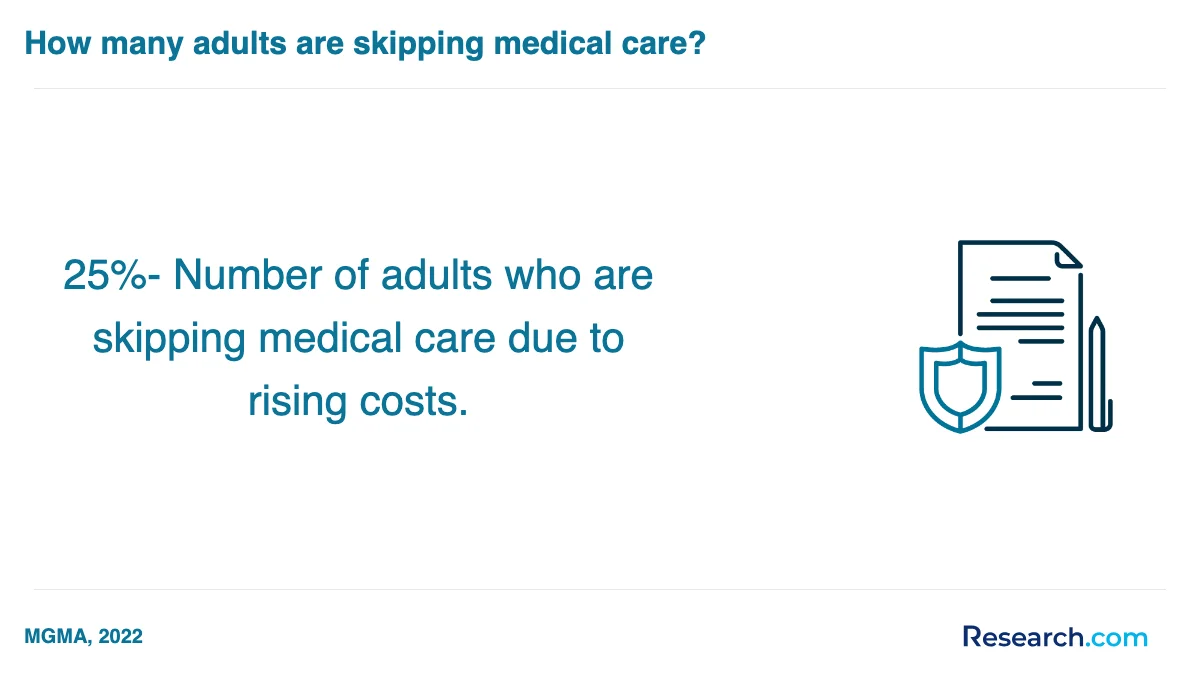
Many students pursuing medical biller and coder programs in the Midwest find financial aid to be a crucial support, often transforming their educational journey from uncertain to achievable. Graduates from popular schools like Waukesha County Technical College share how completing the Free Application for Federal Student Aid (FAFSA) opened doors to Pell Grants and federal loans with manageable repayment options, easing the stress of upfront costs.
Beyond federal aid, institutional scholarships and grants play a significant role. Nearly half of the students at some Midwest trade schools receive awards averaging over $1,200, helping to lighten the financial load. These scholarships often reward dedication, whether through maintaining a solid GPA or active participation in healthcare associations.
Regional scholarships, such as those from AHIMA, inspire many students by recognizing not just academic success but also a genuine commitment to healthcare careers. Payment plans offered by schools and tuition reimbursement from healthcare employers add practical flexibility, allowing students to focus on learning without financial pressure overwhelming them.
Enrolling in a medical biller & coder trade school program in the Midwest typically requires a few clear prerequisites, designed to prepare you for success. Most programs expect applicants to have a high school diploma or GED, which lays the foundation for the essential reading and math skills needed in this field.
Graduates from well-known Midwest trade schools often reflect on how being comfortable with basic computer use and medical terminology before starting made a significant difference in their confidence and progress. Many schools also appreciate applicants who demonstrate strong organizational skills and attention to detail-qualities vital when handling sensitive patient records and insurance claims.
Some common prerequisites include:
- High school diploma or GED
- Basic proficiency in English and math
- Familiarity with computers and keyboarding skills
- Background check and immunization records, especially if clinical exposure is involved
One graduate shared how meeting these requirements gave them a sense of readiness, making the transition into trade school smoother and more rewarding. Midwest trade schools often provide preparatory workshops or resources for those needing to strengthen these areas, which helps future students feel supported and capable from day one.
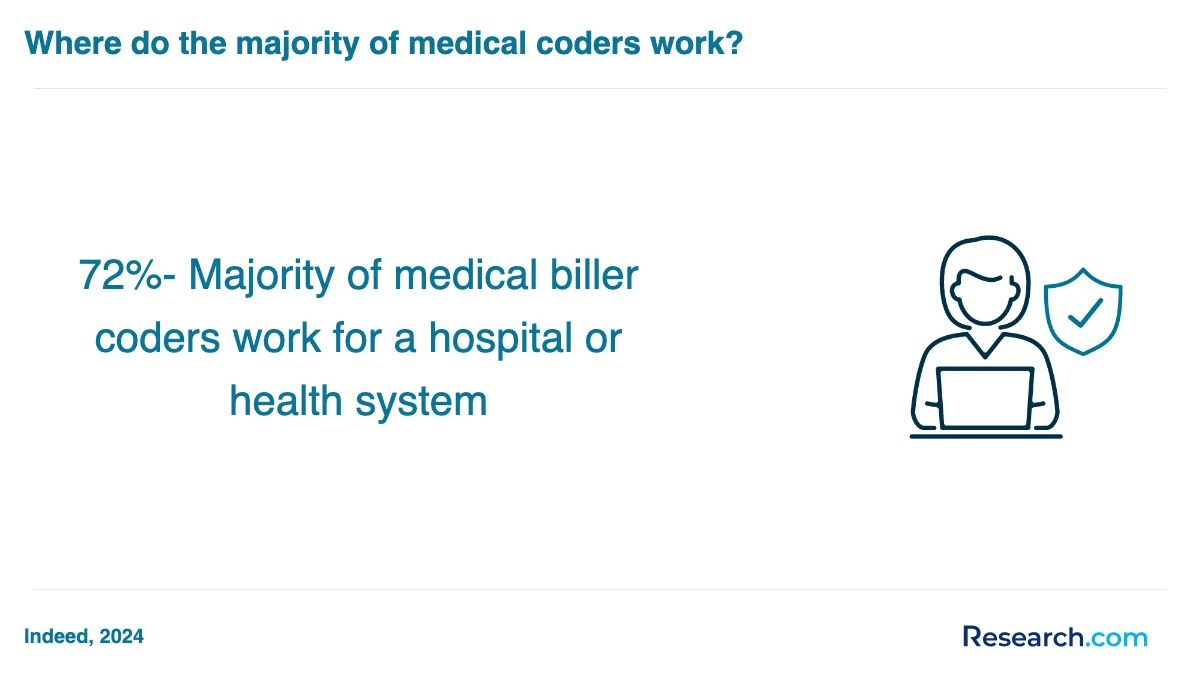
Midwest medical biller and coder trade schools focus on courses that build practical skills and confidence for immediate work in healthcare settings. Graduates often recall how mastering medical terminology unlocked their understanding of complex patient records, making daily tasks feel manageable and rewarding.
Core courses typically include:
- Medical terminology to navigate healthcare language with ease.
- Human anatomy and physiology, providing essential biological context to interpret clinical data accurately.
- Diagnostic and procedural coding systems like ICD-10-CM, CPT, and HCPCS, which are vital for precise billing and claims processing.
- Medical office billing procedures, training students in the full billing cycle from patient intake to payment reconciliation.
- Health insurance processes and reimbursement principles, teaching how to manage claims and handle denials effectively.
Many trade schools in the Midwest offer hands-on practice with real-world billing software, helping students feel prepared to submit claims confidently on day one. Graduates often emphasize the value of courses on medical ethics and law, which reinforce the importance of patient privacy and regulatory compliance in their daily work. This comprehensive curriculum blends technical knowledge with professional skills, making the learning experience both practical and motivating.
Medical coding specialist programs in Midwest frequently provide targeted specializations to prepare students for essential roles within healthcare settings. Graduates from popular trade schools often describe how hands-on training in medical terminology and coding systems such as ICD-10, CPT, and HCPCS helped them transition confidently into real-world environments like clinics and hospitals. These programs emphasize the practical skills needed for processing insurance claims and navigating healthcare regulations, making daily tasks both manageable and rewarding.
Many medical billing and coding diploma programs in Midwest also offer pathways focused on preparing students for certifications like CBCS, CPC, and CCS, which are highly valued by employers. Graduates recall feeling accomplished after completing these courses, knowing they were equipped to meet industry standards and boost their job prospects.
Specialized training often includes:
- Medical auditing and compliance techniques
- Physician practice management basics
- Detailed insurance claim processing procedures
For those deciding between certification and degree options, exploring the differences through resources like medical billing and coding certification vs bachelors can clarify which pathway aligns best with individual goals.
Choosing the best medical biller & coder trade school program in Midwest requires careful attention to accreditation and curriculum relevance. Graduates from top-rated medical coding programs in Midwest often share how programs accredited by recognized bodies provided them with confidence in their training and boosted their employability. These programs emphasize essential skills like understanding ICD-10 and CPT codes, which are crucial in real-world healthcare settings.
Flexibility is another key factor, especially for those balancing work or family commitments. Many successful alumni highlight how online or hybrid options allowed them to complete coursework without sacrificing their personal routines. Exploring local colleges that offer strong career support and internship opportunities can make a significant difference in smooth job placement after graduation.
Researching tuition costs and financial aid availability is also important. Students attending popular schools in the Midwest often describe how scholarships and payment plans alleviated financial stress. For an overview of accredited programs suited to diverse needs, consider exploring accredited medical coding and billing online schools.
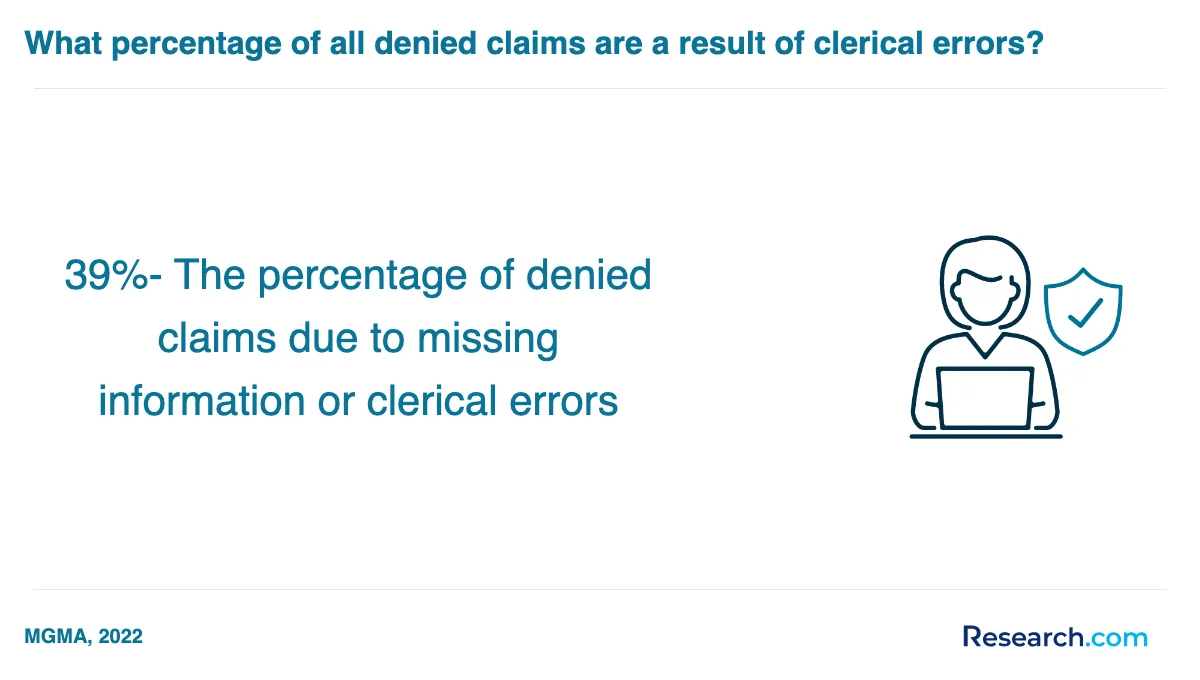
Graduates of medical biller & coder trade school programs in the Midwest find themselves stepping into a variety of meaningful roles across healthcare settings. From bustling hospital offices to dedicated third-party billing services, opportunities abound. Many graduates start as medical billers or medical coders, roles that serve as critical linchpins in healthcare administration. Popular trade schools in the Midwest often share stories of alumni advancing into supervisory jobs like coding supervisors or billing managers, bringing a sense of accomplishment and leadership growth.
Career opportunities for medical coders in Midwest extend beyond the basics. Some choose to specialize as medical auditors, compliance officers, or even software trainers, helping healthcare providers optimize electronic health records. These paths bring rewarding challenges and higher earning potential, often reflecting the graduates' passion for detail and accuracy. The daily work vividly connects to real-world impact, ensuring patient data is handled correctly and efficiently.
Many graduates appreciate that medical billing and coding education requirements in these programs help open doors everywhere in the region, from Illinois to Ohio and Minnesota. The strong local demand for medical billing and coding jobs in Midwest, with over 2,200 postings in Illinois alone, reassures students they are investing in a secure and fulfilling career path.
- Entry-level jobs as medical billers and coders
- Advancement to coding supervisors and billing managers
- Specializations such as medical auditing and compliance
- Roles as trainers for physicians and healthcare staff
The job market for medical biller & coder trade school graduates in the Midwest is robust and promising. Graduates from well-regarded trade schools frequently report smooth transitions into employment, particularly in states like Missouri and Ohio where demand is notably high. A typical graduate's story often highlights finding roles quickly due to the region's steady healthcare needs and expanding medical services.
Key reasons for the positive outlook include:
- Projected job growth in the sector at about 9% from 2023 to 2033, surpassing many other fields.
- Widespread availability of positions in urban hubs and rural areas alike.
- Median salaries rising with experience, reaching up to $50,000 or more for certified professionals.
Many graduates appreciate the flexibility employers offer, including remote work options that support a healthy work-life balance. Those who pursue additional certifications often unlock higher wages, sometimes up to $61,500 annually.
For students considering entering this career, programs like the popular 4-week online course for medical coding and billing provide an accessible pathway to developing competitive skills.
The demand for medical billers and coders in Midwest healthcare systems makes this a rewarding choice for trade school graduates ready to step into stable and growing roles.
Best Medical Billing & Coding Training Programs & Trade Schools - Top Medical Billing & Coding Schools in Midwest for 2026
# 1 position
Bryan University - Medical Insurance Coding Specialist/Coder.
associateBryan University offers a Medical Insurance Coding Specialist/Coder program preparing students for specialized data entry, classification, and record-keeping in medical diagnostic, treatment, billing, and insurance documentation. The curriculum covers medical records software, anatomy, medical terminology, coding, and Medicare regulations. Annual in-state tuition is $15,868. Graduates earn a median salary of $24,928 one year after completion. The program is accredited by the Accrediting Bureau of Health Education Schools.
# 2 position
Metropolitan Community College Area - Medical Insurance Coding Specialist/Coder.
associateThe Medical Insurance Coding Specialist/Coder program at Metropolitan Community College Area is fully online, offering specialized training in medical data entry, classification, and record-keeping related to diagnostic, treatment, billing, and insurance documentation. The curriculum covers medical records software, anatomy, medical terminology, coding procedures, and relevant Medicare regulations. Annual in-state tuition is $3,285. The program is accredited by the Higher Learning Commission, with median earnings of $44,112 one year after completion.
# 3 position
Fox Valley Technical College - Medical Office Management/Administration.
associateFox Valley Technical College offers a Medical Office Management/Administration program with a hybrid format that includes some distance education. The program prepares students to manage business operations in medical or clinical offices, covering areas such as financial record-keeping, personnel supervision, health care policy administration, and applicable laws. Annual in-state tuition is $4,916, and median earnings one year after completion are $38,881. The program is accredited by the Higher Learning Commission.
# 4 position
Fox Valley Technical College - Medical Insurance Coding Specialist/Coder.
certificate or diplomaFox Valley Technical College offers a hybrid Medical Insurance Coding Specialist/Coder program that trains students in medical records, insurance software, and coding related to diagnostic, treatment, billing, and insurance documentation. The curriculum covers anatomy, physiology, medical terminology, data classification, and Medicare regulations. The annual in-state tuition is $4,916. Graduates earn a median income of $38,881 one year after completing the program. The program is accredited by the Higher Learning Commission.
# 5 position
Southwest Wisconsin Technical College - Medical Insurance Coding Specialist/Coder.
certificate or diplomaSouthwest Wisconsin Technical College offers a Medical Insurance Coding Specialist/Coder program that trains students in specialized data entry, classification, and record-keeping for medical diagnostic, treatment, billing, and insurance documentation. The curriculum includes medical records software, anatomy, physiology, medical terminology, data classification, coding, and Medicare regulations. The program’s annual in-state tuition is $4,796. Graduates earn a median salary of $38,437 one year after completion. It is accredited by the Higher Learning Commission.
# 6 position
Flint Hills Technical College - Health and Medical Administrative Services, Other.
associateFlint Hills Technical College offers a hybrid program in Health and Medical Administrative Services, Other, designed for flexible learning with some distance-education options. The program's annual in-state tuition is $6,196. Graduates typically earn a median income of $29,526 within one year after completing the program. It is accredited by the Higher Learning Commission. This program covers instructional content not listed under other health and medical administrative services specialties.
# 7 position
College of DuPage - Medical Insurance Coding Specialist/Coder.
certificate or diplomaThe Medical Insurance Coding Specialist/Coder program at College of DuPage prepares students for specialized data entry, classification, and record-keeping related to medical diagnostic, treatment, billing, and insurance documentation. The hybrid program includes instruction in medical records software, anatomy, medical terminology, coding, and Medicare regulations. Annual in-state tuition is $4,320. The program is accredited by the Higher Learning Commission. Median earnings one year after completion are $52,904.
# 8 position
Northwood Technical College - Medical Administrative/Executive Assistant and Medical Secretary.
associateNorthwood Technical College offers a fully online Medical Administrative/Executive Assistant and Medical Secretary program. This program prepares students to support physicians, nurses, and healthcare administrators through training in medical communications, terminology, healthcare operations, scheduling, and professional ethics. Accredited by the Higher Learning Commission, the program has an annual in-state tuition of $4,524. Graduates report median earnings of $35,796 one year after completion.
# 9 position
Northwood Technical College - Medical Insurance Coding Specialist/Coder.
certificate or diplomaNorthwood Technical College offers a fully online Medical Insurance Coding Specialist/Coder program preparing students for specialized data entry, classification, and record-keeping related to medical diagnostics, treatment, billing, and insurance documentation. The curriculum includes medical records software, anatomy, physiology, medical terminology, data classification, coding, and Medicare regulations. The annual in-state tuition is $4,524, and median earnings one year after completion reach $35,796. The program is accredited by the Higher Learning Commission.
# 10 position
Northwood Technical College - Medical Insurance Specialist/Medical Biller.
certificate or diplomaNorthwood Technical College offers a fully online Medical Insurance Specialist/Medical Biller program that prepares students to manage medical and health insurance operations in various healthcare settings. The curriculum covers health insurance processes, law, policy, insurance office administration, billing procedures, medical terminology, and communication skills. The program is accredited by the Higher Learning Commission. Annual in-state tuition is $4,524, and median earnings one year after completion are $35,796.
Frequently Asked Questions about medical biller & coder
After completing a medical biller & coder trade school in the Midwest, preparing for the job market involves several key steps. First, obtaining certification from recognized organizations such as the AAPC or AHIMA can enhance employment prospects, as employers often prefer certified professionals. According to the Bureau of Labor Statistics, the demand for medical billing and coding specialists in Midwest states like Illinois and Ohio is projected to grow by over 8% through 2030.
Networking through local healthcare associations and attending job fairs can also be valuable. Additionally, gaining familiarity with Electronic Health Records (EHR) software used in Midwest healthcare facilities improves job readiness. Finally, tailoring resumes to highlight relevant skills and completed coursework helps graduates stand out to employers.
Employers in the Midwest seek medical biller and coder graduates with strong knowledge of medical terminology and healthcare reimbursement methods. Proficiency in ICD-10, CPT, and HCPCS coding systems is essential. According to the Bureau of Labor Statistics, accurate coding skills directly impact billing efficiency and compliance with federal regulations.
Technical skills with electronic health record (EHR) software and billing platforms are highly valued. Soft skills such as attention to detail, communication, and problem-solving also rank high among employers. The American Health Information Management Association (AHIMA) highlights that employers prefer candidates who can adapt quickly to evolving healthcare policies.
Overall, graduates demonstrating a combination of certified coding skills and practical software experience have better job prospects across the Midwest healthcare industry.
Finding internships in the Midwest relevant to medical biller and coder trade school programs involves several practical steps. Start by contacting your trade school's career services, as many have established partnerships with local healthcare providers. These partnerships often lead to internship opportunities tailored for students.
Additionally, explore job boards specific to healthcare and administrative roles, such as the American Health Information Management Association (AHIMA) Career Assist platform, which frequently lists Midwest internships. According to the Bureau of Labor Statistics, the demand for medical records and health information technicians is growing faster than average in states like Illinois, Ohio, and Michigan, increasing internship availability.
Networking with local hospitals, clinics, and insurance companies can also uncover unadvertised internships. Finally, consider joining regional professional groups or attending healthcare job fairs, which provide valuable contacts and internship leads.
Obtaining a medical biller & coder trade school diploma in the Midwest can significantly enhance career mobility and advancement opportunities. According to the U.S. Bureau of Labor Statistics, the demand for medical records and health information technicians, which includes billers and coders, is projected to grow 11% from 2022 to 2032, faster than average for all occupations.
Trade school diplomas provide practical skills and industry-recognized certifications, such as Certified Professional Coder (CPC), that employers in the Midwest highly value. This credential often enables graduates to qualify for higher-paying roles and supervisory positions.
Additionally, many Midwest healthcare employers prefer candidates with formal training, increasing job placement rates. Regional workforce studies from the National Skills Coalition highlight that diploma holders in this field report greater job stability and wage growth compared to those without formal credentials.
Part-time job opportunities in the Midwest that complement medical biller and coder trade school education often include roles such as medical billing assistant, coding clerk, or administrative support in healthcare settings. These positions provide practical experience with electronic health records (EHR) and insurance claim processing, essential skills for certification and employment.
According to the U.S. Bureau of Labor Statistics, the Midwest shows steady growth in healthcare support occupations, including medical billers and coders, with states like Illinois, Ohio, and Michigan offering numerous part-time openings.
Students may also find opportunities in outpatient clinics and physician offices, where flexible schedules accommodate schooling.
To find the best degree program near me in Midwest, start by identifying the fields of study that interest you and then research universities and colleges in that geographical area which specialize in those fields. Universities near Midwest offer a variety of programs where you can take advantage of campus resources, faculty, and specific course offerings. Utilizing resources like Research.com can help you evaluate academic reputations and program standings to ensure you make an informed decision.
- 14 Entry Level Medical Coder Cover Letter Examples: Plus Recruiter Insights (Updated for 2025) https://resumeworded.com/cover-letter-samples/entry-level-medical-coder
- Medical Billing and Coding Career Guide (2022) | UMA https://www.ultimatemedical.edu/blog/how-to-start-career-in-medical-billing-and-coding/
- Online Medical Coding & Billing Program | Self-Paced Course https://www.uscareerinstitute.edu/online-medical-coding-and-billing-school
- Medical Coder/Biller (Online Program) – Fort Myers Technical College https://fortmyerstech.edu/programs/health-science/medical-coder-biller-online-program/
- Programs - College of Health Careers - Regional Center for Border Health, Inc. https://www.rcbh.edu/programs-medical-coder-and-biller.html
- Medical Billing and Coding Certificate Program https://pmi.edu/on-campus-programs/certificate/medical-billing-and-coding/
- Medical Billing & Coding | Wake Tech https://www.waketech.edu/programs-courses/non-credit/workforce-training/healthcare-wellness/billing-coding
- Lehman College https://www.lehman.edu/academics/continuing-education/learn-more/medical-surgical-coding-billing/
- How To Become A Medical Biller Or Coder | NurseJournal.org https://nursejournal.org/healthcare/medical-billing-and-coding/how-to-become/
- Wiki - New coder can't find a job! | Medical Billing and Coding Forum - AAPC https://www.aapc.com/discuss/threads/new-coder-cant-find-a-job.124893/


