
Best Certificate Programs - Leading Certification Courses in Miami for 2026

Co-Founder and Chief Data Scientist
Choosing the right trade school certificate program in Miami can shape your future career and open doors to new opportunities. This article introduces a carefully crafted ranking of the best trade school certificate programs, developed by the Research.com team of data scientists. It aims to guide you through the options with clear, data-driven insights.
By exploring this guide, you’ll discover programs that match your goals, helping you take confident steps toward gaining valuable skills. Earning a trade school certification can bring pride and stability, making it a rewarding choice for many students.
Key benefits of getting trade school certificate in Miami
- Trade school graduates in Miami can earn enjoyable salaries, with average annual pay around $46,135 and hourly wages typically between $17.45 and $25.05. Skilled technicians in fields like automotive repair and electrical work often start from $27 to $32 per hour, offering great financial motivation.
- Popular career paths include HVAC technology, electrical work, plumbing, automotive technology, and allied health fields. These trades provide exciting opportunities to work in essential, in-demand industries that keep the local economy moving.
- Getting certified online offers flexibility, allowing students to balance education with life and work. Online graduates from well-known Miami trade schools share how this approach helped them quickly gain skills and enter the workforce faster than traditional programs.
- Best Certificate Programs - Leading Certification Courses in Miami for 2026
- What can I expect from trade school certification programs in Miami?
- Where can I work with trade school certification in Miami?
What can I expect from trade school certification programs in Miami?
The average cost of a trade school certification program in Miami typically ranges from $3,000 to $15,000, depending on the field and institution. Graduates from Miami Dade College's College Credit Certificate programs often share how affordable the investment felt compared to traditional degrees, making hands-on training accessible without overwhelming debt.
Imagine stepping into a modern classroom at UTI Miramar, where you're not just learning theory but working with the latest automotive technology. Students frequently highlight how this direct approach fuels their confidence to enter the workforce quickly. The pricing is often inclusive of materials and use of industry-standard equipment, adding value beyond tuition alone.
Many trade schools in Miami offer flexible payment plans or financial aid options, ensuring that pursuing a brighter future doesn't feel out of reach. Evening and weekend classes help graduates balance work and study, reinforcing the belief that investing in yourself can fit into any lifestyle.
With a reasonable financial commitment, students gain practical skills, small class sizes, and personalized guidance that inspire immediate progress and long-term career success.
Where can I work with trade school certification in Miami?
Graduates from Miami's top trade schools often find themselves stepping confidently into dynamic careers right after certification. Imagine working as an electrician on bustling construction sites or maintaining Miami's vibrant city buildings, knowing your skills power the city's growth. Many graduates from popular programs like electrical service or carpentry secure jobs with local contractors and property managers eager to hire certified professionals.
Others follow a rewarding path in healthcare-supporting patients in busy Miami clinics or helping keep dental offices running smoothly. The city's demand for medical assistants and practical nurses means steady, fulfilling employment just after training.
For those drawn to automotive technology or logistics, Miami's transportation hubs offer countless positions, from dealership technicians to fleet maintenance experts. Graduates often share how quickly they became trusted team members at local garages.
Hospitality and culinary arts students thrive in Miami's lively hotels and restaurants, crafting memorable experiences for tourists while building exciting careers. Office administration grads contribute essential support across various businesses, embracing roles that keep Miami's economy moving forward.
After finishing a trade school certification program in Miami, many graduates see exciting earning opportunities that quickly transform their futures. Skilled professionals like HVAC technicians and electricians often start with salaries in the mid-$30,000s but reach up to $60,000 annually as they gain experience and certifications. Imagine starting your career with the confidence that each new certificate can boost your paycheck and unlock better positions.
Graduates from popular Miami trade schools, including those specializing in IT, report impressive wages-some earning around $32.69 per hour in network security or cloud computing certificates. Others with programming certificates can make as much as $42 per hour, translating to $67,000 to $87,000 yearly. These figures bring to life the real chance to build a rewarding career in the growing tech scene right here in Miami.
Even technical support roles, which many Miami students complete through shorter programs, offer flexible salary ranges between $18 and $45 per hour, giving a practical launchpad for steady growth. For those dreaming of a prosperous future, Miami's trade schools deliver a path filled with promise and upward momentum.
- Maria: Earning my HVAC certification in Miami was a game-changer. The hands-on training prepared me perfectly for local job demands. I felt supported every step of the way, and now I'm confidently working for a leading company, providing top-quality service while enjoying a stable career.
- Javier: Studying electrical technology in Miami gave me the technical skills and confidence I needed. The instructors were knowledgeable and approachable, making learning engaging and practical. Landing a job as an electrician in Miami's booming construction industry has been incredibly rewarding financially and personally.
- Keisha: The Miami culinary arts program didn't just teach me to cook; it transformed my life. The emphasis on creativity and discipline helped me thrive in Miami's vibrant food scene. Now working as a sous chef, I love how this certification opened doors to exciting opportunities.
- Eligibility usually requires being at least 16 years old and not enrolled in high school, with a high school diploma or equivalent needed for most programs.
- Students in programs of 450 hours or more must pass a basic skills test like the TABE within six weeks, unless exempted by prior education or approved exams.
- Trade school certificate programs often last under a year and cover fields like healthcare, IT, construction, culinary arts, transportation, and manufacturing.
- Program costs range from $2,000 to $10,000, with financial aid options such as federal grants, scholarships, and veterans' benefits available.
- Entry-level salaries for graduates typically start between $35,000 and $45,000 annually, with experienced workers earning $50,000 to $70,000 or more depending on the trade.
Completing a trade school certification program in Miami is an exciting and achievable goal that typically takes one year or less. Many graduates from popular Miami trade schools share how they balanced life and work while earning certificates in as little as a few months to a full year, thanks to flexible evening classes tailored for busy adults. Imagine starting a healthcare certificate program and gaining hands-on skills that employers value-many students do this within a year, quickly transitioning into rewarding careers.
Programs at Miami Dade College and Miami-Dade County Public Schools often blend technical instruction with real-world practice, enabling students to build confidence and job-ready skills swiftly. For example, graduates from the city's top technical programs report feeling empowered after completing the required 450 hours of study, meeting state skill assessments, and passing licensure tests within their first year.
This fast-track approach uplifts individuals striking a balance between family, work, and education, embracing the vibrant Miami community while unlocking new career opportunities.
The difference between online and on-campus trade school certification programs in Miami revolves around flexibility and experience. Online programs offer incredible freedom, allowing you to study whenever and wherever you want. Imagine managing your coursework while caring for family or working a job-this is the reality for many students enrolling through Miami Dade College's online certificate options. Graduates often share how this flexibility gave them confidence and control over their education journey.
On the other hand, on-campus programs bring you into a vibrant community at places like Miami Dade College's Miami campus. Here, hands-on learning becomes personal and dynamic. Students training in HVAC or electrical work thrive with real equipment and face-to-face mentorship from expert instructors. They appreciate the energy of collaboration and immediate feedback-key to mastering practical skills.
Both pathways lead to the same certification, taught by the same quality faculty, empowering you to choose the best fit for your life and learning style in Miami's thriving trade education scene.
The average trade school tuition in Miami reflects a diverse range influenced by program choice and school type. Graduates from popular programs such as automotive technology or medical assisting often find their total costs, including tuition and fees, fall between $11,000 and $25,000 annually. Many students share how affordable programs enabled them to quickly gain practical skills and enter Miami's bustling workforce without the overwhelming debt often associated with traditional colleges.
Miami trade school certification program cost typically includes mandatory fees but may exclude essentials like books or equipment. For example, graduates of welding certificates have highlighted that their overall investment remained manageable, often under $15,000, while others in healthcare-related fields experienced costs that varied up to $20,000 depending on course length and specialization. The city's vibrant economy and demand for certified trade professionals encourage many to pursue these paths with confidence.
Financial aid plays a pivotal role in making these options accessible. Students taking advantage of scholarships and grants report feeling relieved and optimistic about their futures. Whether exploring shorter certificate options or in-depth programs, individuals frequently express gratitude for the chance to advance their careers affordably.
Those curious about the difference between various credentials might find it helpful to explore resources explaining the vocational school vs trade certificate program, helping them choose the path best aligned with their goals and budget.
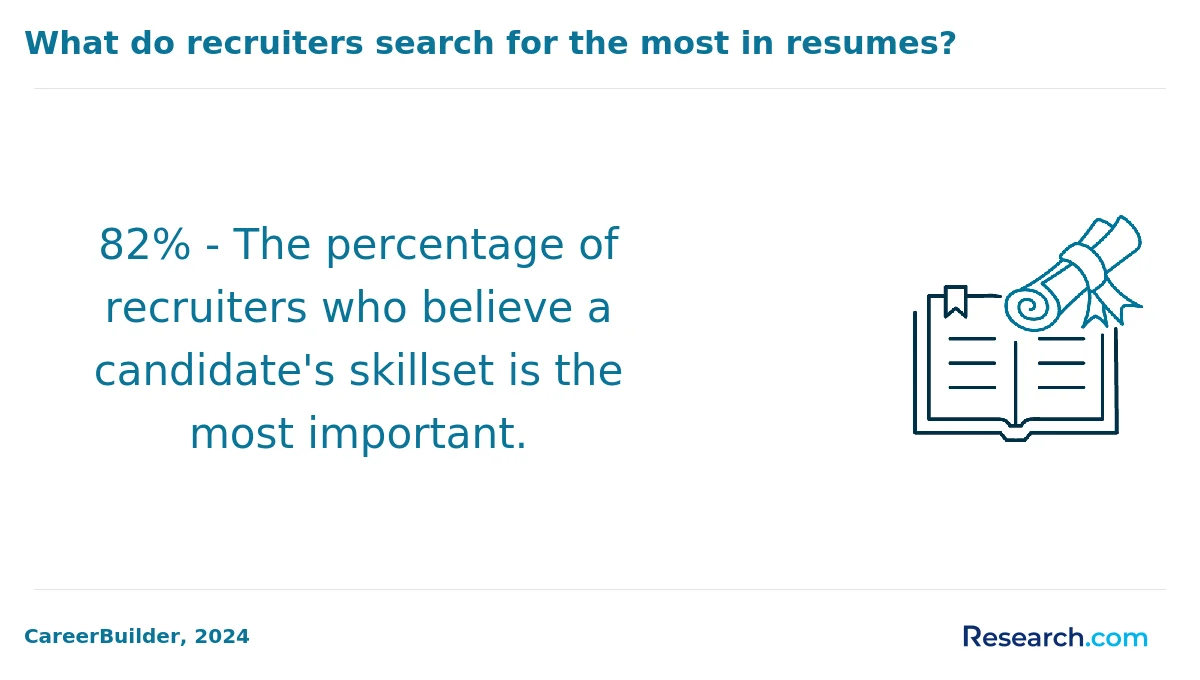
Many graduates from Miami's trade schools know firsthand how financial aid can transform their educational journey. Students attending popular programs such as those in Miami-Dade technical colleges often rely on the Federal Pell Grant, a game-changer that provides funds based on financial need and requires no repayment. For example, a graduate from a welding certification program described how this grant covered most tuition, allowing full focus on mastering hands-on skills without financial stress.
Additional help comes from the Federal Supplemental Educational Opportunity Grant (FSEOG), which supports students with exceptional need. Trade school learners who applied early found this extra funding eased costs for essential tools and materials.
At the local level, Miami-Dade's District Financial Aid Program (DFAP) and Fee Waiver Program offer tuition assistance, rewarding students who maintain strong academic progress. Graduates of HVAC certification courses often share how these programs helped keep their education affordable.
CareerSource South Florida training vouchers further empower unemployed or economically disadvantaged individuals by covering tuition, books, and fees. Veterans also benefit from dedicated educational benefits through Miami's technical colleges, opening doors to new careers.
To embark on a trade school certification journey in Miami, students embrace a path built on achievable, clear prerequisites designed to set them up for success. Graduates often reflect on how meeting these requirements felt empowering-they weren't barriers but stepping stones.
Here's what you need to know to enroll:
- Be at least 16 years old, and if under 18, make sure you have officially withdrawn from any K-12 program.
- Provide proof of identity like a Florida driver's license or state ID to confirm who you are.
- If you want in-state tuition rates, which many find affordable and motivating, show two forms of Florida residency documentation-such as a voter registration card or Florida ID.
- Hold a high school diploma or GED, especially for programs that require 450+ instructional hours; otherwise, be prepared for placement tests and additional skill-building sessions.
- Complete the Test of Adult Basic Education (TABE) to demonstrate readiness, though some grads, like those with an Associate degree or who attended Florida public schools post-2006, may be exempt.
Many students share how attending orientation sessions helped them feel connected and confident before starting their courses. Tuition is reasonable-just $2.56 per instructional hour for in-state students-making dreams of certification in thriving Miami trade schools truly attainable.
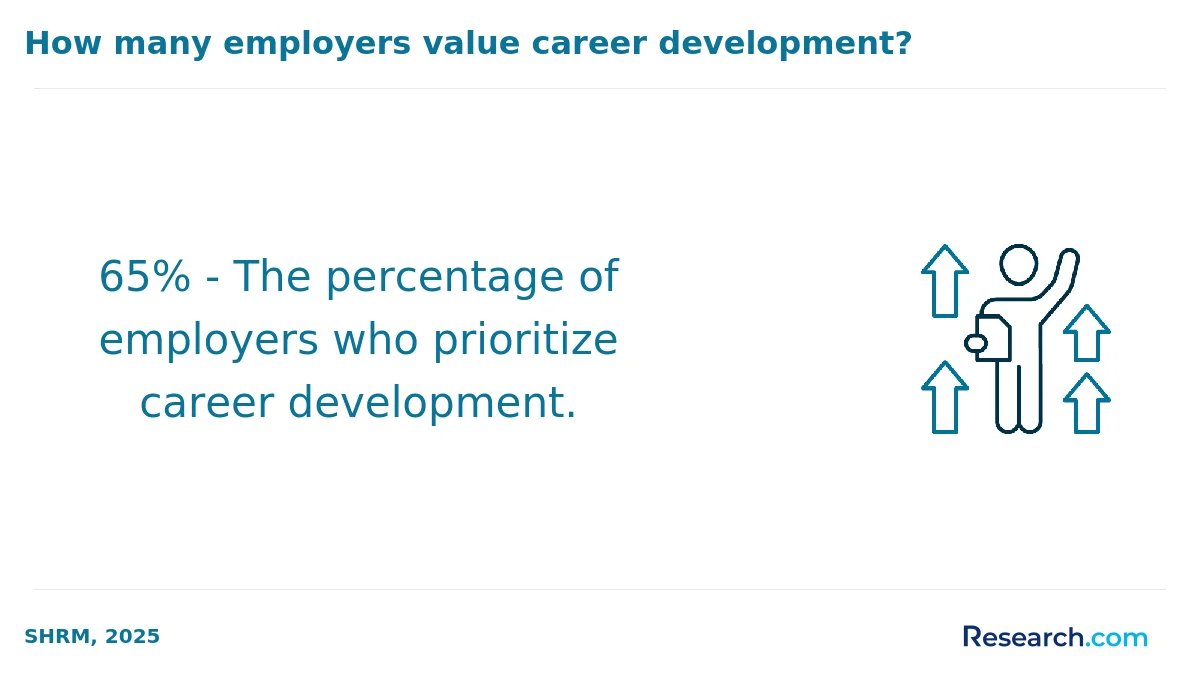
Trade school courses in Miami offer a hands-on, career-focused education designed to get students into the workforce quickly and confidently. Graduates from popular programs often share how courses in construction, healthcare, technology, and business gave them practical skills that employers in the Miami area highly value. For example, construction students learn vital skills such as electrical systems, carpentry, plumbing, OSHA safety standards, and even solar energy installation, preparing them for Miami's growing demand in renewable energy.
Miami technical certificate program curriculum also includes healthcare areas like clinical skills, patient care, phlebotomy, and emergency medical response, equipping students with certifications that open doors to rewarding healthcare roles.
Certificates in technology and business cover digital marketing, network technology, and entrepreneurship, with preparation for certifications like CompTIA and CCNA. Many students find that these skills help them tap into some of the best paying trade school jobs right here in Miami.
Additional programs often include automotive services, hospitality, cosmetology, and welding - all tailored to local job markets and delivered in flexible schedules with English and Spanish options to support the vibrant Miami community.
Choosing the best trade school programs in Miami starts with focusing on accreditation and real-world training. Graduates from McFatter Technical College often share how their hands-on experience prepared them to confidently enter the workforce, especially in fields like healthcare and skilled trades. Programs with robust internships or apprenticeships, such as those at Florida International University, provide students with valuable on-the-job exposure that builds skills fast.
Many students emphasize the importance of student support services, including career placement assistance offered by schools like Southeastern College Boynton Beach, which helps turn training into tangible employment opportunities. When deciding, don't overlook how to compare Miami trade school costs to ensure your choice fits your budget and lifestyle, especially with options for evening or weekend classes.
For those eager to boost their earning potential quickly, exploring high paying 6 month certificate programs available in Miami can be a life-changing step toward stable, rewarding work.
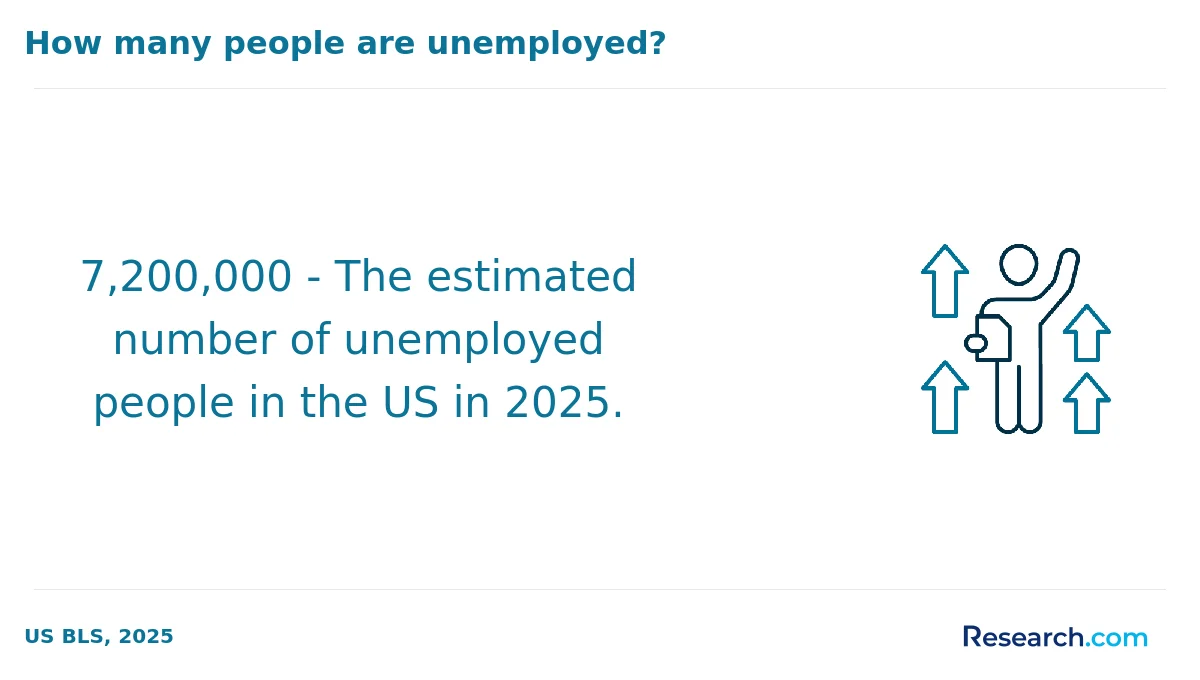
Graduates of trade school certification programs in Miami find themselves stepping into vibrant career opportunities after trade school in Miami that are both diverse and rewarding. Many have shared how programs in healthcare, like Practical Nursing or Medical Assisting, quickly paved their way into bustling local clinics and hospitals, where the demand for skilled professionals is ever-growing. Others chose skilled trades such as HVAC/R and Welding Technology, landing jobs on thriving construction sites or in specialized repair services as Miami's urban landscape continues expanding.
Trade school jobs in Miami also flourish in fields like Information Technology and Business, where graduates support the city's emerging tech companies and administrative offices. Transportation and logistics certifications connect students directly with Miami's vital freight and automotive sectors, offering stability and swift employment.
Popular trade schools in Miami inspire students by combining practical skills with real-world experiences; graduates often remark on the excitement of beginning careers that impact their communities immediately. For those looking for affordable options, programs in low cost flooring installers training online offer accessible paths into skilled labor professions.
- Healthcare: Practical Nursing, Medical Assisting, Pharmacy Technician
- Skilled Trades: HVAC/R, Welding, Electronic Systems
- IT and Business: Network Support, Digital Design, Office Administration
- Transportation: Automotive Service Technology, Commercial Driving, Diesel Systems
- Hospitality and Culinary Arts: Chef, Event Coordinator, Hospitality Manager
The job market for trade school certification program graduates in Miami is thriving, fueled by the city's growing demand for skilled professionals in essential trades. Graduates from well-known Miami institutions experience rapid employment, especially in high-need areas like healthcare support, electrical work, HVAC, aviation, and information technology. These programs often lead to careers with starting salaries ranging from $37,000 to $75,000 annually, reflecting the market's recognition of the valuable skills these graduates bring.
Many students appreciate the accelerated path provided by Miami's trade schools, which offer flexible schedules-such as evening and online courses-allowing them to balance current jobs with gaining new certifications. Graduates often share inspiring stories of landing positions as electricians, HVAC specialists, and diesel technicians within months of completion.
Key factors contributing to the strong employment rates include:
- Partnerships between schools like Barrington Irving Technical Training School and local employers
- Focus on practical, industry-recognized skill sets
- Support from workforce initiatives like UpSkill Miami
Prospective students interested in building a rewarding career in Miami's trade sectors can explore options such as the best hvac certificate programs online, which combine quality education with job-ready skills.
Best Certificate Programs - Leading Certification Courses in Miami for 2026
# 1 position
Miami Dade College - Automobile/Automotive Mechanics Technology/Technician.
certificate or diplomaMiami Dade College offers a hybrid program in Automobile/Automotive Mechanics Technology/Technician, preparing students to repair, service, and maintain various automobile systems. The curriculum includes brake systems, electrical systems, engine performance and repair, suspension and steering, transmissions, and heating and air conditioning. The annual in-state tuition is $2,838. The program is accredited by the Southern Association of Colleges and Schools Commission on Colleges.
# 2 position
Miami Dade College - Sterile Processing Technology/Technician.
certificate or diplomaMiami Dade College offers a Sterile Processing Technology/Technician program with a hybrid format, including some distance education options. The program trains students to clean, sterilize, and assemble surgical instruments and equipment for medical facilities. Instruction covers sterilization, infection control, decontamination, and surgical instrumentation processing. In-state tuition is $2,838 annually. Graduates have median earnings of $25,923 one year after completion. The program is accredited by the Southern Association of Colleges and Schools Commission on Colleges.
# 3 position
Lindsey Hopkins Technical College - Electrician.
certificate or diplomaThe Electrician program at Lindsey Hopkins Technical College is a hybrid trade school course designed to develop skills in installing, operating, and repairing electrical systems in residential, commercial, and industrial settings. Instruction covers electronics, wiring, power transmission, safety, and electrical codes. Graduates have median earnings of $26,041 one year after completion. The program is accredited by the Council on Occupational Education.
# 4 position
Lindsey Hopkins Technical College - Dental Assisting/Assistant.
certificate or diplomaLindsey Hopkins Technical College offers a hybrid Dental Assisting/Assistant program that prepares students for patient care, dental radiography, and office administrative tasks under dentist supervision. The curriculum covers medical record-keeping, scheduling, equipment maintenance, sterilization, chairside assisting, and taking dental impressions, combined with supervised practical experience. The program is accredited by the Council on Occupational Education.
# 5 position
Robert Morgan Educational Center and Technical College - Dental Assisting/Assistant.
certificate or diplomaThe Dental Assisting/Assistant program at Robert Morgan Educational Center and Technical College is a hybrid course designed to prepare students for patient care, dental radiography, and office administrative tasks under dentist supervision. Instruction covers medical record-keeping, reception, equipment maintenance, sterilization, chairside assisting, and supervised practice. The program is accredited by the Council on Occupational Education.
# 6 position
Florida Education Institute - Heating, Air Conditioning, Ventilation and Refrigeration Maintenance Technology/Technician.
certificate or diplomaThe Heating, Air Conditioning, Ventilation and Refrigeration Maintenance Technology/Technician program at Florida Education Institute prepares students to repair, install, service, and maintain HVAC and refrigeration systems. Instruction covers diagnostic techniques, testing equipment use, and principles of mechanics, electricity, and electronics related to these systems. The program is offered in a hybrid format and is accredited by the Council on Occupational Education. Median earnings one year after completion are $31,247.
# 7 position
Florida Career College-Miami - Dental Assisting/Assistant.
certificate or diplomaThe Dental Assisting/Assistant program at Florida Career College-Miami prepares students to provide patient care and assist dentists and hygienists. The hybrid program includes training in dental radiography, patient and equipment preparation, office administrative duties, and chairside assisting. Students learn medical record-keeping, scheduling, equipment sterilization, and supervised practical skills. Median earnings one year after completion are $24,595.
# 8 position
Robert Morgan Educational Center and Technical College - Nursing Assistant/Aide and Patient Care Assistant/Aide.
certificate or diplomaThe Nursing Assistant/Aide and Patient Care Assistant/Aide program at Robert Morgan Educational Center and Technical College offers hybrid instruction, combining distance education with hands-on training. It prepares students to perform routine nursing-related tasks under the supervision of registered or licensed practical nurses. The program is accredited by the Council on Occupational Education. Graduates typically earn a median salary of $42,531 one year after completion.
# 9 position
Lindsey Hopkins Technical College - Sterile Processing Technology/Technician.
certificate or diplomaA program at Lindsey Hopkins Technical College prepares individuals to clean, sterilize, and assemble surgical instruments, equipment, and supplies for use in medical and surgical facilities. Instruction covers sterilization, infection control, decontamination, surgical instrumentation processing, distribution, and record-keeping. The program is hybrid, offering some distance-education options. It is accredited by the Council on Occupational Education.
# 10 position
Lindsey Hopkins Technical College - Automobile/Automotive Mechanics Technology/Technician.
certificate or diplomaLindsey Hopkins Technical College offers a hybrid program in Automobile/Automotive Mechanics Technology/Technician. The curriculum covers brake systems, electrical systems, engine performance and repair, suspension, steering, transmissions, drive trains, and heating and air conditioning systems. Graduates earn a median salary of $22,609 one year after completion. The program is accredited by the Council on Occupational Education, emphasizing technical skills for automotive repair and maintenance.
Frequently Asked Questions about trade school certificates
After completing trade school certification programs in Miami, preparation for the job market involves building practical skills and professional connections. Many programs emphasize hands-on experience, so graduates should highlight internships or apprenticeships when applying for jobs. According to the Florida Department of Education, certified trade graduates in Miami experience a 15% higher employment rate within six months compared to non-certified peers.
It is also essential to create a strong resume that details specific skills gained and certifications earned. Networking through industry associations in Miami, such as local unions or trade groups, can open job opportunities. Additionally, pursuing continuing education and certifications relevant to emerging technologies in the trade sector helps maintain competitiveness.
Recent Miami job market reports from the U.S. Bureau of Labor Statistics project growth in construction and technical trades, reaffirming the value of certification credentials. Graduates should stay informed about labor demand trends to target suitable employers effectively.
Employers in Miami highly value trade school graduates who possess both technical proficiency and strong soft skills. According to the Florida Department of Education, essential technical skills include expertise in electrical work, HVAC systems, welding, and automotive repair. Proficiency with modern tools and safety protocols is critical.
Additionally, communication skills and teamwork consistently rank among the top soft skills sought by Miami employers, as reported by the Florida Agency for Workforce Innovation. Problem-solving and adaptability are equally important, given the fast-paced environment of many trade industries.
Understanding local building codes and regulations also enhances a graduate's employability in Miami's competitive job market.
Locating internships in Miami that align with your trade school certification program involves a strategic approach. Start by exploring local workforce agencies such as CareerSource South Florida, which connects students with employers offering paid and unpaid internships relevant to skilled trades.
Many Miami trade schools maintain partnerships with local businesses and unions; contacting your school's career services department can provide exclusive internship listings tailored to your certification.
Online platforms like Indeed and LinkedIn allow filtering for Miami-based internships in fields like HVAC, electrical work, or cosmetology.
According to the U.S. Bureau of Labor Statistics, Miami's expanding construction and technical service sectors have increased internship opportunities by approximately 12% over recent years.
Trade school certification programs in Miami significantly enhance career mobility and advancement opportunities for many workers. These programs provide practical skills tailored to local job markets, such as construction, HVAC, and healthcare support. According to the Florida Department of Education, certified trade professionals in Miami earn median salaries up to 25% higher than non-certified peers in similar roles.
Certification acts as proof of competency, making candidates more attractive to employers who prioritize verified skills. A 2023 report by Miami-Dade College showed that 68% of certified graduates found jobs within six months, compared to 45% of non-certified applicants.
Furthermore, industry partnerships with trade schools often include internship opportunities, providing crucial real-world experience and networking benefits that boost career advancement.
Part-time job opportunities in Miami that complement trade school certification programs often align with the skills students develop in areas like HVAC, electrical work, or healthcare support. For example, certified electrician students can find part-time roles as electrical assistants or helpers on residential projects, which offer practical experience alongside their studies.
In the healthcare sector, students pursuing certification as medical assistants may work part-time in clinics or pharmacies. According to the U.S. Bureau of Labor Statistics and Miami-Dade workforce reports from 2023, such part-time roles commonly offer flexible hours, averaging $15-$20 per hour, enabling students to balance work and education effectively.
Similarly, HVAC certification students can seek seasonal technician helper roles in Miami's hospitality industry, gaining hands-on exposure. These opportunities help build a resume while supporting the completion of trade certifications.
To find the best degree program near me in Miami, FL, it's essential to explore local universities and colleges that offer a comprehensive range of undergraduate and graduate programs. Researching institutions near Miami, FL, can help identify programs that align with your academic interests and career goals. Resources like Research.com can be utilized to compare program rankings and testimonials, aiding your decision-making process.
- A Guide to Skilled Trades Apprenticeships and Internships | BestColleges https://www.bestcolleges.com/trades/guide-to-skilled-trades-apprenticeships-internships/
- What Skills Will Future Business Graduates Need? | AACSB https://www.aacsb.edu/insights/articles/2025/08/what-skills-will-future-business-graduates-need
- The Differences Between Certificates, Credentials & Degrees https://diplomasafe.com/credential-vs-certificate/
- Step 1: Completing Your Initial Application Package https://www.fldoe.org/teaching/certification/steps-to-certification/step-1-completing-your-initial-applica.stml
- Certificate Programs | Academics | Miami Dade College https://www.mdc.edu/academics/programs/certificate.aspx
- Financial Aid | Lindsey Hopkins Technical College https://www.lindseyhopkins.edu/financial-aid/
- 5 Tips for Getting Ready for a Job After Trade School - Techneeds https://www.techneeds.com/2022/05/12/5-tips-for-getting-ready-for-a-job-after-trade-school/
- Professional Certificates | https://ucontinue.miami.edu/professionalcertificates/
- Workforce.Miami - Find Jobs in Miami-Dade County https://dashboard.workforce.miami/accredited-opportunities
- What Employers Want From Trade School Graduates Today | UTI https://www.uti.edu/blog/education/employers-trade-school-graduates





